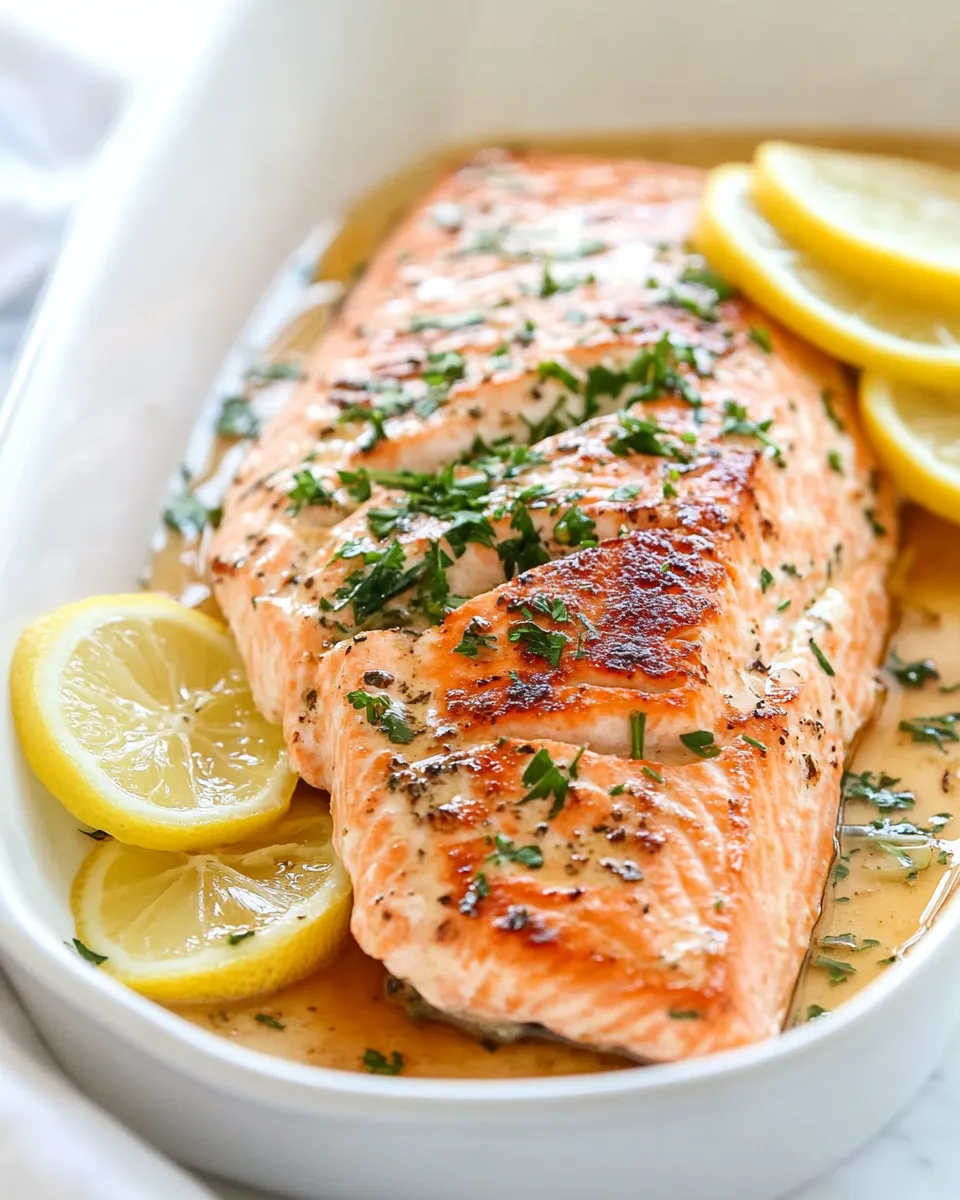
Lemon Butter Baked Salmon
I cook a lot, and this Lemon Butter Baked Salmon is one of those weeknight wins that never feels ordinary. It’s fast, forgiving, and bright — exactly what you want when you need dinner that’s both simple and impressive. The lemon cuts through the richness of the butter, and baking keeps the fillets tender and flaky.
There’s no elaborate prep, no long ingredient list, and no last-minute panic. Follow a few straightforward steps and you’ll have four evenly cooked fillets with a gentle lemon-butter sheen and a quick-option for a crisp edge if you like. I’ll walk you through the whole thing, from what to buy to how to store leftovers so nothing gets wasted.
Read on for the ingredient list, the exact step-by-step method, sensible gear suggestions, and a few service ideas that keep this dish feeling fresh. Practical, direct, and reliable — that’s how I cook, and this recipe fits that approach perfectly.
What You’ll Need

This section covers the basic supplies and the ingredient list. Keep the salmon chilled until you’re ready to assemble, and preheat the oven only when you’re ready to finish the prep. The whole process moves quickly once the oven is hot.
Ingredients
- 2 to 3 Tablespoons butter, or olive oil — provides fat for flavor and keeps the fillets moist; choose butter for richness or olive oil for a lighter finish.
- 1 to 2 lemons — primary source of acidity and brightness; use one for juice and the second optional for slices or extra juice.
- 4 skinless salmon fillets, about 6 ounces each — the recipe timing is built for these portion sizes; skinless cooks evenly and flakes predictably.
- Salt, to taste — essential for seasoning; sprinkle evenly just before baking.
- Ground black pepper, to taste — adds mild heat and balances the lemon; freshly ground is best if you have it.
Mastering Lemon Butter Baked Salmon: How-To
- Preheat the oven to 400°F.
- In a small bowl, melt 2 to 3 Tablespoons butter (or measure 2 to 3 Tablespoons olive oil if using oil instead). Squeeze the juice from 1 lemon into the melted butter or oil and whisk until combined. If using a second lemon (optional), slice it now and set the slices aside for topping or reserve its juice.
- Place the 4 skinless salmon fillets (about 6 ounces each) on a baking sheet or in a cast-iron pan, spaced so they do not touch.
- Brush the lemon butter mixture over both sides of each fillet. If using lemon slices, place one slice on top of each fillet. Sprinkle salt and ground black pepper to taste over the fillets.
- Bake the salmon in the preheated oven for 12 to 15 minutes, or until the internal temperature reaches 145°F and the salmon flakes easily with a fork.
- For a crispier edge, switch the oven to broil and broil the salmon for the last 1 to 2 minutes—watch closely to avoid burning.
- Remove the salmon from the oven, brush with any remaining lemon butter mixture, and serve warm.
Reasons to Love Lemon Butter Baked Salmon
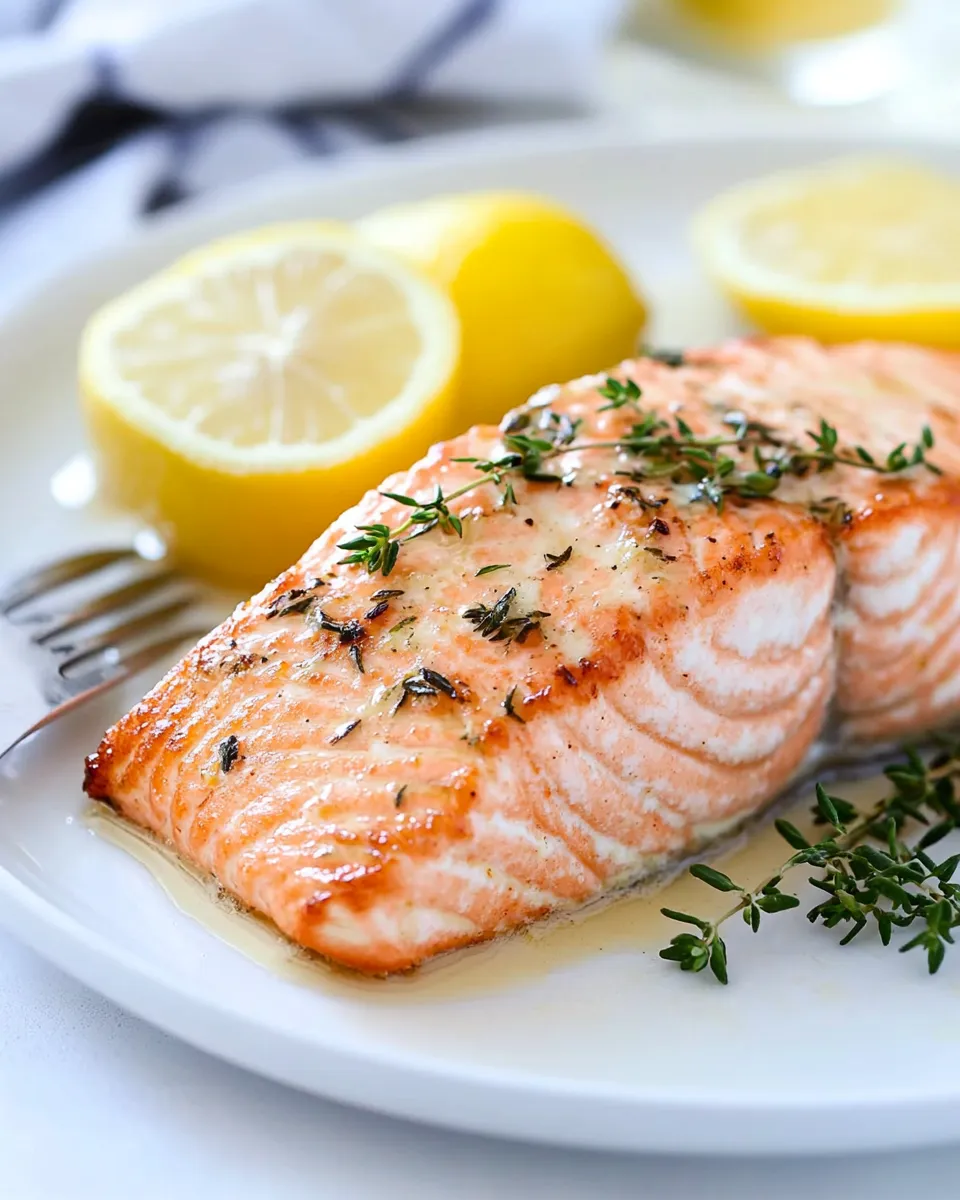
This recipe hits a few reliable marks: it’s quick, uses a short ingredient list, and produces consistent results. Here’s why I reach for it often.
- Speed: From oven to table in about 20 minutes once preheated.
- Flavor balance: Butter (or olive oil) and lemon make the fish bright without masking its natural flavor.
- Flexibility: Works for weeknights, small dinners, or a scaled-up crowd with minimal fuss.
- Healthy-ish: Salmon brings protein and omega-3s; seasoning is simple and light.
No-Store Runs Needed
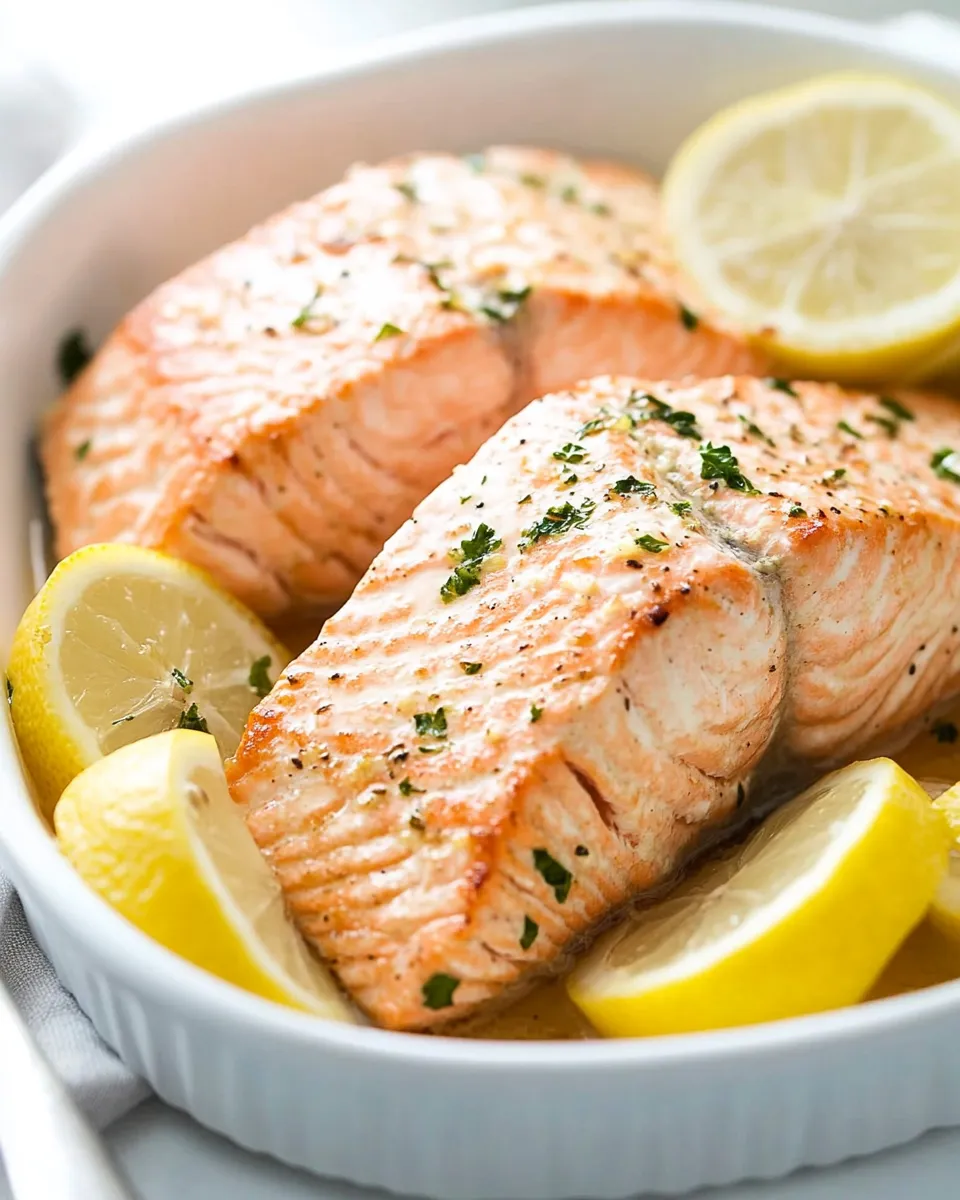
One of the best practical points here: you probably already have most of the components. Salt, pepper, butter or oil, a lemon, and salmon — that’s it. If you don’t have butter, olive oil is an explicit alternative in the recipe. If you only have one lemon, use it for both juice and optional slices; the dish will still be bright and balanced.
If you want to add something from your pantry, a quick sprinkle of whatever dried herb you have is fine, but it’s entirely optional. The core lemon-and-butter combo is the star.
Gear Checklist
- Oven set to 400°F (and broil function if you want a crisp edge).
- Baking sheet or cast-iron pan — both work; cast iron gives a bit more carryover heat.
- Small bowl for melting butter or holding oil and lemon juice.
- Basting brush or spoon to coat the fillets.
- Instant-read thermometer (recommended) to confirm 145°F internal temperature.
- Spatula or fork for serving the finished fillets.
What Not to Do
- Don’t skip preheating the oven — a hot oven ensures the short, even cooking time the recipe relies on.
- Don’t overcrowd the pan. Fillets should be spaced so heat circulates; touching fillets steam instead of roast.
- Don’t assume oven time is exact for every fillet size — use the thermometer or watch for flaking.
- Don’t walk away during the broil step. Broiling for 1 to 2 minutes can go from golden to burnt quickly.
- Don’t forget to taste for salt. A final brush of lemon butter is nice, but seasoning during assembly matters.
Seasonal Twists
Keep the core method but lean into seasonal sides and finishing touches to make the dish feel new across the year.
- Spring: Serve with blanched asparagus or a simple salad for a bright, green plate.
- Summer: Pair with grilled vegetables or a lemony orzo salad to echo the citrus.
- Fall and Winter: Roast root vegetables alongside the salmon on a separate pan; their caramelized flavors pair nicely with lemon butter.
If you have extra lemons in season, reserve more juice to drizzle at the table for an extra lift just before serving.
Method to the Madness
The method is straightforward but there are a few technique points that make the outcome reliable:
Fat and lemon
Melting 2 to 3 tablespoons of butter, or measuring the same amount of olive oil, creates a coating that transfers heat, helps seasoning adhere, and prevents drying. Lemon juice added to that fat brings acidity that brightens the fish. Whisk briefly so the fat and juice emulsify enough to brush easily.
Temperature and timing
400°F is the sweet spot for a good bake without drying. The 12 to 15 minute window suits 6-ounce fillets; thicker pieces will need more time. The target internal temperature is 145°F — that’s the safe doneness shown in the recipe — and the filet should flake easily with a fork when done.
Broil for texture
If you like a crisper edge or a little color on the top, switch to broil for the last 1 to 2 minutes. Keep the oven door slightly ajar to watch closely, because broilers vary and the difference between golden and burnt can be a minute.
Keep-It-Fresh Plan
Leftovers store well if handled properly. Cool the fillets to room temperature (no more than two hours at room temperature), then refrigerate in an airtight container.
- Refrigerator: 3 days — label if useful for tracking.
- Freezer: You can freeze cooked salmon, wrapped tightly, for up to 2 months; thaw overnight in the refrigerator before reheating.
Reheat gently: a low oven (about 275°F) for 10–15 minutes or a brief microwave session covered loosely will keep the fillet from drying out. Adding a small pat of butter or drizzle of olive oil before reheating helps preserve silkiness.
Common Questions
- Can I use skin-on salmon? Yes. The source recipe uses skinless fillets, but skin-on is fine — place skin-side down and consider leaving the skin on during cooking, removing it at the table if desired. Baking times are similar; check for 145°F internal temperature.
- What if my fillets are thicker than 6 ounces? Thicker fillets will need more time. Use the internal temperature or watch for the fish to flake easily. Add a few extra minutes, check, and repeat as needed.
- Can I skip the butter? Yes. The directions explicitly give olive oil as an alternative in the same amounts.
- How do I know when it’s done without a thermometer? The flesh will change from translucent to opaque and will flake easily with a fork near the thickest part. If it flakes cleanly and looks opaque through, it’s done.
- Is 145°F safe? The recipe direction lists 145°F as the target internal temperature; follow that for food safety and consistent doneness.
Bring It to the Table
Serve the fillets warm, brushed again with any remaining lemon butter for shine and flavor. If you used lemon slices, slide them off or set them on the side so guests can choose whether to squeeze more juice. A quick scattering of freshly cracked black pepper at the end brightens the presentation.
Keep the plating simple: a fillet on a bed of something seasonal, a wedge of lemon for extra juice, and a spoonful of any pan juices or remaining lemon butter. This dish is about balance and ease — let the salmon be the centerpiece and keep sauces or garnishes light and purposeful.
Enjoy — and if you try a small variation, note the timing so you can reproduce it next time. This recipe rewards small adjustments and reliable technique, and it’s one I come back to again and again for a fast, satisfying meal.
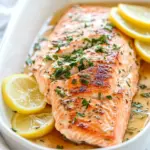
Lemon Butter Baked Salmon
Ingredients
Ingredients
- 2 to 3 Tablespoonsbutter or olive oil
- 1 to 2 lemons
- 4 skinless salmon fillets about 6 ounces each
- Salt to taste
- Ground black pepper to taste
Instructions
Instructions
- Preheat the oven to 400°F.
- In a small bowl, melt 2 to 3 Tablespoons butter (or measure 2 to 3 Tablespoons olive oil if using oil instead). Squeeze the juice from 1 lemon into the melted butter or oil and whisk until combined. If using a second lemon (optional), slice it now and set the slices aside for topping or reserve its juice.
- Place the 4 skinless salmon fillets (about 6 ounces each) on a baking sheet or in a cast-iron pan, spaced so they do not touch.
- Brush the lemon butter mixture over both sides of each fillet. If using lemon slices, place one slice on top of each fillet. Sprinkle salt and ground black pepper to taste over the fillets.
- Bake the salmon in the preheated oven for 12 to 15 minutes, or until the internal temperature reaches 145°F and the salmon flakes easily with a fork.
- For a crispier edge, switch the oven to broil and broil the salmon for the last 1 to 2 minutes—watch closely to avoid burning.
- Remove the salmon from the oven, brush with any remaining lemon butter mixture, and serve warm.
Equipment
- Oven
- baking sheet or cast-iron pan
- Small Bowl
- Whisk
- Pastry brush
Notes
Salmon:
I prefer to buy the prepackaged fillets in the frozen section at Costco. My family only eats 3 (the kids will split one), but you can fit up to 5 on a large sheet if needed.
Variations:
You can add vegetables to cook on the pan with the salmon. Green beans, asparagus, broccoli and brussels sprouts are all delicious. Just drizzle with olive oil and season with salt and pepper.
Storage:
Store leftovers in a covered container in the refrigerator up to 3 days.