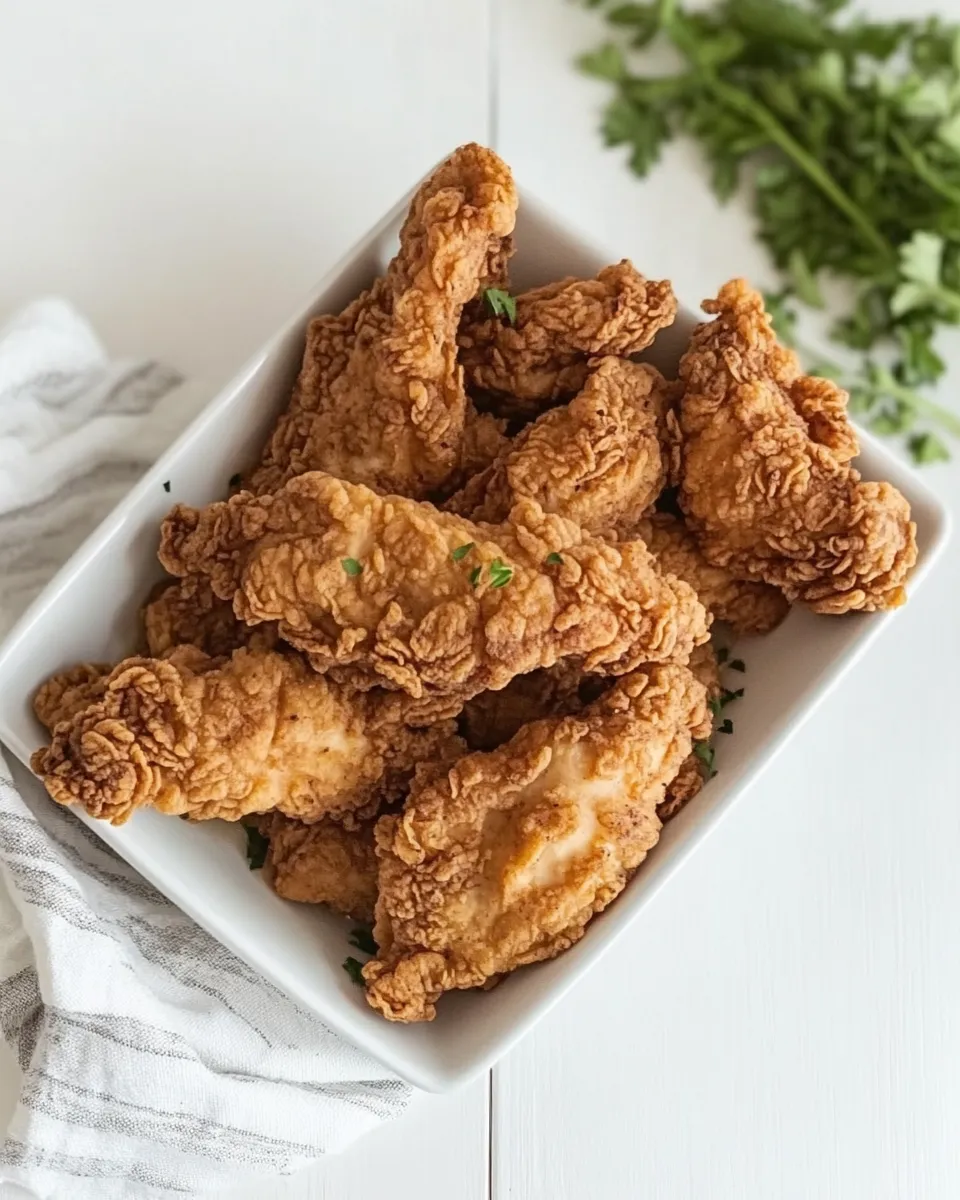
Fried Chicken Tenders Recipe
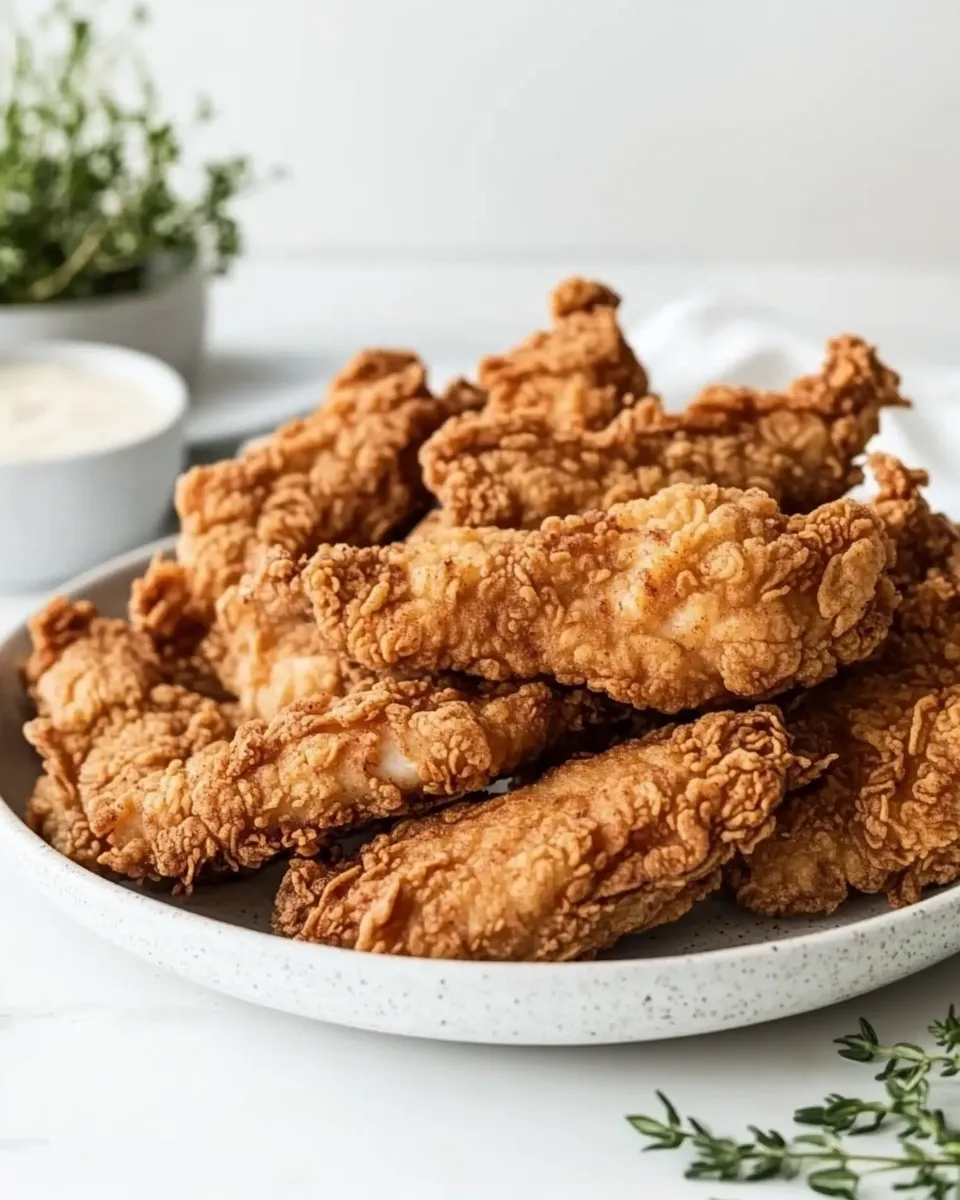
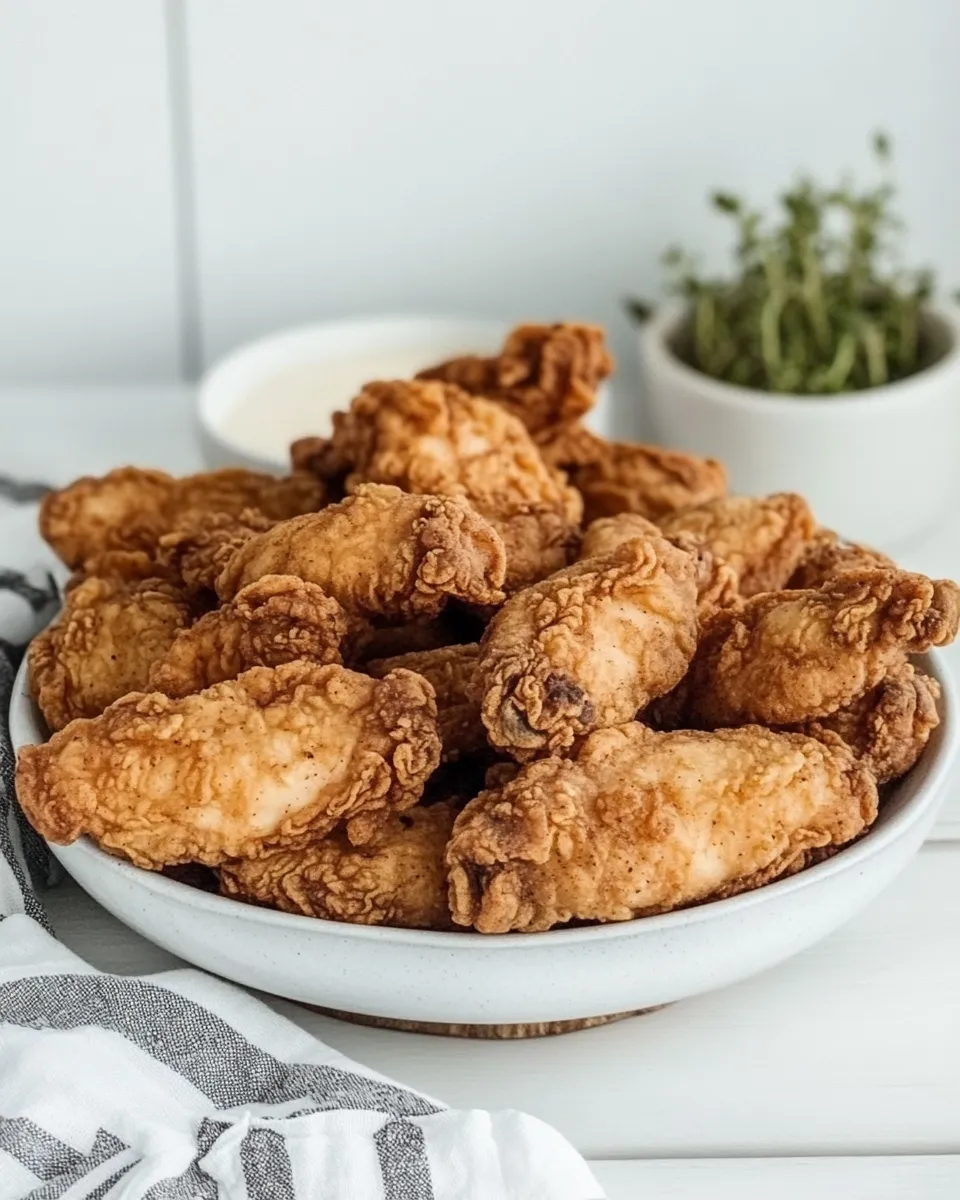
There are few things that hit the comfort-food sweet spot like perfectly crisp, juicy chicken tenders. This Fried Chicken Tenders Recipe gives you crunchy, savory coating with a tender, well-seasoned interior — all achieved with an easy but intentional double-dredge and a flavor-packed marinade. The steps are straightforward, the ingredients pantry-friendly, and the result is exactly what you’d want for weeknight dinners, game-day snacks, or a simple weekend treat.
Why this Fried Chicken Tenders Recipe works

This recipe combines an overnight (or at least several-hours) buttermilk marinade with a cornstarch-forward dredge that yields an incredibly crisp crust. The buttermilk and a splash of pickle juice or white distilled vinegar tenderize and flavor the chicken, while a mix of garlic and onion granules, paprika, and salt seasons both the marinade and the coating so every bite is balanced. A little baking powder in the dry mix creates tiny air pockets in the crust for extra crunch. You’ll find the rhythm: marinate, dredge, rest, and fry — each step helps deliver consistent, craveable results.
Ingredients
- 2 pounds chicken tenders
- 1 ½ cups buttermilk
- ¼ cup pickle juice, or white distilled vinegar
- 1 tablespoon hot sauce
- 1 ½ tablespoons garlic granules
- 1 ½ tablespoons onion granules
- 2 teaspoons paprika
- 2 teaspoons coarse salt
- 1 teaspoon ground black pepper
- 1 cup all-purpose flour
- 1 cup cornstarch
- 1 tablespoon baking powder
- 2 teaspoons garlic granules
- 2 teaspoons onion granules
- 2 teaspoons paprika
- 3 teaspoons coarse salt
- 1 teaspoon ground pepper
- 4 large eggs
- ½ cup buttermilk
- oil for frying
Equipment
- Large mixing bowls
- Shallow baking dish or rimmed sheet
- Wire rack and baking sheet (for resting)
- Deep heavy skillet or a Dutch oven
- Instant-read thermometer (recommended)
- Tongs
- Paper towels
Prep and marinade
Start by placing the chicken tenders in a large bowl or a resealable bag. Combine 1 ½ cups buttermilk, ¼ cup pickle juice (or white distilled vinegar), 1 tablespoon hot sauce, 1 ½ tablespoons garlic granules, 1 ½ tablespoons onion granules, 2 teaspoons paprika, 2 teaspoons coarse salt, and 1 teaspoon ground black pepper in a separate bowl. Pour this mixture over the tenders and ensure each piece is coated. Cover or seal and refrigerate for at least 2 hours, ideally overnight. The acidity and enzymes in this mixture help break down connective tissue, resulting in juicier, more tender chicken.
Make the dry dredge and egg wash
While the chicken marinates, prepare the dry dredge. In a shallow bowl combine 1 cup all-purpose flour, 1 cup cornstarch, 1 tablespoon baking powder, 2 teaspoons garlic granules, 2 teaspoons onion granules, 2 teaspoons paprika, 3 teaspoons coarse salt, and 1 teaspoon ground pepper. Whisk to distribute the dry spices evenly.
In another shallow bowl whisk together 4 large eggs and ½ cup buttermilk until smooth to make the egg wash. The egg wash will help the dry mix adhere and build up the layered crust when you double-dredge the tenders.
Step-by-step frying directions
Follow these clear, numbered steps to cook the chicken tenders:
- Remove the chicken from the marinade and let excess drip off for a few seconds. Reserve a shallow plate for the wet chicken pieces to sit briefly between dredges.
- Working one at a time, dredge each tender in the dry mix, pressing lightly so the coating sticks. Shake off excess.
- Dip the coated tender into the egg wash, letting excess drip off back into the bowl.
- Return the tender to the dry mix for a second dredge, again pressing the coating onto the meat to build a good crust. Shake off any loose flour.
- Place each double-dredged piece on a wire rack set over a baking sheet. Let the tenders rest on the rack for 10–15 minutes. This resting time helps the coating set so it won’t fall off in the oil.
- Pour oil into a heavy skillet or Dutch oven to a depth of about 1 ½ inches. Heat over medium-high until it reaches 350°F (175°C) on an instant-read thermometer. If you don’t have a thermometer, test with a small pinch of dry mix — it should sizzle and brown steadily but not burn.
- Fry the tenders in batches. Do not overcrowd the pan. Cook each piece for about 3–4 minutes per side, turning once, until the crust is golden brown and an instant-read thermometer inserted into the thickest part reads 165°F (74°C).
- Use tongs to transfer cooked tenders to a wire rack set over paper towels to drain briefly. This keeps the underside crisp. Keep cooked tenders warm in a low oven (about 200°F / 95°C) if you are cooking multiple batches.
- Once all tenders are cooked, let them rest for 2–3 minutes before serving. This short rest helps redistribute juices and keeps the crust from becoming soggy from trapped steam.
Serving suggestions
These tenders pair beautifully with classic sides: creamy coleslaw, crisp fries, a simple green salad, or buttery mashed potatoes. For dipping, try your favorite barbecue sauce, honey mustard, ranch, or a spicy mayonnaise made by mixing mayonnaise with a touch of the recipe’s hot sauce.
Tips for success
- Marinate long enough: At least 2 hours is fine, but overnight yields the most tender results.
- Double-dredge carefully: Pressing the coating into the meat ensures a sturdy crust that won’t separate in the oil.
- Control oil temperature: Maintain 325–350°F while frying. Too hot and the exterior browns before the interior cooks; too cool and the coating absorbs oil and gets greasy.
- Avoid overcrowding: Fry in batches to keep the oil temperature stable and preserve crispness.
- Rest the coated chicken: Letting coated tenders rest on a wire rack helps the crust adhere and dry slightly before frying.
- Use a thermometer: An instant-read thermometer is the easiest way to ensure juicy, fully cooked chicken without overcooking.
Make-ahead and storage
You can marinate the chicken up to 24 hours in advance. After cooking, store cooled tenders in an airtight container in the refrigerator for up to 3 days. Reheat in a 375°F (190°C) oven on a wire rack set over a baking sheet for 8–10 minutes, flipping once to re-crisp the coating. For freezer storage, flash-freeze cooked tenders on a sheet tray until firm, then transfer to a freezer bag for up to 2 months. Reheat from frozen at 400°F (200°C) for 12–15 minutes, checking for doneness.
Nutrition note
Because these tenders are fried, they are a richer dish best enjoyed in moderation or balanced with lighter sides like salads and roasted vegetables. The buttermilk and spices add flavor without extra heavy sauces, allowing the chicken to shine.
Frequently asked questions
Can I use chicken breasts or thighs instead? Yes. If using small chicken breast strips or boneless skinless thigh strips, keep the same amounts and adjust frying time slightly — thicker pieces will need longer inside without burning the crust.
What if I don’t have cornstarch? Cornstarch is key to the extra-crisp texture here. You can substitute an equal amount of rice flour if needed, but the result will be slightly different.
Is the pickle juice necessary? The ¼ cup pickle juice or white distilled vinegar adds acidity and a touch of flavor; it helps tenderize. If you don’t want the pickle tang, use the vinegar.
Final thoughts
This Fried Chicken Tenders Recipe is a dependable way to get restaurant-style crunch and juicy chicken at home. With a well-seasoned buttermilk marinade, a double dredge that combines flour and cornstarch, and careful frying, you’ll end up with consistent, craveable tenders every time. Whether you serve them for weeknight family meals or a casual gathering, these tenders are easy to love and hard to resist.
Recipe recap (quick reference)
- Marinade: Combine 1 ½ cups buttermilk, ¼ cup pickle juice or white distilled vinegar, 1 tablespoon hot sauce, 1 ½ tablespoons garlic granules, 1 ½ tablespoons onion granules, 2 teaspoons paprika, 2 teaspoons coarse salt, and 1 teaspoon ground black pepper. Marinate 2 pounds chicken tenders for 2 hours to overnight.
- Dry dredge: Whisk 1 cup all-purpose flour, 1 cup cornstarch, 1 tablespoon baking powder, 2 teaspoons garlic granules, 2 teaspoons onion granules, 2 teaspoons paprika, 3 teaspoons coarse salt, and 1 teaspoon ground pepper.
- Egg wash: Whisk 4 large eggs with ½ cup buttermilk.
- Dredge: Dry dredge, egg wash, second dry dredge. Rest on wire rack 10–15 minutes.
- Fry: Heat oil to 350°F (175°C). Fry in batches 3–4 minutes per side until golden and internal temp reaches 165°F (74°C).
- Drain briefly on wire rack and serve warm.
Enjoy this Fried Chicken Tenders Recipe with your favorite dipping sauces and sides — crisp on the outside, tender and flavorful on the inside every time.
Fried Chicken Tenders Recipe
Ingredients
- 2 pounds chicken tenders
- 1 1/2 cups buttermilk for marinade
- 1/4 cup pickle juice or white distilled vinegar
- 1 tablespoon hot sauce
- 1 1/2 tablespoons garlic granules for marinade
- 1 1/2 tablespoons onion granules for marinade
- 2 teaspoons paprika for marinade
- 2 teaspoons coarse salt for marinade
- 1 teaspoon ground black pepper for marinade
- 1 cup all-purpose flour for dredge
- 1 cup cornstarch for dredge
- 1 tablespoon baking powder for dredge
- 2 teaspoons garlic granules for dredge
- 2 teaspoons onion granules for dredge
- 2 teaspoons paprika for dredge
- 3 teaspoons coarse salt for dredge (divided; 2 tsp used in dry mix as stated in directions)
- 1 teaspoon ground black pepper for dredge (divided)
- 4 large eggs
- 1/2 cup buttermilk for egg wash
- oil for frying enough to fill pot halfway and maintain 375°F
Instructions
- In a large bowl combine 1 1/2 cups buttermilk, 1/4 cup pickle juice or vinegar, 1 tablespoon hot sauce, 1 1/2 tbsp garlic granules, 1 1/2 tbsp onion granules, 2 tsp paprika, 2 tsp coarse salt, and 1 tsp black pepper; add the chicken tenders and toss to coat. Cover and refrigerate for 2 to 24 hours.
- Prepare the dry dredge: in a wide shallow bowl whisk together 1 cup all-purpose flour, 1 cup cornstarch, 1 tablespoon baking powder, 2 tsp garlic granules, 2 tsp onion granules, 2 tsp paprika, 2 tsp salt, and 1 tsp black pepper. Set aside.
- Prepare the wet dredge: in another wide bowl whisk 4 large eggs with 1/2 cup buttermilk and 1 teaspoon salt plus 1/2 teaspoon pepper until smooth.
- Heat oil in a 4–5 quart heavy pot or deep fryer to 375°F (190°C); use a thermometer to monitor temperature. Fill the pot about halfway with oil.
- Working a few tenders at a time, drain excess marinade, then dredge each piece in the dry mixture, pressing to adhere. Shake off excess, dip into the egg wash to fully coat, let excess drip off, then dredge again in the dry mixture and press to create an even coating. Place coated tenders on a wire rack over a sheet tray and rest up to 15 minutes.
- Fry the tenders in batches of 4–6 pieces so the oil temperature holds. Lower each piece into the hot oil and cook 3½–4 minutes, turning once or twice, until golden brown and cooked through (internal temperature should be 165°F).
- Transfer fried tenders to a wire rack to drain and rest while you finish remaining batches. Serve warm with desired dipping sauces.
Equipment
- Large Bowl
- wide shallow bowl or cake tin
- Whisk
- 4- or 5-quart heavy pot or deep fryer
- candy or instant-read thermometer
- wire rack and sheet tray
- Tongs
Notes
- Keep oil at 375°F; it will drop to about 350°F when chicken is added.
- Marinate at least 2 hours, up to overnight for best flavor and tenderness.
- Do not overcrowd the pot; fry in batches to avoid soggy coating.
- Let coated tenders rest 15 minutes before frying to help the breading adhere.
- Drain fried tenders on a wire rack, not paper towels, to keep them crisp.