Vietnamese Caramel Chicken
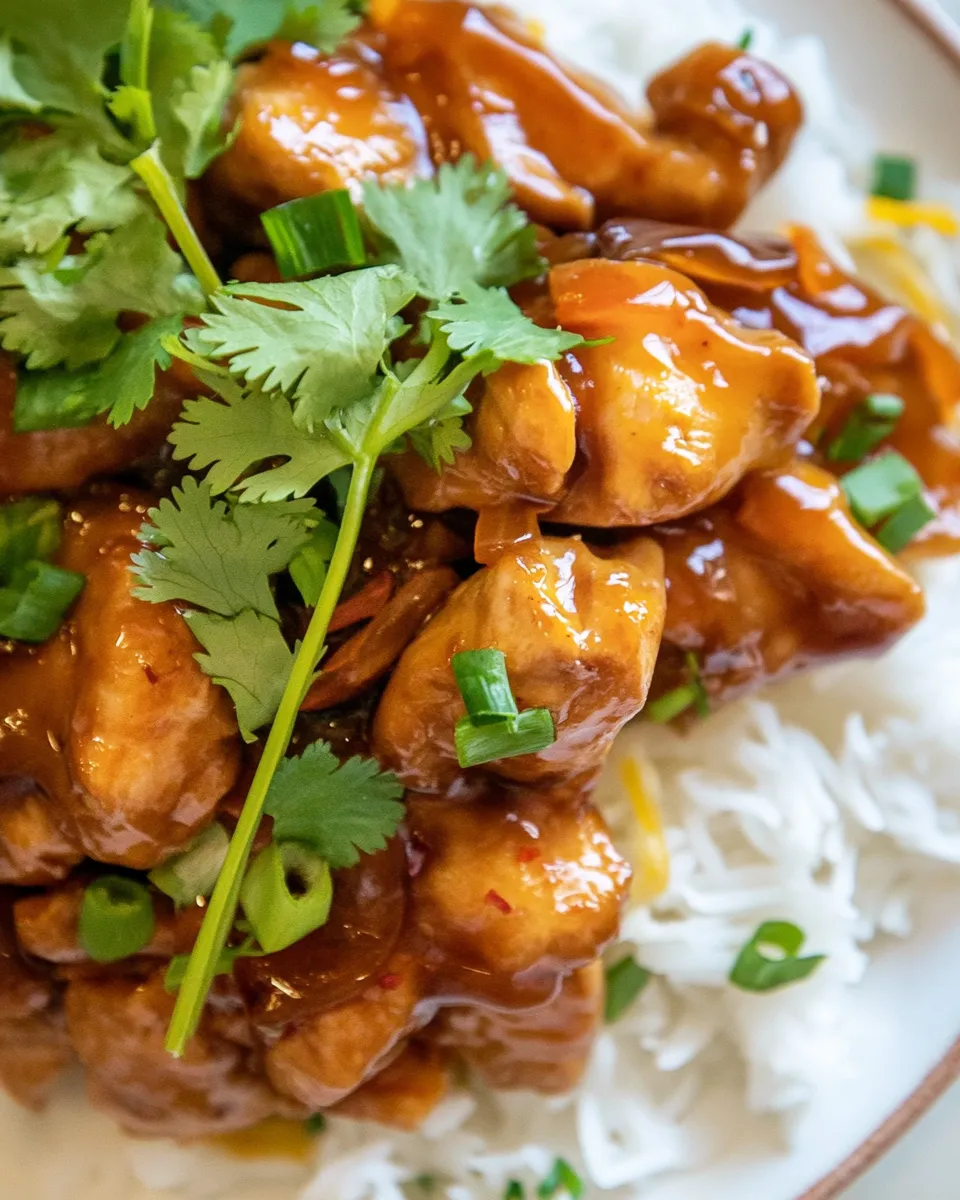
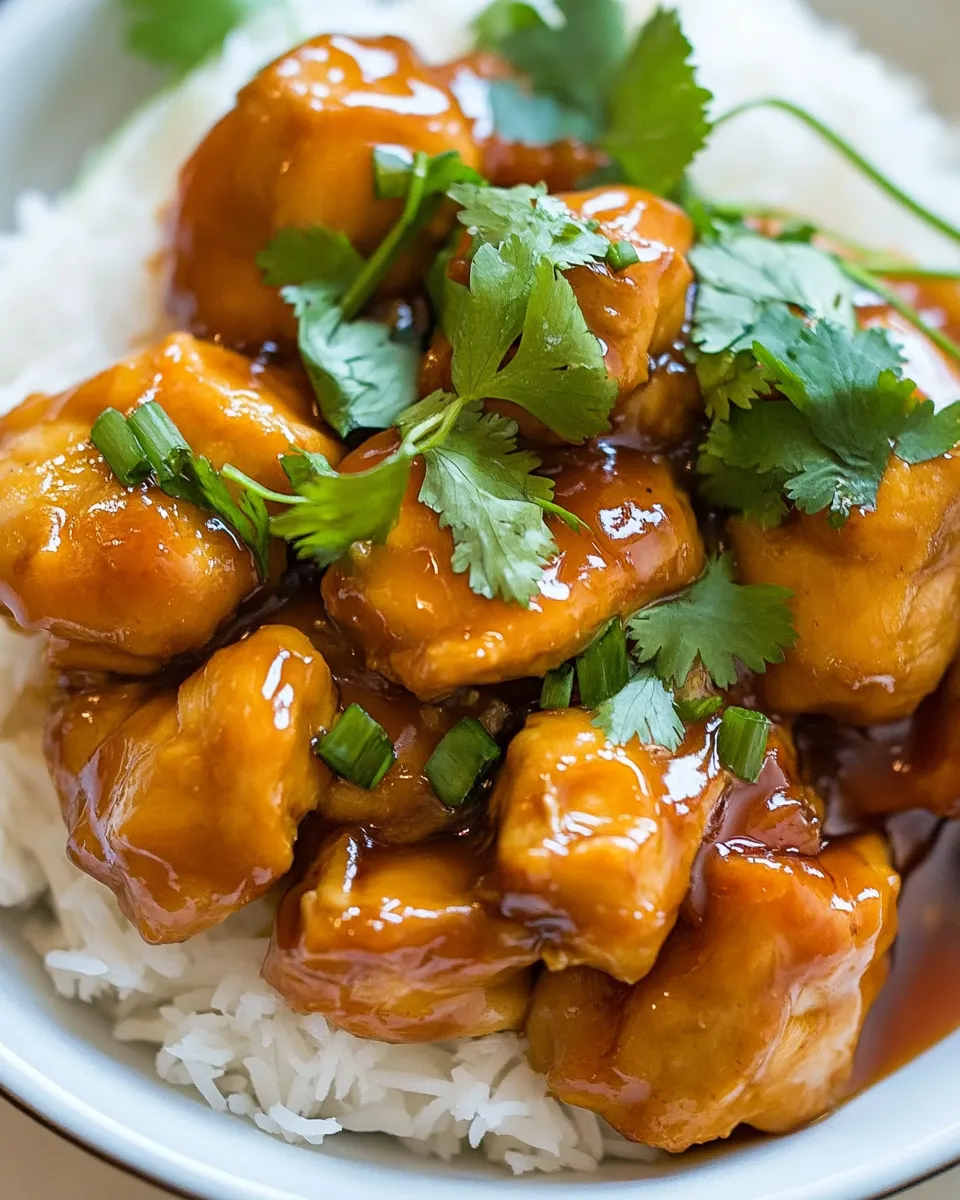
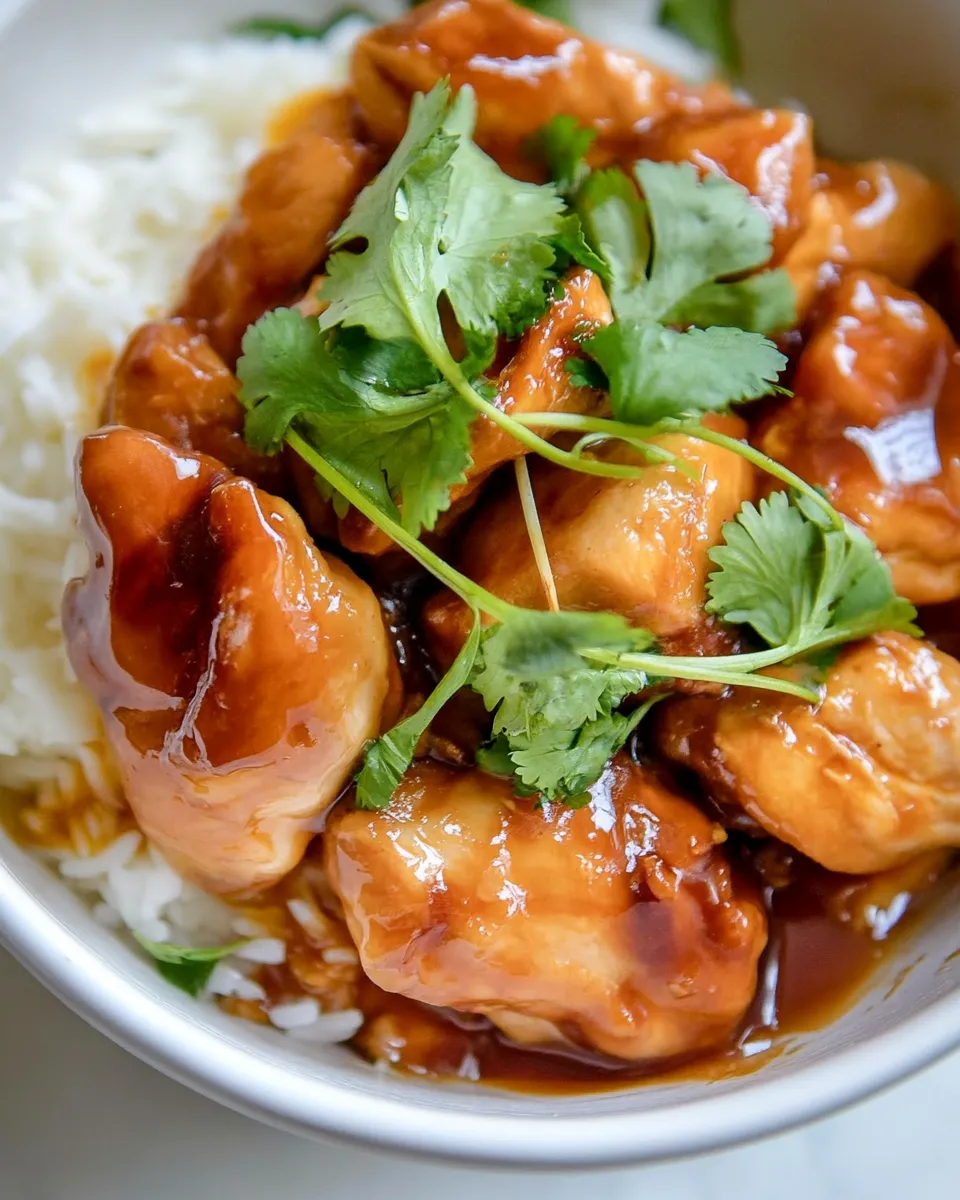
This Vietnamese Caramel Chicken is one of those dishes that tastes like comfort, sunshine, and a tiny bit of kitchen magic—all at once. Think glossy, amber-brown sauce clinging to tender, juicy bite-sized chicken thighs, brightened by fresh ginger and the floral heat of thinly sliced Thai chiles. It’s the kind of meal you’ll want to make for weeknights and weekend guests alike.
The recipe below follows a simple, soulful method: caramelize light brown palm sugar, build a savory-sour base with fish sauce and chiles, then braise chicken in that rich sauce until everything is deeply flavored and spoon-worthy. Serve it over rice, with a scatter of fresh cilantro and some steamed greens on the side. The caramel gives the sauce body and sheen, while the fish sauce provides depth and a classic Vietnamese backbone.
Why this version works

Using boneless chicken thighs keeps the meat tender and forgiving in the pan. The light brown palm sugar melts into a complex caramel that’s less sharp than refined sugar, and the julienned ginger and sliced shallots add texture and aromatics that balance the sweet-salty sauce. A few sliced Thai chiles give you lively heat without overpowering the other flavors.
Ingredients
- 8 ounces (235g) light brown palm sugar, coarsely chopped
- 2/3 cup (160ml) fish sauce
- 2 Thai chiles, sliced lengthwise
- 1/4 cup (60ml) vegetable oil
- 1 1/2 pounds (700g) boneless chicken thighs, cut into bite-sized pieces
- 2 inch (5cm) piece fresh ginger, peeled and julienned
- 3 medium shallots (about 2 ounces, total, 60g) shallots, peeled and sliced into rings
- Fresh cilantro, for garnish
Equipment
- Large skillet or shallow saucepan with a lid
- Wooden spoon or heatproof spatula
- Tongs or a slotted spoon
- Sharp knife and cutting board
- Measuring cups and kitchen scale (optional but helpful)
Prep
- Coarsely chop the light brown palm sugar if it’s in a block so it melts evenly.
- Cut the boneless chicken thighs into bite-sized pieces and pat them dry with a paper towel.
- Peel and julienne the piece of fresh ginger into thin matchsticks.
- Peel the shallots and slice them into rings.
- Slice the Thai chiles lengthwise—leave the seeds if you want more heat, or remove them for milder spice. Keep a small bowl of water nearby when handling chiles and avoid touching your face.
Step-by-step Instructions
- Warm the pan and melt the sugar: Place your skillet or shallow saucepan over medium heat. Add the coarsely chopped 8 ounces (235g) light brown palm sugar to the dry pan or a pan with a tablespoon of the vegetable oil if you prefer more even melting. Let the sugar gently melt, stirring occasionally with a wooden spoon or heatproof spatula to prevent scorching. The sugar will first clump, then liquefy and turn a rich amber. Keep a close eye—caramel can go from perfect to bitter quickly.
- Add the fish sauce and chiles: Once the sugar has fully melted and is a deep amber color, carefully pour in 2/3 cup (160ml) fish sauce. The mixture will bubble vigorously—stand back and stir with a wooden spoon to combine the caramel and fish sauce until smooth. Add the 2 Thai chiles sliced lengthwise into the pan to infuse the sauce with bright heat. Stir so the chiles are distributed through the sauce.
- Heat the oil and brown the chicken: In a separate area of the stovetop or after you’ve combined the sugar and fish sauce, add 1/4 cup (60ml) vegetable oil to the same skillet if you removed the pan earlier; otherwise, push the sauce to one side and pour the oil into the cleared space and increase the heat to medium-high. Add the 1 1/2 pounds (700g) of boneless chicken thighs, cut into bite-sized pieces, in a single layer. Working in batches if needed, let the chicken sear without moving it too much so it develops a golden exterior. Use tongs or a slotted spoon to turn pieces and brown on multiple sides; total searing should take about 4–6 minutes depending on pan size.
- Introduce aromatics: After the chicken has a bit of color, add the julienned 2 inch (5cm) piece of fresh ginger and the 3 medium shallots (about 2 ounces, total, 60g) sliced into rings directly into the pan. Stir to combine. The ginger and shallots will sizzle and release fragrance as they mingle with the chicken and the caramel-fish sauce base.
- Simmer gently to meld flavors: Reduce the heat to medium-low and let the chicken simmer in the sauce. Cover the pan with a lid and cook for about 10–12 minutes, gently stirring once or twice so the pieces cook evenly and the sauce reduces slightly. The sauce should thicken and become glossy, coating each piece of chicken with sweet-savory flavor. If your sauce reduces too quickly or looks like it might burn, add a splash of warm water (a tablespoon at a time) to loosen it and continue cooking.
- Finish and rest: When the chicken pieces are cooked through and tender—an internal check should show they’re no longer pink—remove the pan from the heat. Taste the sauce and adjust if desired: a little more fish sauce for salt, or a few drops of warm water if you want it looser. Let the dish rest for a couple of minutes to let the flavors settle.
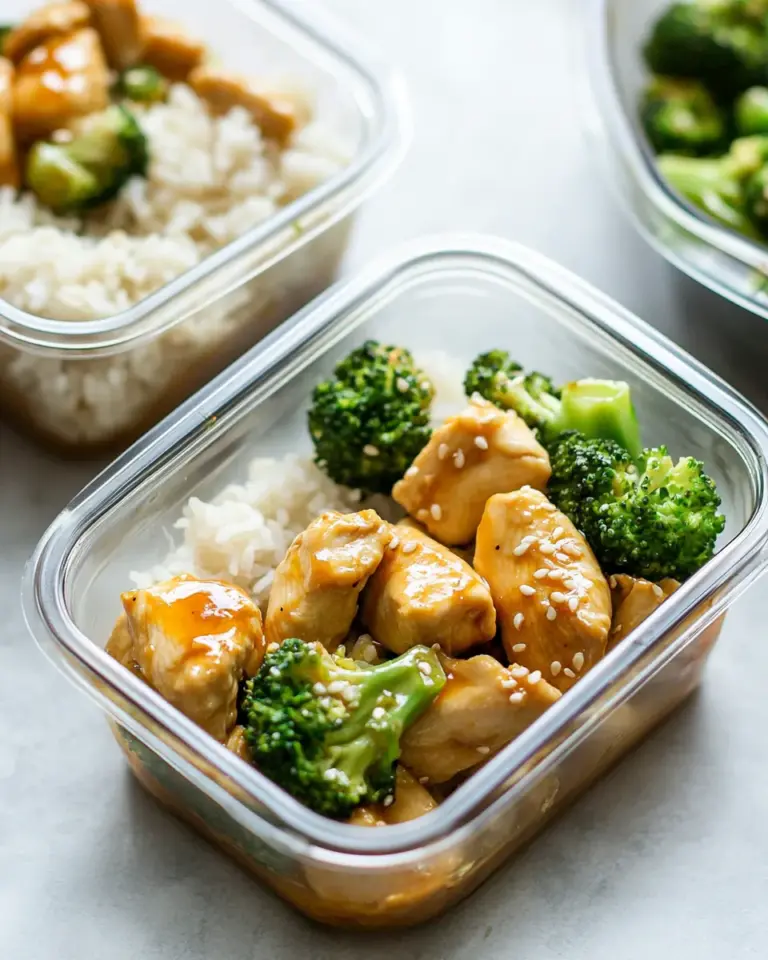
- Garnish and serve: Transfer the Vietnamese Caramel Chicken to a serving bowl or plate. Scatter fresh cilantro over the top for a bright herbal lift. Serve immediately over steamed jasmine rice or alongside lightly sautéed greens to soak up the sauce.
Troubleshooting and tips
- Caramel consistency: If the caramel seizes or hardens when you add the fish sauce, keep the pan on low heat and stir vigorously; it should slowly reincorporate. If necessary, add a splash of hot water to help it melt back into a sauce.
- Adjusting heat: Thai chiles pack a punch; remove the seeds for milder heat or add a third chile if you want a spicier result. You can also slice chiles thinner so their heat disperses more evenly.
- Chicken cut: Boneless chicken thighs are forgiving and remain juicy during braising. If you prefer white meat, leave the cooking time the same but monitor closely for doneness so breast pieces don’t dry out.
- Make-ahead notes: The dish can be made a day ahead and reheated gently on the stovetop with a splash of water to loosen the caramel. Flavors often deepen overnight.
Serving suggestions
Serve the Vietnamese Caramel Chicken with steaming jasmine rice or fragrant brown rice to soak up the sauce. Add lightly blanched bok choy, sautéed spinach, or a simple cucumber salad to balance the sweetness. For a dinner party, present it family-style with extra cilantro and lime wedges on the side for a bright squeeze of acidity.
Flavor profile and pairing
The sauce is an elegant balance of sweet and savory. The light brown palm sugar lends a deep, slightly caramelized sweetness, while fish sauce supplies the umami backbone that makes Vietnamese cooking sing. Ginger and shallots introduce warmth and aromatic lift, and Thai chiles cut through the richness with a lively peppery edge. A crisp, acidic side such as pickled vegetables or a simple lime and cucumber salad pairs beautifully.
Storage
Store leftovers in an airtight container in the refrigerator for up to 3 days. Reheat gently over low heat with a splash of water to loosen the sauce. This dish doesn’t freeze as well because the texture of the ginger and shallots changes after thawing, but you can freeze the cooked chicken in the caramel sauce if needed; thaw overnight in the fridge and reheat slowly.
Final notes
This Vietnamese Caramel Chicken is straightforward but rewarding: a little attention when melting the palm sugar and layering aromas with ginger and shallots goes a long way. The result is a glossy, comforting entrée that tastes like home-cooked elegance. Make a pot of rice, invite someone to the table, and enjoy every saucy spoonful.
Vietnamese Caramel Chicken
Ingredients
- 8 ounces light brown palm sugar 235 g, coarsely chopped
- 2/3 cup fish sauce 160 ml
- 2 pieces Thai chiles sliced lengthwise
- 1/4 cup vegetable oil 60 ml
- 1 1/2 pounds boneless chicken thighs 700 g, cut into bite-sized pieces
- 2 inch fresh ginger 5 cm piece, peeled and julienned
- 3 medium shallots about 60 g total, peeled and sliced into rings
- fresh cilantro for garnish
Instructions
- Prepare ingredients: julienne the ginger, slice the shallots into rings, slice the Thai chiles lengthwise, and cut the chicken into bite-sized pieces.
- Make the caramel: place the coarsely chopped palm sugar in a medium-to-large saucepan or skillet and melt over low heat, stirring frequently and breaking it up, until fully liquefied, about 10 minutes.
- When the sugar is melted and bubbling, remove the pan from heat and slowly add the fish sauce while stirring; be careful as the mixture may bubble up. Stir in the sliced chiles and set the caramel aside.
- Heat the vegetable oil in a sauté pan or Dutch oven over medium heat. Add the julienned ginger and shallot rings and cook, stirring, until they begin to soften, about 2 minutes.
- Add the chicken pieces to the pan and pour in the reserved caramel sauce. Bring to a boil, then reduce heat to maintain a gentle simmer.
- Simmer, stirring occasionally, until the chicken is cooked through and the sauce thickens slightly, about 10 to 12 minutes.
- Serve the caramel chicken garnished with fresh cilantro alongside rice if desired.
Equipment
- medium-to-large saucepan or skillet
- sauté pan or Dutch oven
- Measuring Cups
- Knife
- Cutting Board
Notes
- Serve the chicken with rice.
- The sauce can be made up to one month ahead and refrigerated.
- Rewarm the sauce until liquified before using.
- Be cautious when adding fish sauce to hot caramel because it may bubble.