BBQ Ribeye Steak
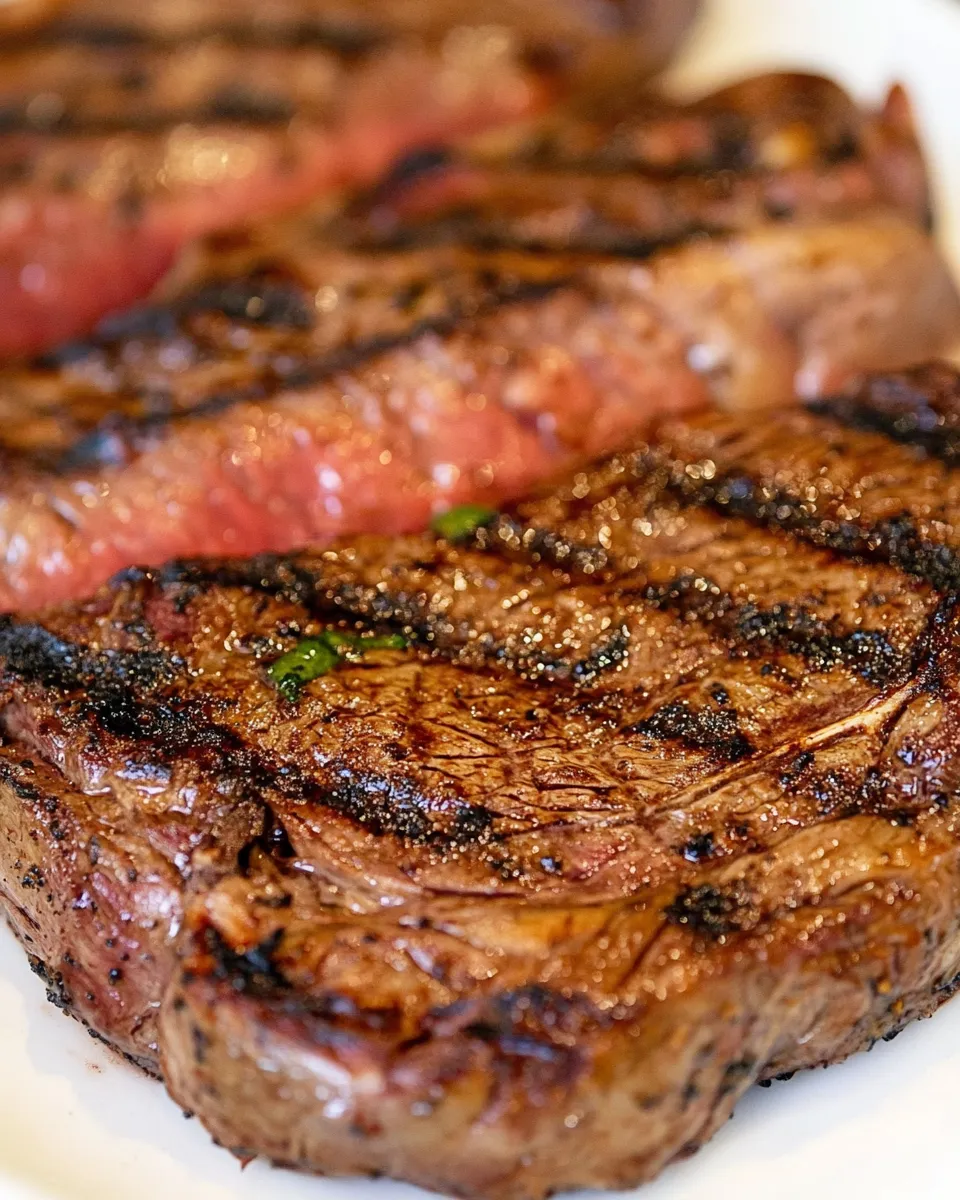
There’s something undeniably satisfying about a well-seasoned, perfectly charred steak straight off the grill. Today we’re focusing on a simple, straightforward approach that highlights the rich marbling and beefy flavor of ribeye with just three seasonings: BBQ Ribeye Steak—sea salt, black pepper, and garlic powder. This recipe keeps things minimal, letting the meat shine while delivering a crusty exterior and tender, juicy interior every time.
Why this approach works

Ribeye is a cut built for flavor. It carries generous marbling, which melts during cooking and bastes the meat from the inside. When you pair that inherent richness with coarse sea salt, cracked black pepper, and a hint of garlic powder, you get a classic flavor profile that’s satisfyingly savory without getting in the way of the steak’s natural character. The technique here focuses on high heat, a short cooking window, and purposeful resting—three elements that turn a good ribeye into a great one.
Ingredients
- 2 ribeye steaks, about 1 to 1 1/2 inches thick
- 1 1/2 teaspoons sea salt
- 3/4 teaspoon black pepper
- 3/4 teaspoon garlic powder
Equipment
- Grill (charcoal or gas) or heavy cast-iron skillet
- Tongs
- Instant-read thermometer
- Cutting board
- Aluminum foil or a tent for resting
Prep: bring the steaks to room temperature
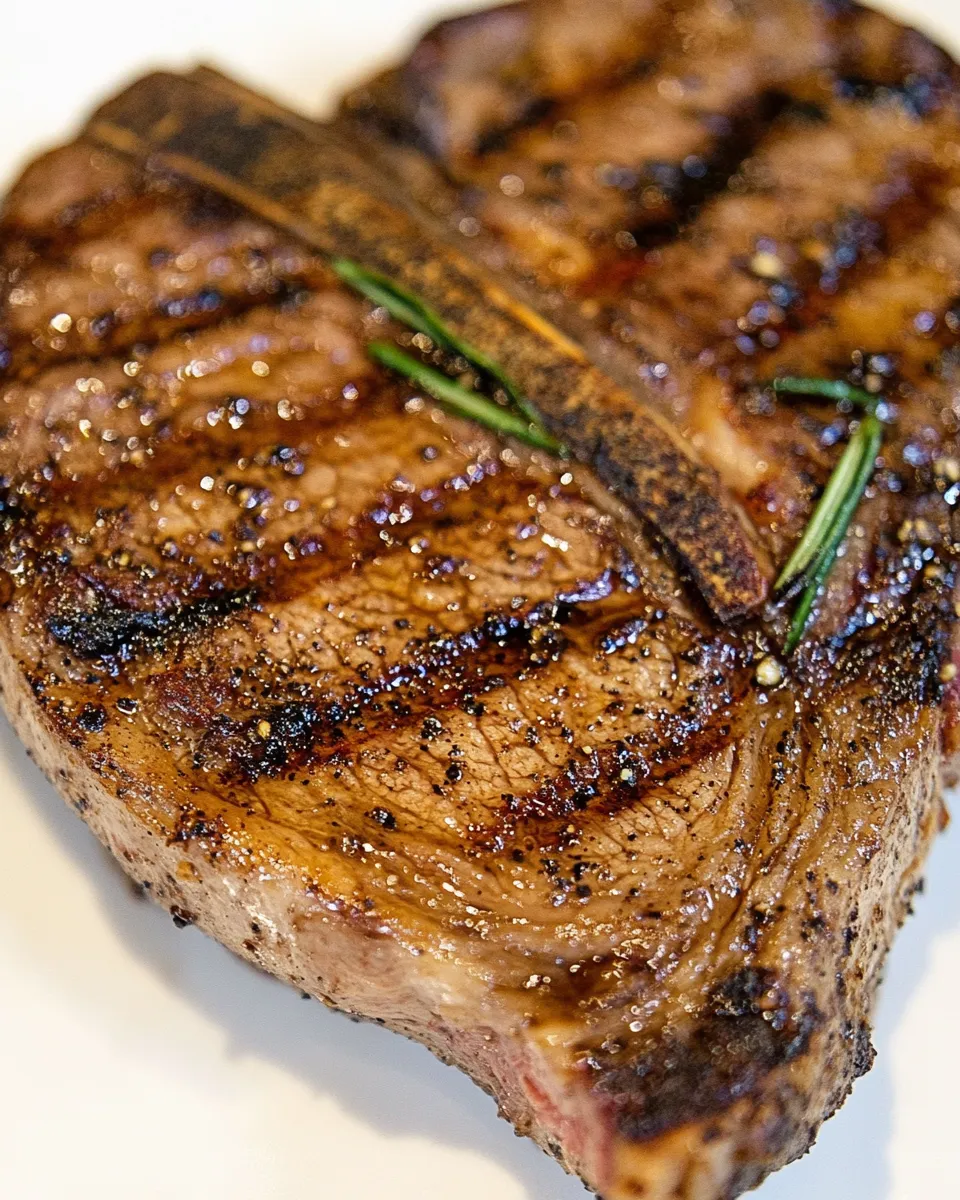
Take the steaks out of the refrigerator at least 30 minutes before cooking. Letting them sit at room temperature creates more even cooking and helps you get a consistent sear across the surface. Pat the steaks dry with paper towels; removing surface moisture is essential for a proper crust.
Seasoning
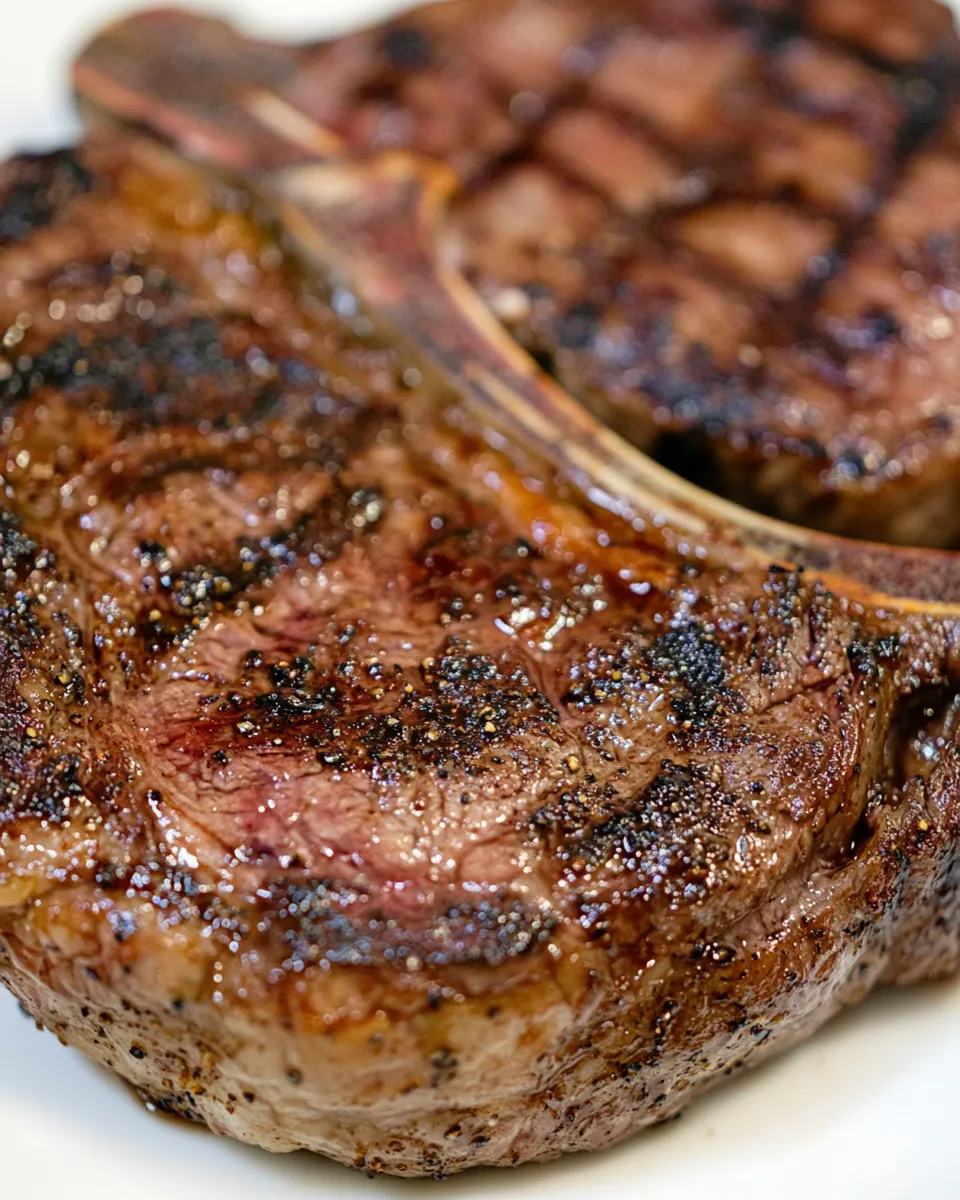
In a small bowl, combine the sea salt, black pepper, and garlic powder. Sprinkle the mixture evenly over both sides of each ribeye—press it in gently so it adheres. The listed amounts are calibrated for two steaks: 1 1/2 teaspoons sea salt, 3/4 teaspoon black pepper, and 3/4 teaspoon garlic powder. If you prefer a more pronounced crust, you can lightly press more of the seasoning blend into the fat cap as well.
Grilling or skillet method
Choose your cooking surface. Both a hot grill and a heavy cast-iron skillet will produce excellent results. The key is a very hot cooking surface and a short cook time for medium-rare to medium doneness. Here are step-by-step directions tailored to both methods.
Grill method
- Preheat your grill to high heat, about 450–500°F (230–260°C). If using charcoal, let the coals burn until covered with white ash and spread them out for direct heat.
- Oil the grate lightly with a high-smoke-point oil on a folded paper towel held with tongs to prevent sticking. Alternatively, brush a thin layer of oil directly on the steaks.
- Place the seasoned ribeye steaks on the hottest part of the grill. Close the lid and cook for 4 minutes on the first side. Resist the urge to move the steaks; this uninterrupted contact allows a good sear to form.
- Flip the steaks using tongs and cook for another 3–5 minutes with the lid closed, depending on thickness. For a 1 to 1 1/2-inch steak, aim for a total cook time that brings the internal temperature to your desired doneness: about 125°F (52°C) for medium-rare, 135°F (57°C) for medium.
- Check the temperature with an instant-read thermometer by inserting it into the thickest part of the steak. When it’s 5°F (3°C) below your target temperature, remove the steaks from the grill.
Skillet method
- Set a heavy cast-iron skillet over high heat and allow it to get smoking hot.
- Brush the steaks lightly with oil if you didn’t oil the skillet. Add the ribeyes to the hot pan. You should hear an immediate, aggressive sizzle.
- Cook the first side without moving for 3–4 minutes to develop a deep, caramelized crust.
- Flip the steaks with tongs and cook the second side for 2–4 minutes. For thicker cuts, you can sear the fat edge for 30–45 seconds to render it and add flavor.
- Check the internal temperature with an instant-read thermometer. Remove the steaks when they are about 5°F (3°C) below your target doneness since they will carryover cook while resting.
Rest the steaks
Resting is non-negotiable. Tent each steak loosely with aluminum foil and let it rest for 5–10 minutes. Resting lets the juices redistribute through the meat, ensuring each bite stays juicy rather than pouring onto the cutting board. Expect the internal temperature to rise 3–5°F during this short rest.
Slicing and serving
After resting, slice the steaks against the grain to maximize tenderness. Cut into 1/4-inch slices for plated service or thicker slices if you plan to serve as a main attraction next to sides. The simple seasoning shines here; garnish is optional. If you like, add a pat of unsalted butter or a squeeze of fresh lemon to finish, but these extras aren’t necessary—the three-seasoning profile delivers a classic steakhouse flavor.
Doneness guide
- Rare: 120–125°F (49–52°C)
- Medium-rare: 125–130°F (52–54°C)
- Medium: 130–140°F (54–60°C)
- Medium-well: 140–150°F (60–66°C)
- Well done: 155°F+ (68°C+)
For this recipe, aim for medium-rare to medium to showcase the ribeye’s texture and flavor.
Tips for success
- Pat the steaks dry: Moisture is the enemy of a good sear. Use paper towels to blot the surface before seasoning.
- Use an instant-read thermometer: Visual cues can be misleading; temperature is the reliable way to achieve your preferred doneness.
- Don’t overcrowd the cooking surface: Give each steak enough space to sear properly. If you’re cooking more than two steaks, work in batches.
- Quality of meat matters: Choose ribeyes with visible marbling. The fat is flavor and moisture—don’t trim it all away.
- Adjust seasonings to taste: The amounts listed are balanced for two steaks; if you scale the recipe, keep the ratios consistent.
Serving suggestions
This BBQ Ribeye Steak pairs beautifully with simple, robust sides. Consider grilled asparagus, a leafy green salad with a bright vinaigrette, roasted fingerling potatoes, or a creamy coleslaw. For a more indulgent plate, mashed potatoes and sautéed mushrooms are classic steakhouse companions. A bold red sauce or a simple chimichurri can also complement the meat if you’d like an herbaceous contrast.
Storage and reheating
Store leftover steak in an airtight container in the refrigerator for up to 3 days. Reheat gently—slice and warm in a skillet over low heat with a splash of beef stock or water to prevent drying, or use the oven at 250°F (120°C) until warmed through. Avoid high heat reheating methods that will overcook the interior.
Frequently asked questions
Can I use a different cut? Yes. Ribeye is the star here because of its fat content and rich flavor, but New York strip or sirloin can work. Adjust cooking times for thickness and marbling differences.
Why only three seasonings? Simple seasoning lets the beef’s natural flavors take center stage. The sea salt draws out flavor and helps form a crust, black pepper adds bite, and garlic powder gives a savory note without overpowering the meat.
Do I need to oil the steak? Light oiling helps prevent sticking and encourages even browning, especially when using a skillet. If using a well-seasoned cast iron or a properly oiled grill grate, you can skip extra oil on the steak itself.
Step-by-step rewritten recipe directions
Follow these clearer, step-by-step directions to cook two ribeye steaks using the ingredient amounts provided above. The order preserves the original method but refines the wording to be precise and actionable.
- Remove the two ribeye steaks from the refrigerator and let them sit at room temperature for at least 30 minutes. Pat both sides dry with paper towels to remove surface moisture.
- In a small bowl, mix together 1 1/2 teaspoons sea salt, 3/4 teaspoon black pepper, and 3/4 teaspoon garlic powder.
- Evenly sprinkle the seasoning mixture over both sides of each steak, gently pressing the seasoning into the meat so it adheres.
- Preheat your grill to high heat (about 450–500°F) or place a heavy cast-iron skillet over high heat until it becomes very hot.
- If using a grill, lightly oil the grill grate or brush a small amount of oil on the steaks to reduce sticking. If using a skillet, add a thin layer of oil to the pan or brush the steaks with oil.
- Place the steaks on the hot grill or into the hot skillet. For grilling, close the lid. For skillet cooking, leave the pan uncovered.
- Cook the first side for 3–4 minutes without moving the steaks to create a deep sear. For the grill method, 4 minutes is a good starting point; for skillet, 3–4 minutes depending on heat intensity.
- Flip the steaks using tongs and cook the second side for an additional 2–5 minutes. For a total time aimed at medium-rare to medium, this second side will usually take 3–5 minutes on the grill or 2–4 minutes in a skillet for 1 to 1 1/2-inch thick steaks.
- Check the internal temperature with an instant-read thermometer. Remove the steaks when they are about 5°F below your target doneness (about 125°F for medium-rare or 135°F for medium), accounting for carryover cooking.
- Transfer the steaks to a cutting board and tent loosely with foil. Let them rest for 5–10 minutes to redistribute the juices.
- After resting, slice the steaks against the grain to maximize tenderness. Serve immediately with your chosen sides.
Final thoughts
This straightforward BBQ Ribeye Steak recipe proves that you don’t need a long list of ingredients to create something special. With just sea salt, black pepper, and garlic powder, you’ll coax out the best of a beautifully marbled ribeye—crisped on the outside, tender and juicy within. Follow the simple steps, pay attention to temperature, and give the steak a proper rest. The result is a reliable, crowd-pleasing main course any night of the week.
BBQ Ribeye Steak
Ingredients
- ribeye steak
- sea salt to taste, kosher salt recommended
- black pepper to taste
- garlic powder to taste
Instructions
- Remove the steak from the refrigerator 10–20 minutes before cooking to come to room temperature.
- Pat the steak dry with paper towels and place it on a plate or baking sheet.
- Season both sides of the steak liberally with sea salt, black pepper, and garlic powder.
- Clean the grill grates with a wire brush, then preheat the grill to high (about 500°F for gas grills). For charcoal, arrange coals to allow direct and indirect heat.
- Sear the steak directly over high heat for 2–3 minutes per side, until you see grill marks.
- Sear the fat edges of the steak by holding them against the grill with tongs until crispy.
- Check doneness with a meat thermometer: 125–130°F for medium-rare, 135–140°F for medium; remove a few degrees early to allow for carryover cooking.
- Let the steak rest at least 10 minutes before slicing so the juices redistribute.
- Slice and serve with your preferred side dishes.
Equipment
- grill (gas or charcoal)
- Tongs
- wire grill brush
- Meat Thermometer
- Plate or Baking Sheet
- Paper Towels
Notes
- Rare: 115–120°F.
- Medium Rare: 125–130°F.
- Medium: 135–140°F.
- Medium Well: 145–150°F.
- Well Done: 150–155°F.