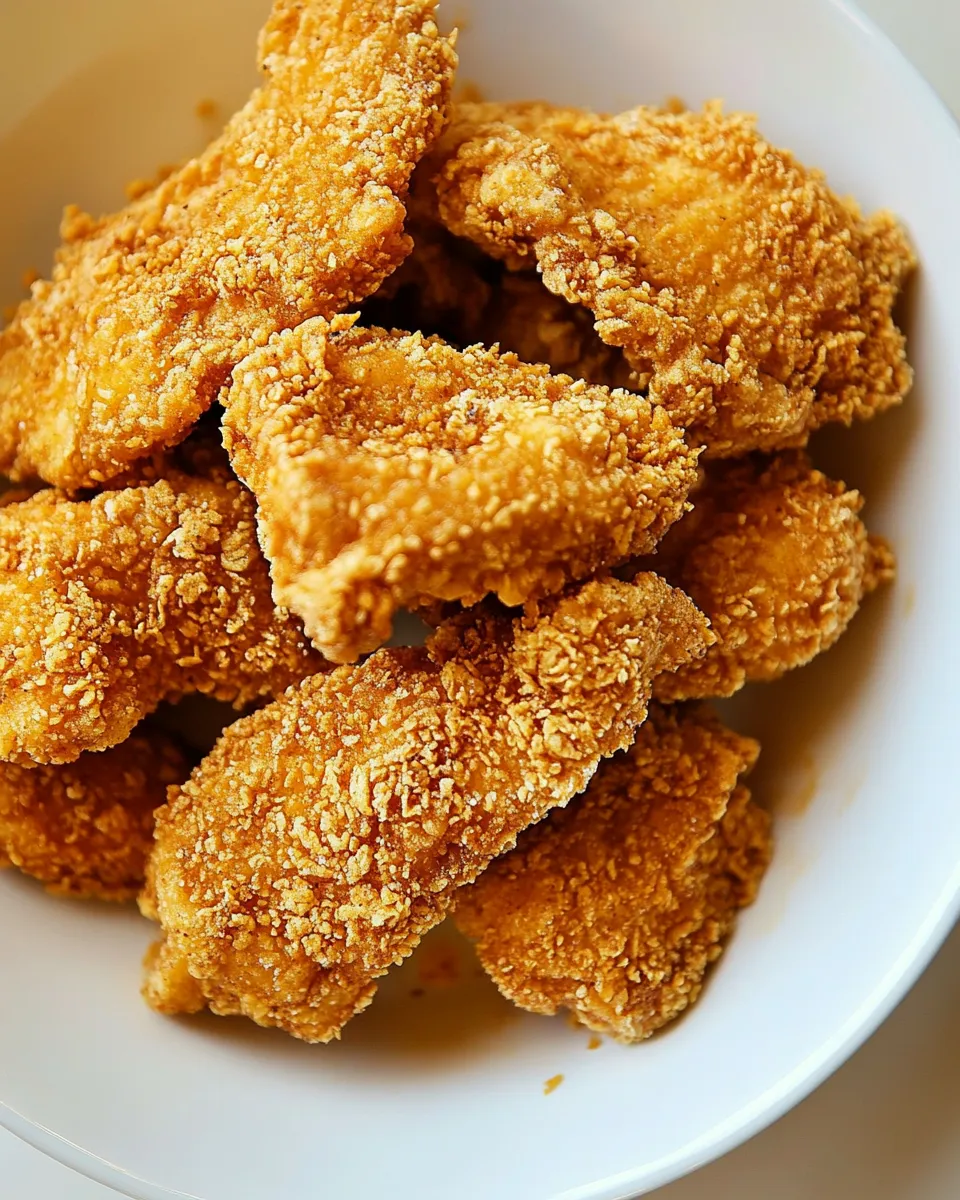
Vegan Fried Chicken
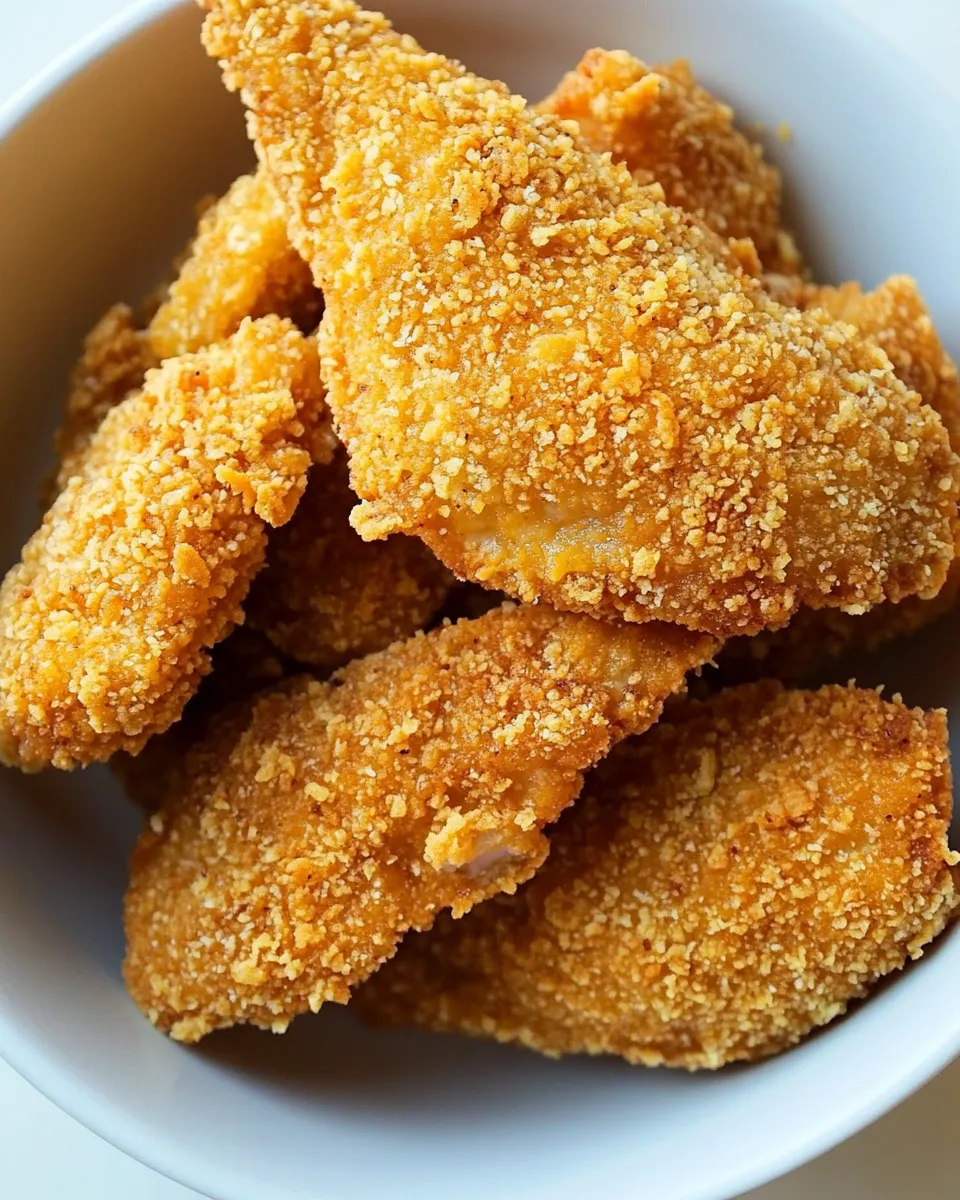
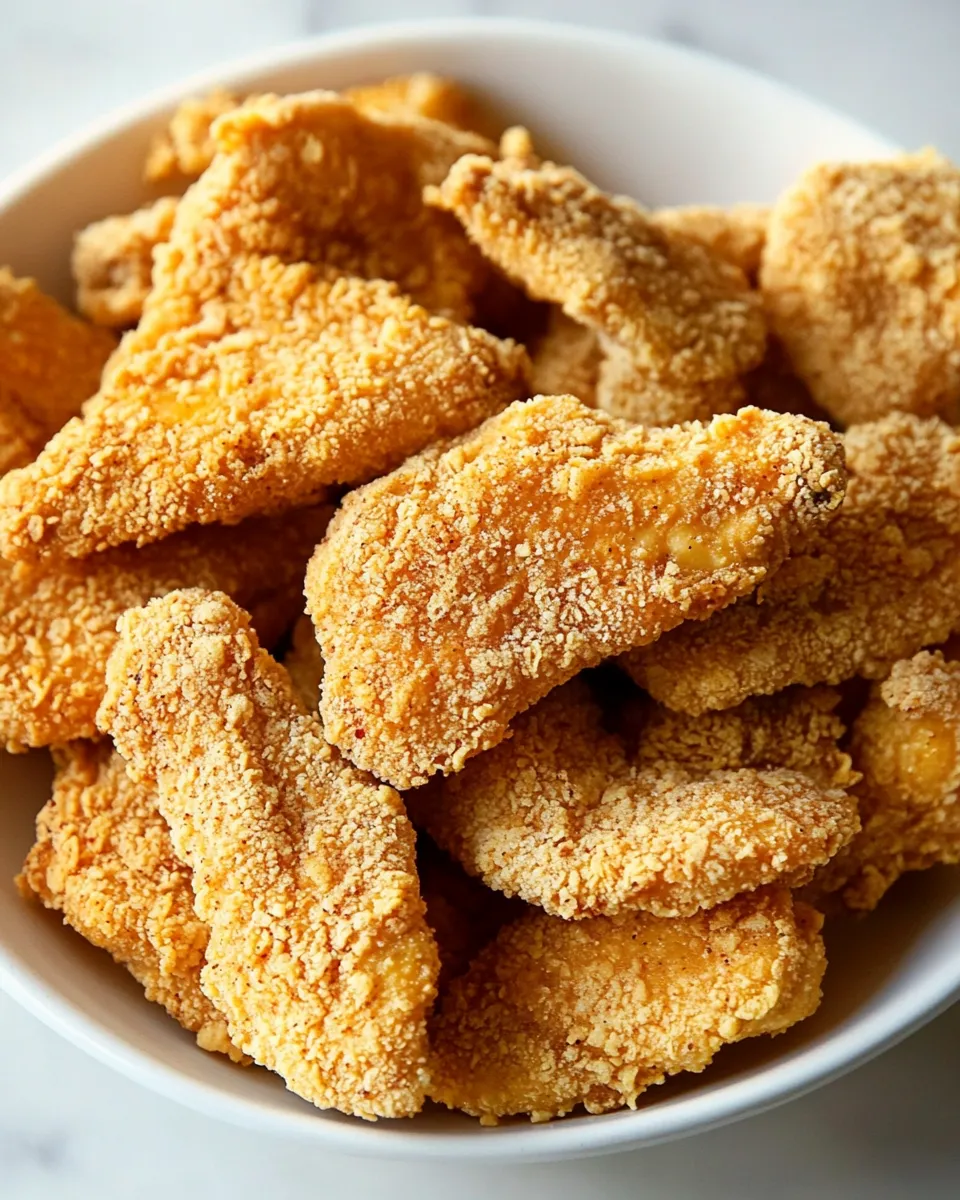
There’s something wildly satisfying about crisp, golden “fried chicken” — that crunchy crust that gives way to tender, flavorful interior. This plant-based version celebrates that very contrast using cauliflower as the star. It’s tangy, spicy, and utterly addictive, built around a simple hot sauce marinade, a seasoned flour dredge, and a double-coating technique that yields the kind of crunch you can bite into and smile. Below you’ll find everything you need: an ingredient list, clear step-by-step directions, tips for perfect results, storage notes, and serving ideas. Read through once, gather your mise en place, and get ready to make a show-stopping plate of Vegan Fried Chicken that’s great for family dinners, game day, or an impressive weekend project.
Why this method works

This approach relies on three pillars: a flavorful wet marinade that helps the coating stick and seasons the florets from the inside, a seasoned flour and arrowroot/cornstarch mix that creates a light but sturdy crust, and hot oil at the right temperature to quickly crisp the exterior without turning the cauliflower soggy. The nutritional yeast adds a subtle savory note to mimic the umami of traditional fried chicken, while Dijon and non-dairy milk help build a tangy, adhesive batter. Stick to the specified quantities for reliable results.
Ingredients
- 1 cup all-purpose flour
- 1 tablespoon arrowroot powder, or cornstarch
- ½ teaspoon salt
- ½ teaspoon cayenne pepper
- ½ teaspoon ground white pepper
- ½ teaspoon onion powder
- ½ teaspoon garlic powder
- ½ teaspoon sweet or smoked paprika
- ¼ teaspoon Old Bay seasoning
- 1 tablespoon nutritional yeast
- ⅓ cup hot sauce, Crystals, Louisiana, or your favorite brand
- 1/4 cup unsweetened and plain non-dairy milk, soy, oat, almond, or other
- 1 tablespoon smooth Dijon mustard
- 5 cups vegetable oil, vegetable, safflower, or canola
- 1 large head of cauliflower, cut into large florets
Equipment
- Large mixing bowls (at least two)
- Whisk and spatula
- Large heavy skillet or Dutch oven
- Candy/deep-fry thermometer
- Cooling rack set over a baking sheet
- Paper towels
- Tongs
Prep
Start by cutting the cauliflower into large, even florets so they cook consistently. Pat the florets dry with paper towels — moisture on the surface can prevent the coating from adhering well. Measure out all dry ingredients into a bowl, and set the wet ingredients in a separate bowl. Heat the oil in a skillet or Dutch oven while you assemble the dredges so you’re ready to fry as soon as the pieces are coated.
Rewritten step-by-step directions
- Make the wet marinade: In a medium bowl, whisk together ⅓ cup hot sauce, 1/4 cup unsweetened plain non-dairy milk, and 1 tablespoon smooth Dijon mustard until smooth and homogenous. This mixture will both flavor and help the coating stick to the cauliflower.
- Combine the dry coating: In a large shallow bowl, add 1 cup all-purpose flour, 1 tablespoon arrowroot powder (or cornstarch), ½ teaspoon salt, ½ teaspoon cayenne pepper, ½ teaspoon ground white pepper, ½ teaspoon onion powder, ½ teaspoon garlic powder, ½ teaspoon sweet or smoked paprika, ¼ teaspoon Old Bay seasoning, and 1 tablespoon nutritional yeast. Whisk the dry ingredients thoroughly until they are evenly mixed and there are no lumps.
- Preheat the oil: Pour 5 cups vegetable oil into a large heavy skillet or Dutch oven. Clip a candy or deep-fry thermometer to the side of the pan and heat the oil over medium heat until it reaches 350°F (175°C). Monitor the temperature and adjust the heat as needed to maintain 350°F during frying.
- Coat the cauliflower — first dip: Working in batches to avoid crowding, dunk each large cauliflower floret into the wet marinade, turning to coat every side so the mixture clings well. Allow any excess marinade to drip back into the bowl for a moment.
- Dredge in dry mixture: Transfer the coated floret to the dry flour mixture. Press gently and turn so the flour mix adheres evenly, covering the floret with a generous layer. Shake off any loose excess and set the coated piece on a tray or plate while you continue with the remaining florets.
- Fry the first round: When the oil is at 350°F and you have a single layer space in the skillet, carefully lower a few coated florets into the hot oil using tongs. Do not overcrowd the pan; fry in batches so the oil temperature stays steady. Fry for 3–4 minutes on the first side, then gently flip and fry an additional 2–3 minutes until the exterior is golden brown and crisp. The cauliflower should be tender when pierced with a fork.
- Drain and rest: Use tongs to transfer the fried florets to a cooling rack set over a baking sheet so excess oil drains away. Allow them to rest for 2–3 minutes while you prepare the second coating step.
- Double-coat for extra crunch (optional but recommended): For an even crispier crust, repeat the wet-and-dry steps. Dip the rested, fried floret back into the wet marinade, letting any extra drip off, then press into the dry flour mixture again to build a second coating. Return to the hot oil carefully and fry a second time for 1–2 minutes per side until deeply golden and extra crunchy. Transfer back to the cooling rack to drain.
- Finish remaining batches: Continue frying and double-coating the remaining florets in the same manner, keeping the oil temperature at about 350°F and allowing the fried pieces to drain on the rack between rounds. If the oil begins to smoke or becomes too hot, lower the heat and let it stabilize before adding more florets.
- Serve or hold: Once all pieces are fried, let them rest briefly so the crust sets. Serve the Vegan Fried Chicken hot with your favorite dipping sauces, pickles, or sides. If you need to hold them for a short time before serving, keep them on the cooling rack in a warm oven set to 200°F (95°C) for up to 15–20 minutes to maintain crispness without drying them out.
Troubleshooting and tips
- Oil temperature control: Keeping the oil close to 350°F is key. If it’s too cool, the coating absorbs oil and becomes greasy; if it’s too hot, the exterior will burn before the cauliflower is cooked. Use a thermometer for accuracy.
- Batch size: Fry in small batches so the oil temperature doesn’t drop too much. Overcrowding yields soggy crusts.
- Dry the cauliflower well: Moisture on the florets makes the coating slide off. Pat them thoroughly with paper towels before dipping.
- Double-coating: The second wet-and-dry pass is optional but highly recommended for a thicker, crunchier crust very reminiscent of classic fried chicken.
- Sauce variations: Swap the hot sauce for a milder buffalo-style or a smoky chipotle sauce if you prefer less heat. The ratio of wet ingredients should stay the same.
- Make it oil-friendly: If you want to shallow-fry instead of deep-fry, use a heavy skillet and enough oil to cover at least half the height of the florets, flipping more frequently for even browning.
Serving suggestions
This Vegan Fried Chicken shines alongside classic sides: coleslaw, mashed potatoes, biscuit-style cornbread, or a crisp green salad. For a southern-style sandwich, tuck a piece into a toasted bun with pickles, slaw, and a drizzle of vegan ranch. A squeeze of lemon over the finished florets brightens the flavors.
Storage and reheating
- Refrigerator: Store cooled pieces in an airtight container for up to 3 days. Reheating in a 375°F (190°C) oven on a wire rack for 8–10 minutes restores some of the crispiness.
- Freezing: Freeze fully cooled pieces in a single layer on a baking sheet. Once frozen, transfer to a freezer bag for up to 1 month. Reheat from frozen in a 375°F (190°C) oven for 15–20 minutes, or until crispy and heated through.
Notes on ingredients and adjustments
- Arrowroot vs. cornstarch: Both create a crisp texture; choose whichever you have. Keep the amount at 1 tablespoon.
- Non-dairy milk: Any plain unsweetened variety is fine — soy, oat, or almond. Sweetened or flavored milks will affect the savory balance, so stick to unsweetened plain milks.
- Hot sauce: Use your favorite brand at ⅓ cup. For less heat, choose a milder sauce; for more complexity, try a sauce with smoky notes.
- Old Bay and nutritional yeast: These add depth and a savory backbone. If you prefer a simpler spice profile, maintain the given amounts but you can reduce the cayenne slightly.
Why cauliflower
Cauliflower’s firm, neutral flesh gives structure and soaks up flavor without becoming mushy. Cut into large florets, it mimics the heft and bite of chicken pieces while being a perfect canvas for spicy, savory coatings.
Final thoughts
This Vegan Fried Chicken recipe is an approachable way to get the textures and bold flavors you crave from fried classics while staying plant-based. Follow the steps carefully — particularly the dry and wet assembly, temperature control, and optional double-coating — and you’ll end up with crunchy, juicy, delicious florets every time. Gather friends, serve with tangy pickles and dipping sauces, and enjoy the happy crunch that makes this dish a repeat-worthy favorite.
Ready to cook? Assemble your ingredients, warm that oil, and treat yourself to a batch of sizzling, golden Vegan Fried Chicken.
Vegan Fried Chicken
Ingredients
- 1 cup all-purpose flour
- 1 tablespoon arrowroot powder or cornstarch
- 1/2 teaspoon salt
- 1/2 teaspoon cayenne pepper
- 1/2 teaspoon ground white pepper
- 1/2 teaspoon onion powder
- 1/2 teaspoon garlic powder
- 1/2 teaspoon sweet or smoked paprika
- 1/4 teaspoon Old Bay seasoning
- 1 tablespoon nutritional yeast
- 1/3 cup hot sauce (e.g., Crystal's, Louisiana, or favorite brand)
- 1/4 cup unsweetened plain non-dairy milk (soy, oat, almond, or other)
- 1 tablespoon smooth Dijon mustard
- 5 cups vegetable oil (vegetable, safflower, or canola) for frying
- 1 large head cauliflower, cut into large florets
Instructions
- In a medium bowl, whisk together the flour, arrowroot (or cornstarch), salt, cayenne, white pepper, onion powder, garlic powder, paprika, Old Bay, and nutritional yeast until evenly combined.
- In a separate bowl, whisk the hot sauce, non-dairy milk, and Dijon mustard until smooth to create the wet batter.
- Heat the vegetable oil in a large Dutch oven or deep pot over medium heat until it reaches 350°F (use a candy or deep-fry thermometer to monitor).
- Prepare a baking sheet or plate lined with at least two layers of paper towels and set aside for draining the fried cauliflower.
- Working with one floret at a time, use one hand to dip the cauliflower into the wet batter, then transfer it to the dry flour mixture and use your other hand to coat completely.
- Repeat the dredging process a second time for each floret: dip again in the wet batter and then coat in the dry mixture; place dredged florets on a parchment-lined baking sheet as you go.
- Carefully add enough florets to the hot oil so they are fully submerged but not crowded, and fry for about 4–5 minutes, turning gently until golden and crisp.
- Using a spider or slotted spoon, transfer the fried cauliflower to the paper towel-lined baking sheet to drain.
- Allow the oil to return to 350°F between batches, then continue frying the remaining florets in the same manner.
- Serve the fried cauliflower hot with your favorite dipping sauces.
Equipment
- large Dutch oven or deep pot
- candy or deep-fry thermometer
- two medium mixing bowls
- baking sheet lined with parchment
- spider or slotted spoon
- Paper Towels
Notes
- Store leftovers covered in the refrigerator for 2–3 days.
- Freeze on a parchment-lined sheet first, then transfer to a container for up to 2 months.
- Defrost overnight in the refrigerator before reheating.
- Reheat in an air fryer at 375°F for 3–6 minutes or in an oven at 400°F for 10–12 minutes.
- Use one hand for wet batter and the other for dry coating to keep the process tidy.
- Fry in batches and maintain oil temperature at 350°F for best results.