Sticky Chicken
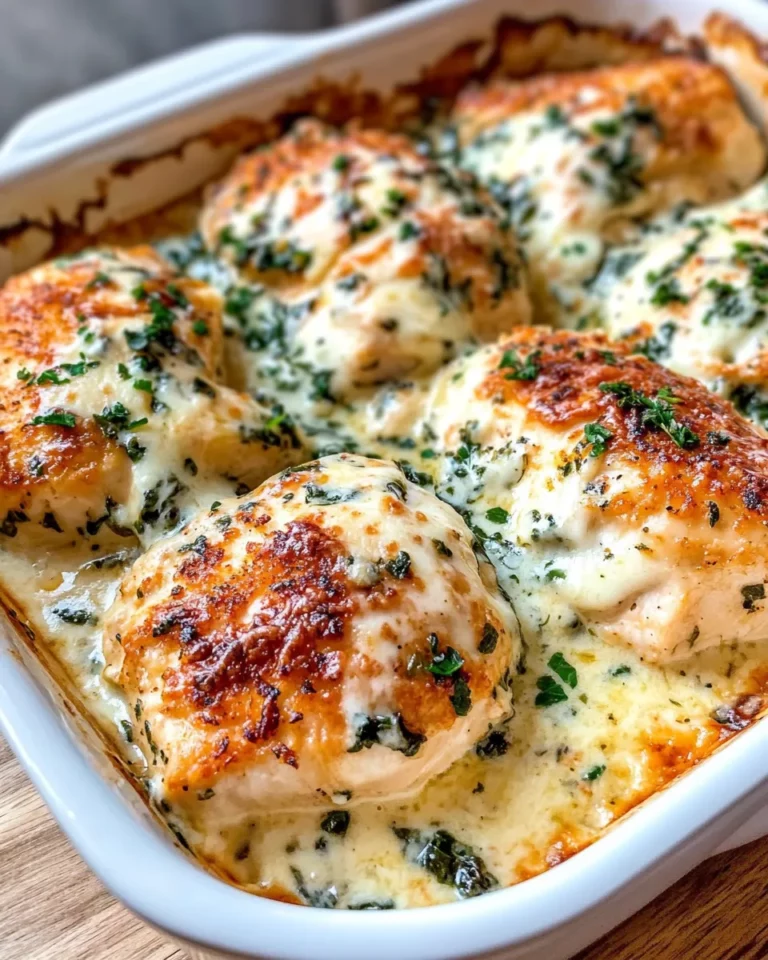
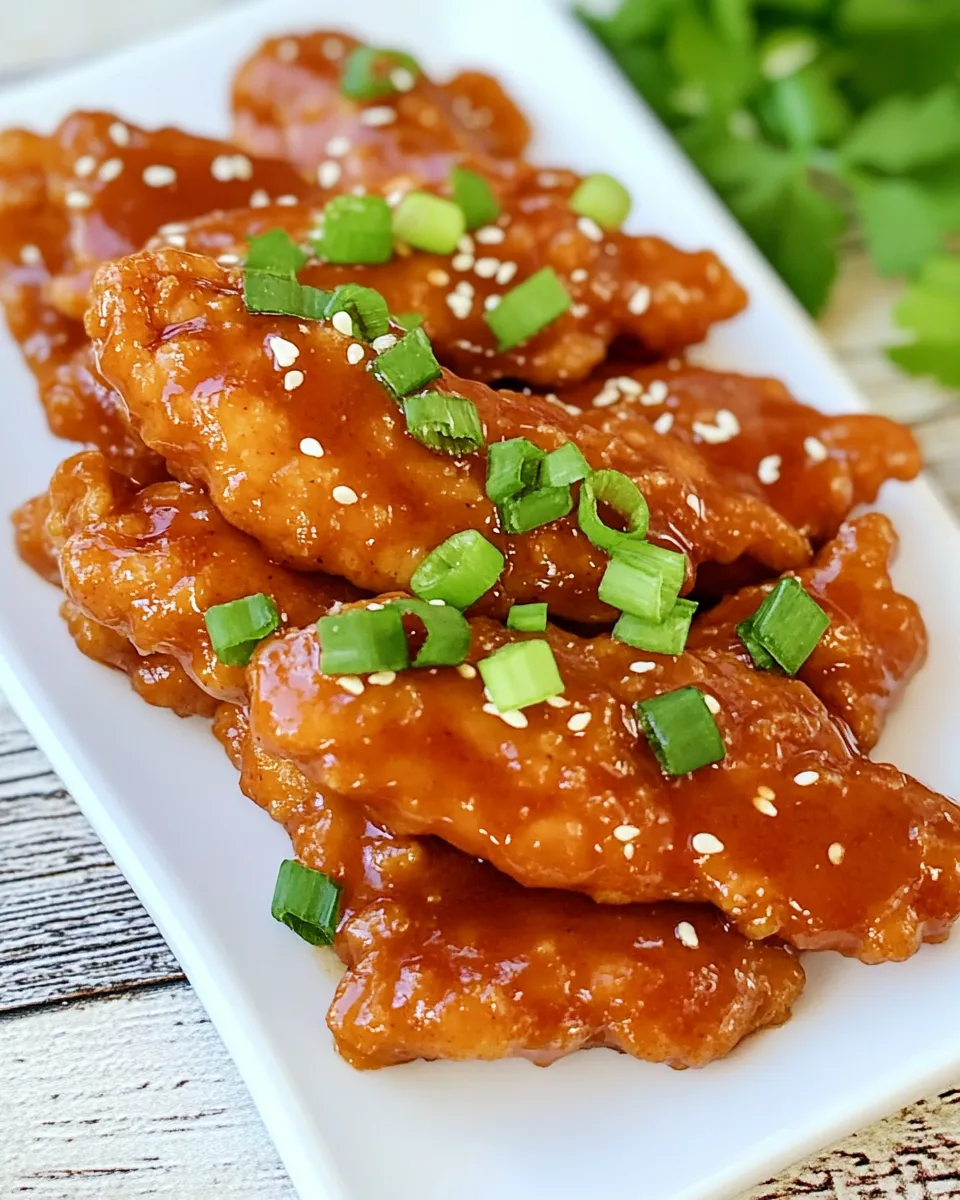
I make Sticky Chicken when I want dinner to feel like a small celebration without a ton of fuss. The sauce is glossy and bold, the kind that clings to the chicken and leaves your fork and fingers happily sticky. It’s a family-friendly recipe that plays well with plain rice, roasted veggies, or a quick salad.
This recipe is straightforward: a simple brown sugar-and-soy glaze, a short marinating window, then a quick bake. It’s forgiving — you can marinate for an hour or leave it overnight for deeper flavor. Either way, the result is sweet, salty, and richly savory.
I’ll walk you through the ingredients, the exact steps, and the practical tips I used while testing. No unnecessary steps, just clear guidance so you get reliably great Sticky Chicken every time.
Ingredient Notes

Every ingredient here pulls double duty: flavor plus function. Brown sugar provides sweetness and the sticky caramelized finish. Soy sauce adds salt and umami to balance the sweet. Teriyaki sauce builds on that with a thicker, sweeter base that helps the glaze cling. Butter gives richness and smoothness so the sauce coats the tenderloins instead of drying out on the pan.
The creole seasoning and dry mustard are small but essential. Creole seasoning brings a savory warmth and a hint of heat depending on your blend. Dry mustard adds a subtle tang that cuts through the sweetness so the sauce doesn’t taste one-dimensional. And using chicken tenderloins keeps the bake quick and the texture tender — they cook through fast and soak up the glaze beautifully.
Ingredients
- 1 cup packed light brown sugar — provides the caramelized sweetness and the sticky texture when baked.
- 3/4 cup soy sauce — balances the sweet with salty, and adds deep savory umami.
- 1/2 cup teriyaki sauce — thick, sweet-salty backbone that helps the glaze cling to the chicken.
- 1/2 cup butter, melted — enriches the sauce and gives it a silky finish.
- 1 Tbsp creole seasoning — adds savory heat and complexity; a little goes a long way.
- 1 tsp dry mustard — brightens and balances the sweetness with a slight tang.
- 2-1/2 pounds boneless skinless chicken tenderloins — cooks quickly and stays tender; they’re perfect for this glaze.
From Start to Finish: Sticky Chicken
- Melt 1/2 cup butter (in a microwave-safe bowl or in a small saucepan) until fully liquid.
- In a medium bowl, whisk together 1 cup packed light brown sugar, 3/4 cup soy sauce, 1/2 cup teriyaki sauce, the melted 1/2 cup butter, 1 Tbsp creole seasoning, and 1 tsp dry mustard until smooth.
- Place 2-1/2 pounds boneless skinless chicken tenderloins into a large resealable plastic bag. Pour the marinade over the chicken, remove excess air, seal the bag, and refrigerate for 1 hour to overnight, turning the bag occasionally to coat evenly.
- About 15 minutes before baking, preheat the oven to 375°F.
- Remove the chicken from the marinade and discard the used marinade. Arrange the tenderloins in a single layer on a baking pan with a little space between pieces.
- Bake for 20 to 25 minutes, until the chicken is no longer pink in the center or reaches an internal temperature of 165°F.
Why This Recipe Is Reliable
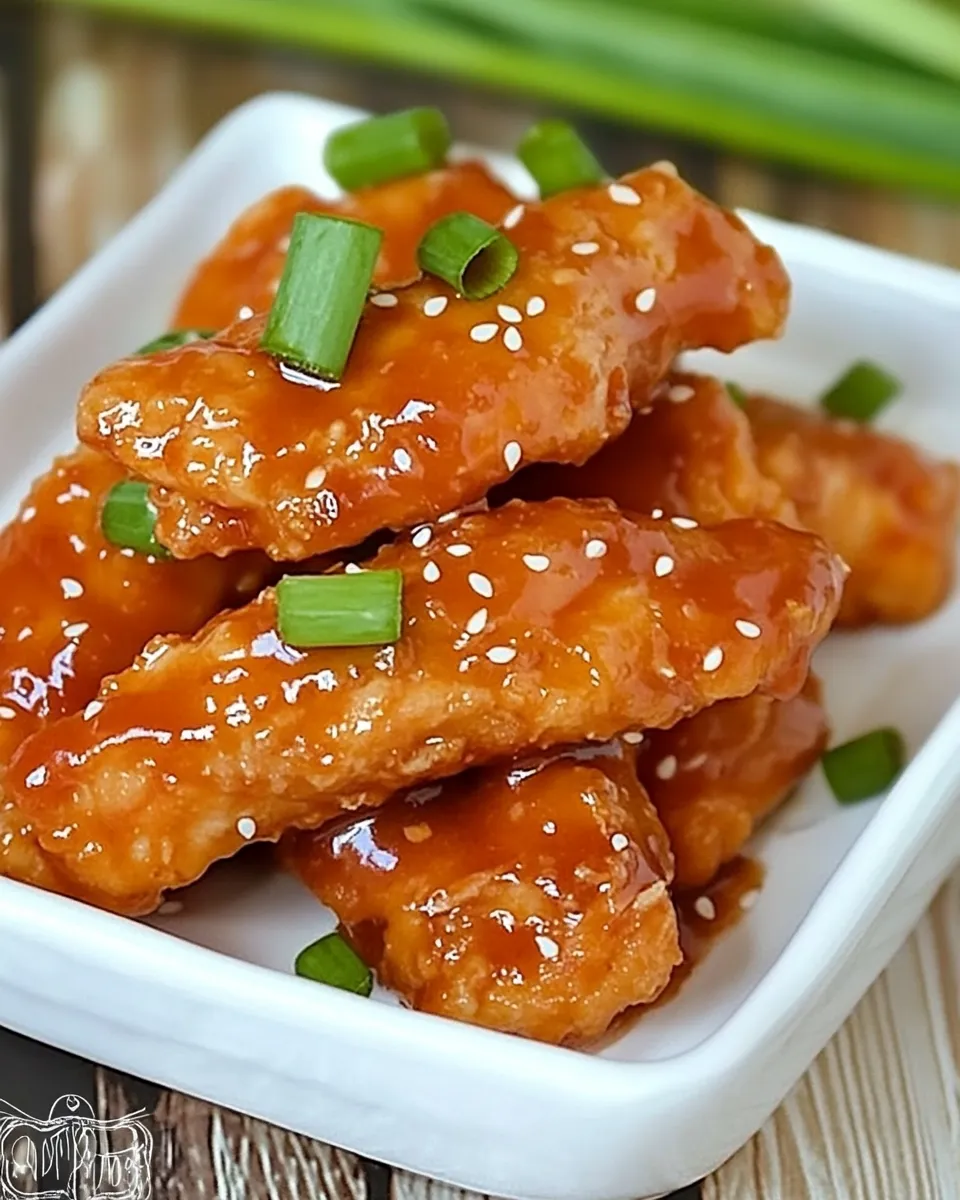
There are three reasons this version consistently works. First, the ratios are balanced: sweet, salty, and fatty elements are tuned so the glaze caramelizes without burning. Second, using tenderloins keeps cooking time short and predictable — there’s less chance of dried-out chicken. Third, the marinating step infuses flavor into each piece rather than just coating the surface, so even the center of the tenderloin tastes seasoned.
The recipe also minimizes risky steps. You don’t need to reduce sauces on the stove or monitor a hot pan for caramelization. Melt the butter, whisk, marinate, bake — the timeline is simple and forgiving. That predictability makes it a great weeknight choice or an easy dish to bring to a casual dinner.
If You’re Out Of…
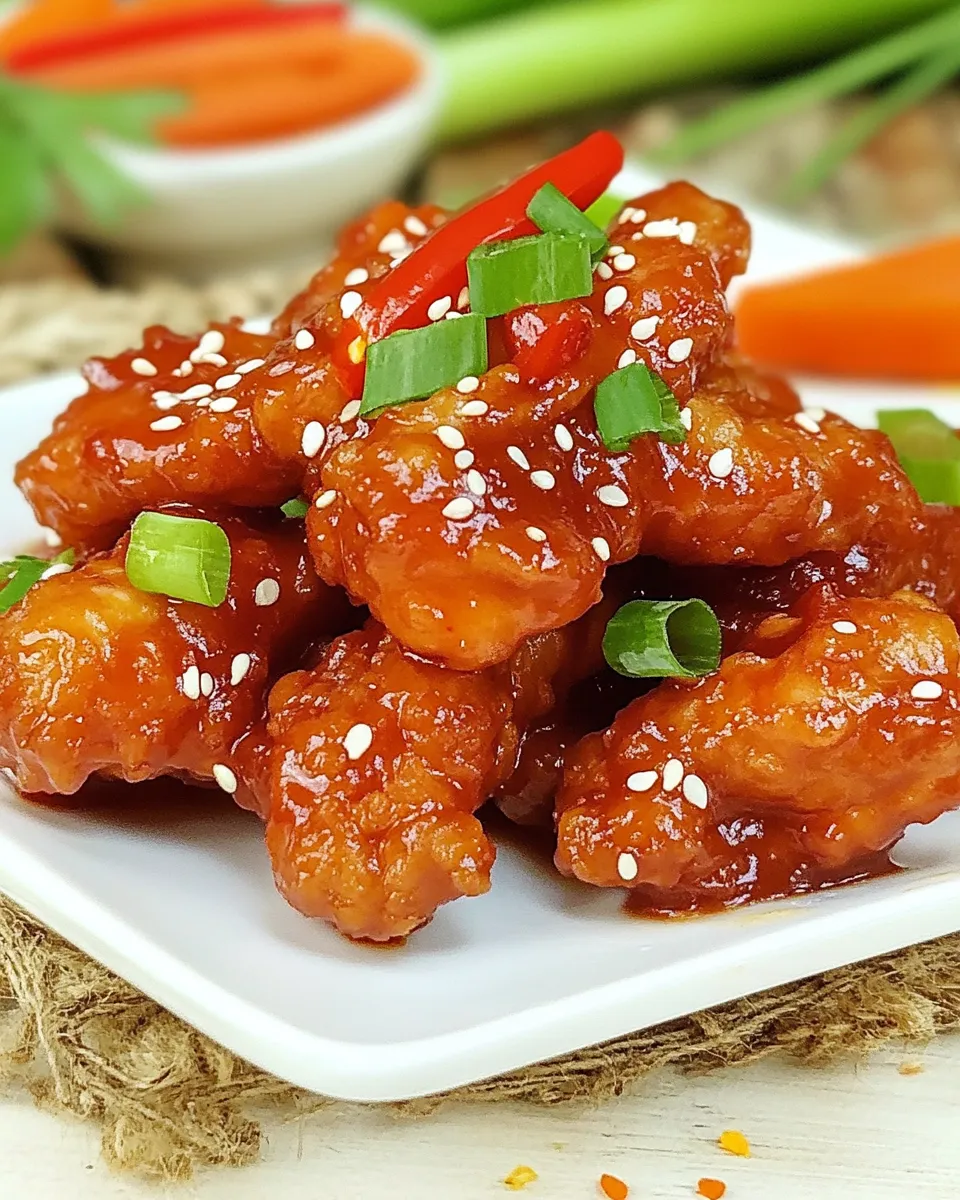
If one component of the glaze is missing, don’t panic. The overall approach is to keep a balance between sweet and salty plus a bit of fat. If you can’t use the teriyaki or soy sauce, think in terms of replacing the salty, umami component with something that provides depth and salt. If the brown sugar is missing, you can rely on another sweetener in a pinch — but be conservative and taste as you go. The key is to maintain that sweet-salty-fat balance so the finished sauce still clings and caramelizes.
Also, if you don’t have tenderloins, choose a piece of chicken that cooks quickly and evenly. Larger pieces will need longer cooking; monitor internal temperature so you don’t overcook. The method is flexible but the timing will change if you change the cut.
Tools of the Trade
Only a few tools make this even easier. You don’t need anything fancy.
Must-haves
- A medium bowl and whisk — for the glaze.
- A large resealable plastic bag — for marinating and even coverage.
- An oven-safe baking pan — choose one with a rim to catch drips.
- An instant-read thermometer — the fastest way to guarantee doneness without drying the chicken.
Optional but helpful: a silicone spatula to spread sauce if you want extra glaze on the chicken before baking, and foil to line your pan for easier cleanup.
Missteps & Fixes
Common mistakes are easy to avoid and simple to correct. Here’s what I saw while testing and how to fix it.
Problem: Sauce burns or becomes bitter on the edges. Fix: Make sure the chicken pieces have a little space between them and the oven rack isn’t too close to the top heating element. If the glaze begins to darken too quickly, tent the pan with foil to slow browning and let the interior reach 165°F.
Problem: Chicken dries out. Fix: Use an instant-read thermometer and remove the chicken as soon as it hits 165°F. Tenderloins cook quickly; they can go from perfect to overdone in minutes.
Problem: Sauce is too thin to cling after baking. Fix: Shorten marinade time slightly and baste once or twice during baking, or after baking spoon a little reduced glaze (remove a small amount before putting raw chicken in the oven and simmer it until thick) over the cooked chicken to increase stickiness.
Fit It to Your Goals
Want this to be weeknight-friendly? Marinate for just an hour and roast straight away. Looking for something more decadent for guests? Marinate overnight to deepen flavor and serve with steamed rice and quick-pickled cucumbers to cut the richness.
For a lighter approach, keep portion sizes in check and serve alongside fibrous vegetables. If you’re planning this for meal prep, cook the chicken through, cool it quickly, and store it with sauce separate so the texture holds up when reheated. Small adjustments in timing and serving choices shift this recipe from casual dinner to party platter easily.
What I Learned Testing
I tested this several times to find the sweet spot between sticky and burnt. The most important variable was cooking time and pan arrangement. Crowding the pan traps steam and prevents caramelization; too little space and the edges dry out faster. The ideal is a single layer with a little room between tenderloins.
I also found that melting the butter until fully liquid and whisking it into the cold-ish brown sugar prevents graininess. When the sugar dissolves into the liquid components before hitting the oven, the final glaze is smoother. Finally, a short marinate gives good flavor, but overnight yields a deeper result. Both are valid depending on your schedule.
Freezer-Friendly Notes
You can freeze this recipe at two stages: frozen uncooked, or cooked. For uncooked: marinate the chicken in the sealed bag, remove excess air, and freeze flat. Thaw overnight in the refrigerator before baking and discard any excess thawed marinade. For cooked: cool completely, then freeze in shallow airtight containers with the sauce on top. Reheat gently in a low oven so the glaze warms through without drying.
Label packages with the date. Uncooked marinated chicken keeps best for up to 3 months; cooked chicken is best within 2 months. When reheating, aim to reach 165°F again, but use low heat to preserve moisture.
Top Questions & Answers
How long should I marinate? The recipe calls for 1 hour to overnight. An hour gives noticeable flavor; overnight intensifies it.
Can I make this ahead? Yes. You can marinate the chicken up to 24 hours ahead and keep it refrigerated until ready to bake. For fully cooked make-ahead meals, cool and store in the fridge for up to 4 days.
What internal temperature should I aim for? 165°F is the safe, recommended target. Use an instant-read thermometer and check the thickest part of a tenderloin.
My sauce separated after baking. Is that normal? Sometimes the fat separates slightly after cooking. Rest the chicken a few minutes; it usually reins emulsify a bit when you spoon sauce back over the pieces. If separation is pronounced, a quick whisk of leftover glaze on the stove can bring it back together.
Final Bite
This Sticky Chicken is the kind of recipe that earns a permanent spot in the rotation because it’s easy, quick, and dependable. The glaze is bold without being fussy, and the method keeps the focus where it should be: juicy, flavorful chicken with a glossy finish. Keep the steps as written for the first few tries; once you know how it behaves in your oven, you can tweak times and marinating to match your schedule and taste.
Make it for a busy weeknight, a casual dinner with friends, or when you want something that feels special but isn’t complicated. It’s sticky, satisfying, and pleasantly simple — and that’s the point.
Sticky Chicken
Ingredients
Ingredients
- 1 cup packed light brown sugar
- 3/4 cup soy sauce
- 1/2 cup teriyaki sauce
- 1/2 cup butter melted
- 1 Tbspcreole seasoning
- 1 tsp dry mustard
- 2-1/2 pounds boneless skinless chicken tenderloins
Instructions
Instructions
- Melt 1/2 cup butter (in a microwave-safe bowl or in a small saucepan) until fully liquid.
- In a medium bowl, whisk together 1 cup packed light brown sugar, 3/4 cup soy sauce, 1/2 cup teriyaki sauce, the melted 1/2 cup butter, 1 Tbsp creole seasoning, and 1 tsp dry mustard until smooth.
- Place 2-1/2 pounds boneless skinless chicken tenderloins into a large resealable plastic bag. Pour the marinade over the chicken, remove excess air, seal the bag, and refrigerate for 1 hour to overnight, turning the bag occasionally to coat evenly.
- About 15 minutes before baking, preheat the oven to 375°F.
- Remove the chicken from the marinade and discard the used marinade. Arrange the tenderloins in a single layer on a baking pan with a little space between pieces.
- Bake for 20 to 25 minutes, until the chicken is no longer pink in the center or reaches an internal temperature of 165°F.
Equipment
- Microwave-safe bowl or small saucepan
- Medium Bowl
- Whisk
- large resealable plastic bag
- Baking Pan
- Oven
- Meat Thermometer