Easy Homemade Buffalo Sauce
I make a lot of sauces. This one is the recipe I reach for when I want a bright, spicy finish without fuss. It’s straightforward, forgiving, and the sort of thing you can whisk up while the oven warms or the fries finish crisping. No special equipment, no weird steps—just a few pantry items and a quick stir.
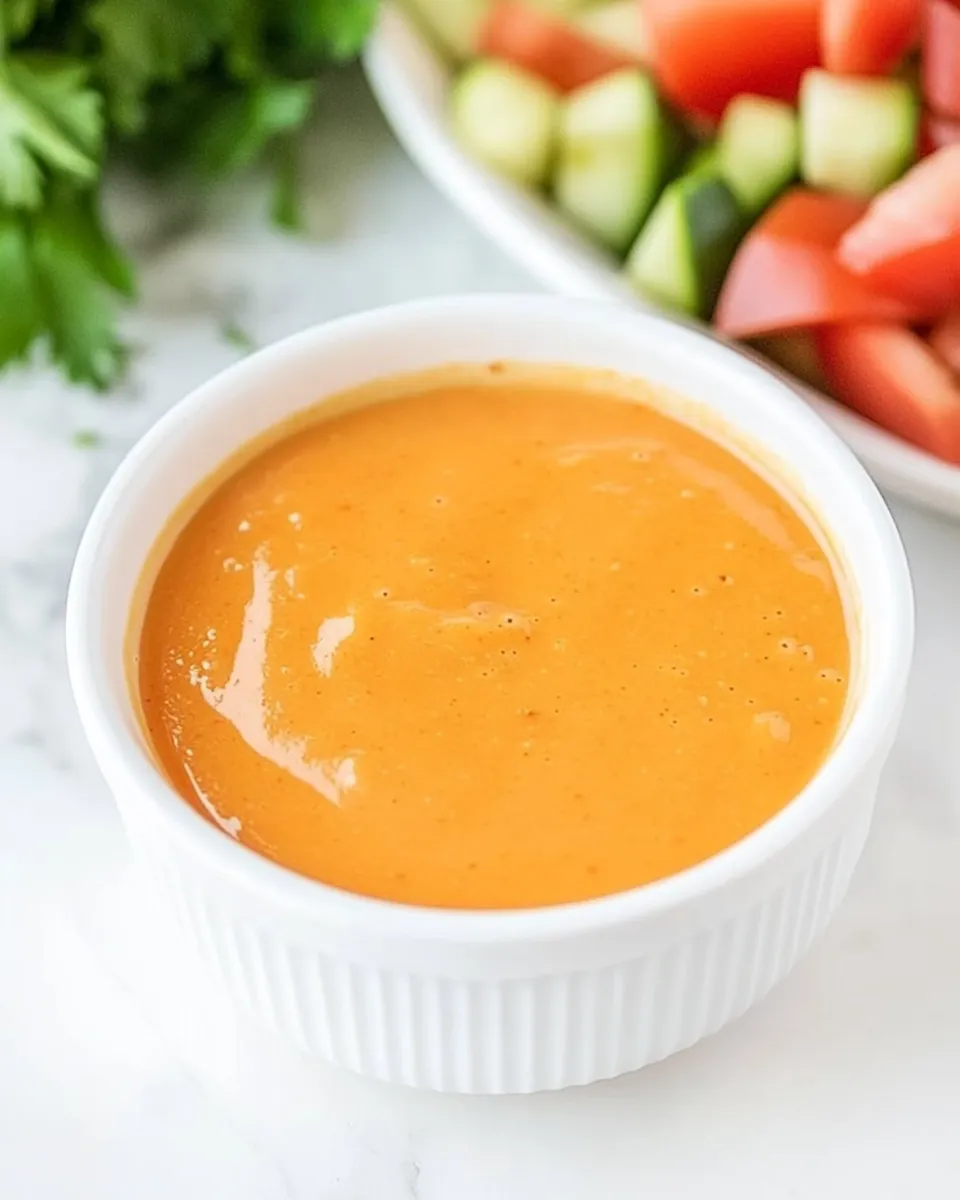
Buffalo sauce should hit three notes: tang, heat, and silkiness. This version balances those with hot sauce, butter, and a tiny cornstarch–vinegar trick so the emulsion holds and the texture is glossy. It’s ideal for wings, sandwiches, roasted vegetables, and anything that needs a punch.
I’ll walk you through exactly what to buy, the step-by-step method, and the little choices that make this better than melted butter and hot sauce thrown together. Practical tips, storage advice, and common pitfalls are all here so you get consistently great results.
Shopping List

Before you start, gather everything. Nothing complicated: a bottle of your preferred hot sauce, a block or tub of butter, and the small staples listed below. If you want a thicker, clingier sauce, make sure you have cornstarch on hand—this recipe uses just a teaspoon. Pick a good-quality hot sauce you like straight; the flavor carries through.
Ingredients
- 1 cup hot sauce — provides the base heat and vinegar tang; pick one you enjoy drinking by the spoonful if you like bold flavor.
- 1/2 cup butter — adds richness and smooths the heat; unsalted or salted both work, but note salt levels.
- 1 tablespoon white vinegar — brightens the sauce and helps emulsify with the cornstarch.
- 1 teaspoon cornstarch — thickens slightly and helps the sauce cling; it’s a tiny amount but effective when activated.
- 1/4 teaspoon Worcestershire sauce — a savory background note that deepens the flavor without changing heat.
- 1/4 teaspoon garlic powder — for a rounded garlic presence without fresh garlic’s sharpness.
Homemade Buffalo Sauce, Made Easy
- In a small bowl, stir 1 teaspoon cornstarch into 1 tablespoon white vinegar until the cornstarch is fully dissolved and you have a smooth paste with no lumps.
- Place a small saucepan on the stove and add 1 cup hot sauce, 1/2 cup butter, the cornstarch–vinegar paste, 1/4 teaspoon Worcestershire sauce, and 1/4 teaspoon garlic powder.
- Heat the saucepan over medium heat, stirring constantly so the butter melts and the ingredients combine.
- When the sauce reaches a gentle simmer (small bubbles around the edge), continue stirring and cook for about 30–60 seconds to activate the cornstarch and thicken the sauce slightly.
- Remove the pan from the heat and whisk vigorously until the sauce is smooth and fully combined. Alternatively, use a hand blender to emulsify the sauce until smooth.
- Let the sauce cool slightly before using. Store any leftovers in the refrigerator.
Why You’ll Love This Recipe
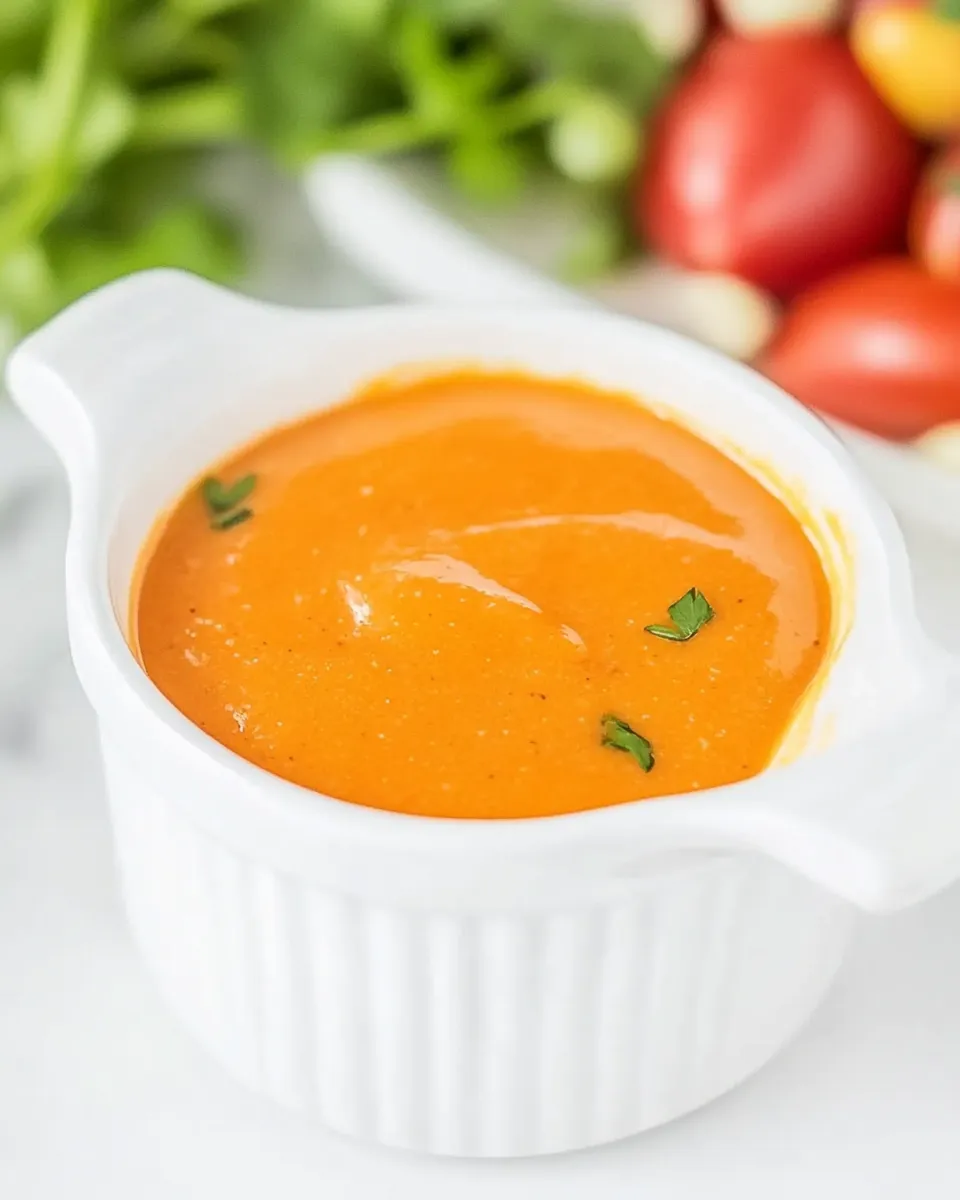
This recipe gives you a reliable buffalo sauce every time. The cornstarch–vinegar step is small but important: it stabilizes the emulsion so the sauce stays glossy and clings to food instead of separating. The butter softens the acid of the hot sauce, and Worcestershire adds a savory backbone that keeps the flavor from being one-note.
It’s fast. From start to finish you’re looking at just a few minutes of active work. Because the ingredients are common, you can put this together on a weeknight or when guests arrive. It reheats well, too—gently warm in a small pot and whisk to re-emulsify.
Finally, the balance is adaptable. The base is classic and clean, and you can lean it more tangy or more buttery depending on your hot sauce choice and how long you whisk. It’s an excellent blank canvas for any hot-sauce-forward application.
International Equivalents
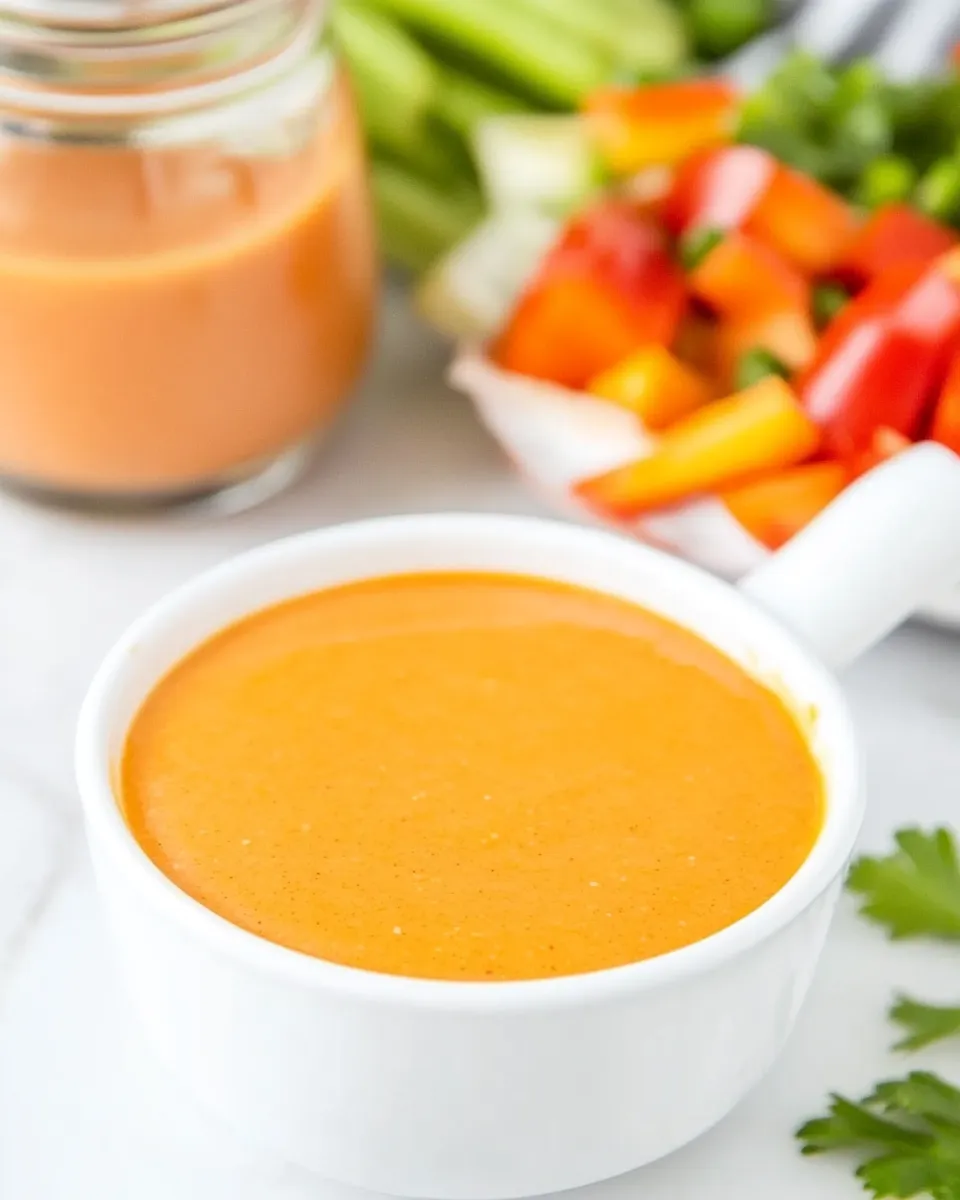
Hot sauce styles vary around the world, and swapping them will nudge the final dish in different directions without changing the method. Use a vinegar-forward American hot sauce for the classic Buffalo tang. A fiercer chile-based sauce will up the heat and fruit notes. Milder, smoked sauces will give a deeper, more rounded flavor. The technique—cornstarch paste, gentle simmer, vigorous whisk—stays the same everywhere.
If you live where certain sauces aren’t available, pick a local chile sauce with a similar heat-to-acidity profile. The butter and whisking will still bind the flavors and create that inviting sheen we expect from Buffalo-style sauces.
Essential Tools for Success
Keep your tool kit minimal and functional. A small saucepan, a reliable whisk, and a measuring spoon set are the core items. A bowl for making the cornstarch–vinegar paste keeps things lump-free. If you prefer silky emulsions, a hand blender or small immersion blender is helpful but not required.
Use a saucepan that conducts heat evenly so you can monitor the simmer without hot spots. A silicone spatula or spoon helps scrape the sides as the butter melts. Finally, a simple jar with a lid is handy for storing leftovers in the fridge and shaking the sauce before use if it separates slightly.
Errors to Dodge
Don’t rush the cornstarch dissolution. Any lumps at the start will persist and create a speckled texture in the finished sauce. Stir the paste until smooth before adding it to the pan.
Avoid high heat. Bring the sauce to a gentle simmer only. Boiling aggressively can break the emulsion and separate the butter from the sauce, leaving an oily surface. Stir constantly as the butter melts so everything comes together calmly.
Don’t skip the final whisk. That vigorous whisking after you remove the pan from the heat pulls the elements into a stable emulsion. If you walk away too early, the texture won’t be as glossy or cohesive.
Make It Your Way
Tune the sauce to your taste by changing the hot sauce base. Use a sharper, more vinegary bottle for brightness or a fruitier, chile-forward one for extra complexity. If you prefer a richer mouthfeel, choose a creamier butter. Want the sauce thicker? Use a slightly longer simmer, watching carefully, to let the cornstarch fully activate and the sauce reduce a touch.
When serving, consider how you want the sauce to behave. For wings, a slightly thicker, clingier finish is great. For dipping, a slightly looser texture can be more comfortable—just whisk in a little more warm butter or a splash of vinegar right before serving to alter consistency without changing the recipe itself.
Pro Perspective
As a cook, I lean on technique over tricks. That cornstarch vignette is professional shorthand: it thickens without clouding the flavor and prevents the butter from separating. The timing matters. Short simmer, then immediate whisking—do that and you’ll have a stable sauce that outperforms a simple melted-butter mix.
Also, think about temperature. Hot sauce straight from the bottle is fine, but tempering ingredients by bringing them together over medium heat allows the butter to emulsify evenly. A hand blender will get you the silkiest texture quickly, but a good whisk in a warm pan works just as well with a tiny bit more elbow grease.
Keep-It-Fresh Plan
Let the sauce cool to room temperature, transfer to a clean jar, and refrigerate. It will keep for several days—check smell and appearance before using. If it thickens in the fridge, gently reheat over low heat and whisk or briefly pulse with a hand blender to revive the emulsion.
For the cleanest storage, use a jar with a tight-fitting lid and label it with the date. If you plan to make a large batch, portion into small jars so you only open what you need; repeated heating and cooling shortens quality.
Homemade Buffalo Sauce Q&A
Q: Can I make this without butter?
A: Butter is central to classic Buffalo sauce for texture and flavor. If you need a dairy-free version, this recipe will require adjustments beyond what’s provided here. For this exact method, butter is part of the chemistry that creates the smooth emulsion.
Q: My sauce separated—what went wrong?
A: The most common causes are overheating or not whisking after removing from the heat. Bring to a gentle simmer only, then whisk vigorously off the heat. If it separates, warm gently and whisk or use a hand blender to bring it back together.
Q: Can I double the recipe?
A: Yes. Use a larger saucepan and keep the same ratios and steps. The technique scales, but maintain the gentle simmer and consistent stirring so everything incorporates evenly.
Q: Will the cornstarch change the flavor?
A: No. The teaspoon used here is neutral in flavor; its job is texture. It activates quickly during the short simmer and doesn’t leave a starchy taste when fully cooked and emulsified.
Q: How do I reheat leftovers?
A: Reheat gently over low heat. Whisk while warming. If you prefer, brief pulses with an immersion blender restore smoothness quickly. Avoid boiling.
Wrap-Up
This Homemade Buffalo Sauce is quick, reliable, and easy to tailor to your needs. The small cornstarch–vinegar step makes a big difference in texture, and the rest is simple: good hot sauce, butter, and a bit of seasoning. Keep the method in mind, and you’ll have a versatile sauce that brightens wings, sandwiches, roasted veggies, and more. Make a batch, store it properly, and you’ll reach for it again and again.

Easy Homemade Buffalo Sauce
Ingredients
Ingredients
- 1 cuphot sauce
- 1/2 cupbutter
- 1 tablespoonwhite vinegar
- 1 teaspooncornstarch
- 1/4 teaspoonWorcestershire sauce
- 1/4 teaspoongarlic powder
Instructions
Instructions
- In a small bowl, stir 1 teaspoon cornstarch into 1 tablespoon white vinegar until the cornstarch is fully dissolved and you have a smooth paste with no lumps.
- Place a small saucepan on the stove and add 1 cup hot sauce, 1/2 cup butter, the cornstarch–vinegar paste, 1/4 teaspoon Worcestershire sauce, and 1/4 teaspoon garlic powder.
- Heat the saucepan over medium heat, stirring constantly so the butter melts and the ingredients combine.
- When the sauce reaches a gentle simmer (small bubbles around the edge), continue stirring and cook for about 30–60 seconds to activate the cornstarch and thicken the sauce slightly.
- Remove the pan from the heat and whisk vigorously until the sauce is smooth and fully combined. Alternatively, use a hand blender to emulsify the sauce until smooth.
- Let the sauce cool slightly before using. Store any leftovers in the refrigerator.
Equipment
- Small Bowl
- Small Saucepan
- Whisk
- hand blender (optional)
- stove