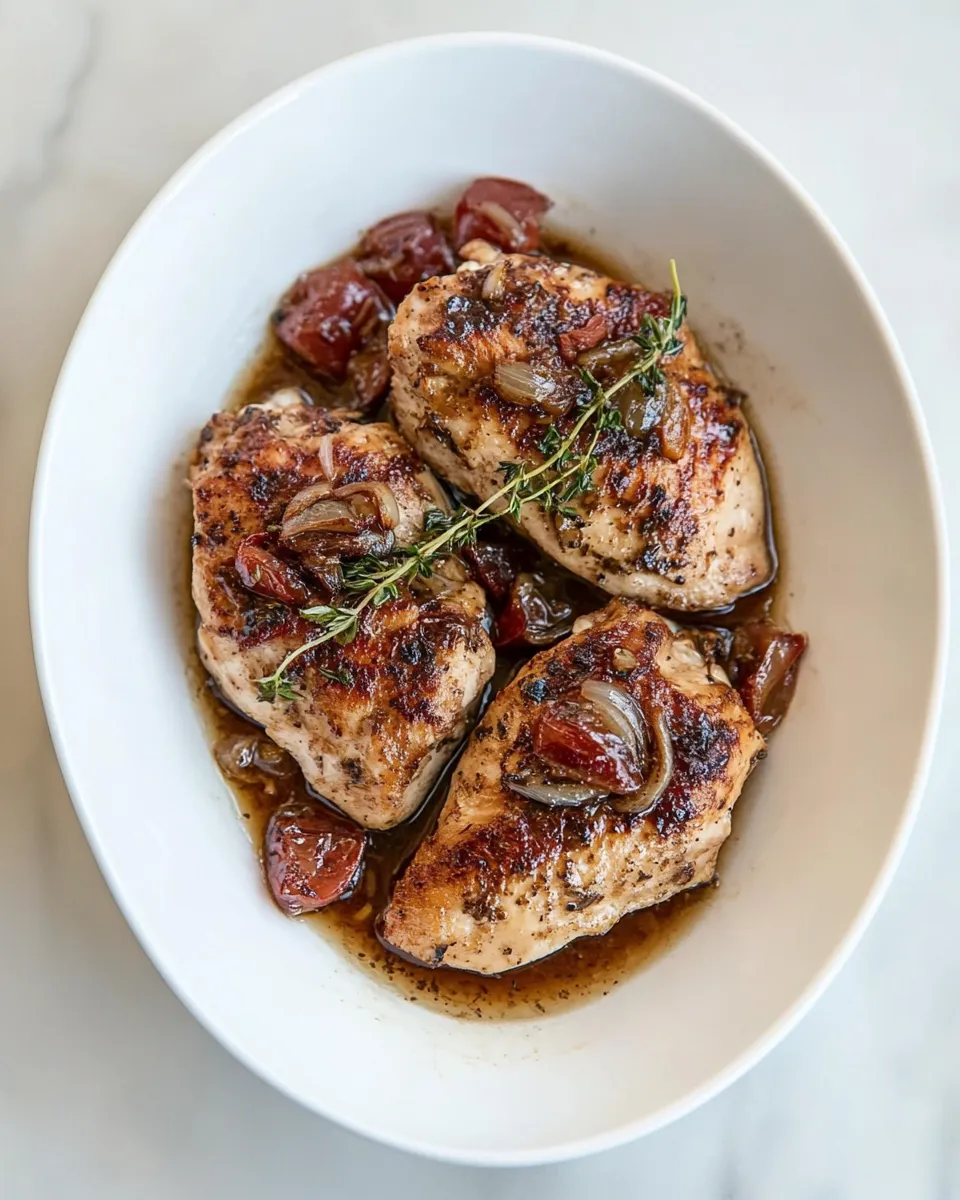
Easy Balsamic Chicken
This is one of those weeknight recipes I turn to when I want dinner that feels thoughtfully cooked but doesn’t demand a whole evening. It’s honest: straightforward steps, pantry-friendly ingredients, and a sauce that does the heavy lifting. The balsamic adds a tangy-sweet backbone while canned tomatoes and a simple herb mix make the skillet sing.
Prep is minimal and the payoff is big. You can use four small chicken breasts or two large ones sliced into cutlets — both work. The technique is the same: brown the chicken, build the sauce in the same pan, and finish the chicken gently in that sauce so it stays tender and picks up flavor.
No fancy shopping list, no long marinading, and plenty of room to tweak. Below you’ll find the exact ingredient list and step-by-step instructions I follow, plus practical tips, substitutions, troubleshooting advice, and how I handle leftovers. Let’s get to it.
Ingredients

- 4 small or 2 large boneless skinless chicken breasts — The recipe works with either; slice large breasts into cutlets so they cook evenly.
- Salt and pepper — Seasoning basics; salt brings out the tomatoes and balsamic, pepper adds warmth.
- 1 tablespoon olive oil — For searing; use a neutral or extra-virgin olive oil for flavor.
- 1 tablespoon butter (salted or unsalted is fine) — Adds richness for the onion stage and helps the sauce finish silky.
- 4 garlic cloves (pressed or minced) — Garlic is background flavor; pressing gives more punch.
- 1 sweet onion (halved from root to tip and sliced into 1/4‑inch slices) — Sweet onions soften and add natural sweetness to balance the balsamic.
- 2 (14.5‑ounce) cans diced tomatoes* — Use the cans you have; the juices are part of the sauce.
- 1/4 cup balsamic vinegar — The star for acidity and depth; measure for balance.
- 1 teaspoon granulated sugar (optional) — Tames any tomato acidity if you prefer a rounder sauce.
- 1 teaspoon dried oregano — Classic Italian herb note that complements tomatoes.
- 1 teaspoon dried basil — Adds sweet, aromatic lift.
- 1 teaspoon dried, crushed rosemary — Use crushed to release oils; it’s assertive, so measure carefully.
- 1/2 teaspoon ground thyme — Subtle herb earthiness to round the blend.
What You’ll Gather
For this recipe, gather a 12-inch deep skillet with a lid, a wooden spoon, tongs, a sharp knife and cutting board, spoon for tasting, and a meat thermometer if you like precision. Have paper towels handy to pat the chicken dry — that step matters for a good brown crust.
Keep all canned goods and dried herbs within reach so you can move through the steps without scrambling. The full cook happens on the stovetop in one pan, which means cleanup is quick and the flavors concentrate nicely.
Balsamic Chicken, Made Easy
If you’re picturing a restaurant-style chicken with a glossy, vinegary glaze and softened onions, this is it. The method is intentionally simple: brown, build, simmer, rest. You don’t need to fuss with a separate oven step or complicated reductions. The canned tomatoes and balsamic combine into a bright, spoonable sauce that pairs well with rice, crusty bread, or a simple salad.
Why I Love This Recipe
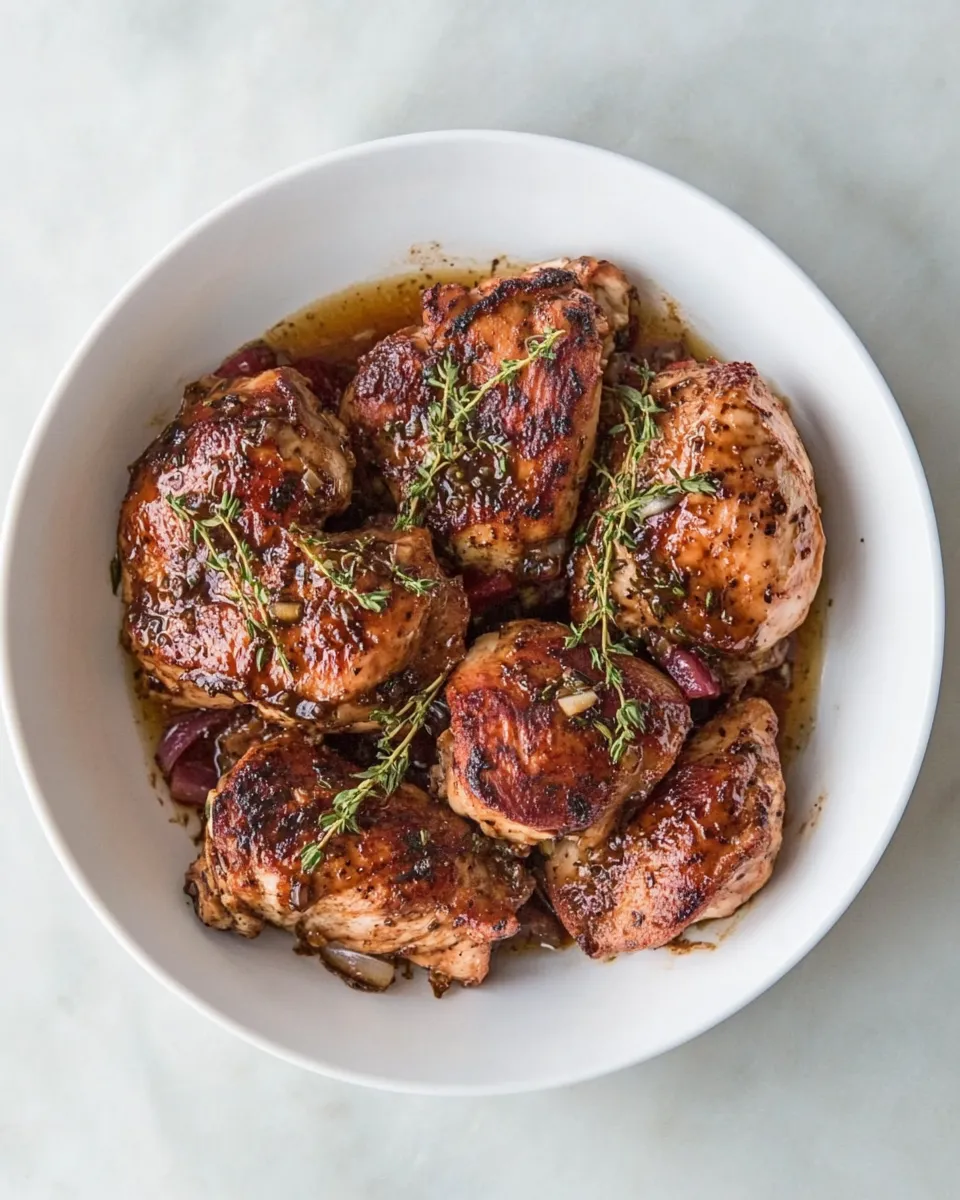
It hits the sweet spot between comfort and sophistication. The balsamic gives it depth without overpowering the chicken. I love that the sauce is forgiving — taste as you reduce and adjust salt or the optional sugar. It’s fast enough for a weeknight but pretty enough for guests.
Also, the one-pan approach keeps things flavorful: those browned bits from the chicken become the base of the sauce, so nothing is wasted. The dish is also easy to scale up or down depending on how many mouths are at the table.
Smart Substitutions
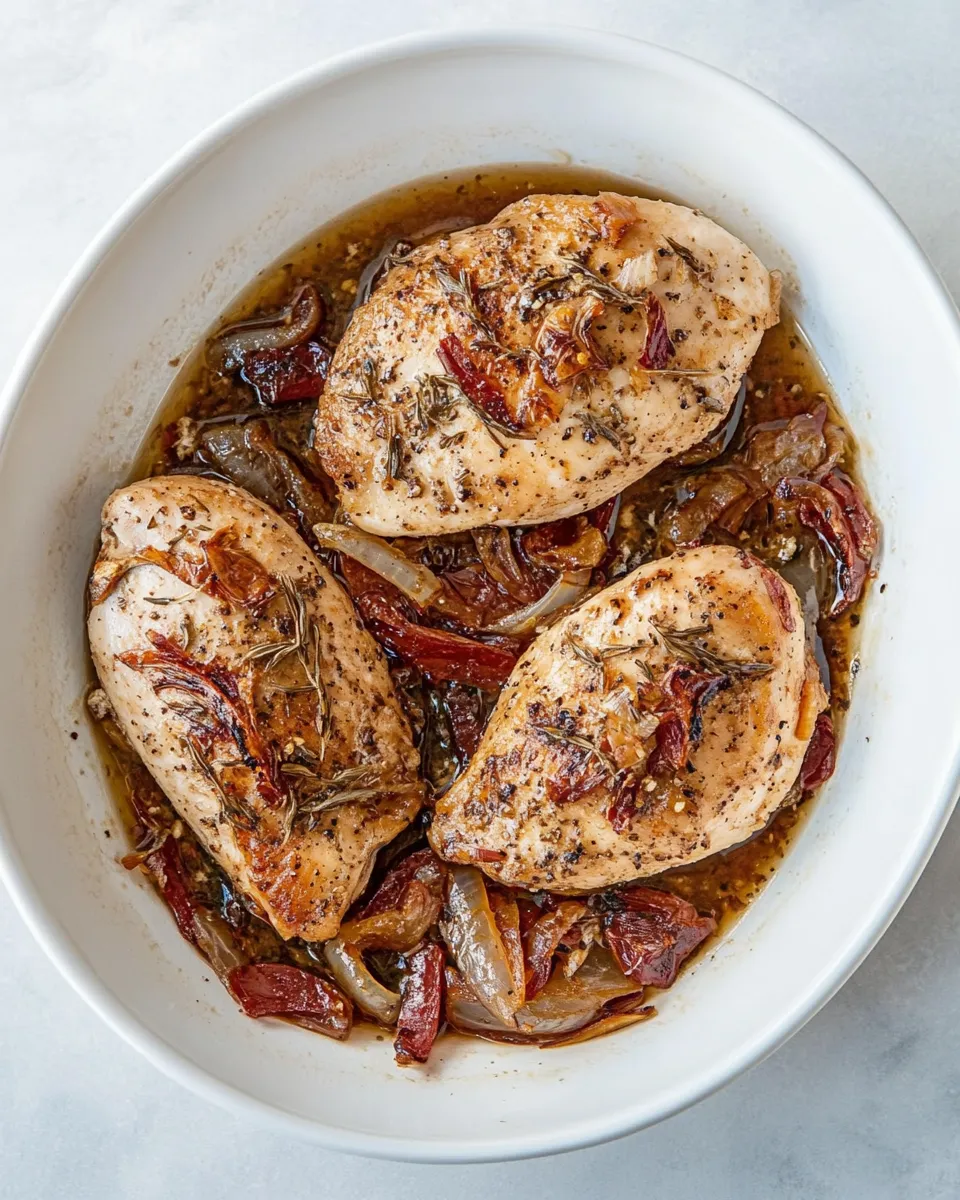
- Chicken: If you only have thighs, bone-in or boneless will work; adjust cooking time and ensure they reach 165°F.
- Tomatoes: If you prefer, replace one can of diced tomatoes with 1/2 cup crushed tomatoes for a smoother sauce.
- Balsamic: A good quality balsamic gives more depth, but any balsamic vinegar will work; reduce to 3 tablespoons if yours is particularly sweet.
- Butter: Use olive oil instead of butter for a dairy-free version; finish with a drizzle of extra-virgin olive oil for richness.
- Herbs: Swap dried for fresh (use roughly three times the amount of fresh) if you have a garden sprig to spare.
Tools of the Trade
- 12-inch deep skillet with a lid — The deep sides contain the sauce and allow you to nestle the chicken in easily.
- Wooden spoon — For scraping up browned bits without damaging your pan.
- Tongs — Helpful for turning chicken without tearing it.
- Meat thermometer — Optional but the easiest way to ensure the chicken hits 165°F.
- Sharp knife and cutting board — For slicing large breasts into even cutlets if needed.
Things That Go Wrong
If the chicken is dry: it’s usually overcooked. Small breasts cook quickly — use a thermometer and pull them as soon as they hit 165°F and let them rest. If your sauce is watery: simmer uncovered a little longer to reduce, or remove the chicken and cook the sauce until it thickens to your liking before returning the chicken.
If the onions haven’t softened: lower the heat and give them more time; they should be wilted and translucent before adding tomatoes. If the sauce is too acidic: stir in the optional teaspoon of sugar a little at a time or a small knob of butter to round it out.
Better-for-You Options
- Lower sodium: Use low-sodium canned tomatoes and hold back a bit of added salt, then season to taste at the end.
- Less fat: Swap the butter for another tablespoon of olive oil and use a nonstick skillet to reduce oil needs.
- Bulk up the vegetables: Add sliced mushrooms, bell peppers, or baby spinach during the onion stage to boost fiber and micronutrients.
- Serve smart: Pair the chicken with cauliflower rice or a large mixed salad to increase vegetable portions and keep carbs lower.
Author’s Commentary
I keep a jar of dried herbs labeled specifically for quick tomato sauces — oregano, basil, thyme, rosemary — and this recipe is my go-to for using that blend. The balance between balsamic and canned tomatoes is forgiving: taste the sauce before finishing and adjust. Also, I rarely skip the resting step; even a short 5-minute rest makes the texture noticeably better.
One personal touch I sometimes add at the end is a few torn fresh basil leaves or a scatter of chopped parsley for color and freshness, but that’s optional and not needed for the core flavor profile to shine.
Leftovers & Meal Prep
Store cooled chicken and sauce together in an airtight container in the refrigerator for up to 3 days. The sauce continues to mellow in the fridge, which I actually like. Reheat gently on the stovetop over low heat to avoid drying the chicken, or microwave in short bursts, stirring between intervals.
For meal prep: portion over cooked grains or roasted vegetables and keep a small container of sauce on the side if you prefer to reheat components separately. The chicken is also delicious cold, sliced over a salad for a quick lunch.
Balsamic Chicken Q&A
- Can I use bone-in chicken? — Yes, but increase simmer time and ensure the meat reaches 165°F near the bone.
- Do I need to peel the onion? — No, just halve and slice; the skin should be removed but the root-to-tip halving helps keep slices intact while chopping.
- Can I make the sauce ahead? — Absolutely. Reheat and nestle fresh-cooked or reheated chicken into the sauce just before serving.
- What to serve with it? — Rice, mashed potatoes, crusty bread, or a simple green salad are all great choices.
Ready, Set, Cook
- If using 2 large chicken breasts, slice each breast horizontally into 2 even cutlets so you have four thinner pieces; if using 4 small breasts, leave them whole. Pat the chicken dry with paper towels and season both sides generously with salt and pepper.
- Place a deep 12-inch skillet with a lid over medium-high heat. Add 1 tablespoon olive oil and heat until shimmering.
- Add the chicken to the hot skillet in a single layer (do not overcrowd). Cook undisturbed until the first side is browned, about 3 to 4 minutes. Flip and brown the second side, about 3 to 4 minutes more.
- Remove the browned chicken from the skillet to a plate and set aside.
- Reduce the heat to medium. Add 1 tablespoon butter to the same skillet and let it melt.
- Add 4 garlic cloves (pressed or minced) and 1 sweet onion (halved from root to tip and sliced into 1/4‑inch slices). Stir and scrape the bottom of the pan with a wooden spoon to loosen any browned bits. Cook, stirring occasionally, until the onions are wilted and beginning to soften, 5 to 8 minutes.
- Add 2 (14.5‑ounce) cans diced tomatoes (with their juices), 1/4 cup balsamic vinegar, 1 teaspoon granulated sugar (optional), 1 teaspoon dried oregano, 1 teaspoon dried basil, 1 teaspoon dried, crushed rosemary, and 1/2 teaspoon ground thyme. Stir to combine and bring the mixture to a simmer.
- Return the chicken to the skillet, nestling each piece into the simmering sauce. Cover the skillet and cook until the chicken reaches 165°F in the thickest part, about 5 to 10 minutes (time will vary with thickness).
- Transfer the chicken to a clean plate or cutting board, tent loosely with foil, and let it rest while you finish the sauce.
- Uncover the skillet and simmer the sauce over medium heat until the onions reach your desired tenderness and the sauce reduces to a thicker consistency, about 3 to 5 minutes. Taste and add salt and pepper if needed.
- Spoon the sauce over the rested chicken and serve.
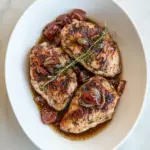
Easy Balsamic Chicken
Ingredients
Ingredients
- 4 small or2 large boneless skinless chicken breasts
- Salt and pepper
- 1 tablespoonolive oil
- 1 tablespoonbuttersalted or unsalted is fine
- 4 garlic clovespressed or minced
- 1 sweet onionhalved from root to tip and sliced into 1/4-inch slices
- 214.5- ounce cans diced tomatoes*
- 1/4 cupbalsamic vinegar
- 1 teaspoongranulated sugaroptional
- 1 teaspoondried oregano
- 1 teaspoondried basil
- 1 teaspoondried crushed rosemary
- 1/2 teaspoonground thyme
Instructions
Instructions
- If using 2 large chicken breasts, slice each breast horizontally into 2 even cutlets so you have four thinner pieces; if using 4 small breasts, leave them whole. Pat the chicken dry with paper towels and season both sides generously with salt and pepper.
- Place a deep 12-inch skillet with a lid over medium-high heat. Add 1 tablespoon olive oil and heat until shimmering.
- Add the chicken to the hot skillet in a single layer (do not overcrowd). Cook undisturbed until the first side is browned, about 3 to 4 minutes. Flip and brown the second side, about 3 to 4 minutes more.
- Remove the browned chicken from the skillet to a plate and set aside.
- Reduce the heat to medium. Add 1 tablespoon butter to the same skillet and let it melt.
- Add 4 garlic cloves (pressed or minced) and 1 sweet onion (halved from root to tip and sliced into 1/4‑inch slices). Stir and scrape the bottom of the pan with a wooden spoon to loosen any browned bits. Cook, stirring occasionally, until the onions are wilted and beginning to soften, 5 to 8 minutes.
- Add 2 (14.5‑ounce) cans diced tomatoes (with their juices), 1/4 cup balsamic vinegar, 1 teaspoon granulated sugar (optional), 1 teaspoon dried oregano, 1 teaspoon dried basil, 1 teaspoon dried, crushed rosemary, and 1/2 teaspoon ground thyme. Stir to combine and bring the mixture to a simmer.
- Return the chicken to the skillet, nestling each piece into the simmering sauce. Cover the skillet and cook until the chicken reaches 165°F in the thickest part, about 5 to 10 minutes (time will vary with thickness).
- Transfer the chicken to a clean plate or cutting board, tent loosely with foil, and let it rest while you finish the sauce.
- Uncover the skillet and simmer the sauce over medium heat until the onions reach your desired tenderness and the sauce reduces to a thicker consistency, about 3 to 5 minutes. Taste and add salt and pepper if needed.
- Spoon the sauce over the rested chicken and serve.
Equipment
- 12-inch deep skillet with a lid