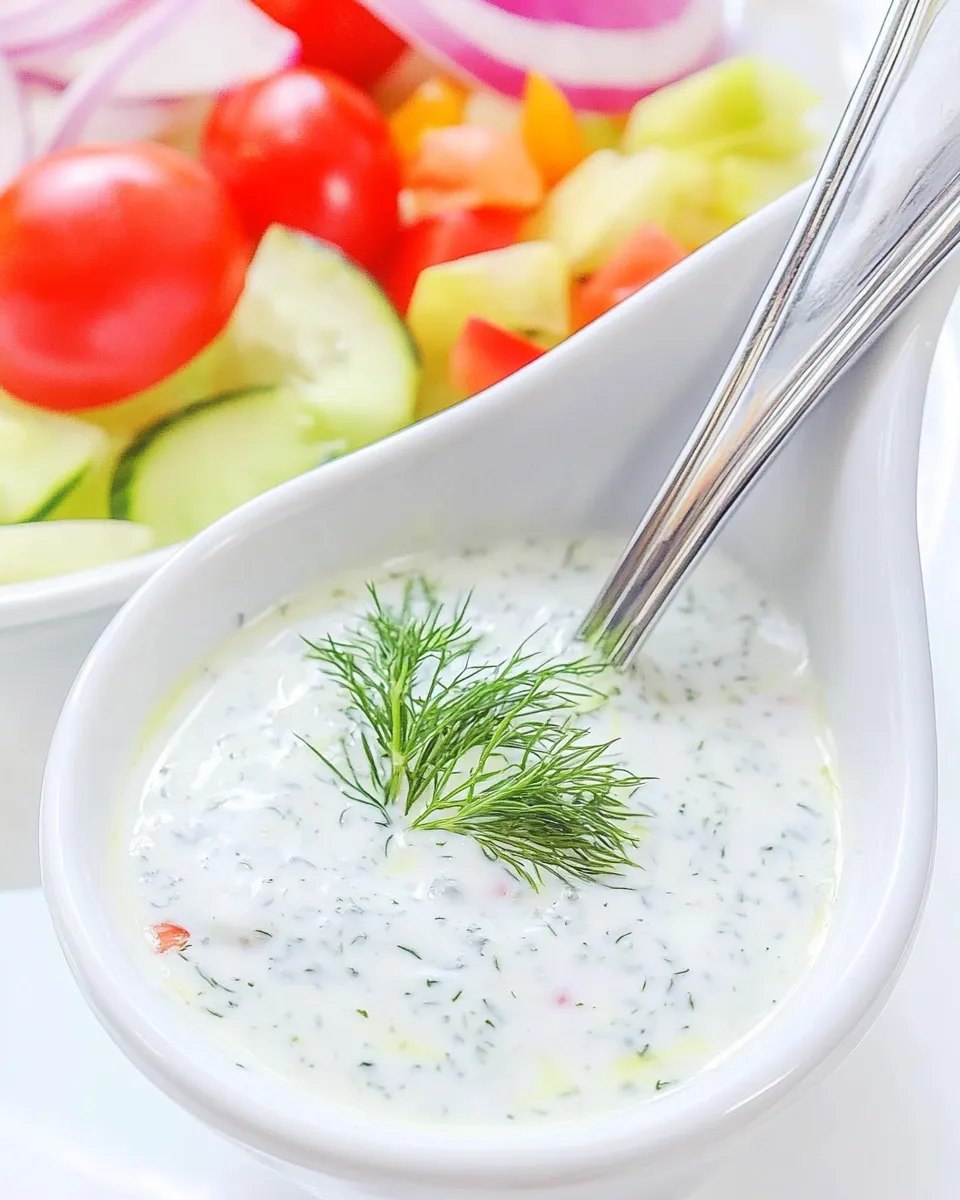
Dill Salad Dressing
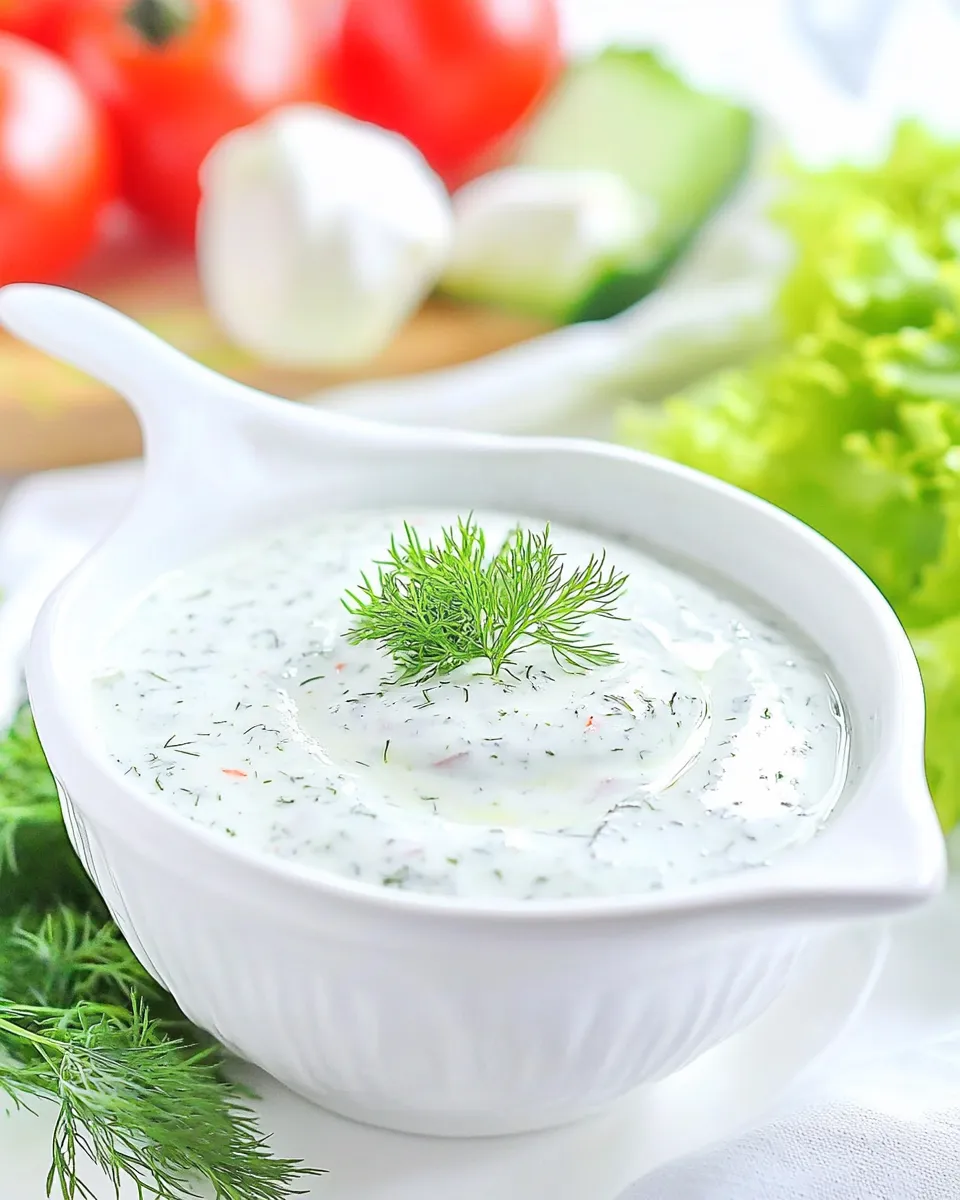
This dill salad dressing is the kind of recipe I reach for when I want something bright, cool, and effortlessly delicious. It’s tangy from the buttermilk, creamy from the sour cream, and herb-forward with dried dill and parsley. No elaborate equipment. No last-minute panics. Just a few pantry staples and a short chill time.
I like making it on a weekday afternoon and using it for salads, as a dip for fresh veggies, or spooned over roasted potatoes. The flavor mellows and develops as it rests in the fridge, so plan ahead for at least four hours when you can. It’s one of those condiments that feels homey and refined at once.
This post covers every practical detail: what goes in, step-by-step instructions you can follow without fuss, sensible swaps if you need them, common mistakes and fixes, and how to store it so it stays bright. Let’s get into the kitchen and make a reliable batch you’ll keep coming back to.
What Goes Into Dill Salad Dressing

I keep this section short and useful — the ingredients are pantry-friendly and play clear roles. Measure carefully and use the notes to understand how each item contributes to the finished dressing.
Ingredients
- 2 tablespoons dried parsley — adds a gentle herb base and color; rehydrates in the dressing and softens the overall flavor.
- 1 tablespoon onion powder — provides savory depth without the texture of fresh onion; blends smoothly into the creamy base.
- 2 teaspoons dried dill weed — the signature flavor here; concentrated and slightly floral, it gives the dressing its dill-forward profile.
- 1/4 teaspoon season salt — a mild seasoning blend that rounds out flavors; adjust if you prefer using plain salt instead.
- 1/8 teaspoon ground black pepper — a whisper of heat that keeps the dressing balanced.
- 1/2 cup sour cream — the creamy, tangy backbone that gives body and mouthfeel.
- 1 cup buttermilk — thins and brightens the dressing with tang and acidity; use less for a thicker consistency.
From Start to Finish: Dill Salad Dressing
- In a small mixing bowl, measure and add the dry seasonings: 2 tablespoons dried parsley, 1 tablespoon onion powder, 2 teaspoons dried dill weed, 1/4 teaspoon season salt, and 1/8 teaspoon ground black pepper.
- Whisk the dry seasonings together until evenly combined.
- Add 1/2 cup sour cream and 1 cup buttermilk to the bowl. Whisk until the mixture is smooth and uniform.
- Cover the bowl and refrigerate for at least 4 hours (or until ready to serve) to allow the flavors to meld. Use less buttermilk for a thicker dressing if desired.
- Shake or stir the dressing well before serving.
Why I Love This Recipe
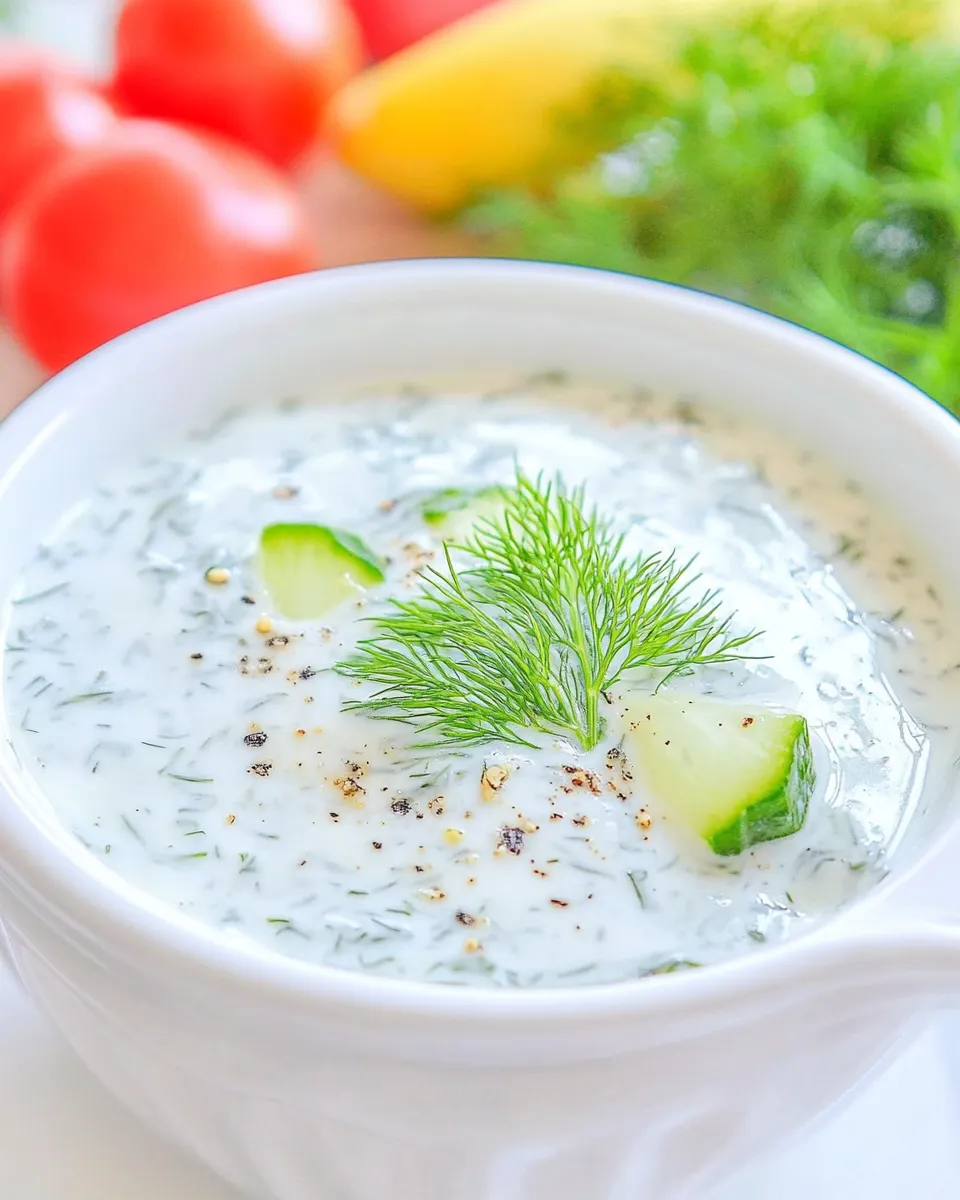
First, it’s reliable. The balance of sour cream and buttermilk gives a dressing that’s creamy but never heavy. It clings to greens and vegetables without coating them like a glue. Second, it’s forgiving. The dried herbs make it possible to pull this together any time of year without needing fresh produce. Finally, it’s versatile. Use it as a classic salad dressing, a cooling dip for crudités, or a sauce spooned over grilled fish or chicken.
When I want something quick that still tastes homemade, this is what I reach for. The flavors are uncomplicated but layered; the dried dill and parsley perfume the base while onion powder and season salt keep every bite savory and satisfying.
Substitutions by Category
Herbs & Seasonings
- If you want a fresher herbal note, replace up to half the dried dill with an equal volume of chopped fresh dill (start conservative; fresh is stronger).
- Swap dried parsley for dried chives if you want a mild onion-like lift, but reduce the amount a touch — chives are more pungent.
- If you prefer a cleaner salt profile, use plain kosher or sea salt in place of season salt; start with a pinch and taste.
Dairy & Texture
- For a thicker, richer dressing, use a little less buttermilk or swap up to 1/4 cup of the buttermilk for plain full-fat yogurt or an extra 2 tablespoons of sour cream.
- To thin the dressing, gently whisk in additional buttermilk a tablespoon at a time until you reach the desired pourability.
Flavor Boosters (Optional)
- If you want more tang, a splash of lemon juice or a teaspoon of white vinegar brightens the dressing — add sparingly and taste.
- For a garlicky edge, a small pinch of garlic powder blends well with the onion powder.
Equipment Breakdown
- Small mixing bowl — for combining dry and wet components comfortably.
- Whisk — a small whisk makes quick work of smoothing sour cream into buttermilk.
- Measuring spoons and cups — accurate measuring keeps the balance consistent.
- Plastic wrap or lid — to cover the bowl while the dressing rests in the fridge.
- Glass jar with lid or airtight container — for storing and shaking the dressing before serving.
Watch Outs & How to Fix
Even a simple recipe can hit a snag. Here are the practical problems I see most often and how I fix them.
- Too thin: Reduce the buttermilk by a couple of tablespoons and whisk in a bit more sour cream. Chill — thickness increases slightly as it cools.
- Too thick: Whisk in buttermilk a tablespoon at a time until you reach the desired consistency. Warmth thins the dressing, so add liquid cold and adjust after chilling.
- Flat or bland: Let it rest longer in the fridge for flavors to meld. If it’s still muted, add a pinch more dried dill or a small sprinkle of onion powder and re-taste after a short rest.
- Too salty: Stir in a tablespoon of sour cream or buttermilk to dilute the seasoning. Alternatively, serve the dressing with additional unsalted vegetables to balance the salt on the plate.
- Separation: If it separates after sitting, just whisk or shake vigorously. The emulsion will come back together with a good stir.
Allergy-Friendly Swaps
If you or someone you cook for has an allergy, you can still make a dill-style dressing with careful swaps.
- Dairy-free option: Use a plant-based sour cream and a neutral plant milk soured with a little vinegar to mimic buttermilk. Measure and adjust to match the original texture.
- Egg allergy: This recipe contains no eggs, so it’s already suitable for those avoiding eggs.
- Low-sodium approach: Cut the season salt in half and rely on the other herbs to carry flavor; add a tiny squeeze of acid (lemon or vinegar) at the end if needed to brighten without salt.
Author’s Commentary
I’ve tested this dressing over several seasons and with many salads. It holds up well against peppery arugula, crisp romaine, and hearty chopped salads with radish and cucumber. I like that the dried herbs make it an easy pantry recipe, but if fresh dill is in season, I’ll swap some in for a livelier finish.
One personal trick: I make the dressing the day before I need it. The extra resting time smooths any sharp edges and lets the sour cream and buttermilk play off the dried herbs. When entertaining, I keep a jar in the fridge and shake it before passing bowls to guests — it looks and tastes like I fussed for hours.
Make Ahead Like a Pro
This dressing benefits from time. After whisking, cover and refrigerate for at least 4 hours, per the recipe. That gives the dried herbs time to rehydrate and the flavors to marry. For best results, make it the day before service.
- Storage: Keep in an airtight container in the refrigerator.
- Shelf life: Use within 3–5 days for peak freshness.
- Before serving: Shake or stir vigorously to recombine; taste and adjust seasoning if needed.
FAQ
- Can I use fresh dill instead of dried? Yes. Fresh dill is more intense; replace up to half the dried dill with an equal volume of chopped fresh dill, then taste and adjust. Start small because fresh dill can dominate quickly.
- How can I make the dressing thicker for a dip? Reduce the buttermilk by a few tablespoons and add a little more sour cream until you reach a dip consistency.
- Can I scale the recipe up or down? Yes. Keep the same proportions between sour cream and buttermilk and maintain the herb-to-dairy ratio when scaling.
- What if I don’t have buttermilk? You can thin the dressing with plain milk, but you’ll lose some tang. For a tangier substitute, add a teaspoon of vinegar or lemon juice per cup of milk and let it sit briefly.
- Does it freeze well? I don’t recommend freezing. The dairy may separate and change texture after thawing. It’s best made fresh and stored in the fridge.
Final Thoughts
This Dill Salad Dressing is one of those dependable recipes that earns a spot in regular rotation. It’s simple to make, easy to adapt, and suits a wide range of uses beyond greens. Keep the ingredients on hand, give it a few hours to rest, and you’ll have a lively, creamy dressing that brightens weeknight meals and holds its own at the table.
Make a batch, taste as it chills, and don’t be afraid to tweak the thickness or seasoning to match your preferences. Then shake it, serve it, and enjoy the small, satisfying difference a homemade dressing brings.
Dill Salad Dressing
Ingredients
Ingredients
- 2 tablespoonsdried parsley
- 1 tablespoononion powder
- 2 teaspoonsdried dill weed
- 1/4 teaspoonseason salt
- 1/8 teaspoonground black pepper
- 1/2 cupsour cream
- 1 cupbuttermilk
Instructions
Instructions
- In a small mixing bowl, measure and add the dry seasonings: 2 tablespoons dried parsley, 1 tablespoon onion powder, 2 teaspoons dried dill weed, 1/4 teaspoon season salt, and 1/8 teaspoon ground black pepper.
- Whisk the dry seasonings together until evenly combined.
- Add 1/2 cup sour cream and 1 cup buttermilk to the bowl. Whisk until the mixture is smooth and uniform.
- Cover the bowl and refrigerate for at least 4 hours (or until ready to serve) to allow the flavors to meld. Use less buttermilk for a thicker dressing if desired.
- Shake or stir the dressing well before serving.
Equipment
- Mixing Bowl
- Whisk
- Refrigerator
Notes
Why does dressing need to chill for 4 hours?
Because this dressing uses dried seasonings, it does take time for seasonings to soften and meld together to be the most flavorable. You can serve right away but its better if you give it some time.