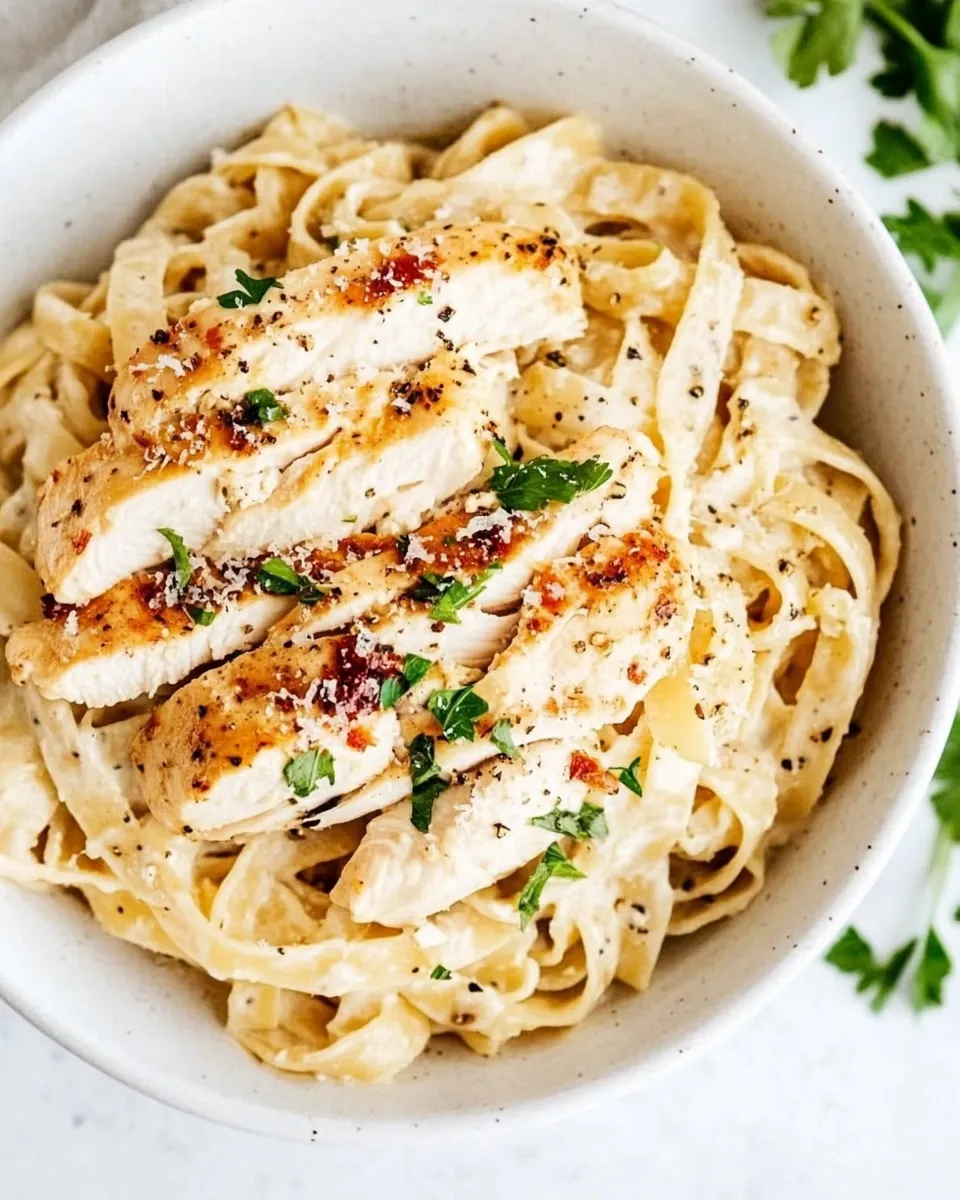
Chicken Alfredo
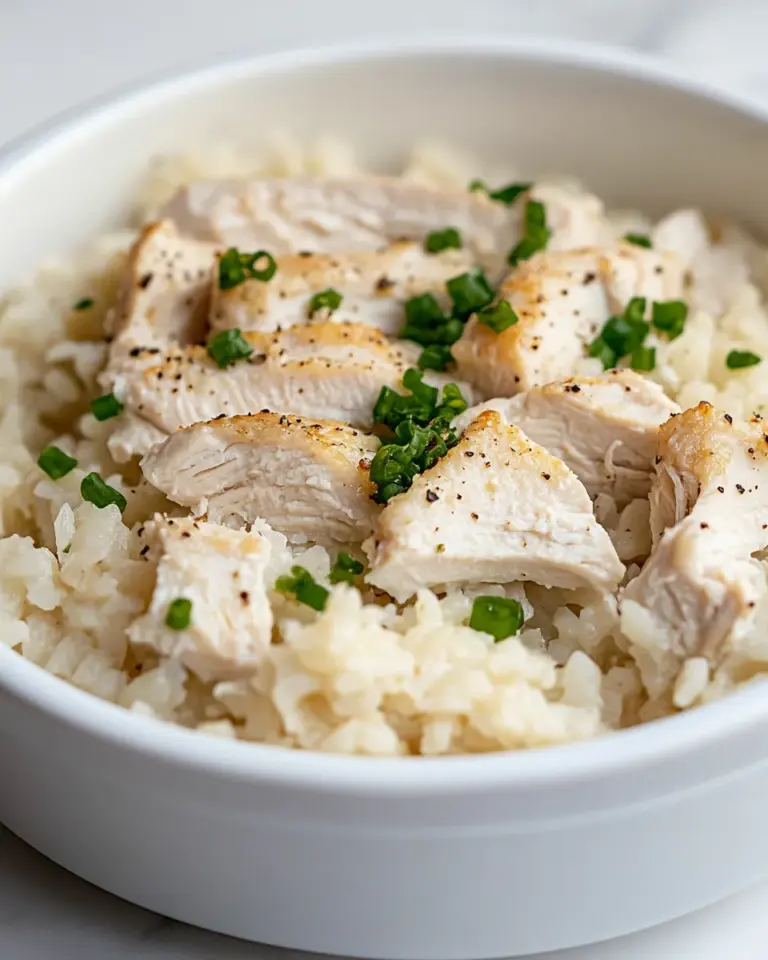
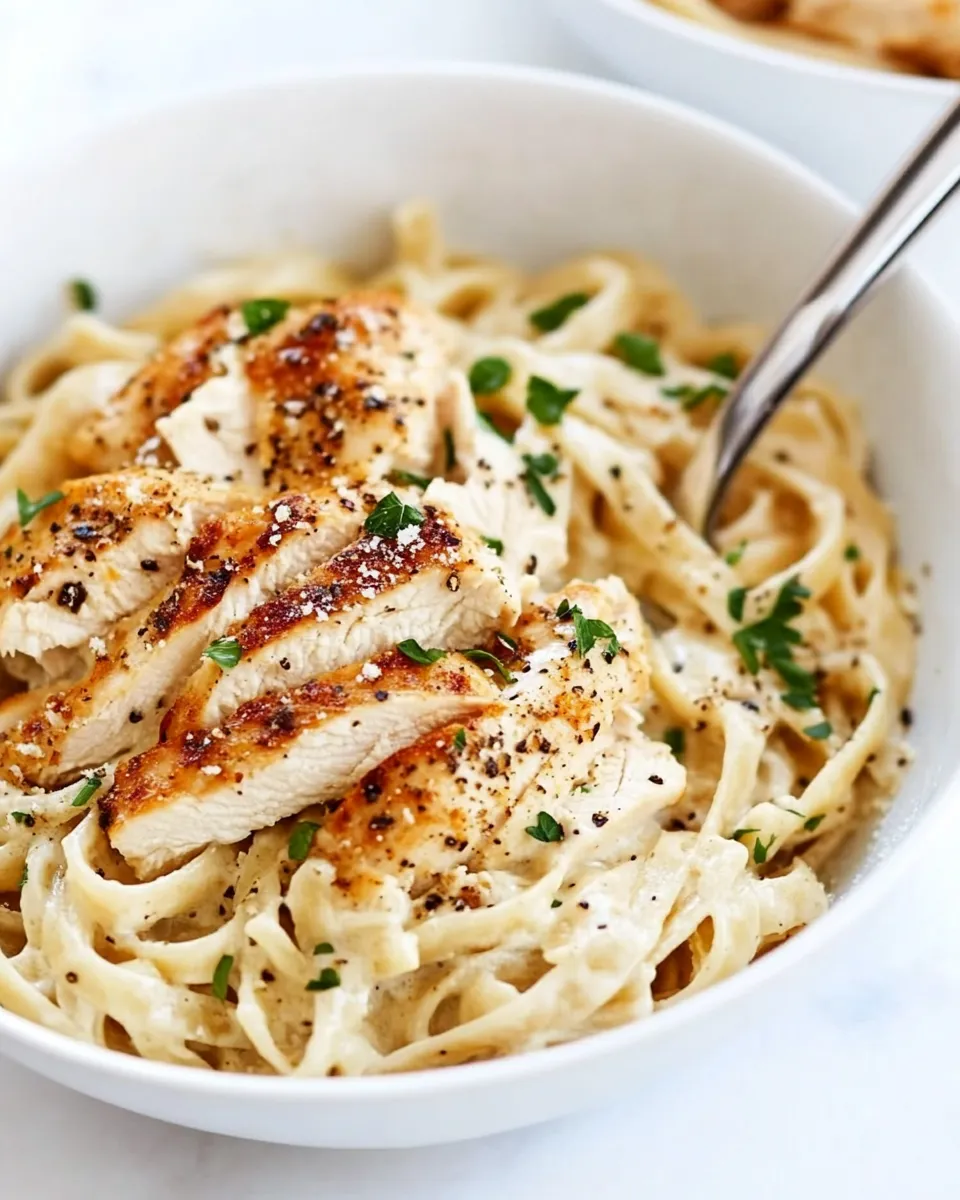
Chicken Alfredo is the kind of dinner that shows up when you want something comforting, reliable, and a little bit indulgent. The sauce is rich and silky, the chicken adds protein and texture, and the whole thing comes together in under an hour. I make this when I need a no-fuss meal that still feels special—friends always ask for the recipe.
This version uses straightforward, pantry-friendly ingredients and a short, clear technique: brown chicken, build a cream-and-cheese sauce in the same pan, cook the fettuccine, then combine. Small steps—thinning the breasts, resting the chicken, and saving some pasta water—make a big difference in texture and flavor.
Below you’ll find a tidy ingredient checklist, the step-by-step guide taken directly from the recipe, and practical notes from the kitchen: substitutions, troubleshooting, tools, storage, and pro tips so the dish comes out reliably every time.
Ingredient Checklist

- 2 10-12ounceeach boneless skinless chicken breasts — slice in half widthwise to make thin cutlets so they cook evenly.
- 3tablespoonsolive oil — divided; 2 tablespoons to sear the chicken, 1 tablespoon to finish the aromatics.
- 2finely minced garlic cloves — adds aromatic depth; add toward the end of sweating the shallot so it doesn’t burn.
- 1peeled small diced shallot — mild onion flavor; softens quickly and sweetens the sauce base.
- 1 ½cupsheavy whipping cream — the body of the Alfredo; heats gently and thickens as the cheese melts.
- 1cupgrated parmigiano Reggiano — salt and umami; stir in off heat or low to avoid grainy sauce.
- 1poundFettuccine pasta — sturdy, wide noodles that hold the creamy sauce well.
- coarse salt and freshly cracked pepper to taste — essential for seasoning each component: chicken, pasta water, and sauce.
- pasta water — reserved starchy water to loosen and emulsify the sauce for a silky finish.
Chicken Alfredo: Step-by-Step Guide
- Slice each chicken breast in half widthwise to make thinner cutlets. Season both sides with coarse salt and freshly cracked pepper.
- Bring a large pot of salted water to a boil for the fettuccine.
- Heat 2 tablespoons olive oil in a large skillet or sauté pan over medium-high heat until shimmering. Add the chicken and cook 4–5 minutes without moving, then flip and cook another 4–5 minutes, or until browned and cooked through. Transfer the chicken to a plate and let rest.
- Add the remaining 1 tablespoon olive oil to the same pan. Add the diced shallot and cook 30–45 seconds, then add the minced garlic and cook about 30 seconds, until fragrant.
- Pour in the heavy whipping cream and reduce heat to medium. Heat 2–3 minutes to warm the cream, then stir in the grated Parmigiano Reggiano. Continue cooking over low–medium heat 3–4 minutes, stirring, until the cheese is melted and the sauce has thickened. Season the sauce with salt and pepper to taste and remove from the heat.
- Cook the fettuccine in the boiling water according to the package instructions, stirring occasionally. Before draining, reserve a ladle or two of pasta water. Drain the pasta.
- Add the drained pasta to the pan with the sauce and toss to coat. Slice the rested chicken and add it to the pasta, tossing to combine. If the sauce is too thick, add a ladle of reserved pasta water at a time until the sauce evenly coats the pasta.
- Taste and adjust seasoning with salt and pepper as needed, then serve immediately.
Why Cooks Rave About It
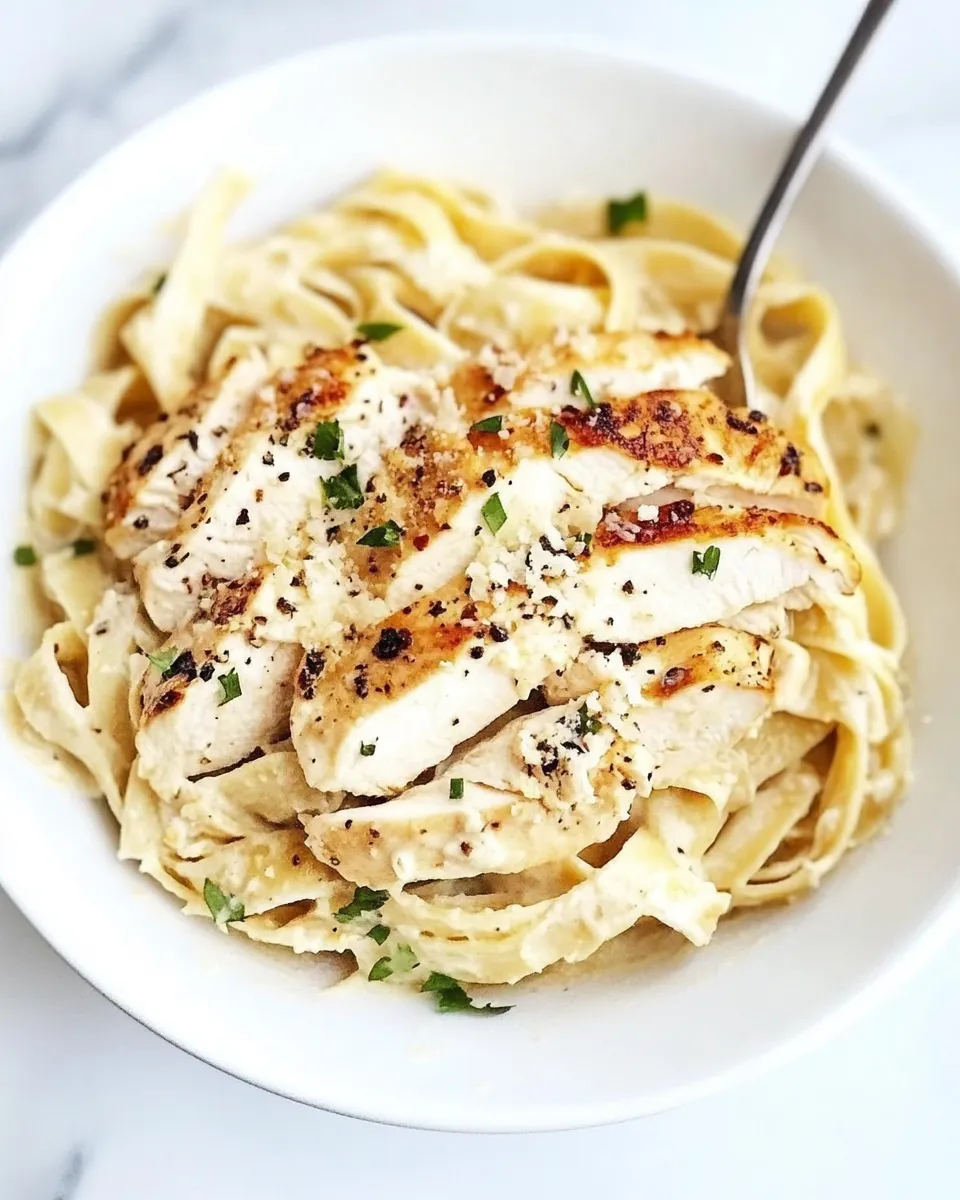
There’s a reason Alfredo shows up on so many menus: the flavors are simple and direct, and the textures hit deeply satisfying notes. The combination of cream and Parmigiano Reggiano produces a savory, slightly nutty sauce that clings to broad noodles. When the chicken is well-seared, it brings a contrast of crisped surface and tender interior that complements the silkiness of the sauce.
Technically, the recipe is forgiving. You don’t need a precise emulsion or multiple stages of reduction to get great results—small, practical moves like resting the chicken and saving pasta water accomplish most of the heavy lifting. A few minutes of attention at the stove transforms a handful of ingredients into a restaurant-style plate.
What to Use Instead
Need to swap something? Here are reliable alternatives that keep the dish balanced.
- Chicken breasts — swap for boneless skinless thighs if you prefer more flavor and a little more forgiving texture; adjust cooking time slightly to ensure doneness.
- Fettuccine pasta — any long, broad pasta works: tagliatelle, pappardelle, or even linguine. For a lighter bite, use thin spaghetti, but the sauce will feel the most substantial on wider noodles.
- Heavy whipping cream — for a lighter sauce, use a 50/50 mix of half-and-half and a tablespoon of butter, but expect a thinner sauce; cook a little longer to reduce and thicken.
- Parmigiano Reggiano — aged Pecorino Romano brings a sharper, saltier profile; if you use it, reduce extra salt in the sauce.
- Olive oil — use neutral oil (canola, vegetable) for searing if you don’t want olive flavor, or finish with a little butter for richer mouthfeel.
Toolbox for This Recipe
- Large pot for boiling pasta — big enough to let the fettuccine move freely.
- Large skillet or sauté pan — wide surface for searing chicken and finishing the sauce.
- Sharp chef’s knife — to slice breasts thinly and to dice the shallot cleanly.
- Tongs or pasta fork — for tossing pasta into sauce and handling the chicken.
- Microplane or fine grater — for fresh-grating Parmigiano Reggiano; grated from a wedge melts better.
- Meat thermometer (optional) — if you want precise doneness, cook to 160–165°F then rest to allow carryover.
Troubleshooting Tips
If the sauce becomes grainy: The most common reason is overheating the cheese. Remove the pan from direct heat before stirring in the Parmigiano Reggiano, or keep the heat very low and stir constantly until melted. Adding a splash of reserved pasta water can help smooth a slightly grainy sauce.
If the sauce is too thin: Simmer gently a little longer to reduce and thicken. Alternatively, finish by tossing with hot, drained pasta—the pasta absorbs some liquid. Add small increments of grated cheese off heat to thicken further.
If the sauce is too thick or clumpy: Stir in reserved pasta water a little at a time. The starch in that water helps emulsify the cream, cheese, and oils into a silky coating.
If the chicken is dry: Ensure the breasts are sliced in half widthwise to cook quickly and evenly. Sear over medium-high heat without crowding the pan and let the chicken rest 5 minutes before slicing—resting preserves juices.
Tailor It to Your Diet
Here are simple, practical swaps to adapt the recipe to common dietary needs while keeping flavor and texture in mind:
- Lower fat: Use reduced-fat cream alternatives cautiously—half-and-half plus a tablespoon of butter works, but reduce liquid or simmer a bit longer to thicken.
- Gluten-free: Use a gluten-free fettuccine or another gluten-free pasta. Cooking times vary—use package directions.
- Vegetarian: Omit the chicken and add sautéed mushrooms, roasted cauliflower, or pan-seared tofu for texture.
- Dairy-free: Replace cream with a plain unsweetened cashew cream or full-fat coconut milk and use a dairy-free hard “parm” style product; texture and flavor will differ but remain creamy.
- Lower sodium: Hold back on added salt and use low-sodium broth or water for cooking—season at the end to taste.
Pro Perspective
Consistency matters. Professionals focus on a few small rituals: pat the chicken dry before seasoning so it browns; heat the oil until it’s shimmering but not smoking; and grate cheese fresh from a wedge. Pre-grated cheese has anti-caking agents that can interfere with melting, producing a slightly grainy sauce.
Reserve more pasta water than you think you’ll need. That starchy liquid does two jobs: it loosens a thick sauce and helps the sauce cling to the pasta, giving you that silky, restaurant-style finish. When finishing the pasta in the pan, do so over low heat and toss constantly for a minute so the starch binds the sauce to the noodles.
Save for Later: Storage Tips
Refrigeration: Store leftover chicken Alfredo in an airtight container for up to 3 days. The sauce will firm up and may separate slightly; reheat gently.
Reheating: Warm leftovers on the stove over low heat. Add a splash of milk, cream, or reserved pasta water and stir constantly until the sauce loosens and becomes creamy again. Microwaving works in a pinch—heat in short bursts, stirring between intervals and adding liquid as needed.
Freezing: Cream-based sauces don’t always freeze well—the texture can change. If you must freeze, separate components: freeze cooked chicken in an airtight bag and freeze plain pasta or sauce separately in small portions. Thaw in the refrigerator and reheat gently while adding liquid to coax the sauce back together. Expect some texture changes.
Handy Q&A
- Can I use pre-grated Parmesan? Yes, but fresh-grated Parmigiano Reggiano melts more smoothly and tastes fresher. Pre-grated versions can be slightly grainy due to anti-caking agents.
- How do I know when chicken is done? Cook until juices run clear and the internal temperature reaches 160–165°F. Because the breasts are thin cutlets, the 4–5 minute-per-side guideline works well for medium-high heat.
- Why save pasta water? The starchy water helps emulsify the sauce and pasta, giving a silkier finish and helping the sauce cling to the noodles.
- Can the sauce be made ahead? Yes. Make the sauce, cool, and refrigerate for up to 24 hours. Reheat gently and add a bit of liquid to bring it back to the right consistency; toss with freshly cooked pasta.
- How can I add brightness? A squeeze of lemon or a few grinds of black pepper at the end lifts the richness without altering the classic character.
The Last Word
Chicken Alfredo belongs in the weeknight rotation because it’s quick to pull together and reliably comforting. Follow the simple sequence: flatten and season the chicken, get a good sear, build the sauce gently, and finish the pasta in the pan with reserved pasta water. Little attention to these steps delivers a creamy, balanced plate every time.
Make it your own with swaps from the “What to Use Instead” list and a few finishing touches—fresh black pepper, lemon, or a scatter of chopped parsley. Serve immediately and enjoy the kind of dinner that feels like a treat even on an ordinary night.
Chicken Alfredo
Ingredients
Ingredients
- 2 10-12 ounceeach boneless skinless chicken breasts
- 3 tablespoonsolive oil
- 2 finely minced garlic cloves
- 1 peeled small diced shallot
- 1 1/2 cupsheavy whipping cream
- 1 cupgrated parmigiano Reggiano
- 1 poundFettuccine pasta
- coarse salt and freshly cracked pepper to taste
- pasta water
Instructions
Instructions
- Slice each chicken breast in half widthwise to make thinner cutlets. Season both sides with coarse salt and freshly cracked pepper.
- Bring a large pot of salted water to a boil for the fettuccine.
- Heat 2 tablespoons olive oil in a large skillet or sauté pan over medium-high heat until shimmering. Add the chicken and cook 4–5 minutes without moving, then flip and cook another 4–5 minutes, or until browned and cooked through. Transfer the chicken to a plate and let rest.
- Add the remaining 1 tablespoon olive oil to the same pan. Add the diced shallot and cook 30–45 seconds, then add the minced garlic and cook about 30 seconds, until fragrant.
- Pour in the heavy whipping cream and reduce heat to medium. Heat 2–3 minutes to warm the cream, then stir in the grated Parmigiano Reggiano. Continue cooking over low–medium heat 3–4 minutes, stirring, until the cheese is melted and the sauce has thickened. Season the sauce with salt and pepper to taste and remove from the heat.
- Cook the fettuccine in the boiling water according to the package instructions, stirring occasionally. Before draining, reserve a ladle or two of pasta water. Drain the pasta.
- Add the drained pasta to the pan with the sauce and toss to coat. Slice the rested chicken and add it to the pasta, tossing to combine. If the sauce is too thick, add a ladle of reserved pasta water at a time until the sauce evenly coats the pasta.
- Taste and adjust seasoning with salt and pepper as needed, then serve immediately.
Equipment
- Large Pot
- Large skillet or sauté pan
- Plate
- Ladle
- Colander
Notes
Nothing can ruin pasta with chicken and alfredo sauce quite like dry, rubbery chicken, so do your best not to overcook the chicken. The key is to slice the breasts into thin cutlets to help them cook and crisp up quickly in the hot pan. Once they’re no longer pink on the inside, transfer the chicken breasts to a cutting board for 5 minutes to lock in their delicious juices and flavor.
Prevent the cheese from clumping in the sauce:
The best way to avoid a clumpy alfredo sauce is to lower the heat and gradually stir in the freshly grated parmesan rather than all at once. I don’t recommend using pre-grated parmesan as it contains anti-caking agents that prevent it from melting as nicely.
Don’t overcook the pasta
: Follow the package instructions to cook the pasta only to al dente (tender with a slight bite). The noodles will continue to cook and soften in the sauce.
Always save some of the pasta cooking water
: This starchy liquid gold is the secret to a silky smooth sauce that clings to every strand of pasta. I always save 1 to 1 ½ cups before draining the rest.
If your alfredo sauce is too thin,
let it simmer for a few extra minutes or add more parmesan to thicken it.
Make-Ahead:
The pasta is best enjoyed when tossed in the alfredo sauce and topped with chicken.
How to Store:
Cover and refrigerate the leftover pasta and chicken in an airtight container for up to 3 days. Alfredo sauce doesn’t freeze well, as it can separate and become grainy.
How to Reheat:
Reheat the pasta in a pan over low heat. Add a splash of water and stir continuously until it’s creamy and heated.