
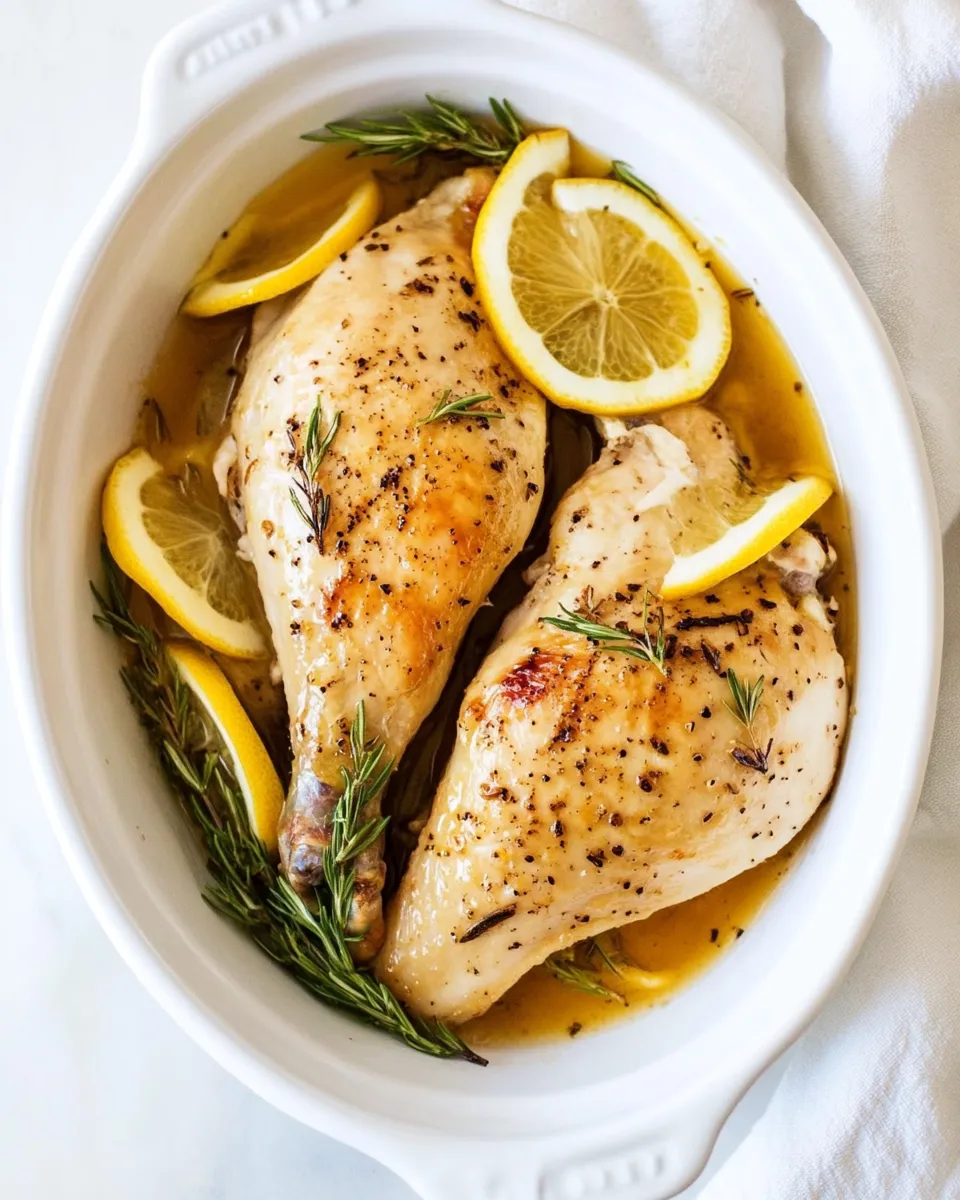
Baked Lemon Chicken
Bright, simple, and reliably comforting, Baked Lemon Chicken is the kind of weekday dinner that feels special without demanding hours in the kitchen. Tender boneless, skinless chicken breasts are seasoned, seared, and then baked in a light, tangy lemon sauce. The result is juicy, flavorful chicken with a glossy sauce perfect for spooning over rice, roasted vegetables, or a simple salad.
Why this recipe works

This version keeps things streamlined—few ingredients, straightforward techniques, and a short bake time—so the natural flavors can shine. A quick pan-sear builds a light crust and color on the chicken, while finishing in the oven ensures even cooking. A touch of melted unsalted butter, olive oil, garlic, and chicken broth form a gentle pan sauce, brightened by fresh lemon juice and parsley. The balance of fat, acid, and herbs makes every bite sing.
Ingredients
- 4 boneless, skinless chicken breasts
- Salt and pepper to taste
- 1 teaspoon dried oregano
- 1 tablespoon olive oil
- 2 tablespoons unsalted butter, melted
- 2 cloves garlic, minced
- ¼ cup low-sodium chicken broth
- 2 tablespoons fresh lemon juice
- 1 tablespoon fresh parsley, chopped
- Lemon wedges for serving
Equipment
- Large ovenproof skillet or frying pan
- Measuring spoons and cups
- Sharp knife and cutting board
- Tongs or spatula
- Meat thermometer (optional, but helpful)
Make-ahead and storage tips
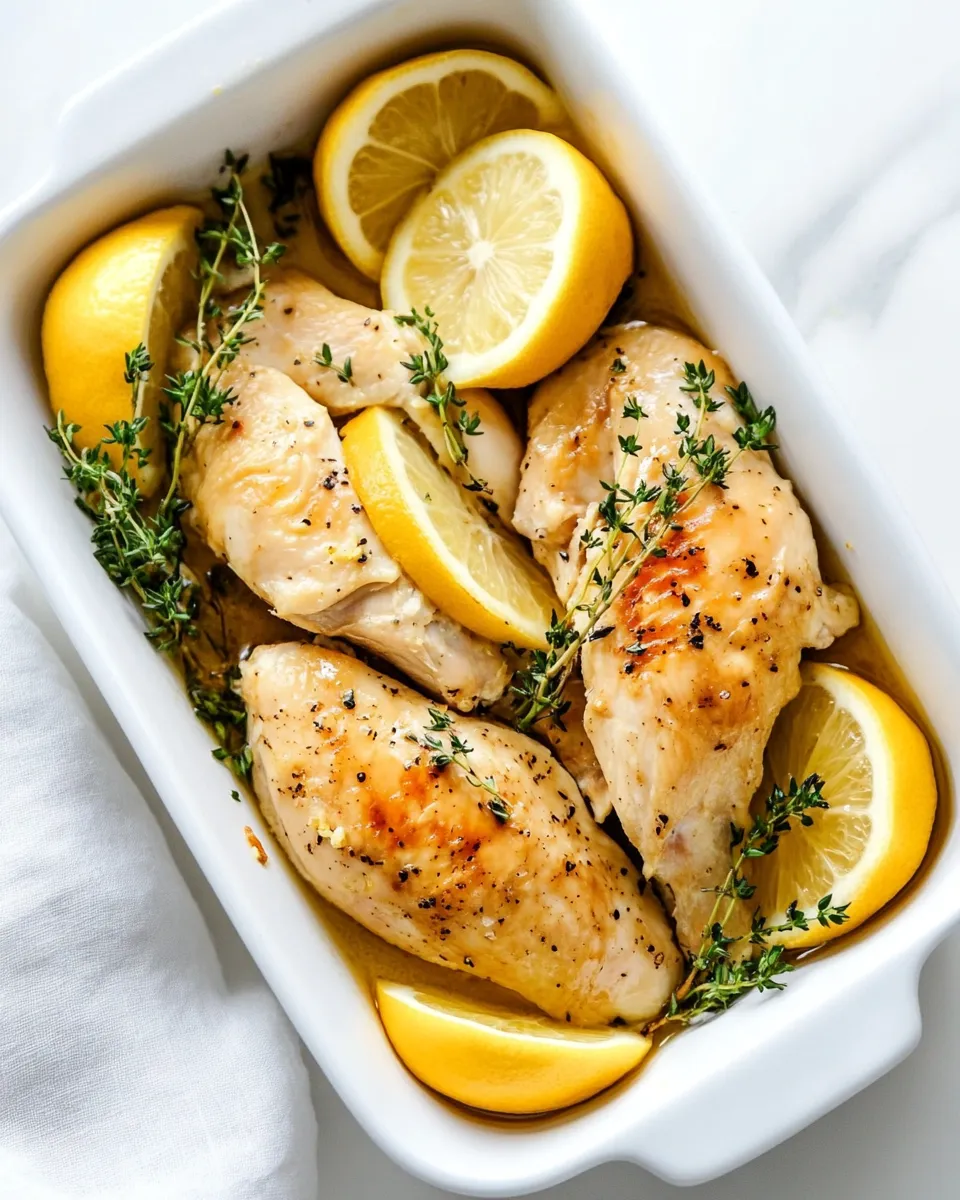
You can marinate the chicken with salt, pepper, and dried oregano for up to 2 hours in the refrigerator to deepen the flavor. Cooked chicken keeps well in an airtight container in the refrigerator for 3–4 days; reheat gently in a 325°F (160°C) oven or in a skillet with a splash of broth to prevent drying out. The sauce also stores well and can be spooned over reheated chicken or rice.
Step-by-step directions
- Preheat your oven to 400°F (200°C). Arrange a rack in the center of the oven so the chicken bakes evenly.
- Pat the chicken breasts dry with paper towels. This helps them brown. Season both sides of each breast with salt and pepper to taste, then sprinkle the 1 teaspoon of dried oregano evenly over the chicken. Press the oregano gently so it adheres.
- Pour 1 tablespoon olive oil into a large ovenproof skillet and set the pan over medium-high heat. When the oil shimmers and is hot but not smoking, add the chicken breasts. Sear the chicken for about 2 minutes on the first side, without moving, until it develops a light golden crust.
- Flip the chicken breasts and sear the second side for about 1 to 2 minutes—just long enough to get color. You are not trying to cook through at this stage; you want surface browning for flavor.
- Transfer the skillet with the seared chicken to the preheated oven. Bake for 12–14 minutes, or until the internal temperature of the thickest part of each breast reaches 165°F (74°C) when checked with a meat thermometer. If you do not have a thermometer, slice into the thickest breast to ensure the juices run clear and there is no pink in the center.
- While the chicken bakes, prepare the lemon-butter sauce. In a small bowl, combine 2 tablespoons melted unsalted butter, 2 cloves minced garlic, ¼ cup low-sodium chicken broth, and 2 tablespoons fresh lemon juice. Stir to combine so the lemon juice and broth incorporate into the butter and garlic. Set the sauce nearby so it is ready when the chicken comes out of the oven.
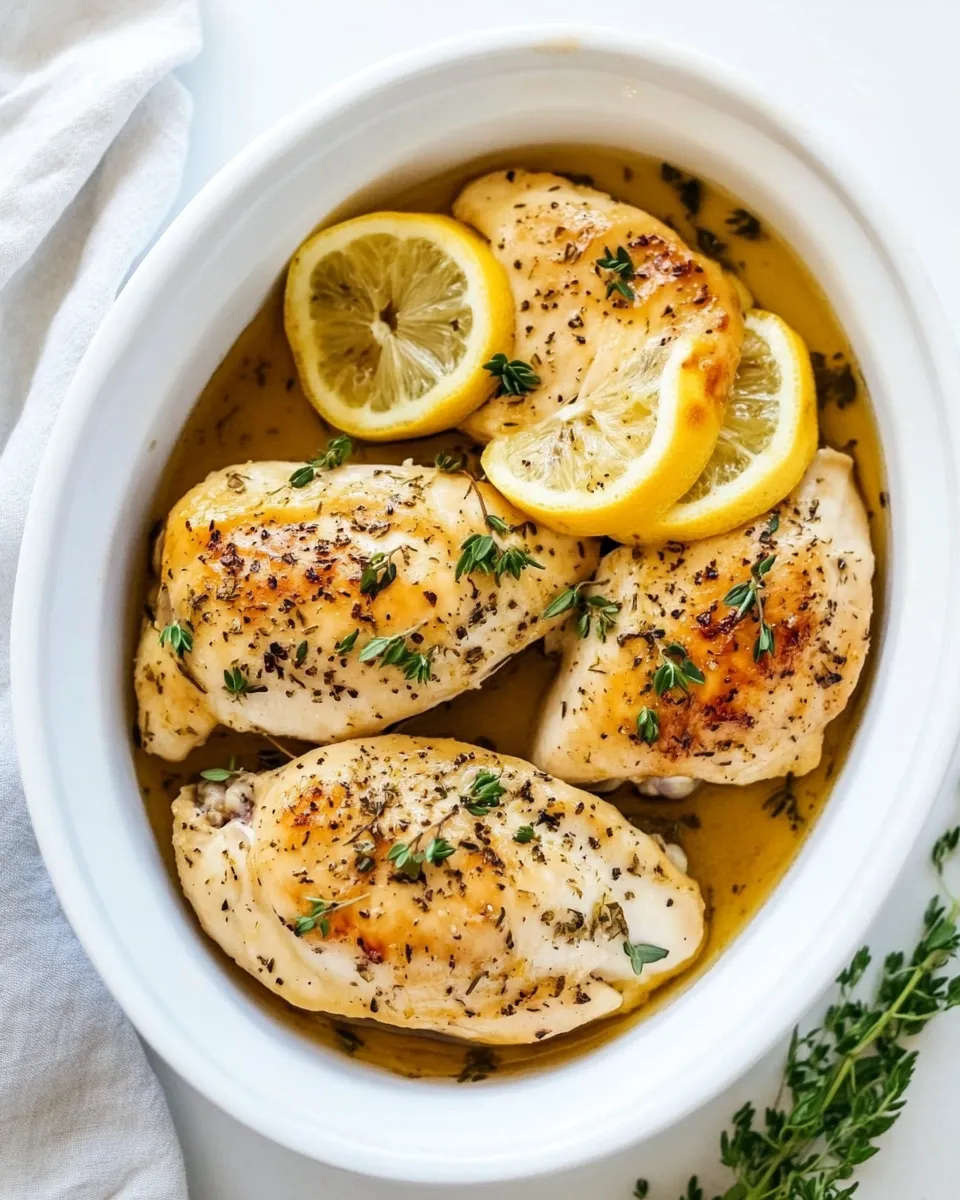
- When the chicken is done baking, remove the skillet from the oven using oven mitts and place it back on the stovetop over low heat. Pour the prepared lemon-garlic sauce into the hot skillet around and over the chicken. Spoon some of the sauce over the breasts so each piece gets a little coating.
- Allow the chicken to rest in the sauce for 2–3 minutes. During this time the juices redistribute and the sauce warms through. Finish by sprinkling 1 tablespoon fresh chopped parsley evenly over the chicken.
- Serve each chicken breast with lemon wedges on the side for guests to squeeze extra lemon if they like. Spoon any remaining pan sauce over the chicken and accompanying sides.
Serving suggestions
This Baked Lemon Chicken pairs beautifully with simple sides that soak up the citrusy sauce. Try it with steamed rice or cauliflower rice for an easy weeknight meal. Roasted asparagus or green beans tossed with a little olive oil and lemon zest complement the chicken’s brightness. A crisp green salad with a light vinaigrette also keeps the meal fresh and balanced.
Flavor notes and substitutions
- If you prefer a deeper savory note, swap the dried oregano for an equal amount of dried thyme or Italian seasoning.
- For a dairy-free version, replace the 2 tablespoons melted unsalted butter with an additional tablespoon of olive oil; the sauce will still be flavorful and silky.
- If you only have regular-sodium chicken broth, reduce added salt in other steps and taste the sauce before seasoning.
- To add a little heat, sprinkle a pinch of red pepper flakes into the lemon-butter sauce when you combine the ingredients.
Common troubleshooting
- If your chicken dries out: make sure to pat the breasts dry before searing and do not overbake. Use a meat thermometer to hit 165°F (74°C) exactly; pull the chicken from the oven as soon as it reaches temperature and let it rest in the sauce to stay juicy.
- If the sauce tastes flat: a splash more lemon juice or a pinch of salt can brighten it. Fresh lemon juice always adds a clean, vibrant lift that bottled juice cannot fully replicate.
- If the pan has burned bits after searing: deglaze the pan with the chicken broth in the sauce step; those browned bits dissolve into the liquid and add rich flavor.
Why finishing in the sauce matters
Spoon-fed with lemon-garlic goodness right after baking, the chicken picks up moisture and extra flavor. The melted butter and olive oil combine with the tang of lemon and savory garlic to create a glossy, lightly thickened sauce that clings to the breasts. Resting in the sauce helps the meat relax and lock in juices, producing an overall more succulent bite.
Nutrition snapshot (approximate per serving)
Each serving of this Baked Lemon Chicken offers a lean source of protein with modest calories. The use of low-sodium chicken broth and controlled amounts of butter helps keep sodium and saturated fat in check. Pairing the chicken with vegetables and a whole grain will round out the meal with fiber and additional nutrients.
Final notes
Simple techniques, fresh lemon, and pantry-friendly ingredients make this Baked Lemon Chicken a repeat-worthy recipe. It’s elegant enough for a casual dinner party and easy enough for a busy weeknight. Once you’ve cooked it a couple of times, feel free to tweak the herb profile, swap the side dishes, or double the sauce for extra drizzling—this method is forgiving and built for making weeknight life taste a little brighter.
Happy cooking! Enjoy the juicy, citrusy goodness—and don’t forget the lemon wedges.

Baked Lemon Chicken
Ingredients
- 4 boneless skinless chicken breasts
- salt and pepper to taste
- 1 teaspoon dried oregano
- 1 tablespoon olive oil
- 2 tablespoons unsalted butter melted
- 2 cloves garlic minced
- 1/4 cup low-sodium chicken broth
- 2 tablespoons fresh lemon juice
- 1 tablespoon fresh parsley chopped
- lemon wedges for serving
Instructions
- Preheat the oven to 400°F (200°C). Pat the chicken dry and season both sides with salt, pepper, and dried oregano.
- Heat the olive oil in a skillet over medium-high heat. When hot, sear the chicken breasts 4 minutes per side until golden brown.
- Transfer the seared chicken to a baking dish in a single layer.
- In a mixing bowl, whisk together the melted butter, minced garlic, chicken broth, and fresh lemon juice.
- Pour the lemon-garlic butter mixture over the chicken, then place the dish in the preheated oven.
- Bake for 25–30 minutes, or until the internal temperature of the chicken reaches 165°F (74°C).
- Remove from the oven, baste the chicken with the pan juices, sprinkle with chopped parsley, and serve with lemon wedges.
Equipment
- Oven
- Skillet
- Baking Dish
- Mixing Bowl
Notes
- Patting the chicken dry helps achieve a better sear.
- Use a meat thermometer to ensure doneness.
- Adjust salt to taste if using regular broth.