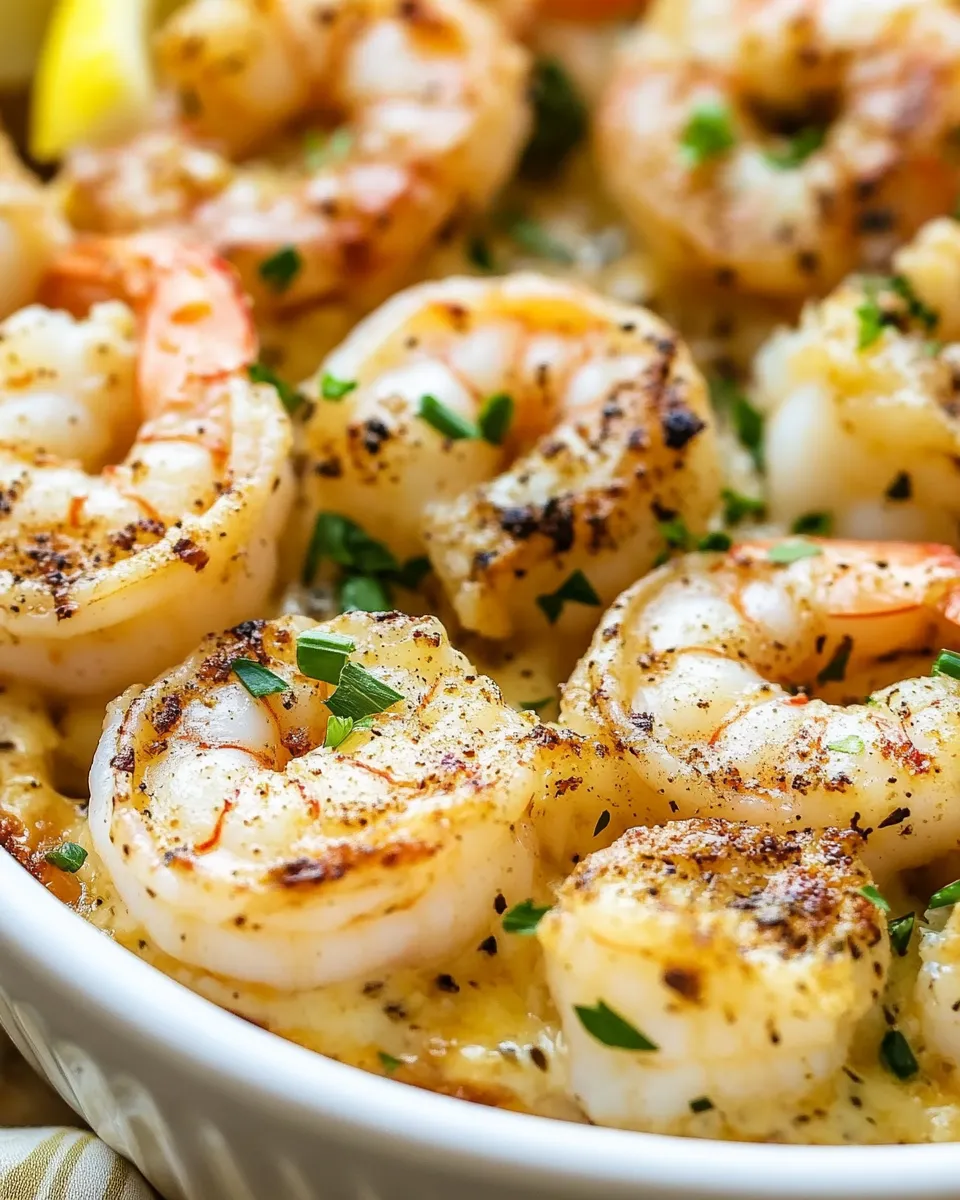
Baked Shrimp
I make this baked shrimp recipe when I want something fast, satisfying, and unfussy. It’s the kind of dish that comes together in minutes and still looks and tastes like you put in effort. Butter, garlic, lemon and good shrimp do most of the work—no complicated steps, just straightforward technique.
This version is ideal for weeknights but classy enough for company. The oven does the timing for you; watch for the telltale change in color and texture and you’ll have perfectly cooked shrimp every time. I keep the garnishes simple so the shrimp remains the star.
Below you’ll find the exact ingredient list and the recipe steps as I use them, plus practical tips for substitutions, avoiding common mistakes, and storing leftovers. If you’ve got a busy kitchen or a tired stomach, this one’s for you.
Gather These Ingredients

Ingredients
- 1 ¼ pounds extra-large raw shrimp (peeled and deveined) — The shrimp are the main ingredient; extra-large works well for a meaty bite and short cooking time.
- ¼ cup butter, melted — Provides flavor and helps carry the garlic and lemon over every shrimp; melted so it coats evenly.
- 1 tablespoon minced garlic (3-4 cloves) — Fresh garlic keeps the flavor bright; mince finely so it disperses through the butter.
- 2 tablespoons fresh lemon juice — Fresh juice brightens the dish—adds acidity to balance the butter.
- Salt and pepper — Simple seasoning to taste; add sparingly, you can always adjust after baking.
- Red pepper flakes — To taste (optional) — Adds heat if you like a little kick; sprinkle after baking to control spice level.
- 2 tablespoons chopped fresh parsley — To garnish — Fresh parsley adds color and a fresh herbal note at the end.
Build Baked Shrimp Step by Step
- Preheat the oven to 350°F (180°C).
- In a small bowl, stir together the ¼ cup melted butter, 1 tablespoon minced garlic, 2 tablespoons fresh lemon juice, and salt and pepper to taste.
- Place the 1 ¼ pounds extra-large raw shrimp (peeled and deveined) in a 9×13-inch baking dish. Pour the butter mixture over the shrimp and toss gently to coat, then spread the shrimp in an even single layer.
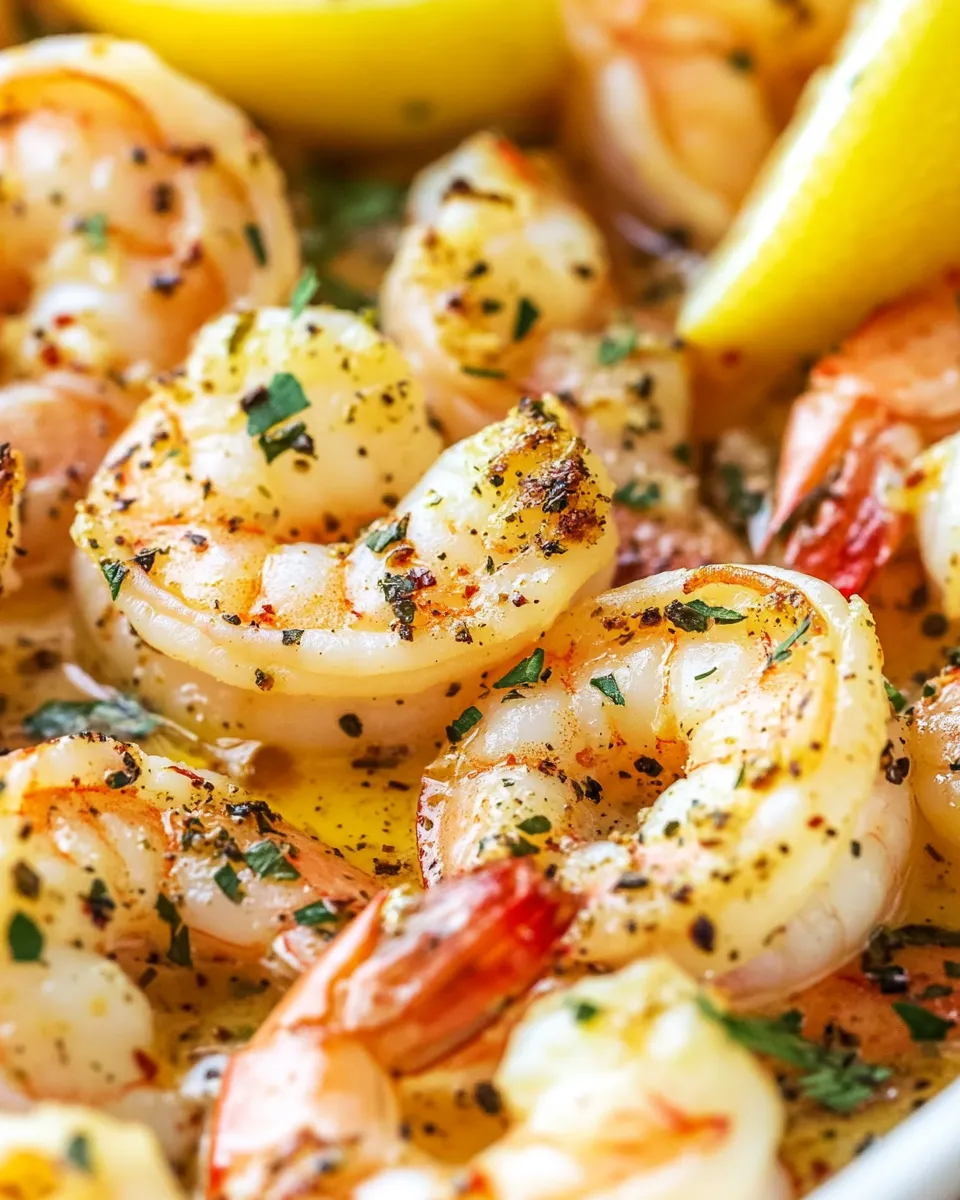
- Bake, uncovered, at 350°F (180°C) for 12 minutes, or until the shrimp are opaque and just firm.
- Remove from the oven and, if desired, sprinkle with red pepper flakes to taste.
- Garnish with 2 tablespoons chopped fresh parsley and serve.
Top Reasons to Make Baked Shrimp
- Speed: Preheat, toss, and bake—about 15 minutes from oven to table.
- Simplicity: Minimal ingredients yet bold flavor from butter, garlic and lemon.
- Reliable results: The oven cooks evenly and frees you from stovetop babysitting.
- Flexible: Works as an appetizer, main with sides, or tossed into pasta or salad.
- Impressive: Extra-large shrimp look elegant plated but are effortless to prepare.
Texture-Safe Substitutions
- Butter: If you prefer oil, use extra-virgin olive oil in the same amount for a lighter mouthfeel and a fruitier edge.
- Garlic: For who find garlic too sharp in texture, substitute ¾ teaspoon garlic powder (stir into the melted butter) for milder presence without chewy bits.
- Shrimp size/type: If extra-large shrimp are too firm for your preference, use large shrimp and reduce baking time by 1–2 minutes; watch for opacity to judge doneness.
- Lemon: If fresh lemon juice is too pulpy or acidic, 1 tablespoon of bottled lemon juice plus a splash of water will work—adjust to taste.
- Heat: Swap red pepper flakes for a dash of smoked paprika if you want warmth without crunchy flakes.
Cook’s Kit
- 9×13-inch baking dish — The recipe is written for this size to ensure a single layer and even cooking.
- Small mixing bowl — To combine butter, garlic and lemon.
- Spoon or small whisk — For stirring the sauce so ingredients emulsify.
- Tongs or a spatula — To toss shrimp gently and arrange them in a single layer.
- Kitchen timer — Shrimp cook fast; set a timer for 12 minutes and check for doneness.
- Sharp knife and cutting board — For chopping parsley and mincing garlic.
Frequent Missteps to Avoid
- Overcrowding the pan: If shrimp overlap, they steam instead of roast and won’t develop the best texture. Use a larger dish or bake in batches.
- Skipping the single layer: Piling shrimp doubles the cooking time and produces uneven results.
- Ignoring visual cues: Don’t rely solely on time—shrimp are done when opaque and just firm to the touch, not rubbery.
- Adding salt too late: Season the butter mixture so salt penetrates; you can finish with a tiny sprinkle if needed after baking.
- Using old shrimp: Fresh or properly thawed frozen shrimp make a big difference in texture and flavor—avoid soggy, previously overcooked shrimp.
Variations by Season
- Spring: Add a handful of chopped fresh chives or thinly sliced scallions with the parsley for a bright, grassy finish.
- Summer: Toss in halved cherry tomatoes to roast alongside the shrimp for a quick vibrant sauce; skewer and serve over grilled corn.
- Fall: Stir a teaspoon of Dijon mustard into the butter mixture for an earthy, tangy twist that pairs well with roasted root vegetables.
- Winter: Add a splash of dry white wine to the butter-lemon mix before pouring over the shrimp for a cozy, aromatic note.
If You’re Curious
Shrimp cook very quickly because they’re low in fat and thin-skinned; heat turns their proteins opaque and firms them. That’s why this recipe spends only a short time in a moderately heated oven rather than blazing hot for a long period—gentle heat keeps the texture tender. The acid from lemon juice also brightens the dish and can slightly “cook” the surface flavors, so the combination of butter and lemon gives richness plus lift.
Using a single layer and a moderate oven temperature helps avoid the classic “rubbery” problem. If your oven runs hot, check at 10 minutes. If you prefer a bit more color, finish under a hot broiler for 30–60 seconds—watch carefully to avoid overcooking.
Storage Pro Tips
- Refrigerate: Cool baked shrimp to room temperature (no more than 2 hours), then store in an airtight container for up to 3 days.
- Separate sauce: If you can, keep leftover butter-lemon sauce separate from the shrimp to avoid sogginess; recoat lightly when reheating.
- Reheating: Warm gently in a 300°F (150°C) oven for 6–8 minutes or briefly in a skillet over medium-low heat with a splash of water or oil to restore moisture. Microwave in short bursts if you must, but that can toughen shrimp.
- Freezing: Cooked shrimp can be frozen but quality drops—freeze raw shrimp properly if you plan to store long-term. If freezing cooked shrimp, wrap tightly and use within one month.
Your Questions, Answered
How can I tell when the shrimp are done?
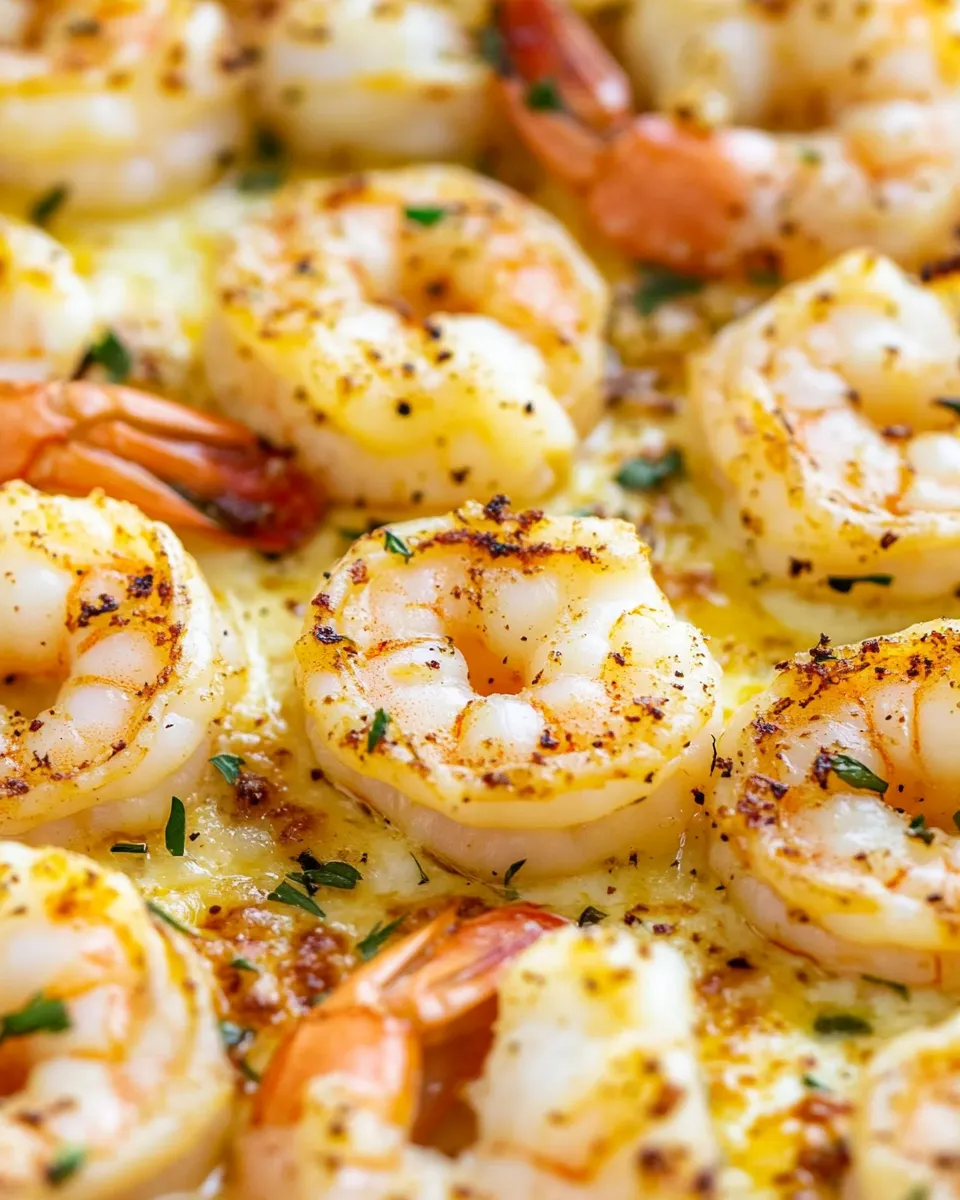
They turn from translucent to opaque and the flesh firms slightly. The color changes to a pinkish hue and the tails curl into a gentle C-shape. If they curl tight into an O, they’re likely overcooked.
Can I use frozen shrimp?
Yes—thaw completely in the fridge overnight or under cold running water. Pat dry before tossing with the butter mixture so excess moisture doesn’t make the shrimp soggy.
Can I double this recipe?
Yes, but use a larger baking dish or two pans so the shrimp remain in a single layer. Doubling in a crowded pan leads to steaming and uneven cooking.
Is there a non-dairy version?
Use olive oil or a plant-based butter substitute in equal measure for the melted butter and proceed the same way.
Can I add vegetables to the same dish?
Yes—choose quick-roasting vegetables (e.g., cherry tomatoes, thin asparagus tips) or par-cook denser vegetables first. Add delicate items in the last 6–8 minutes so everything finishes together.
Before You Go
This baked shrimp is a dependable weeknight hero: few ingredients, short hands-on time, and results that feel thoughtful without fuss. Keep the butter, garlic and lemon ratios as written the first time you try it—small changes make big differences with seafood. Once you’re comfortable, experiment with herbs, heat, or a splash of wine. Serve with crusty bread, a simple salad, or over pasta for a meal that comes together while you breathe.
If you try it, tell me how you served it—there’s nothing I love more than hearing the little twists you make to these straightforward recipes.
Baked Shrimp
Ingredients
Ingredients
- ?1 1/4 poundsextra large raw shrimppeeled and deveined
- ?1/4 cupbuttermelted
- ?1 tablespoonminced garlic3-4 cloves
- ?2 tablespoonsfresh lemon juice
- ?Salt and pepper
- ??teaspoonred pepper flakesor to taste optional
- ?2 tablespoonschopped fresh parsleyto garnish
Instructions
Instructions
- Preheat the oven to 350°F (180°C).
- In a small bowl, stir together the ¼ cup melted butter, 1 tablespoon minced garlic, 2 tablespoons fresh lemon juice, and salt and pepper to taste.
- Place the 1 ¼ pounds extra-large raw shrimp (peeled and deveined) in a 9×13-inch baking dish. Pour the butter mixture over the shrimp and toss gently to coat, then spread the shrimp in an even single layer.
- Bake, uncovered, at 350°F (180°C) for 12 minutes, or until the shrimp are opaque and just firm.
- Remove from the oven and, if desired, sprinkle with red pepper flakes to taste.
- Garnish with 2 tablespoons chopped fresh parsley and serve.
Equipment
- 9×13? casserole dish
Notes
Don’t Overlap the Shrimp.They’ll cook most evenly if they each have their own space in the baking dish.