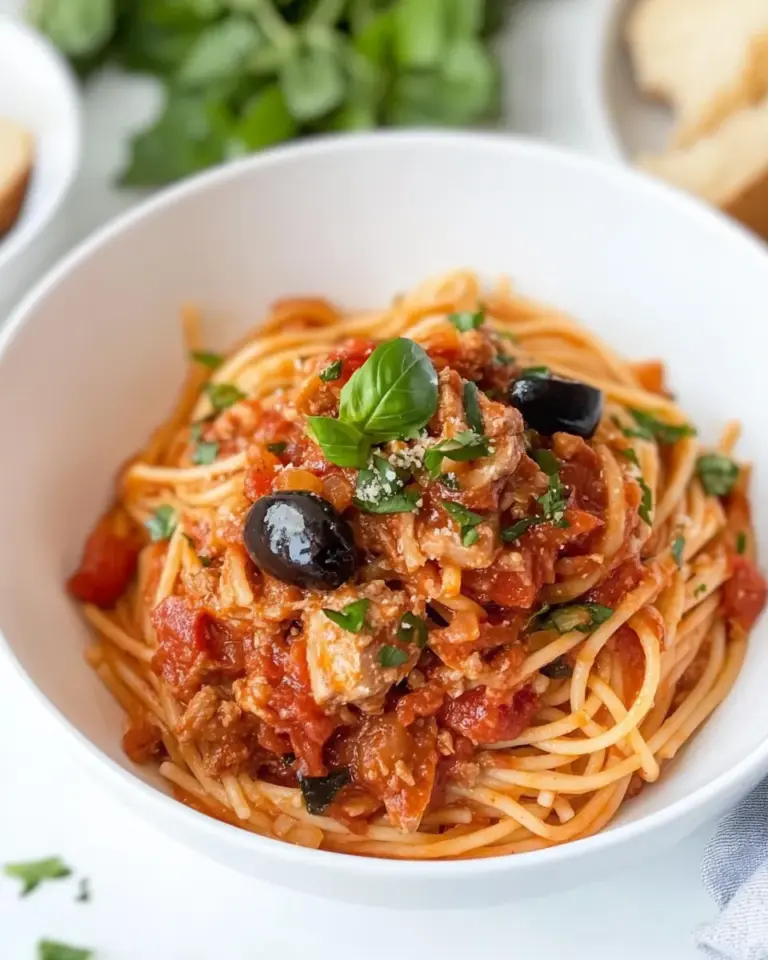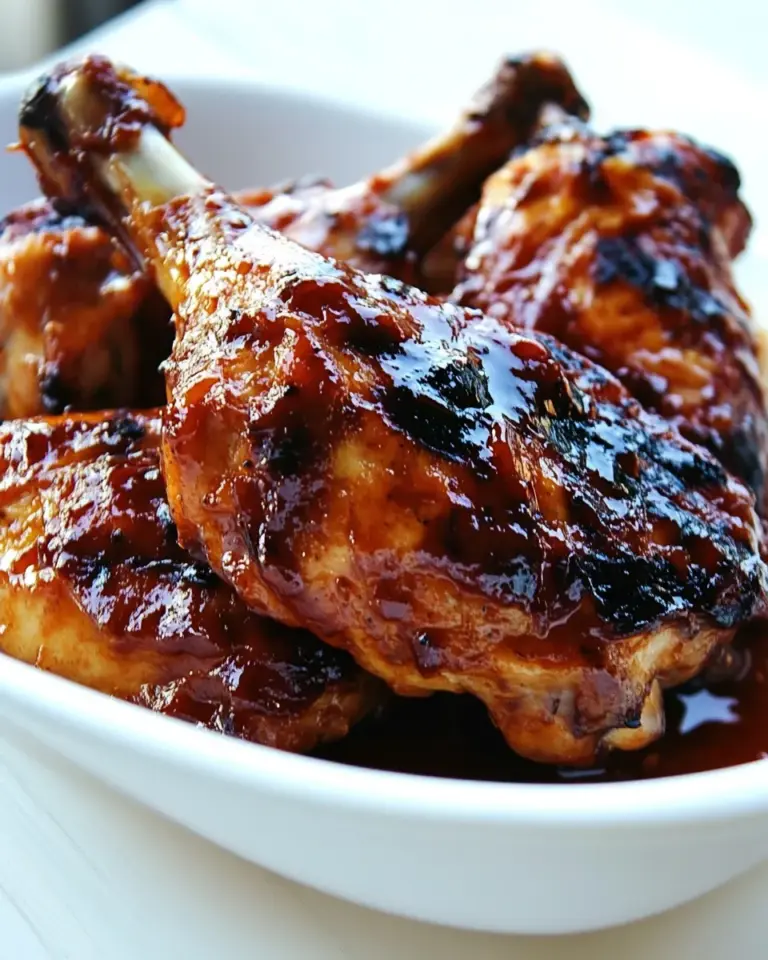
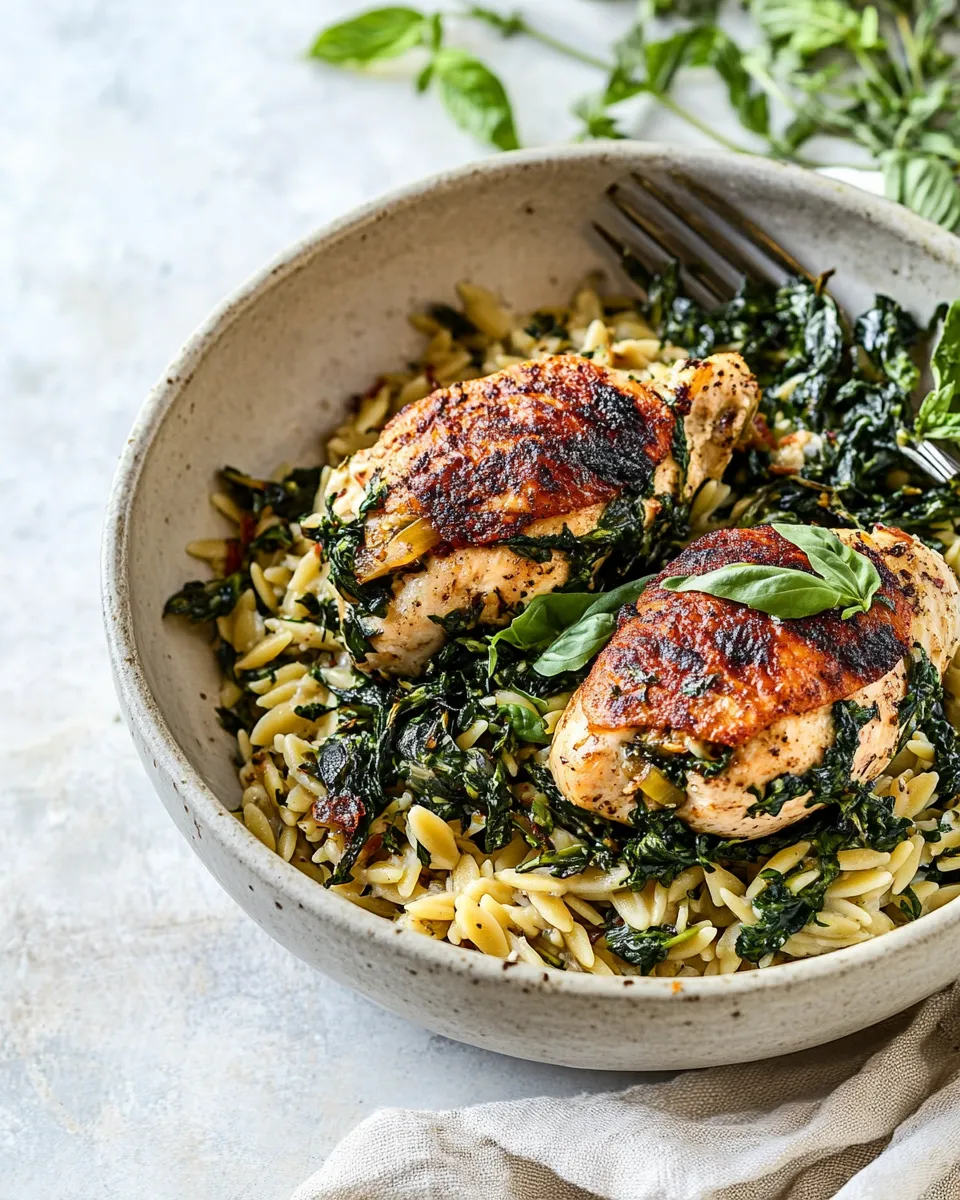
One Skillet Goat Cheese Stuffed Chicken and Orzo.
This recipe for One Skillet Goat Cheese Stuffed Chicken and Orzo. is exactly the kind of weeknight dinner I reach for when I want something that’s comforting, a little fancy, and completely doable in one pan. Tender chicken breasts, a tangy goat cheese and herb filling, nutty toasted walnuts, bright basil and a silky orzo cooked right in the same skillet — it all comes together in under an hour and makes enough to feed a small crowd or provide delicious leftovers.
There’s something so satisfying about a single-skillet meal. Fewer dishes, maximum flavor, and a clean presentation with minimal fuss. The goat cheese filling is creamy with a herbal pop from fresh basil and thyme, a little crunch from toasted walnuts, and a hint of heat from crushed red pepper flakes. The orzo soaks up savory chicken broth, honey, and a kiss of balsamic vinegar, turning into pillowy little rice-shaped pasta that pairs perfectly with the juicy, cheese-stuffed chicken.
Why you’ll love this dish

- One-skillet dinner: Cook everything in one pan for easy cleanup.
- Creamy, tangy filling: Goat cheese adds lush creaminess and brightness.
- Herb-forward and balanced: Fresh basil and thyme bring aromatic lift.
- Textural contrast: Crunchy toasted walnuts against tender chicken and soft orzo.
- Weeknight-ready: Minimal hands-on time and straightforward steps.
Ingredients
Use the following ingredients as listed; they’ve been chosen and balanced so the recipe works perfectly.
- 4 ounces goat cheese, crumbled
- 1 cup fresh basil, chopped, plus more for serving
- 1/4 cup toasted walnuts, finely chopped
- 1 tablespoon fresh thyme leaves
- Kosher salt and black pepper
- 1 pinch crushed red pepper flakes, add to your taste
- 4 boneless skinless chicken breasts (about 1 pound)
- 2 tablespoons honey
- 2 tablespoons extra virgin olive oil
- 1 tablespoon salted butter
- 2 cloves garlic, minced or grated
- 1 cup dry orzo pasta
- 3 cups low sodium chicken broth
- 1/2 bunch kale, roughly torn
- 2 tablespoons balsamic vinegar
Before you start
Preheat your oven or prepare a lid for the skillet if finishing on the stovetop. Gather your ingredients and have a cutting board and sharp knife ready for the basil, walnuts, and kale. Toasting the walnuts beforehand enhances their nutty flavor—do this in a dry skillet over medium heat for a few minutes while stirring, then finely chop.
Prep the goat cheese filling
In a medium bowl, combine the 4 ounces goat cheese, 1 cup chopped fresh basil, 1/4 cup finely chopped toasted walnuts, 1 tablespoon fresh thyme leaves, a generous pinch of kosher salt, some black pepper, and the pinch of crushed red pepper flakes. Stir until the mixture is evenly combined and has a spreadable texture. Taste and adjust salt, pepper or red pepper flakes to your liking.
Stuff and season the chicken
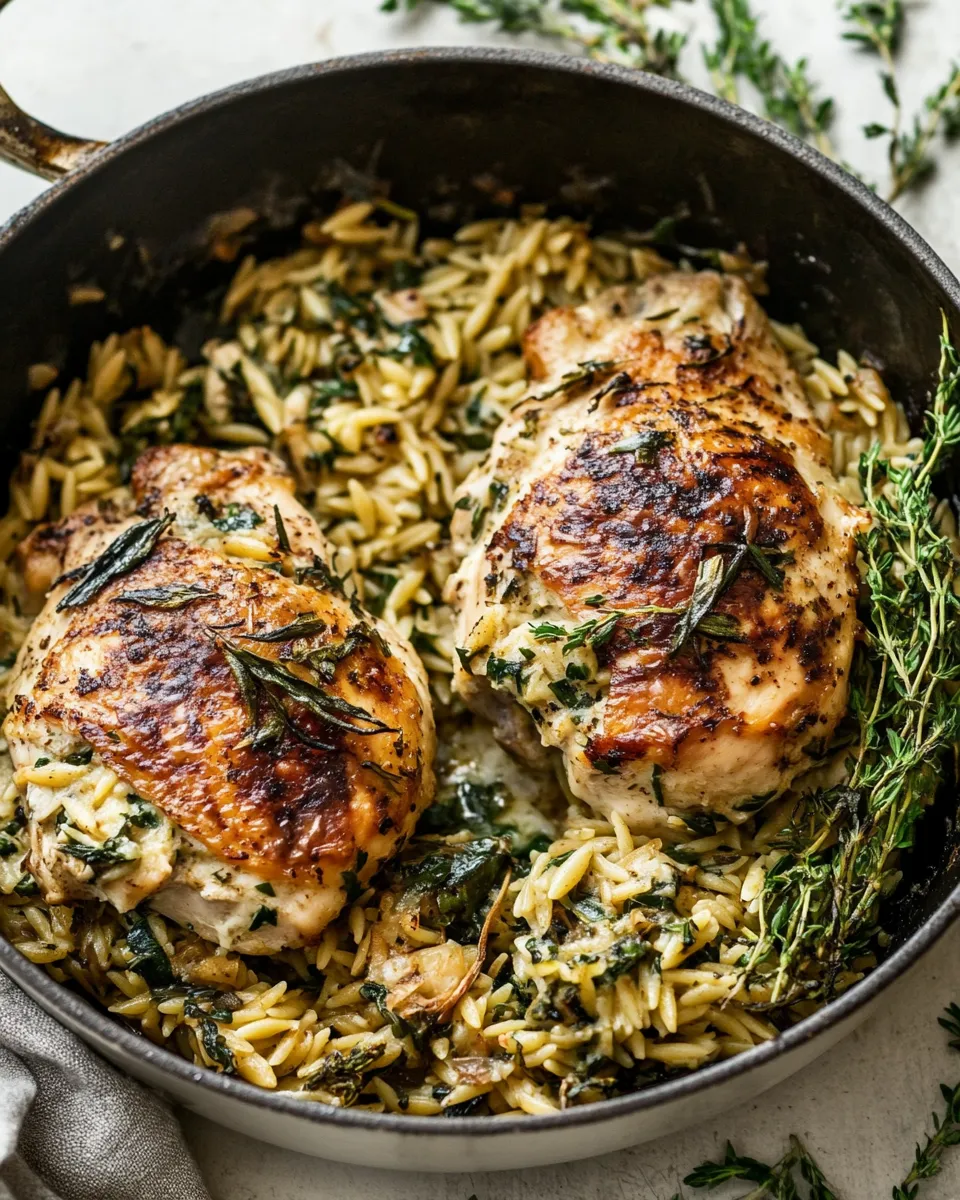
Lay the 4 boneless skinless chicken breasts on a cutting board. Using a sharp knife, carefully slice a pocket into the side of each breast, making sure not to cut through to the other side. Spoon the goat cheese mixture into each pocket, distributing it evenly among the four breasts. Press the openings closed and secure with toothpicks if needed. Season the outside of each stuffed chicken breast with kosher salt and black pepper.
Sear the chicken
Heat 2 tablespoons extra virgin olive oil and 1 tablespoon salted butter in a large, oven-safe skillet over medium-high heat. When the fat is shimmering and the butter is melted, add the stuffed chicken breasts. Sear for 2–3 minutes per side, or until each side is golden brown. Do not worry about cooking through at this stage; you are only creating a flavorful crust. Remove the chicken from the skillet and set aside on a plate.
Build the orzo base
Lower the heat to medium. Add the 2 cloves minced or grated garlic to the skillet and sauté briefly, about 30 seconds, until fragrant. Pour in 1 cup dry orzo pasta and stir to coat the orzo in the pan fats and garlic, toasting it lightly for 1 minute. Carefully pour in 3 cups low sodium chicken broth, scraping any browned bits from the bottom of the skillet with a wooden spoon; these add flavor to the sauce.
Finish the dish
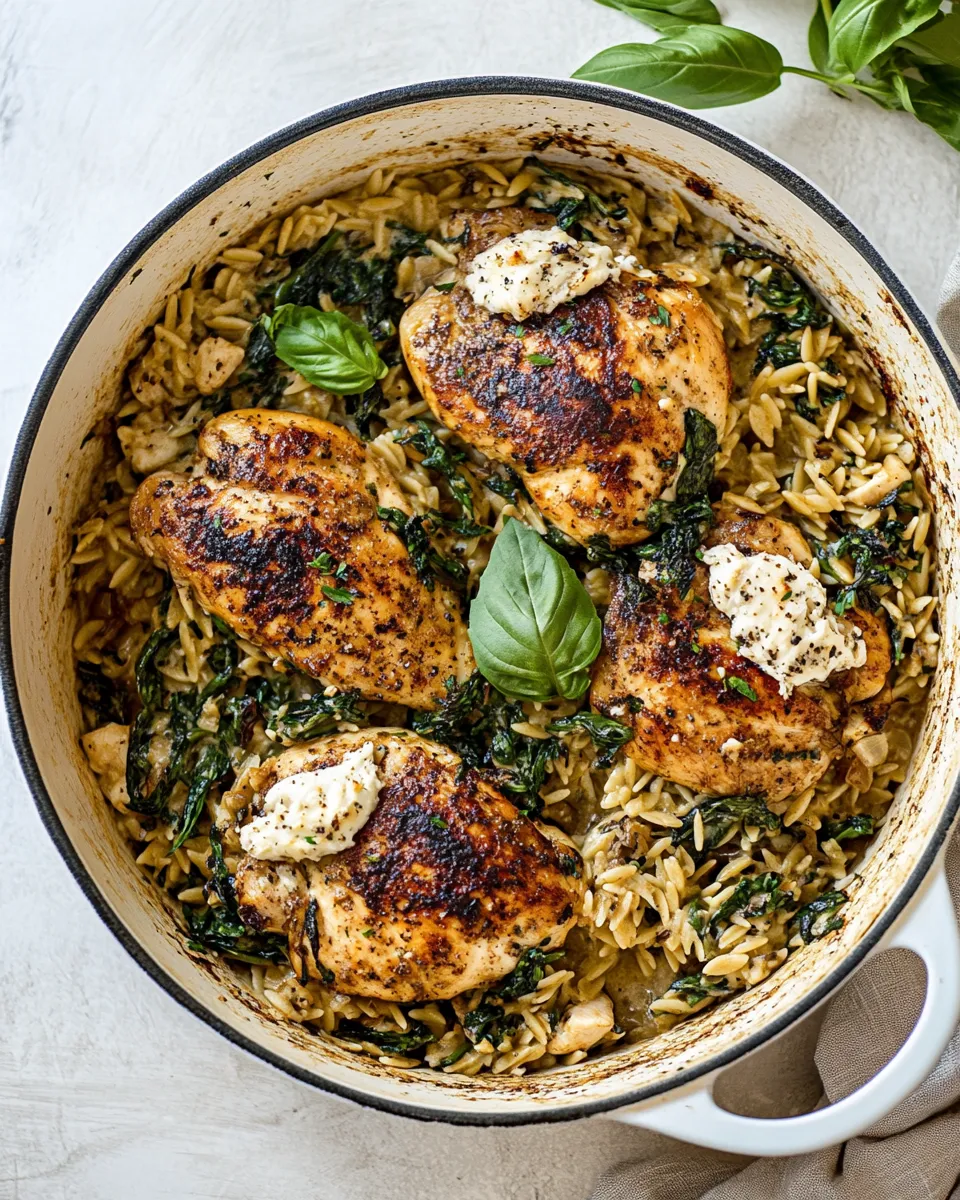
Return the seared chicken breasts to the skillet, nestling them on top of the orzo. Scatter the roughly torn 1/2 bunch kale around and slightly under the chicken. Drizzle 2 tablespoons honey and 2 tablespoons balsamic vinegar over the chicken and orzo and then sprinkle any remaining chopped basil over the top.
Bring the skillet to a gentle simmer, then reduce the heat to low, cover (with a lid or foil), and cook for 12–15 minutes, or until the chicken reaches an internal temperature of 165°F and the orzo is tender. If your skillet is oven-safe and you prefer, you can transfer it to a preheated 375°F oven and bake, covered, for 12–15 minutes instead of finishing on the stovetop. Check for doneness at the lower end of the timeframe to avoid overcooking the chicken.
Rest and serve
Once the chicken is cooked through and the orzo is tender, remove the skillet from heat and let it rest for 5 minutes. This short rest helps the juices redistribute so the chicken stays juicy when sliced. Taste the orzo and add more kosher salt or black pepper if needed.
Garnish with extra chopped fresh basil and a final crack of black pepper. To serve, spoon the orzo onto plates and place a stuffed chicken breast on top or to the side. The creamy goat cheese inside will be warm and slightly oozing, the orzo glossy and flavored with honey and balsamic, and the kale wilted but still bright.
Step-by-step rewritten instructions
- Preheat: If finishing in the oven, preheat to 375°F. Otherwise, have a lid ready for the skillet.
- Toast and chop walnuts: In a dry skillet over medium heat, toast 1/4 cup walnuts for 3–4 minutes, stirring until fragrant and lightly browned. Finely chop and set aside.
- Make the filling: In a bowl, mix 4 ounces goat cheese (crumbled), 1 cup chopped fresh basil, the toasted 1/4 cup walnuts (finely chopped), 1 tablespoon fresh thyme leaves, a pinch of crushed red pepper flakes, kosher salt, and black pepper until well combined.
- Create chicken pockets: On a cutting board, make a pocket in the side of each of the 4 boneless skinless chicken breasts. Spoon the goat cheese mixture into each pocket and press to close. Season the outside of each breast with kosher salt and black pepper. Secure with toothpicks if necessary.
- Sear chicken: Heat 2 tablespoons extra virgin olive oil and 1 tablespoon salted butter in a large oven-safe skillet over medium-high heat. When hot, add the stuffed chicken breasts and sear 2–3 minutes per side until golden brown. Remove the chicken and set aside.
- Sauté garlic and toast orzo: Reduce heat to medium. Add 2 cloves minced or grated garlic to the skillet and sauté for 30 seconds. Add 1 cup dry orzo and stir to coat, toasting the orzo for about 1 minute.
- Add broth: Pour in 3 cups low sodium chicken broth, scraping up browned bits from the skillet with a wooden spoon.
- Return chicken and add greens: Nestle the seared chicken breasts back into the skillet on top of the orzo. Scatter 1/2 bunch roughly torn kale around the chicken.
- Finish with honey and vinegar: Drizzle 2 tablespoons honey and 2 tablespoons balsamic vinegar over the chicken and orzo. Sprinkle remaining chopped basil over the top.
- Simmer covered: Bring to a gentle simmer, then reduce heat to low and cover the skillet. Cook for 12–15 minutes, or until the chicken’s internal temperature reaches 165°F and the orzo is tender. Alternatively, transfer the covered oven-safe skillet to a preheated 375°F oven and bake for 12–15 minutes.
- Rest and season: Remove from heat and let rest for 5 minutes. Taste the orzo and adjust kosher salt and black pepper as needed.
- Serve: Garnish with additional chopped basil and serve the stuffed chicken breasts over or beside the orzo.
Notes and tips
- Chicken breasts vary in thickness; pound thicker breasts slightly to an even thickness so they cook evenly, or use an instant-read thermometer to ensure 165°F internal temperature.
- If you prefer more heat, increase the crushed red pepper flakes to taste. If you want a milder version, omit them entirely.
- Swap the kale for baby spinach if you prefer a more tender green; add spinach toward the end of cooking so it wilts but doesn’t overcook.
- To make ahead: Prepare and stuff the chicken breasts, then refrigerate covered for up to 24 hours. Sear and finish the dish just before serving.
- Leftovers store well in an airtight container in the fridge for up to 3 days. Reheat gently on the stove over low heat, adding a splash of broth if the orzo seems dry.
Serving suggestions
This skillet meal is satisfying on its own, but you can round it out with a simple side salad or crusty bread to soak up the juices. A light, crisp white wine or sparkling water with lemon complements the tangy goat cheese and balsamic notes.
Final thoughts
One skillet, big flavor, and a wonderfully balanced plate: that’s what One Skillet Goat Cheese Stuffed Chicken and Orzo. delivers. The creamy, herbaceous goat cheese melds with toasted walnuts and thyme inside the chicken, while honey and balsamic add a subtle sweetness and depth to the orzo. It’s a dinner I make when I want to impress without the stress — cozy, approachable, and endlessly delicious. Try it on any busy weeknight or for a relaxed weekend meal; it’s reliably crowd-pleasing every time.
Happy cooking — and don’t forget to sprinkle on a little extra fresh basil just before serving for a bright, herbaceous finish.
One Skillet Goat Cheese Stuffed Chicken and Orzo.
Ingredients
- 4 ounces goat cheese, crumbled
- 1 cup fresh basil, chopped plus more for serving
- 1/4 cup toasted walnuts, finely chopped
- 1 tablespoon fresh thyme leaves
- kosher salt to taste
- black pepper to taste
- 1 pinch crushed red pepper flakes or to taste
- 4 boneless skinless chicken breasts about 1 pound total
- 2 tablespoons honey
- 2 tablespoons extra virgin olive oil
- 1 tablespoon salted butter
- 2 cloves garlic, minced or grated
- 1 cup dry orzo pasta
- 3 cups low-sodium chicken broth
- 1/2 bunch kale, roughly torn
- 2 tablespoons balsamic vinegar
Instructions
- Preheat the oven to 425°F (220°C).
- In a medium mixing bowl, combine the crumbled goat cheese, chopped basil, toasted chopped walnuts, thyme leaves, a pinch of kosher salt, black pepper, and crushed red pepper flakes; mix until evenly distributed.
- Season each chicken breast with salt and pepper. Using a sharp knife, slice horizontally through the thickest part of each breast to create a pocket, cutting almost to the other side but leaving about 1/2 inch attached.
- Open each chicken breast like a book and spread an even portion of the goat cheese mixture onto one side of the pocket. Drizzle about 1/2 tablespoon of honey over the filling for each breast, then close to enclose the filling; some filling may peek out and that’s fine.
- Heat the extra virgin olive oil in a large ovenproof skillet over medium-high heat until shimmering. Add the stuffed chicken and sear until golden, about 3–5 minutes per side. Remove the chicken to a plate, leaving any browned bits in the pan.
- Reduce heat to medium and add the butter, then stir in the minced garlic and dry orzo. Cook, stirring, until the garlic is fragrant and the orzo is lightly toasted, about 2–3 minutes.
- Add the chicken broth, torn kale, and balsamic vinegar to the skillet. Stir to combine and bring the mixture to a boil.
- Slide the seared stuffed chicken and any accumulated juices back into the skillet on top of the orzo. Transfer the skillet to the preheated oven and roast until the chicken is cooked through and the orzo is tender, about 10–15 minutes.
- Remove from the oven, let rest for 2–3 minutes, then serve the chicken over the orzo and kale, topped with additional fresh basil.
Equipment
- large ovenproof skillet
- Mixing Bowl
- Measuring Cups and Spoons
- Knife
- Cutting Board
- Spatula or tongs
Notes
- Use a sharp knife to create neat pockets in the chicken.
- Toast the walnuts beforehand for best flavor.
- Keep an eye on the orzo while toasting so it doesn't burn.
- Adjust red pepper flakes to control spiciness.
- Use low-sodium broth to manage overall salt level.