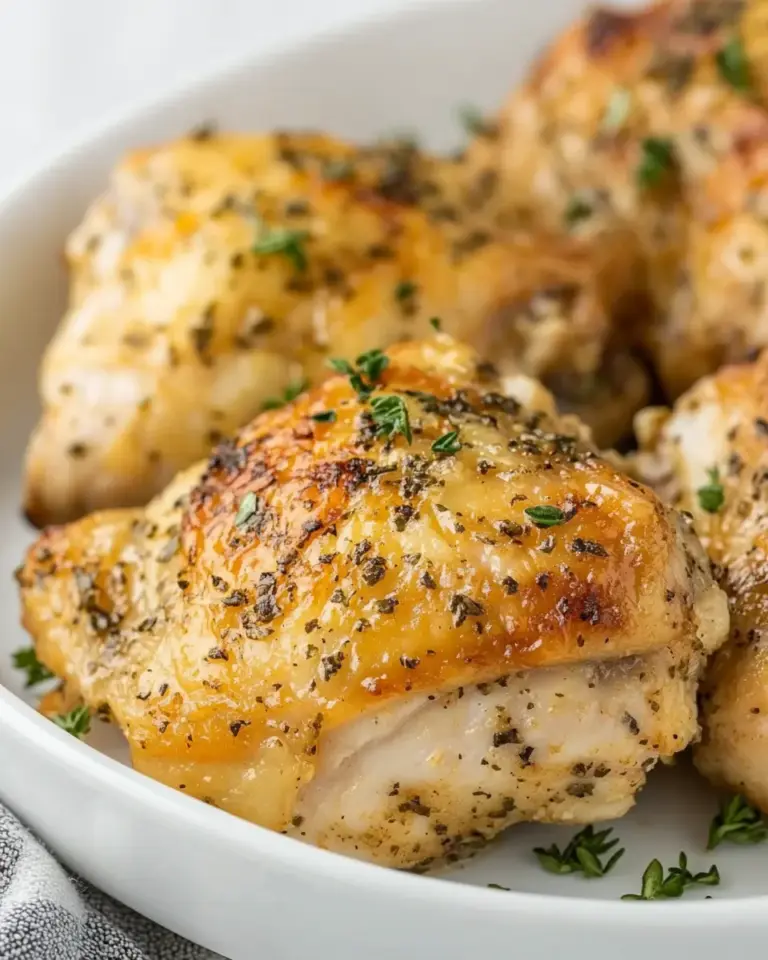
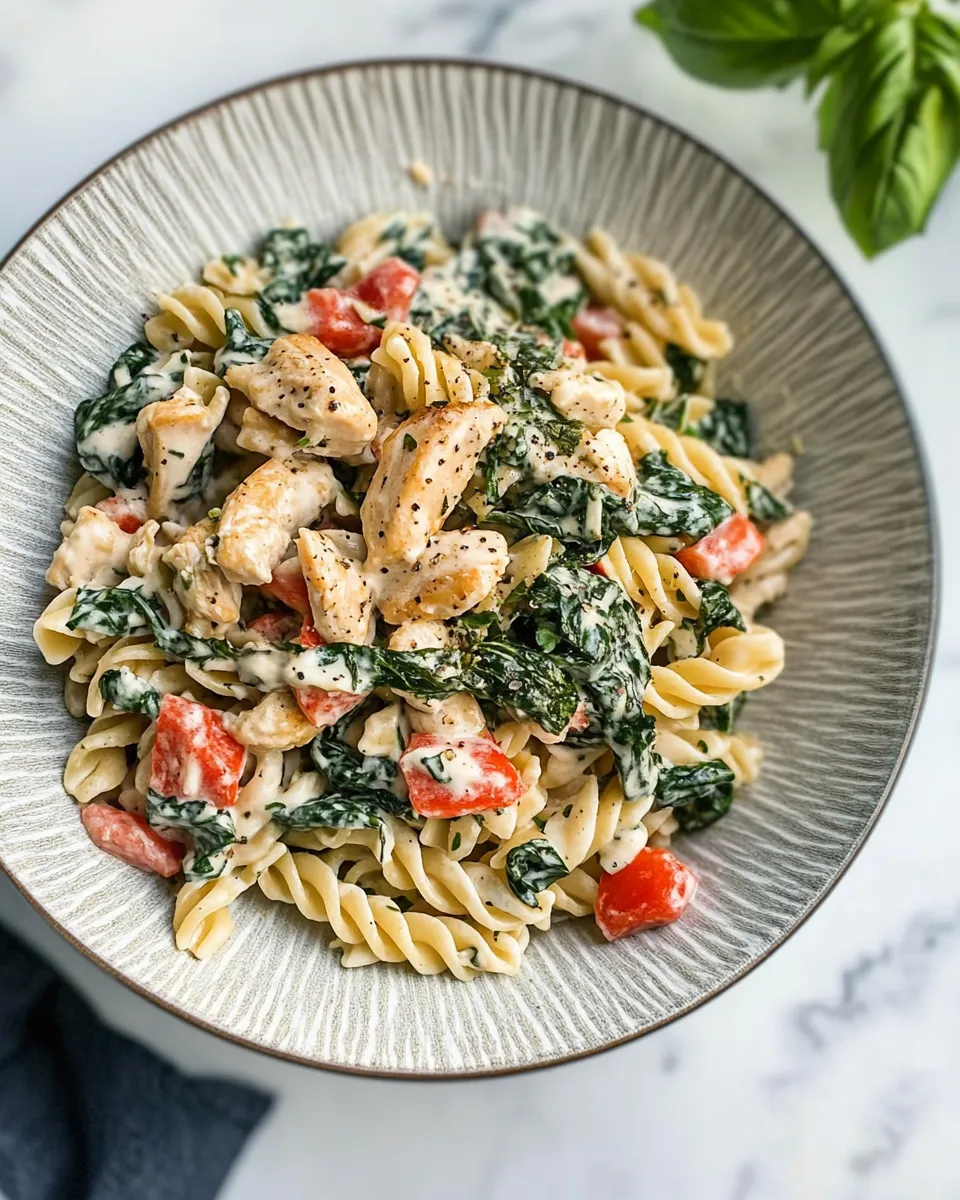
Tuscan Chicken Pasta
I make this Tuscan Chicken Pasta on weeknights and on weekends. It’s reliable: quick to pull together, forgiving, and richly comforting. The sauce comes together in one skillet, the chicken gets a crisp edge, and the spinach and Parmesan finish it with bright, savory notes.
You’ll find clear steps below and a short shopping guide to make the run to the store efficient. Follow the order in the recipe, and you’ll have dinner on the table without fuss. Little tricks—like resting the chicken and scraping up browned bits—change the result more than you might expect.
Your Shopping Guide

Plan this like a short grocery sprint. You need fresh chicken, a head of garlic or pre-minced for speed, a red bell pepper, baby spinach, and Parmesan. The dairy—milk and heavy cream—keeps the sauce silky; choose whole milk if you want fuller flavor. If you already have flour, salt, and dried herbs, you’re mostly set.
Buy the chicken tenders if you want faster, even cooking; halved chicken breasts work if that’s what your store has. For the pasta, fettuccine is called for, but any long noodle will do. Pick a good-quality Parmesan and grate it fresh for best melting and flavor.
Ingredients
- 1.5 pounds chicken tenders, or halved chicken breasts — main protein; tenders cook fastest and are easy to portion.
- 1 Tablespoon olive oil — used to brown the chicken, helps develop a crust.
- 1 Tablespoon butter — adds richness and browning; melts and foams for good pan color.
- 3/4 cup all-purpose flour — for dredging the chicken; creates a light crust and helps thicken sauces.
- 1 teaspoon salt — for seasoning the flour and balancing flavors.
- 1 teaspoon freshly ground black pepper — gives a bright, peppery note to the dredge and sauce.
- 1/2 teaspoon dried basil — a sweet, herbaceous base flavor in the dredge.
- 1/2 teaspoon Dried oregano — brings Mediterranean warmth to the seasoning mix.
- 1/4 teaspoon onion powder — adds savory depth to the flour coating.
- 2 Tablespoons olive oil — for the pan when sautéing the vegetables after browning chicken.
- 1 red bell pepper, diced — sweetness and color; softens quickly and brightens the sauce.
- 1 Tablespoon minced garlic — aromatic backbone; add near the end of sautéing for best flavor.
- 1 1/2 Tablespoons all-purpose flour — used to thicken the vegetable base before adding liquids.
- 3/4 cup low-sodium chicken broth — deglazes the pan and builds the sauce base; low-sodium lets you control seasoning.
- 1 cup milk — stretches the cream and keeps the sauce lighter while still creamy.
- 1/2 cup heavy whipping cream — gives the sauce richness and silkiness.
- 1 cup baby spinach leaves, chopped — adds freshness, color, and a touch of green nutrition.
- 1/2 cup freshly grated parmesan cheese — salt, umami, and creaminess; grate fresh for best melt.
- 1/4 teaspoon garlic powder — boosts garlic flavor subtly without overpowering.
- 1/4 teaspoon Italian seasoning, or more, to taste — an easy seasoning boost; adjust to preference.
- salt and freshly ground black pepper to taste — for final sauce seasoning; adjust after the cheese melts.
- 1 lb fettuccine noodles — the pasta base; long noodles hold this sauce well.
Step-by-Step: Tuscan Chicken Pasta
- Bring a large pot of salted water to a boil and cook 1 lb fettuccine according to package instructions. Drain and set aside.
- In a large zip-top bag or bowl, combine 3/4 cup all-purpose flour, 1 teaspoon salt, 1 teaspoon freshly ground black pepper, 1/2 teaspoon dried basil, 1/2 teaspoon dried oregano, and 1/4 teaspoon onion powder. Add 1.5 pounds chicken tenders (or halved chicken breasts) and shake or toss to coat the chicken evenly. Shake off any excess flour.
- Heat 1 tablespoon olive oil and 1 tablespoon butter in a large skillet over medium heat until the butter melts and foams. Add the coated chicken in a single layer (work in batches if needed). Cook until golden brown and cooked through, about a few minutes per side, flipping only once. Remove the chicken to a plate and let rest.
- To the same skillet, add 2 tablespoons olive oil over medium heat and scrape up any browned bits from the pan. Add 1 diced red bell pepper and cook 2–3 minutes until slightly softened.
- Add 1 tablespoon minced garlic and cook about 30 seconds, stirring, until fragrant.
- Sprinkle 1 1/2 tablespoons all-purpose flour over the vegetables and stir for about 1 minute to cook the flour.
- Whisk in 3/4 cup low-sodium chicken broth, scraping up any remaining browned bits, and bring the mixture to a gentle simmer.
- Stir in 1/2 cup heavy whipping cream and 1 cup milk. Add 1/4 teaspoon garlic powder, 1/4 teaspoon Italian seasoning, and salt and freshly ground black pepper to taste. Simmer, stirring occasionally, until the sauce is slightly thickened, about 2–4 minutes.
- Stir in 1 cup chopped baby spinach and 1/2 cup freshly grated Parmesan cheese. Cook 1–2 minutes until the spinach wilts and the cheese melts. Taste and adjust seasoning if needed.
- Slice or leave the rested chicken whole, return it to the skillet to warm in the sauce for about 1 minute, then serve the chicken and sauce over the cooked fettuccine. Garnish with additional freshly grated Parmesan if desired.
Reasons to Love Tuscan Chicken Pasta
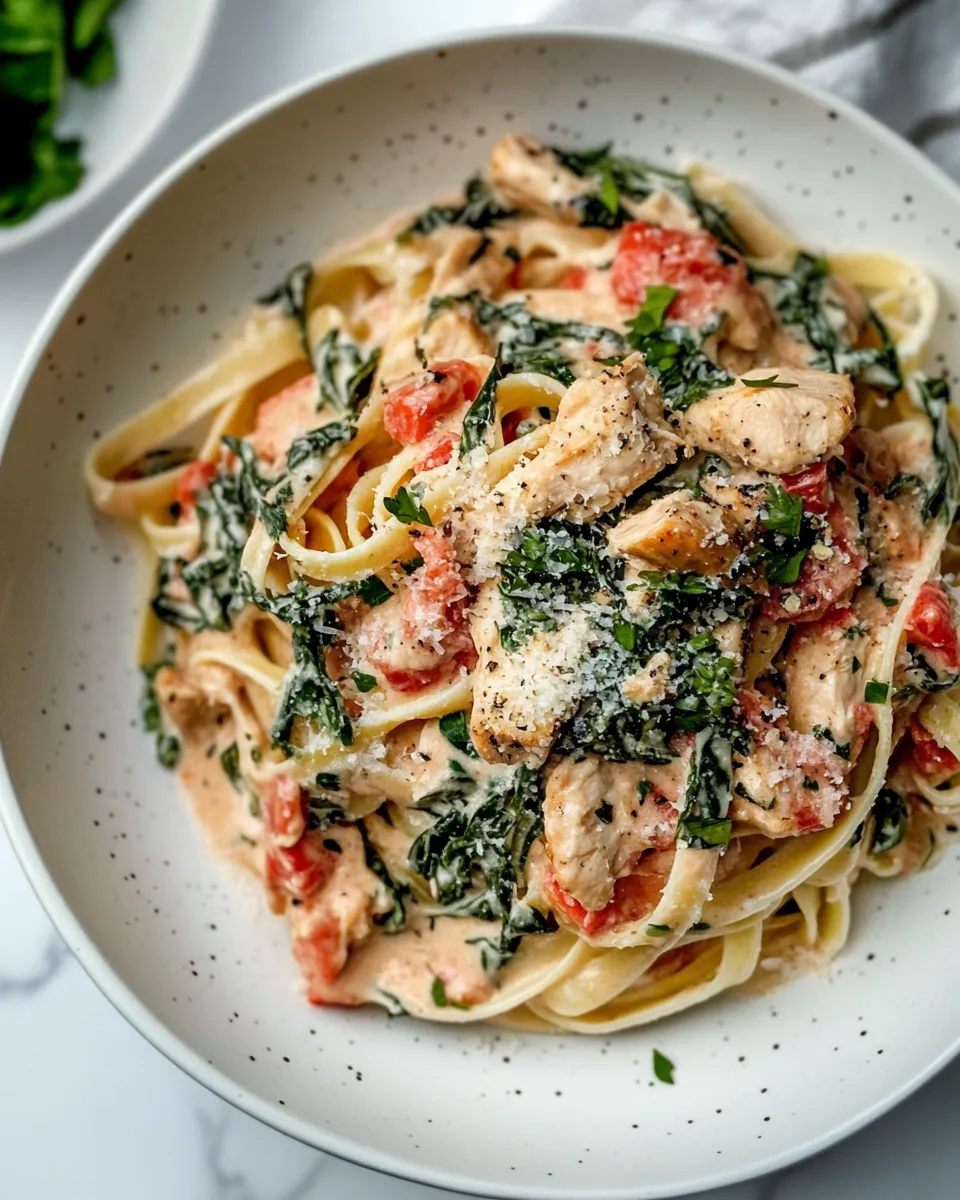
This dish balances texture and comfort. The dredged chicken gives a lightly crisp exterior while remaining tender inside. The sauce is creamy without feeling heavy because milk stretches the cream, and a short simmer keeps it bright and lightly thickened.
The flavor is layered: garlic and sautéed pepper, browned bits from the pan, a hit of Parmesan, and fresh spinach at the end. It reads as special but comes together fast. Serve it to company and no one will guess how little time it took.
Easy Ingredient Swaps
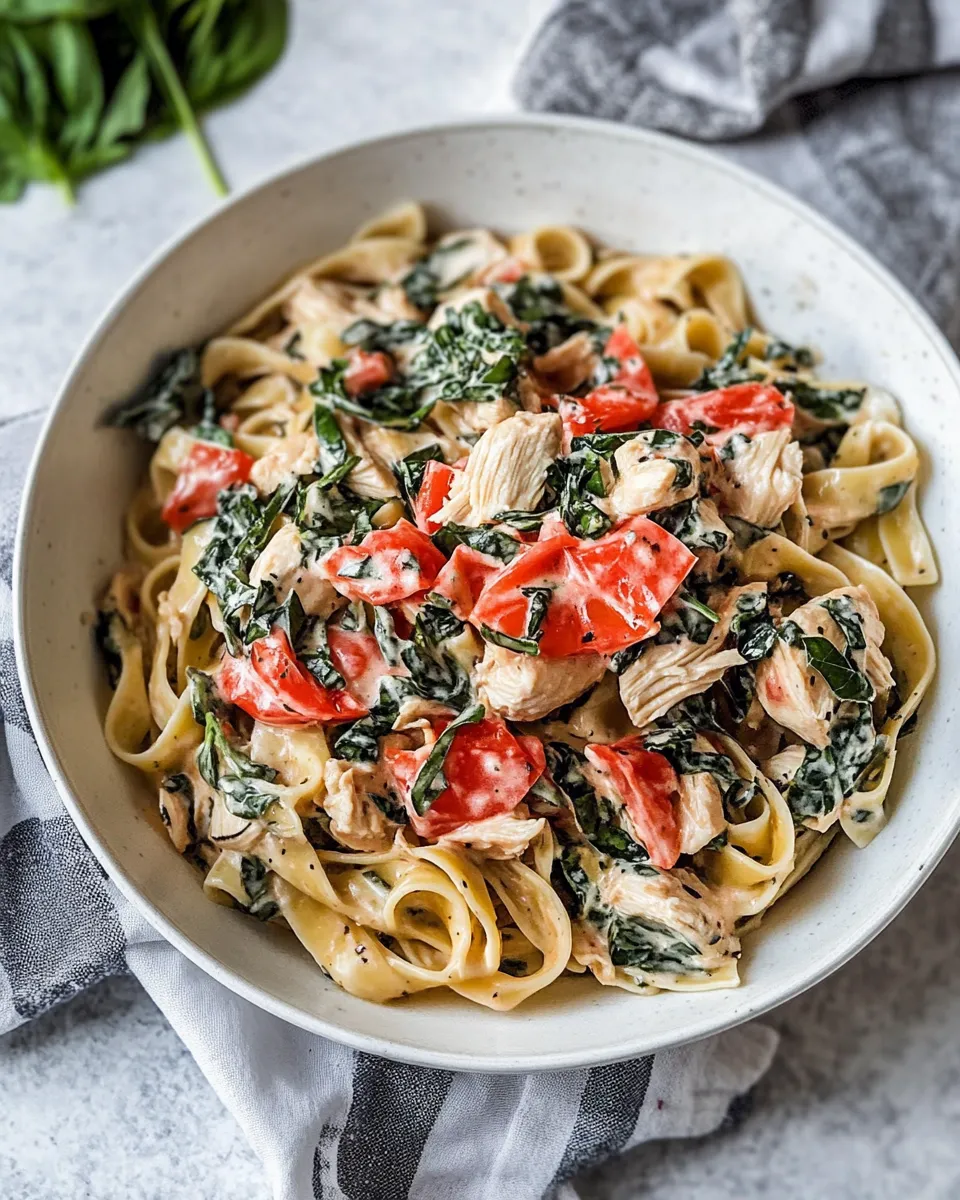
- Pasta: Swap fettuccine for linguine or pappardelle if that’s what you have; any long noodle works.
- Chicken: Use halved chicken breasts in place of tenders; adjust cooking time so they reach proper doneness.
- Dairy: If you lack heavy cream, increase milk slightly and use a tablespoon of butter to add richness, though the texture will be lighter.
- Broth: Vegetable broth can substitute for low-sodium chicken broth for a milder flavor profile.
- Cheese: Pecorino Romano will work instead of Parmesan for a saltier, sharper finish.
Gear Up: What to Grab
Keep it simple: a large pot for pasta, a large skillet (10–12 inches) for browning and sauce, a cutting board, chef’s knife, tongs, and a whisk for the sauce. A large zip-top bag or shallow bowl helps with dredging chicken. If you have a microplane, grate the Parmesan fresh—it melts better and tastes brighter.
Common Errors (and Fixes)
- Soggy chicken: Don’t overcrowd the pan. Cook in batches so each piece gets a golden crust. Pat chicken dry before coating to reduce steam.
- Grainy sauce: Ensure you cook the flour briefly before adding liquid and whisk well when adding broth. Simmer gently to integrate.
- Too thin or too thick sauce: If too thin, let it simmer a little longer to reduce and thicken. If too thick, stir in a splash of milk or broth to reach the desired consistency.
- Underseasoned: Taste after the cheese melts. Parmesan adds salt, so season gradually and adjust at the end.
Variations for Dietary Needs
Gluten-free: Use a certified gluten-free all-purpose flour for dredging and a gluten-free pasta. Ensure your chicken broth is gluten-free.
Lighter: Use half-and-half or omit the heavy cream and add a tablespoon of cream cheese for body, or increase milk and simmer until slightly reduced for a thinner sauce.
Lower sodium: Use no-salt-added broth and reduce added salt in the dredge; adjust seasoning after the sauce comes together.
Method to the Madness
Why the sequence matters
Browning the chicken first builds flavor from Maillard reactions—those browned bits are liquid gold for the sauce. Cooking the pepper briefly before adding garlic prevents burnt garlic taste. Dusting the vegetables with a small amount of flour before adding liquid gives the sauce body without needing long reductions.
Timing tips
Start the pasta water before you dredge the chicken—boiling water takes time. Drain the pasta and set it aside; tossing it with a splash of olive oil prevents sticking while the sauce finishes. Resting the chicken after browning keeps juices in and makes slicing easier.
Meal Prep & Storage Notes
Make the sauce and chicken ahead and store in an airtight container in the fridge for up to 3 days. Keep the pasta separate; combine and warm gently before serving. To reheat, simmer the sauce on low with a splash of milk or broth to revive its texture and avoid breaking the cream.
For freezing, freeze chicken and sauce in a freezer-safe container for up to 2 months. Thaw overnight in the fridge before reheating gently on the stove. Reheat pasta separately and combine at serving time.
Ask & Learn
If you want to make this in advance for guests, ask about timing: cook and rest the chicken, chill, then reheat in the sauce just before serving so it stays moist. If someone in your group is lactose intolerant, replace dairy with a nondairy cream substitute and a dairy-free Parmesan alternative, and check the texture during simmering so it thickens properly.
Questions to consider as you make it: do you prefer slices or whole tenders? Do you want the sauce thicker for tossing with noodles or looser to spoon over them? Small choices like these shape the final dish.
Before You Go
Tuscan Chicken Pasta is a solid weeknight hero and an easy dinner-party dish when you want something that feels a little indulgent without a lot of trouble. Follow the steps, taste and adjust seasoning at the end, and finish with a bit of freshly grated Parmesan. It’s straightforward, flexible, and reliably delicious.
Make a note of what you adjust—next time you can tweak herb levels, creaminess, or pasta type. And enjoy: good cooking is practical, honest, and meant to be shared.
Tuscan Chicken Pasta
Ingredients
Ingredients
- 1.5 poundschicken tenders or halved chicken breasts
- 1 Tablespoonolive oil
- 1 Tablespoonbutter
- 3/4 cupall-purpose flour
- 1 teaspoonsalt
- 1 teaspoonfreshly ground black pepper
- 1/2 teaspoondried basil
- 1/2 teaspoonDried oregano
- 1/4 teaspoononion powder
- 2 Tablespoonsolive oil
- 1 red bell pepper diced
- 1 Tablespoonminced garlic
- 1 1/2 Tablespoonsall-purpose flour
- 3/4 cuplow-sodium chicken broth
- 1 cupmilk
- 1/2 cupheavy whipping cream
- 1 cupbaby spinach leaves chopped
- 1/2 cupfreshly grated parmesan cheese
- 1/4 teaspoongarlic powder
- 1/4 teaspoonItalian seasoning or more, to taste
- salt and freshly ground black pepperto taste
- 1 lbfettuccine noodles
Instructions
Instructions
- Bring a large pot of salted water to a boil and cook 1 lb fettuccine according to package instructions. Drain and set aside.
- In a large zip-top bag or bowl, combine 3/4 cup all-purpose flour, 1 teaspoon salt, 1 teaspoon freshly ground black pepper, 1/2 teaspoon dried basil, 1/2 teaspoon dried oregano, and 1/4 teaspoon onion powder. Add 1.5 pounds chicken tenders (or halved chicken breasts) and shake or toss to coat the chicken evenly. Shake off any excess flour.
- Heat 1 tablespoon olive oil and 1 tablespoon butter in a large skillet over medium heat until the butter melts and foams. Add the coated chicken in a single layer (work in batches if needed). Cook until golden brown and cooked through, about a few minutes per side, flipping only once. Remove the chicken to a plate and let rest.
- To the same skillet, add 2 tablespoons olive oil over medium heat and scrape up any browned bits from the pan. Add 1 diced red bell pepper and cook 2–3 minutes until slightly softened.
- Add 1 tablespoon minced garlic and cook about 30 seconds, stirring, until fragrant.
- Sprinkle 1 1/2 tablespoons all-purpose flour over the vegetables and stir for about 1 minute to cook the flour.
- Whisk in 3/4 cup low-sodium chicken broth, scraping up any remaining browned bits, and bring the mixture to a gentle simmer.
- Stir in 1/2 cup heavy whipping cream and 1 cup milk. Add 1/4 teaspoon garlic powder, 1/4 teaspoon Italian seasoning, and salt and freshly ground black pepper to taste. Simmer, stirring occasionally, until the sauce is slightly thickened, about 2–4 minutes.
- Stir in 1 cup chopped baby spinach and 1/2 cup freshly grated Parmesan cheese. Cook 1–2 minutes until the spinach wilts and the cheese melts. Taste and adjust seasoning if needed.
- Slice or leave the rested chicken whole, return it to the skillet to warm in the sauce for about 1 minute, then serve the chicken and sauce over the cooked fettuccine. Garnish with additional freshly grated Parmesan if desired.
Equipment
- Large Pot
- Large Skillet
- zip-top bag or bowl
- Colander
- Plate
- Whisk
Notes
Make Ahead Instructions:
The sauce could be made 1-2 days ahead of time, stored in the refrigerator. The chicken can be coated in flour mixture a few hours ahead of time.
Dairy Free:
Replace butter with oil. Replace milk and cream with a dairy free substitute, like soy, almond or coconut milk.
Gluten-free Adaptations:
use gluten-free
all-purpose flour
, and
fettuccine noodles.