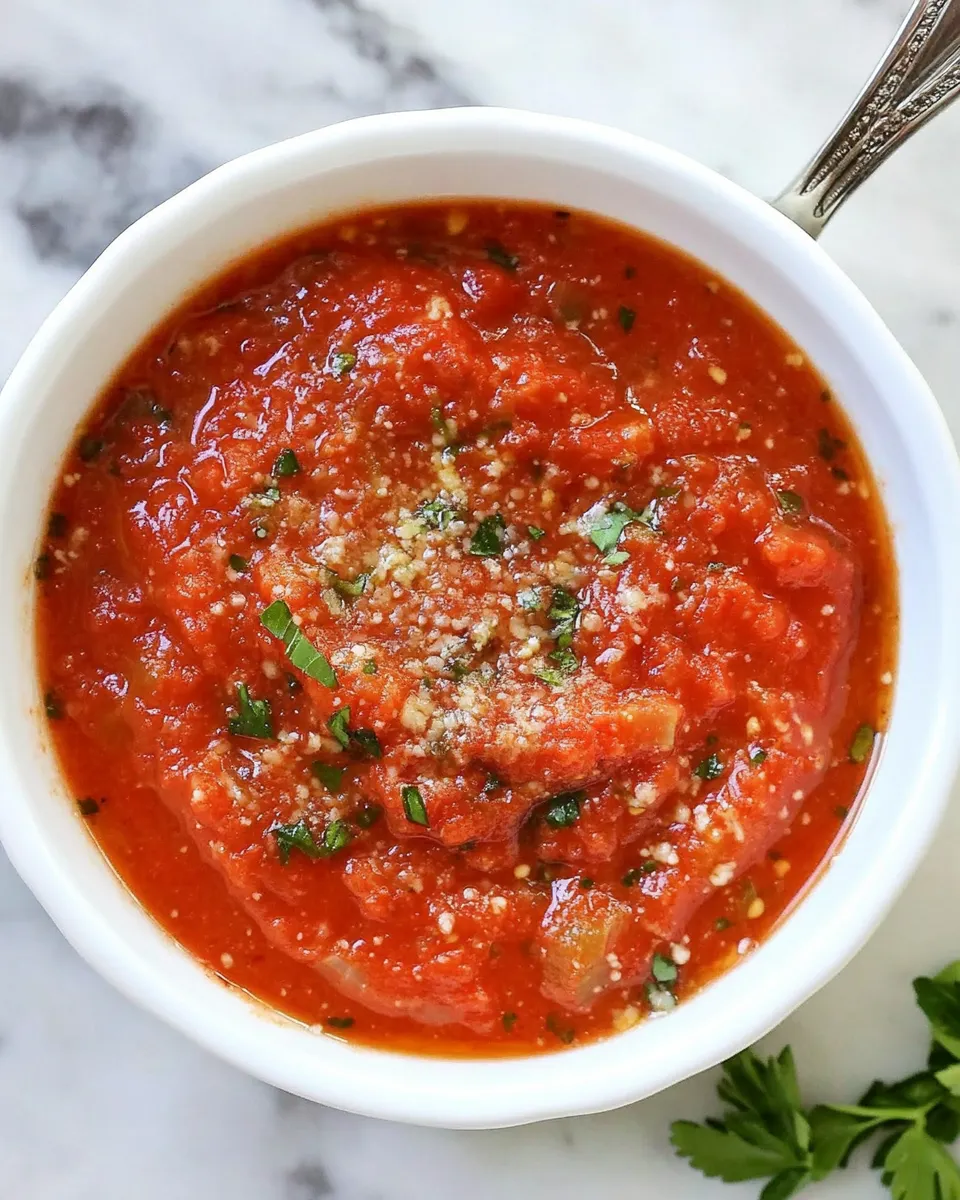
Slow Cooker Marinara Sauce
I make a big batch of this marinara at least once a month. It’s the kind of recipe that frees up the weeknight dinner scramble: toss ingredients into the slow cooker in the morning, come home to a house that smells like dinner is already done. It’s straightforward, forgiving, and built around pantry staples—perfect for busy days or when you want a homey sauce without babysitting a pot on the stove.
This version leans on canned tomatoes and tomato paste for a reliably robust tomato flavor, with basil, oregano, and a touch of brown sugar to balance acidity. The slow-cooker magic happens over low heat, where flavors meld and onions soften into the sauce. If you prefer a smooth texture, an immersion blender makes quick work of it without losing the rich, slow-cooked quality.
I’ll walk through the ingredients, the exact slow-cooker steps, the reasons this method works so well, and practical tips for variations, storage, and reheating. No fuss, just a dependable marinara that plays well with pasta, lasagna, meatballs, or as a dip.
The Ingredient Lineup

- 1 small yellow onion, diced — builds a savory-sweet base; dice small so it breaks down during the long cook.
- 3 cloves garlic, minced — adds bright aromatic depth; minced garlic infuses through the sauce.
- 2 28 oz cans Hunt’s Diced Tomatoes — the tomato backbone; canned tomatoes give consistent acidity and texture.
- 16 oz can Hunt’s Tomato Paste — concentrates tomato flavor and helps thicken the sauce.
- 2 tablespoons olive oil — carries flavor and helps soften the onion if you prefer to sauté first.
- 2 bay leaves — subtle, savory depth; remove before serving.
- 1 tablespoon dried basil — classic Italian herb note that complements the tomatoes.
- 1/2 teaspoon dried oregano — adds an earthy, slightly peppery counterpoint to basil.
- 1 teaspoon brown sugar — rounds and balances tomato acidity without making the sauce sweet.
- Salt and black pepper, to taste — season at the end after the flavors have melded.
- Dash of crushed red pepper — a little heat; increase to taste if you like a spicier sauce.
Stepwise Method: Slow Cooker Marinara Sauce
- Add 1 small yellow onion, diced, 3 cloves garlic, minced, 2 28 oz cans Hunt’s Diced Tomatoes, 16 oz can Hunt’s Tomato Paste, 2 tablespoons olive oil, 2 bay leaves, 1 tablespoon dried basil, 1/2 teaspoon dried oregano, 1 teaspoon brown sugar, Salt and black pepper to taste, and a Dash of crushed red pepper to the slow cooker. Stir to combine and put the lid on.
- Set the slow cooker to Low and cook for 8 hours (preferred). Alternatively, you can cook on High for 2–4 hours if short on time.
- When cooking is complete, turn off the slow cooker, remove the lid, and stir the sauce. Use a spoon to remove and discard the bay leaves.
- If you want a smoother sauce, puree it: either use a hand (immersion) blender directly in the slow cooker until you reach the desired consistency, or transfer the sauce in batches to a countertop blender. If using a countertop blender, let the sauce cool slightly, fill the blender only halfway, hold the lid with a kitchen towel, and vent the lid slightly to allow steam to escape before blending.
- Taste the sauce and season with additional Salt and black pepper to taste, if needed.
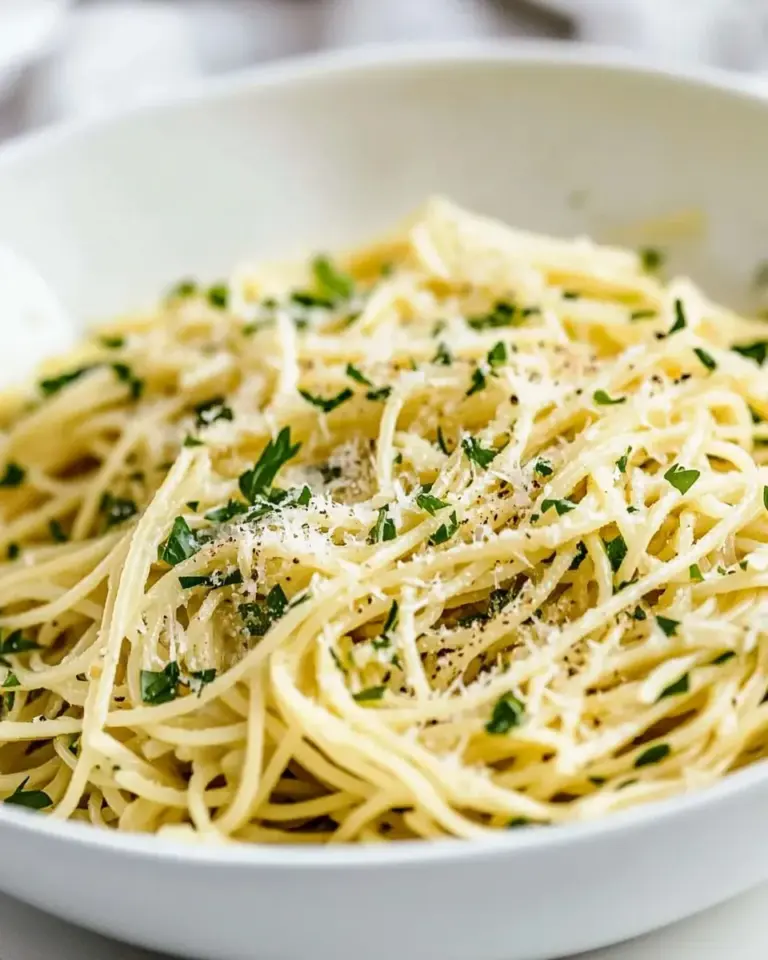
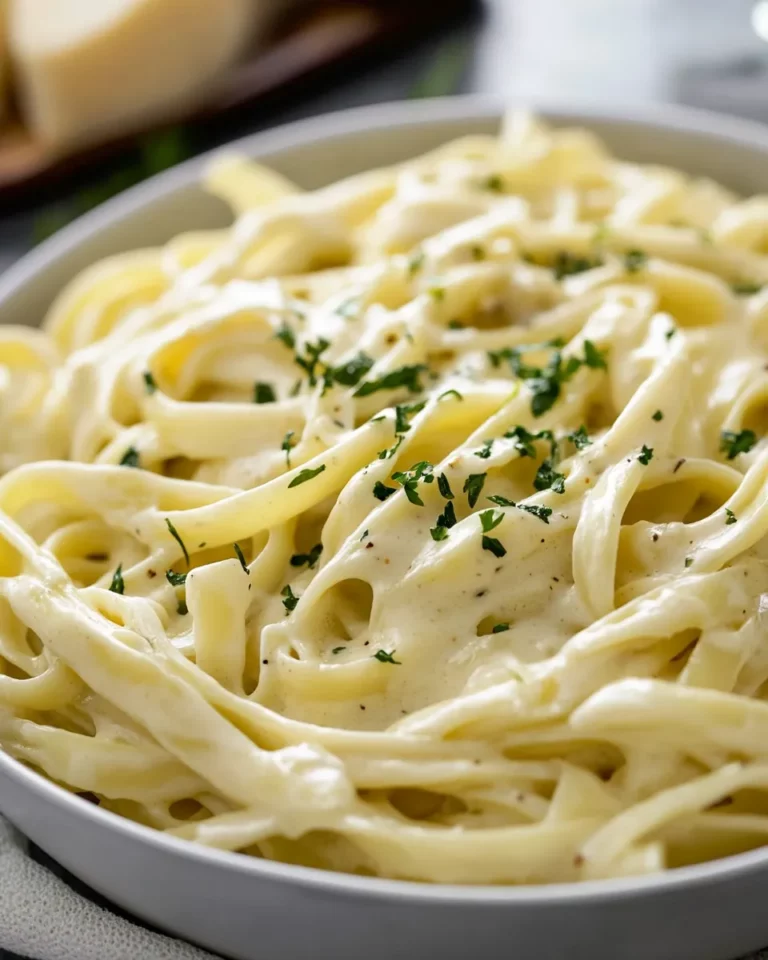
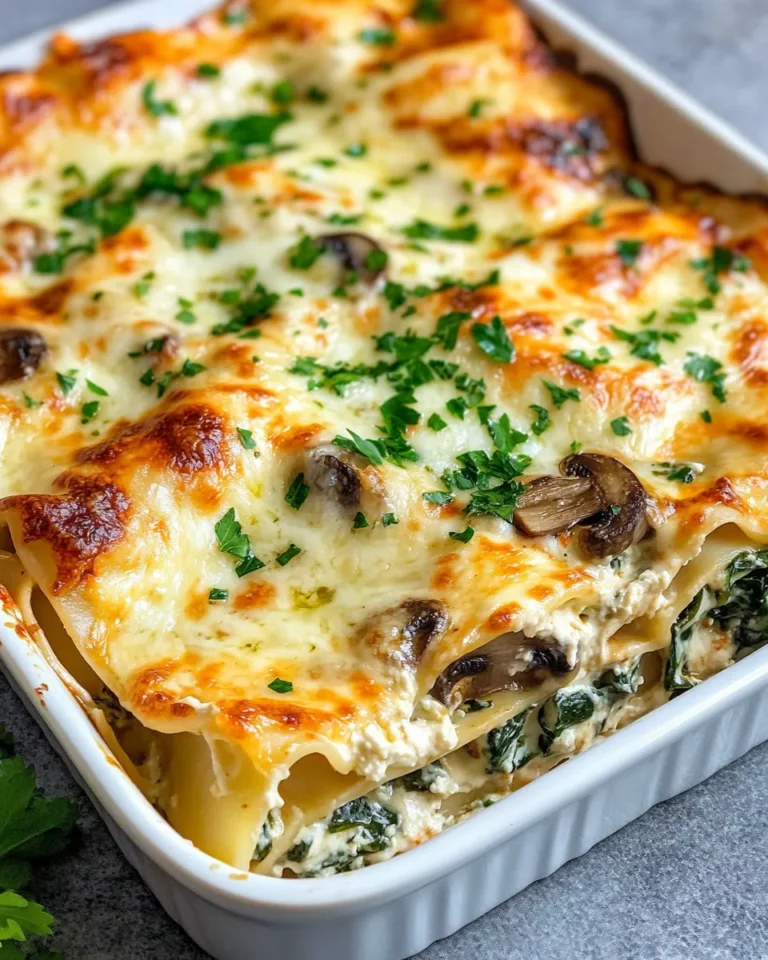
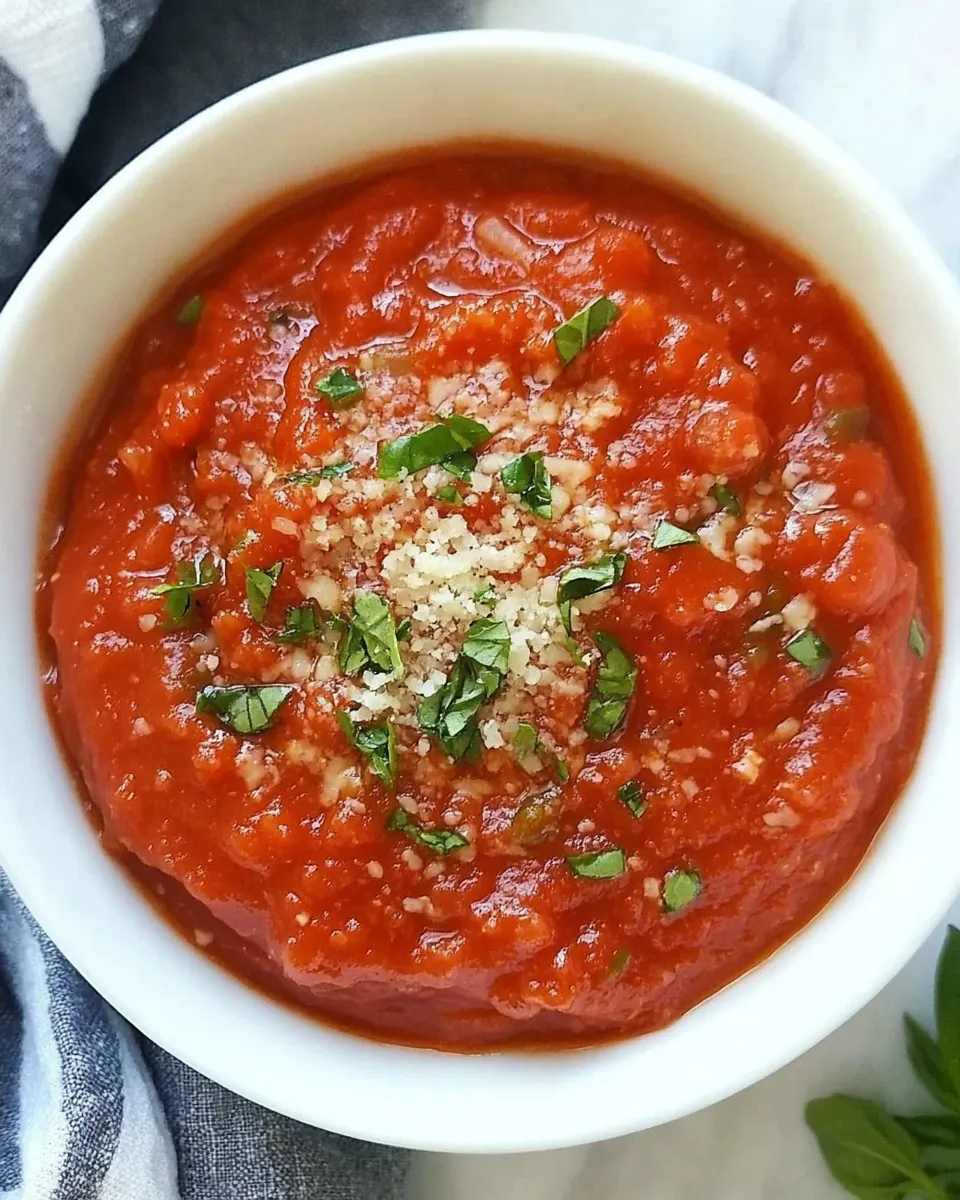
- Serve the marinara with pasta, vegetables, layered in lasagna, with meatballs, on chicken or eggplant parmesan, or as a dipping sauce for garlic knots or pizza rolls.
- To freeze: cool the sauce completely, transfer to freezer bags or freezer-safe containers, and freeze for up to 3 months. Thaw overnight in the refrigerator and reheat before serving.
Why This Slow Cooker Marinara Sauce Stands Out
There are two simple reasons this sauce earns a permanent spot in my rotation: convenience and concentrated flavor. The slow cooker does the heavy lifting—low, steady heat breaks down onions and garlic and lets the herbs infuse the tomato base. You get depth without standing over a stove.
The combination of diced tomatoes and tomato paste is intentional. The diced tomatoes provide texture and body, while the tomato paste concentrates flavor and helps the sauce cling to pasta and other dishes. Adding brown sugar is a small, practical step that tames any sharp tomato acidity and rounds the overall profile—no sugar overload, just balance.
Finally, the recipe is forgiving. The dried herbs stand up to long cooking, and crushed red pepper gives just enough kick to keep the sauce lively. If you want smoother texture, an immersion blender finishes it without losing the slow-cooked character.
Flavor-Forward Alternatives
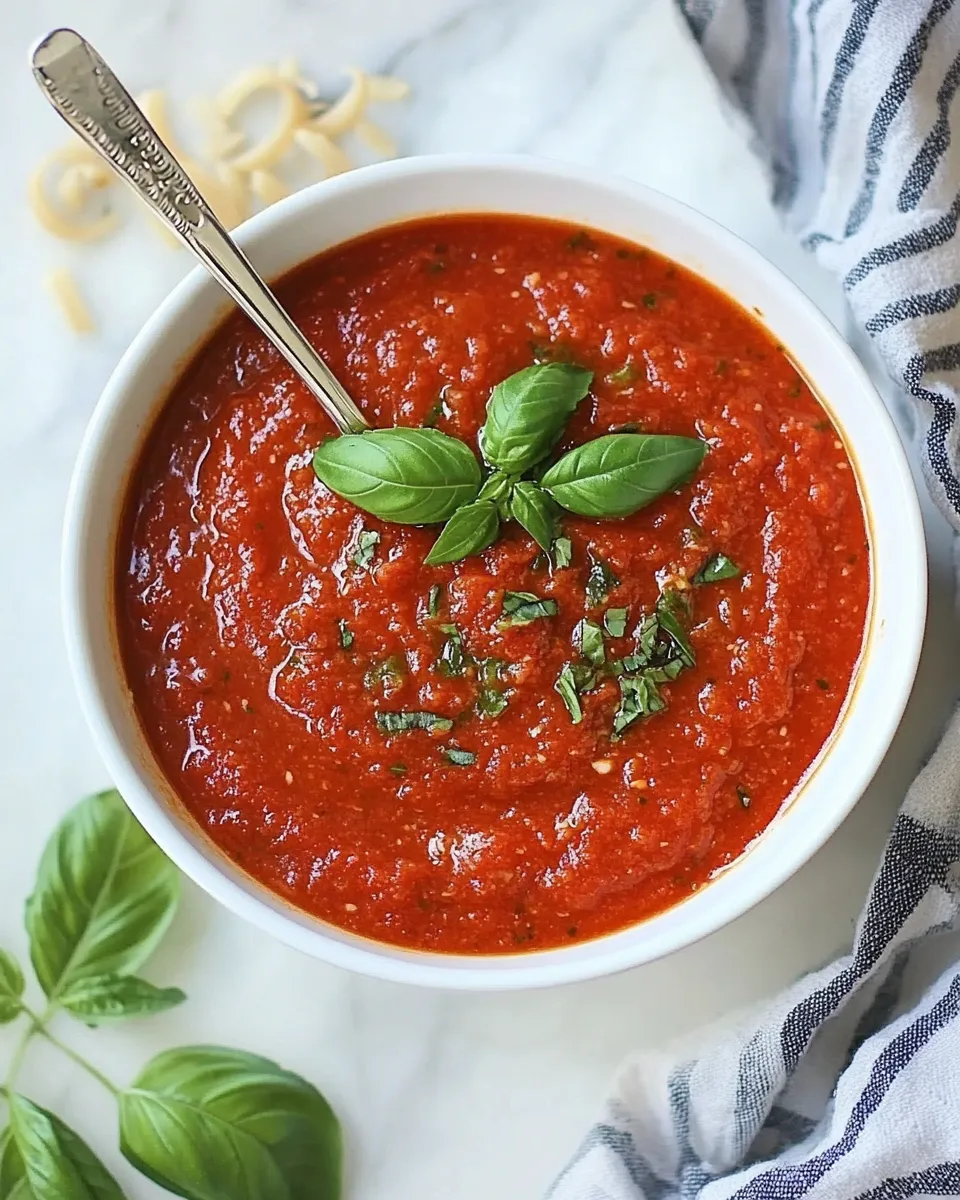
- Fresh herb finish: Stir in torn fresh basil or flat-leaf parsley right before serving to lift the sauce and add brightness.
- Roasted garlic: Swap the raw garlic for 4–6 cloves of roasted garlic for a sweeter, mellow garlic flavor.
- Onion variations: Use a yellow or sweet onion as written, or try a red onion for a slightly fruitier note.
- Umami boost: Stir in a teaspoon of Worcestershire sauce or a small squeeze of anchovy paste at the end for savory depth (use sparingly).
- Meaty add-ins: Brown ground beef, Italian sausage, or turkey separately and add to the sauce in the last hour if you want a meat sauce.
- Smoky twist: Add a tablespoon of smoked paprika for a subtle smoky layer that pairs well with roasted vegetables or sausage.
Kitchen Gear Checklist
- Slow cooker: A 4–6 quart model works well for this quantity.
- Sharp knife and cutting board: For dicing the onion and prepping garlic.
- Spoon or spatula: For stirring and tasting.
- Immersion blender or countertop blender: For smoothing the sauce if desired.
- Measuring spoons: For the herbs, oil, and sugar.
- Can opener: To open the tomatoes and paste.
- Freezer containers or bags: For storing leftovers and freezing portions.
Avoid These Traps
- Skipping the bay leaves or forgetting to remove them: The leaves add depth while cooking but are not pleasant to bite into, so remove before serving.
- Over-salting early: Salt concentrates as the sauce reduces. Wait until the end to fine-tune seasoning.
- Blending hot sauce incorrectly: When using a countertop blender, vent the lid slightly and hold it with a towel so steam can escape—otherwise you risk a hot splatter.
- Too short a cook time: The Low 8-hour setting develops the best flavor. High for 2–4 hours works, but the sauce won’t have the same depth.
- Not tasting before serving: Slow-cooked sauces can change in concentration; always taste and adjust salt, pepper, or sugar at the end.
Holiday & Seasonal Touches
Seasonal tweaks turn this marinara into something festive or tuned to the produce of the moment. In summer, stir in chopped fresh basil and a splash of good extra-virgin olive oil right before serving for a bright, vibrant finish. For autumn and winter, add roasted red peppers or a glug of red wine in the first hour of cooking for added warmth and complexity.
For holiday meals like a crowd-pleasing lasagna or baked ziti, make the sauce two days ahead to let flavors rest in the fridge; reheating and finishing it just before assembling gives a more cohesive flavor. Freeze individual portions for quick holiday sides or last-minute dinners when you need sauce fast.
Notes from the Test Kitchen
I tested this exact method multiple times to make sure the timings and technique were reliable. The Low 8-hour cycle consistently produced a well-rounded, well-textured sauce with softened vegetables and herb integration. The High setting works if you’re short on time, but the sauce will be brighter and less melded.
When testing, I also found that a short pre-sauté of the onion and garlic in the olive oil (2–3 minutes) before adding them to the slow cooker adds a touch of sweetness and removes raw onion sharpness. This isn’t required, but it’s a small step that improves texture if you have the time.
The Hunt’s diced tomatoes and tomato paste used here provide a dependable, stable base—especially useful when tomato season isn’t at peak. If you prefer to substitute brands or fresh tomatoes, expect to adjust sugar and seasoning slightly to balance acidity.
Cooling, Storing & Rewarming
Cooling: Let the sauce cool at room temperature for up to an hour, then transfer to the refrigerator to finish cooling. Don’t leave perishable food out more than two hours.
Refrigerating: Store in an airtight container in the refrigerator for 4–5 days. Reheat gently on the stove over low-medium heat, stirring occasionally, until warmed through.
Freezing: As noted in the stepwise method, cool the sauce completely, transfer to freezer bags or freezer-safe containers, and freeze for up to 3 months. When you’re ready to use it, thaw overnight in the refrigerator and reheat on the stove. If reheating from frozen, use a low simmer and stir frequently to prevent scorching.
Your Top Questions
- Can I use fresh tomatoes instead of canned? Yes, but fresh tomatoes vary in sweetness and acidity. If you use fresh, you may need to cook longer and adjust brown sugar and salt to taste.
- Can I brown meat in the slow cooker? You can, but browning separately in a skillet and adding to the sauce in the last hour gives better texture and caramelization.
- How thick will the sauce be? Thickness depends on cook time and whether you blend it. If it’s too thin, remove the lid and simmer on High for 20–30 minutes to reduce. If too thick, thin with a splash of water or stock.
- Is this recipe spicy? It has a dash of crushed red pepper for a subtle kick. Increase if you want more heat, or omit for a milder sauce.
- How much does this yield? Yield will vary depending on evaporation and any added ingredients, but it’s designed to cover a 4–6 quart slow cooker and produce enough sauce for several meals.
Save & Share
If this sauce becomes a weeknight hero for you, save it where you’ll find it—pin it, print it, or stash a note in your meal-planning app. Make a double batch when you have the slow cooker going and freeze single portions for busy nights. Leave a comment if you try it with a twist; I love hearing how readers adapt recipes to their kitchens.
Happy cooking—and may your house smell like dinner is already done.

Slow Cooker Marinara Sauce
Ingredients
Ingredients
- 1 small yellow oniondiced
- 3 clovesgarlicminced
- 228 oz cans Hunt's Diced Tomatoes
- 16 oz can Hunt's Tomato Paste
- 2 tablespoonsolive oil
- 2 bay leaves
- 1 tablespoondried basil
- 1/2 teaspoondried oregano
- 1 teaspoonbrown sugar
- Salt and black pepperto taste
- Dash of crushed red pepper
Instructions
Instructions
- Add 1small yellow oniondiced, 3clovesgarlicminced, 228 oz cans Hunt's Diced Tomatoes, 16 oz can Hunt's Tomato Paste, 2tablespoonsolive oil, 2bay leaves, 1tablespoondried basil, 1/2teaspoondried oregano, 1teaspoonbrown sugar, Salt and black pepperto taste, and a Dash of crushed red pepper to the slow cooker. Stir to combine and put the lid on.
- Set the slow cooker to Low and cook for 8 hours (preferred). Alternatively, you can cook on High for 2–4 hours if short on time.
- When cooking is complete, turn off the slow cooker, remove the lid, and stir the sauce. Use a spoon to remove and discard the bay leaves.
- If you want a smoother sauce, puree it: either use a hand (immersion) blender directly in the slow cooker until you reach the desired consistency, or transfer the sauce in batches to a countertop blender. If using a countertop blender, let the sauce cool slightly, fill the blender only halfway, hold the lid with a kitchen towel, and vent the lid slightly to allow steam to escape before blending.
- Taste the sauce and season with additional Salt and black pepperto taste, if needed.
- Serve the marinara with pasta, vegetables, layered in lasagna, with meatballs, on chicken or eggplant parmesan, or as a dipping sauce for garlic knots or pizza rolls.
- To freeze: cool the sauce completely, transfer to freezer bags or freezer-safe containers, and freeze for up to 3 months. Thaw overnight in the refrigerator and reheat before serving.
Equipment
- Slow Cooker
- immersion blender (optional)
- Countertop blender (optional)