Quick Garlic Knots
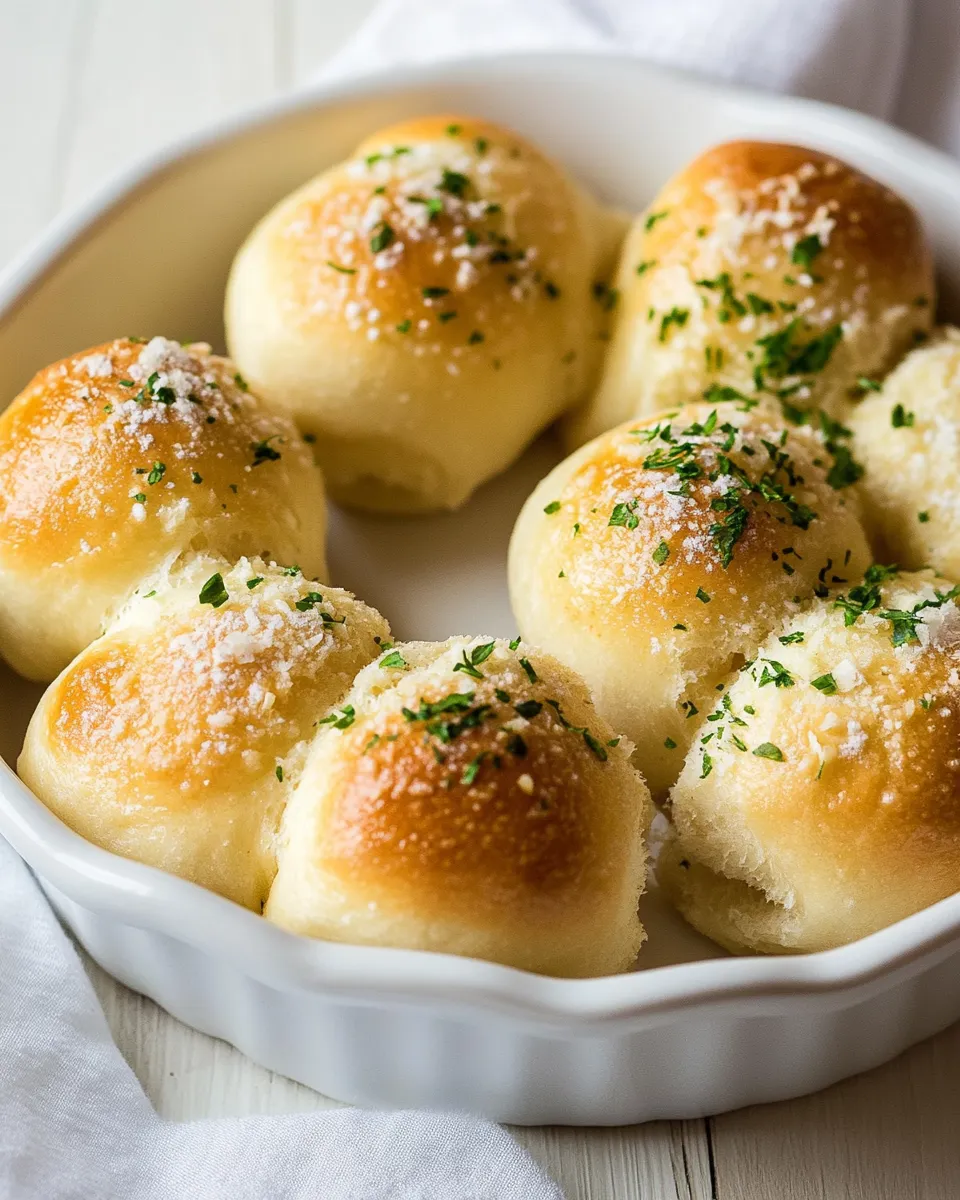
These garlic knots are the kind of recipe I turn to when friends drop by unannounced or when I want something comforting on a weeknight without a long fuss. They bake up tender, pull-apart soft, and carry a glossy, garlicky finish that makes people keep reaching for one more. They’re straightforward, forgiving, and reliably crowd-pleasing.
I like them because the technique is simple: a rich dough, a quick rest, a brief bake, and a buttery garlic finish. There’s no complicated shaping, and you can make a dozen perfect knots in about an hour from start to finish. That balance of speed and deliciousness is what keeps this recipe in my regular rotation.
Below you’ll find the exact ingredients the recipe uses, step-by-step directions lifted from the tested method, and practical notes from my testing so you can skip the mistakes I made the first time around. Let’s get to it.
Ingredient Notes

Every ingredient here has a job. The scalded whole milk starts the dough with moisture and a slightly richer flavor; scalding changes the proteins enough to mellow the milk and improve dough texture. The butter is split between the dough and the finishing butter so the interior gets richness while the exterior gets that glossy, garlicky coat that everyone loves.
The yeast and sugar work together to jumpstart fermentation. The recipe calls for dry active yeast, which likes to be dissolved and proofed briefly in a warm liquid. The sea salt is divided so you season without inhibiting the yeast early on. Parmesan and Italian seasoning are finishing touches—sparse but effective.
Finally, the garlic is minced and warmed briefly in butter to take the raw edge off and perfume the oil. That step is small but crucial: bright raw garlic can dominate. Mildly warmed garlic butter gives you a deeper, more even flavor across each knot.
Ingredients
- 5 cups all-purpose flour — provides structure for the dough; measure by spooning into the cup and leveling for accuracy.
- 1 1/4 cups whole milk scalded — warms and hydrates the dough; let it cool to just above lukewarm before adding yeast.
- 1 1/2 cups unsalted butter divided — half goes into the dough for tenderness; the rest becomes the garlic butter glaze.
- 1/4 cup granulated sugar — feeds the yeast and adds a touch of caramelized color to the bake.
- 1 tablespoon dry active yeast — the leavening that makes the knots rise; it’s proofed in the warm milk.
- 3 teaspoons sea salt divided — split so the yeast isn’t inhibited early and the final flavor is balanced.
- 3 cloves garlic, minced — warmed briefly in butter to mellow and infuse the flavor.
- 1 teaspoon Italian seasoning herb blend — a simple herb lift for the garlic butter.
- 1/4 cup grated Parmesan cheese — sprinkled after the butter for a savory finish.
Stepwise Method: Garlic Knots
- Place the scalded milk in a heatproof bowl and let it cool until warm to the touch (about 100–115°F / just above lukewarm).
- Stir 1/2 cup unsalted butter into the warm milk until melted. Add the granulated sugar, 1 cup of the all-purpose flour, and the dry active yeast. Stir to combine, then let the mixture sit 5 minutes until the yeast is foamy.
- Fit a stand mixer with the dough hook and start it on low. Add 2 teaspoons of the sea salt and the remaining 4 cups all-purpose flour to the bowl. Increase the speed to medium-high and knead for 5 minutes, until the dough is smooth and elastic.
- Turn the dough out onto a lightly floured surface. Divide the dough into 12 equal pieces. Roll each piece into a rope about 6–7 inches long and tie each rope into a loose knot. Place the knots on two parchment-lined baking sheets, spacing them about 4 inches apart.
- Cover the knots loosely with a clean kitchen towel or plastic wrap and let them rise in a warm place about 20 minutes, until noticeably puffy. While they rise, preheat the oven to 375°F.
- Bake the knots at 375°F for 15–20 minutes, until they are lightly golden.
- While the knots bake, melt the remaining 1 cup unsalted butter in a small saucepan over low heat. Stir in the minced garlic, the remaining 1 teaspoon sea salt, and the 1 teaspoon Italian seasoning; warm briefly to infuse, then remove from heat.
- When the knots come out of the oven, dunk or brush each knot with the garlic butter to coat. Return them to the baking sheets and sprinkle evenly with the 1/4 cup grated Parmesan cheese.
- Serve the garlic knots warm.
Why Cooks Rave About It
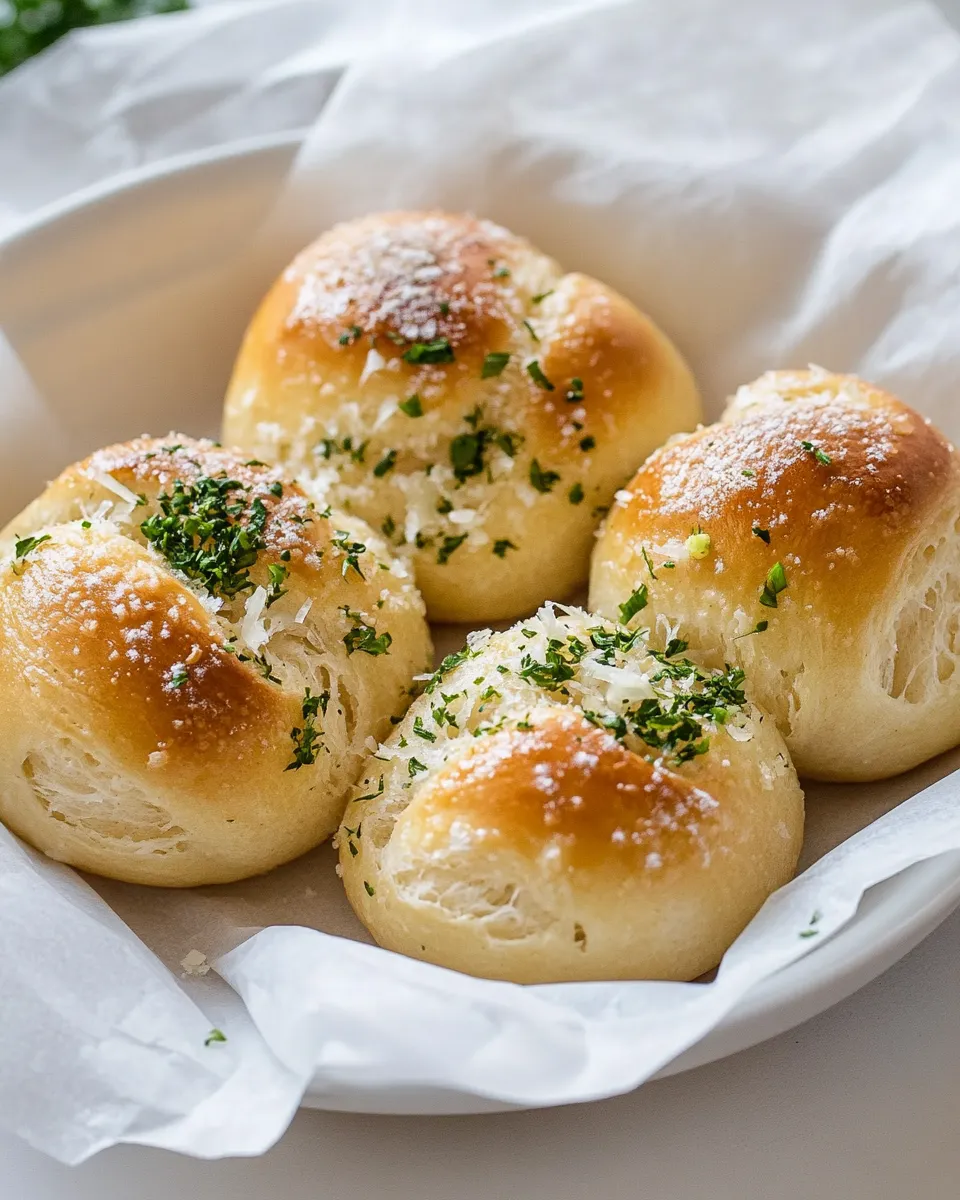
These knots hit a satisfying intersection of texture and flavor without drama. The crumb is soft and slightly pillowy from the milk and butter, while the short bake time keeps them tender. Dunking or brushing them right out of the oven locks in moisture and gives the butter a glossy sheen that holds the Parmesan and herbs.
They’re also versatile. Serve them with a simple salad, alongside soup, or as part of a larger spread. People respond to garlicky, buttery baked goods because they’re immediately comforting but still feel a bit special—like you made more of an effort than you actually did.
Texture-Safe Substitutions
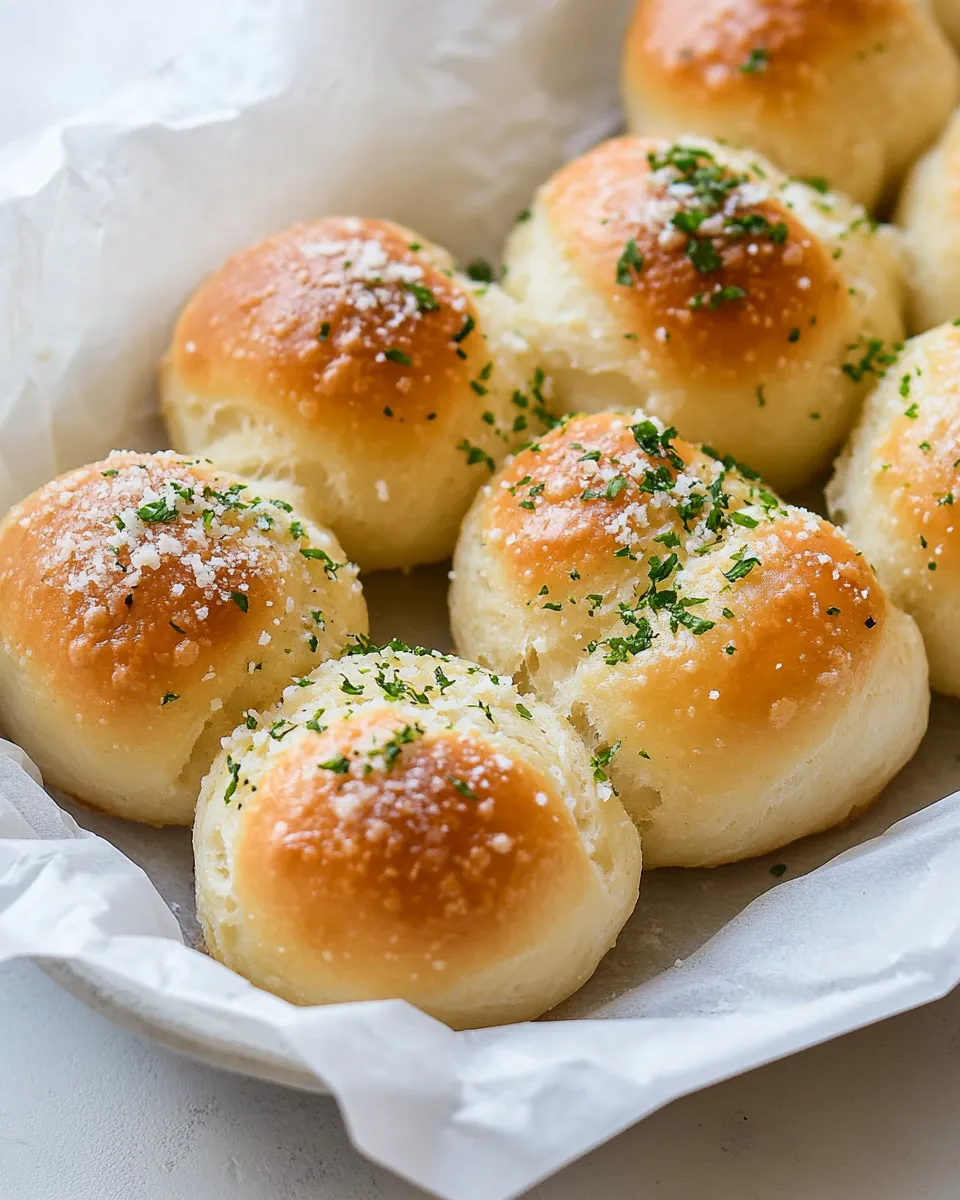
If you want to change the texture without introducing new ingredients, adjust technique rather than components. Knead a couple of minutes longer for a chewier interior. Shorten knead time slightly for a softer, more tender crumb. Likewise, a slightly longer second rise (an extra 10–15 minutes) gives a loftier, airier knot.
Bake a few minutes less for a very soft, barely-golden finish; bake up to the full 20 minutes for more color and a slightly firmer bite. For the garlic butter, warm briefly to infuse without browning; overheating the garlic will give a bitter edge and alter texture perception.
Recommended Tools
- Stand mixer with dough hook — makes the 5-minute knead effortless and consistent.
- Heatproof bowl — for cooling scalded milk safely.
- Kitchen thermometer — handy for checking milk temperature (100–115°F is the target for the yeast).
- Parchment-lined baking sheets — prevent sticking and make cleanup quick.
- Small saucepan — for gently infusing the garlic into the butter.
- Bench scraper or sharp knife — for dividing dough into 12 even pieces.
Easy-to-Miss Gotchas
Milk temperature matters: too hot and you kill the yeast; too cool and the yeast won’t foam. Aim for just above lukewarm. Proofing is short here—only about 20 minutes—so if your kitchen is cool, expect a slightly longer rise. Don’t skip the divided salt: adding all the salt at once, upfront, can slow yeast activity.
When tying knots, keep them loose. Tight knots tighten further while baking and can become dense. Also, brush or dunk while the knots are hot. If you wait until they cool, the butter won’t absorb the same way and the herbs and Parmesan won’t stick as well.
Warm & Cool Weather Spins
In warm weather, proofing will happen faster. Keep an eye on the knots during the 20-minute rise; they may puff sooner. In cooler weather, create a gentle warm spot: an oven with just the light on or sitting near a warm appliance works well. If your kitchen is very cool, add 5–10 extra minutes to the rise rather than increasing dough temperature dramatically.
If humidity is high, the dough can feel stickier; dust lightly with flour while shaping, but avoid adding large amounts of extra flour—too much will dry out the crumb. In dry winter air, the dough may form a skin; cover well with plastic wrap or a damp kitchen towel.
What I Learned Testing
On my first attempt I tied the knots too tightly and ended up with dense centers. Loosening the knot by a half-turn made a big difference. I also tested dunking versus brushing with the garlic butter: dunking yields more saturated, quicker coating, while brushing gives more control and a lighter finish that some prefer.
I discovered timing matters: dunking straight out of the oven gets the butter to absorb into the pores of the crust. Waiting even five minutes changes how glossy and moist the finished knot feels. Lastly, don’t underestimate the grated Parmesan. A modest sprinkle after buttering gives a savory lift that balances the fat and garlic beautifully.
Freezer-Friendly Notes
You can freeze these at two points: shaped and unbaked after the short rise, or fully baked. For unbaked freezing, place the knots on a baking sheet until firm, then transfer to a freezer bag; bake from frozen, adding a few minutes to bake time and watching for golden color. For baked knots, cool completely, freeze in a single layer, then transfer to a bag. Reheat in a 350°F oven until warmed through and the exterior revives.
When freezing dough, label with the date and use within one month for best quality. The garlic butter can be made ahead and frozen in a small container; thaw in the refrigerator and warm gently before brushing.
Your Questions, Answered
Q: Can I make these ahead? A: Yes. Shape and freeze after shaping, then bake from frozen; or bake fully, cool, and reheat. Either works depending on how hands-off you want the day of serving.
Q: How do I know the milk is the right temperature? A: It should feel warm to the touch but not hot—around 100–115°F. If you don’t have a thermometer, cool the milk until it’s just warmer than your wrist.
Q: What if my yeast doesn’t foam? A: If the yeast doesn’t foam after 5 minutes, the yeast may be old or the milk too hot/cool. Start over with fresh yeast and ensure the liquid temperature is right.
Q: Should I dunk or brush the knots? A: Dunking gives a bolder butter coating quickly; brushing gives control and a lighter finish. Both deliver great results—choose based on how indulgent you want them to be.
Final Bite
These garlic knots are a dependable, delicious hit—fast enough for weeknights, special enough for company. The method is forgiving, and the payoff is immediate: warm, buttery, garlic-scented knots that disappear quickly. Try a batch this week. Shape loosely. Dunk or brush generously. Then sit back and enjoy the sound of people reaching for another.

Quick Garlic Knots
Ingredients
Ingredients
- 5 cupsall-purpose flour
- 1 1/4 cupswhole milkscalded
- 1 1/2 cupsunsalted butterdivided
- 1/4 cupgranulated sugar
- 1 tablespoondry active yeast
- 3 teaspoonssea saltdivided
- 3 clovesgarlic minced
- 1 teaspoonItalian seasoningherb blend
- 1/4 cupgrated Parmesan cheese
Instructions
Instructions
- Place the scalded milk in a heatproof bowl and let it cool until warm to the touch (about 100–115°F / just above lukewarm).
- Stir 1/2 cup unsalted butter into the warm milk until melted. Add the granulated sugar, 1 cup of the all-purpose flour, and the dry active yeast. Stir to combine, then let the mixture sit 5 minutes until the yeast is foamy.
- Fit a stand mixer with the dough hook and start it on low. Add 2 teaspoons of the sea salt and the remaining 4 cups all-purpose flour to the bowl. Increase the speed to medium-high and knead for 5 minutes, until the dough is smooth and elastic.
- Turn the dough out onto a lightly floured surface. Divide the dough into 12 equal pieces. Roll each piece into a rope about 6–7 inches long and tie each rope into a loose knot. Place the knots on two parchment-lined baking sheets, spacing them about 4 inches apart.
- Cover the knots loosely with a clean kitchen towel or plastic wrap and let them rise in a warm place about 20 minutes, until noticeably puffy. While they rise, preheat the oven to 375°F.
- Bake the knots at 375°F for 15–20 minutes, until they are lightly golden.
- While the knots bake, melt the remaining 1 cup unsalted butter in a small saucepan over low heat. Stir in the minced garlic, the remaining 1 teaspoon sea salt, and the 1 teaspoon Italian seasoning; warm briefly to infuse, then remove from heat.
- When the knots come out of the oven, dunk or brush each knot with the garlic butter to coat. Return them to the baking sheets and sprinkle evenly with the 1/4 cup grated Parmesan cheese.
- Serve the garlic knots warm.
Equipment
- Stand mixer
- dough hook
- Mixing Bowl
- Baking Sheet
- Parchment Paper
- Small Saucepan
- Kitchen Towel
Notes
NOTE:
If you have double ovens, you can set one to 180 degrees F and one to 375 degrees F, for an even faster transition.