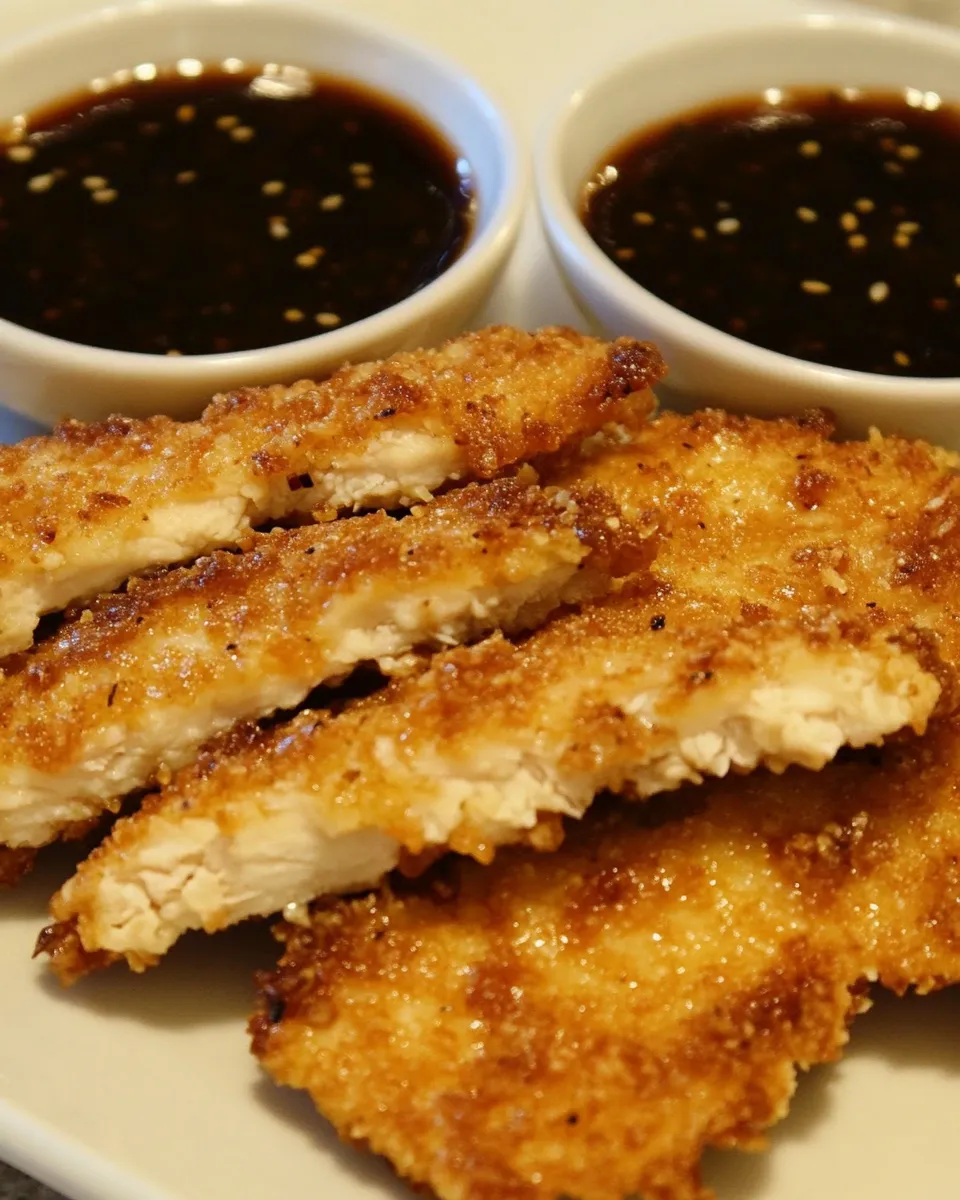
Panko Chicken With Apricot Dipping Sauce
I make this panko chicken on loop when I want dinner that feels special but doesn’t demand a late night in the kitchen. The crust is improbably crisp, the chicken stays juicy because the breasts are pounded thin, and the apricot dipping sauce brings a bright, sweet-salty note that makes every bite pop. It’s a dish that reads like takeout and lands like homemade comfort.
Timing is forgiving: while the sauce comes together in a minute, the dredging and frying move quickly once your stations are set up. That little bit of prep—flattening the breasts, arranging flour, eggs, and panko—keeps the pan work smooth and the results consistent. If you’ve got kids or friends, this is a great recipe to stage as a team task: someone mixes the sauce, someone breads, someone fries.
Below you’ll find the ingredient list, the step-by-step directions exactly as I follow them, and practical notes from the test kitchen. Read the tips, pick a handful that matter to you, and keep the rest in your back pocket. This recipe rewards calm, steady work more than speed—and you’ll love the payoff.
Ingredients

- 4 small boneless skinless chicken breasts, about 6 ounces each, pounded to 1/4 inch thickness — Pound evenly so the chicken cooks quickly and stays tender.
- 1/3 cup all-purpose flour — Helps the egg adhere and creates a thin barrier between chicken and crumbs.
- 2 large eggs — Beaten, they bind the panko to the chicken for a crunchy crust.
- 1 1/2 cups panko bread crumbs — These give the signature light, crunchy texture; do not press them into the meat.
- 1/4 cup oil for frying — Neutral oil with a high smoke point is best; used sparingly for pan-frying.
- 3/4 cup apricot preserves/jam — The base of the dipping sauce; provides sweetness and body.
- 3 tablespoons natural ketchup — Adds tang and a touch of acidity to balance the jam.
- 3 tablespoons soy sauce — Brings saltiness and a savory counterpoint to the sweet apricot.
- 1 teaspoon Worcestershire sauce — A small amount rounds the sauce with umami depth.
What’s in the Bowl
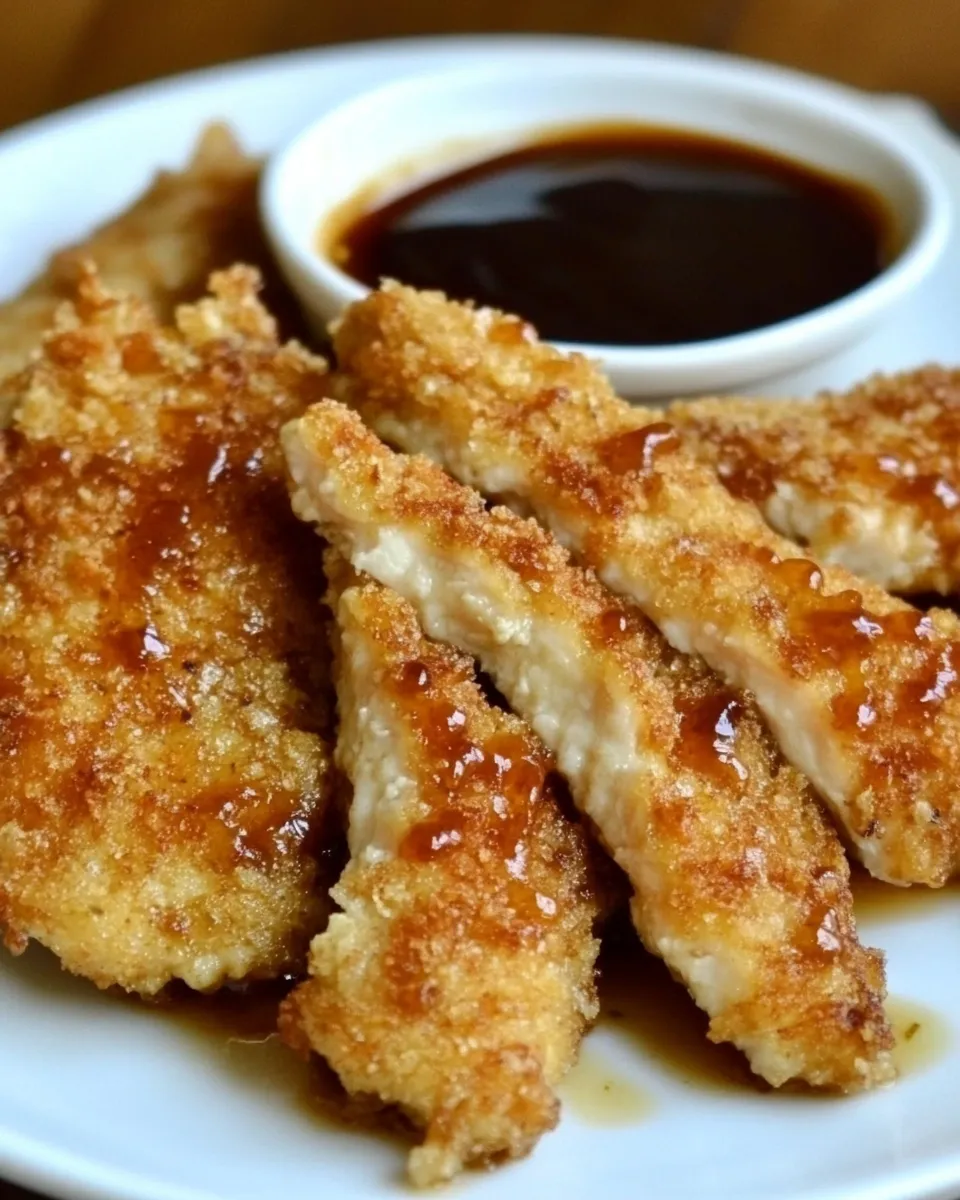
The dipping sauce is deceptively simple: apricot preserves, ketchup, soy sauce, and Worcestershire. That combination takes a single spoonful from sweet to layered and savory, which is exactly what a crisp, panko-coated cutlet needs. I divide the sauce into four small bowls so it’s ready for dipping at the table—neat and communal.
The breading setup is classic and efficient: flour, beaten eggs, and panko. Flour dries the surface and helps the egg cling. The egg creates an adhesive layer for the panko, and the panko itself fries up with that airy, shattering crunch that lots of finer crumbs simply can’t match. Keep the stations close to the pan to move quickly once the oil is hot.
Mastering Panko Chicken With Apricot Dipping Sauce: How-To
- Make the dipping sauce: in a medium bowl combine 3/4 cup apricot preserves/jam, 3 tablespoons natural ketchup, 3 tablespoons soy sauce, and 1 teaspoon Worcestershire sauce. Stir until smooth, then divide the sauce among four small dipping bowls and set aside.
- Prepare the dredging stations: spread 1/3 cup all-purpose flour on a plate, crack and beat 2 large eggs in a shallow bowl, and spread 1 1/2 cups panko bread crumbs on a separate plate. Confirm the 4 small boneless skinless chicken breasts are pounded to 1/4-inch thickness.
- Bread the chicken, one breast at a time: dredge a chicken breast in the flour and shake off any excess, dip it into the beaten eggs until coated, then transfer it to the panko and coat evenly. Do not press the panko into the chicken; just turn the breast to coat all sides. Repeat with the remaining breasts.
- Heat the oil: pour 1/4 cup oil for frying into a large frying pan and heat over medium-high until the oil is very hot but not smoking.
- Fry the chicken: add the breaded chicken breasts to the pan (do not crowd; cook in batches if needed) and immediately reduce the heat to medium. Fry about 4 minutes on the first side, then flip and fry about 4 minutes on the second side, until the crust is golden brown and the chicken feels firm when pressed in the center. Reduce the heat if the crumbs are browning too quickly.
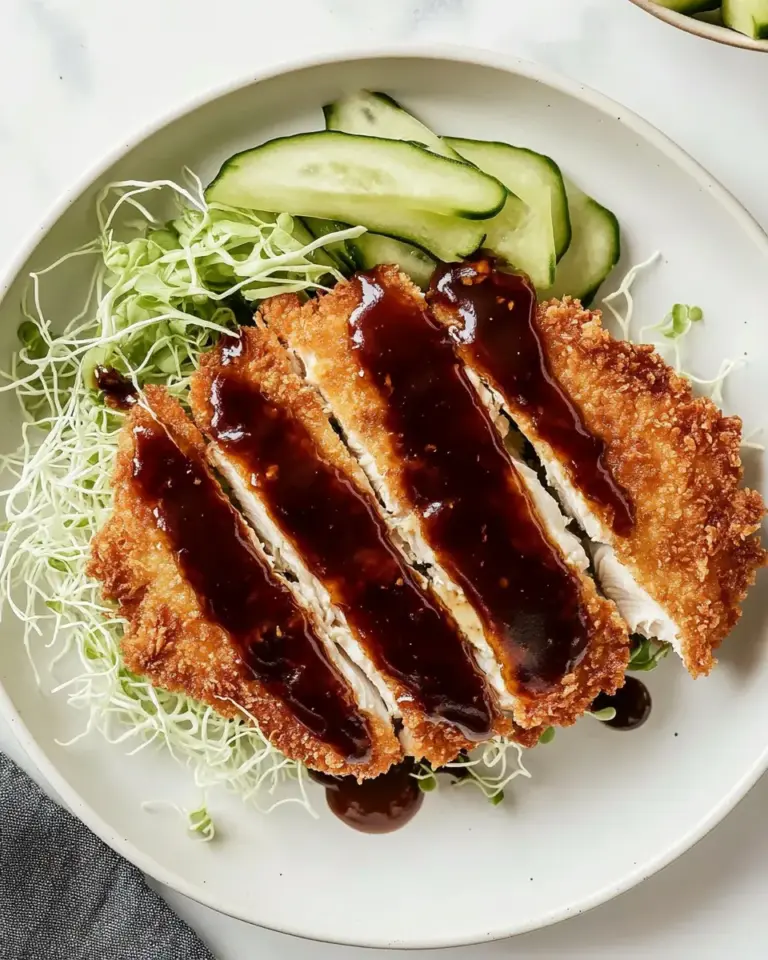
- Rest and slice: transfer the cooked breasts to a cutting board and let rest briefly. Slice each breast across the grain into wide strips.
- Serve: arrange the chicken strips on individual plates and serve immediately with the apricot dipping sauce.
Why This Recipe is a Keeper
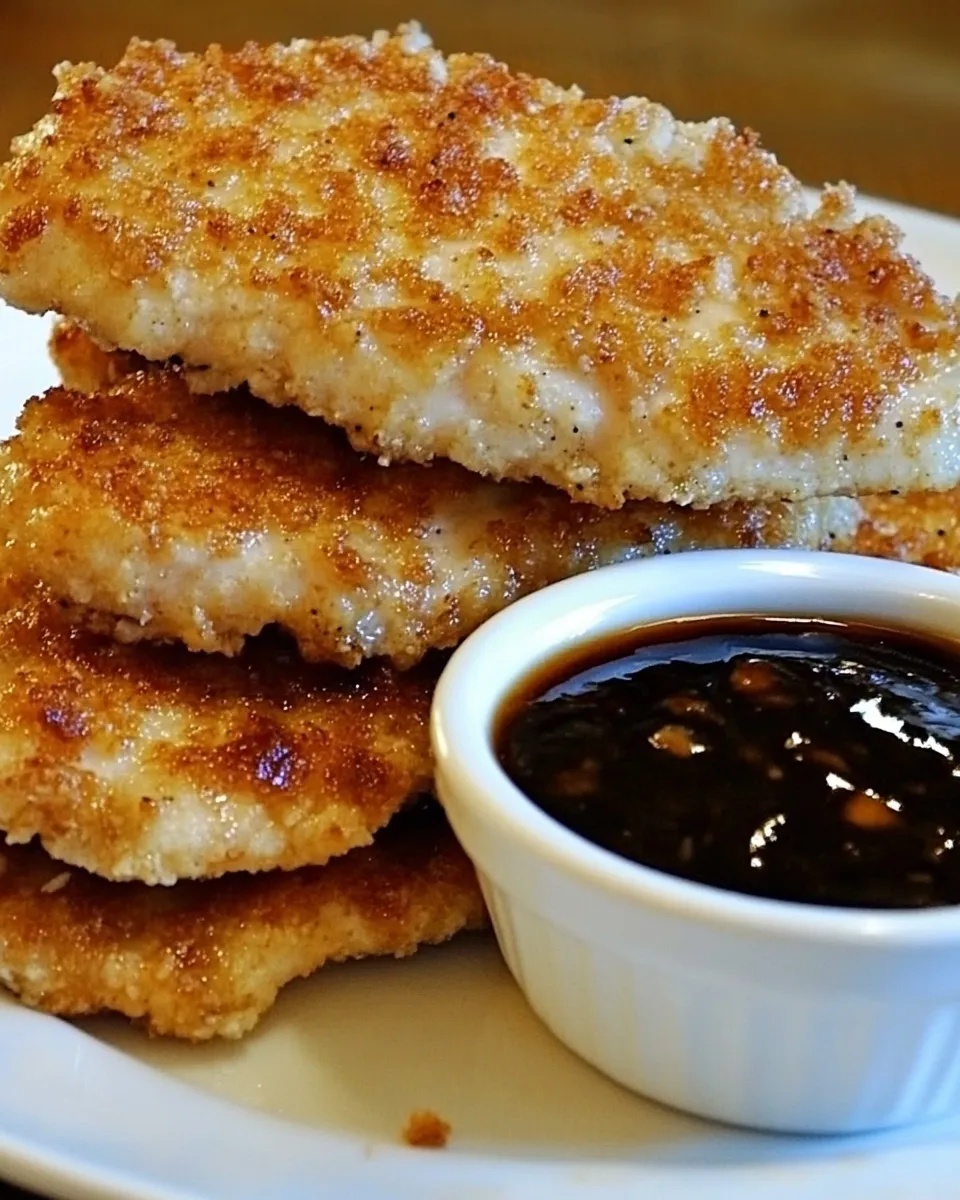
There are three reasons this one sticks in my rotation. First, the texture contrast: airy, crunchy panko next to juicy, thin-cut chicken is hugely satisfying. Second, speed. Once the breasts are flattened and stations are set, the cook time is short—about 8 minutes per batch—so dinner comes together fast. Third, flavor balance: the apricot sauce is sweet up front, savory underneath, and it pairs beautifully with the toasted panko.
This recipe also scales well. Double the sauce components if you want leftovers for sandwiches or salads, and you can hold the cooked strips in a low oven for a few minutes if you need to finish a sides plate. It’s crowd-pleasing without being fussy.
Substitutions by Category
- Protein — Chicken breasts can be swapped for thin turkey cutlets or pork cutlets; adjust cook time for thickness.
- Coating — If you don’t have panko, medium- or coarse-textured plain breadcrumbs work; expect a slightly denser crust.
- Flour & Eggs — For a gluten-free option, use a GF flour blend and certified gluten-free breadcrumbs (see Better-for-You Options for more).
- Sauce — If apricot preserves aren’t available, mild peach or mango preserves can provide a similar sweet-fruity profile.
- Oil — Use a neutral oil with a high smoke point (canola, vegetable, or light olive oil). Do not use unrefined extra-virgin olive oil for frying; it burns at lower temperatures.
Prep & Cook Tools
- Food hammer or heavy skillet — For pounding the breasts thin and even.
- Three shallow dishes or plates — One for flour, one for beaten eggs, one for panko.
- Large frying pan (12-inch preferred) — Provides enough surface to cook multiple breasts without crowding.
- Tongs or a slotted spatula — For turning the chicken gently without knocking off crumbs.
- Instant-read thermometer (optional) — Chicken should reach 165°F internally; press test for firmness also works.
- Cutting board and sharp knife — To rest and slice the breasts across the grain into strips.
Avoid These Mistakes
1) Don’t press the panko into the chicken. Pressing seals the crumbs too firmly and prevents the airy crunch you want. Gently turn each piece until coated.
2) Don’t crowd the pan. Overcrowding drops the oil temperature and gives you soggy breading. Cook in batches if needed, and keep finished pieces on a warm rack rather than stacked on a plate.
3) Don’t skip the rest. Cutting immediately lets juices run out and the strips dry. A short rest—two to three minutes—helps the juices redistribute and keeps slices moist.
4) Watch the heat. If the crumbs brown too fast, reduce the heat. You want a golden crust and cooked-through meat, not a charred exterior and raw center.
Better-for-You Options
If you want to lighten things up or need special-diet swaps, there are a few easy moves. Use a high-quality nonstick pan and reduce the oil slightly; you’ll still get a good crust if the oil covers the pan thinly and the heat is right. Swap panko for whole-wheat panko or finely ground bran breadcrumbs for more fiber. For a lower-sodium sauce, use a reduced-sodium soy sauce and adjust to taste.
For gluten-free diets, choose a certified gluten-free flour blend and gluten-free panko or crushed rice crackers as the coating. Keep the cooking steps the same—the handling and timing are what matter most for crunch and doneness.
Notes from the Test Kitchen
We cooked these three ways while testing: a single large batch in a 12-inch skillet, two small batches in a shallower pan, and a low-temp oven finish. The simplest and most consistent was a single large pan with moderate heat and one well-managed batch at a time. If you like an extra golden crust, finish in a 350°F oven for 4–5 minutes, but watch carefully so the panko doesn’t over-brown.
When forming the dredging station, keep your hands dry between steps if you can. If the panko gets clumpy, fluff it up with a fork or your fingers before coating the next breast. We tried adding a pinch of garlic powder to the panko; it’s pleasant, but I prefer the clean panko flavor here so the apricot sauce remains the star.
Storage Pro Tips
Leftover cooked strips store well. Cool completely, then refrigerate in a single layer on a parchment-lined sheet or in an airtight container for up to 3 days. Re-crisp in a 375°F oven on a wire rack for 8–10 minutes, flipping once. Microwaving makes the crust soggy—avoid if you want to preserve texture.
The apricot sauce keeps for up to a week refrigerated in a sealed container. If it separates slightly after sitting, stir or briefly whisk before serving. You can also freeze the sauce for longer storage; thaw in the refrigerator and stir to recombine.
Helpful Q&A
Q: Can I make the sauce ahead? A: Yes. The sauce actually benefits from a short rest—flavors meld overnight and it gets silkier. Divide into serving bowls just before eating.
Q: My crust isn’t crispy—what went wrong? A: Most likely the oil was too cool or the pan was crowded. Heat the oil until it’s very hot but not smoking, then reduce to medium when the chicken goes in. Cook in small batches and maintain even spacing.
Q: How can I tell when the chicken is done without a thermometer? A: Press the center lightly with your finger or a utensil; it should feel firm, not soft and jiggly. The recommended cook time in this recipe (about 4 minutes per side) assumes breasts pounded to 1/4 inch thickness.
Q: Can I bake this instead of frying? A: Yes—brush the breaded breasts lightly with oil and bake at 425°F on a wire rack set over a baking sheet for about 12–15 minutes, flipping halfway, until golden and cooked through. The crunch will be good, but the pan-fried version gives the deepest, crispiest texture.
Serve & Enjoy
Serve the sliced chicken strips hot, with the apricot dipping sauce in small individual bowls or a shared ramekin. A simple green salad, steamed vegetables, or even a slaw with a bright vinaigrette pairs nicely. Leftover strips make excellent sandwiches, salads, or a protein addition to grain bowls.
Take a moment at the table to taste the sauce against the crust—adjusting salt or acid with a quick squeeze of lemon or a tiny splash of soy can sharpen the flavors if needed. This is the kind of recipe that’s easy to tweak once you know what your diners like. Enjoy it warm, crunchy, and a little sticky from the apricot—it’s exactly the kind of meal that becomes a favorite.
Panko Chicken With Apricot Dipping Sauce
Ingredients
Ingredients
- 4 small boneless skinless chicken breasts about 6 ounces each, pounded to 1/4 inch thickness
- 1/3 cupall-purpose flour
- 2 large eggs
- 1 1/2 cupspanko bread crumbs
- 1/4 cupoil for frying
For the Apricot Dipping Sauce
- 3/4 cupapricot preserves/jam
- 3 tablespoonsnatural ketchup
- 3 tablespoonssoy sauce
- 1 teaspoonWorcestershire sauce
Instructions
Instructions
- Make the dipping sauce: in a medium bowl combine 3/4 cup apricot preserves/jam, 3 tablespoons natural ketchup, 3 tablespoons soy sauce, and 1 teaspoon Worcestershire sauce. Stir until smooth, then divide the sauce among four small dipping bowls and set aside.
- Prepare the dredging stations: spread 1/3 cup all-purpose flour on a plate, crack and beat 2 large eggs in a shallow bowl, and spread 1 1/2 cups panko bread crumbs on a separate plate. Confirm the 4 small boneless skinless chicken breasts are pounded to 1/4-inch thickness.
- Bread the chicken, one breast at a time: dredge a chicken breast in the flour and shake off any excess, dip it into the beaten eggs until coated, then transfer it to the panko and coat evenly. Do not press the panko into the chicken; just turn the breast to coat all sides. Repeat with the remaining breasts.
- Heat the oil: pour 1/4 cup oil for frying into a large frying pan and heat over medium-high until the oil is very hot but not smoking.
- Fry the chicken: add the breaded chicken breasts to the pan (do not crowd; cook in batches if needed) and immediately reduce the heat to medium. Fry about 4 minutes on the first side, then flip and fry about 4 minutes on the second side, until the crust is golden brown and the chicken feels firm when pressed in the center. Reduce the heat if the crumbs are browning too quickly.
- Rest and slice: transfer the cooked breasts to a cutting board and let rest briefly. Slice each breast across the grain into wide strips.
- Serve: arrange the chicken strips on individual plates and serve immediately with the apricot dipping sauce.
Equipment
- Large frying pan
- plates
- Mixing Bowls
- Cutting Board
- Whisk