No Oil Balsamic Salad Dressing
I love a dressing that does the job without fuss. This No Oil Balsamic Salad Dressing is one of those pantry-friendly staples I reach for when I want bold flavor and a quick finish. It brightens greens, lifts roasted vegetables, and makes a simple grain bowl feel thoughtful. There’s no emulsifying with oil needed — mustard and maple syrup do the heavy lifting.
It’s the sort of recipe you can memorize in a minute and still feel clever about. Three ingredients, one jar, and a fast shake or whisk. I’ll walk you through the exact steps, why it works, and how to keep it tasting fresh over a few days.
Ingredients

- 3tbsp.balsamic vinegar — the acidic backbone and deep sweetness; choose a quality balsamic for richer flavor.
- 2tbsp.Dijon mustard — emulsifier and tang; it helps bind the dressing and adds savory bite.
- 1tbsp.maple syrup — balances acidity with gentle sweetness; pure maple adds complexity.
What’s in the Bowl
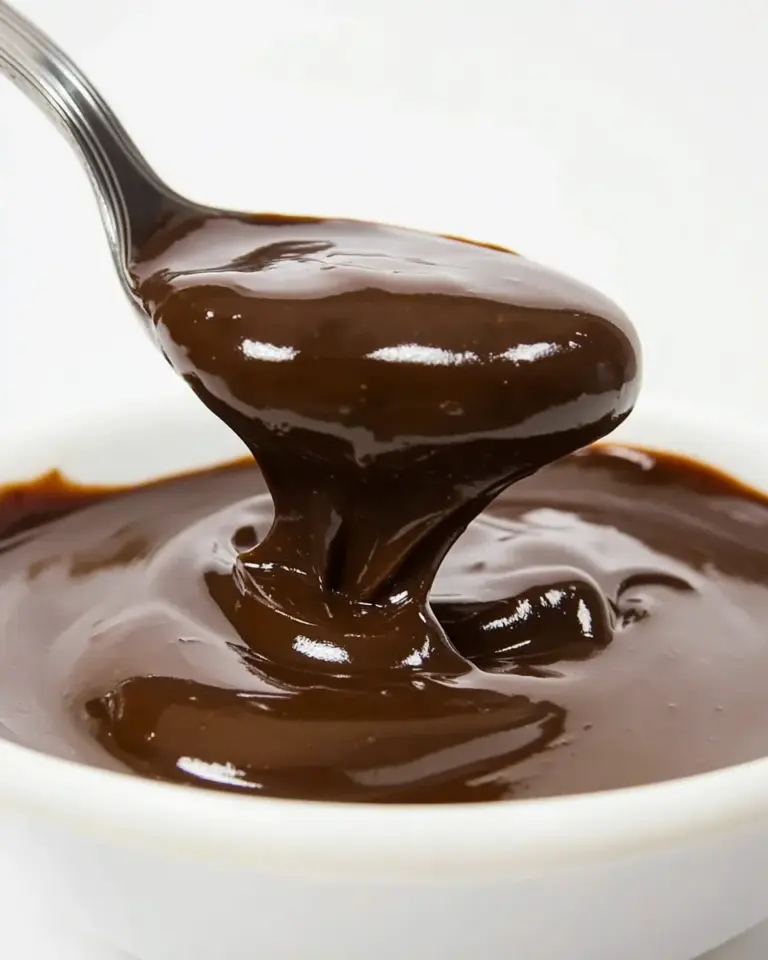
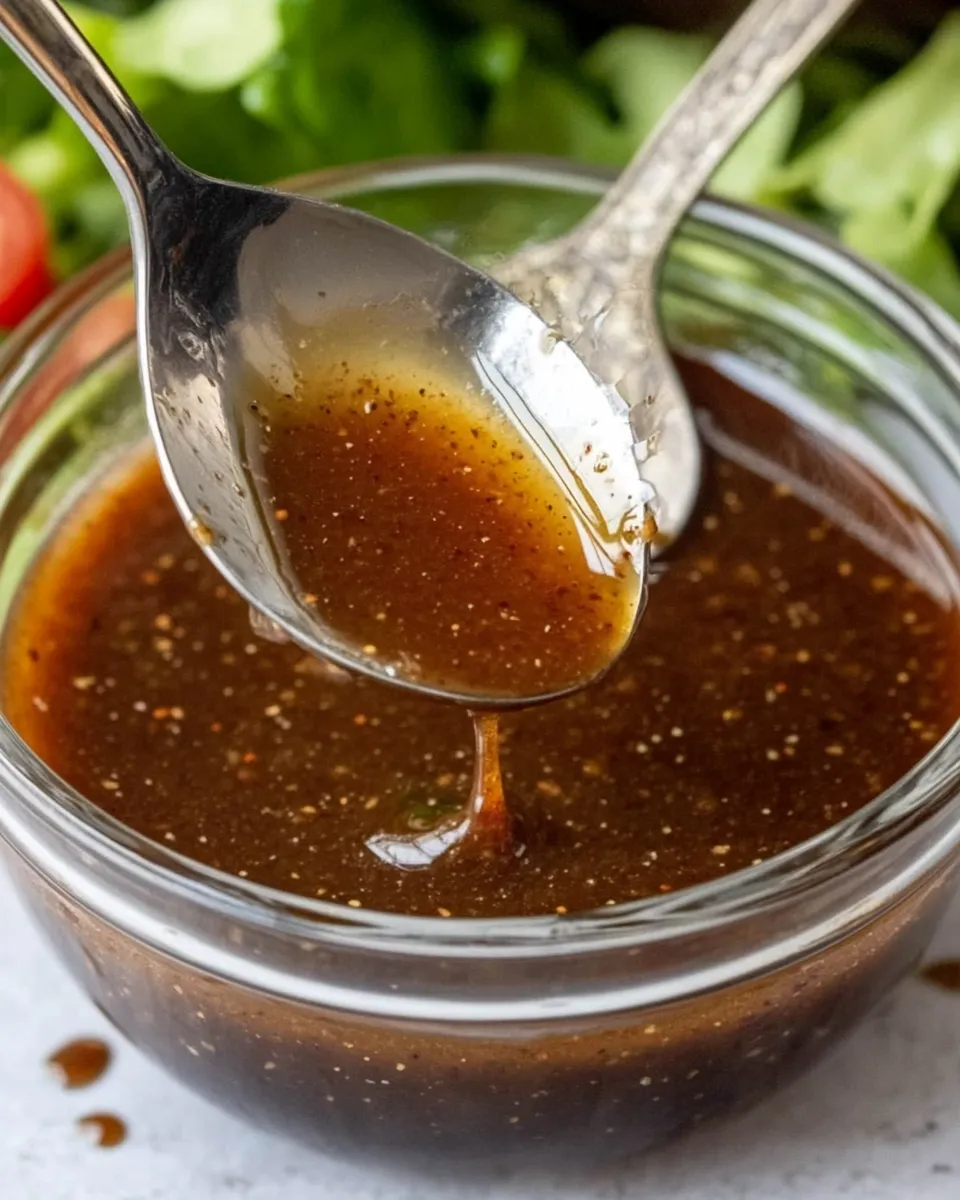
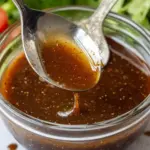
When you look into the jar or bowl for this dressing, you’ll find three things working together: balsamic vinegar for acidity and dark fruit notes, Dijon mustard to create a smooth, slightly spicy texture that stands in for oil’s mouthfeel, and maple syrup to round the edges and keep the dressing from tasting too sharp. There’s no oil gloss here — instead, the mustard stabilizes a glossy, cohesive pour.
Because the ingredient list is short, each component pulls double duty. The balsamic doesn’t just tart; it brings a molasses-like richness. The Dijon acts both as flavor and binder. And the maple adds sweetness and depth that simple sugar won’t replicate.
No Oil Balsamic Salad Dressing Made Stepwise
- Add 3 tbsp balsamic vinegar, 2 tbsp Dijon mustard, and 1 tbsp maple syrup to a Mason jar.
- Screw the lid on tightly and shake vigorously until the dressing is smooth and uniform (or whisk together in a small bowl until combined).
- Taste, then pour over salad and serve. Store any leftover dressing in the closed jar in the refrigerator.
Why It’s Crowd-Pleasing
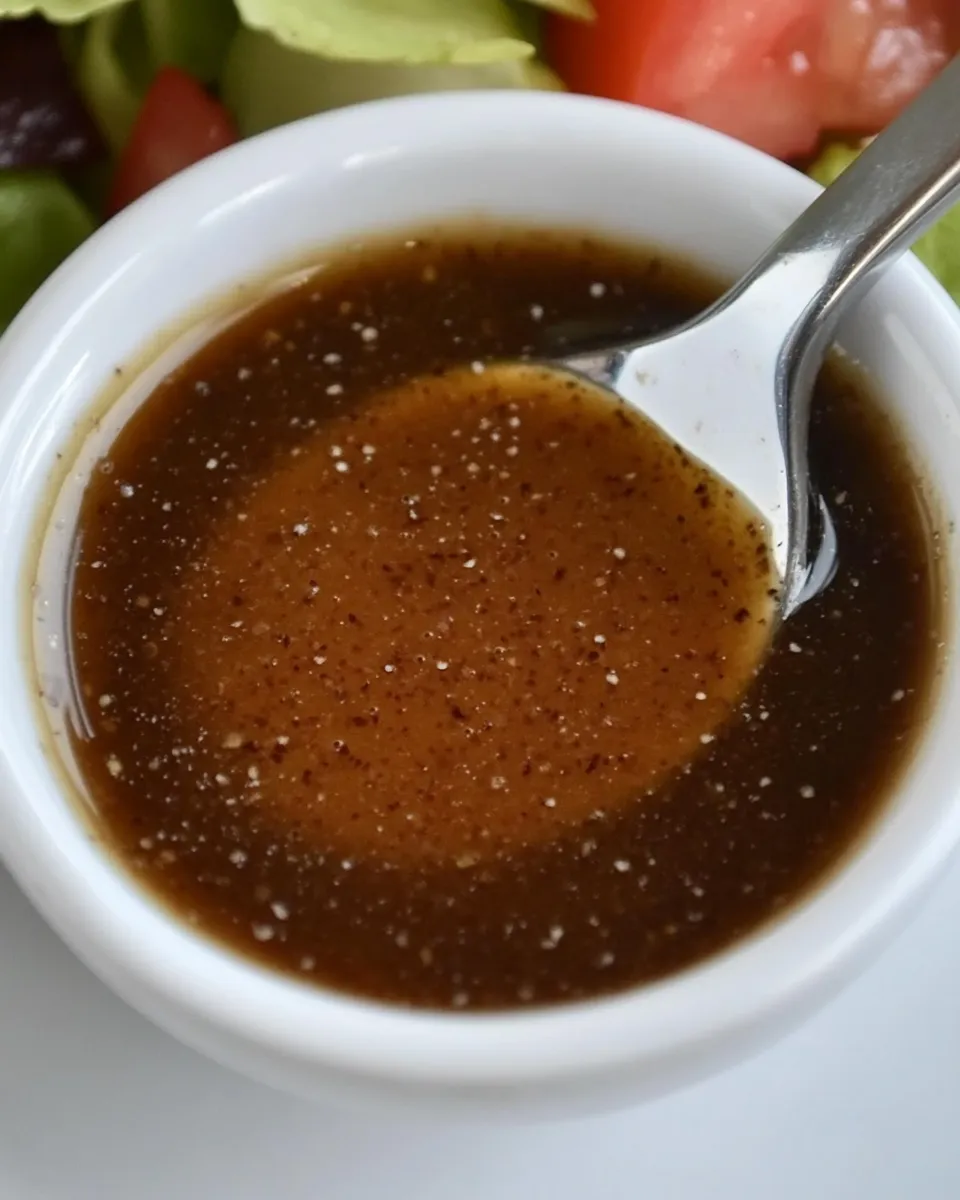
People like familiar contrasts — acid and sweet, bright and rounded — and this dressing delivers both in a compact package. The balsamic gives that enjoyable tang with a hint of caramel. Dijon mustard adds a savory, rounded edge that prevents the vinegar from feeling thin. Maple syrup ties everything together with a subtle sweetness that feels more grown-up than plain sugar.
It’s also versatile. Use it on peppery arugula, crisp romaine, or a hearty kale salad. It dresses roasted vegetables and grain bowls with the same confident ease. Guests appreciate a punchy dressing that doesn’t feel greasy; this one reads clean and intentional.
Smart Substitutions
- Swap balsamic for a milder vinegar (like red wine vinegar) if you want a lighter profile; reduce maple slightly if that vinegar is sharper.
- Use whole-grain or spicy brown mustard if you want texture and a bolder mustard note; it will change the mouthfeel but keep the emulsification working.
- Replace maple syrup with honey for a similar sweetness and viscosity, keeping in mind honey is sweeter so taste as you go.
Setup & Equipment
- Mason jar with lid — perfect for mixing and storing. The jar doubles as shaker and storage container.
- Measuring spoons — to keep the balance consistent each time.
- Whisk and small bowl — if you prefer whisking to shaking, use these.
- Small tasting spoon — for adjustments before dressing the salad.
Avoid These Mistakes
- Don’t skip the mustard — it’s the emulsifier that gives the dressing a unified texture. Without it the dressing separates into thin, sharp vinegar that won’t cling.
- Measure the vinegar and mustard carefully. A little too much vinegar will overpower the balance quickly because there’s no oil to soften it.
- Don’t over-sweeten on the first try. Add the maple syrup, taste, then adjust. Your palate and the balsamic’s sweetness may vary.
- If you shake gently, the dressing may not come together fully. A vigorous shake or a good whisk is key to a smooth result.
Dietary Customizations
- Vegan: This recipe is already vegan when you use maple syrup. It’s a quick go-to for plant-based meals.
- Gluten-free: Ingredients here are naturally gluten-free; double-check Dijon if you have strict sensitivity, though most are safe.
- Lower sugar: If you’re cutting sugar, reduce the maple syrup to 2 teaspoons and taste. You’ll lose some rounding but keep most of the bright balance.
- Nightshade-free: This dressing contains no tomatoes, peppers, or related ingredients — safe for nightshade-free plans.
What Could Go Wrong
Separation is the most common issue: without oil, the suspension can look thin and watery if not shaken well. It’s normal for a small amount of separation to occur after sitting, but a quick shake will reunite it. If the dressing tastes too sharp, it likely needs a touch more sweetness or a pinch of salt. If it tastes too sweet, add a few drops of vinegar or an extra half teaspoon of mustard.
Also watch for overly aged balsamic. Some balsamics become thin and cloying; they’ll make the dressing taste flat. If your balsamic is very sweet on its own, reduce the maple by half and adjust to taste.
Make-Ahead & Storage
This dressing stores easily. After making it, keep any leftovers in a closed jar in the refrigerator. It will keep for up to a week; the mustard helps preserve texture and flavor. Always give the jar a vigorous shake before using — the components may separate slightly over time.
If you plan to make it more than a day ahead, taste before serving. Chilling can mute the flavors a touch; a small additional splash of balsamic or a touch more maple can tune it back to perfection.
Questions People Ask
- Can I double or triple the recipe? Yes. Keep the same ratios — 3 parts balsamic to 2 parts mustard to 1 part maple — and mix in a larger jar.
- Is this thick enough to coat salad leaves? It coats lightly. Dijon gives body, but if you want a thicker cling, slightly reduce the balsamic or increase mustard by a small amount.
- Can I use this as a marinade? It can work as a quick marinade for vegetables or tofu, but because it lacks oil, it won’t penetrate or brown proteins the way oil-based marinades do.
- Why use maple syrup instead of sugar? Maple syrup adds nuanced flavor and dissolves easily. Granulated sugar works in a pinch but won’t contribute the same depth.
Next Steps
Now that you have a reliable, no-fuss dressing, experiment with pairings. Try it on a salad of baby greens, shaved fennel, and toasted walnuts. Pour it over roasted beets and goat cheese for a simple starter. Toss it through cooked farro or quinoa with chopped parsley and scallions for a quick grain salad.
Make this dressing a staple in your fridge. It’s fast to mix, forgiving to tweak, and versatile enough to become the go-to whenever you need bright, balanced flavor without extra oil. Keep a jar handy — it’s the easiest way to make any simple salad feel finished and intentional.
No Oil Balsamic Salad Dressing
Ingredients
Ingredients
- 3 tbsp.balsamic vinegar
- 2 tbsp.Dijon mustard
- 1 tbsp.maple syrup
Instructions
Instructions
- Add 3 tbsp balsamic vinegar, 2 tbsp Dijon mustard, and 1 tbsp maple syrup to a Mason jar.
- Screw the lid on tightly and shake vigorously until the dressing is smooth and uniform (or whisk together in a small bowl until combined).
- Taste, then pour over salad and serve. Store any leftover dressing in the closed jar in the refrigerator.
Equipment
- Mason Jar
- Small Bowl
- Whisk
Notes
Oregano.This spice is very pungent and earthy, which is perfect if you want this dressing to have a flavor that leans toward Italian dressing.
Crushed Red Pepper.Add some heat to this dressing with a sprinkle of red pepper flakes.
Lemon juice.This adds bright, citrusy notes to your salad dressing and can be a flavorful add-in. Just be careful to balance this tangy fruit juice with the already tangy balsamic.
Fresh/dried herbs.You can use so many different herbs in this balsamic dressing, such as basil, dill, rosemary, sage, and so many more. See what flavors you like best.