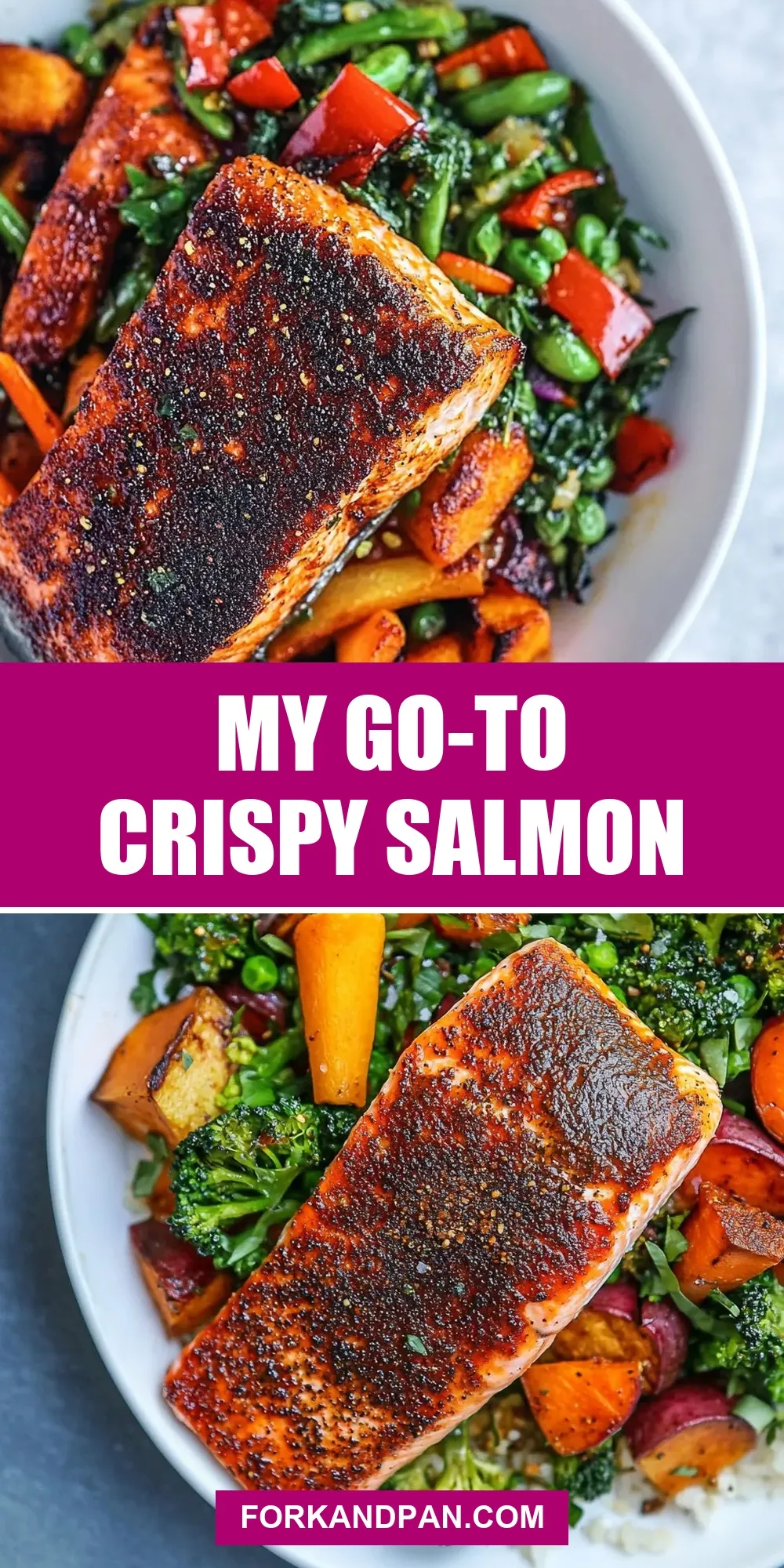
My Go-To Crispy Salmon
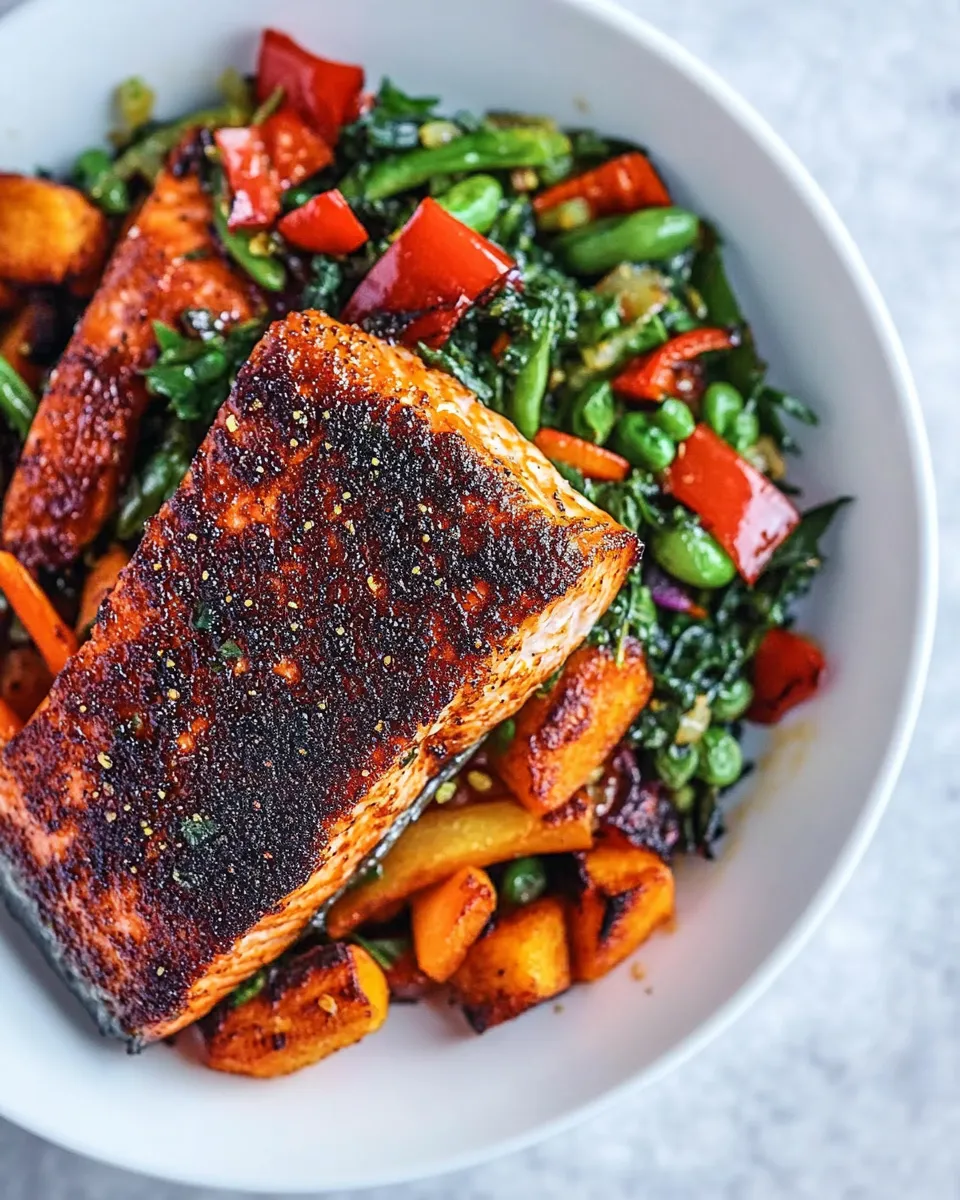
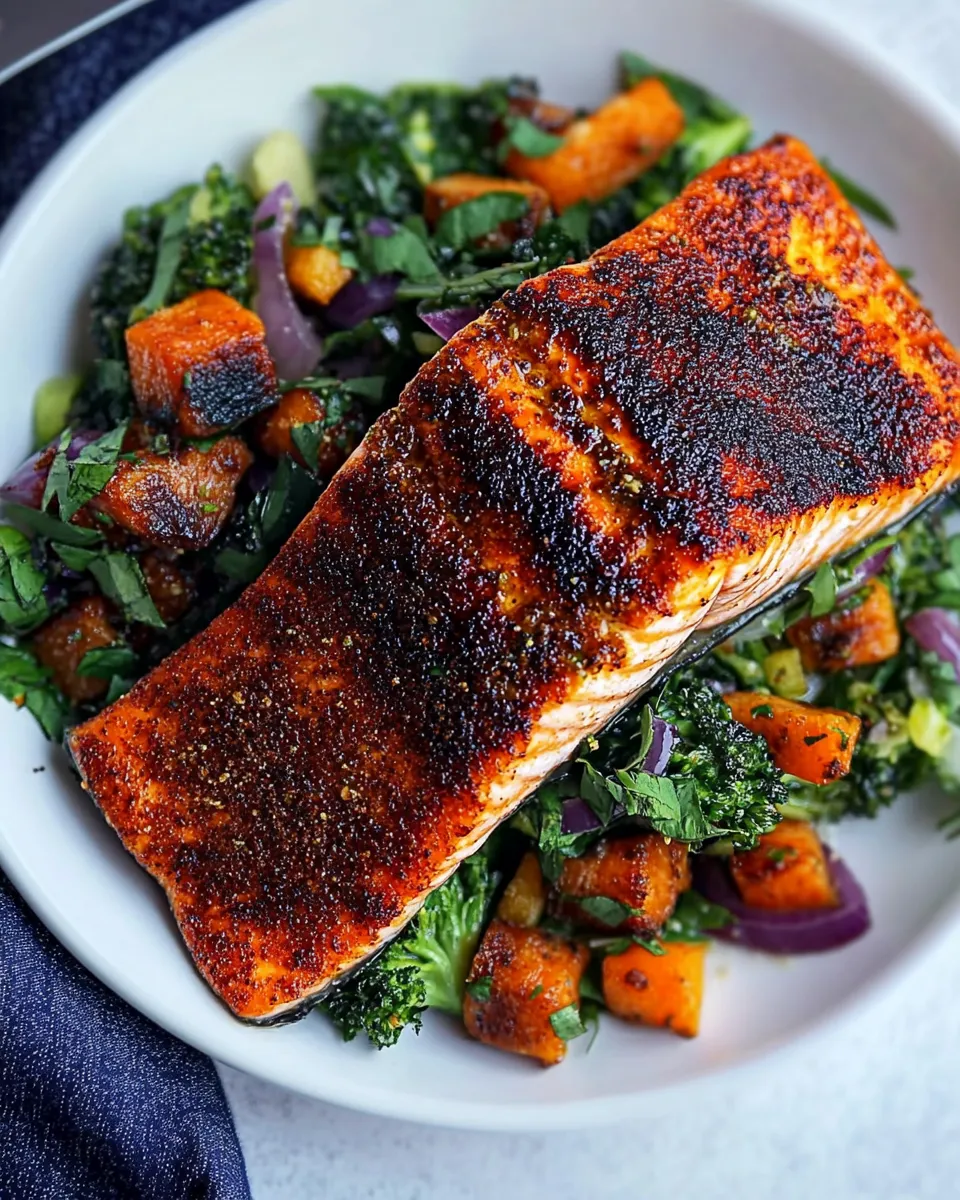
When I need a fast dinner that feels thoughtful and tastes like I spent longer on it, this broiled salmon is my go-to. It gives a crisp exterior with flaky, moist flesh inside and it takes almost no hands-on time. The spice mix is small but purposeful; it plays up the salmon’s natural flavor without covering it.
I test this approach repeatedly because timing and small techniques matter with fish. Broiling concentrates heat and creates those golden edges faster than the oven’s bake setting, which is what gives the crusty top I love. A quick rest after cooking evens the juices and keeps every bite tender.
I wrote this post to be practical: clear ingredients, exact steps, and troubleshooting from the mistakes I’ve actually made. Read straight through before you begin, and you’ll have perfectly crisp salmon in under 15 minutes of active time.
What Goes Into My Go-To Crispy Salmon

Ingredients
- 1(1-pound)salmon fillet — the main ingredient; buy a thick, even-cut piece so it cooks uniformly.
- 2teaspoonsavocado oilor cooking oil of choice — oils with a high smoke point help the top crisp without burning.
- 1pinchsea salt — seasons the flesh and enhances natural flavor; sprinkle evenly.
- 1/2teaspoonpaprika — adds color and a mild, smoky note.
- 1/4teaspoononion powder — builds background savory flavor without moisture.
- 1/4teaspoongarlic powder — brings warm aromatics that pair well with salmon.
- 1/4teaspoonground coriander — the citrusy, slightly sweet finish brightens the profile.
My Go-To Crispy Salmon: Step-by-Step Guide
- Preheat the oven on the high broil setting and place the oven rack in the third-to-top position.
- Place the 1 (1-pound) salmon fillet skin side down on a baking sheet. Use the full 2 teaspoons avocado oil to lightly oil the bottom of the baking sheet and to drizzle over the flesh of the salmon; rub or brush the oil so the entire flesh surface is coated.
- Sprinkle 1 pinch sea salt evenly over the flesh of the salmon.
- In a small bowl, combine 1/2 teaspoon paprika, 1/4 teaspoon onion powder, 1/4 teaspoon garlic powder, and 1/4 teaspoon ground coriander.
- Evenly sprinkle the combined spice mixture over the oiled salmon flesh.
- Broil the salmon on the third-to-top shelf for about 10 minutes. (Cook about 6 minutes for rare, and up to 15 minutes for a very thick cut.)
- Check doneness by inserting a digital thermometer into the thickest part of the salmon; it is considered fully cooked at 145°F.
- Remove the salmon from the oven and let it rest 5 minutes before serving.
Why Cooks Rave About It
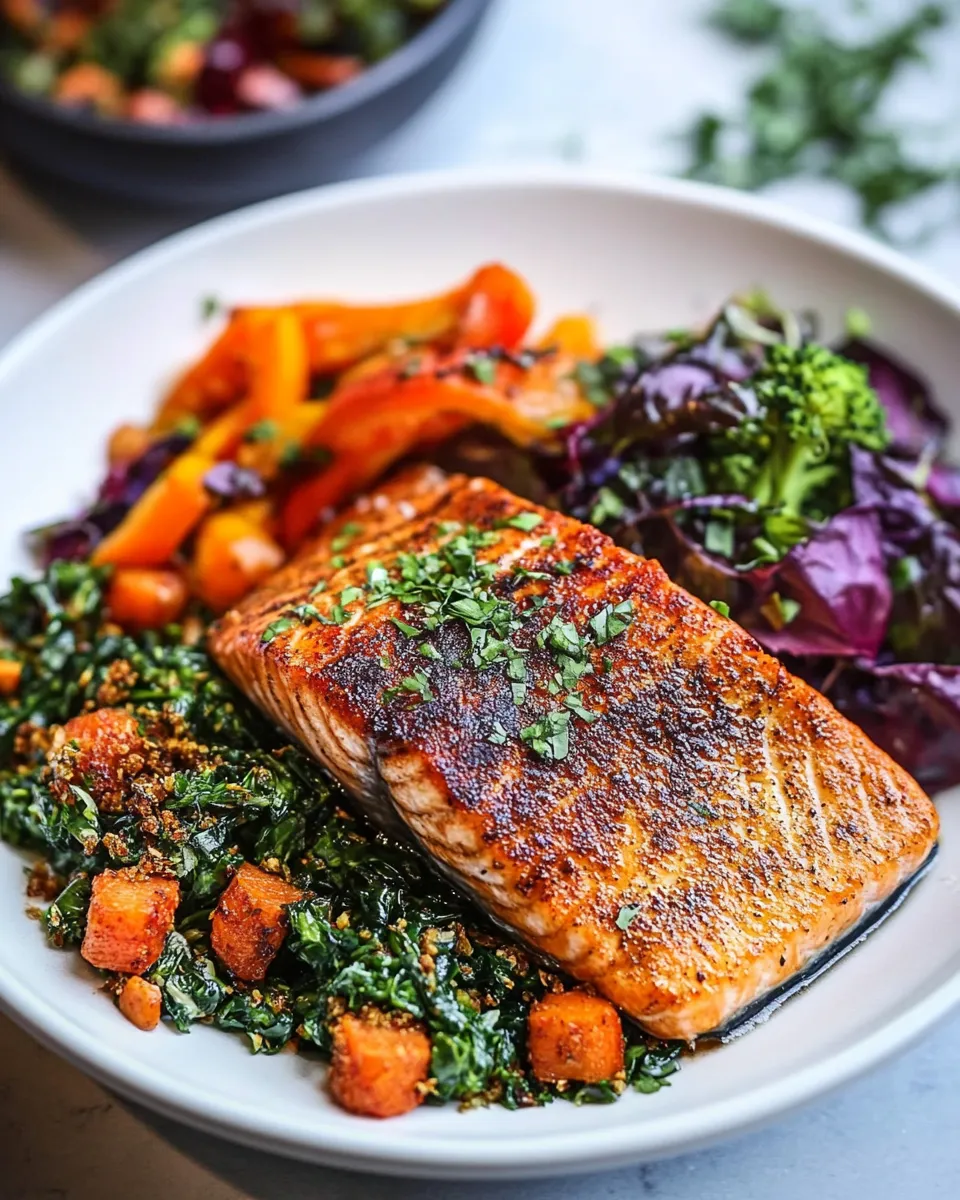
This method hits the sweet spot between speed and texture. Broiling delivers high, direct heat from above so the top crisps quickly while the interior continues to cook gently. That contrast — crisp exterior, tender interior — is what feels special despite the minimal ingredient list.
The seasoning is intentionally restrained. A quick mix of paprika, onion powder, garlic powder, and coriander adds complexity without masking the fish. The oil does two jobs: it conducts heat for the crust and prevents the surface from drying out.
Finally, the timing and the rest are what separate a ho-hum fillet from one people remember. These small, controlled steps produce consistent results, which is why professional cooks and home cooks both keep it in rotation.
Vegan & Vegetarian Swaps
If you’re cooking for someone who doesn’t eat fish, recreate the texture and flavor by swapping the salmon for one of the following options and adapting slightly.
- Thick tofu steaks (extra-firm): press well, pat dry, brush with oil, and follow the same seasoning and broiling time, checking for a golden crust.
- Cauliflower steak (about 3/4-inch thick): par-cook briefly (steam or roast) then broil to get browning; use the same spice mix to echo the profile.
- King oyster mushroom “steaks”: slice lengthwise, oil, and broil; they get meaty and absorb the spices nicely.
What You’ll Need (Gear)
Keep the gear minimal. You’ll want tools that make the small steps easier and give you control.
- Baking sheet — a rimmed sheet is best to catch any oil and juices.
- Brush or small spatula — to spread oil evenly across the fillet.
- Small bowl — to mix the spices.
- Digital thermometer — the most reliable way to hit that safe 145°F without overcooking.
- Oven mitts and a heatproof plate — for safe handling when you remove the hot tray.
Things That Go Wrong
Salmon is forgiving but a few mistakes will change the result. Here’s what I see most often and how to fix or avoid it.
- Burnt top, raw center — that happens when the fillet is too thick for the chosen broil time or the rack is set too close. Pull the rack down one position and reduce broil time for very thick pieces.
- Dry fish — overcooking is the usual culprit. Use a thermometer and remove the salmon at 145°F. If you prefer it a touch rarer, err toward 125–130°F and allow a 5-minute rest.
- Uneven browning — if the oil isn’t spread evenly or the fillet is uneven in thickness. Rub oil across the whole surface and, if needed, fold thinner ends under to create a uniform profile.
- Spice doesn’t stick — this happens when the oil step is skipped. The oil both flavors and helps the dry spices adhere.
Seasonal Flavor Boosts
Small seasonal tweaks elevate this basic recipe without complicating it.
- Spring: add a squeeze of fresh lemon and chopped dill right after the rest; it brightens the fish.
- Summer: top with quick tomato-caper salsa (chopped tomatoes, capers, a splash of olive oil, salt) for a refreshing contrast.
- Fall: a drizzle of maple and a pinch of smoked paprika replaces part of the paprika for a sweet-smoky glaze.
- Winter: finish with a warm butter-herb sauce (melted butter, minced garlic, parsley) spooned over at serving time.
Testing Timeline
Follow this quick timeline to get in and out of the kitchen efficiently.
- 0–5 minutes: Preheat broiler and position rack. Pat and oil the salmon. Mix spices.
- 5–7 minutes: Season the fillet and slide it into the oven on the third-to-top shelf.
- 7–17 minutes: Broil for roughly 10 minutes depending on thickness. Check at 6 minutes for rare, and up to 15 minutes for very thick cuts.
- 17–22 minutes: Pull the salmon at target temperature, rest for 5 minutes, then serve.
Leftovers & Meal Prep
Cooked salmon stores well and adapts to several meals, but handle it carefully so it stays tender.
- Refrigerate: cool to room temperature within two hours, then store in an airtight container for up to 3 days.
- Reheating: gently reheat in a 275°F oven for 7–10 minutes covered with foil to avoid drying, or flake into salads cold.
- Meal prep ideas: flake leftover salmon into grain bowls, fold into scrambled eggs, or toss with pasta and a lemony olive oil dressing.
Common Questions
Q: Can I use a different oil? A: Yes. Use any neutral oil with a high smoke point (grapeseed, sunflower) if you don’t have avocado oil.
Q: What if my fillet has skin curling up? A: Place skin side down and press gently when you put it on the sheet; the oil helps prevent sticking. If it curls, a slice or two to flatten the thicker tail end helps.
Q: Is broiling better than pan-searing? A: Broiling is faster and requires less attention for an even crust on the top. Pan-searing gives a crisp bottom if you prefer that texture. Both are valid — choose based on the texture you want.
Q: How do I know the fillet is done without a thermometer? A: Look for opaque color through the flesh and flaky separation when you test the thickest part with a fork. A thermometer is more reliable, especially for consistent results.
Final Bite
This approach lives on my weekly rotation because it’s simple, fast, and forgiving. With a tiny spice mix, a little oil, and careful broil timing, you get a restaurant-style finish with minimal fuss. Follow the steps, use the thermometer if you have one, and let it rest five minutes — those small details make the biggest difference.
When you try it, tell me how you adjusted the timing for your oven or what seasonal finish you preferred. Once you get the timing down, you can riff confidently and keep this on repeat.
My Go-To Crispy Salmon
Ingredients
Ingredients
- 1 1-poundsalmon fillet
- 2 teaspoonsavocado oilor cooking oil of choice
- 1 pinchsea salt
- 1/2 teaspoonpaprika
- 1/4 teaspoononion powder
- 1/4 teaspoongarlic powder
- 1/4 teaspoonground coriander
Instructions
Instructions
- Preheat the oven on the high broil setting and place the oven rack in the third-to-top position.
- Place the 1 (1-pound) salmon fillet skin side down on a baking sheet. Use the full 2 teaspoons avocado oil to lightly oil the bottom of the baking sheet and to drizzle over the flesh of the salmon; rub or brush the oil so the entire flesh surface is coated.
- Sprinkle 1 pinch sea salt evenly over the flesh of the salmon.
- In a small bowl, combine 1/2 teaspoon paprika, 1/4 teaspoon onion powder, 1/4 teaspoon garlic powder, and 1/4 teaspoon ground coriander.
- Evenly sprinkle the combined spice mixture over the oiled salmon flesh.
- Broil the salmon on the third-to-top shelf for about 10 minutes. (Cook about 6 minutes for rare, and up to 15 minutes for a very thick cut.)
- Check doneness by inserting a digital thermometer into the thickest part of the salmon; it is considered fully cooked at 145°F.
- Remove the salmon from the oven and let it rest 5 minutes before serving.
Equipment
- Digital Thermometer
- Large baking sheet
Notes
If you follow a Low-FODMAP diet, replace the onion powder and garlic powder with dried oregano and thyme.