How to Make the Best Scrambled Eggs Ever!
I make scrambled eggs more often than I’d like to admit. They’re fast, forgiving, and a true blank canvas for mornings that need rescuing. Over the years I’ve tightened my technique until the eggs come out soft, glossy, and reliably comforting—every time.
This guide is direct and practical. You’ll get a clear ingredients list, exact steps to follow, and tips I use at home to avoid the usual mistakes. No fuss; just better eggs.
Follow this method and you’ll get curds that are tender rather than rubbery, seasoned properly, and ready to serve in minutes. I’ll also cover storage, gear, and quick fixes so you can repeat the result without thinking too hard.
Gather These Ingredients

Ingredients
- 1 tablespoon unsalted butter — adds richness and prevents sticking; melt gently so it foams but doesn’t brown.
- 4 large eggs — the main structure; large eggs are the baseline for timing and texture.
- 2 tablespoons milk — loosens the mixture a bit for creamier curds without thinning them too far.
- salt to taste — seasons the eggs; add at the end for the best texture unless you prefer otherwise.
- ground black pepper to taste — finishing spice; use freshly ground for brightness.
Scrambled Eggs — Do This Next
- Gather equipment: a medium-sized non-stick skillet, a small bowl, a rubber spatula, and a whisk or fork. Place the skillet on the stove and set heat to medium-low.
- Crack 4 large eggs into the small bowl, add 2 tablespoons milk, and whisk until the yolks and whites are fully combined.
- Add 1 tablespoon unsalted butter to the preheated skillet. Let the butter melt completely and foam, but do not let it brown.
- Pour the egg-and-milk mixture into the skillet. Let it sit undisturbed for a few seconds until you see a thin cooked film form around the edges.
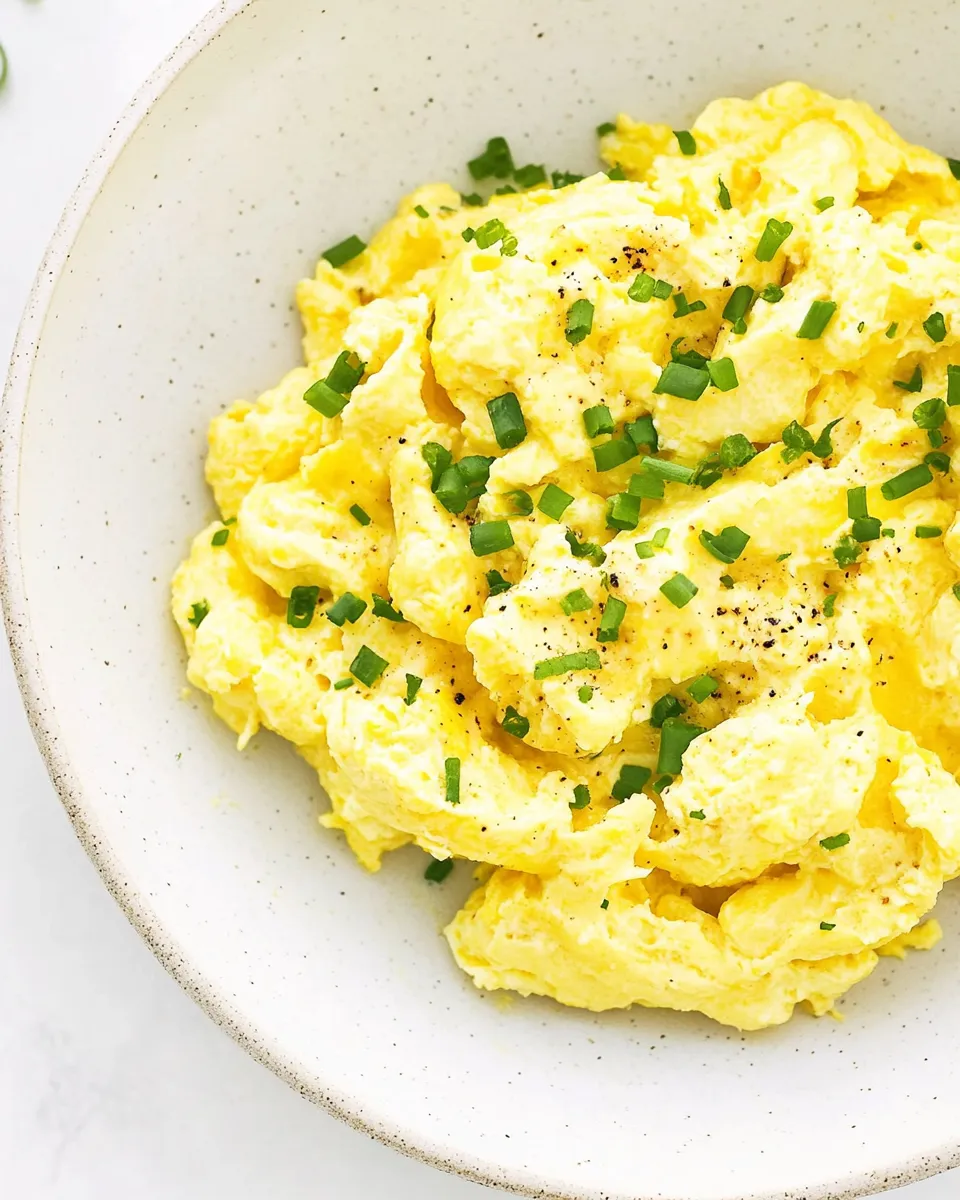
- Using the rubber spatula, gently push the cooked edges toward the center and tilt the pan so uncooked egg flows to the edges. Continue moving the eggs in slow folds until the curds are soft, fluffy, and just barely set—still slightly moist and glossy.
- Remove the skillet from the heat while the eggs are slightly runny (they will finish cooking from residual heat). Season with salt and ground black pepper to taste and serve immediately.
Why It Deserves a Spot
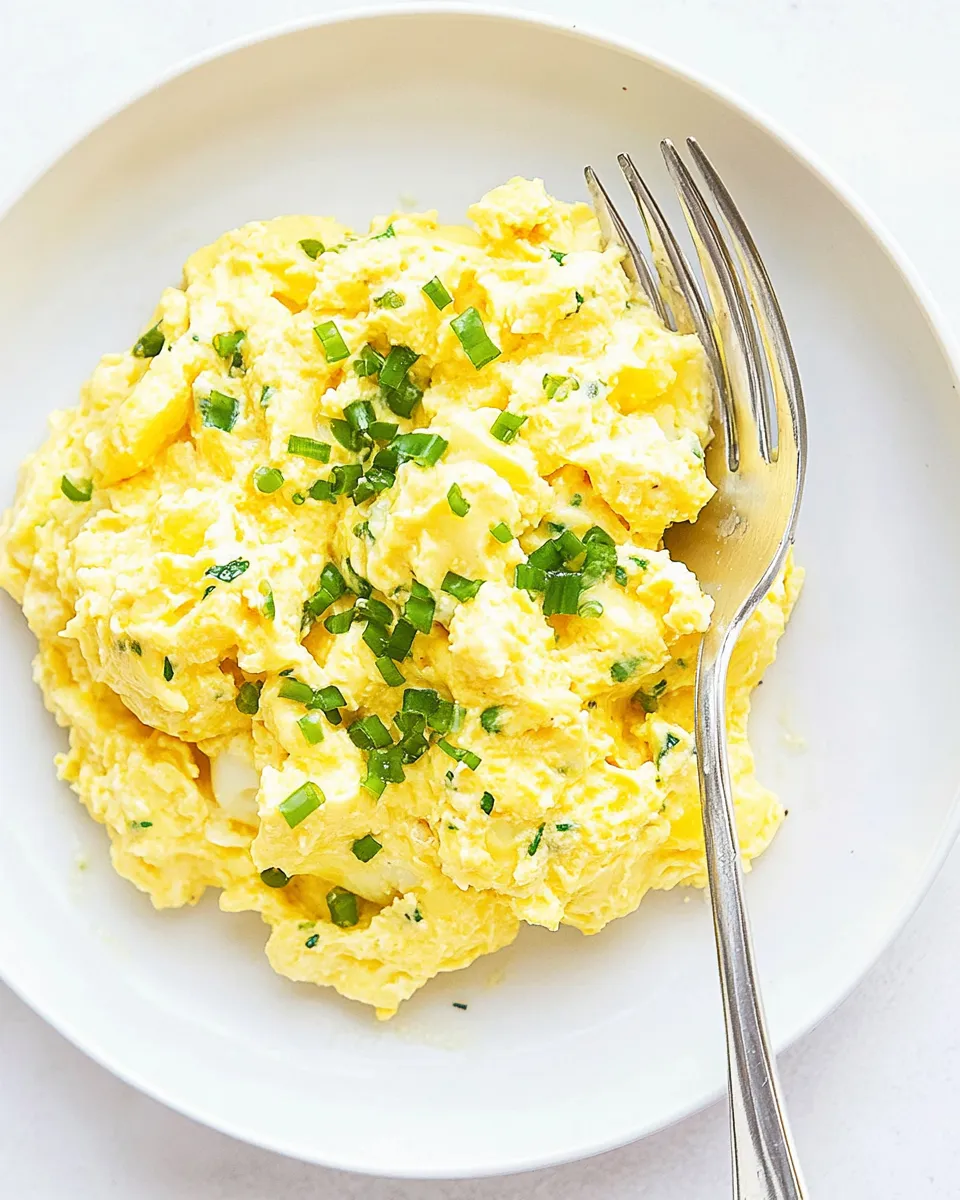
Scrambled eggs belong on every good breakfast roster. They come together quickly, require minimal gear, and reward attention with a texture that’s either delicate or hearty depending on how you cook them. This method balances speed and control.
What makes these the best—really—is timing and temperature. Medium-low heat lets curds form slowly and remain tender. Folding gently preserves moisture and creates soft curds rather than a uniform, rubbery slab. Those two choices alone elevate a basic dish into something worth repeating.
They’re also versatile: a fast protein for a solo morning or a mild base that pairs with whatever else you’ve got on hand. And because the technique is simple, once you’ve practiced it a couple of times you’ll hit consistent results.
Flavor-Forward Alternatives
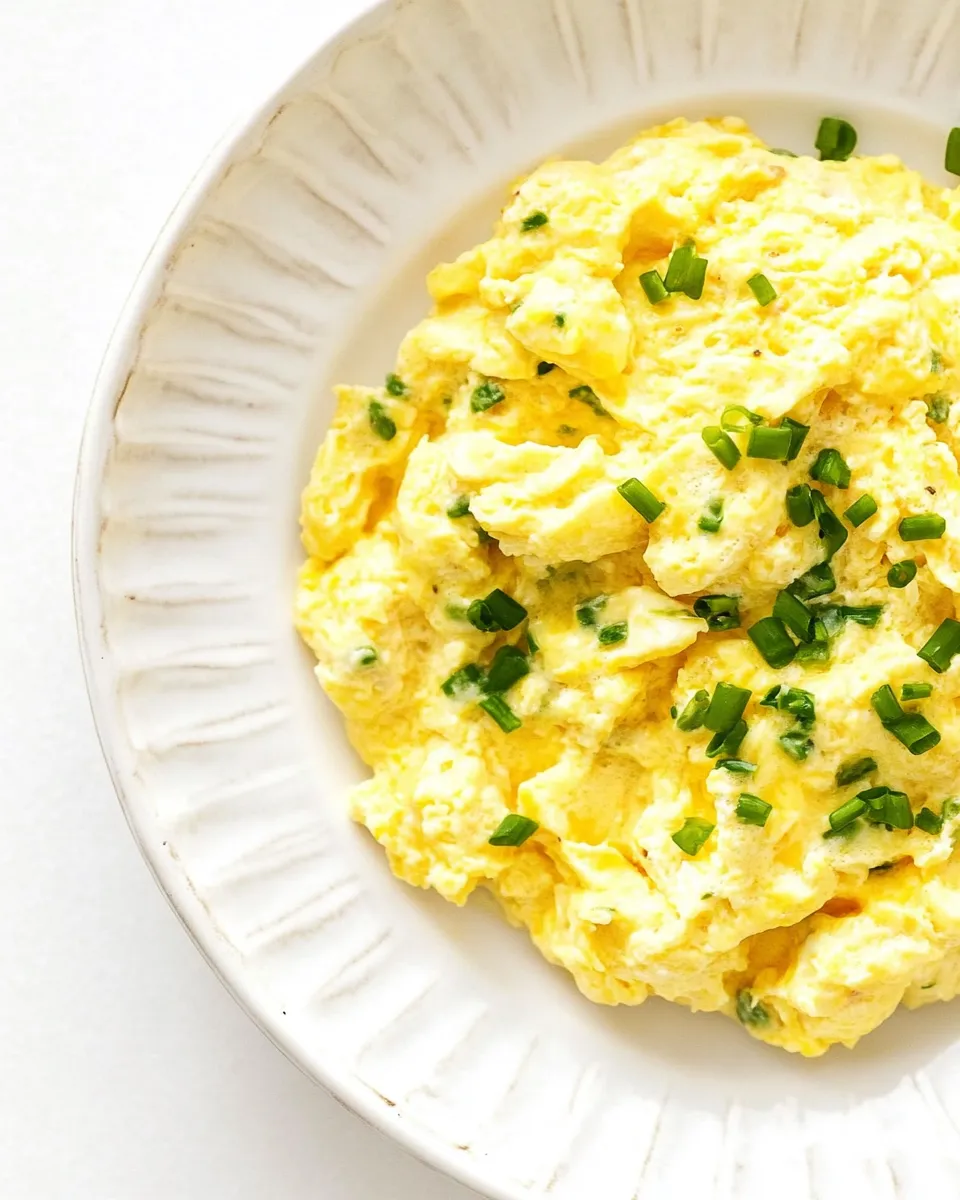
Want to push the flavor while keeping preparation quick? Use the eggs as a foundation and finish them thoughtfully. A scattering of fresh cracked pepper at the end brightens the dish. A small pat of butter added right after you remove the eggs makes them silkier.
You can fold in bold elements at the last moment so they don’t dilute the texture: think bright herbs or something salty and sharp. Add those items sparingly and fold them in gently so the eggs stay tender.
If you’re sharing, offer a few contrasting condiments on the side so each person can customize. Small additions make a big impression when the eggs themselves are cooked well.
Gear Checklist
- Medium-sized non-stick skillet — gives even contact and reduces sticking; size matters for even curd formation.
- Small bowl — for whisking the eggs and milk together before they go into the pan.
- Rubber spatula — flexible enough to gently fold and scrape without breaking the curds.
- Whisk or fork — to combine yolks and whites fully so the curds form evenly.
- Stove with reliable low-to-medium-low setting — temperature control is key for texture.
Avoid These Mistakes
High heat is the most common error. If the pan is too hot the eggs will seize into tight, dry curds. Cook low and steady; you can always raise the heat slightly if you need speed, but it’s hard to reverse overcooking.
Don’t overwhisk. Whisk just until the whites and yolks are combined. Excess air will give a lighter texture but can also make the eggs fragile and prone to drying out.
Adding salt too early can make curds weep. I prefer seasoning at the end so the eggs stay glossy and moist. Also, don’t let the butter brown; it alters the flavor and the pan’s surface behavior.
Finally, remove the pan off the heat while the eggs are still slightly runny. Residual heat finishes them and prevents that last-minute jump to rubber.
Smart Substitutions
If you don’t have unsalted butter, a small amount of another cooking fat will keep the eggs from sticking; adjust the seasoning accordingly if you use a salted option. If you must skip milk, you can proceed without it—the eggs will be slightly firmer but still very good. The quantities listed are a reliable starting point; if you change one element, expect small differences in texture.
When in doubt, keep changes minimal. The method matters more than precise variations in fat or liquid. Practice this technique with the listed ingredients first; then try tweaks once you’ve mastered the baseline result.
Notes on Ingredients
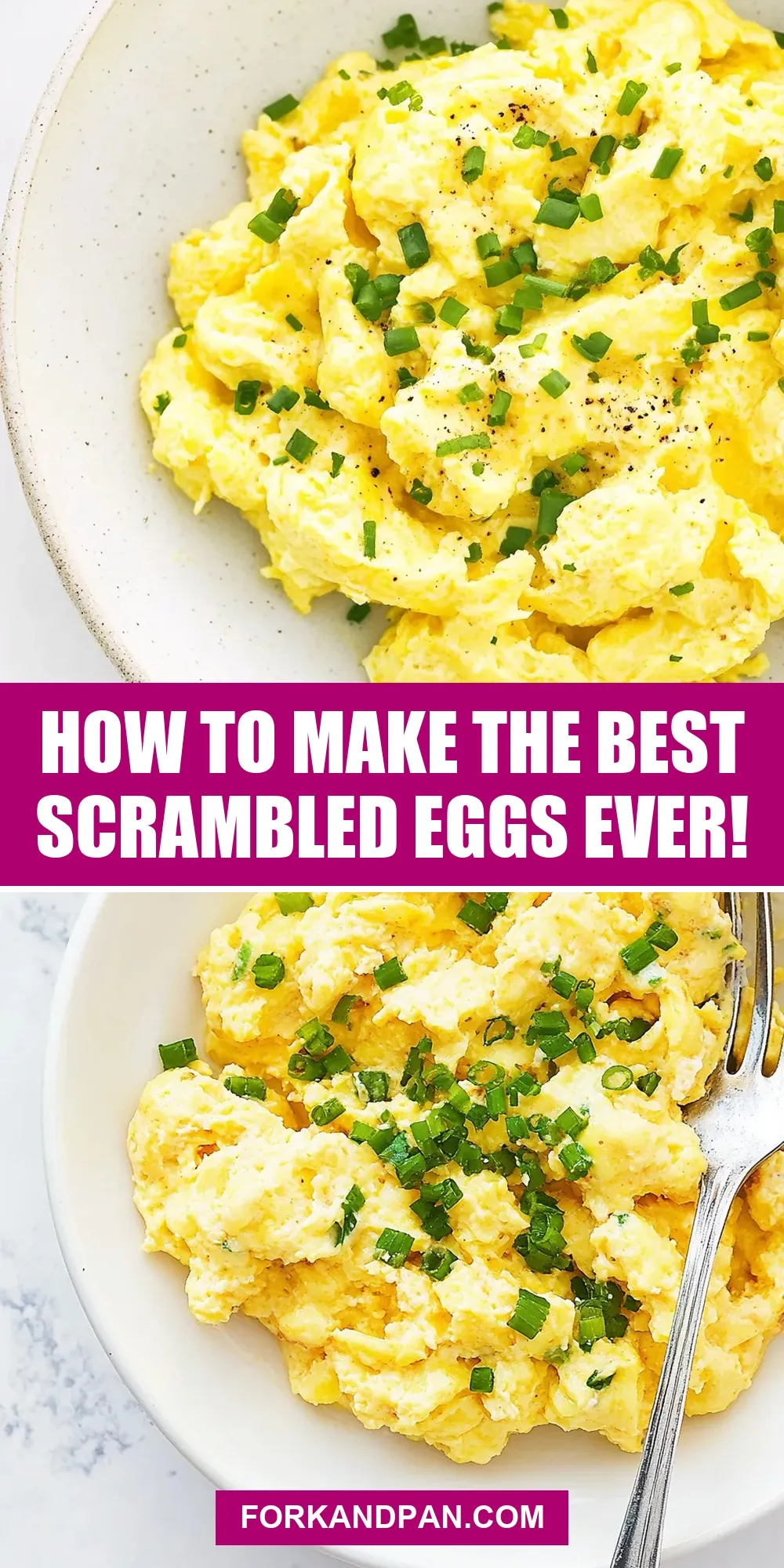
Eggs: Large eggs are what the timing here assumes. If you use a different size, the cooking time will shift. Fresh eggs will set slightly differently than older ones; older eggs can break down into creamier curds, while very fresh eggs hold a firmer texture.
Milk: Two tablespoons of milk with four eggs adds a touch of looseness without thinning the mixture. It helps smooth the curds and gives a tender mouthfeel. If you omit it, your eggs will still scramble but with tighter curds.
Butter: Unsalted butter lets you control the final seasoning. Melt it fully and let it foam; once it begins to brown, it’s past the ideal window. The butter’s foam helps cook the eggs gently and adds a rich base flavor.
Salt and pepper: Salt brings out the eggs’ natural flavor. I add salt at the end to preserve moisture, and finish with fresh ground pepper for a bright contrast. Taste and adjust as you plate.
Storage Pro Tips
Leftover scrambled eggs keep in the refrigerator for up to two days when cooled quickly and stored in an airtight container. Reheat gently over very low heat while stirring, or use a short blast in the microwave at low power, stirring every 15–20 seconds to avoid overcooking.
Avoid freezing scrambled eggs if you care about delicate texture. Freezing changes their structure and they tend to become crumbly when thawed.
If you plan to meal-prep eggs for the week, consider cooking slightly less than you need each day. Freshly cooked eggs always have the best texture and appearance.
Scrambled Eggs Q&A
Q: What stove temperature is best?
A: Medium-low. The goal is slow, even cooking. Too hot and the eggs will tighten and lose moisture.
Q: Should I whisk vigorously or just until combined?
A: Whisk until yolks and whites are fully combined. You don’t want too much air but you do want uniform color and consistency.
Q: When should I season with salt?
A: Season at the end for best texture. If you prefer salting earlier for flavor penetration, be aware it may change the curd moisture slightly.
Q: How do I know when to remove the pan?
A: Take it off when the eggs are a touch runny—still glossy but not liquid. Residual heat finishes them in the pan.
Q: Can I make larger or smaller batches?
A: Yes. Increase or decrease eggs proportionally, but be aware the pan size and heat distribution will affect cooking time.
Bring It to the Table
Serve the eggs immediately. They’re happiest warm, glossy, and just-seasoned. A simple plate with a sprinkle of pepper and a little extra salt nearby makes for a pleasant finish. If you’re sharing, set out small accompaniments so everyone can customize to taste.
Presentation is quick: spoon the curds gently onto warm plates. Keep forks handy and serve without delay. The texture is the star here; everything else is just company.
Practice this once or twice and you’ll internalize the small cues—how the curds look when they’re nearly done, the sound of the butter when it’s ready, the tempo of folding—and you’ll be making reliably excellent scrambled eggs in no time.
How to Make the Best Scrambled Eggs Ever!
Ingredients
Ingredients
- 1 tablespoonunsalted butter
- 4 largeeggs
- 2 tablespoonsmilk
- saltto taste
- ground black pepperto taste
Instructions
Instructions
- Gather equipment: a medium-sized non-stick skillet, a small bowl, a rubber spatula, and a whisk or fork. Place the skillet on the stove and set heat to medium-low.
- Crack 4 large eggs into the small bowl, add 2 tablespoons milk, and whisk until the yolks and whites are fully combined.
- Add 1 tablespoon unsalted butter to the preheated skillet. Let the butter melt completely and foam, but do not let it brown.
- Pour the egg-and-milk mixture into the skillet. Let it sit undisturbed for a few seconds until you see a thin cooked film form around the edges.
- Using the rubber spatula, gently push the cooked edges toward the center and tilt the pan so uncooked egg flows to the edges. Continue moving the eggs in slow folds until the curds are soft, fluffy, and just barely set—still slightly moist and glossy.
- Remove the skillet from the heat while the eggs are slightly runny (they will finish cooking from residual heat). Season with salt and ground black pepper to taste and serve immediately.
Equipment
- medium non-stick skillet
- Small Bowl
- Rubber spatula
- Whisk or fork
- stove