How To Make Homemade Hummus (Easy Recipe)
This hummus is the kind of recipe I reach for when I want something reliable, creamy, and fast. It uses straightforward pantry ingredients and a single food processor or blender. No special technique, no long soaking—just a few steps that deliver smooth, flavorful hummus every time.
I like to keep recipes practical, so you’ll find exact, tested directions below plus real-world tips for smoother texture, tastier seasoning, and easy make-ahead storage. If you’ve got a can of garbanzo beans and a lemon, you can be dipping in under 15 minutes.
Read through the ingredient notes first — they explain what each item does and how small changes affect the final result. Then follow the method exactly as written if you want consistently great hummus; after that I’ll show substitutions, troubleshooting, and storage ideas so you can make this work for your kitchen and tastes.
Ingredient Breakdown

- 115 ounce can of garbanzo beans — drained and rinsed; the base of the hummus and main source of creamy texture and protein.
- 1 medium garlic clove — peeled and smashed; provides bright savory bite—adjust to taste for more or less pungency.
- 1 lemon — juiced; adds acidity to brighten flavors and balance the tahini.
- 1/4 cup tahini — sesame paste that gives hummus its signature richness and slightly nutty flavor.
- 1/4 cup water — add additional tablespoons as needed for smooth consistency; thins the mix and helps create a silky texture.
- Salt to taste — critical for bringing out all the flavors; add gradually and taste as you go.
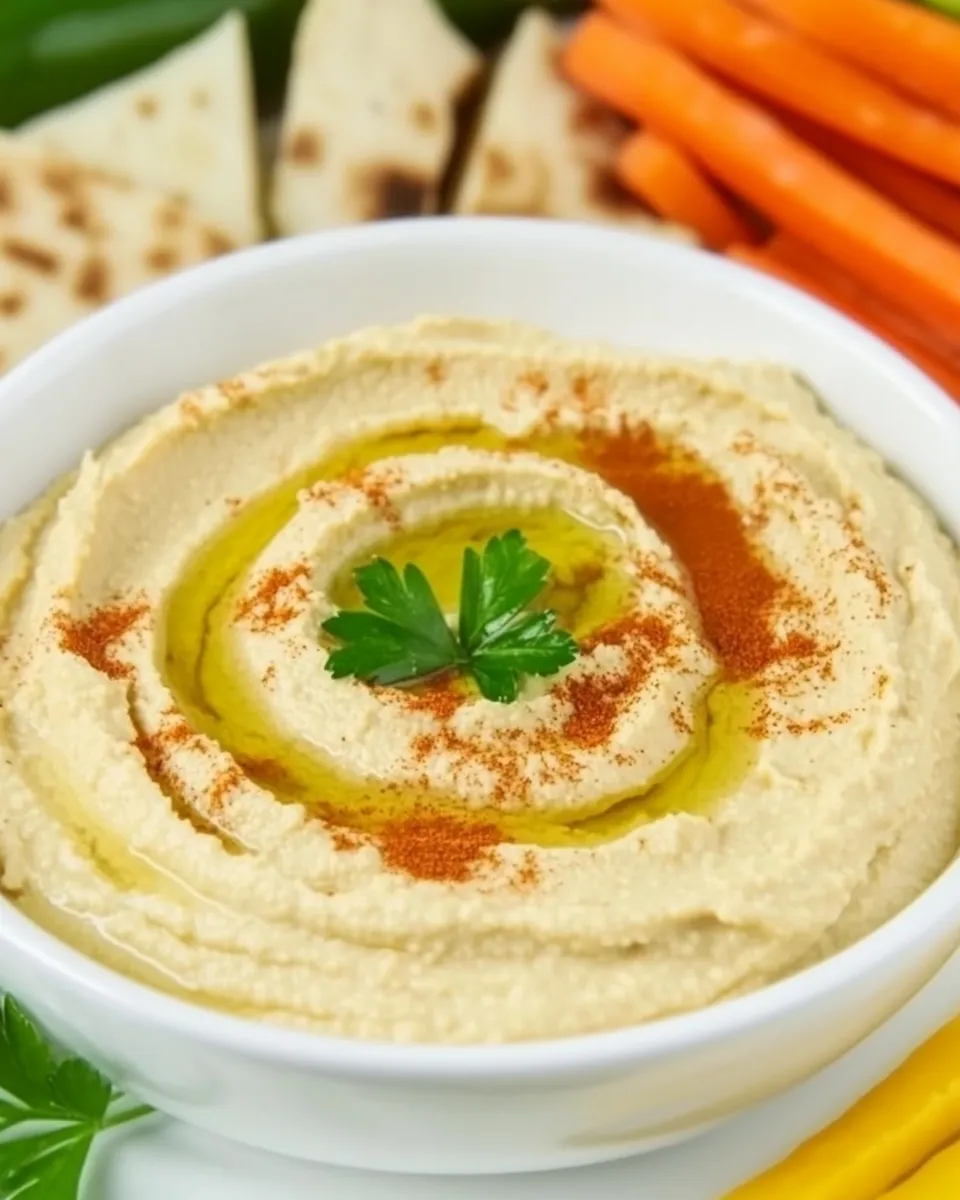
- Garnish; drizzle with extra-virgin olive oil, chopped cilantro, parsley, or top with a sprinkle of paprika — finishing touches that add color, aroma, and a little fat for mouthfeel.
Make Homemade Hummus (Easy Recipe): A Simple Method
- Drain and rinse the 115 ounce can of garbanzo beans in a colander. (Removing the skins from the beans is optional and will make the hummus smoother.)
- Add the drained beans, 1 medium garlic clove (peeled and smashed), the juice of 1 lemon, 1/4 cup tahini, 1/4 cup water, and salt to taste to a food processor or blender.
- Process until the mixture is mostly smooth, stopping to scrape down the sides as needed.
- If the hummus is too thick or not silky, add additional water one tablespoon at a time, processing briefly after each addition, until you reach the desired smooth consistency.
- Taste and adjust salt if needed.
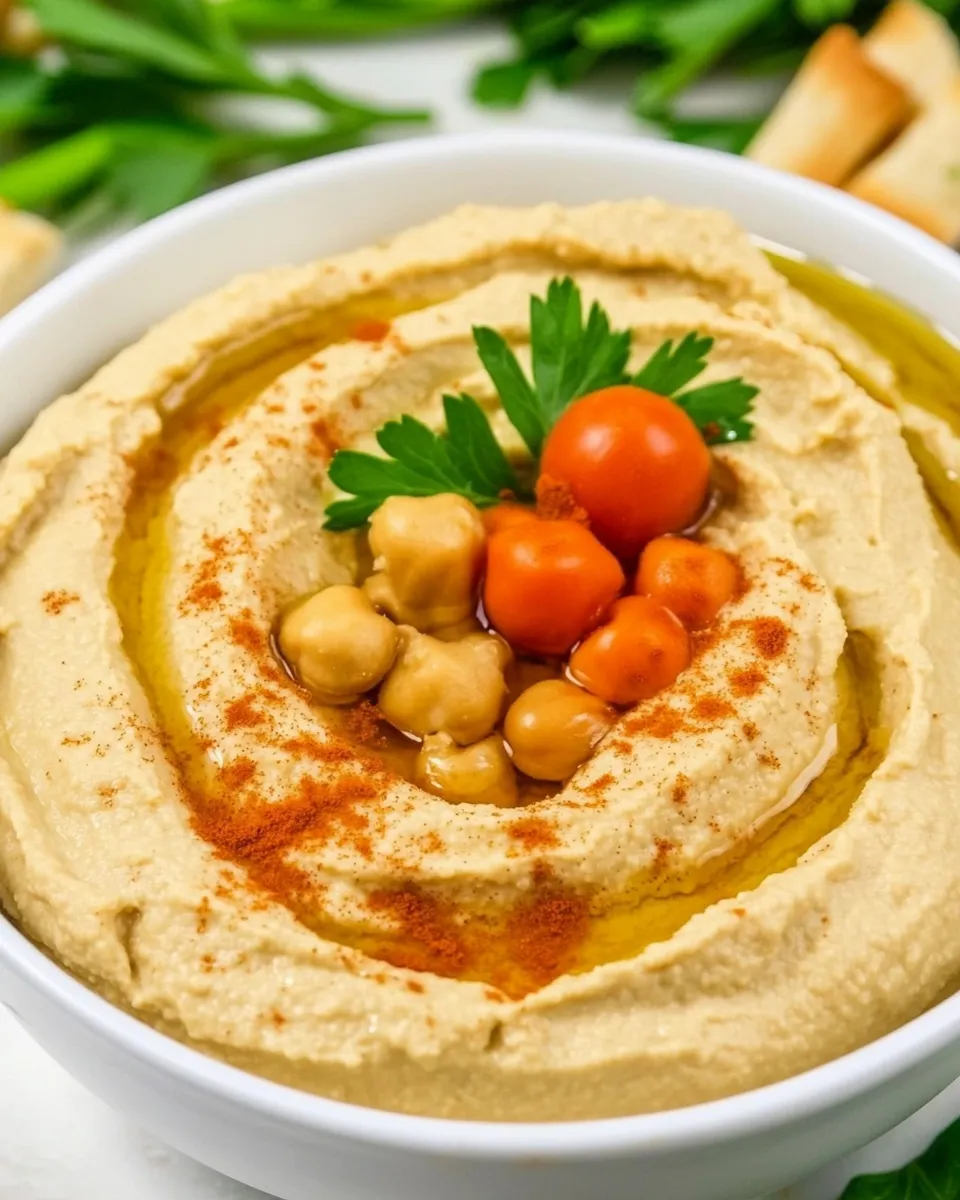
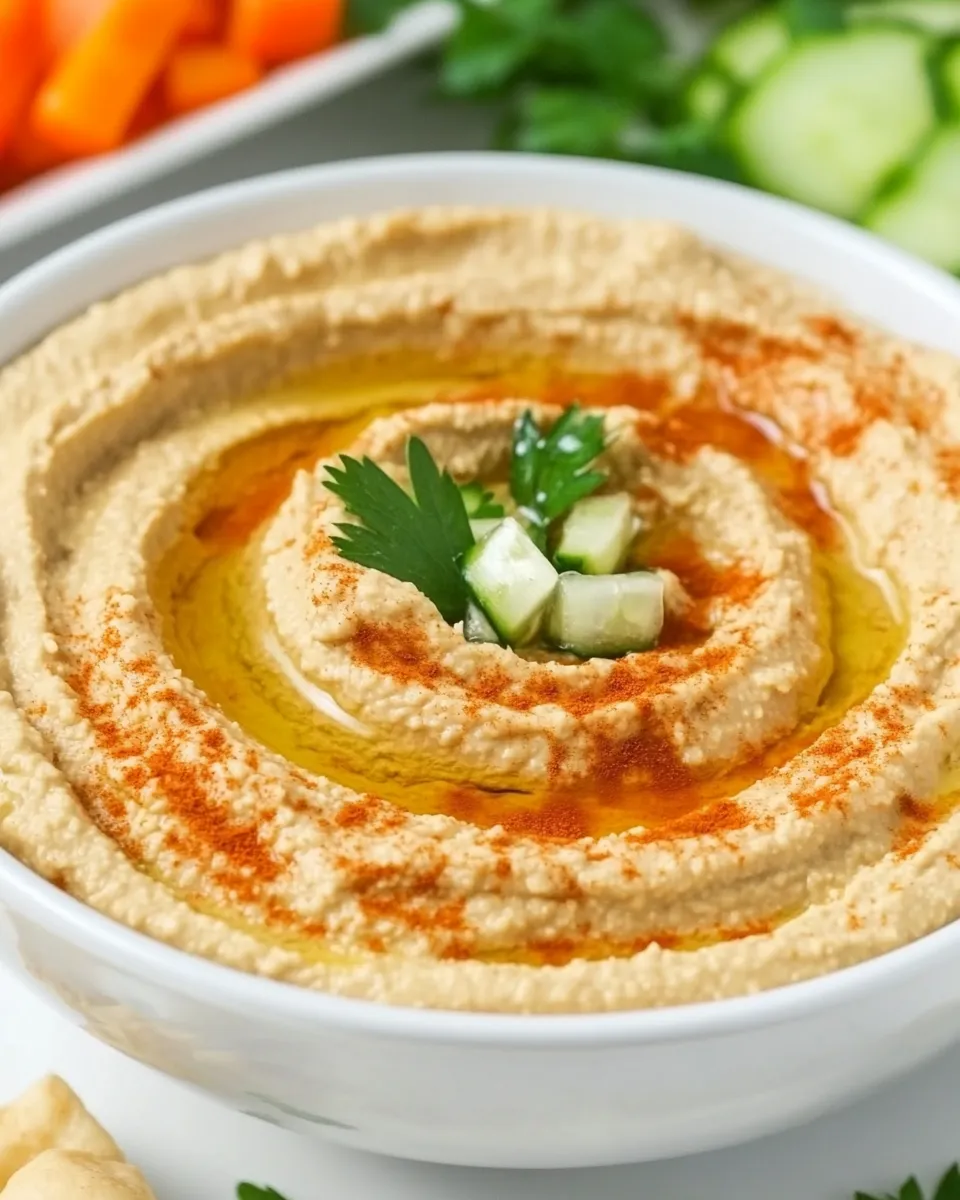
- Transfer the hummus to a serving bowl. Drizzle with extra-virgin olive oil and garnish with chopped cilantro or parsley or a sprinkle of paprika. Serve with chopped vegetables, crackers, or a variety of breads.
Top Reasons to Make Homemade Hummus (Easy Recipe)
- Freshness: You control the salt, garlic, and lemon levels, so it tastes brighter than most store-bought tubs.
- Texture: Making it at home lets you achieve a creamier, silkier result by controlling liquid additions and processing time.
- Cost and convenience: A can of beans and basic pantry staples make a lot of hummus for much less than buying pre-made versions.
- Customizable: Want more garlic, less tahini, or a spicy kick? It’s easy to tweak to your family’s preferences.
- Healthy and versatile: It’s plant-forward, packed with protein and fiber, and doubles as a spread, dip, or component in bowls and sandwiches.
Ingredient Swaps & Substitutions
- If you don’t have tahini: use a mild nut or seed butter like almond or sunflower seed butter (see allergy section below). The flavor will shift but the texture remains rich.
- If lemon is scarce: a small splash of white wine vinegar can add acidity in a pinch, though lemon is ideal for brightness.
- Short on garlic: substitute with roasted garlic for a milder, sweeter flavor; add more if you want sharper bite.
- Beans: while chickpeas (garbanzo beans) are the classic choice, cooked white beans or cannellini can be used for a milder, creamier base—expect a different flavor profile.
- Liquid: instead of water, use some of the reserved bean liquid (aquafaba) for extra silkiness, or a tablespoon of olive oil for richer mouthfeel.
- Seasoning: paprika on top is traditional for color; ground cumin is a common addition if you like warm, earthy notes (use sparingly).
Tools & Equipment Needed
- Food processor or blender — essential for processing beans into a smooth paste. A food processor gives better texture control; high-speed blenders may need extra liquid.
- Colander — to drain and rinse the canned beans thoroughly.
- Measuring cups and spoons — the tahini and water amounts matter for an even start.
- Spatula — for scraping down the sides of the processor so everything gets evenly blended.
- Serving bowl and spoon — to present and drizzle olive oil, herbs, or paprika on top.
Troubles You Can Avoid
- Too thick or grainy hummus: add water one tablespoon at a time and re-process until smooth. Don’t pour a large amount at once—small increments protect texture.
- Rubbery or gluey texture from over-processing: stop once the mixture is mostly smooth and scrape the bowl. Brief pulses often give a better, airy texture than continuous long runs.
- Bland hummus: add salt in small increments and taste after each addition. A squeeze more of fresh lemon juice brightens a flat batch immediately.
- Too strong garlic: if you overdo raw garlic, blend in a bit more tahini or an extra drained can of beans if you have it; a touch of olive oil can mellow sharpness too.
- Loose, watery hummus: if you add too much water, re-balance by adding a spoonful more tahini or a few extra drained beans to thicken and stabilize texture.
Allergy-Friendly Swaps
- Sesame allergy (tahini): use sunflower seed butter or pumpkin seed butter as a 1:1 swap. These mimic the fat content of tahini and keep creaminess.
- Nut allergy precaution: avoid nut butters if there are tree-nut allergies in your household; sunflower seed butter is a safer seed-based substitute.
- Garlic intolerance: replace raw garlic with roasted garlic for a gentler taste, or omit entirely and increase lemon and salt slightly to compensate.
- Gluten-free: this recipe is naturally gluten-free—just ensure any crackers or breads served with it are certified gluten-free if needed.
Behind-the-Scenes Notes
Tahini is more than a flavoring; it emulsifies oil and water in the mix. That helps create a silky, clinging texture. If your tahini is very thick or separated, stir it well before measuring so you get a consistent amount.
Many recipes call for peeling chickpeas to get ultra-smooth hummus. That step works, but it’s time-consuming. For most home kitchens, a good rinse and strong processing will deliver excellent results without peeling.
The choice of liquid matters: water keeps the flavor pure, while aquafaba (the reserved bean liquid) adds body and a bit of bean flavor. Olive oil will make the hummus richer and more luxurious, but it’ll also change the mouthfeel.
Meal Prep & Storage Notes
- Refrigeration: store hummus in an airtight container for 3–5 days. Press a piece of plastic wrap directly on the surface before sealing to minimize oxidation and help keep the top from forming a skin.
- Freezing: you can freeze hummus for up to 2 months. Thaw in the refrigerator overnight and stir vigorously before serving; you may need to add a tablespoon of water or olive oil to restore creaminess.
- Make-ahead: hummus actually develops flavor after a few hours in the fridge, so if you have time, make it the day before entertaining.
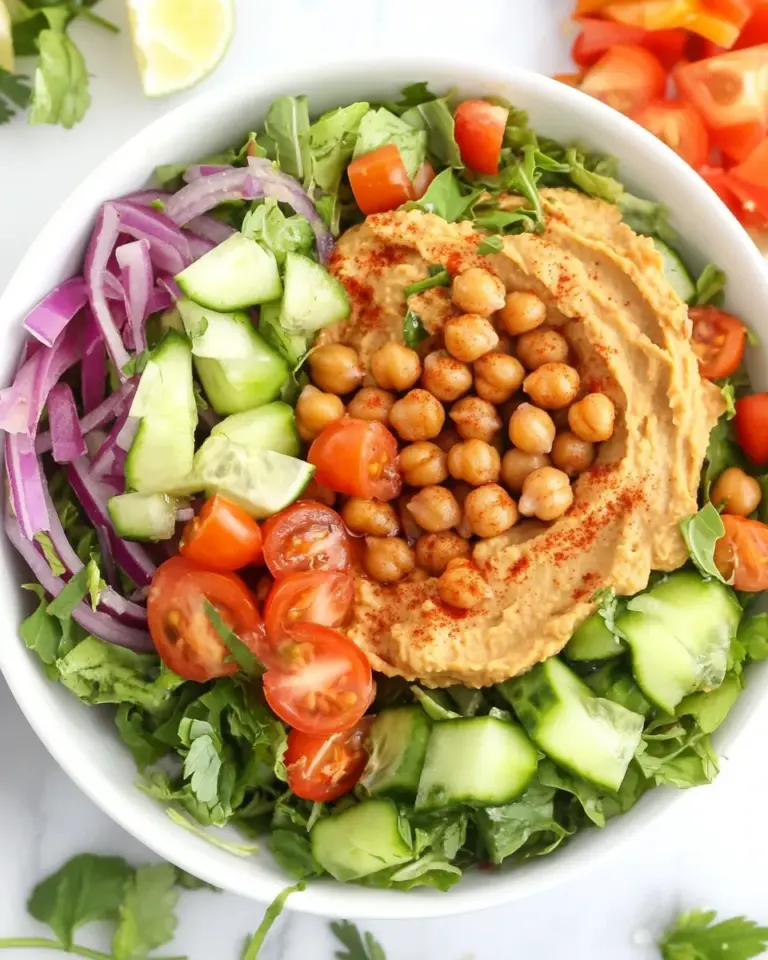
- Serving ideas: serve chilled or at room temperature. Garnish with a drizzle of extra-virgin olive oil and chopped herbs for brightness. It pairs with fresh vegetables, pita, crackers, grilled meats, or as a spread on sandwiches.
Quick Questions
- Q: Can I use dried chickpeas instead of canned? A: Yes—cook them until very tender. Use about 1 1/2 to 2 cups cooked chickpeas to match the volume of a can. Reserve some cooking liquid to thin if needed.
- Q: My hummus tastes bitter. Why? A: Bitterness can come from old tahini or over-processed garlic. Fresh tahini tastes milder. Balance bitterness with a touch more lemon juice and salt.
- Q: Is tahini mandatory? A: It’s traditional and gives classic texture and flavor, but you can swap in a seed or nut butter if needed (see allergy swaps above).
- Q: How do I make it spicier? A: Stir in crushed red pepper flakes, cayenne, harissa, or a spoonful of harissa paste after processing. Add gradually and taste.
Wrap-Up
This Homemade Hummus (Easy Recipe) is designed to be forgiving and adaptable. Follow the simple method above for a reliable base, then tweak acid, salt, and garlic to match your taste. The result is a creamy, versatile dip that elevates snacks, lunches, and weeknight dinners.
Keep a jar in the fridge, and you’ll find it’s one of the most useful things in your meal rotation—spread on toast, dolloped onto grain bowls, or served with colorful veggies. Make it once, learn your preferred balance, and you’ll be turning out perfect hummus every time.
How To Make Homemade Hummus (Easy Recipe)
Ingredients
Ingredients
- 115 ounce can of garbanzo beansdrained and rinsed
- 1 medium garlic clovepeeled and smashed
- 1 lemonjuiced
- 1/4 cuptahini
- 1/4 cupwateradd additional tablespoons as needed for smooth consistency
- Salt to taste
- Garnish; drizzle with extra-virgin olive oil chopped cilantro, parsley, or top with a sprinkle of paprika
Instructions
Instructions
- Drain and rinse the 115 ounce can of garbanzo beans in a colander. (Removing the skins from the beans is optional and will make the hummus smoother.)
- Add the drained beans, 1 medium garlic clove (peeled and smashed), the juice of 1 lemon, 1/4 cup tahini, 1/4 cup water, and salt to taste to a food processor or blender.
- Process until the mixture is mostly smooth, stopping to scrape down the sides as needed.
- If the hummus is too thick or not silky, add additional water one tablespoon at a time, processing briefly after each addition, until you reach the desired smooth consistency.
- Taste and adjust salt if needed.
- Transfer the hummus to a serving bowl. Drizzle with extra-virgin olive oil and garnish with chopped cilantro or parsley or a sprinkle of paprika. Serve with chopped vegetables, crackers, or a variety of breads.
Equipment
- blenderor food processor
- Serving Dish
Notes
To make spinach hummus, make the basic recipe, then add 1-2 cups of baby spinach, with the stems removed. Blend until smooth.