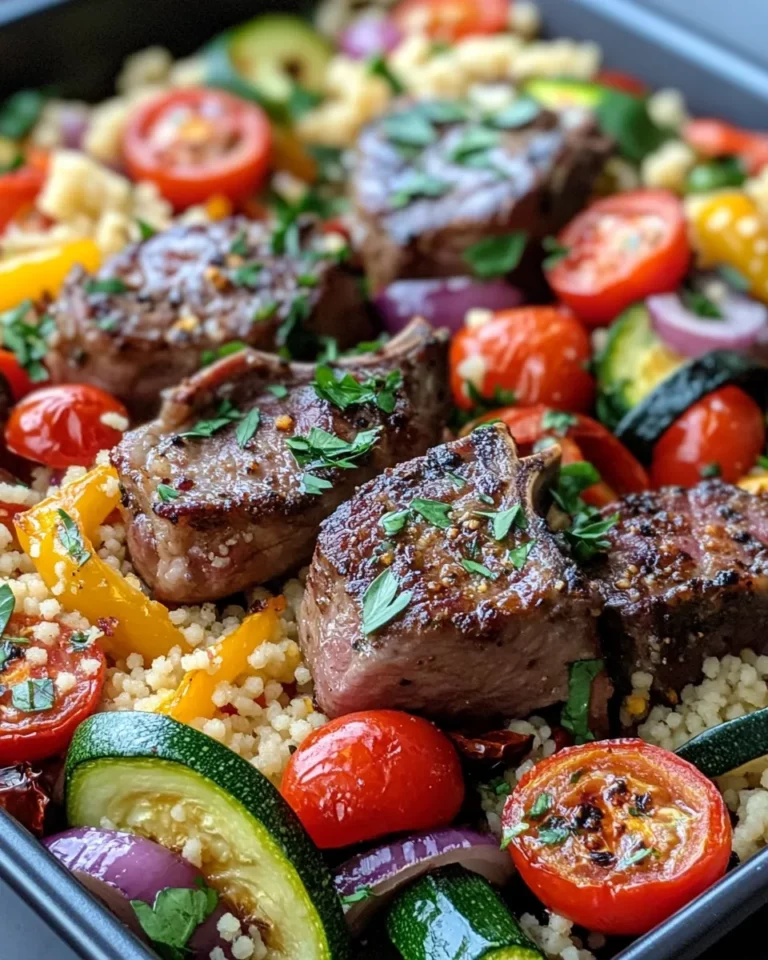

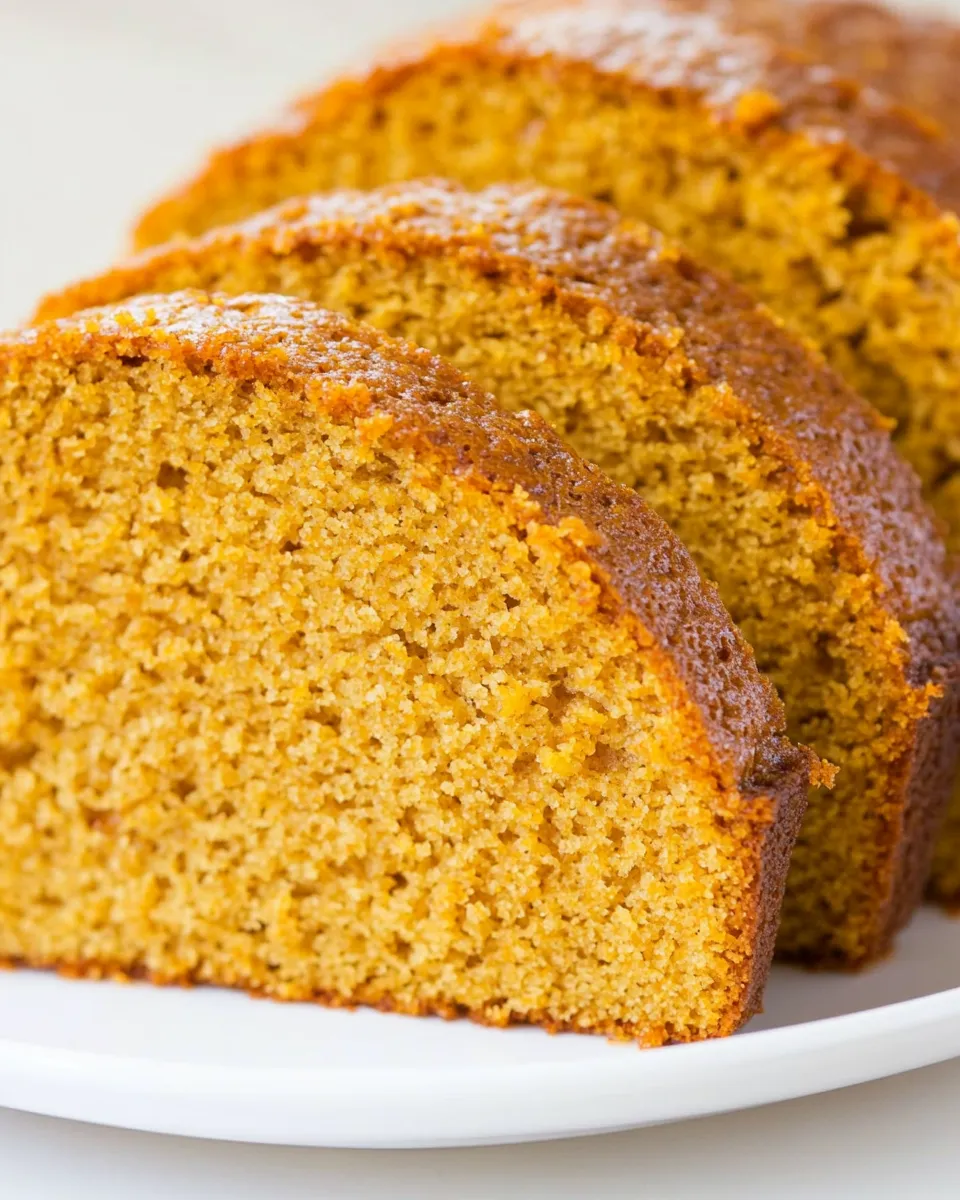
Greek Yogurt Orange Pound Cake
I fell in love with this cake the first time I needed something bright and unfussy for an afternoon crowd. It uses plain pantry staples with a couple of citrus-forward touches that make it feel special without a lot of fuss. The crumb stays moist thanks to Greek yogurt, and a honey finish keeps the top glossy and sweet.
This recipe is straightforward and forgiving. You won’t need to wrestle with multiple bowls or complicated techniques. It performs well in two loaf pans, so you can serve one and save one, or freeze a loaf for later. The texture is close to a traditional pound cake but lighter and fresher thanks to the yogurt and orange.
Below you’ll find the ingredient lineup, an exact step-by-step method, and practical tips I use in my kitchen to get consistent results. Read the troubleshooting and substitution sections if you need to tweak for diet or equipment — I’ve tested the common swaps so you don’t have to.
Gather These Ingredients

Ingredients
- 2 3/4 cups white whole-wheat flour — Adds structure and a hint of nuttiness; white whole-wheat keeps the crumb lighter than traditional whole wheat.
- 1 teaspoon baking powder — Provides lift so the loaf rises evenly.
- 1 teaspoon baking soda — Reacts with the yogurt’s acidity to help create a tender crumb.
- 1/4 cup orange zest — The primary source of fresh citrus aroma; zest, not juice, concentrates the flavor.
- 1 tablespoon coconut oil, melted — Adds moisture and a subtle, neutral fat; melt so it incorporates smoothly.
- 2 large eggs — Bind the batter and contribute to the cake’s structure.
- 1 teaspoon almond extract — A small touch amplifies the cake’s nutty, warm notes without tasting like candy.
- 1/4 cup coconut sugar — Sweetens and lends a mild caramel note; it also keeps the color slightly deeper.
- 1 cup Greek yogurt — The key to a moist, tender crumb and a bit of tang; full-fat yogurt gives the best texture.
- 1/3 cup orange juice — Adds liquid brightness and helps dissolve the sugar and zest into the batter.
- 2/3 cup almond milk — Balances the batter’s hydration; use unsweetened or lightly sweetened depending on preference.
- 1/4 cup honey — Drizzled over hot loaves to form a sweet, glossy top and lock in moisture.
Method: Greek Yogurt Orange Pound Cake
- Preheat the oven to 350°F (175°C). Spray two loaf pans with nonstick spray and set aside.
- In a medium bowl, whisk together 2 3/4 cups white whole-wheat flour, 1 teaspoon baking powder, and 1 teaspoon baking soda. Set the dry mixture aside.
- In a large bowl, combine 1/4 cup orange zest, 1 tablespoon melted coconut oil, 2 large eggs, 1 teaspoon almond extract, 1/4 cup coconut sugar, 1 cup Greek yogurt, 1/3 cup orange juice, and 2/3 cup almond milk. Whisk until the mixture is smooth and homogenous.
- Gradually add the dry flour mixture to the wet ingredients, stirring gently until the batter is smooth and there are no large lumps. Do not overmix.
- Divide the batter evenly between the two prepared loaf pans, filling each about three-quarters full.
- Bake at 350°F for 30 to 45 minutes, or until a toothpick inserted into the center comes out clean or with a few moist crumbs. Start checking at 30 minutes.
- Remove the pans from the oven and immediately drizzle 1/4 cup honey evenly over the hot tops of the loaves.
- Let the loaves cool in the pans briefly, then transfer them to a wire rack to cool completely before slicing and serving.
Why It’s Crowd-Pleasing
This cake hits the sweet spot between familiar and fresh. The texture is dense enough to feel substantial, like a traditional pound cake, but not heavy. Greek yogurt keeps the interior moist for days if stored properly. The generous orange zest ensures every bite carries citrus perfume without being syrupy.
It’s versatile for serving. Slice thin for a tea tray or thicker for an afternoon pick-me-up. The honey top gives a glossy finish and a slightly sticky bite that people love; it also seals in moisture so the loaf stays tender during transport. Because it uses common pantry ingredients and simple steps, you can multiply it for a crowd without adding stress.
Quick Replacement Ideas

- Milk substitute: If almond milk is all you have, use it as written. For a richer loaf, swap in soy milk or whole milk (no quantity change).
- Sweetener swap: If you prefer cane sugar, you can use it instead of coconut sugar, cup-for-cup. The flavor will be slightly less caramel-like.
- Oil option: Neutral vegetable oil can replace the melted coconut oil in equal measure without changing batter consistency.
- Extracts: If you don’t have almond extract, a half teaspoon of vanilla extract will work; almond is stronger, so keep quantities small.
Kitchen Gear Checklist
- Two 9×5-inch loaf pans (or similar size) — essential for the bake time and portioning.
- Nonstick spray — makes removal simple; line with parchment if you prefer.
- Medium mixing bowl — for dry ingredients.
- Large mixing bowl — for wet ingredients and assembling batter.
- Whisk and spatula — whisk for combining wet elements, spatula for folding in flour.
- Citrus zester or microplane — for the orange zest; fresh zest makes a big difference.
- Measuring cups and spoons — accurate dry and liquid measures keep the texture consistent.
- Wire rack — cools loaves evenly after they come out of the pans.
Errors to Dodge
Don’t skip the orange zest. The recipe relies on it for the primary citrus flavor; juice alone won’t give the same aroma. Zest in the bowl with the wet ingredients so the oils distribute evenly.
Avoid overmixing once the flour goes in. Stir just until combined. Overworking the batter develops gluten and will tighten the crumb, making the cake less tender. When you see no large lumps, stop stirring.
Watch bake times closely. Oven temperatures vary; start checking at 30 minutes. The toothpick test is your best friend — remove the cake when it comes out clean or with a few moist crumbs. If you wait for totally dry crumbs, you’ll risk drying the loaf.
Substitutions by Diet
Gluten-free: This particular recipe relies on white whole-wheat flour for structure and flavor. To convert it, use a gluten-free all-purpose flour blend that includes xanthan gum. Keep the same volume, but expect a slightly different crumb and a possibly shorter bake time; check early.
Dairy-free: Greek yogurt is central here for moisture and tang. For a dairy-free version, use a thick, unsweetened dairy-free yogurt (such as coconut-based) with a texture close to Greek yogurt. Keep the same quantity (1 cup). Note: flavor and texture will shift slightly.
Vegan: Converting this recipe to fully vegan requires replacing eggs and Greek yogurt. Use a commercial egg replacer equivalent to two eggs or 1/2 cup unsweetened applesauce plus 1 tablespoon ground flax mixed with 3 tablespoons water for each egg (let it gel). Replace Greek yogurt with a thick plant-based yogurt; proceed knowing the texture will be different from the original.
Lower sugar: If you want less sweetness, reduce the coconut sugar by up to 25% without upsetting the batter balance. The honey glaze adds sweetness to the top; you can omit it or brush with a thin orange juice syrup instead.
If You’re Curious
Why Greek yogurt? It brings fat and tang but also protein, which helps create a fine, moist crumb that keeps longer than cakes made only with milk or sour cream. The acidity reacts with baking soda to contribute gentle lift.
Why whole-wheat? White whole-wheat flour is milled from a lighter variety of wheat, so you get whole-grain nutrition with a milder flavor and softer texture than regular whole-wheat. It pairs exceptionally well with citrus and almond notes.
Why drizzle honey hot? Poured over hot loaves, honey seeps into the top crumb and forms a thin, sticky glaze that amplifies flavor and slows moisture loss. It also gives a professional sheen without extra steps.
Save It for Later
Room temperature: Wrap cooled loaves tightly in plastic wrap or place in an airtight container for up to 3 days. Honey retains moisture, so the crumb should stay tender.
Refrigeration: You can refrigerate for up to one week, tightly covered. Bring slices back to room temperature before serving or warm briefly in a low oven or toaster oven for a fresh-baked feel.
Freezing: Slice the loaf and flash-freeze individual slices on a baking sheet for about an hour, then transfer to a labeled freezer bag. Frozen slices keep well for up to 3 months. Thaw at room temperature or pop frozen slices in the toaster at a low setting.
Troubleshooting Q&A
My loaf didn’t rise — what went wrong?
Check fresh leaveners. Baking powder and baking soda lose potency over time. Also confirm you used the full amounts called for. Overmixing can also deflate the batter and inhibit rise.
The center sank — why?
Underbaking or opening the oven door too early can cause sinking. Use the toothpick test starting at 30 minutes. Also avoid overfilling pans — the recipe fills pans three-quarters full for a reason.
It’s dry — how can I fix or avoid that?
Dryness usually comes from overbaking or too much flour. Measure flour correctly: spoon into the cup and level off rather than scooping. If you end up with a dry loaf, slice thinly and serve with jam, a smear of butter, or briefly warm and drizzle with honey.
Texture is gummy — any tips?
Gummy crumb often means underbaking or too much liquid. Make sure your toothpick is mostly clean or has a few moist crumbs before cooling. Also ensure your measuring cups are accurate for liquids and dry ingredients.
Bring It Home
This Greek Yogurt Orange Pound Cake is one of those recipes that earns a regular spot in my rotation. It’s simple enough for an everyday coffee break and polished enough to bring to brunch. Keep a jar of good honey nearby — you’ll reach for it every time you pull the loaves from the oven.
Try a loaf this weekend. Zest properly, don’t overmix, and trust the toothpick. If you run into any issues or want a variation tested (gluten-free or vegan), drop a note in the comments and I’ll share what worked in my kitchen.
Greek Yogurt Orange Pound Cake
Ingredients
Ingredients
- 2 3/4 cupswhite whole-wheat flour
- 1 teaspoonbaking powder
- 1 teaspoonbaking soda
- 1/4 cuporange zest
- 1 tablespooncoconut oilmelted
- 2 eggslarge
- 1 teaspoonalmond extract
- 1/4 cupcoconut sugar
- 1 cupGreek yogurt
- 1/3 cuporange juice
- 2/3 cupalmond milk
- 1/4 cuphoney
Instructions
Instructions
- Preheat the oven to 350°F (175°C). Spray two loaf pans with nonstick spray and set aside.
- In a medium bowl, whisk together 2 3/4 cups white whole-wheat flour, 1 teaspoon baking powder, and 1 teaspoon baking soda. Set the dry mixture aside.
- In a large bowl, combine 1/4 cup orange zest, 1 tablespoon melted coconut oil, 2 large eggs, 1 teaspoon almond extract, 1/4 cup coconut sugar, 1 cup Greek yogurt, 1/3 cup orange juice, and 2/3 cup almond milk. Whisk until the mixture is smooth and homogenous.
- Gradually add the dry flour mixture to the wet ingredients, stirring gently until the batter is smooth and there are no large lumps. Do not overmix.
- Divide the batter evenly between the two prepared loaf pans, filling each about three-quarters full.
- Bake at 350°F for 30 to 45 minutes, or until a toothpick inserted into the center comes out clean or with a few moist crumbs. Start checking at 30 minutes.
- Remove the pans from the oven and immediately drizzle 1/4 cup honey evenly over the hot tops of the loaves.
- Let the loaves cool in the pans briefly, then transfer them to a wire rack to cool completely before slicing and serving.
Equipment
- Oven
- two loaf pans
- Mixing Bowls
- Whisk
- Wire Rack
- toothpick