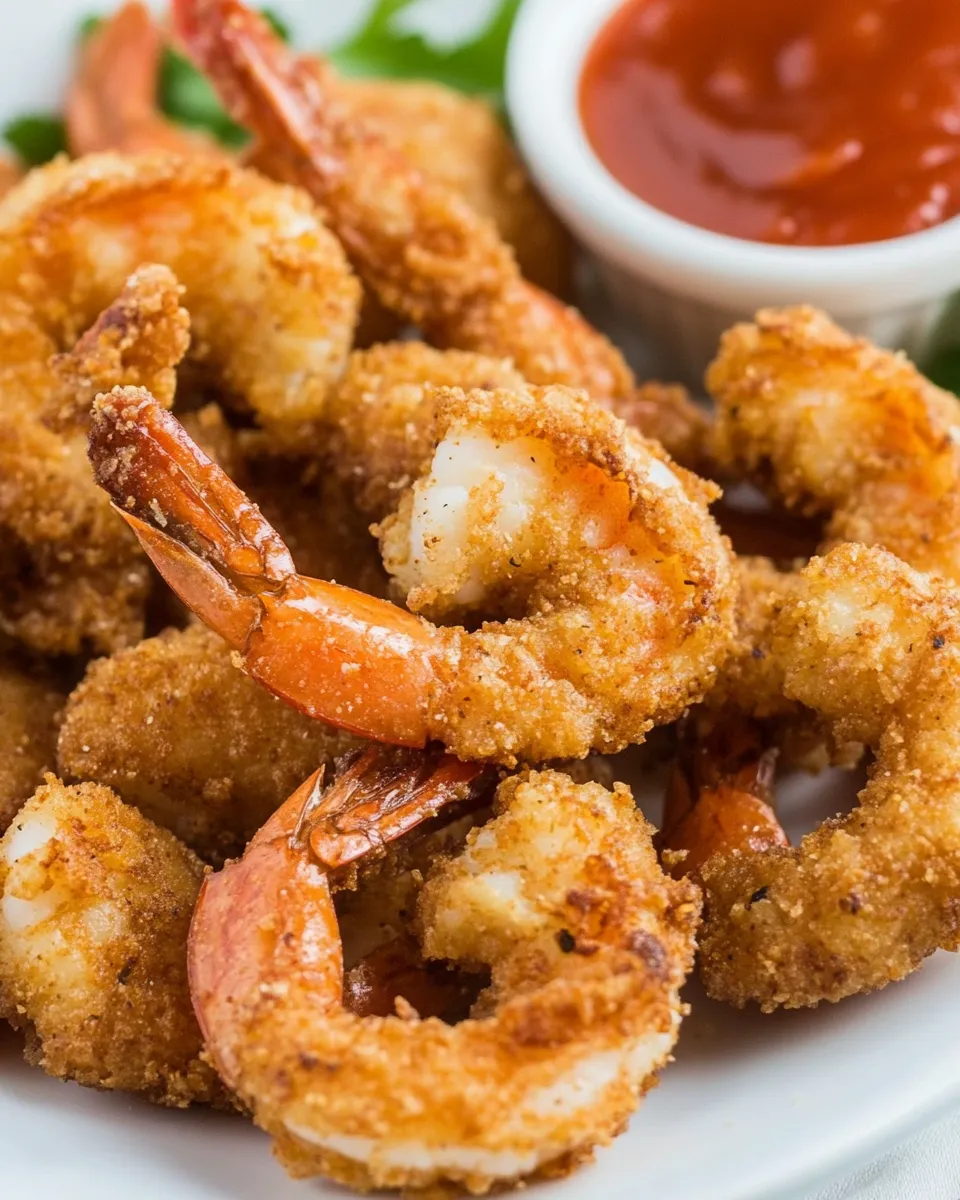
Crispy Fried Shrimp
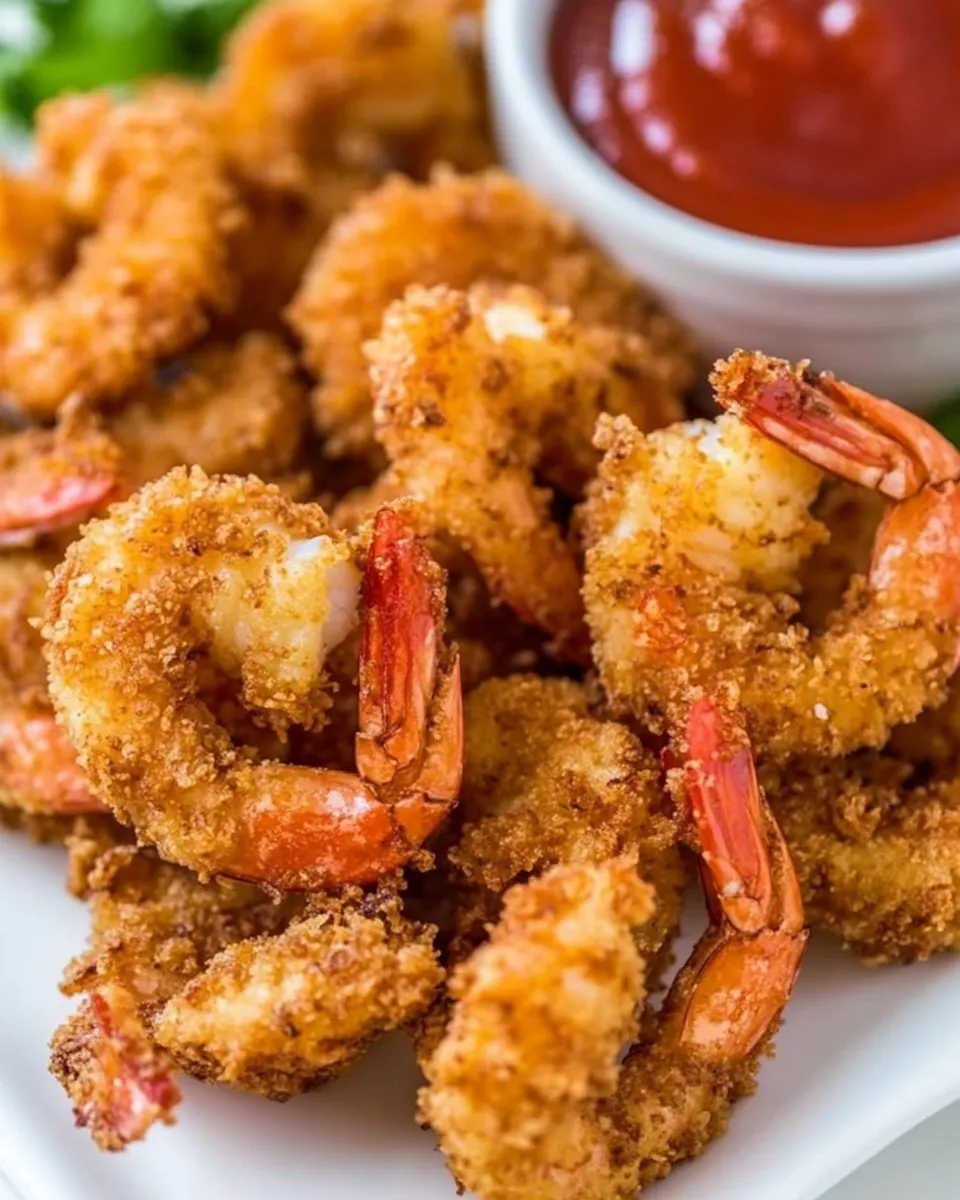
I love recipes that deliver big texture with a small time commitment. Crispy fried shrimp is exactly that: a crunchy, golden shell around sweet, juicy shrimp. It’s the kind of thing you can make on a weeknight and still feel proud handing out to friends on game day.
There’s a satisfying rhythm to this recipe — pat, dredge, fry, drain. It’s not fussy. A few bowls, a skillet, and a steady hand while you work through the shrimp will get you to perfectly crisp results every time. The panko gives the exterior a light, communicating crunch while the cornstarch in the flour mix keeps things extra crisp and not at all greasy.
I’ll walk you through the exact ingredients, the step-by-step method, equipment to have ready, common mistakes to avoid, and flavor swaps if you’re in the mood to experiment. Keep a towel and a tray handy and let’s get going.
What We’re Using

We’re keeping the ingredient list focused and the technique straightforward. This is shallow frying in a heavy skillet—no deep fryer required. The combo of flour and cornstarch creates a delicate, brittle crust that browns quickly. Panko is the final element that gives crunchy lift and a satisfying snap with each bite.
The workflow is important: dry the shrimp, assemble three shallow bowls (dry mix, egg wash, panko), then work one at a time so every piece gets even coverage. Temperature control matters too. You want oil hot and shimmering; not smoking. Too cool and the crust will soak oil. Too hot and the crust will burn before the shrimp cooks through.
Ingredients
- 1 lb. jumbo shrimp — peeled, deveined, tail on; picking large shrimp keeps cooking times short and the texture meaty.
- 1 cup panko breadcrumbs — provides the signature crisp, airy crust that flakes on the bite.
- 2 eggs — beaten to hold the coating; they create a tacky layer for the panko to adhere to.
- 1 tbsp. water — thins the eggs slightly so they cling evenly.
- ⅓ cup all-purpose flour — part of the dry dredge to give structure to the crust.
- ⅓ cup cornstarch — helps the crust brown while staying crisp and light.
- 1 ½ tsp. Cajun or Old Bay Seasoning — seasoning the dry mix builds flavor into the crust; choose your favorite.
- ½ tsp. salt — seasons the dredge; essential for balanced flavor.
- oil for frying — about ½ cup; a neutral oil with a high smoke point like vegetable, canola, or peanut works best.
Method: (Crispy Fried Shrimp)
- Pat the 1 lb shrimp dry with paper towels and set aside.
- In a shallow bowl, whisk together the 2 eggs and 1 tablespoon water until combined.
- In a second shallow bowl, stir together the 1/3 cup all-purpose flour, 1/3 cup cornstarch, 1 1/2 teaspoons Cajun or Old Bay Seasoning, and 1/2 teaspoon salt.
- Place the 1 cup panko breadcrumbs in a third shallow bowl or plate.
- Working one at a time, dredge each shrimp first in the flour/cornstarch mixture, shaking off any excess, then dip it into the egg mixture, and finally press it into the panko so it is evenly coated. Place coated shrimp on a plate; repeat with remaining shrimp.
- Heat a heavy-bottomed skillet over medium-high heat and add about 1/2 cup oil, spreading it so it forms a shallow layer. Heat until the oil is hot and shimmering but not smoking.
- Working in a single layer and in batches as needed (do not overcrowd the pan), add shrimp and cook until golden, about 1 to 2 minutes per side, turning once.
- Use tongs or a slotted spoon to transfer cooked shrimp to a paper towel–lined baking sheet or plate to drain and keep warm. Repeat frying remaining shrimp.
- Serve the shrimp once all batches are cooked and drained.
Why Crispy Fried Shrimp is Worth Your Time
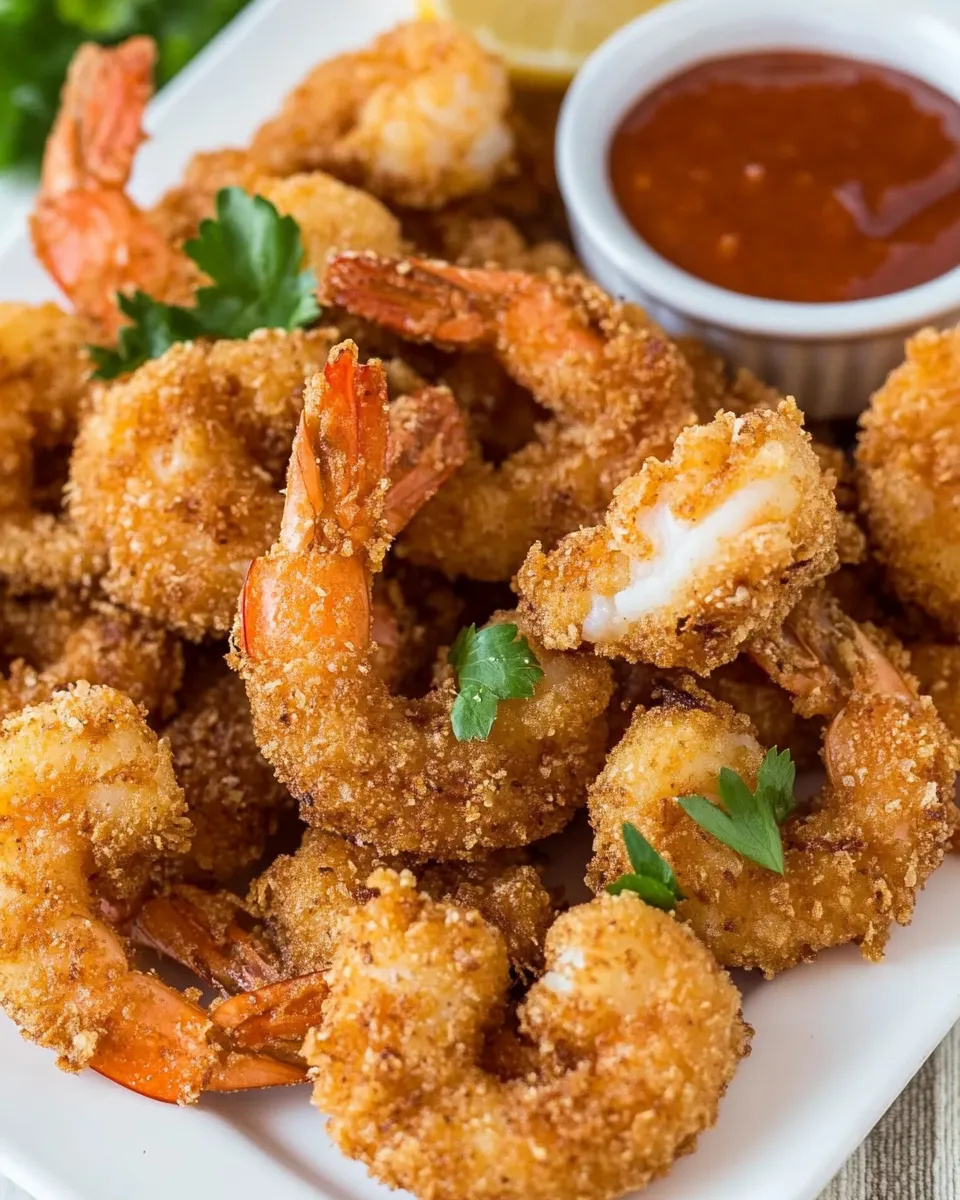
The payoff for a short bit of prep is immediate. You get professional-looking crunch and a quick cook time. This recipe fits into busy evenings, but it also scales up for parties and casual entertaining. Texturally, fried shrimp satisfies in a way pan-seared or grilled shrimp don’t: that first snap of panko followed by the tender shrimp inside is memorable.
It’s also flexible. The dredge is neutral and responsive to spice changes. Swap the Cajun for smoked paprika and garlic powder, or use a citrus-kick dipping sauce. The technique remains the same and the result keeps its integrity—golden, light, and crisp without feeling heavy.
Flavor-Forward Alternatives
- Lemon-Garlic Twist — add 1/2 tsp garlic powder to the flour mix and serve with lemon aioli for a bright finish.
- Spicy Panko — fold 1 tsp cayenne or a pinch more of the Cajun seasoning into the panko for an extra kick.
- Herbed Crunch — mix 1 tbsp finely chopped parsley or chives into the panko after coating for a fresh herbal note.
- Asian-Inspired — add 1/2 tsp five-spice powder to the dry mix and serve with a sweet chili sauce or a ponzu dip.
- Sesame Panko — toss 1 tbsp toasted sesame seeds into the panko for nutty flavor and extra texture.
Before You Start: Equipment
- Heavy-bottomed skillet (cast iron or stainless) — distributes heat evenly so the oil maintains temperature.
- Three shallow bowls or wide plates — one for the dry mix, one for the egg wash, and one for the panko.
- Tongs and a slotted spoon — tongs turn shrimp cleanly; the slotted spoon helps drain oil when you lift them out.
- Paper towels and a rimmed baking sheet or plate — to rest and drain the shrimp between batches.
- Instant-read thermometer (optional)
If you have a thermometer, heat the oil to around 350–365°F (175–185°C) for the most consistent results. If you don’t, a small piece of panko should sizzle briskly and brown in about 30–60 seconds when the oil is ready.
Errors to Dodge
- Overcrowding the pan — crowding lowers oil temperature and yields soggy crusts. Fry in single layers and do multiple batches.
- Skipping the pat-dry — wet shrimp steam in the oil. Pat them completely dry before you start.
- Oil too cool — low temperature soaks the crust. Wait until the oil shimmers.
- Oil too hot — crust will burn before the shrimp cooks through. If the oil smokes, lower the heat and let it cool slightly before continuing.
- Uneven coating — work one at a time and press panko onto the shrimp. Gently press so the panko adheres; loose crumbs fall off into the oil.
Spring–Summer–Fall–Winter Ideas
- Spring — serve with a quick pea‑mint puree or a lemon-herb yogurt dip for a bright contrast.
- Summer — pile the shrimp into a toasted roll with shredded cabbage and a garlic-lime crema for a seasonal po’ boy style sandwich.
- Fall — pair with roasted root veg and a warm paprika remoulade for a heartier plate.
- Winter — serve over creamy polenta with a drizzle of browned butter and capers for richness that stands up to colder weather.
Flavor Logic
Everything in this recipe plays a role. The flour gives structure; cornstarch drives crispness because it dries out more and fries to a delicate, brittle texture. The egg wash is the adhesive; it binds the dry mix and the panko. Panko itself traps little air pockets that fry quickly and give you that signature crunch. The seasoning in the dry mix flavors the crust through and through rather than relying on post-fry salt alone.
Textural contrast is the real trick. The shrimp cooks fast so the crust must be thin enough to crisp in the short frying window; that’s why the triple-coating method (dry mix → egg → panko) is ideal. It builds layers without piling on thickness.
Make Ahead Like a Pro
Prep Steps You Can Do Before Frying
- Devein and peel — do this up to a day ahead and keep shrimp covered in the coldest part of the fridge.
- Dry mix — whisk the flour, cornstarch, seasoning, and salt and store in an airtight container for a day or two.
- Panko — place in a shallow bowl or plate and cover with plastic wrap to keep it from absorbing moisture.
Do Not Coat Ahead
Coating the shrimp all the way through and leaving them to sit will soften the panko and make the crust fall apart in the oil. For best results, do the dredging and frying in the same sitting. If you must prepare slightly ahead, do the dry mix and egg wash separately and coat right before frying.
Your Questions, Answered
- Can I use smaller shrimp? — Yes. Reduce the cooking time slightly; small shrimp may cook in 45 seconds to 1 minute per side. Watch for color change and firming to avoid overcooking.
- Can I bake these instead of frying? — You can, but baking won’t deliver the same crispness. To bake, spray the panko-coated shrimp with oil and bake at 425°F (220°C) on a wire rack until golden, flipping once.
- How do I keep them warm between batches? — Place cooked shrimp on a baking sheet in a single layer on a low oven (200–225°F / 95–110°C) to keep warm without drying.
- Can I freeze them? — Flash-freeze the coated shrimp on a tray until solid, then transfer to a bag. Fry from frozen, adding extra time to the cook so the shrimp comes through hot.
In Closing
Crispy Fried Shrimp is one of those recipes that rewards attention to small details: drying the shrimp, keeping the oil temperature steady, and pressing the panko on firmly. Follow the method, work in batches, and you’ll end up with golden, crunchy shrimp that feel restaurant-level but are simple to execute at home.
Serve them with a squeeze of lemon, your favorite dipping sauce, or tucked into a sandwich. Either way, expect crunch, a tender interior, and quick clean-up. That’s a weeknight win and a party favorite rolled into one.
Crispy Fried Shrimp
Ingredients
Ingredients
- 1 lb.jumbo shrimpspeeled deveined, tail on
- 1 cuppanko breadcrumbs
- 2 eggs
- 1 tbsp.water
- 1/3 cupall-purpose flour
- 1/3 cupcornstarch
- 1 1/2 tsp.Cajun or Old Bay Seasoning
- 1/2 tsp.salt
- oil for fryingabout 1/2 cup
Instructions
Instructions
- Pat the 1 lb shrimp dry with paper towels and set aside.
- In a shallow bowl, whisk together the 2 eggs and 1 tablespoon water until combined.
- In a second shallow bowl, stir together the 1/3 cup all-purpose flour, 1/3 cup cornstarch, 1 1/2 teaspoons Cajun or Old Bay Seasoning, and 1/2 teaspoon salt.
- Place the 1 cup panko breadcrumbs in a third shallow bowl or plate.
- Working one at a time, dredge each shrimp first in the flour/cornstarch mixture, shaking off any excess, then dip it into the egg mixture, and finally press it into the panko so it is evenly coated. Place coated shrimp on a plate; repeat with remaining shrimp.
- Heat a heavy-bottomed skillet over medium-high heat and add about 1/2 cup oil, spreading it so it forms a shallow layer. Heat until the oil is hot and shimmering but not smoking.
- Working in a single layer and in batches as needed (do not overcrowd the pan), add shrimp and cook until golden, about 1 to 2 minutes per side, turning once.
- Use tongs or a slotted spoon to transfer cooked shrimp to a paper towel–lined baking sheet or plate to drain and keep warm. Repeat frying remaining shrimp.
- Serve the shrimp once all batches are cooked and drained.
Equipment
- Heavy-bottomed skillet
- Shallow bowls
- Plate
- Tongs
- Slotted Spoon
- Paper Towels
- Baking Sheet
Notes
HELPFUL TIPS & TRICKS
Use Large Shrimp.
If your shrimp are too small, you run the risk of overcooking them because it’ll take so much longer for you to flip the shrimp and it’ll be hard to keep an eye on them all. Keep the small shrimp for other recipes, like this
Shrimp Zucchini Skillet
.
Devein The Shrimp.
You’ll want to make sure to devein the shrimp. You can either make a shallow slit in the back of the shrimp and remove the vein, or sometimes, you can grab ahold of the end of it, if it is visible, and pull it out. I usually buy the shrimp that are already deveined. 🙂
Don’t Overcook.
The biggest mistake people make when frying shrimp is overcooking them. They really cook very quickly and will get rubbery and tough if overcooked. The oil temperature should be 350-375 degrees and it should take about 1 minute on each side to fry it.