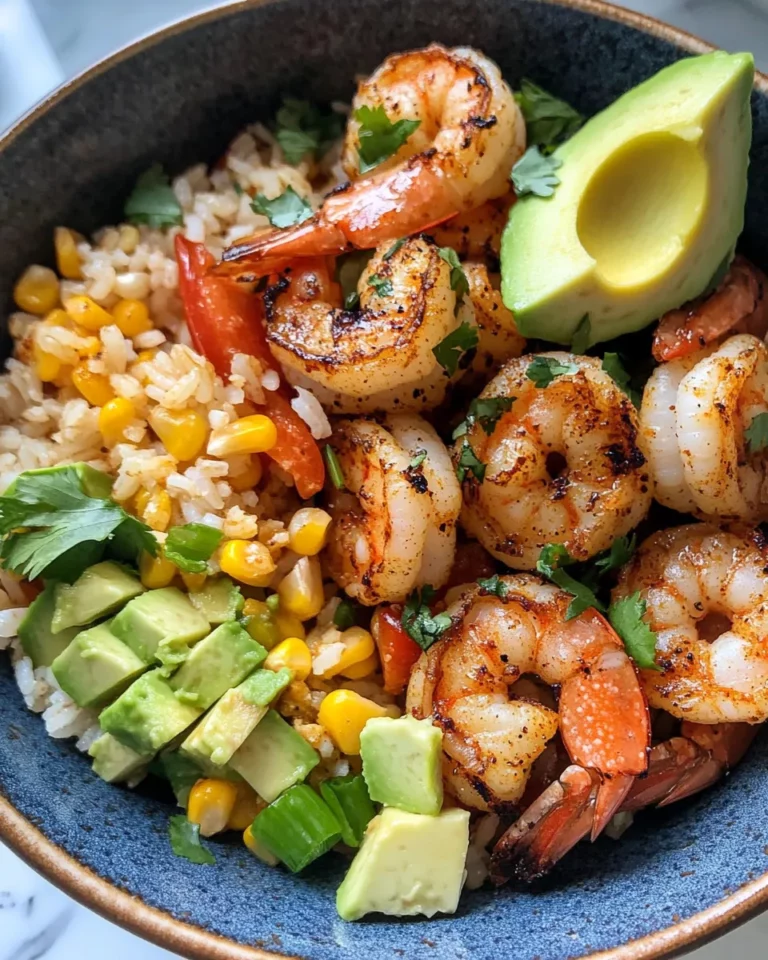
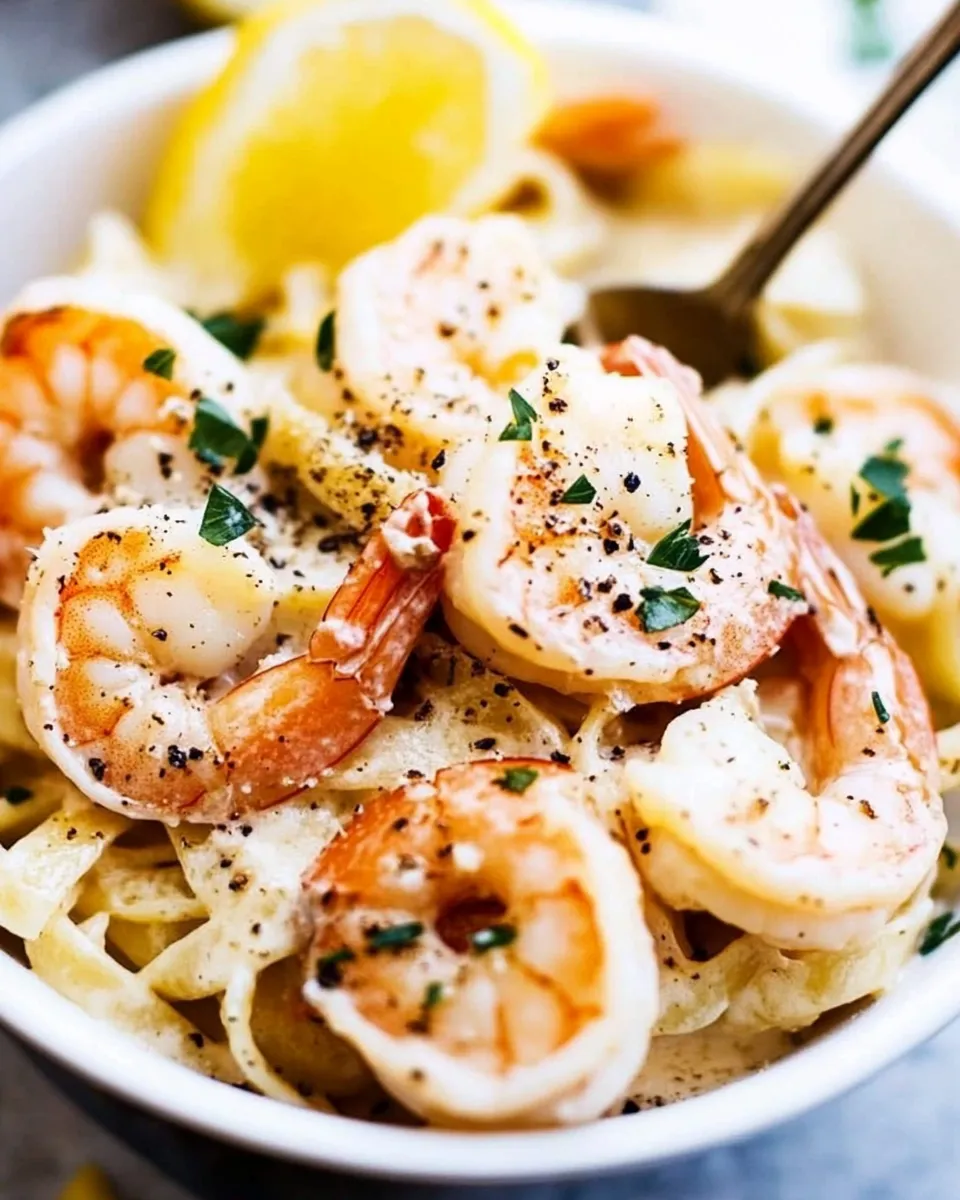
Creamy Parmesan Garlic Shrimp Pasta
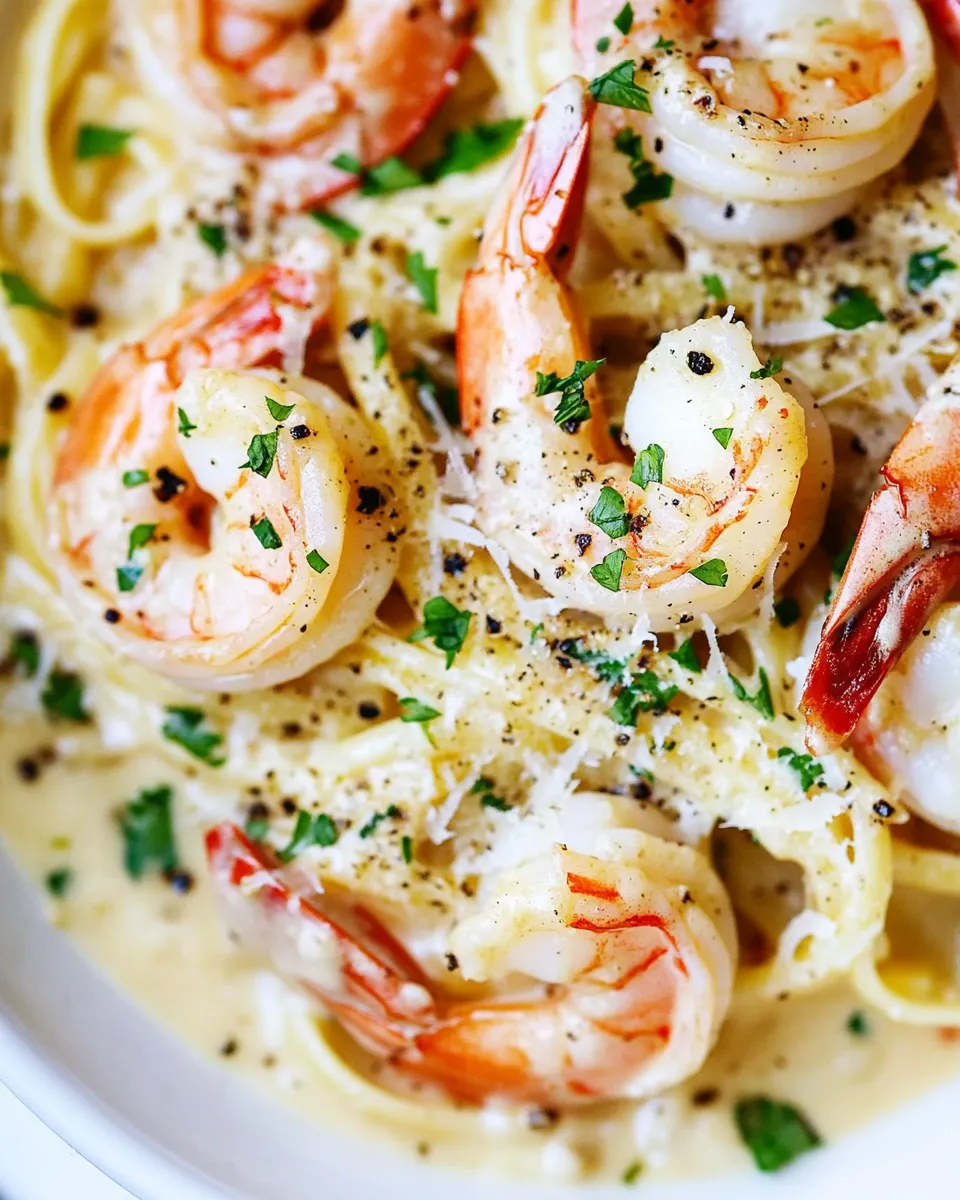
This dish is one of those weeknight heroes: ready in under 30 minutes, forgiving during the cooking, and rich enough to feel like a treat. Shrimp cooks fast, the sauce comes together in the same pan, and the flavor lands on the comforting side of indulgent—garlic, cream, and Parmesan, with a hit of Italian seasoning to lift everything.
I rely on this recipe when friends drop by last minute or when I want something that feels special without a lot of fuss. The steps are straightforward, and the payoff is a silky sauce that clings to linguine and little pockets of tender shrimp. You can make tiny adjustments to suit what you have on hand without upsetting the balance.
Below you’ll find exactly what I use, the step-by-step method, troubleshooting tips, swaps for dietary needs or pantry gaps, and practical notes on make-ahead, storing, and reheating. Keep a skillet, a pot of water, and good Parmesan handy—this one moves quickly.
What We’re Using

Short, essential ingredient list and notes so you know the role each ingredient plays in the sauce and final dish.
Ingredients
- 2 tablespoons olive oil — for searing the shrimp and building the base flavor without burning the garlic.
- 1 pound peeled and deveined jumbo shrimp — the main protein; cooks very quickly and should be removed from heat as soon as it’s pink and mostly opaque.
- salt and pepper to taste — seasons the shrimp and the sauce; add gradually and adjust at the end.
- 3 teaspoons minced garlic — concentrated aromatics; cook briefly so it becomes fragrant but not browned.
- 1 cup heavy cream — creates the rich, silky body for the sauce.
- ½ cup chicken broth — thins the cream slightly and adds savory depth; keeps the sauce from feeling too heavy.
- 1 teaspoon garlic powder — layers the garlic flavor so it persists through the sauce.
- 1 teaspoon Italian seasoning — adds dried herb brightness (oregano, basil, thyme blend) without fresh herbs.
- ½ cup parmesan cheese — melts into the sauce to thicken it and give sharp, salty umami.
- 8 ounces cooked and drained linguine noodles — the pasta vehicle; cooked, drained, and ready to be tossed with the sauce.
- chopped fresh parsley and parmesan cheese for garnish — parsley adds color and freshness; extra Parmesan for finish and saltiness.
Creamy Parmesan Garlic Shrimp Pasta: Step-by-Step Guide
- Heat 2 tablespoons olive oil in a medium-sized skillet over medium-high heat.
- Season 1 pound peeled and deveined jumbo shrimp with salt and pepper to taste.
- Add the seasoned shrimp to the hot skillet and cook about 1–2 minutes per side, until they are almost pink but not fully cooked.
- Push the shrimp to the side of the skillet (or remove briefly if the skillet is crowded). Add 3 teaspoons minced garlic to the skillet and cook about 30 seconds, until fragrant, taking care not to brown the garlic.
- Pour in 1 cup heavy cream and ½ cup chicken broth. Stir in 1 teaspoon garlic powder, 1 teaspoon Italian seasoning, and ½ cup parmesan cheese. Reduce heat to medium or medium-low.
- Simmer the sauce, stirring occasionally, for about 3–5 minutes until it starts to thicken and the shrimp finish cooking through.
- Add 8 ounces cooked and drained linguine noodles to the skillet. Gently toss or stir for 1–2 minutes to combine and coat the noodles in the sauce.
- Taste and adjust seasoning with salt and pepper if needed. Garnish with chopped fresh parsley and additional parmesan cheese before serving.
Why This Recipe Belongs in Your Rotation
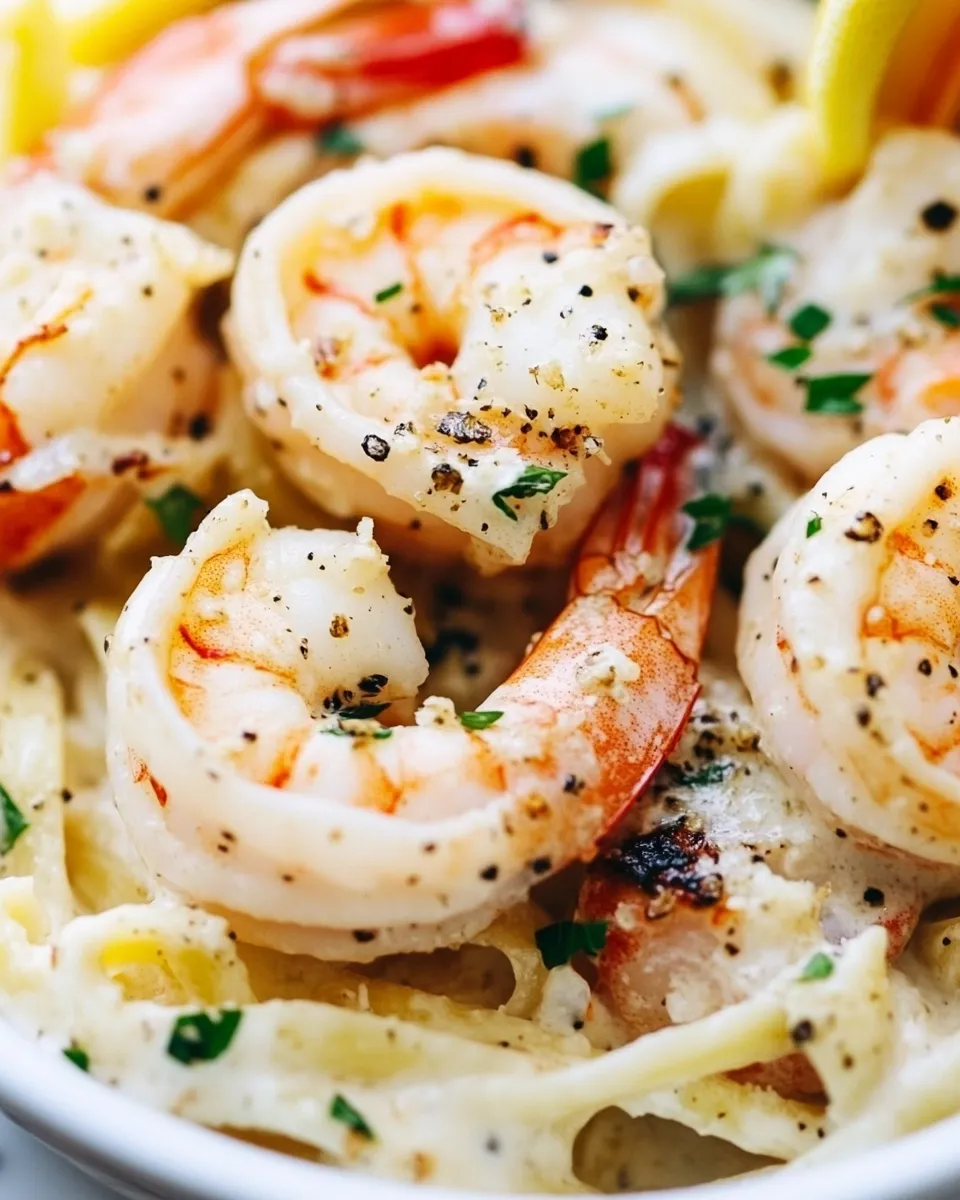
It’s quick without feeling rushed. From hot pan to plate in roughly the time it takes to boil pasta, this recipe is built around speed—shrimp cooks in minutes and the sauce comes together in the same skillet you used to brown them. That saves time and cleanup.
The flavor profile is widely appealing: garlic-forward, creamy, and finished with Parmesan for savory depth. It reads like an elevated pasta, but the technique is approachable. For busy evenings, this is reliably satisfying; for entertaining, it looks and tastes like you put in more effort than you did.
Finally, it’s forgiving. If your sauce runs a touch thin, a bit more cheese or a short simmer fixes it. If the shrimp run slightly over, proper seasoning and a bright garnish bring the dish back into balance.
Ingredient Swaps & Substitutions
Practical swaps when you need to adapt for diet, pantry, or preference.
- Heavy cream — for a lighter version, use half-and-half with a tablespoon of cornstarch (stirred in) to help thicken; note this changes richness and mouthfeel.
- Chicken broth — vegetable broth or clam juice can be used for different flavor profiles; wine (white) will add acidity and complexity if you prefer it.
- Parmesan cheese — Pecorino Romano offers a saltier, sharper finish; use sparingly because it’s stronger.
- Linguine noodles — any long pasta (spaghetti, fettuccine) or even short shapes (penne, rigatoni) will work—adjust tossing technique to coat shorter shapes.
- Shrimp — if you don’t have jumbo shrimp, medium shrimp are fine; watch cooking time carefully because smaller shrimp cook faster.
- Garlic — if you only have garlic powder, increase slightly but omit or reduce the minced garlic to avoid powdery texture and ensure fresh garlic flavor.
Setup & Equipment
Tools that make this recipe straightforward:
- Medium-sized skillet — a 10–12 inch skillet gives enough surface for searing shrimp without overcrowding.
- Large pot for pasta — bring salted water to a rolling boil so the linguine cooks evenly.
- Tongs or pasta fork — for tossing the pasta into the sauce and ensuring even coating.
- Measuring spoons/cups — for accuracy with cream, broth, and seasonings.
- Colander — drain pasta well. If you want extra cohesion in the sauce, reserve a small cup of pasta cooking water before draining.
Prep tip: have the shrimp seasoned and the minced garlic measured before you heat the skillet. The steps move quickly once the pan is hot.
Common Errors (and Fixes)
What usually goes wrong and how to recover fast.
- Shrimp overcooked and rubbery — fix: remove shrimp as soon as they’re mostly opaque and finish them in the simmering sauce; if already overcooked, serve them with an acid garnish (lemon wedges, fresh herbs) and focus on a silky sauce to distract from texture.
- Garlic burned and bitter — fix: if garlic browns, scrape it out and add a splash of broth to deglaze, then continue with cream; next time, reduce heat before adding garlic and watch it closely (about 30 seconds).
- Sauce too thin — fix: simmer a bit longer to reduce, or whisk in an extra handful of grated Parmesan off heat to thicken; alternatively, mix 1 teaspoon cornstarch with cold water and stir in, then simmer until thickened.
- Sauce too thick — fix: thin with a splash of reserved pasta water, chicken broth, or cream until it reaches the desired consistency.
- Undersalted final dish — fix: finish with a light sprinkle of salt or a grating of Parmesan; taste at the end before serving.
Seasonal Ingredient Swaps
Small seasonal touches help keep this recipe feeling fresh year-round.
- Spring — stir in blanched asparagus tips or peas at the end for sweetness and crunch; finish with lemon zest.
- Summer — add halved cherry tomatoes warmed briefly in the sauce for bright acidity, or toss in torn basil leaves just before serving.
- Fall — sautéed mushrooms make the dish heartier; a sprinkle of thyme complements the Italian seasoning.
- Winter — wilted spinach added at the end brings color and nutrition; a squeeze of lemon brightens the creamy base.
Testing Timeline
If you’re tuning this recipe, here’s a practical timeline for testing and refining:
- First run — follow the recipe exactly to understand baseline texture and flavor (timing: roughly 20–30 minutes from start to finish).
- Second run (adjust seasoning) — reduce or increase salt/Parmesan and test with a finishing acid (lemon) to see if brightness improves perception of the sauce.
- Third run (texture) — try slight changes to cream/broth ratio: more broth for a lighter sauce, slightly more Parmesan for thicker mouthfeel. Note which you prefer and scale from there.
- Make-ahead test — prepare sauce and shrimp, cool quickly, refrigerate up to 24 hours; reheat gently and check shrimp texture—shrimp will be firmer after refrigeration, so consider undercooking slightly during initial cook if you plan to reheat.
Cooling, Storing & Rewarming
How to keep leftovers tasting as close to fresh as possible.
- Cooling — cool quickly at room temperature for no more than one hour, then refrigerate in shallow airtight containers.
- Storing — store in the refrigerator for up to 2 days. The sauce will thicken as it cools because the fat and cheese set; the shrimp texture will change slightly.
- Freezing — not recommended for best texture: cream-based sauces separate when frozen and reheated, and shrimp can become rubbery.
- Rewarming — reheat gently over low heat on the stovetop with a splash of chicken broth or reserved pasta water to loosen the sauce. Heat just until warmed through to avoid overcooking the shrimp. Alternatively, reheat in a low oven (300°F/150°C) covered, adding a little liquid as needed.
Common Qs About Creamy Parmesan Garlic Shrimp Pasta
Short, direct answers to the questions I get most often.
- Can I make this without cream? — You can use half-and-half or a mixture of milk + a small amount of cornstarch to thicken, but the texture and richness will be lighter than with cream.
- How do I prevent the sauce from breaking? — Keep heat moderate or low after adding the cream and cheese. High heat can cause separation. Stir gently and avoid boiling vigorously.
- What if my shrimp are tiny? — Reduce cooking time: tiny shrimp may need less than a minute per side. Watch for color change to opaque and pink as the cue.
- Can I use pre-cooked shrimp? — Yes, add them at the end of step 6 just to warm through; skip the raw shrimp sear so you don’t double cook them.
- Is this freezer-friendly? — Not recommended; cream sauces and shrimp both lose quality when frozen and reheated.
Make It Tonight
This is a practical, fast dinner that reads like an intentional meal. Start your pasta water as you season the shrimp, and you’ll be plating in about 20–30 minutes. For a quick finish: reserve a small cup of pasta water before draining; it’s your secret to adjusting sauce consistency and getting a glossy finish when you toss the linguine with sauce.
Serve with a simple green salad and lemon wedges. Garnish generously with chopped parsley and an extra grating of Parmesan. The bright herb and cheese at the end are what make the dish feel composed and balanced.
Give it a go tonight—good equipment, steady heat, and a watchful eye on the shrimp will yield a restaurant-quality, home-cooked meal.
Creamy Parmesan Garlic Shrimp Pasta
Ingredients
Ingredients
- 2 tablespoonsolive oil
- 1 poundpeeled and deveined jumbo shrimp
- salt and pepper to taste
- 3 teaspoonsminced garlic
- 1 cupheavy cream
- 1/2 cupchicken broth
- 1 teaspoongarlic powder
- 1 teaspoonItalian seasoning
- 1/2 cupparmesan cheese
- 8 ouncescooked and drained linguine noodles
- chopped fresh parsley and parmesan cheesefor garnish
Instructions
Instructions
- Heat 2 tablespoons olive oil in a medium-sized skillet over medium-high heat.
- Season 1 pound peeled and deveined jumbo shrimp with salt and pepper to taste.
- Add the seasoned shrimp to the hot skillet and cook about 1–2 minutes per side, until they are almost pink but not fully cooked.
- Push the shrimp to the side of the skillet (or remove briefly if the skillet is crowded). Add 3 teaspoons minced garlic to the skillet and cook about 30 seconds, until fragrant, taking care not to brown the garlic.
- Pour in 1 cup heavy cream and ½ cup chicken broth. Stir in 1 teaspoon garlic powder, 1 teaspoon Italian seasoning, and ½ cup parmesan cheese. Reduce heat to medium or medium-low.
- Simmer the sauce, stirring occasionally, for about 3–5 minutes until it starts to thicken and the shrimp finish cooking through.
- Add 8 ounces cooked and drained linguine noodles to the skillet. Gently toss or stir for 1–2 minutes to combine and coat the noodles in the sauce.
- Taste and adjust seasoning with salt and pepper if needed. Garnish with chopped fresh parsley and additional parmesan cheese before serving.
Equipment
- Skillet
Notes
[b]Alyssa Also Recommends:[/b]
Want to make this even easier? Here are a few products that I LOVE:
•[url:2]Cuisinart Stainless Steel Chopper[/url]
•[url:3]Microplane Grater[/url]
•[url:4]The Recipe Critic Measuring Cups[/url]