Cheese Latkes
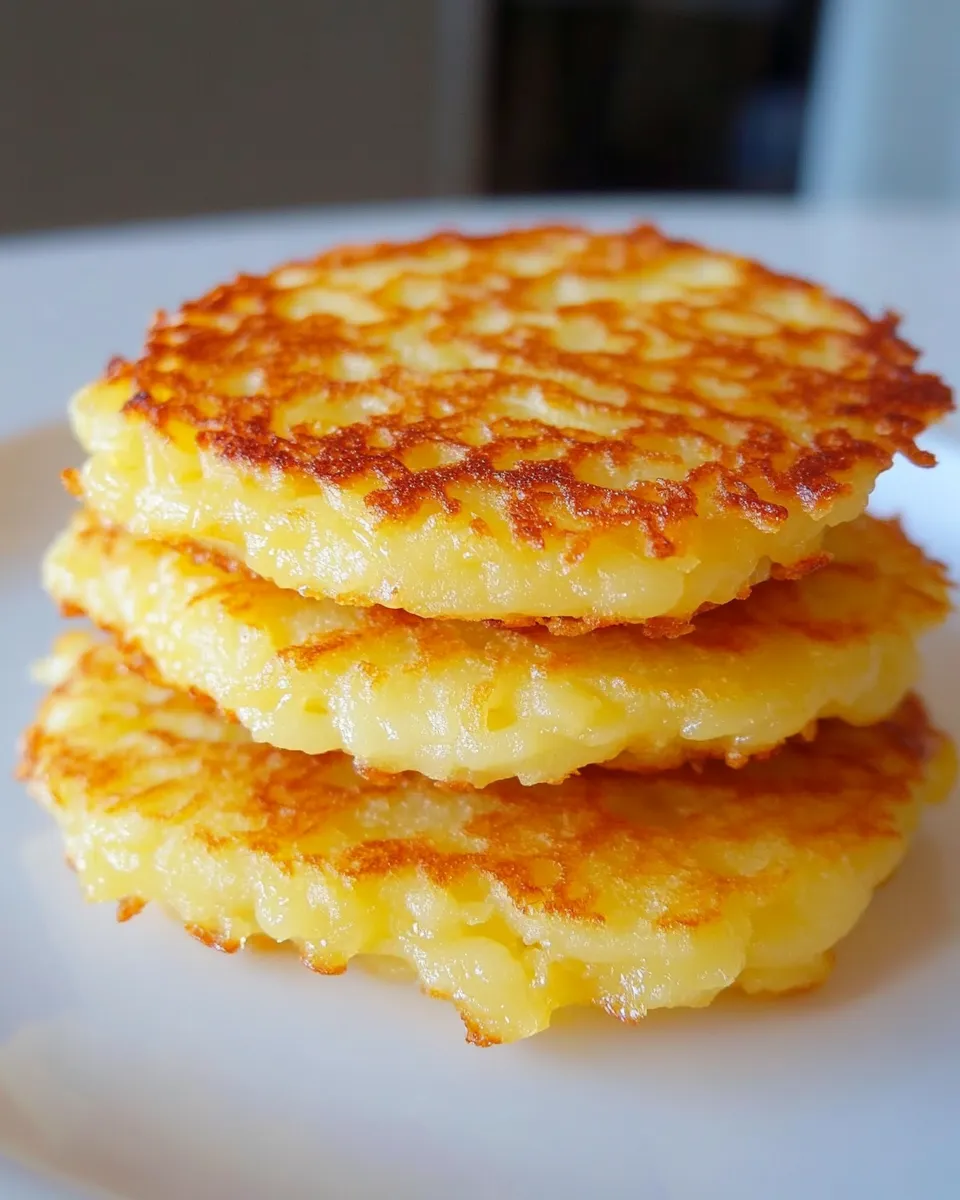
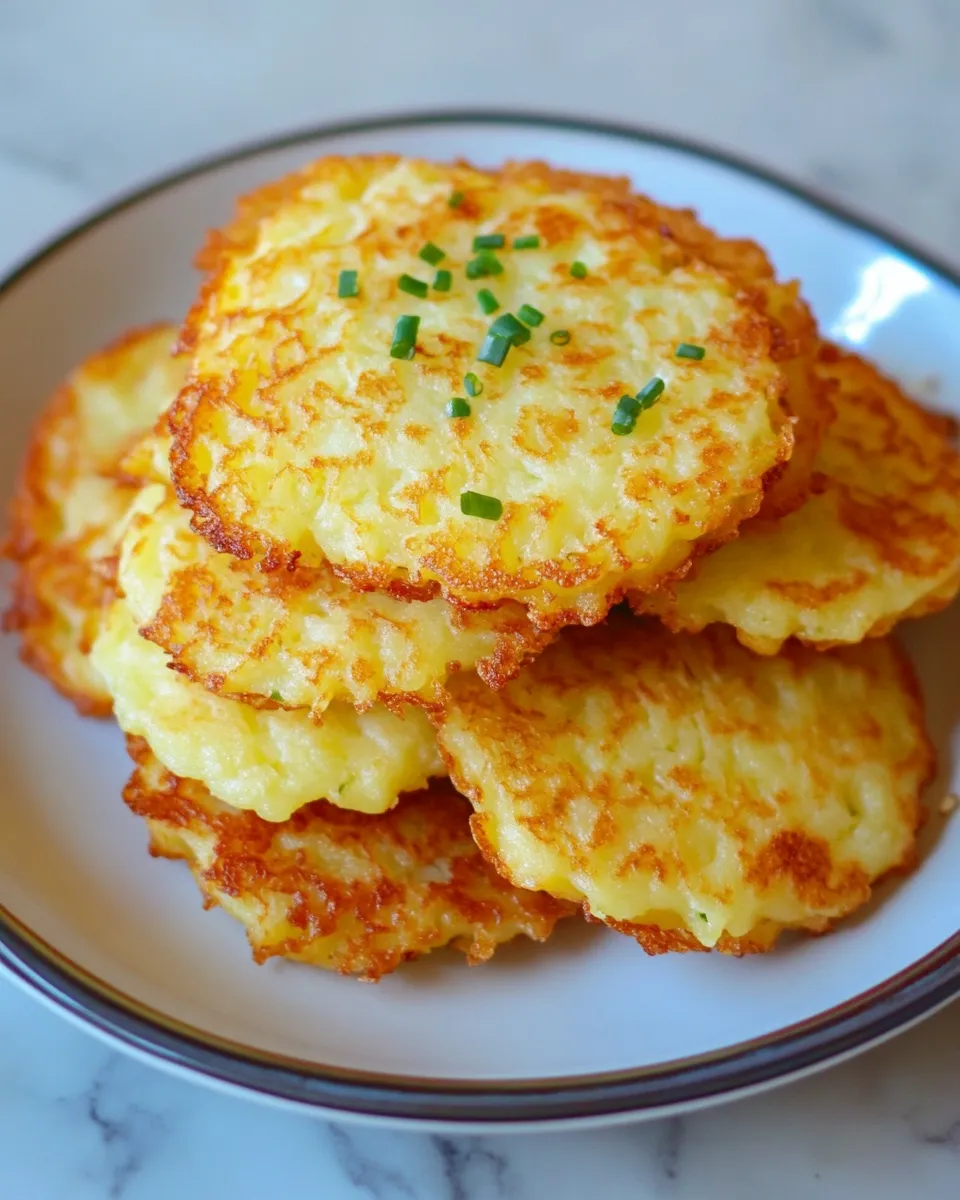
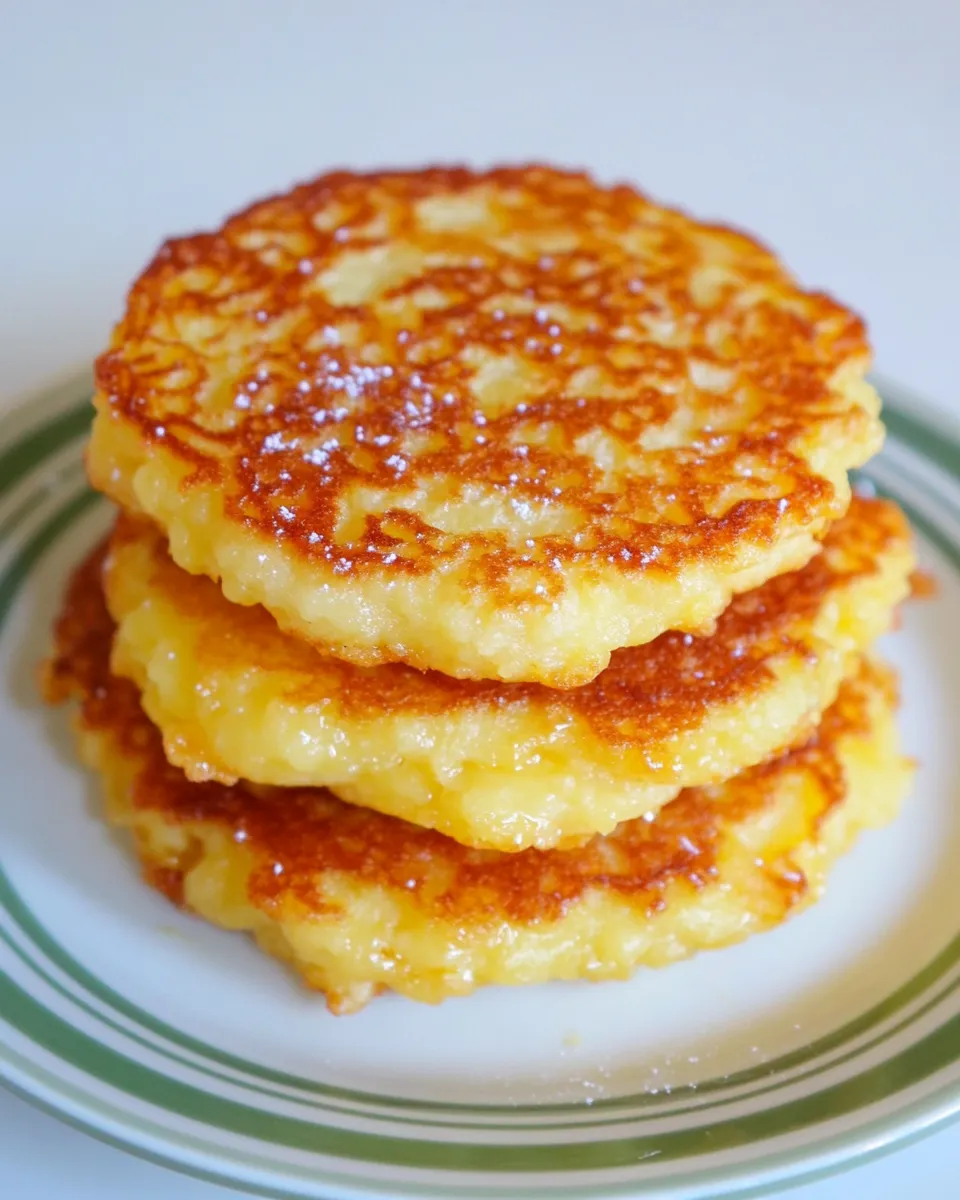
These cheese latkes are the kind of recipe I reach for when I want something comforting, fast, and a little unexpected. They crisp up on the outside, stay tender inside, and have a mild tang from the ricotta that makes them addictive with both sweet and savory toppings. They’re not the heavy, potato-forward latkes you might first think of—these are lighter, quicker, and perfect for brunch or an easy weeknight.
I test recipes in a busy kitchen, so I value anything that’s forgiving. This batter comes together in a food processor, which means consistent texture and minimal fuss. You’ll fry them quickly in a skillet, using just a spray of oil, and there’s no complicated shaping. A spoon and a hot pan do the work.
Below you’ll find the exact ingredients and the step-by-step directions I use, plus tips for getting them perfectly golden and ideas for serving. Read through the notes before you start so you can move efficiently—these cook fast once the skillet is hot.
What You’ll Need

Ingredients
- 1cuphigh quality whole milk ricotta cheese — the base of the batter; provides creaminess and moisture.
- 3/4cupflour — gives structure so the latkes hold together and brown properly.
- 3largeeggs — bind the batter and help with a tender, custardy interior.
- 2tablespoonsgranulated white sugar — balances the tang of the ricotta and helps with browning.
- 1teaspoonkosher salt — seasons the batter; kosher salt is easier to control by hand.
- 1/2teaspoonbaking powder — adds a touch of lift so the latkes aren’t flat or dense.
- Nonstick cooking oil spray, for frying — keeps the surface slick for even frying without excess oil.
Directions: Cheese Latkes
- Place all ingredients from the list except the nonstick cooking oil spray into a food processor.
- Process about 45 seconds, pausing 2–3 times to scrape down the sides, until the mixture becomes a thick batter that holds together.
- Heat a skillet over medium heat. Lightly spray the skillet with nonstick cooking oil spray just before adding batter.
- Use a spoon to scoop 1–2 tablespoons of batter per latke and drop it onto the hot skillet. After it hits the skillet, gently spread each scoop into a thin circle with the back of the spoon.
- Fry the latkes 2–3 minutes on the first side, until the bottoms are golden brown, then flip and cook 2–3 minutes on the second side until golden and cooked through.
- Test the first latke for doneness; if the outside is browning faster than the center is cooking, lower the skillet heat and continue.
- Repeat with the remaining batter, lightly spraying the skillet as needed between batches.
- Transfer cooked latkes to a plate and serve immediately.
Why Cooks Rave About It
These Cheese Latkes are a quick win because they require few ingredients and very little hands-on time. The food processor does the mixing and creates a consistent batter, so you don’t have to fuss with splitting or shredding. That makes the texture reliably tender and the surface easy to brown.
Flavor-wise, ricotta brings a fresh dairy note that’s less heavy than mashed potatoes or thick cheeses. The sugar and baking powder work quietly in the background, encouraging lightness and appealing caramelization. Cooks appreciate how adaptable they are: serve them sweet for brunch or savory as a side or appetizer.
Finally, they’re forgiving. If the first batch browns a little fast, you can easily lower the heat and finish the rest evenly. Small adjustments in frying time or skillet temperature correct themselves without ruining the whole batch.
Low-Carb/Keto Alternatives
If you want to lower carbs, substitute the all-purpose flour with a lower-carb option. Almond flour works well for a slightly nutty flavor and a denser bite; use it 1:1 but expect a wetter batter that may need a touch more almond flour to hold. Coconut flour absorbs moisture aggressively—start with half the amount and add slowly until the batter holds together. Because coconut flour soaks up liquid, you’ll likely need to increase the egg slightly to maintain structure.
For a sugar-free version, replace the granulated white sugar with a granular keto sweetener of choice in a 1:1 ratio. Keep an eye on browning, as some low-carb sweeteners do not caramelize the same way as sugar and may affect color rather than flavor.
Recommended Tools
- Food processor — for quick, even blending so the batter has a consistent texture.
- Medium nonstick skillet — helps with even browning and easy flipping.
- Heatproof spatula — thin enough to get under the latkes without tearing.
- Measuring cups and spoons — precise amounts keep the batter balanced.
- Plate lined with paper towels or a wire rack — for resting latkes between batches without steaming them.
What Not to Do
- Don’t skip scraping the food processor. If you don’t, you’ll end up with uneven pockets of flour or egg.
- Don’t overcrowd the skillet. Crowding drops the pan temperature and yields soggy, unevenly browned latkes.
- Don’t flip too early. Wait until the edges set and the bottom is golden to avoid breaking the latke.
- Don’t discard the first test latke. Use it to check seasoning and heat, then adjust before you cook the rest.
Adaptations for Special Diets
Vegetarian: This recipe is vegetarian as written. It makes a great meatless starter or brunch item.
Gluten-free: Use a 1:1 gluten-free flour blend that’s meant to replace all-purpose flour. Some blends contain xanthan gum which helps mimic the structure of gluten. If your blend lacks a binder, add a teaspoon of xanthan gum or an extra egg white to improve hold.
Dairy-free: Swap the ricotta for a firm tofu blended until silky, or use a commercially available dairy-free ricotta alternative. Expect a slightly different texture; adjust seasoning and salt because many dairy-free products are less tangy than dairy ricotta.
Egg-free/Vegan: To make these vegan, replace eggs with a reliable binder like a commercial egg replacer or a flax “egg” (1 tablespoon ground flaxseed + 3 tablespoons water per egg, chilled). Note that color, texture, and flavor will shift; I recommend testing one small batch first to tweak ratios.
Chef’s Notes
Quick Tips
- Room temperature ingredients blend more smoothly. Let the ricotta and eggs sit out for 15 minutes if you can.
- Monitor skillet heat closely. Medium heat creates a balance between a golden crust and a cooked-through center.
- If the batter seems too runny to hold shape, add a tablespoon of flour at a time until it firms up. If it’s too thick, a splash of milk will loosen it.
- Keep cooked latkes warm on a wire rack in a low oven (200°F / 95°C) while you finish frying the rest so they stay crisp.
Keep It Fresh: Storage Guide
Refrigerator: Store cooled latkes in an airtight container for up to 3 days. Reheat in a 350°F (175°C) oven on a wire rack for 8–10 minutes to restore crispness, or crisp them in a skillet over medium heat for a few minutes per side.
Freezer: Lay latkes in a single layer on a baking sheet and freeze until solid, then transfer to a freezer bag for up to 1 month. Reheat from frozen in a 375°F (190°C) oven for 10–15 minutes, flipping once, until heated through and crisp.
Do not store them piled in a container right after frying; condensation will make them soggy. Let them cool briefly on a rack first.
FAQ
- Can I bake these instead of frying? You can bake them on a parchment-lined sheet at 400°F (200°C) until golden, but they will be less crisp and may take longer—about 12–15 minutes, flipping halfway.
- Why didn’t my latkes brown evenly? Likely the pan was too hot in spots or not hot enough overall. Use medium heat and give the pan time to stabilize between batches. Light spraying before each batch helps even browning.
- Can I make the batter ahead? Yes. Keep it refrigerated up to 24 hours. Stir gently before frying; you may need to add a splash of milk if it tightens up.
- Can I use cottage cheese instead of ricotta? Cottage cheese will work but has more loose moisture and a different curd structure. Blend it until smooth and drain any excess liquid for best results.
Serve & Enjoy
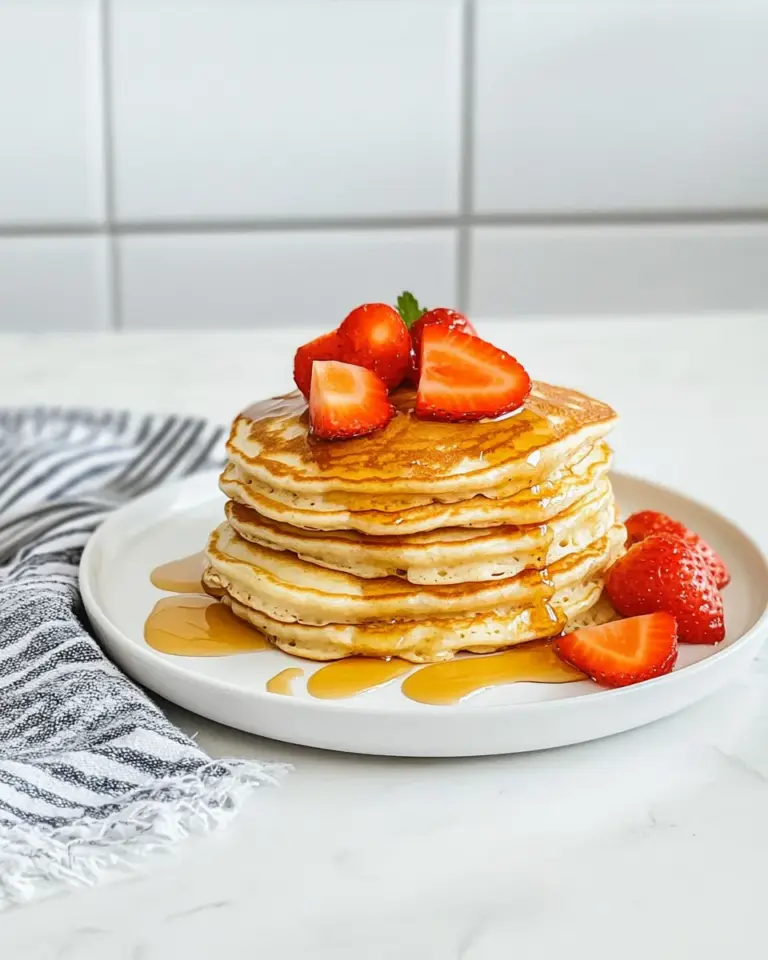
Serve these Cheese Latkes hot from the skillet. For sweet pairings, offer a simple applesauce, a drizzle of honey, or a dollop of lightly sweetened whipped cream. For savory, serve alongside sour cream, a spoonful of herbed yogurt, smoked salmon, or a fresh cucumber-dill salad.
They also work well as a base for small toppings: smoked salmon and dill for a bite-sized appetizer, or a warm mushroom ragout for a more substantial plate. Keep portions small—1–3 latkes per person depending on appetite—and let guests mix and match toppings.
These are one of those small, dependable recipes that feel special without being fussy. They come together fast, hold well, and adapt to many menus. Make a double batch if you’re feeding a group; they disappear quickly.
Cheese Latkes
Ingredients
Ingredients
- 1 cuphigh quality whole milk ricotta cheese
- 3/4 cupflour
- 3 largeeggs
- 2 tablespoonsgranulated white sugar
- 1 teaspoonkosher salt
- 1/2 teaspoonbaking powder
- Nonstick cooking oil spray for frying
Instructions
Instructions
- Place all ingredients from the list except the nonstick cooking oil spray into a food processor.
- Process about 45 seconds, pausing 2–3 times to scrape down the sides, until the mixture becomes a thick batter that holds together.
- Heat a skillet over medium heat. Lightly spray the skillet with nonstick cooking oil spray just before adding batter.
- Use a spoon to scoop 1–2 tablespoons of batter per latke and drop it onto the hot skillet. After it hits the skillet, gently spread each scoop into a thin circle with the back of the spoon.
- Fry the latkes 2–3 minutes on the first side, until the bottoms are golden brown, then flip and cook 2–3 minutes on the second side until golden and cooked through.
- Test the first latke for doneness; if the outside is browning faster than the center is cooking, lower the skillet heat and continue.
- Repeat with the remaining batter, lightly spraying the skillet as needed between batches.
- Transfer cooked latkes to a plate and serve immediately.
Equipment
- Food Processor
- Skillet
- Spoon
Notes
You will also need: Food processor, large skillet (nonstick is best)