Balsamic Chicken Marinade
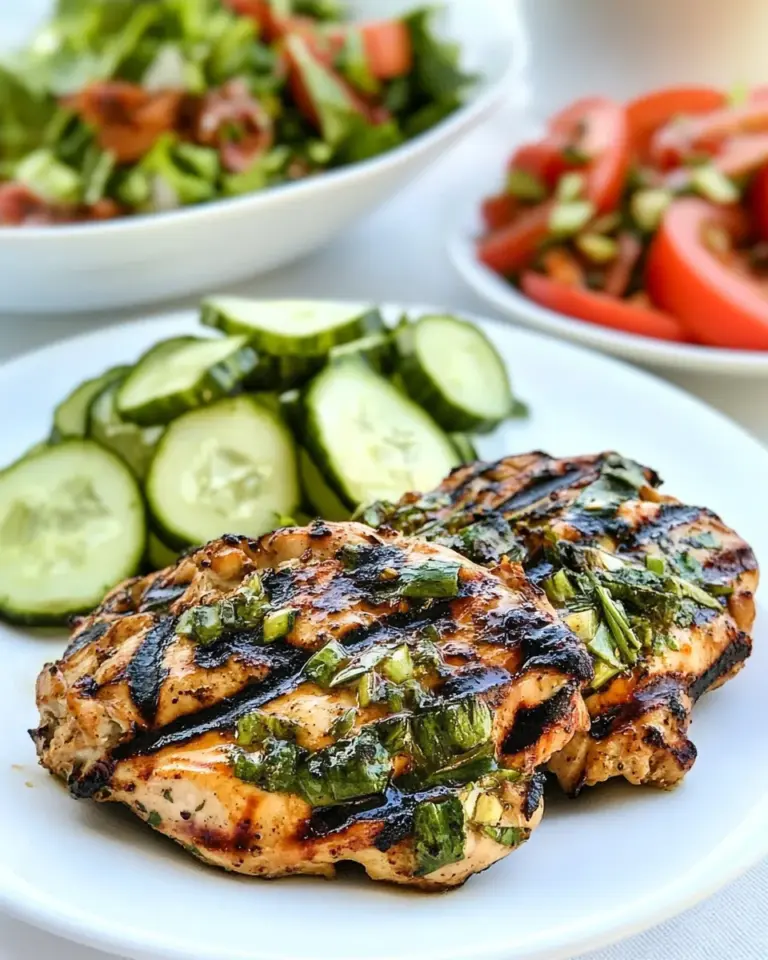
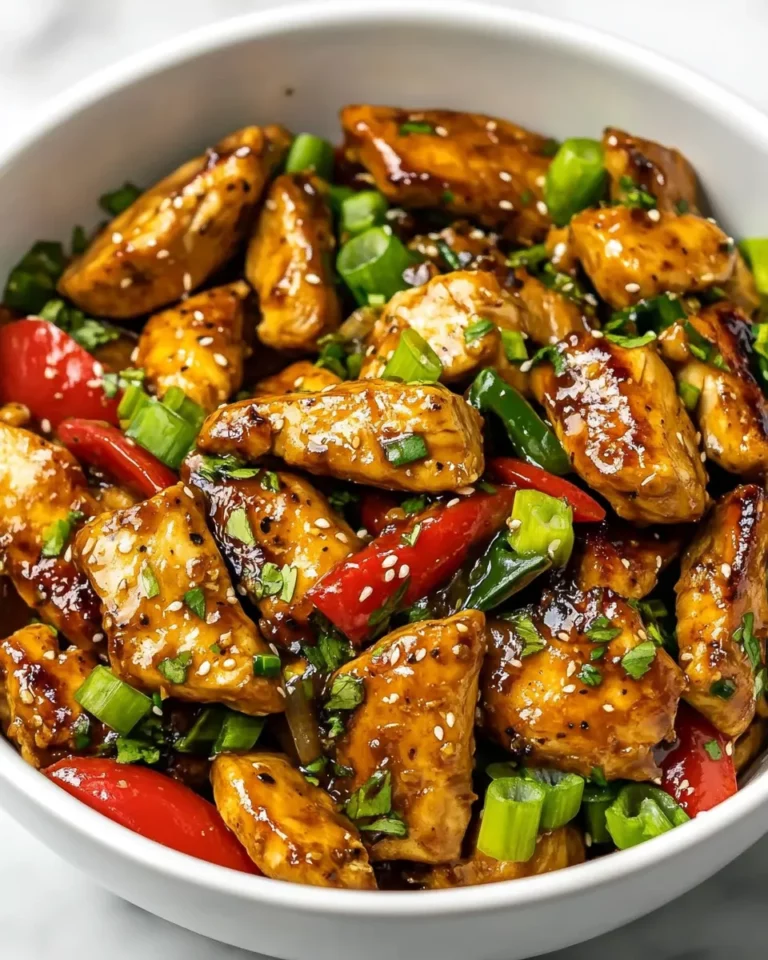
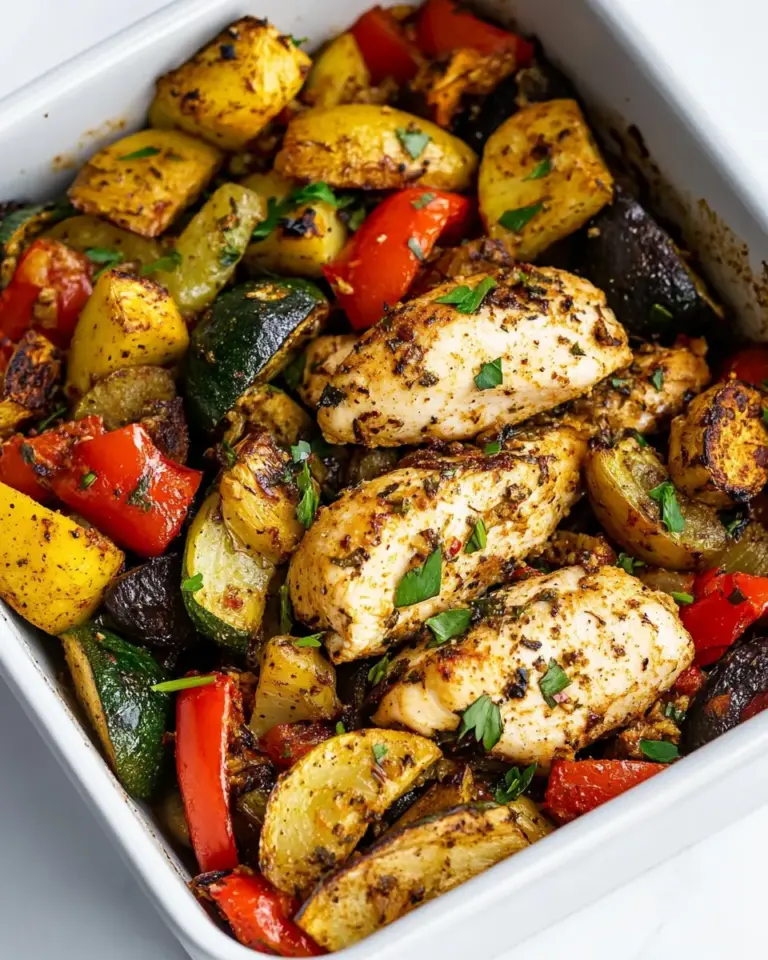
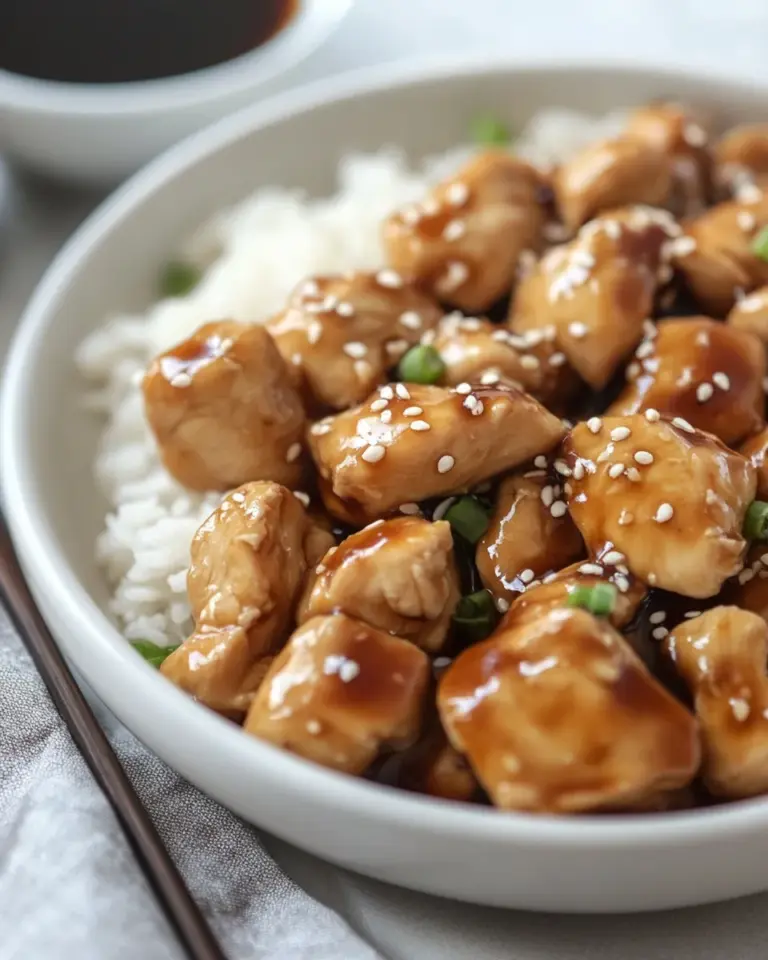
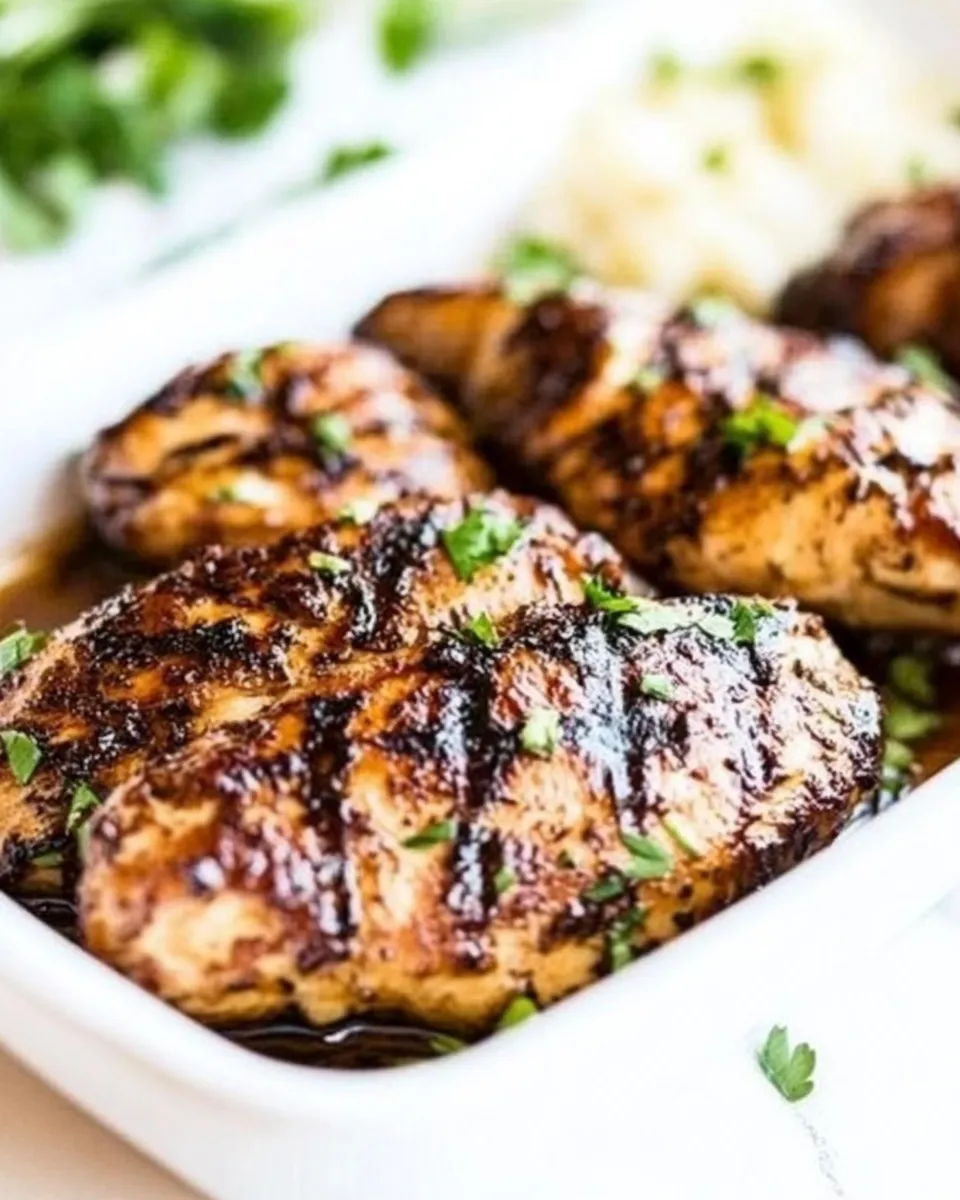
There’s something endlessly comforting about a simple, well-balanced sauce that can transform a modest chicken breast into dinner-table gold. This Balsamic Chicken Marinade is bright, slightly sweet, tangy, and herby—the kind of flavor profile that works whether you grill, roast, or pan-sear. It’s easy to pull together with pantry staples and a quick pound of chicken breasts pounded to an even thickness. The result is juicy, flavorful chicken with a glossy balsamic finish that pairs beautifully with roasted vegetables, a crisp green salad, or fluffy rice.
Why this recipe works

This marinade balances acid, fat, and sweet: extra virgin olive oil keeps the chicken moist and helps the marinade cling, balsamic vinegar adds depth and tang, and honey brings a touch of caramelized sweetness. Dijon mustard and lemon juice add bright, savory lift while a thoughtful trio of dried oregano, dried basil, garlic powder, and onion powder gives classic Mediterranean-herb warmth. A pinch of red pepper flakes provides a gentle heat that wakes up the flavors without overpowering them, and salt and pepper finish the seasoning. Pounding the chicken to an even thickness ensures even cooking and maximum marinade contact for tenderness throughout.
Ingredients
- 1 pound chicken breasts, pounded to an even thickness
- 3 tablespoons extra virgin olive oil
- 3 tablespoons balsamic vinegar
- 2 tablespoons honey
- 1 tablespoon lemon juice
- 1 tablespoon Dijon mustard
- 1 teaspoon dried oregano
- 1 teaspoon dried basil
- 1 teaspoon garlic powder
- 1 teaspoon onion powder
- 1 teaspoon salt
- 1/2 teaspoon pepper
- 1/4 teaspoon red pepper flakes
Equipment
- Measuring spoons
- Medium bowl or a resealable plastic bag
- Whisk or fork
- Plastic wrap or a cutting board and meat mallet (to pound the chicken)
- Skillet, grill, or oven-safe pan for cooking
- Tongs and a meat thermometer (optional but helpful)
Prep notes
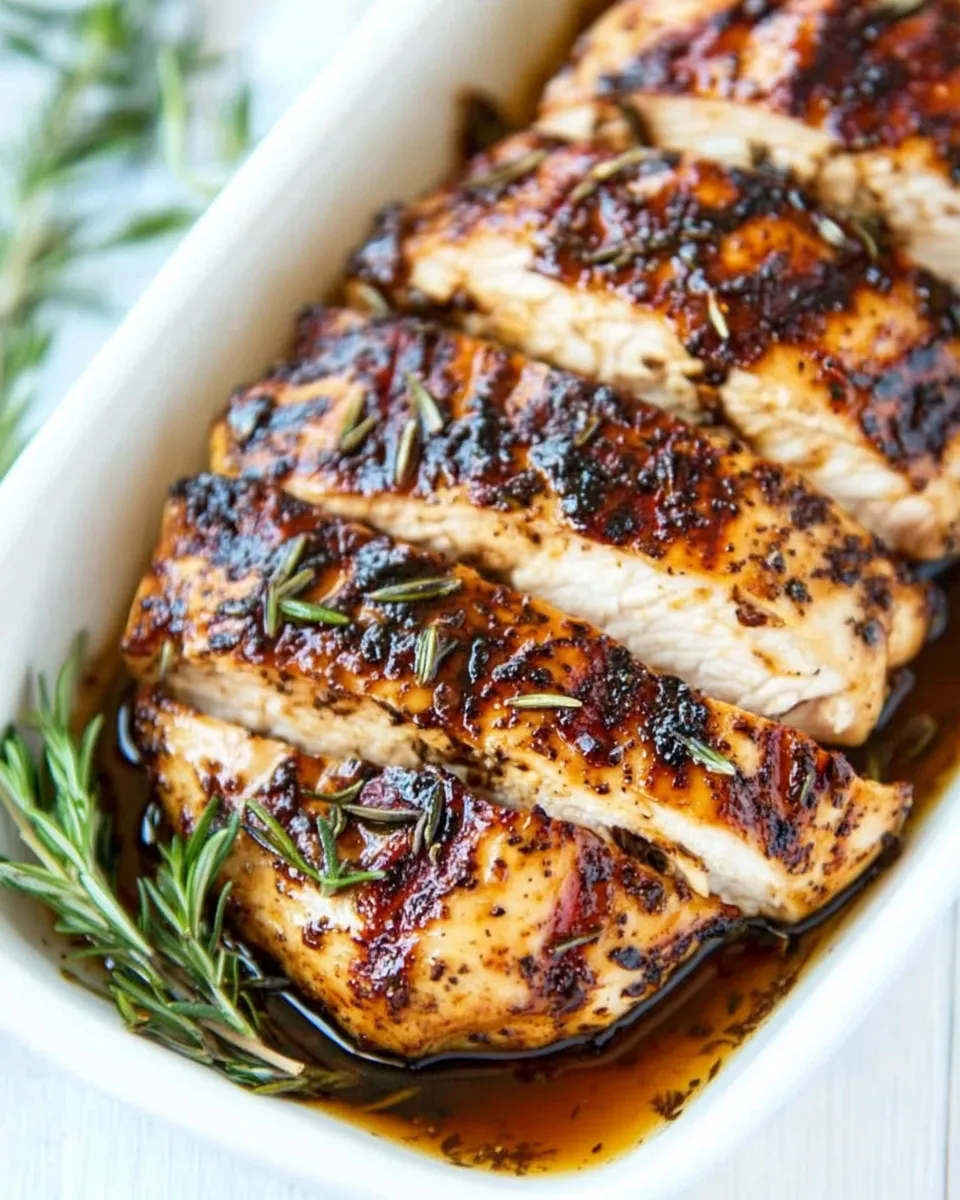
Start by patting your chicken breasts dry, then place them between two pieces of plastic wrap or inside a large resealable bag and gently pound to an even thickness—about 1/2 inch is a good target. Even thickness means the chicken cooks through at the same rate, which keeps it juicy rather than dry. Measure the liquid and dry ingredients from the list above; the ingredient list is the source of truth for names and quantities.
Step-by-step directions
- Make the marinade: In a medium bowl, combine 3 tablespoons extra virgin olive oil, 3 tablespoons balsamic vinegar, 2 tablespoons honey, 1 tablespoon lemon juice, and 1 tablespoon Dijon mustard. Whisk these together until the honey is dissolved and the mixture is smooth.
- Add the seasonings: Stir in 1 teaspoon dried oregano, 1 teaspoon dried basil, 1 teaspoon garlic powder, 1 teaspoon onion powder, 1 teaspoon salt, 1/2 teaspoon pepper, and 1/4 teaspoon red pepper flakes. Mix well so the dried herbs and spices are evenly distributed through the liquid.
- Combine with the chicken: Place the 1 pound of chicken breasts (already pounded to an even thickness) into a resealable plastic bag or a shallow dish. Pour the prepared marinade over the chicken, ensuring each piece is well coated. If using a bag, press out excess air and seal it.
- Marinate: Refrigerate the covered chicken for at least 30 minutes to 2 hours. For best flavor, marinate up to 6–8 hours. Do not exceed 12 hours to prevent the acid from breaking down the texture too much.
- Bring to room temperature: About 15–20 minutes before cooking, remove the chicken from the refrigerator and let it sit at room temperature. This helps it cook more evenly.
-
Cook the chicken: Choose your method—grill, pan-sear, or roast.
- Grilling: Preheat the grill to medium-high heat. Oil the grill grates lightly. Grill the chicken 4–6 minutes per side, depending on thickness, until it registers 165°F (74°C) at the thickest part.
- Pan-searing: Heat a skillet over medium-high heat and add a small amount of oil. Sear the chicken 4–6 minutes per side, reducing heat if the exterior browns too quickly, until internal temperature reaches 165°F (74°C).
- Oven-roasting: Preheat oven to 400°F (200°C). Sear the chicken briefly in an oven-safe pan over medium-high heat for 2 minutes per side, then transfer to the oven and roast 10–12 minutes, or until internal temperature reaches 165°F (74°C).
- Rest the chicken: Transfer the cooked chicken to a cutting board and allow it to rest 5 minutes. Resting lets the juices redistribute, keeping the meat tender and moist.
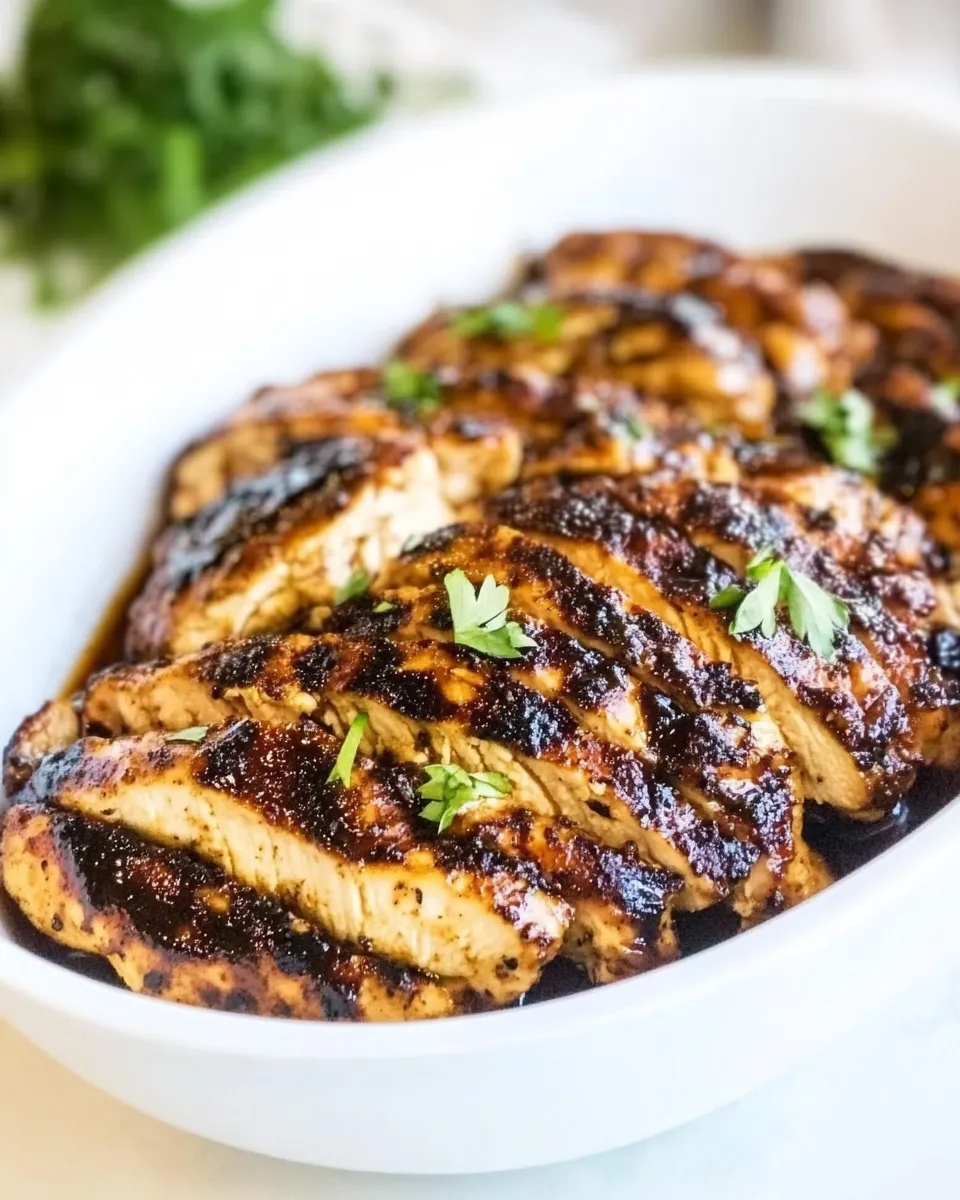
- Serve: Slice the chicken against the grain and spoon any pan juices over the top. Serve with sides like roasted vegetables, mashed potatoes, a green salad, or couscous. Leftovers can be chilled and used in sandwiches, salads, or wraps.
Tips for success
- If you want a thicker glaze, simmer the leftover marinade in a small saucepan for 3–5 minutes, then brush it over the chicken after cooking. Discard any marinade that has been in contact with raw chicken unless it’s been boiled first.
- Adjust the sweetness by adding more or less honey according to your taste. If your balsamic vinegar is particularly sweet, reduce the honey slightly.
- For an extra herbaceous kick, toss in a tablespoon of fresh chopped basil or parsley just before serving.
- Use a digital thermometer for perfectly cooked chicken. 165°F (74°C) at the thickest part is the safe target.
- If you prefer a milder flavor, omit the red pepper flakes or reduce them to a pinch.
Flavor variations
Keep the basic proportions and tweak the seasonings for different profiles:
- Smoky: Add 1/2 teaspoon smoked paprika and a dash of cumin.
- Sweet and tangy: Substitute half the honey with brown sugar for a richer caramel note.
- Herb-forward: Swap dried oregano and basil for a mixture of dried thyme and rosemary (1 teaspoon total each) for a rustic aroma.
- Garlic lovers: Use 1 teaspoon garlic powder plus 1 teaspoon minced fresh garlic in the marinade.
Make-ahead and storage
You can prepare the marinade in advance and store it in an airtight container in the refrigerator for up to 3 days. If marinating the chicken, keep it refrigerated and cook within 12 hours for best texture. Cooked chicken will keep in the refrigerator for up to 3–4 days; reheat gently to preserve juiciness.
Pairings
This Balsamic Chicken Marinade works with a wide variety of sides:
- Roasted root vegetables or a medley of colorful peppers and onions
- A simple Italian-style orzo tossed with lemon zest and olive oil
- Fresh green salads with a light vinaigrette
- Mashed potatoes or creamy polenta for a comforting plate
Nutrition snapshot (approximate per serving)
Nutrition will vary by cooking method and portion size. For a single serving of one-half pound of marinated and cooked chicken breast (without sides), expect roughly:
- Calories: ~300–350
- Protein: ~40–45 g
- Fat: ~10–14 g
- Carbohydrates: ~8–10 g (mostly from honey and balsamic)
Final thoughts
This Balsamic Chicken Marinade is a reliable weeknight hero. It’s quick to assemble, flexible with cooking methods, and delivers steady, crowd-pleasing flavor. Pounding the chicken to an even thickness and allowing a short marinate time are the two simple steps that make a big difference in the final texture. Whether you’re serving this for a busy weeknight or a casual weekend meal, it’s a recipe you’ll return to again and again.
Enjoy the glossy, tangy-sweet result—and don’t forget to save a little extra honey and balsamic for a quick glaze if you want a shinier finish right before serving.
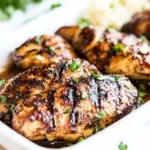
Balsamic Chicken Marinade
Ingredients
- 1 pound chicken breasts pounded to an even thickness
- 3 tablespoons extra virgin olive oil
- 3 tablespoons balsamic vinegar
- 2 tablespoons honey
- 1 tablespoon lemon juice
- 1 tablespoon Dijon mustard
- 1 teaspoon each dried oregano, dried basil, garlic powder, onion powder, salt
- 1/2 teaspoon black pepper
- 1/4 teaspoon red pepper flakes
Instructions
- Combine the olive oil, balsamic vinegar, honey, lemon juice, Dijon mustard, dried oregano, dried basil, garlic powder, onion powder, salt, black pepper, and red pepper flakes in a mixing bowl or large freezer bag and whisk until smooth.
- Add the pounded chicken breasts to the marinade and turn to coat completely; seal the bag or cover the bowl.
- Marinate at room temperature for 30 minutes or refrigerate up to 12 hours for more flavor; if refrigerated, remove the chicken 15–30 minutes before cooking to come toward room temperature.
- To grill: preheat the grill to about 400°F, clean and oil the grates, then grill the chicken undisturbed 5–7 minutes per side until an instant-read thermometer registers 165°F; let rest 5 minutes before slicing.
- To skillet-cook: heat 1 tablespoon olive oil in a large nonstick or cast-iron skillet over medium-high heat; when very hot, add chicken and cook undisturbed 3–4 minutes until deeply golden, flip, cover, reduce heat to medium, and cook about 5–7 more minutes until internal temperature reaches 165°F.
- To bake: preheat the oven to 425°F and lightly grease a baking dish, drain the chicken from the marinade, place in the dish, and bake uncovered 16–18 minutes for ~1/2-inch thick chicken (increase time for thicker pieces) until internal temperature reaches 165°F; let rest before serving.
Equipment
- mixing bowl or freezer bag
- Measuring Spoons
- grill or skillet or oven
- Tongs or spatula
- Meat Thermometer
- baking dish (if baking)
Notes
- Marinate up to 12 hours for best flavor.
- Bring refrigerated chicken to room temperature 15–30 minutes before cooking.
- Use a meat thermometer to ensure chicken reaches 165°F.
- You can freeze raw chicken in the marinade for up to 3 months.
- Cooked chicken stores in the fridge for 3–4 days.