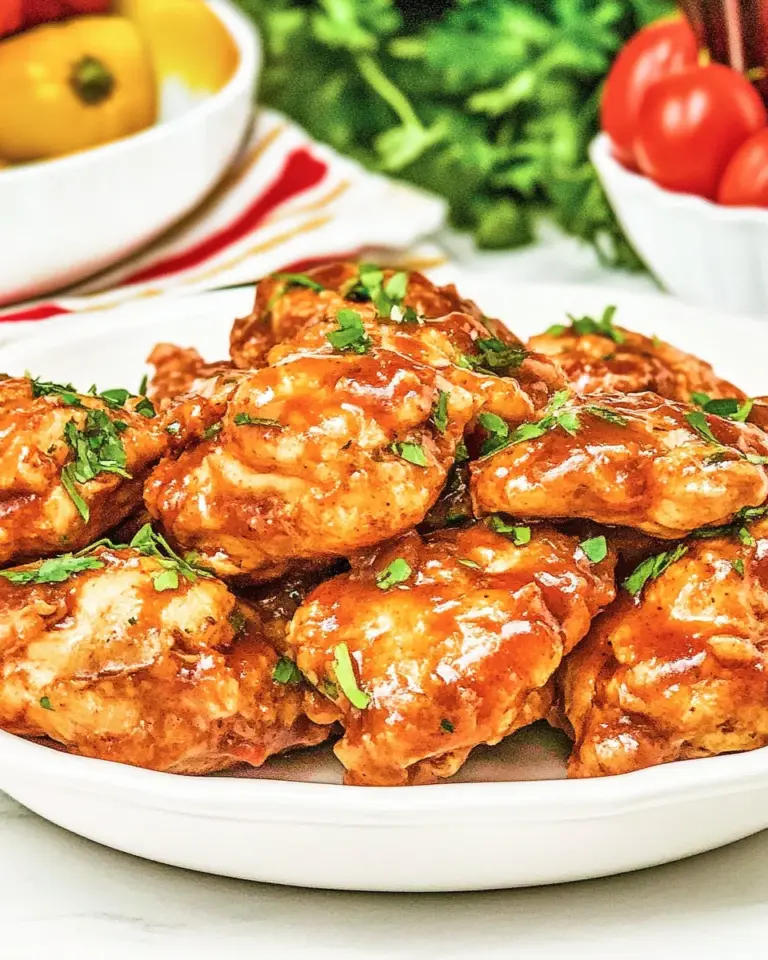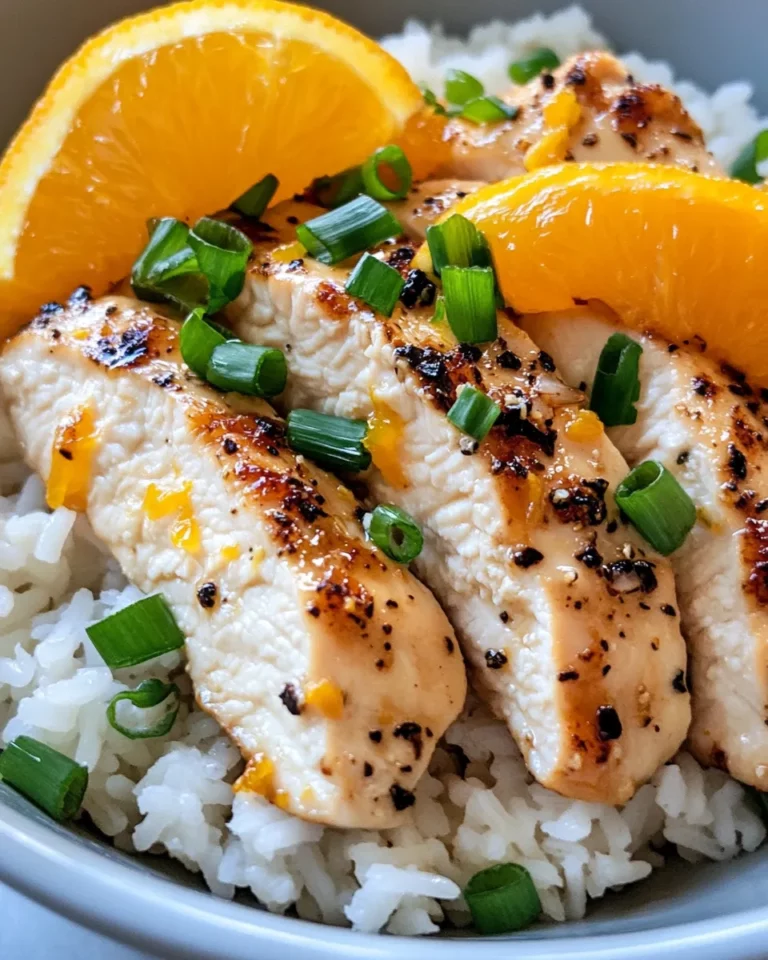
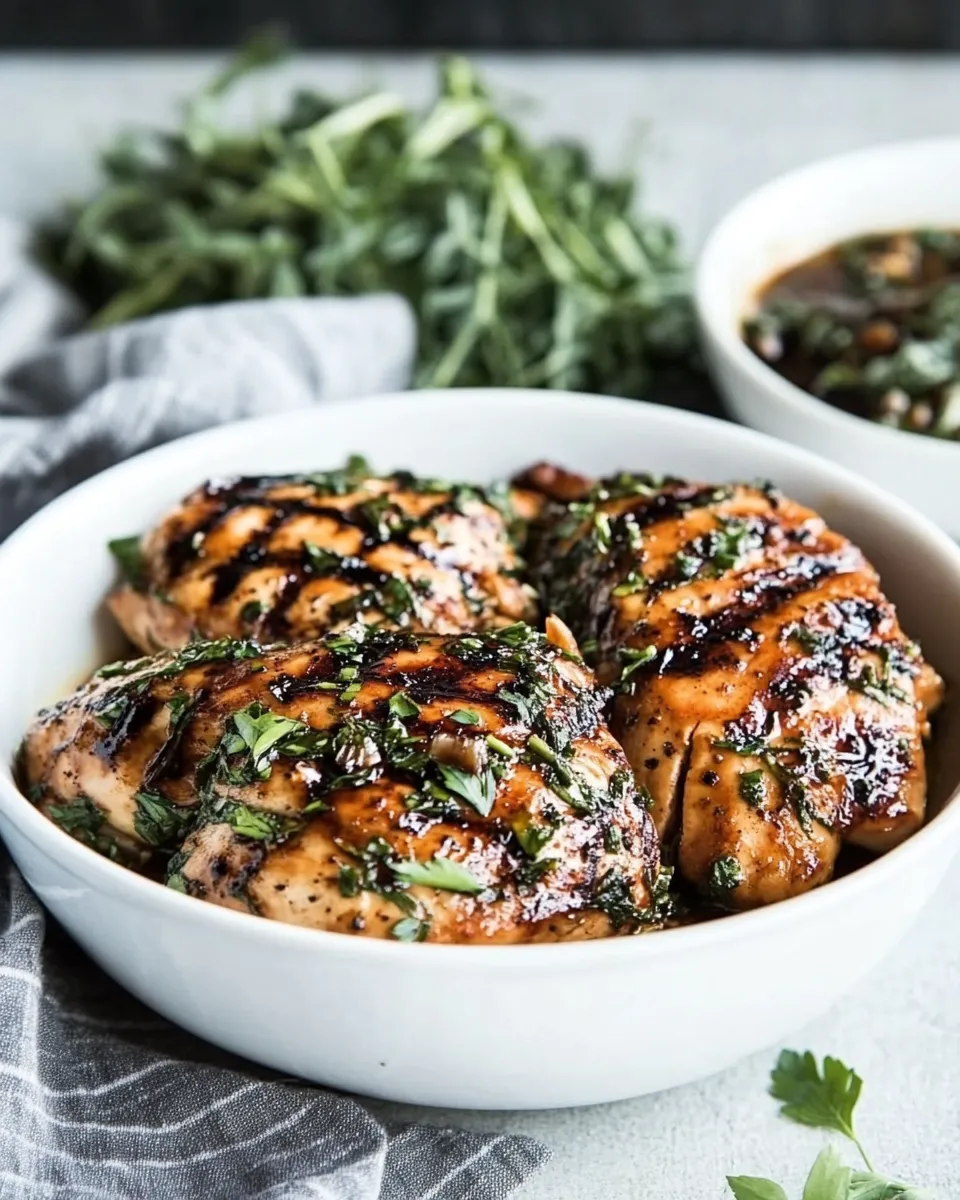
Balsamic Chicken Marinade Recipe
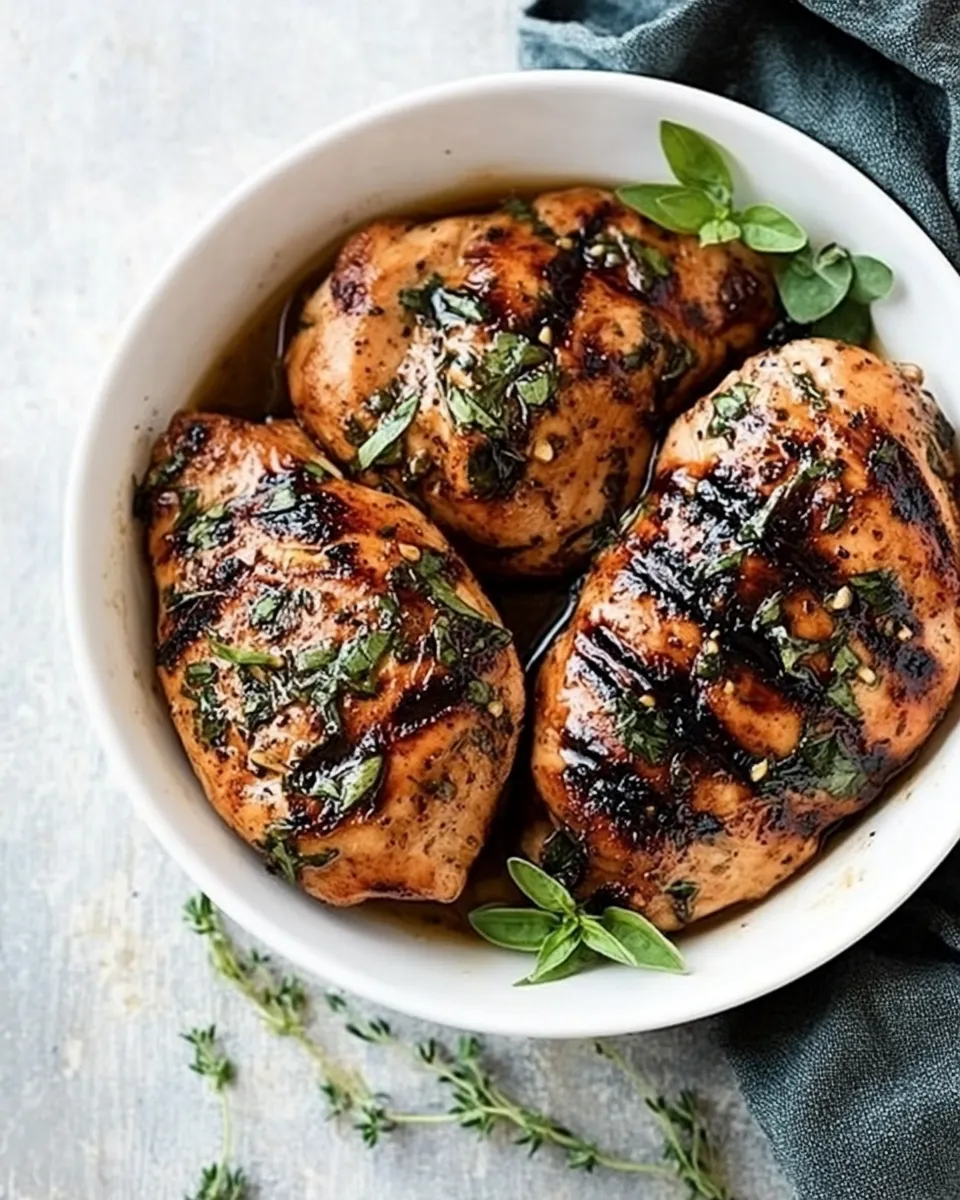
There’s something undeniably comforting about a simple, well-balanced marinade that transforms everyday chicken into a juicy, flavor-packed meal. This Balsamic Chicken Marinade Recipe leans into tangy-sweet balsamic, aromatic herbs, and a gentle touch of Dijon to create a glaze-like marinade that caramelizes beautifully on the grill, in the oven, or on the stovetop. It’s built to work with breasts, thighs, drumsticks, or wings—up to 3 pounds—so you can feed a family dinner, meal prep for the week, or whip up a quick midweek favorite.
Why this marinade works

Three things make this Balsamic Chicken Marinade Recipe stand out: acid, fat, and aromatics. Balsamic vinegar provides acidity and deep, slightly sweet flavor. Olive oil (or a neutral oil) coats the chicken to help it retain moisture and encourages even browning. Fresh basil and rosemary bring bright, green herbal notes that cut through the sweetness and create complexity. A touch of Dijon mustard helps the marinade emulsify so it clings to the chicken, while brown sugar encourages caramelization for a glossy finish.
Ingredients
- 2 finely grated garlic cloves
- ½ peeled finely grated shallot
- ½ cup balsamic vinegar
- 1 teaspoon Dijon mustard
- 3 tablespoons packed light brown sugar
- 2 tablespoons finely minced fresh basil
- 1 tablespoon finely minced fresh rosemary
- ½ cup olive oil or neutral flavored oil
- 1 ½ to 2 teaspoon of coarse salt
- ½ to ¾ teaspoon freshly ground pepper
- Up to 3 pounds of chicken – breast, thighs, drums, or wing
Equipment
- Mixing bowl or large measuring cup
- Whisk or fork
- Zester or microplane for grating garlic and shallot
- Knife and cutting board for herbs
- Resealable plastic bag, shallow dish, or airtight container for marinating
- Grill, oven, or skillet for cooking
Step-by-step directions
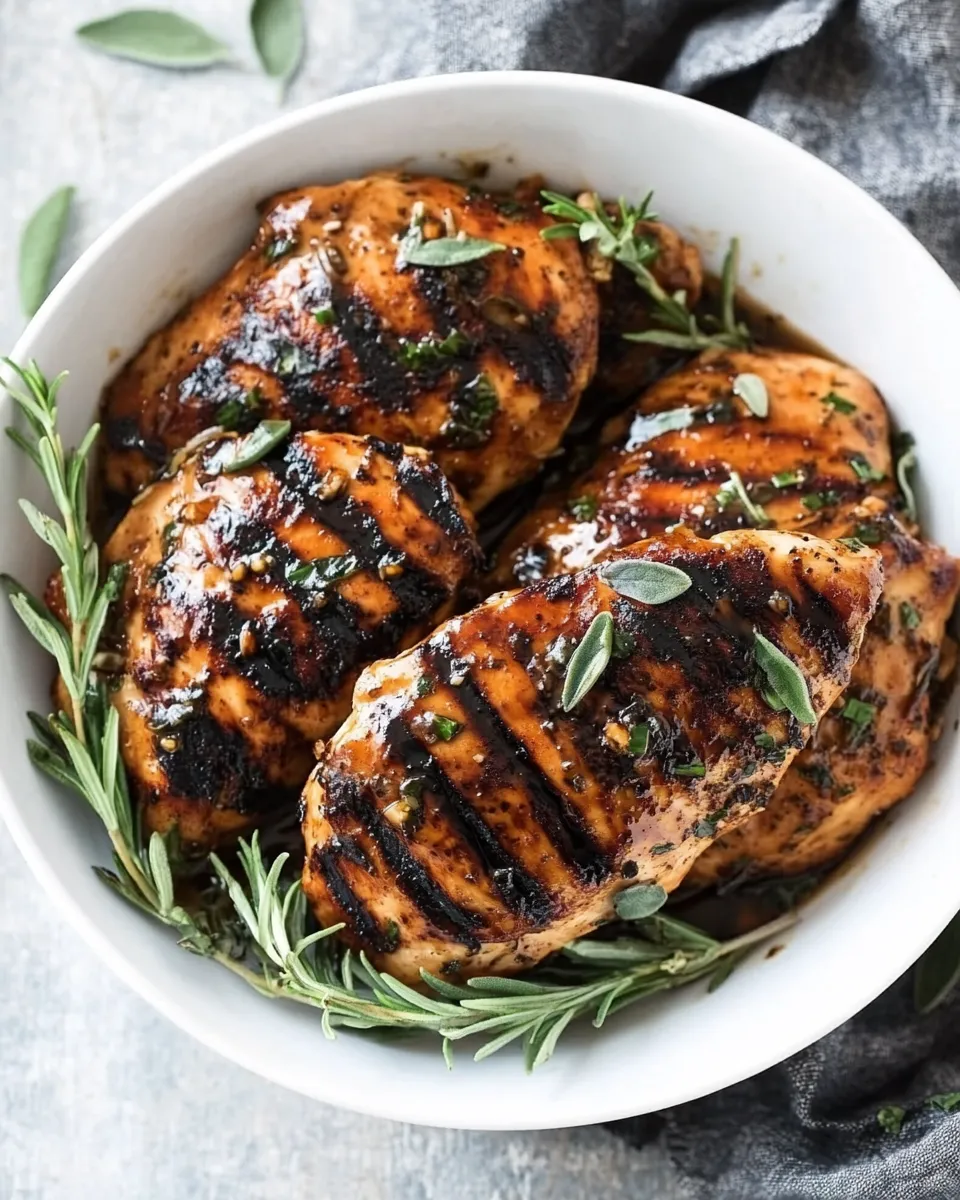
Follow these rewritten, clear steps to prepare and cook your chicken using this Balsamic Chicken Marinade Recipe. The directions maintain the original ingredient measurements and order while making each action easy to follow.
- Prepare aromatics: Finely grate 2 garlic cloves and ½ peeled shallot using a microplane or the fine side of a box grater. Place them in a medium mixing bowl.
- Add the liquid and emulsifier: Pour in ½ cup balsamic vinegar and add 1 teaspoon Dijon mustard to the bowl with the grated aromatics. Whisk briefly to combine and begin dissolving the mustard into the vinegar.
- Sweeten and season: Add 3 tablespoons packed light brown sugar to the bowl, followed by 1 ½ to 2 teaspoons of coarse salt and ½ to ¾ teaspoon freshly ground pepper. Whisk until the sugar begins to dissolve and the mixture looks uniform.
- Incorporate herbs and oil: Stir in 2 tablespoons finely minced fresh basil and 1 tablespoon finely minced fresh rosemary. Slowly drizzle in ½ cup olive oil (or a neutral flavored oil) while whisking so the marinade emulsifies and becomes slightly thickened.
- Prepare the chicken: Pat up to 3 pounds of chicken dry with paper towels. Trim any excess fat if desired. You can use breasts, thighs, drumsticks, or wings—choose pieces that will cook in roughly the same time if cooking together.
- Combine chicken and marinade: Place the chicken in a resealable plastic bag, shallow dish, or airtight container. Pour the marinade over the chicken, making sure each piece is well coated. If using a bag, press out excess air and seal.
- Marinate: Refrigerate the chicken for at least 30 minutes and up to 8 hours. For best flavor and caramelization, aim for 2 to 4 hours. If marinating longer than 8 hours, the acid in the balsamic can begin to change the texture of the meat.
- Bring to room temperature before cooking: Remove the chicken from the refrigerator about 20 to 30 minutes before cooking so it can come closer to room temperature. This helps the meat cook more evenly.
- Cook the chicken: Choose your cooking method:
- Grill: Preheat grill to medium-high. Grill breasts 5–7 minutes per side (depending on thickness), thighs or drumsticks 6–10 minutes per side, and wings 8–12 minutes per side, until an instant-read thermometer reads 165°F for breast pieces and 175°F for thighs/drumsticks for tender results.
- Oven: Preheat oven to 400°F. Place chicken on a rimmed baking sheet or in a baking dish. Roast breasts 18–25 minutes (depending on size), thighs/drumsticks 30–40 minutes, until the internal temperature reaches the recommended levels above.
- Skillet: Heat a heavy skillet over medium-high heat with a small drizzle of oil. Sear chicken breasts 5–7 minutes per side, adjusting time for thickness, and cook thighs/drumsticks 10–15 minutes per side, finishing in the oven if needed, until the proper internal temperature is reached.
- Rest the chicken: Transfer cooked chicken to a cutting board and let it rest for 5–10 minutes. Resting helps juices redistribute so each bite is moist.
- Serve: Slice breasts against the grain and serve with any pan juices or a spoonful of reserved marinade that has been boiled for safety. Garnish with additional minced basil or rosemary if desired.
Notes and tips for success
- Do not reuse raw marinade to baste or serve unless you first bring it to a boil for several minutes to kill any bacteria. To use as a finishing sauce, set aside a portion before adding raw chicken or reserve some of the marinade and boil it.
- Marinating times: 30 minutes will add flavor, but 2–4 hours is ideal. Avoid marinating more than 8 hours to prevent texture changes from the vinegar.
- Oil choice: Olive oil adds a fruity richness. If you prefer a neutral background, use a light vegetable or sunflower oil—either works with the specified quantity of ½ cup.
- Herb prep: Fresh basil and rosemary are called for specifically. Finely mince them so their flavors disperse evenly through the marinade.
- Salt level: The recipe provides a range for coarse salt (1 ½ to 2 teaspoons). If you’re using a large, flaky sea salt, choose the lower end; if you’re using kosher salt, the higher end will provide better seasoning.
- Sweetness: Light brown sugar contributes to caramelization and depth. If you like a tarter profile, reduce the sugar by 1 tablespoon, but keep it as written to achieve that nicely browned exterior.
Serving ideas
This Balsamic Chicken Marinade Recipe pairs beautifully with a variety of sides. Serve over a bed of herby couscous, alongside roasted vegetables, or with a crisp green salad for a lighter meal. For a heartier plate, pair with creamy mashed potatoes or lemon-parmesan risotto. Leftover sliced chicken is brilliant tossed into grain bowls, tossed with pasta and cherry tomatoes, or tucked into warm flatbreads with a smear of yogurt and extra herbs.
Make-ahead and storage
- Marinated raw chicken: Keep refrigerated for up to 8 hours before cooking, per the marinating suggestions above.
- Cooked chicken: Store in an airtight container in the refrigerator for up to 4 days. Reheat gently in the oven or on the stovetop to avoid drying out.
- Freezing: Cooked chicken freezes well for up to 3 months. Thaw overnight in the refrigerator before reheating.
Variations
- Honey-balsamic: Substitute 1 tablespoon of brown sugar with 1 tablespoon honey for a slightly different sweetness and gloss.
- Spicy kick: Add ¼ to ½ teaspoon red pepper flakes to the marinade for a gentle heat that pairs nicely with the sweet balsamic.
- Citrus boost: Add the zest of one lemon to the marinade for a bright citrus note that complements the herbs.
Final thoughts
A good marinade should be effortless and flavorful—and this Balsamic Chicken Marinade Recipe is exactly that. It balances sweet, tangy, and herbal elements while remaining flexible across chicken cuts and cooking methods. Whether you’re grilling on a warm evening or roasting in the oven for a cozy weeknight meal, this recipe will reliably produce juicy, caramelized chicken with a glossy, herb-scented finish.
Enjoy the simplicity, and don’t be afraid to experiment with small tweaks once you’re comfortable with the base flavor. The foundation here is solid, so small adjustments—like a touch more rosemary, a pinch of chili, or a swap to a lighter oil—will help you personalize it without losing what makes it special.
Balsamic Chicken Marinade Recipe
Ingredients
- 2 garlic cloves finely grated
- 1/2 shallot peeled and finely grated
- 1/2 cup balsamic vinegar
- 1 teaspoon Dijon mustard
- 3 tablespoons light brown sugar packed
- 2 tablespoons fresh basil finely minced
- 1 tablespoon fresh rosemary finely minced
- 1/2 cup olive oil or neutral-flavored oil
- 1 1/2 to 2 teaspoons coarse salt
- 1/2 to 3/4 teaspoon freshly ground black pepper
- up to 3 pounds chicken (breast, thighs, drums, or wings)
Instructions
- Combine all ingredients except the oil and chicken in a medium bowl and whisk to combine.
- Slowly drizzle the oil into the mixture while whisking continuously until the marinade is emulsified.
- Add the chicken to the bowl and toss to coat thoroughly, or transfer the marinade and chicken to a resealable plastic bag and massage to combine.
- Refrigerate and marinate the chicken for 2 to 24 hours (up to 48 hours only if necessary); a 30-minute soak will impart some flavor but 12–24 hours is preferred.
- Alternative blender method: halve the garlic and shallot amounts, place all ingredients except the chicken in a blender, and blend on high until emulsified. Transfer to a bowl and combine with the chicken as above.
- To pan-sear: heat 1–2 tablespoons oil in a non-stick skillet over medium–medium-high heat. Cook the chicken about 6–7 minutes per side, adjusting heat to avoid burning, until internal temperature reaches 165°F for white meat or 175°F for dark meat.
- To grill: preheat grill to medium–medium-high (about 325–350°F). Grill chicken 6–7 minutes per side with the lid closed, rotating 90° halfway through the first side for grill marks, until internal temperature reaches 165°F for white meat or 175°F for dark meat.
- Remove cooked chicken and let rest for 3–4 minutes before serving.
Equipment
- Medium Bowl
- Whisk
- resealable plastic bag or airtight container
- Blender (optional)
- non-stick skillet or grill
- Tongs or spatula
- Meat Thermometer
Notes
- Do not marinate chicken for more than 48 hours to avoid mushy texture.
- When using a blender, halve the garlic and shallot to prevent overpowering flavors.
- Always marinate in the refrigerator and bring chicken to room temperature for 20–30 minutes before cooking.
- Reserve some marinade before adding raw chicken if you want to use it as a glaze.
- If you forget to reserve marinade, boil used marinade for at least 5 minutes before serving.
- The marinade can be made up to 2 days ahead and stored refrigerated.