Grilled Beef Tenderloin
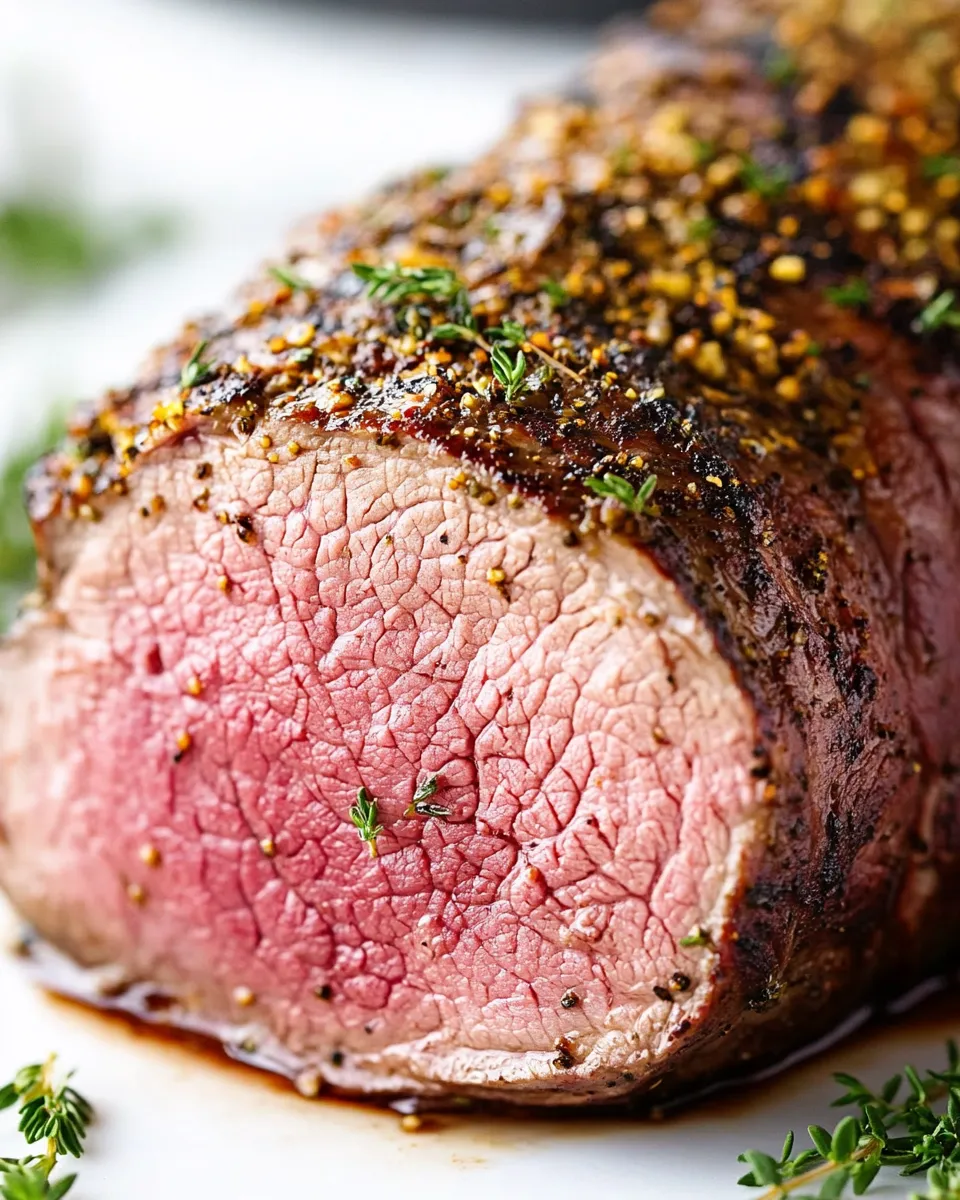
There’s something undeniably celebratory about a perfectly cooked roast. Whether it’s a weekend dinner for the family or a small gathering with friends, this Grilled Beef Tenderloin recipe delivers a tender, flavorful center with a lightly charred exterior that feels special without being fussy. The seasoning mix is simple but bold: black pepper, kosher salt, garlic powder, red pepper flakes, dried thyme, mustard seed, and a touch of olive oil to help everything adhere and encourage a good sear.
This recipe is built for straightforward success. Prep is minimal, and the ingredient list is short, so the beef’s natural flavor remains front and center. I’ll walk you through the process step by step and share a few tips for timing, checking doneness, and resting so each slice is juicy and perfectly pink inside.
Why this method works

Grilling a whole beef tenderloin over direct and indirect heat helps create a crust on the outside while allowing the interior to cook more gently. The olive oil helps the seasonings cling and promotes browning, while the mustard seed and red pepper flakes add subtle texture and a whisper of heat. The dried thyme and garlic powder add aromatic warmth that complements the beef rather than overpowering it.
Ingredients
- ▢2poundsbeef tenderloin
- ▢1 1/2tablespoonsolive oil
- ▢1teaspoonblack pepper
- ▢1teaspoonsalt
- ▢1teaspoonsgarlic powder
- ▢1/2teaspoonred pepper flakes
- ▢1/2teaspoonthymedried
- ▢1teaspoonmustard seed
Tools you’ll need
- Grill (charcoal or gas)
- Meat thermometer
- Small bowl for seasoning
- Aluminum foil
- Sharp carving knife
- Tongs
Prep and timing
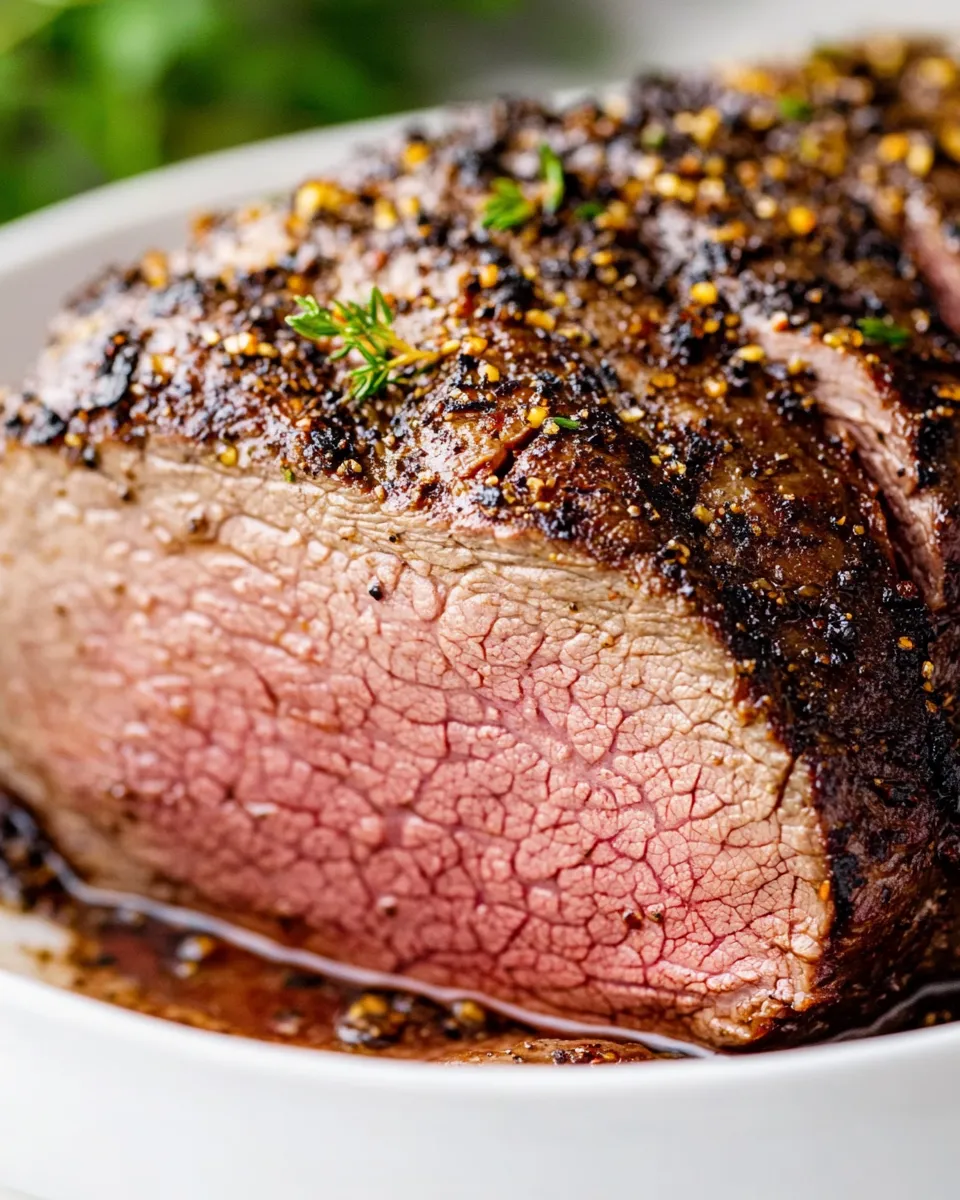
Plan on about 15 minutes of hands-on prep, 20–30 minutes of active grilling depending on desired doneness, and 10–15 minutes of resting time. Total time will vary based on grill temperature and tenderloin thickness, but this approach gives a reliably juicy result when you follow the steps and use an instant-read thermometer to confirm doneness.
Flavor profile
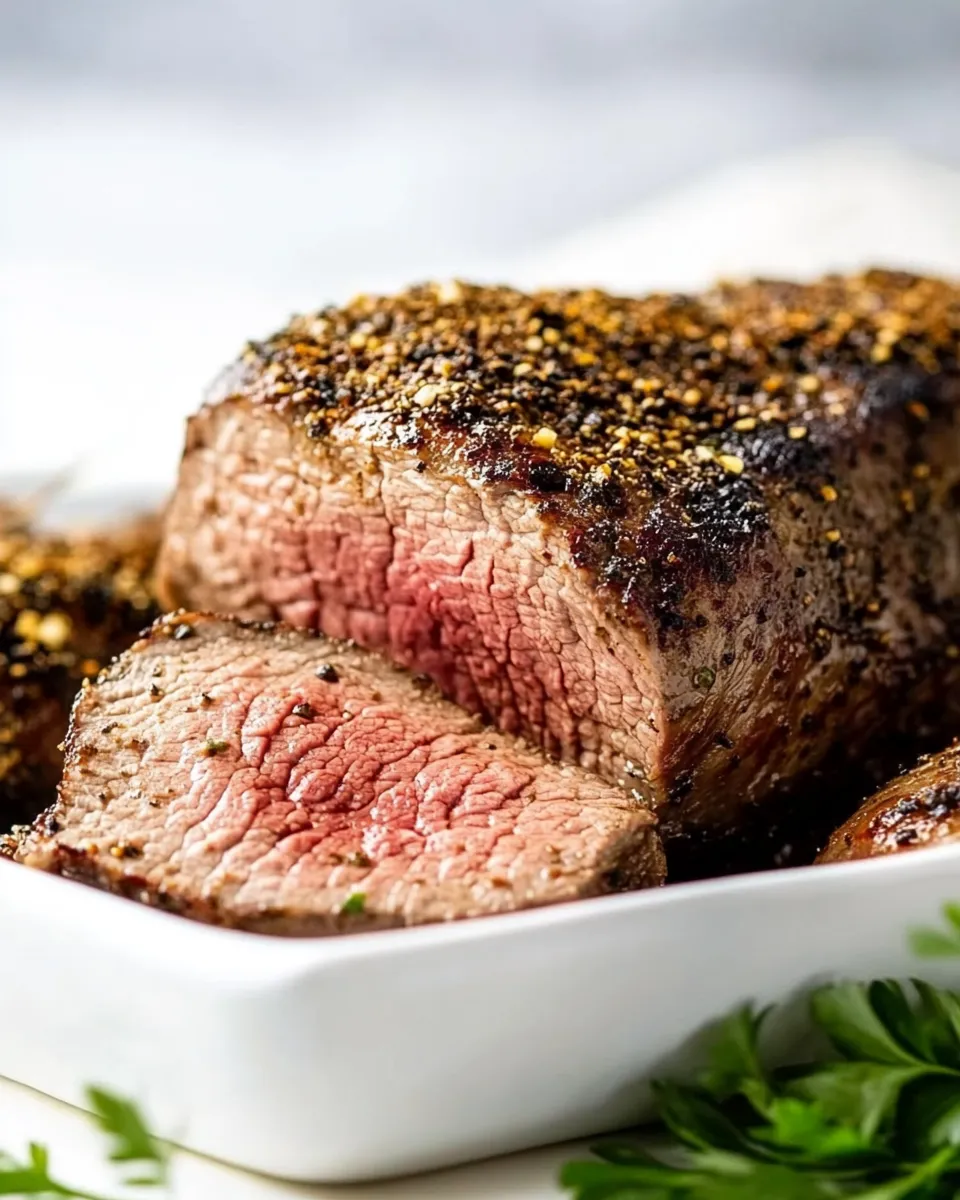
The seasoning is straightforward and savory, leaning on garlic and thyme for aromatics and mustard seed for a bit of crunch and bright, slightly tangy flavor. Red pepper flakes add a gentle warmth that can be adjusted or omitted based on preference. Overall, the profile complements the beef’s natural richness instead of masking it.
Step-by-step instructions
Below are the rewritten, clear steps that follow the original order of the recipe directions. I’ve kept the ingredient amounts and sequence exactly as listed in the ingredient list, and I’ve made the directions easy to follow for a successful cook.
- Bring the meat to room temperature. Remove the ▢2poundsbeef tenderloin from the refrigerator and let it sit on the counter, uncovered, for about 30 minutes. This helps the beef cook more evenly through the center.
- Preheat your grill. Prepare your grill for medium-high heat, aiming for a surface temperature around 400°F (200°C). If using charcoal, arrange the coals for a two-zone fire so you have a hotter direct-heat area and a cooler indirect-heat area.
- Mix the seasoning. In a small bowl, combine ▢1 1/2tablespoonsolive oil, ▢1teaspoonblack pepper, ▢1teaspoonsalt, ▢1teaspoonsgarlic powder, ▢1/2teaspoonred pepper flakes, ▢1/2teaspoonthymedried, and ▢1teaspoonmustard seed. Stir until the oil evenly coats the dry spices and seeds.
- Season the tenderloin. Pat the ▢2poundsbeef tenderloin dry with paper towels. Rub the oil-spice mixture evenly over the entire surface of the tenderloin, pressing gently so the spices adhere.
- Sear over direct heat. Place the seasoned tenderloin over the hot, direct-heat zone of the grill. Sear for 2–3 minutes per side to develop a caramelized crust, using tongs to rotate and brown all sides. Be careful not to leave it too long in one spot; you’re creating color and flavor, not cooking through yet.
- Move to indirect heat to finish. After searing, transfer the tenderloin to the cooler, indirect-heat side of the grill. Close the lid and continue grilling until the internal temperature reaches your target (see doneness guide below). This gentle finish prevents overbrowning while allowing the center to reach the correct temperature.
- Check the temperature. Use an instant-read thermometer inserted into the thickest part of the tenderloin. For medium-rare, remove the meat from the grill at 125–130°F (52–54°C). For medium, aim for 135°F (57°C). The temperature will rise slightly while resting.
- Rest the meat. Transfer the tenderloin to a cutting board and tent loosely with aluminum foil. Let it rest for 10–15 minutes. Resting allows the juices to redistribute and produces a more tender slice.
- Carve and serve. Remove the foil, use a sharp carving knife to slice the tenderloin into medallions about 1/2-inch thick, and arrange on a warmed platter. Serve immediately.
Doneness guide
- Rare: 120°F (49°C) internal temperature (remove at 115–120°F)
- Medium-rare: 130°F (54°C) internal temperature (remove at 125–130°F)
- Medium: 140°F (60°C) internal temperature (remove at 135–140°F)
- Medium-well: 150°F (66°C) internal temperature (remove at 145–150°F)
Because the tenderloin is lean and cooks quickly, I prefer medium-rare for the best tenderness and flavor. Keep in mind the meat will rise 5–10°F during the resting period.
Serving suggestions
This Grilled Beef Tenderloin pairs beautifully with simple sides that won’t compete with the meat. Consider: a crisp green salad with lemon vinaigrette, roasted root vegetables, mashed potatoes, or a light chimichurri or herb sauce on the side for a bright contrast. For something cozy, serve with buttered asparagus and creamy polenta.
Make-ahead and leftovers
You can season the tenderloin up to two hours ahead and keep it refrigerated until 30 minutes before grilling. Once cooked and cooled, leftover slices store well in an airtight container in the refrigerator for up to three days. Reheat gently in a low oven (about 275°F / 135°C) wrapped in foil to preserve juiciness, or use slices cold in sandwiches or salads.
Troubleshooting
- If your exterior chars too quickly before the inside is cooked, move the tenderloin to indirect heat sooner and lower the grill temperature slightly. A two-zone fire helps prevent over-charring.
- If the meat is undercooked, return it to indirect heat with the lid closed and monitor with a thermometer until it reaches the desired temperature.
- If the meat feels very firm or drier than expected, it may be overcooked. Aim to remove the tenderloin a few degrees below your target and let it rest; carryover cooking will bring it to the finish temperature.
Small tips for big flavor
- Bring the tenderloin to room temperature before cooking to help it cook evenly.
- Patting the meat dry before seasoning ensures a better sear and crust formation.
- Let the meat rest; rushing to slice will leak juices and leave slices drier.
- Use a reliable instant-read thermometer—visual checks are helpful, but temperature is the best indicator of doneness.
Notes on ingredient choices
The mustard seed adds texture and a slightly pungent note that plays nicely with the beef. If you prefer a smoother profile, you can lightly crush the mustard seed before mixing so it releases more of its flavor. You can also adjust the red pepper flakes to taste: increase for more heat or omit entirely for a milder finish.
Final thoughts
Cooking a whole tenderloin on the grill feels special yet is surprisingly simple. With just a handful of pantry spices and a short window of active time, you’ll have a centerpiece-worthy roast with a tender interior and a delightfully seasoned crust. Follow the step-by-step instructions, trust your thermometer, and enjoy slices that are tender, juicy, and full of flavor.
Printable recipe
Ingredients
- ▢2poundsbeef tenderloin
- ▢1 1/2tablespoonsolive oil
- ▢1teaspoonblack pepper
- ▢1teaspoonsalt
- ▢1teaspoonsgarlic powder
- ▢1/2teaspoonred pepper flakes
- ▢1/2teaspoonthymedried
- ▢1teaspoonmustard seed
Instructions
- Remove the ▢2poundsbeef tenderloin from the refrigerator and let it rest at room temperature for about 30 minutes.
- Preheat the grill to medium-high (around 400°F / 200°C) and set up a two-zone fire for direct and indirect heat.
- In a small bowl, mix ▢1 1/2tablespoonsolive oil with ▢1teaspoonblack pepper, ▢1teaspoonsalt, ▢1teaspoonsgarlic powder, ▢1/2teaspoonred pepper flakes, ▢1/2teaspoonthymedried, and ▢1teaspoonmustard seed until evenly combined.
- Pat the tenderloin dry and rub the oil-spice mixture over its entire surface, pressing to help the spices stick.
- Sear the tenderloin over direct heat for 2–3 minutes per side until nicely browned on all sides.
- Move the meat to the indirect-heat zone, close the lid, and grill until the internal temperature reaches your target: remove at 125–130°F for medium-rare or 135°F for medium.
- Transfer the tenderloin to a cutting board, loosely tent with foil, and rest for 10–15 minutes.
- Slice into medallions about 1/2-inch thick, arrange on a platter, and serve.
Enjoy this Grilled Beef Tenderloin with your favorite sides and a simple sauce if you like. It’s a reliable, elegant dish that shines with minimal fuss and maximum flavor.
Grilled Beef Tenderloin
Ingredients
- 2 pounds beef tenderloin
- 1.5 tablespoons olive oil
- 1 teaspoon black pepper
- 1 teaspoon salt
- 1 teaspoon garlic powder
- 0.5 teaspoon red pepper flakes
- 0.5 teaspoon dried thyme
- 1 teaspoon mustard seed
Instructions
- Pat the beef tenderloin dry with paper towels.
- Use kitchen twine to tie the roast evenly and tuck the tail under so it has a uniform shape for even cooking.
- In a small bowl, combine black pepper, salt, garlic powder, red pepper flakes, dried thyme, and mustard seed.
- Brush the tenderloin all over with the olive oil, then press or dredge the spice mixture onto all sides until evenly coated.
- Preheat the grill to high heat and oil the grate to prevent sticking.
- Place the tenderloin on the hot grill, cover, and brown on all sides, rotating every 4 minutes or so to develop even color; continue grilling until an instant-read thermometer inserted into the thickest part reads 130°F for medium-rare.
- Transfer the meat to a cutting board and let rest for 15 minutes before slicing against the grain and serving.
Equipment
- Grill
- Kitchen twine
- Brush
- Small Bowl
- Meat Thermometer
- Cutting Board
- Knife
Notes
- Add dried rosemary or parsley to the spice mix for more herb flavor.
- For an Asian twist, use brown sugar, soy sauce, ginger, and garlic as a seasoning alternative.
- Combine whole mustard and Dijon with honey and balsamic for a honey-mustard glaze.