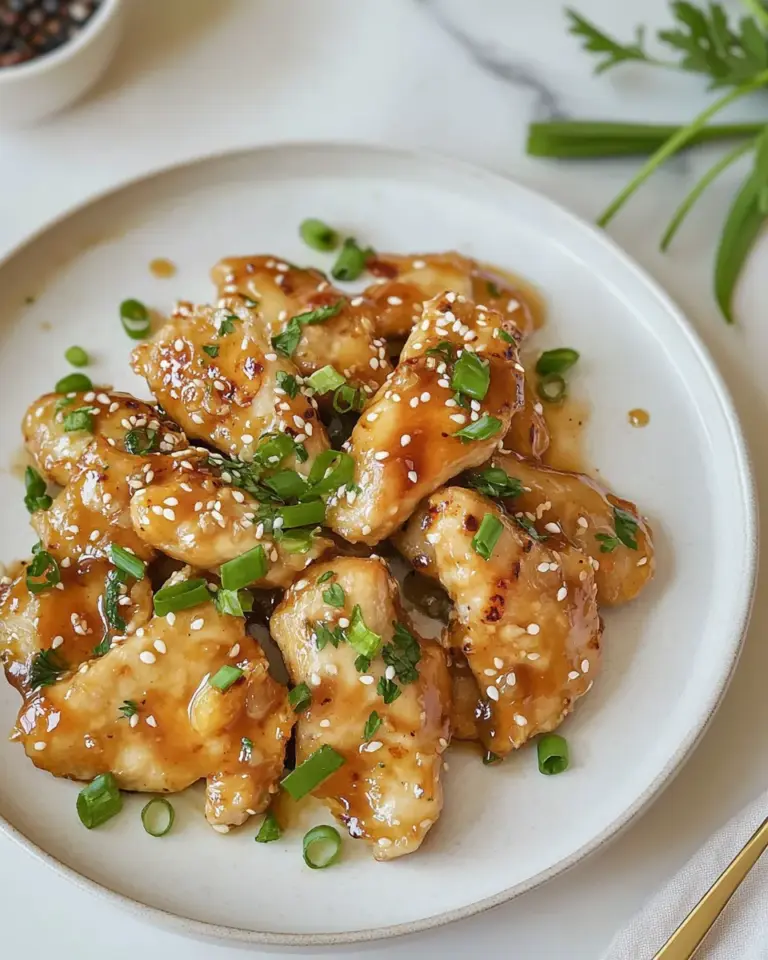
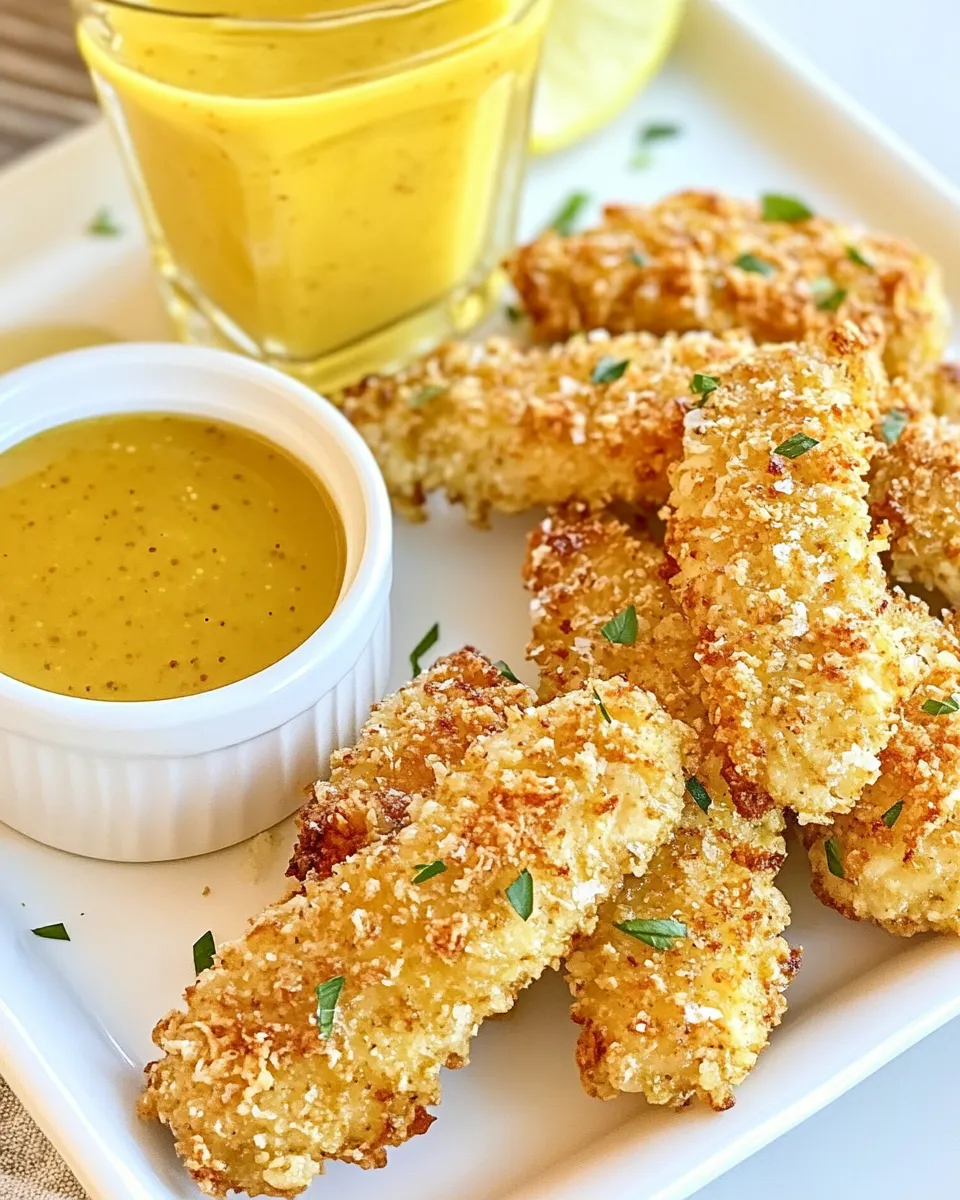
Honey Mustard Chicken Fingers
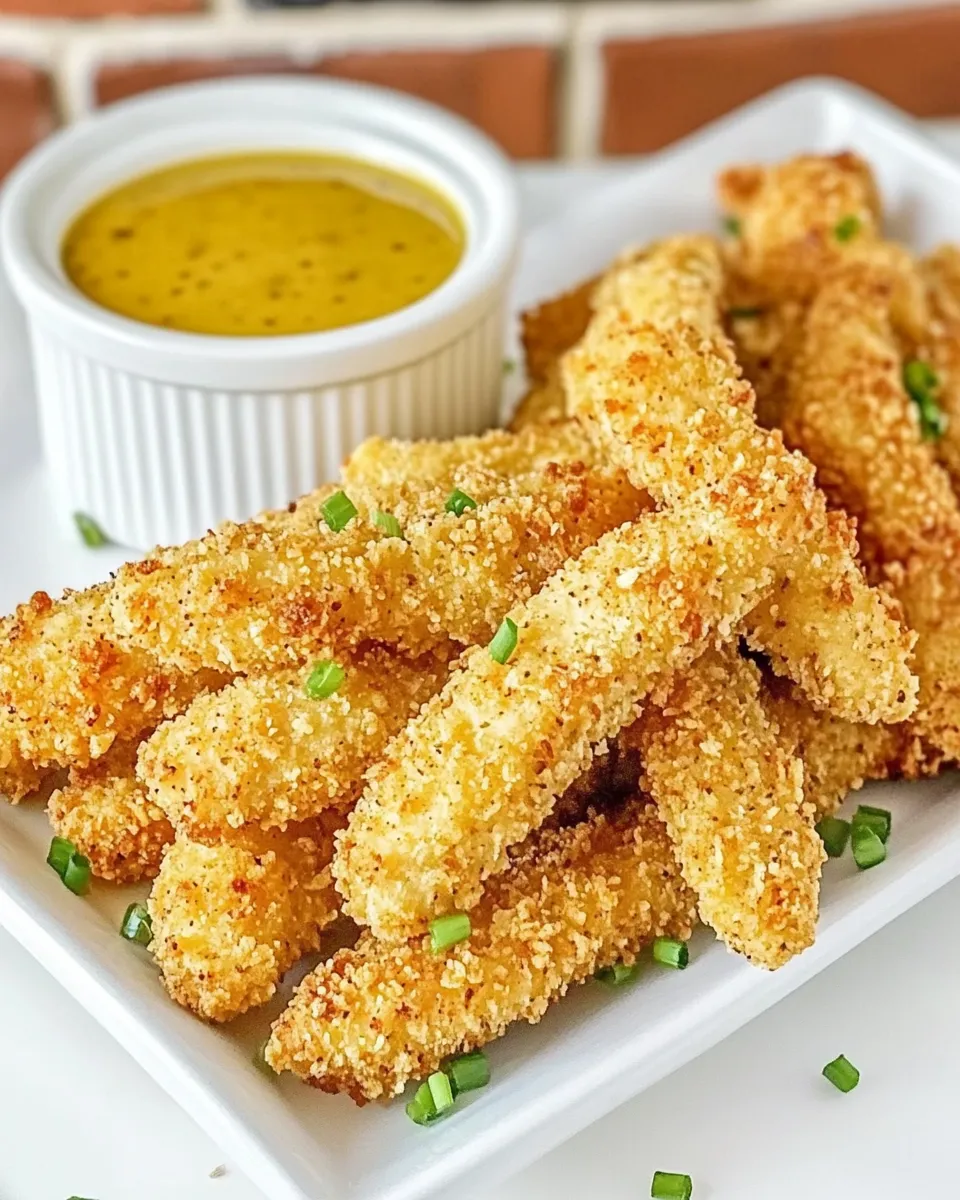
These Honey Mustard Chicken Fingers are the kind of recipe that wins over picky eaters, weeknight dinner crowds, and anyone who believes comfort food should be crunchy, saucy, and impossibly simple. Think golden, crunchy panko-crusted chicken tenderloins brushed in a tangy-sweet honey Dijon coating with just the right kiss of cayenne and smoked paprika. They bake up quickly, require minimal hands-on time, and pair perfectly with a crisp salad, sweet potato fries, or crisp-cut vegetables for dipping.
Why you’ll love this recipe

If you make recipes often, you know that a great chicken finger should balance texture and flavor: a crunchy exterior that doesn’t flake off when you dip, and a juicy interior that stays tender. These Honey Mustard Chicken Fingers use a simple egg wash boosted with Dijon mustard and honey to create a sticky surface that helps panko adhere, and a lightly spiced panko mixture that bakes to an unbeatable crunch. Baking with a light coating of cooking spray keeps them lighter than deep-fried versions while still delivering satisfying crispness.
Ingredients
These are written exactly as used in the recipe to make shopping and measuring straightforward:
- ▢2 large eggs
- ▢2 Tbsp dijon mustard
- ▢2 Tbsp honey
- ▢½ tsp cayenne pepper, divided
- ▢salt and black pepper, to taste
- ▢1½ cups panko bread crumbs
- ▢1 tsp salt
- ▢¾ tsp ground black pepper
- ▢¾ tsp smoked paprika
- ▢¾ tsp garlic powder
- ▢¼ cup all-purpose flour
- ▢1½-lb chicken tenderloins
- ▢cooking spray
Make-ahead and swaps
This recipe is very forgiving. You can mix the egg wash a few hours ahead and keep it covered in the fridge. The panko mixture will keep in an airtight container for a couple of days if you need to prep ahead. If you prefer a little more heat, bump the divided ½ teaspoon cayenne up by another ⅛–¼ teaspoon. If you want a milder result, reduce the cayenne to ¼ teaspoon. For a gluten-free option, swap the all-purpose flour and panko for certified gluten-free flour and gluten-free panko.
Equipment
- Baking sheet
- Parchment paper or a wire rack (optional)
- Three shallow bowls for dredging
- Tongs or a fork for coating the chicken
- Cooking spray
Detailed step-by-step instructions
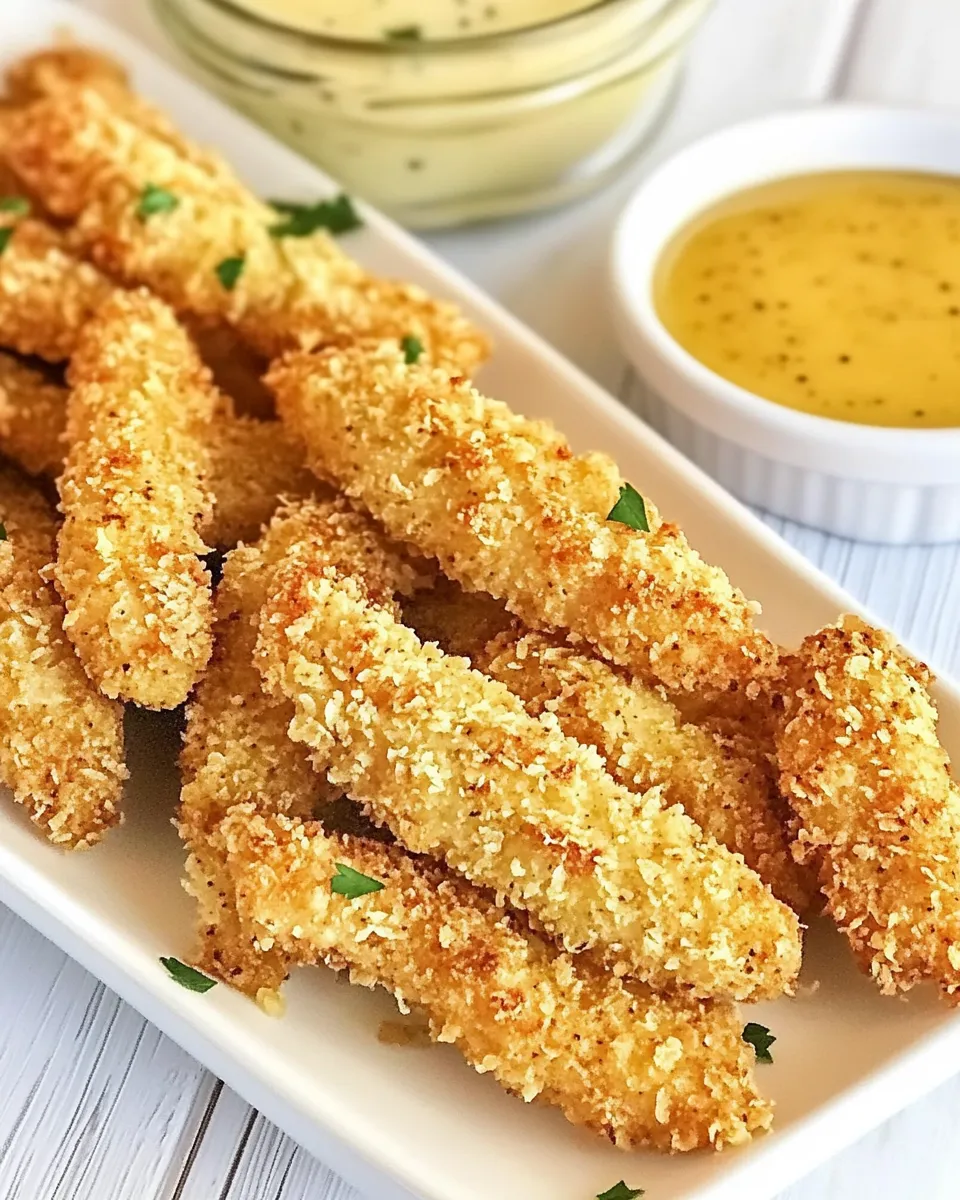
Below is a clear, step-by-step rewrite of the cooking directions so you can move confidently from prep to plated. The order follows the original method and uses the ingredient list as the source of truth.
- Preheat your oven. Set the oven to 425°F (220°C). Line a baking sheet with parchment paper or place a wire rack on the sheet to promote even crisping. Lightly spray the lined baking sheet or rack with cooking spray.
- Prepare the dry coating. In a shallow bowl, combine 1½ cups panko bread crumbs, 1 tsp salt, ¾ tsp ground black pepper, ¾ tsp smoked paprika, and ¾ tsp garlic powder. Mix thoroughly so the seasonings are evenly distributed throughout the panko. Set this bowl aside for coating.
- Set up the flour dredge. Put ¼ cup all-purpose flour into a separate shallow bowl. Season the flour with a pinch of salt and black pepper if you like, but keep the amount light so the seasoned panko remains the dominant flavor.
- Make the honey Dijon egg wash. In a third shallow bowl, crack in 2 large eggs. Add 2 Tbsp dijon mustard, 2 Tbsp honey, and half of the cayenne pepper (¼ tsp). Whisk until the mixture is smooth and uniform. Taste and adjust salt and black pepper to your preference; add sparingly because the panko mixture already contains 1 tsp salt.
- Trim and pat the chicken tenderloins. If the 1½-lb chicken tenderloins have any excess fat or membrane, trim those off with a sharp knife. Pat each tenderloin dry with paper towels. Dry chicken helps the coatings adhere better and prevents sogginess.
- Coat the chicken in three steps. Working one piece at a time, dredge a chicken tenderloin in the ¼ cup flour until it has a light, even dusting. Shake off any excess flour so it’s not clumpy. Next, dip the floured tenderloin into the honey Dijon egg wash, making sure it’s fully coated. Allow any excess egg wash to drip back into the bowl. Finally, press the egg-coated tenderloin into the seasoned panko, turning and pressing gently so the panko sticks and forms an even crust. Repeat this three-step process with the remaining tenderloins.
- Arrange and finish with spray. Place each coated chicken finger on the prepared baking sheet or wire rack, spacing them slightly apart so hot air circulates. Once all pieces are arranged, lightly coat the tops of the chicken fingers with cooking spray. This small step is key to creating a golden, crispy crust in the oven without deep-frying.
- Bake until golden and cooked through. Slide the baking sheet into the preheated oven and bake for 12–16 minutes, depending on the size of your tenderloins. At about the 10-minute mark, check the chicken: you’re looking for a deep golden color and an internal temperature of 165°F (74°C). If you used a wire rack, the air circulation may yield a crisper bottom; if you baked directly on parchment, the bottoms will be slightly softer but still delicious.
- Optional broil for extra color. If you want a touch more color, switch the oven to broil for 1–2 minutes after baking—watch closely so the panko doesn’t burn. Remove the chicken immediately once the edges turn a deeper golden brown.
- Rest briefly, then serve. Let the chicken fingers rest for 3–4 minutes. This brief rest helps the juices redistribute and prevents the coating from immediately slipping off when you bite into it. Serve warm with extra Dijon honey dipping sauce if desired: whisk together an extra teaspoon of Dijon mustard and a teaspoon of honey with a pinch of cayenne and a splash of water to thin, if needed.
Serving suggestions
These Honey Mustard Chicken Fingers are delightfully versatile. Serve them with crunchy carrot and celery sticks for a classic combo, or pair with roasted sweet potato wedges and a simple green salad for a balanced weeknight meal. For a party platter, arrange the chicken fingers with small bowls of the honey-Dijon sauce, barbecue sauce, and a cooling yogurt-based dip.
Tips for success
- Dry the chicken thoroughly before coating to ensure the flour and egg adhere properly.
- Press the panko onto the egg-coated chicken; gentle pressure helps the panko form a solid crust that won’t fall off when baked.
- Use panko for crunch. Regular breadcrumbs will work, but panko yields the light, airy crispness these chicken fingers are known for.
- Lightly spray the coated chicken with cooking spray—this makes that coveted golden crust without deep-frying.
- Don’t overcrowd the pan. Give each finger space to crisp evenly.
Storing and reheating
Leftovers keep well in the refrigerator for up to 3 days in an airtight container. To re-crisp, place them on a baking sheet and warm in a 375°F (190°C) oven for 8–10 minutes, or until heated through and crunchy again. Avoid microwaving if you want to retain crispness—microwaves will soften the panko.
Notes on ingredients
Every ingredient in this recipe was selected to create a simple, reliable result. The Dijon mustard and honey are mixed into the egg wash to penetrate the surface and help the panko stick, while the smoked paprika and garlic powder round out the flavor without overwhelming the bright honey-Dijon profile. The divided ½ tsp cayenne allows for a touch of heat in the wash while leaving room to add more later if you like things spicier.
Final thoughts
These Honey Mustard Chicken Fingers are proof that you don’t need an elaborate list of steps or equipment to make something that feels special. The crunchy panko, the sticky-sweet mustard glaze, and the subtle warmth from the cayenne all work together to create comfort-food bliss. Whether you’re feeding a family, prepping for a casual dinner with friends, or packing a hearty lunch, this recipe hits the right notes: fast, flavorful, and wonderfully crunch-forward.
Ready to make them? Gather the simple ingredients, preheat the oven, and in under 30 minutes you’ll have a tray of golden chicken fingers that disappear faster than you can say “more dip, please.”
Honey Mustard Chicken Fingers
Ingredients
- 2 large eggs
- 2 tbsp Dijon mustard
- 2 tbsp honey
- 1/2 tsp cayenne pepper divided (use 1/4 tsp in egg mixture and 1/4 tsp in panko)
- salt and black pepper to taste
- 1 1/2 cups panko bread crumbs
- 1 tsp salt for panko mixture
- 3/4 tsp ground black pepper
- 3/4 tsp smoked paprika
- 3/4 tsp garlic powder
- 1/4 cup all-purpose flour
- 1.5 lb chicken tenderloins
- cooking spray
Instructions
- Preheat the oven to 400°F (200°C). Line a rimmed baking sheet with foil and set a wire rack on top.
- In a shallow bowl, whisk together the eggs, Dijon mustard, honey, 1/4 teaspoon cayenne, and salt and black pepper to taste until smooth.
- In a second shallow bowl, combine the panko, 1 teaspoon salt, 3/4 teaspoon ground black pepper, smoked paprika, remaining 1/4 teaspoon cayenne, and garlic powder; whisk to mix evenly.
- Place the flour in a third shallow bowl.
- Dredge each chicken tenderloin first in the flour, shaking off excess, then dip into the egg-honey-mustard mixture, and finally press into the panko mixture to coat evenly.
- Arrange the breaded tenders on the wire rack with space between pieces. Lightly coat the tops with cooking spray.
- Bake for 15–18 minutes at 400°F until the coating is golden and the internal temperature reaches 165°F (74°C).
Equipment
- Rimmed Baking Sheet
- Wire Rack
- 3 shallow bowls or pie plates
- Measuring Spoons
- Measuring Cups
- Whisk or fork
- Cooking Spray
- Meat Thermometer
Notes
- Use boneless skinless chicken breasts or thighs if you prefer.
- You can substitute store-bought honey mustard for the homemade coating.
- Assemble the breaded tenders ahead and refrigerate overnight.
- To freeze uncooked tenders, freeze on a tray then transfer to a bag for up to four months.
- You can bake from frozen—add a few extra minutes to the cook time.