How to Cut a Whole Chicken
Breaking down a whole chicken at home is one of those kitchen skills that pays off every time you cook. Whether you want neat breasts for grilling, bone-in thighs for braising, or wings for a snack, cutting your own chicken saves money and gives you control over portions. In this guide I’ll walk you through everything you need — one whole chicken, a sharp knife or poultry shears — and exactly how to cut it into the classic parts with clear, step-by-step instructions you can follow at the counter. The tone is practical and friendly, like a trusted home cook showing you the ropes.
How to Cut a Whole Chicken appears throughout this guide as the core skill we’ll practice. You’ll learn tips for safety, simple tools, and how to get the most usable meat from the bird. By the end, you’ll feel confident to take a whole chicken and transform it into breasts, thighs, drumsticks, wings, and a carcass ready for stock.
What you need

- 1 whole chicken (about 3 to 4 pounds works well for practice)
- 1 sharp knife or poultry shears
- Cutting board (preferably one with a groove for juices)
- Paper towels
- Kitchen towel or non-slip mat to steady the cutting board
- Large bowl or plate to collect pieces
- Container for the carcass if you plan to make stock
Safety and prep tips
Before you start, give your workspace a quick once-over. Place a damp kitchen towel under the cutting board so it won’t slide. Pat the chicken dry with paper towels; a drier surface makes for cleaner, safer cuts. Keep your fingers curled away from the blade and use a sharp knife — a dull blade forces you to apply more pressure and increases the risk of slipping.
Use poultry shears if you prefer a bit more control for cutting through joints and small bones. Either tool works; what matters is steady hands and patience.
How to Cut a Whole Chicken — Overview
We’ll follow a straightforward sequence so you end up with six main components: two breasts (bone-in or boneless), two thighs, two drumsticks, two wings, and the carcass. The order I recommend is: remove the wings, separate the legs (thighs and drumsticks) from the body, remove the backbone and split the breast, then separate thighs from drumsticks if you want them separated. Finally, trim any excess fat or skin and reserve the carcass for stock.
Step-by-step directions
The following directions have been rewritten into clear, numbered steps so you can follow them easily. They reflect the ingredient list and standard amounts: one whole chicken and one sharp knife or poultry shears. Keep the same sequence of actions and use the tools listed above.
- Set up your workspace. Place a damp towel under the cutting board so it won’t slip. Have your bowl or plate ready to collect the pieces and a container for the carcass if you plan to make stock.
- Pat the chicken dry with paper towels. Removing surface moisture helps you grip the bird and gives cleaner cuts.
- Position the chicken breast-side down on the cutting board so the backbone faces up. This orientation makes it easier to cut along either side of the spine.
- Using poultry shears or a sharp knife, cut along one side of the backbone from the tail to the neck. Repeat the cut on the other side to remove the backbone completely. If you are using a knife, press firmly and saw gently until the backbone detaches.
- Open the bird like a book with the inside facing up and press down on the breastbone to flatten it slightly. This gives you better access to separate the breast if you plan to halve it into two pieces.
- Turn the chicken breast-side up. To remove the wings, hold a wing tip and cut through the joint where the wing connects to the body. Repeat for the second wing. Place the wings on your collection plate.
- To separate the legs from the body, pull one leg away from the carcass to expose the joint. Cut through the skin and joint where the thigh meets the body. Repeat for the second leg. You will now have two leg quarters (thigh plus drumstick attached) and the main body with breasts attached.
- If you prefer separate thighs and drumsticks, locate the knee joint between the thigh and drumstick. Bend the leg to find the joint and cut through it, separating the thigh from the drumstick. Repeat for the other leg. Collect the thighs and drumsticks on your plate.
- To remove the breasts, place the bird breast-side up and trace the breastbone with the tip of your knife, cutting close to the rib cage. Use long, steady strokes to follow the rib cage and free the breast meat from the bone without tearing the skin. If you want bone-in breasts, stop when the breast is separated from the carcass and leave the rib bones attached; if you want boneless breasts, continue to work the meat away from the ribs until the breast comes free.
- If you removed the backbone earlier and opened the bird, you can also halve the breast along the centerline to create two separate breast pieces. Use a single confident cut straight down the middle.
- Trim any excess fat or loose skin from each piece. Save the carcass in a container if you plan to make stock, or discard as you prefer.
- Clean up your workspace. Wash your cutting board, knife or shears, and any surfaces that contacted raw chicken with hot soapy water. Dry everything and store your pieces in the refrigerator or cook them right away.
How to use each piece
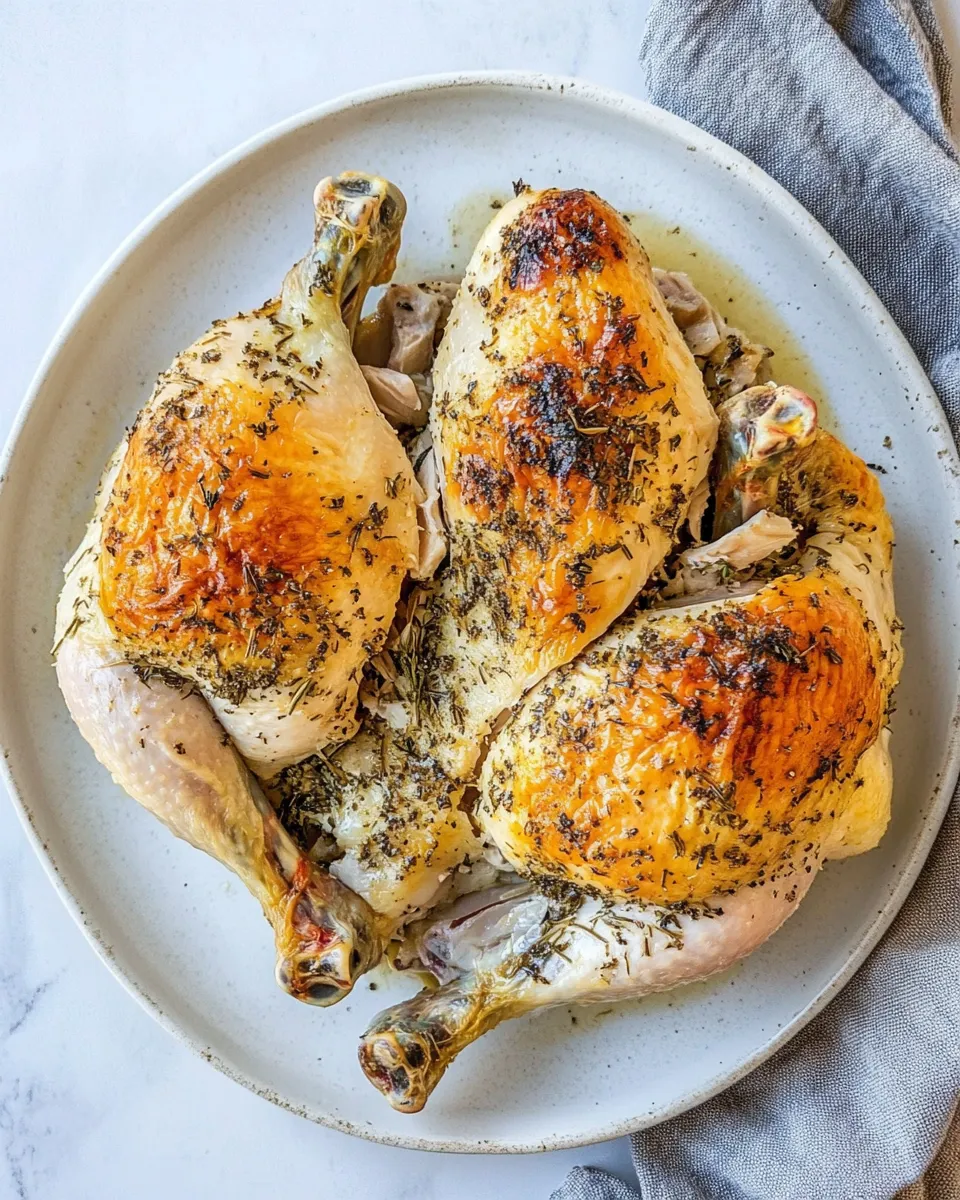
Once your chicken is cut, the possibilities are endless. Here are quick ideas to inspire weeknight meals or showpiece dinners.
- Breasts: Pan-sear, grill, or roast. Bone-in breasts are great for roasting because they stay juicier; boneless breasts cook faster and are perfect for slicing over salads or stuffing.
- Thighs: Try braising them in a rich tomato sauce, baking with herbs and lemon, or grilling for smoky flavor. Thighs tolerate longer cooking and remain tender.
- Drumsticks: Grill or roast simply with a spice rub. They’re perfect for casual sharing and pair well with crisp sides.
- Wings: Season and bake, or fry for crispy snacks. Toss with sauce for a crowd-pleasing appetizer.
- Carcass: Simmer the carcass with aromatics and water to make a flavorful broth. Freeze it for later if you’re not ready to make stock immediately.
Notes and tips from practice
- Keep the knife sharp. A sharp blade is safer and gives cleaner cuts.
- If you struggle to find joints, gently bend the limb — the natural hinge points become easier to spot and cut through.
- Save trimmings and the backbone in the freezer until you have enough to make stock. A homemade broth adds depth to soups, risottos, and sauces.
- If bones are difficult to cut through, use poultry shears for extra leverage or a cleaver for heavy-duty joints. Cut with controlled force rather than brute strength.
- Work slowly the first few times. Confidence builds with practice and you’ll get faster and more precise with each bird.
Common questions
How long will the pieces keep?
Fresh cut pieces will keep in the refrigerator for 1–2 days or in the freezer for up to 9 months if properly wrapped. Label and date packages before freezing.
Should I remove the skin?
Skin adds flavor and helps keep meat moist during roasting or frying. Leave it on for those preparations. If you prefer to reduce fat, remove the skin before cooking or after cooling the cooked meat.
What about trimming fat?
Trim large pieces of fat or loose flaps of skin if you want a neater presentation. Small pockets of fat can be left on for flavor during slow cooking.
Quick recipe idea using your pieces
Here’s a simple use for your newly cut chicken pieces. Toss thighs with olive oil, minced garlic, lemon zest, salt, and pepper. Roast at 200°C (400°F) until the skin is crisp and the internal temperature reaches 74°C (165°F). Serve with roasted vegetables or a fresh salad. The bones and carcass make an excellent base for a quick stock while the chicken cooks.
Wrapping up
By following these steps you’ll master How to Cut a Whole Chicken at home in a single session. A few birds and a little practice is all it takes to gain speed and confidence. You’ll save money, reduce waste, and have the exact cuts you want for whatever recipe you’re making. Remember: start with a clean, stable workspace, use a sharp knife or poultry shears, and make purposeful cuts along joints and ribs. Soon enough you’ll be the friend everyone asks to break down the bird at gatherings.
If you want more walkthroughs, I can share tips for boning a breast, spatchcocking for faster roasting, or turning your carcass into a rich homemade stock. Happy cooking!

How to Cut a Whole Chicken
Ingredients
- whole chicken
- sharp knife or poultry shears
Instructions
- Pat the whole chicken dry with paper towels and place it breast-side up on a stable cutting board.
- Start with the legs: pull one leg away from the body to expose the hip joint and make a small slit through the skin just behind the drumstick to access the joint.
- Pop the hip bone out of its socket by pulling the leg away, then cut through the joint with your knife or shears to remove the whole leg (thigh attached to drumstick).
- Separate the drumstick from the thigh by cutting along the fat line between them; adjust the knife angle until you cut cleanly through the joint.
- Remove the wings: with the breast-side up and wings extended, feel for the wing joint, then cut through the skin and joint (not the bone) while pulling the wing away for control.
- To remove the breast: turn the chicken on its side and cut along the fat line at the side of the carcass. Use kitchen shears or a knife to snip through the ribcage and separate the breast from the backbone.
- Debone the breast if desired: make a cut through the skin down the center of the breast to expose the breastbone, then use long, smooth strokes to cut the meat away from the bone until the breast is removed intact.
- Repeat leg, wing, and breast removals on the other side to yield two breasts, two wings, two drumsticks, two thighs, and the backbone and breastbone.
Equipment
- sharp knife or poultry shears
- Cutting Board
- Paper Towels
Notes
- Yields: 2 breasts, 2 wings, 2 drumsticks, 2 thighs, 1 backbone, and 1 breastbone.
- Work on a stable surface to prevent slipping.
- Use kitchen shears for easier ribcage cuts.
- Keep long, smooth knife strokes when removing meat from bones.
- Pat the chicken dry for better grip before cutting.