Gochujang Chicken
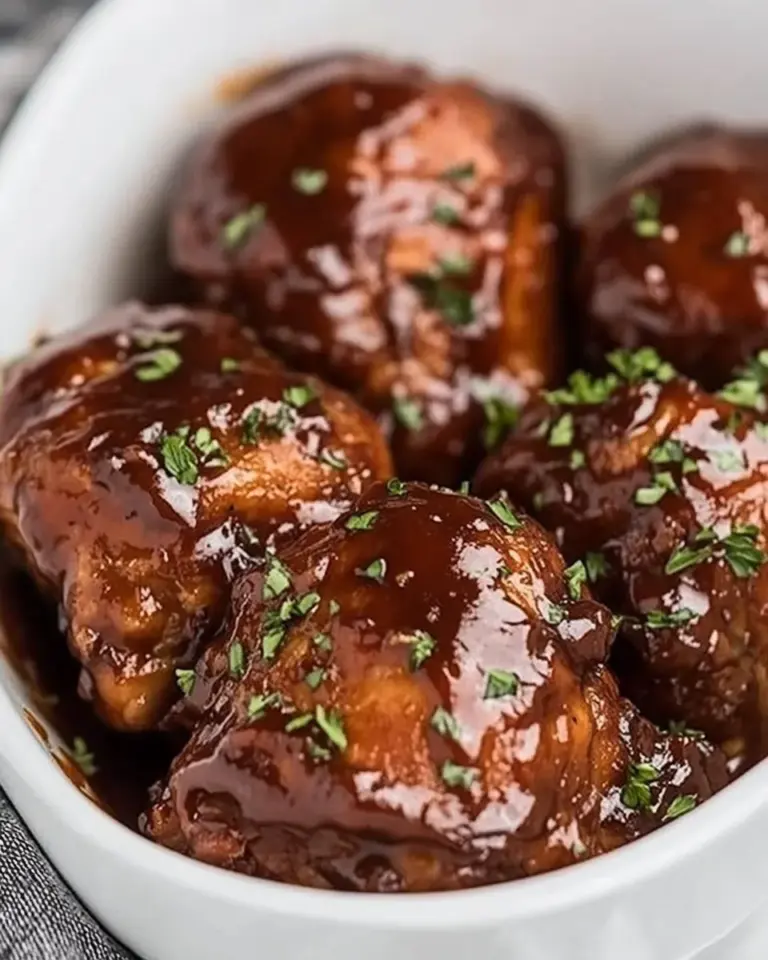
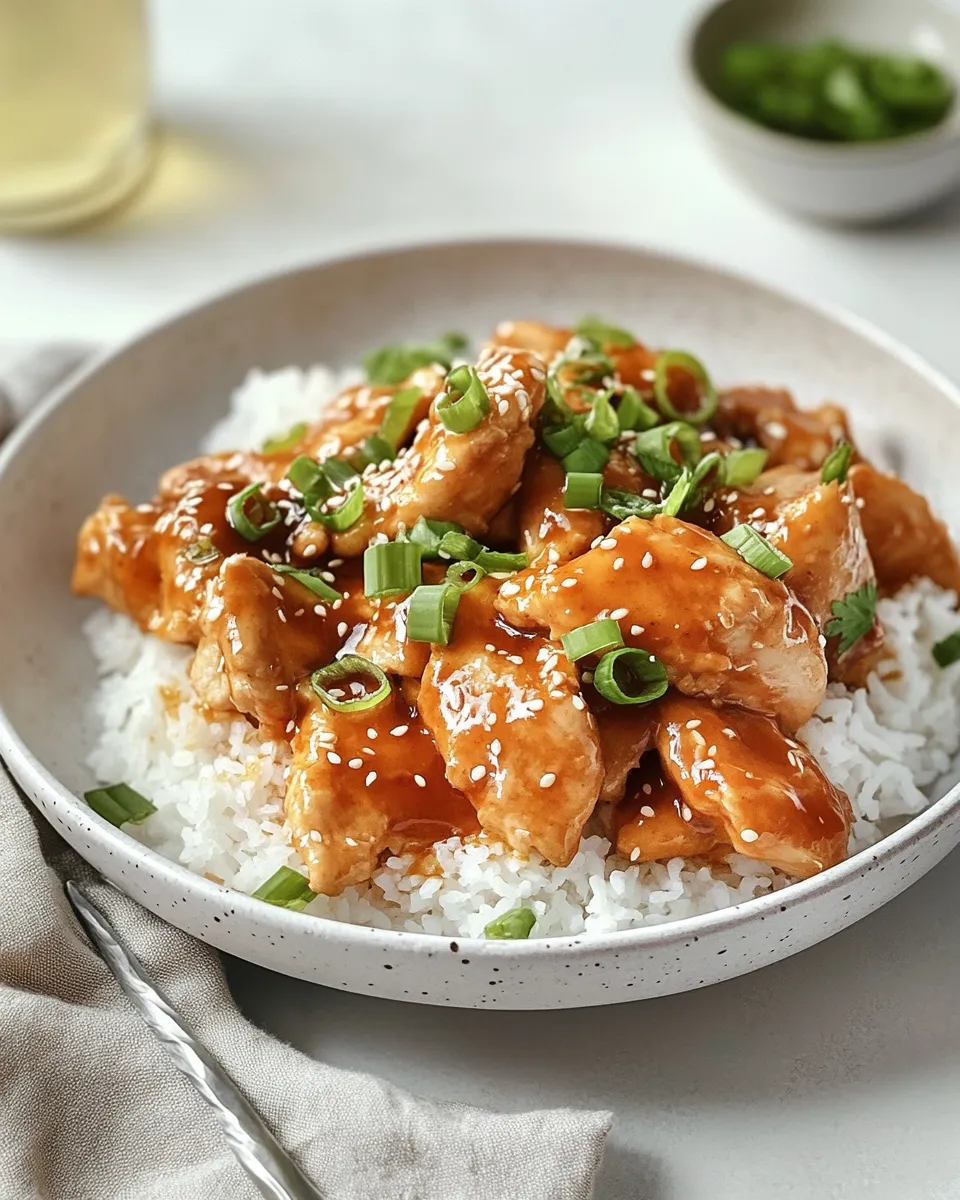
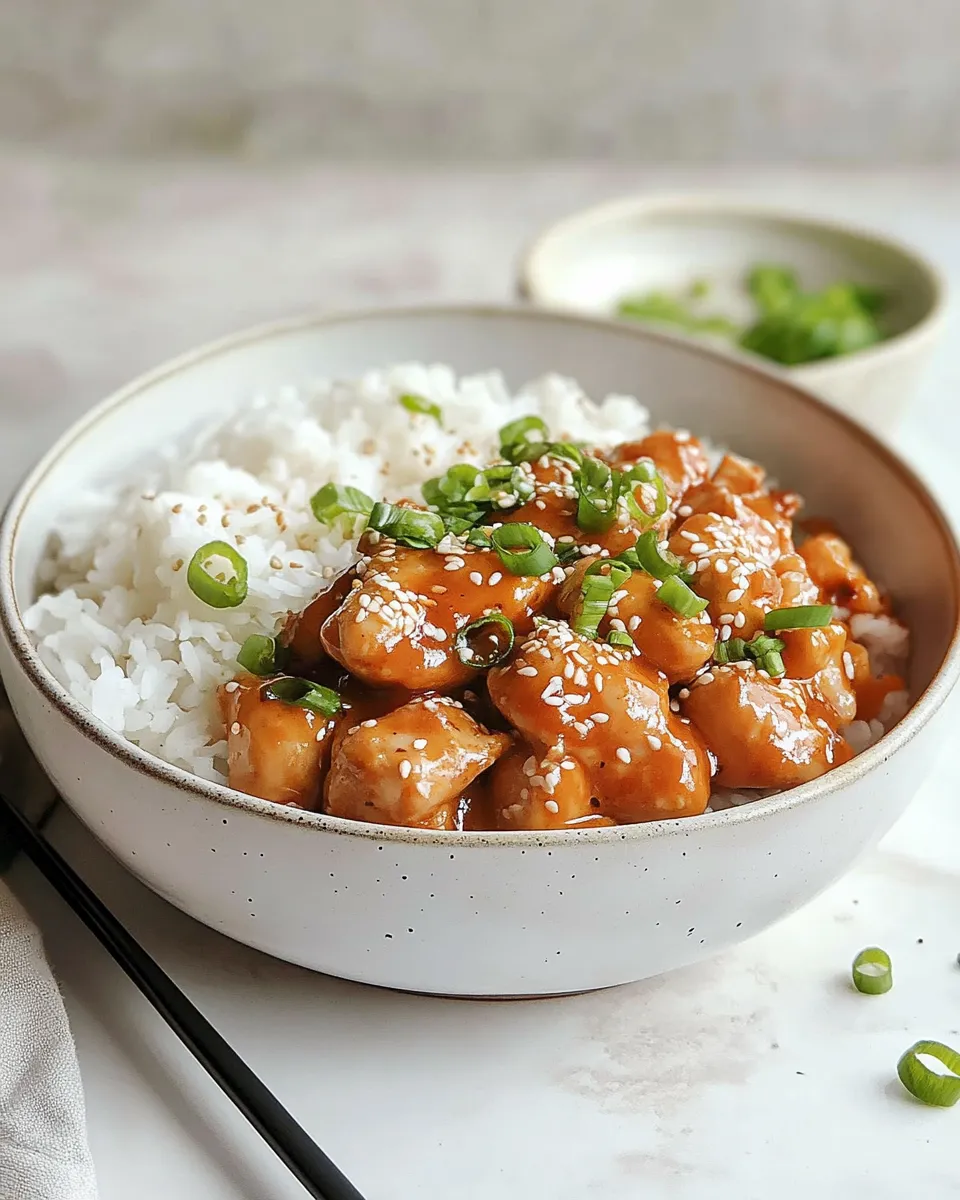
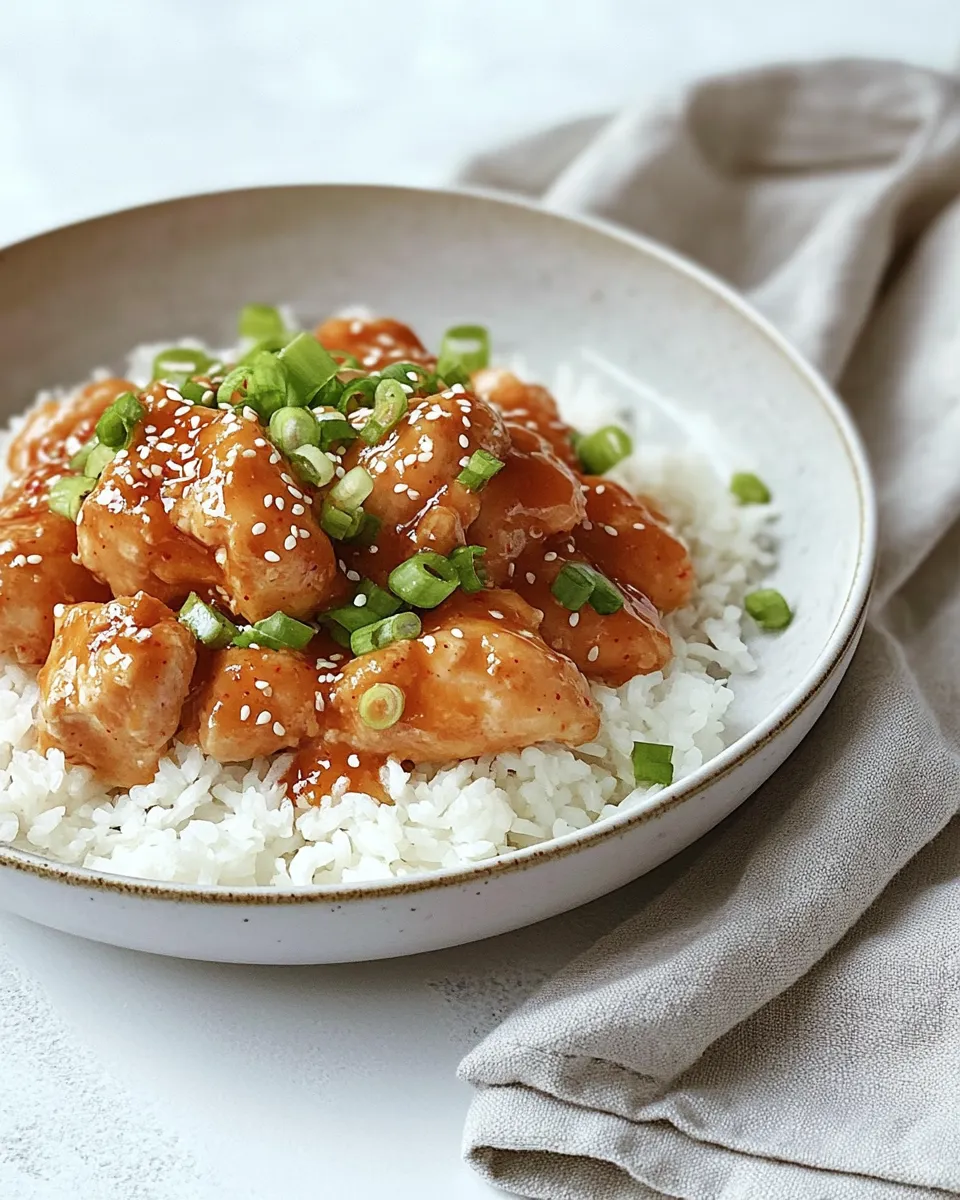
Gochujang Chicken is one of those weeknight winners that tastes like it took longer than it did. It balances sticky-sweet and savory with a gentle heat that warms without overwhelming. This version uses simple pantry staples and comes together fast, so it’s perfect for busy evenings or when you want a fuss-free dish with maximum flavor. The bite-sized chicken thighs caramelize beautifully in the sauce, creating glossy, craveable pieces that are amazing over rice, noodles, or a bed of crisp greens.
Why you’ll love this recipe

This Gochujang Chicken recipe checks a lot of boxes: quick prep, bold flavor, and minimal cleanup. Using boneless, skinless chicken thighs keeps the meat tender and forgiving in the pan, while the gochujang-based sauce creates a thick, lacquered finish that clings to each piece. A little honey adds sweetness to balance the fermented chili paste, soy sauce brings depth, and garlic and ginger give it a bright backbone. Finish with green onions and sesame seeds for texture and color.
Ingredients
| 2 tablespoons | gochujang paste |
| 1 tablespoon | soy sauce |
| 1 tablespoon | honey |
| 2 cloves | garlic, minced |
| 1 teaspoon | fresh ginger, grated |
| 1/4 cup | water |
| 1 tablespoon | vegetable oil |
| 1 pound | boneless, skinless chicken thighs, cut into bite-sized pieces |
| 2 | green onions, sliced for garnish |
| 1 teaspoon | sesame seeds for garnish |
Equipment
- Mixing bowl
- Measuring spoons and cup
- Large skillet or frying pan with lid
- Tongs or a spatula
- Cutting board and knife
- Serving plate or shallow bowl
Prep: 10 minutes · Cook: 12–15 minutes · Serves: 2–3
Flavor tips and swaps
If you like it spicier, add an extra 1/2 tablespoon of gochujang or a pinch of crushed red pepper. Prefer milder heat? Reduce the gochujang to 1 tablespoon and boost the honey by a teaspoon. For a gluten-free option, use tamari in place of soy sauce. To make it a one-pan meal, add sliced bell peppers and broccoli florets during the last 5 minutes of cooking so they finish with the chicken in the sauce.
Step-by-step Instructions
Below is a clear, stepwise version of the cooking directions rewritten for simplicity and flow while keeping the ingredients and their amounts intact.
- In a medium bowl, whisk together 2 tablespoons gochujang paste, 1 tablespoon soy sauce, 1 tablespoon honey, 2 cloves garlic (minced), 1 teaspoon fresh ginger (grated), and 1/4 cup water until smooth and well combined. This is your sauce.
- Heat 1 tablespoon vegetable oil in a large skillet over medium-high heat until shimmering.
- Add 1 pound boneless, skinless chicken thighs cut into bite-sized pieces to the hot skillet in a single layer. Let them sear undisturbed for 2–3 minutes so the bottoms brown.
- Toss the chicken pieces and continue to cook, stirring occasionally, until they are mostly browned but not fully cooked through, about 3–4 more minutes.
- Pour the prepared gochujang sauce into the skillet with the chicken. Stir to coat every piece evenly, making sure the sauce reaches the bottom of the pan.
- Reduce the heat to medium-low. Let the chicken simmer in the sauce, stirring occasionally, for 3–5 minutes. The sauce will thicken and become glossy as the water reduces and the honey caramelizes around the chicken.
- Continue cooking until the chicken is cooked through (no longer pink in the center) and the sauce has reached a sticky, glaze-like consistency. Test a larger piece to ensure doneness; internal temperature should reach 165°F (74°C) if you use a meat thermometer.
- Remove the skillet from the heat. Transfer the glazed chicken to a serving plate or serve directly from the pan.
- Garnish with 2 green onions, sliced, and 1 teaspoon sesame seeds. Serve immediately over steamed rice, noodles, or a bed of greens.
Serving suggestions
This Gochujang Chicken shines when paired with something to soak up the sauce. Serve it over fluffy white rice, brown rice, or sticky short-grain rice. For lower carbs, try it with cauliflower rice or a pile of steamed bok choy and snap peas. If you’re hosting, arrange the chicken on a platter next to pickled cucumbers, shredded carrots, and kimchi for a vibrant spread.
Make-ahead and storage
You can prepare the sauce up to 24 hours ahead and store it covered in the refrigerator. Cooked chicken will keep in an airtight container in the fridge for 3–4 days. Reheat gently in a skillet over low heat to preserve the glossy texture of the sauce; add a splash of water if the sauce has thickened too much. This dish also freezes well for up to 2 months—reheat from frozen in a covered skillet over low heat until thoroughly warmed.
Common mistakes and how to avoid them
- Overcrowding the pan: Cook the chicken in a single layer so it can brown. If the pieces are too crowded, they steam instead of caramelize.
- Cooking on too high heat: If the heat is too high once the sauce is added, the honey can burn and the sauce may become bitter. Reduce to medium-low and simmer gently until the glaze forms.
- Undercooking thigh pieces: Cut pieces to similar sizes so they cook uniformly. Thighs are forgiving, but always check a larger piece for doneness.
Nutrition snapshot (approximate per serving)
Calories, fat, and carbohydrates will vary based on serving size and accompaniments. Using boneless, skinless chicken thighs provides a rich, juicy texture and a good balance of protein and flavor.
Notes on ingredients
Gochujang paste is a fermented Korean chili paste that brings both heat and umami. If your gochujang is particularly thick, you can increase the water by a tablespoon to loosen the sauce. Use fresh ginger for brightness; powdered ginger won’t give the same fresh, zesty lift. Regular soy sauce provides savory depth—if you need a gluten-free swap, use tamari. The recipe’s quantities are intentionally balanced to create a glossy, clingy sauce that coats the chicken evenly.
A final word
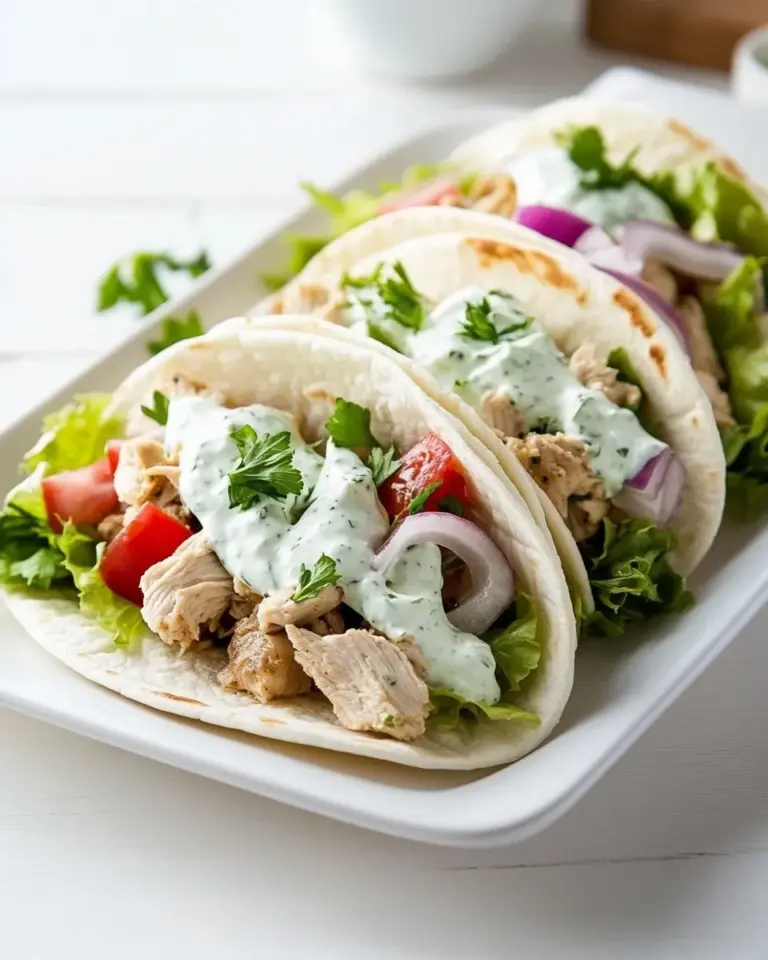
This Gochujang Chicken recipe is simple, bold, and built for regular rotation. It’s hands-off enough for busy nights and flavorful enough to become a family favorite. The balance of sweet, savory, and slightly spicy notes makes it versatile—pair it with rice for a comforting bowl, toss it into a salad for a flavor punch, or wrap it in warm flatbread for a quick lunch. Once you master the basic sauce ratio, feel free to experiment with vegetables, nuts, or a squeeze of lime to customize it to your taste.
Enjoy your meal—and the happy sighs that come with every saucy, sticky bite of this flavorful Gochujang Chicken.
Gochujang Chicken
Ingredients
- 2 tablespoons gochujang paste
- 1 tablespoon soy sauce
- 1 tablespoon honey
- 2 cloves garlic minced
- 1 teaspoon fresh ginger grated
- 1/4 cup water
- 1 tablespoon vegetable oil
- 1 pound boneless skinless chicken thighs cut into bite-sized pieces
- 2 green onions sliced for garnish
- 1 teaspoon sesame seeds for garnish
Instructions
- In a mixing bowl, whisk together 2 tablespoons gochujang paste, 1 tablespoon soy sauce, 1 tablespoon honey, minced garlic, grated ginger, and 1/4 cup water until smooth to make the sauce.
- Heat 1 tablespoon vegetable oil in a skillet over medium heat.
- Add the bite-sized chicken thigh pieces and cook, stirring occasionally, until browned on all sides, about 5–7 minutes.
- Pour the sauce over the browned chicken, reduce heat to low, and simmer uncovered for about 10 minutes, stirring occasionally, until the chicken is cooked through and the sauce thickens.
- Transfer to a serving dish and garnish with sliced green onions and 1 teaspoon sesame seeds before serving.
Equipment
- Skillet
- Mixing Bowl
- Measuring Spoons
- Measuring Cups
- Spatula or tongs
Notes
- Adjust gochujang amount to taste if you prefer less heat.
- Use chicken breasts if preferred; cook time may vary.
- Serve immediately for best texture.