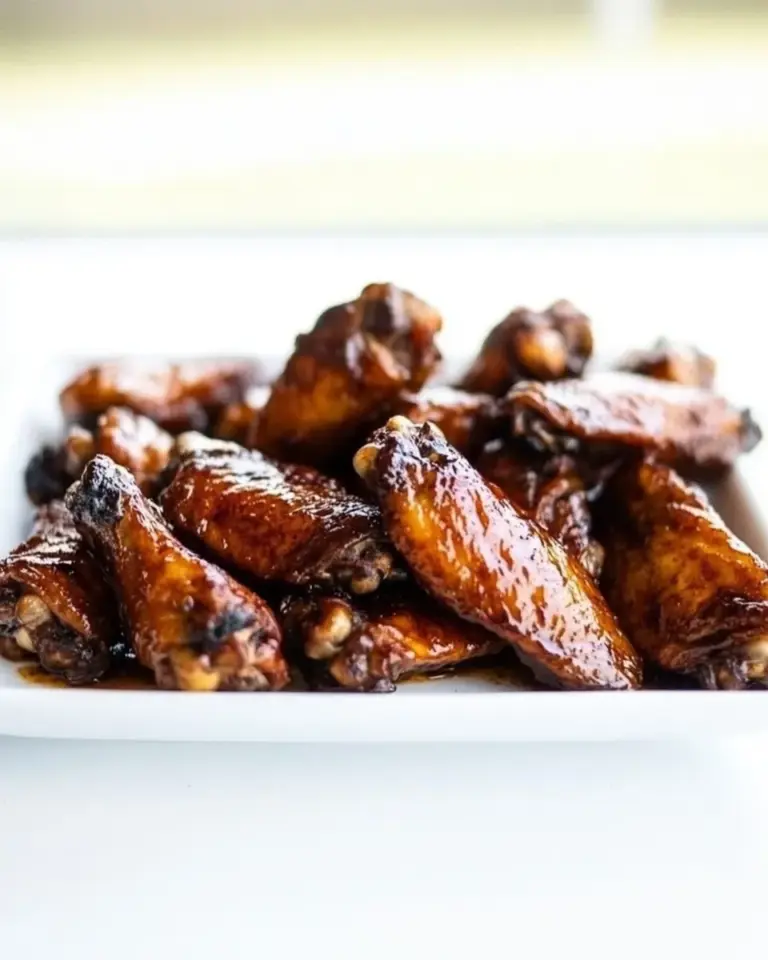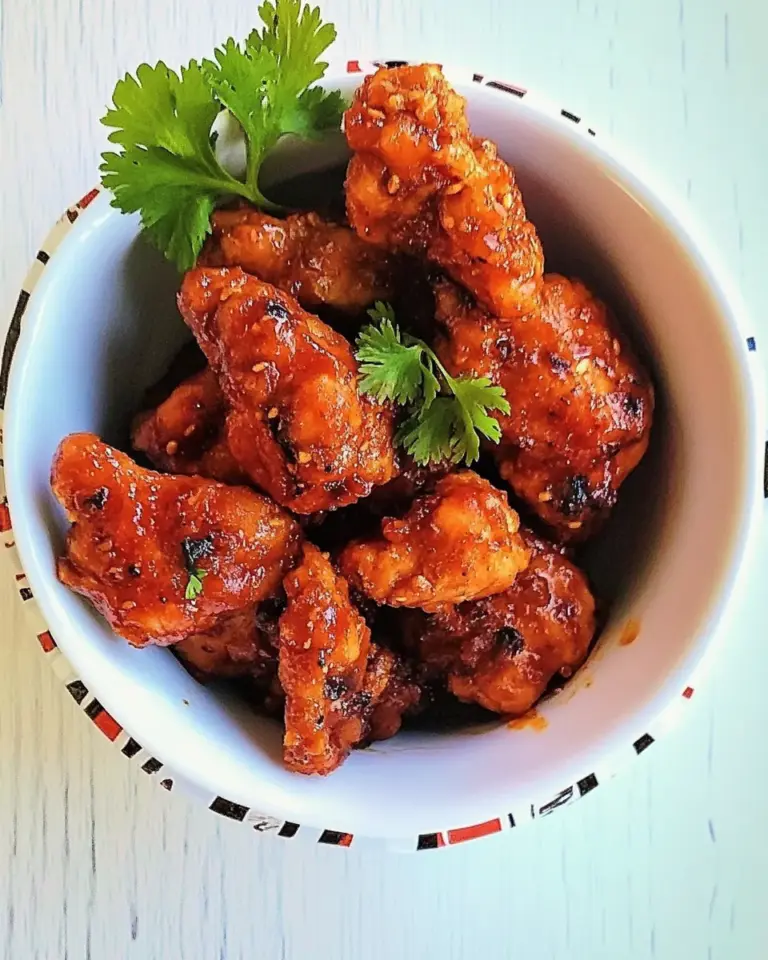
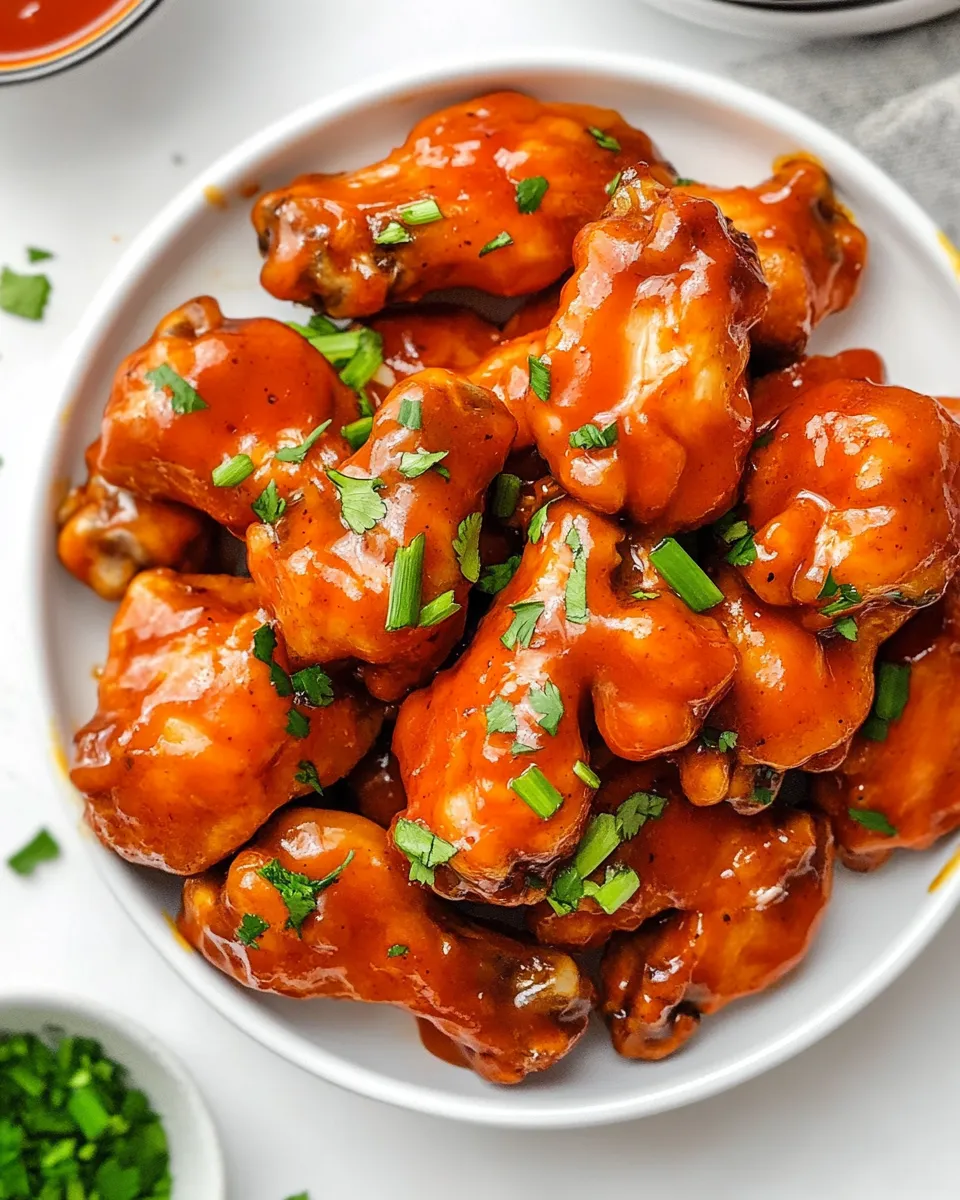
Boneless Wings
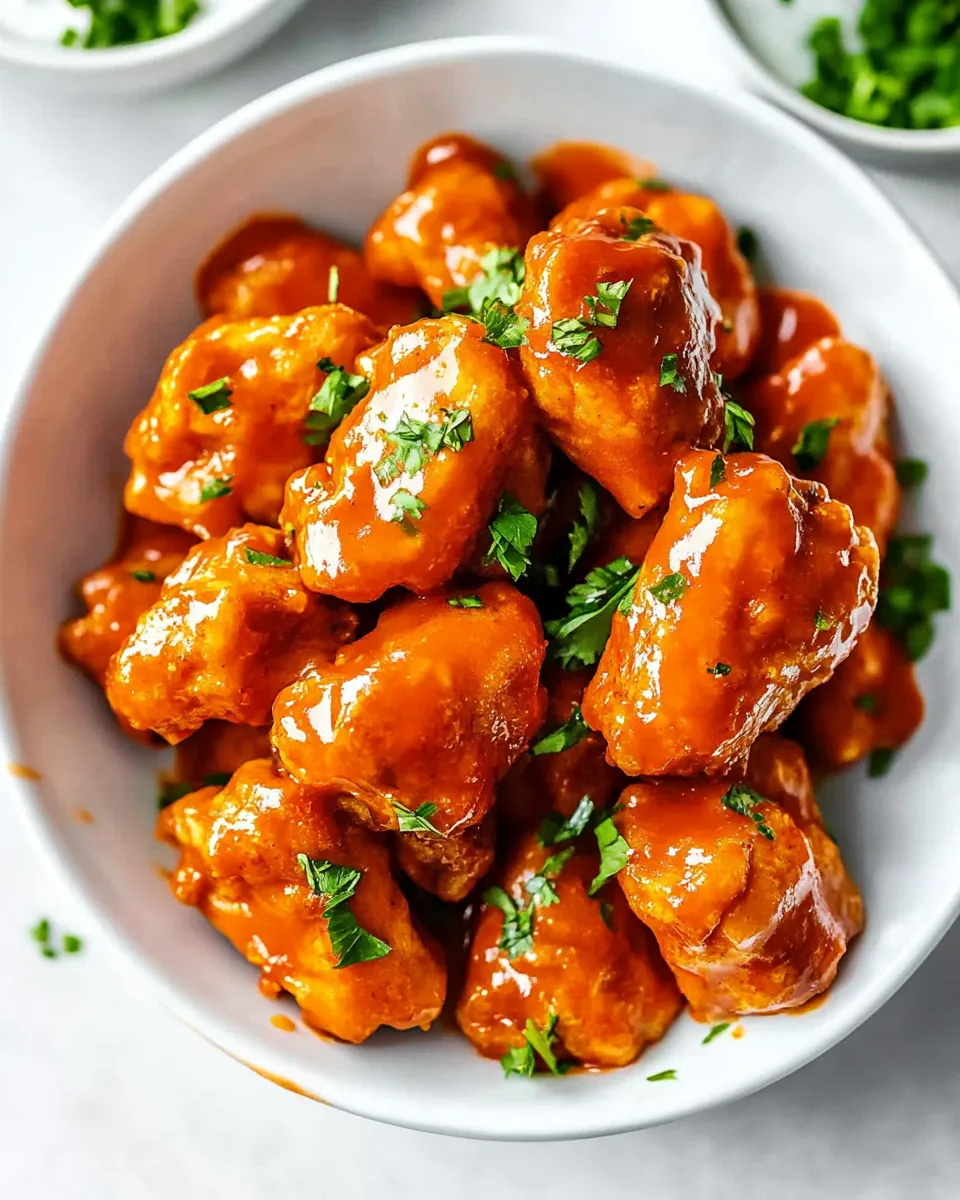
These boneless wings are the kind of recipe I reach for when I want crunchy, saucy comfort without fuss. They deliver a crisp, golden exterior and a buttery-hot glaze that clings to every nugget. The method is straightforward: a seasoned flour coating, a short chill to help it stick, deep frying to crisp, then a hot butter-forward sauce that gets tossed with the chicken right before serving.
I like to break this down into predictable steps so the kitchen moves efficiently and you end up with consistent results every time. There’s some hands-on frying, but the payoff is immediate—juicy chicken encased in a crunchy shell and coated with a smooth, tangy sauce. No complicated batters, no temp checks beyond the oil, and a sauce you can tweak to taste.
Below you’ll find the ingredients exactly as called for, the step-by-step instructions from prep to finish, and practical notes for troubleshooting, storing, and serving. No fluff—just useful tips to get these on the table hot and crisp.
What’s in the Bowl

This section gives you a quick sense of how the components work together. The flour mix builds the crust: paprika for color and mild warmth, cayenne and black pepper for a bite, garlic powder for savory depth, and kosher salt to season. The chicken pieces are bite-sized to ensure even cooking and a great ratio of crust to meat.
The sauce is classic: butter plus Frank’s RedHot, with brown sugar and honey for balance, vinegar for brightness, Worcestershire for umami, and more garlic and cayenne to echo the dredge. It simmers until smooth and glossy, which helps it cling to the fried nuggets without going soggy. Timing—the chill for the coated chicken and the final toss while everything is hot—makes all the difference.
Ingredients
- 1 cup all-purpose flour — the base for the crispy coating; provides structure and browning.
- 1 tablespoon ground paprika — adds color and a mild smoky note.
- 1 teaspoon ground cayenne pepper — brings heat and sharpness to the coating.
- 1½ teaspoons garlic powder — an easy way to build savory depth into the dredge.
- 1 teaspoon kosher salt — seasons the coating so every bite is balanced.
- ½ teaspoon ground black pepper — adds a warm, peppery background.
- 1½ pounds boneless, skinless chicken breasts (cut into 2-inch nuggets) — the protein; bite-sized pieces cook quickly and crisp well.
- Vegetable oil (for frying) — neutral oil with a high smoke point for deep frying.
- 1 cup unsalted butter (2 sticks) — creates a rich, silky sauce base.
- ½ cup Frank’s RedHot hot sauce — the tangy backbone of the sauce; provides signature buffalo flavor.
- 2 tablespoons brown sugar — balances acid and heat with sweet molasses notes.
- 2 tablespoons honey — adds shine and a rounded sweetness to the sauce.
- 2 tablespoons white vinegar — brightens the sauce and cuts through the fat.
- ½ tablespoon Worcestershire sauce — deepens flavor with a touch of umami.
- ½ teaspoon ground cayenne pepper — additional lift of heat in the sauce.
- ½ teaspoon garlic powder — echoes the dredge and layers the garlic flavor.
Boneless Wings in Steps
- Cut the 1½ pounds boneless, skinless chicken breasts into 2-inch nuggets if not already cut.
- In a large resealable plastic bag, combine 1 cup all-purpose flour, 1 tablespoon ground paprika, 1 teaspoon ground cayenne pepper, 1½ teaspoons garlic powder, 1 teaspoon kosher salt, and ½ teaspoon ground black pepper. Seal and shake to fully combine.
- Add the chicken pieces to the bag in batches (about 10 pieces at a time), seal, and shake until the pieces are evenly coated with the flour mixture. Remove the coated pieces and place them on a parchment-lined baking sheet. Repeat until all chicken is coated.
- Refrigerate the coated chicken on the baking sheet for 10–30 minutes to help the flour adhere.
- While the chicken chills, pour vegetable oil into a large stockpot or Dutch oven to a depth of about 3 inches and heat the oil to 360°F.
- Fry the chicken in batches (do not overcrowd the pot). Fry each batch for 10–15 minutes, or until the pieces are crispy, browned, and cooked through. Use a slotted spoon to transfer cooked pieces to a paper towel–lined plate to drain.
- When you start frying the last batch, make the sauce: in a saucepan set over medium-high heat combine 1 cup unsalted butter, ½ cup Frank’s RedHot hot sauce, 2 tablespoons brown sugar, 2 tablespoons honey, 2 tablespoons white vinegar, ½ tablespoon Worcestershire sauce, ½ teaspoon ground cayenne pepper, and ½ teaspoon garlic powder. Heat until the mixture begins to bubble, then reduce heat to maintain a simmer. Whisk often and simmer about 10–15 minutes until the sauce is smooth and well combined.
- After all chicken pieces are cooked and drained, put them in a large bowl, pour the hot sauce over them, and toss until all pieces are evenly coated.
- Serve immediately.
What Makes This Recipe Special
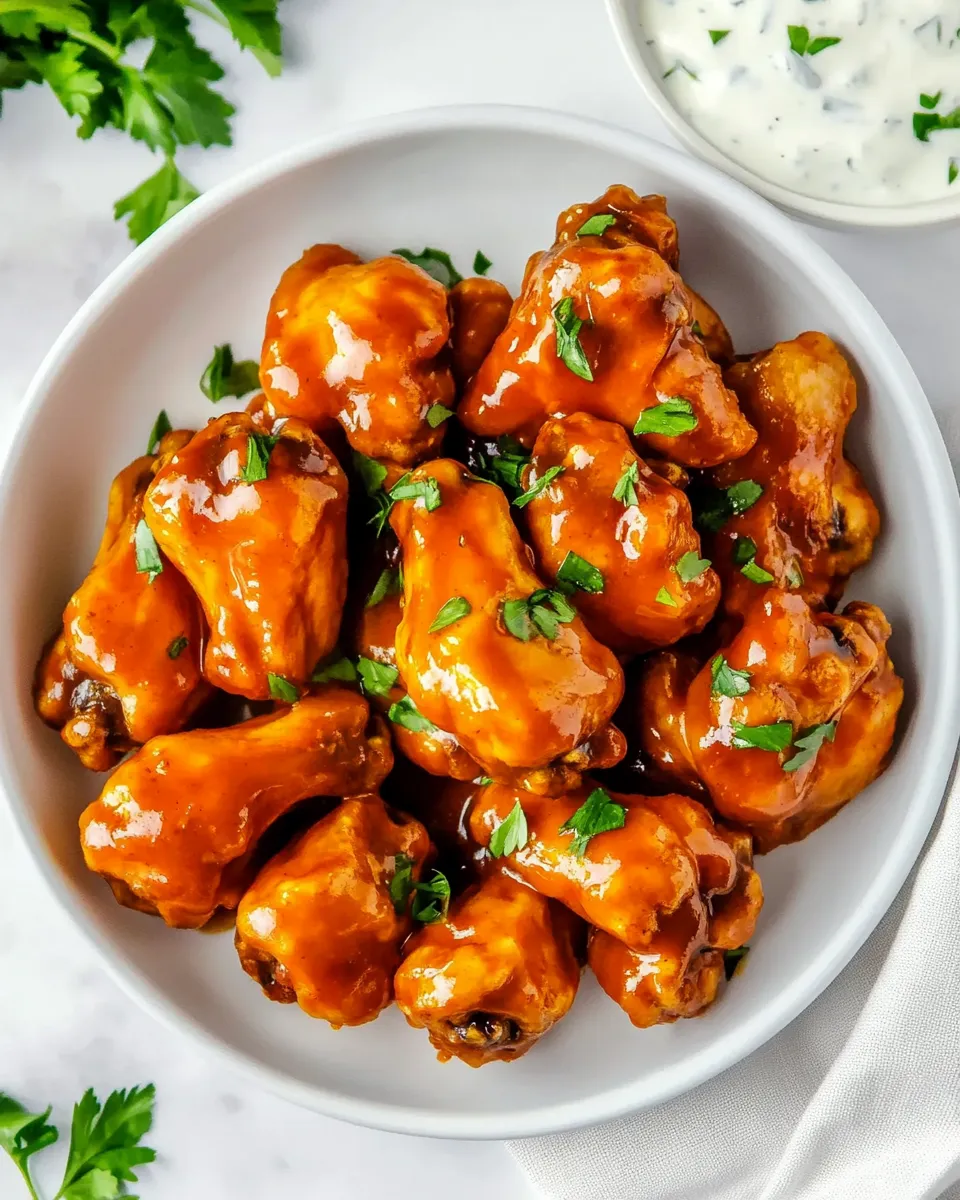
There are three key things that set these boneless wings apart: the simple seasoned flour coating, the rest that helps adhesion, and the butter-forward hot sauce that is simmered until silky.
The flour mix is intentionally simple—no eggs, no complicated batter—so you get a thin, even crust that crisps reliably. Chilling the coated pieces for 10–30 minutes isn’t glamorous, but it’s essential; it gives the flour time to hydrate slightly and stick, which prevents patchy coating during frying.
The sauce is also noteworthy. It combines butter and Frank’s RedHot for that classic buffalo profile, but the addition of brown sugar and honey balances the acid and heat. Simmering it for 10–15 minutes melds the flavors and produces a glossy finish that clings to the chicken without becoming runny.
Texture-Safe Substitutions
If you need to alter texture without changing the flavor profile, focus on cooking method and timing rather than swapping ingredients not listed here.
- Air-fryer option: Cook at high heat in small batches to preserve crunch. Expect a slightly different crust texture but comparable juiciness.
- Bake-and-finish: Bake coated pieces on a parchment-lined sheet at a high oven temperature until golden, then toss in the sauce and briefly return to the oven to set the glaze.
- Pan-fry for less oil: Use a heavy skillet and shallow oil to crisp each side. Work in small batches so pieces brown rather than steam.
Prep & Cook Tools
Gathering tools ahead speeds this up and avoids surprises at the stove.
- Large resealable plastic bag for dredging — makes coating fast and even.
- Parchment-lined baking sheet to hold coated pieces while they chill.
- Large stockpot or Dutch oven for frying — deep and heavy for stable oil temperature.
- Cooking thermometer to monitor oil temperature (360°F target).
- Slotted spoon and tongs for safe handling of hot pieces.
- Paper towels and a plate for draining fried pieces.
- Medium saucepan and whisk for making the sauce.
- Large mixing bowl for tossing the chicken with sauce.
Watch Outs & How to Fix
Coating falls off
If the flour flakes away in the oil, you likely did one of three things: didn’t shake off excess flour, the oil was too hot (causing rapid crust-popping), or you skipped or shortened the chill. Fix it by refrigerating coated pieces for at least 10 minutes next time, shake off excess flour before frying, and keep the oil at an even 360°F.
Greasy finished chicken
Overcrowding the pot drops the oil temperature and causes soggy, oily crust. Fry in true batches, drain well on paper towels, and let pieces rest briefly before saucing to allow surface oil to settle.
Sauce too thin
If the sauce seems watery, let it simmer a bit longer to reduce and emulsify. Whisk constantly at a low simmer until it thickens and becomes glossy.
Chicken undercooked
Use a thermometer or cut a piece to check. If underdone, you can finish pieces in a 375°F oven until cooked through, then toss with sauce.
Sauce too spicy or too mild
Adjust heat by changing how long you simmer or how much sauce you toss on—less sauce means milder bites. Because the recipe lists precise quantities, adjust incrementally and taste as you go.
Seasonal Serving Ideas
Boneless wings are endlessly adaptable. In warmer months serve alongside crisp, simple salads and light, crunchy vegetables. In fall and winter pair them with heartier sides—roasted root vegetables, buttery mashed potatoes, or warm mac and cheese for a cozy spread.
For game day, arrange the pieces on a platter with crunchy vegetable sticks and dipping options. In spring, serve with tangy pickles or quick slaws to cut through the richness.
Recipe Notes & Chef’s Commentary
Notes from the kitchen: don’t skip the chill. That short hold makes the biggest difference in how well the dredge clings during frying. Use unsalted butter as called for; it lets you control seasoning. Frank’s RedHot is a trademark flavor here—substituting a different hot sauce will change the end profile.
When making the sauce, patience pays. Bring it to a bubble and back off the heat to a steady simmer—this invites the butter to meld into the hot sauce for an emulsion that won’t separate the moment it hits the fried pieces. Whisk often and watch the texture.
Finally, toss while everything is hot. If the sauce cools before you toss, it won’t coat evenly. Work fast at the end and serve immediately for best results.
Keep-It-Fresh Plan
Leftovers are best stored separately: keep cooked, cooled chicken in the refrigerator and the sauce in a sealed container. Reheat chicken in a 350°F oven until warmed through to regain some crispness, then toss with warmed sauce just before serving.
If you intend to store already sauced pieces, expect the crust to soften. They’ll still be tasty for 2–3 days refrigerated. For longer storage, freeze cooked, unsauced chicken in a single layer until firm, then transfer to a sealed bag; thaw and re-crisp in the oven before saucing.
FAQ
Q: Are boneless wings actually wings?
A: No—these are bite-sized pieces of chicken breast prepared and sauced like traditional wings. They’re called boneless wings for the familiar flavor and serving style.
Q: Can I use dark meat instead?
A: Yes. Dark meat pieces will be juicier and forgiving in the fry. Adjust cooking time slightly if pieces are larger or thicker.
Q: Can I bake instead of fry?
A: Yes. For a baked version, roast at a high temperature on a wire rack set over a sheet so air circulates and you get a firmer crust; then finish by tossing quickly in the sauce.
Q: How can I make the sauce milder?
A: Use a little less hot sauce in the final mix or toss with less sauce per portion. The simmer time also influences intensity—shorter simmer will preserve more of the vinegar’s sharpness but reduce melded heat.
Ready to Cook?
Set up your dredge, preheat the oil, and line a sheet pan with parchment. Work in small batches and keep an eye on the sauce as you fry the last pieces. Follow the steps above exactly for consistent results: coat, chill, fry, simmer the sauce, toss, and serve immediately. You’ll get crunchy, saucy boneless wings every time.
Turn on some music, heat the oil to 360°F, and let’s get cooking.

Boneless Wings
Ingredients
Ingredients
- 1 cupall-purpose flour
- 1 tablespoonground paprika
- 1 teaspoonground cayenne pepper
- 1 1/2 teaspoonsgarlic powder
- 1 teaspoonkosher salt
- 1/2 teaspoonground black pepper
- 1 1/2 poundsboneless skinless chicken breasts(cut into 2-inch nuggets)
- Vegetable oil for frying
- 1 cupunsalted butter 2 sticks
- 1/2 cupFrank’s RedHot hot sauce
- 2 tablespoonsbrown sugar
- 2 tablespoonshoney
- 2 tablespoonswhite vinegar
- 1/2 tablespoonWorcestershire sauce
- 1/2 teaspoonground cayenne pepper
- 1/2 teaspoongarlic powder
Instructions
Instructions
- Cut the 1½ pounds boneless, skinless chicken breasts into 2-inch nuggets if not already cut.
- In a large resealable plastic bag, combine 1 cup all-purpose flour, 1 tablespoon ground paprika, 1 teaspoon ground cayenne pepper, 1½ teaspoons garlic powder, 1 teaspoon kosher salt, and ½ teaspoon ground black pepper. Seal and shake to fully combine.
- Add the chicken pieces to the bag in batches (about 10 pieces at a time), seal, and shake until the pieces are evenly coated with the flour mixture. Remove the coated pieces and place them on a parchment-lined baking sheet. Repeat until all chicken is coated.
- Refrigerate the coated chicken on the baking sheet for 10–30 minutes to help the flour adhere.
- While the chicken chills, pour vegetable oil into a large stockpot or Dutch oven to a depth of about 3 inches and heat the oil to 360°F.
- Fry the chicken in batches (do not overcrowd the pot). Fry each batch for 10–15 minutes, or until the pieces are crispy, browned, and cooked through. Use a slotted spoon to transfer cooked pieces to a paper towel–lined plate to drain.
- When you start frying the last batch, make the sauce: in a saucepan set over medium-high heat combine 1 cup unsalted butter, ½ cup Frank’s RedHot hot sauce, 2 tablespoons brown sugar, 2 tablespoons honey, 2 tablespoons white vinegar, ½ tablespoon Worcestershire sauce, ½ teaspoon ground cayenne pepper, and ½ teaspoon garlic powder. Heat until the mixture begins to bubble, then reduce heat to maintain a simmer. Whisk often and simmer about 10–15 minutes until the sauce is smooth and well combined.
- After all chicken pieces are cooked and drained, put them in a large bowl, pour the hot sauce over them, and toss until all pieces are evenly coated.
- Serve immediately.
Equipment
- Baking Sheet
- Dutch Oven
- Deep Fry Oil Thermometer
Notes
Always chill the chicken before frying to help set the breading.
I recommend using a deep-frying or instant-read thermometer to monitor the oil temperature. If it is too cold, the wings will turn greasy. Too hot, and the breading will burn while the meat stays raw.
Always let the oil return to temp between batches for the best results.
Keep cooked wings on a wire rack set over a baking sheet in a 250°F oven until all batches are done. They stay hot, crisp, and ready for sauce.
Let the wings rest on a wire rack or paper towels for 1-2 minutes before tossing them in the sauce. This helps lock drain excess grease, locking in crispness.
Use a good quality unsalted butter (European-style is best if you have it) for a silky sauce that clings to the wings instead of pooling at the bottom of the bowl.
Feel free to use any wing sauce you like on these boneless wings! If you’re not feeling the buffalo, try mylemon pepper wing sauce.
The spice level depends on the type of hot sauce you use and how much of it you add to the honey butter mixture.To make the wings spicier, add more hot sauce.To make them sweeter, add more honey.
To make the wings spicier, add more hot sauce.
To make them sweeter, add more honey.
Tobakethese wings, spray them lightly with nonstick spray or olive oil and bake in a 375°F oven for 30 minutes, flipping halfway.
Toair frythese wings, preheat your air fryer to 400°F and spray the basket with olive oil or nonstick spray. Arrange the wings in a single layer, spray with more oil, and air fry for 16 minutes, flipping halfway through.