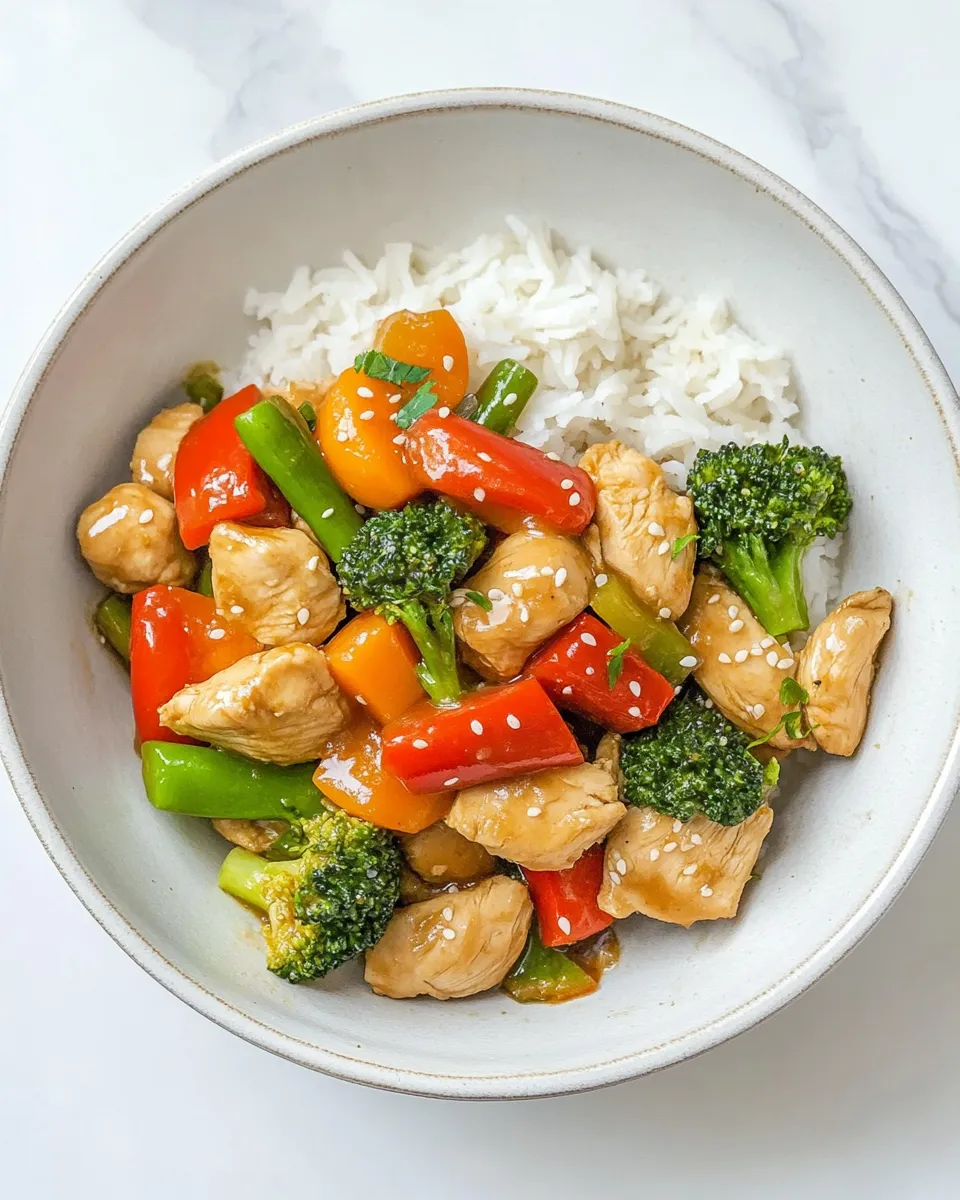
Chicken Stir-Fry
I cook a lot of weeknight dinners, and this Chicken Stir-Fry is the one I reach for when I want something fast, reliable, and full of color. It hits the same notes every time: a glossy, savory sauce, crisp-tender vegetables, and tender pieces of chicken that finish in the pan without fuss. It’s the pantry-friendly stir-fry I teach friends when they ask how to get restaurant-style results at home.
There’s no need for complicated prep or special equipment. A single 12-inch nonstick skillet or a wok, a quick whisk of the sauce, and a few basic techniques—cook the chicken first, give the vegetables a head start, then finish everything together—are all you need. I’ll walk you through the exact steps and explain the small choices that make this dish reliably good every time.
This post includes a clear ingredient list with short tips, the step-by-step method as written, substitutions that keep textures intact, troubleshooting notes, and storage advice. Read the method, prep the mise en place, and you should have dinner on the table in about 25–30 minutes.
Ingredient Rundown

Before you start, group the ingredients mentally into sauce, protein, oils, and vegetables. That makes assembly faster: sauce first, then chicken, then the vegetables in two stages so everything finishes at the right texture. I keep the sauce measurements exact since they control how thick and glossy the final coating will be.
Ingredients
- 2 Tbsp soy sauce, or more to taste — the salty backbone; start with this amount and adjust at the end if you want a stronger soy flavor.
- 4 tsp cornstarch — thickens the sauce to a glossy finish; whisk smooth so there are no lumps.
- 3/4 cup low-sodium chicken broth — provides volume and savory depth without making the dish too salty.
- 1 Tbsp oyster sauce — adds umami and a touch of sweetness; a small but important flavor booster.
- 1 tsp toasted sesame oil — finish-flavor; it’s aromatic and concentrated, so use as called for.
- 1 Tbsp honey or brown sugar — balances the salt and adds a gentle caramel note; honey dissolves easily.
- 1 lb. boneless skinless chicken breasts, cut into 1-inch pieces — the protein; bite-size pieces cook quickly and evenly.
- 2 Tbsp vegetable oil or light olive oil — for high-heat cooking; neutral oils help achieve a good sear.
- 1 1/2 cups sliced carrots (about 3 medium, cut about 1/6-inch thick) — add sweetness and color; slice thin so they soften quickly.
- 1 small yellow onion, sliced — rounds out the savory base and softens to sweetness during sautéing.
- 2 1/2 cups broccoli florets, chopped into bite-size pieces, rinsed (leave the water that clings to them) — the water clinging to florets helps steam them in the pan; keeps broccoli bright green.
- 1 medium red bell pepper, seeded and sliced into 1 1/2-inch long strips — adds freshness and crunch; slice into even strips for uniform cooking.
- 1 1/2 cups sugar snap peas, halved if large — quick-cooking green with a sweet snap; halving large pods prevents them from overpowering the dish.
- 1 Tbsp peeled and finely minced fresh ginger — bright, warming aromatics; mince finely so it releases flavor quickly.
- 3 cloves garlic, minced — classic aromatic; add with the ginger to flavor the vegetables.
Chicken Stir-Fry Made Stepwise
- In a small bowl whisk together 2 Tbsp soy sauce and 4 tsp cornstarch until smooth. Whisk in 3/4 cup low-sodium chicken broth, 1 Tbsp oyster sauce, 1 tsp toasted sesame oil and 1 Tbsp honey (or brown sugar). Set the sauce aside.
- Heat 1 Tbsp vegetable oil in a nonstick 12-inch skillet (or a deep skillet, sauté pan, or wok) over medium-high heat until hot.
- Pat the 1 lb. chicken pieces dry with paper towels. Add the chicken to the skillet in a single layer, spacing pieces apart. Cook, turning once, about 6 minutes total, until chicken is cooked through (165°F and no longer pink).
- Transfer the cooked chicken to a plate and set aside, leaving the oil in the skillet.
- Add the remaining 1 Tbsp vegetable oil to the skillet. Add 1 1/2 cups sliced carrots and the sliced small yellow onion. Sauté, stirring occasionally, about 4 minutes until carrots begin to soften and onions are translucent.
- Add 2 1/2 cups broccoli florets (with the water that clings to them), 1 medium red bell pepper (sliced into 1 1/2-inch strips), 1 1/2 cups sugar snap peas (halved if large), 1 Tbsp peeled and finely minced fresh ginger, and 3 cloves minced garlic. Sauté, stirring, until the vegetables are nearly tender, about 4 minutes.
- Whisk the sauce once more, then pour it into the skillet. Cook, stirring or tossing constantly, until the sauce thickens and the vegetables are tender, about 1–2 minutes.
- Return the cooked chicken to the skillet and toss to coat in the sauce. Cook 1–2 minutes more until the chicken is heated through.
- Taste and add more soy sauce if desired. Serve immediately.
What You’ll Love About This Recipe
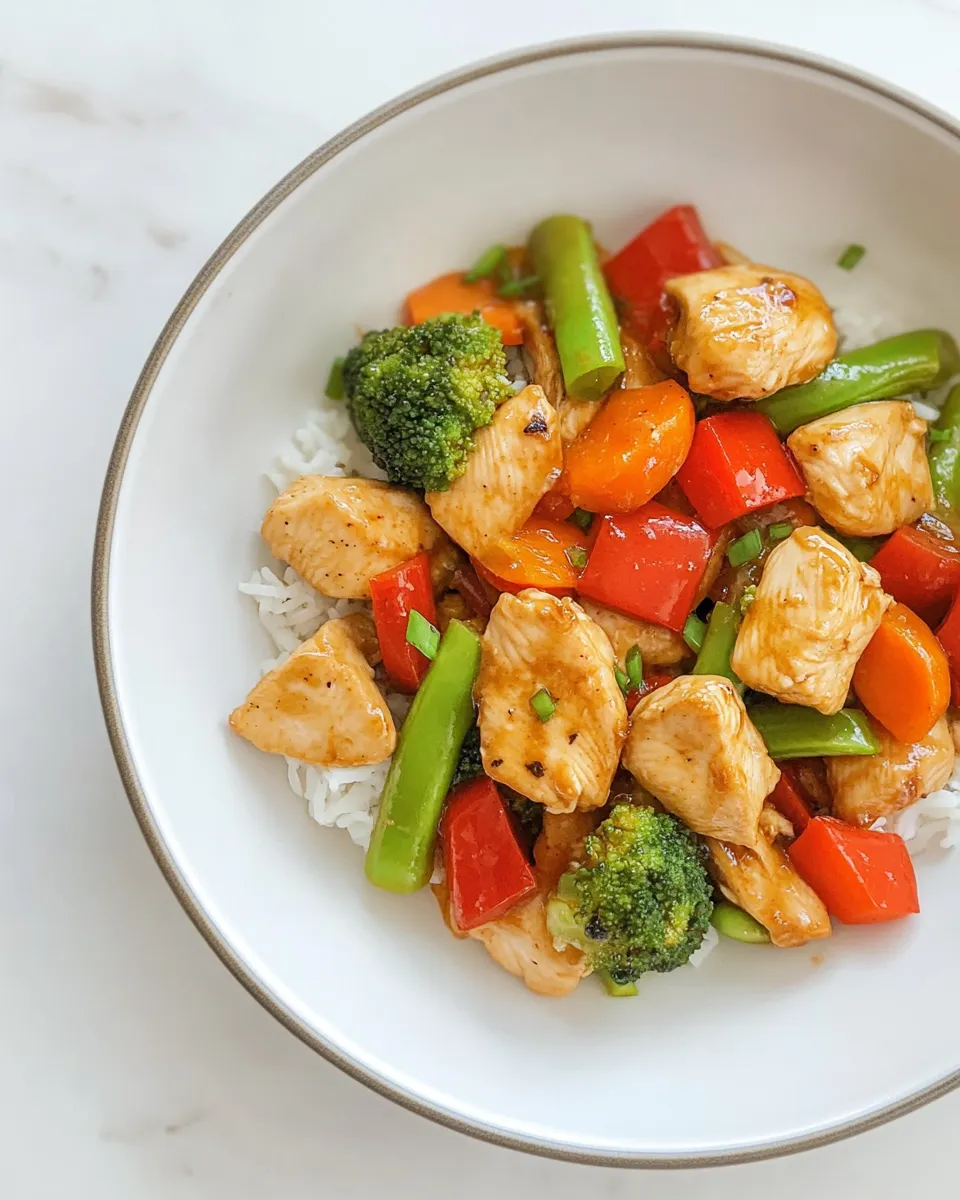
This Chicken Stir-Fry is dependable and adaptable. It’s fast: prep and cook time together are about 25–30 minutes, which is ideal for busy nights. The sauce is balanced—salty, slightly sweet, and glossy—so it clings to the chicken and vegetables without being syrupy.
Texture is a highlight. You get the contrast of tender, fully cooked chicken and bright, crisp-tender vegetables if you follow the timing. Because the broccoli goes into the pan with its clingy rinsing water, it steams in place and keeps a beautiful green color. The dish also reheats well, so leftovers are great for quick lunches.
Texture-Safe Substitutions
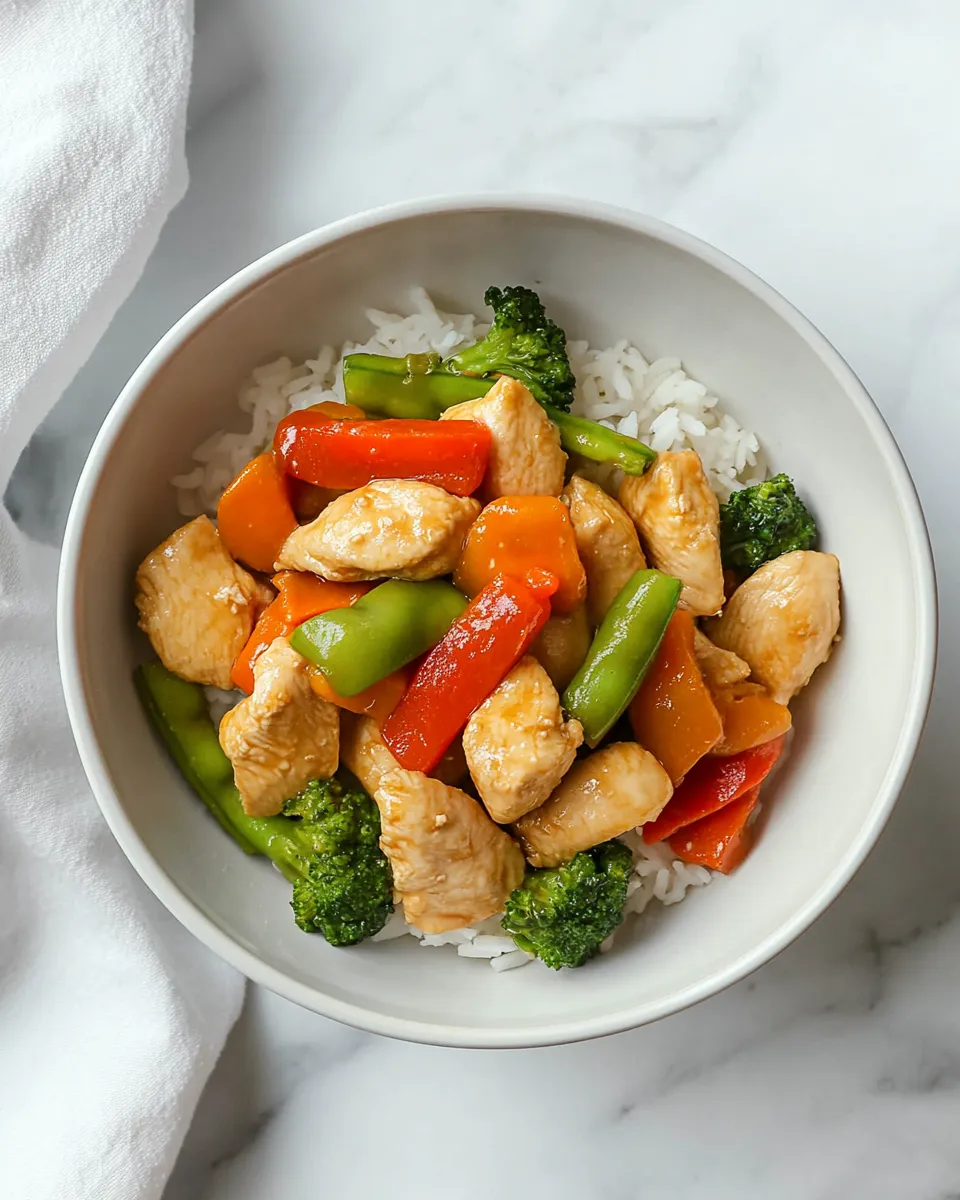
When swapping ingredients, the main goal is to preserve the contrast between tender protein and crisp vegetables:
- Chicken: Swap chicken breasts for boneless skinless thighs if you prefer a juicier bite; cut to the same 1-inch pieces so cooking time remains similar.
- Broccoli: Use broccolini or cauliflower florets, cut to similar bite-size pieces; cauliflower will take a touch longer—add an extra 30–60 seconds before adding the other vegetables.
- Peas: Use snow peas instead of sugar snap peas; they cook in about the same time and keep a crisp texture.
- Carrots: If you want even faster cooking, use baby carrots thinly sliced or pre-shredded carrots, but watch for over-softening.
- Thickening: If you need a gluten-free option, use a certified gluten-free soy sauce or tamari and the same cornstarch amount to keep the sauce glossy.
What You’ll Need (Gear)
- 12-inch nonstick skillet or wok — a wide pan gives you space to cook chicken in a single layer and toss vegetables.
- Small mixing bowl and whisk — for dissolving cornstarch and combining the sauce without lumps.
- Tongs or spatula — for turning chicken and tossing the stir-fry.
- Cutting board and sharp knife — for even vegetable and chicken pieces; consistent sizing ensures even cooking.
- Instant-read thermometer (optional) — handy to confirm chicken reaches 165°F, especially if pieces vary in size.
Problems & Prevention
Here are the most common issues and how to avoid them:
- Soggy vegetables: Don’t overcrowd the pan. Cook in one deep skillet or a hot wok and keep the vegetables moving. Add broccoli with the water that clings to it, but don’t dump in extra water.
- Chicken overcooked or dry: Cut chicken into uniform 1-inch pieces and pat dry before searing. Cook in a single layer and don’t move pieces too often—let them get some color. Remove them as soon as they reach 165°F.
- Sauce too thin or lumpy: Whisk soy sauce and cornstarch first to get a smooth slurry before adding the broth. Whisk the sauce again just before pouring it into the hot pan so any settled cornstarch reincorporates.
- Burning garlic or ginger: Add garlic and ginger with the vegetables and keep them moving; if you brown them too much they turn bitter. Saute long enough to release aroma but not to burn.
Better Choices & Swaps
Want to tweak this for health or flavor? Try these choices:
- Lower sodium: Use low-sodium soy sauce (the recipe already calls for it) and taste before adding more. You can also reduce the soy by 1/2 Tbsp and increase oyster sauce slightly for umami without as much sodium.
- More protein variety: Swap the chicken for firm tofu pressed and cubed; toss the cubes in cornstarch and pan-fry until golden before following the same vegetable and sauce steps.
- Whole-grain pairing: Serve over brown rice or farro to add fiber; starches like these absorb the sauce nicely.
- Less sugar: Replace the 1 Tbsp honey/brown sugar with 1 tsp honey and a squeeze of lime for brightness, though the final flavor will be less sweet and slightly more acidic.
Cook’s Commentary
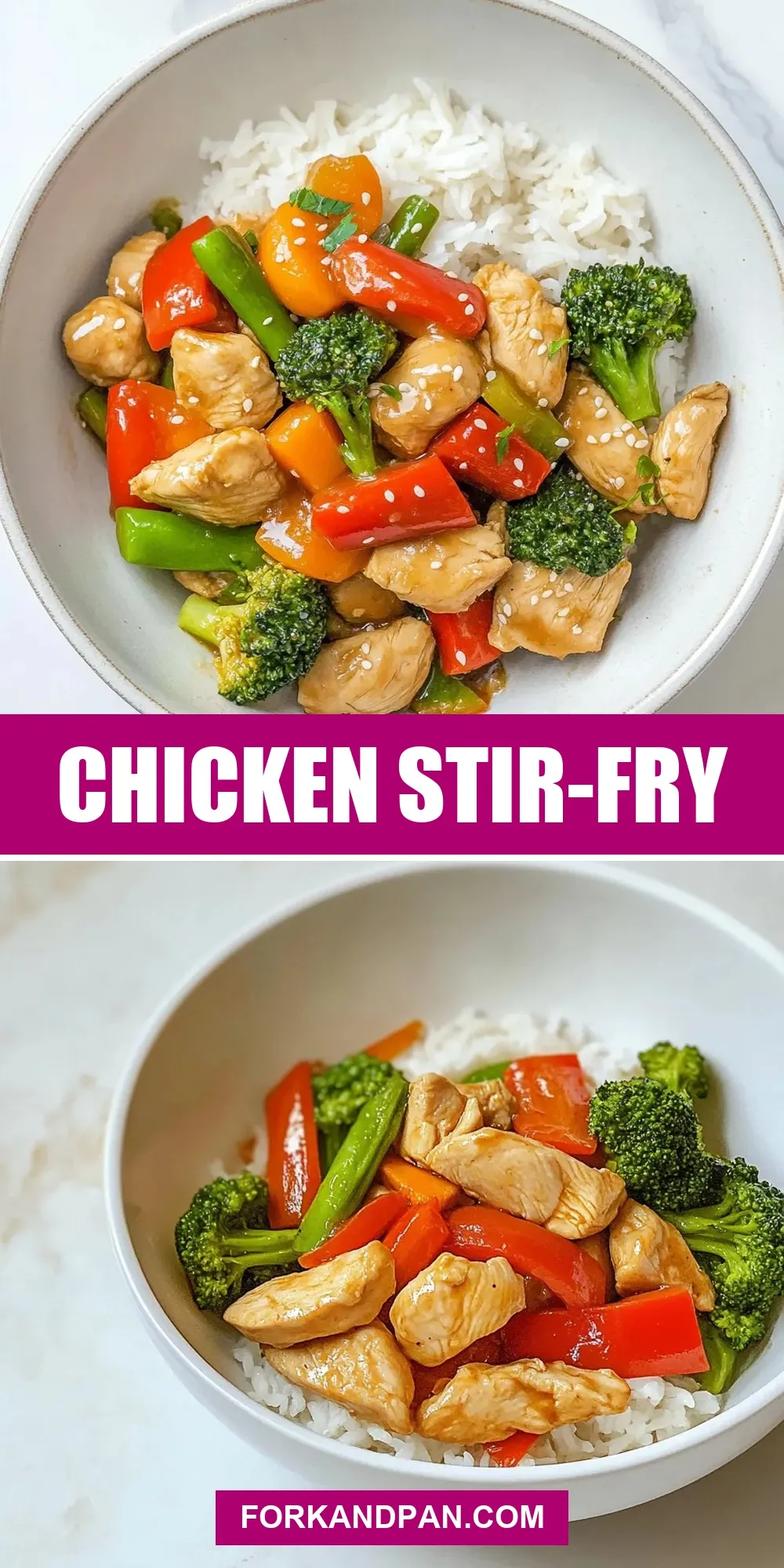
I like to emphasize two small habits that improve the final result: first, pat the chicken thoroughly dry. Moisture on the surface steams instead of searing, which prevents a nice exterior and can make the chicken tougher. Second, keep your veggies staggered by cook time—start with carrots and onion to let them soften, then add faster-cooking items like bell pepper and snap peas. That time staging makes the whole pan come together at once.
One tip I use when guests are over: keep the sauce ready in the bowl and whisk it again at the last minute. Cornstarch settles a bit, and that quick whisk ensures a silky finish. Also, when serving, lift the pan off the heat for a moment while tossing the chicken back in so the sauce adheres rather than reduces to stickiness.
Shelf Life & Storage
Cool the stir-fry to room temperature within two hours, then store in an airtight container in the refrigerator. It keeps well for 3–4 days. Reheat gently on the stovetop over medium heat with a splash of water or broth to loosen the sauce, or microwave in short bursts stirring in between to maintain texture.
For freezing: the texture of the vegetables changes after freezing, so I recommend freezing only if necessary. If you do freeze, place portions in freezer-safe containers and use within 1–2 months. Thaw overnight in the refrigerator and reheat gently, accepting that vegetables will be softer.
Ask the Chef
Q: Can I use chicken thighs instead of breasts?
A: Yes. Boneless skinless thighs stay juicier. Cut them to 1-inch pieces and follow the same cook time; they may need an extra minute depending on size.
Q: My sauce clumped—what went wrong?
A: That usually happens when cornstarch isn’t dissolved first. Always mix soy sauce and cornstarch until smooth before adding liquid, and whisk the mixture again just before adding to the hot pan.
Q: How can I make this spicier?
A: Add a thinly sliced fresh chili with the garlic and ginger, or toss in 1–2 tsp of chili-garlic sauce with the sauce mixture. Taste as you go so you control the heat level.
Save & Share
If you liked this Chicken Stir-Fry, save the recipe to your collection and share it with anyone who needs a dependable weeknight dinner. It’s flexible enough to adapt to what you have on hand and forgiving if you tweak a little. I hope this guide helped you understand the why behind each step—once you’ve made it a few times, you’ll be able to improvise with confidence.
Comments, questions, or your own small tricks are welcome—tell me how you cooked it and what you swapped. Happy cooking, and enjoy the bright, saucy comfort of a quick stir-fry.
Chicken Stir-Fry
Ingredients
Ingredients
- 2 Tbspsoy sauce or more to taste
- 4 tspcornstarch
- 3/4 cuplow-sodium chicken broth
- 1 Tbspoyster sauce
- 1 tsptoasted sesame oil
- 1 Tbsphoneyor brown sugar**
- 1 lb.boneless skinless chicken breasts* cut into 1-inch pieces
- 2 Tbspvegetable oilor light olive oil
- 1 1/2 cupssliced carrots about 3 medium, cut about 1/6-inch thick
- 1 smallyellow onion sliced (1 small)
- 2 1/2 cupsbroccoli florets chopped into bite size pieces, rinsed and leave water that clings to broccoli
- 1 mediumred bell pepper seeded and sliced into 1 1/2-inch long strips
- 1 1/2 cupssugar snap peas sliced into halves if larger
- 1 Tbsppeeled and finely minced fresh ginger
- 3 clovesgarlic minced
Instructions
Instructions
- In a small bowl whisk together 2 Tbsp soy sauce and 4 tsp cornstarch until smooth. Whisk in 3/4 cup low-sodium chicken broth, 1 Tbsp oyster sauce, 1 tsp toasted sesame oil and 1 Tbsp honey (or brown sugar). Set the sauce aside.
- Heat 1 Tbsp vegetable oil in a nonstick 12-inch skillet (or a deep skillet, sauté pan, or wok) over medium-high heat until hot.
- Pat the 1 lb. chicken pieces dry with paper towels. Add the chicken to the skillet in a single layer, spacing pieces apart. Cook, turning once, about 6 minutes total, until chicken is cooked through (165°F and no longer pink).
- Transfer the cooked chicken to a plate and set aside, leaving the oil in the skillet.
- Add the remaining 1 Tbsp vegetable oil to the skillet. Add 1 1/2 cups sliced carrots and the sliced small yellow onion. Sauté, stirring occasionally, about 4 minutes until carrots begin to soften and onions are translucent.
- Add 2 1/2 cups broccoli florets (with the water that clings to them), 1 medium red bell pepper (sliced into 1 1/2-inch strips), 1 1/2 cups sugar snap peas (halved if large), 1 Tbsp peeled and finely minced fresh ginger, and 3 cloves minced garlic. Sauté, stirring, until the vegetables are nearly tender, about 4 minutes.
- Whisk the sauce once more, then pour it into the skillet. Cook, stirring or tossing constantly, until the sauce thickens and the vegetables are tender, about 1–2 minutes.
- Return the cooked chicken to the skillet and toss to coat in the sauce. Cook 1–2 minutes more until the chicken is heated through.
- Taste and add more soy sauce if desired. Serve immediately.
Notes
**For a sweeter stir-fry honey or brown sugar can be doubled or even tripled.
You can use other vegetables you may have on hand in this stir-fry. Good options include mushrooms, cabbage, zucchini, green beans, bok choy, baby corn, and bean sprouts. Just remember to add crisper vegetables first with the onions and carrots.
Recipe originally published March 10, 2015. Recipe modified to omit the marinating step to simplify the recipe, also mushrooms have been omitted to cut down on ingredients.