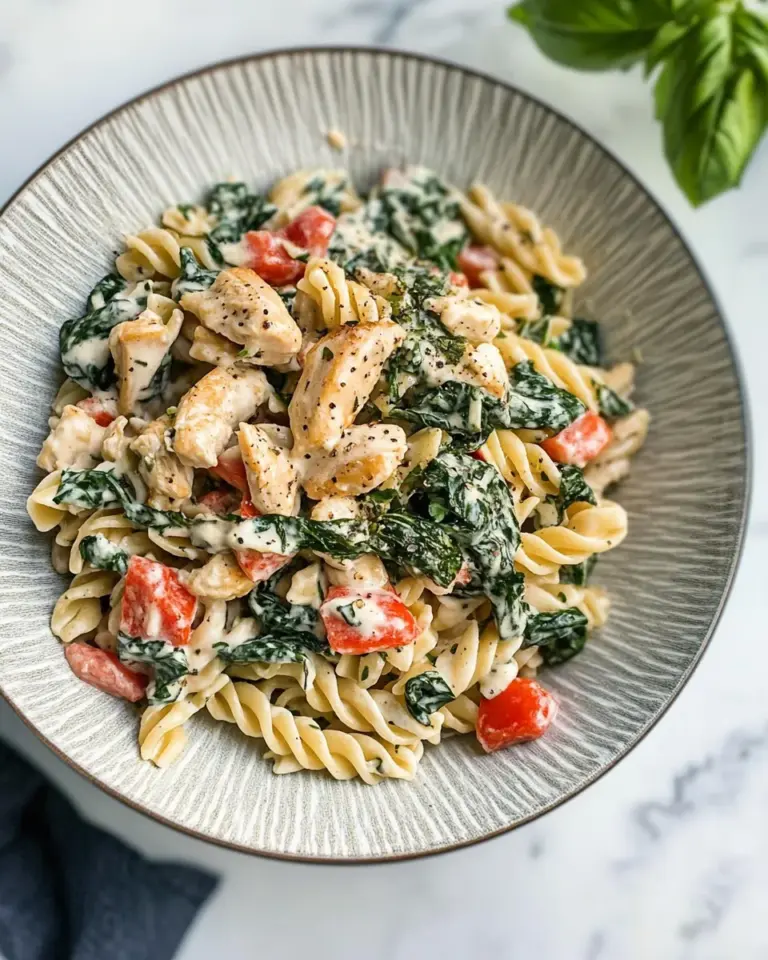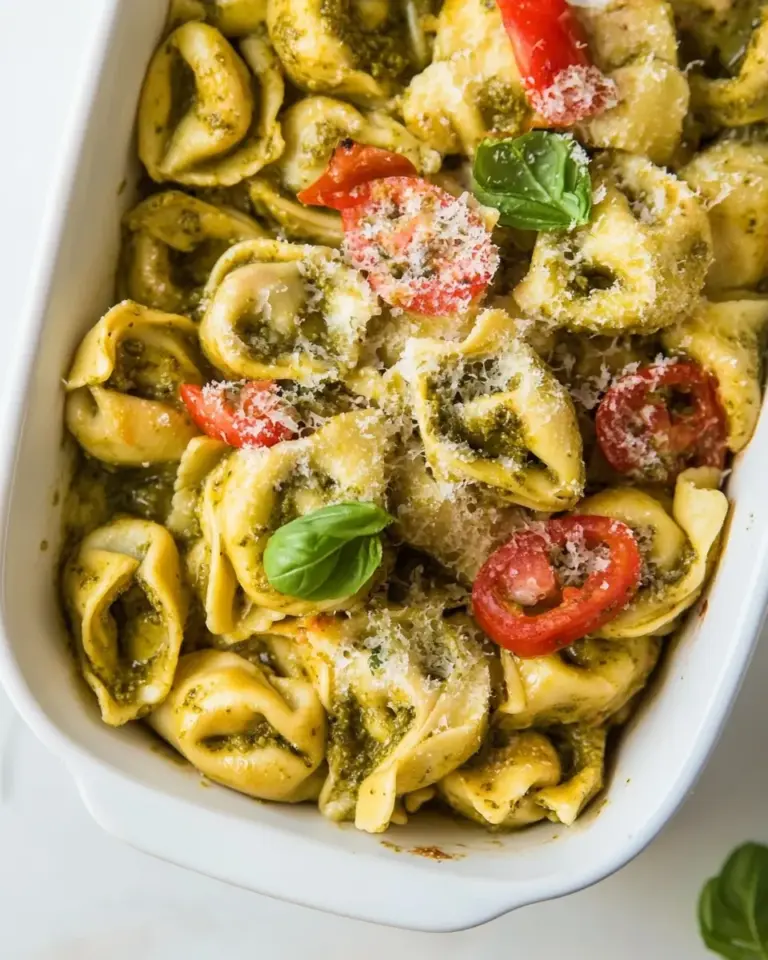

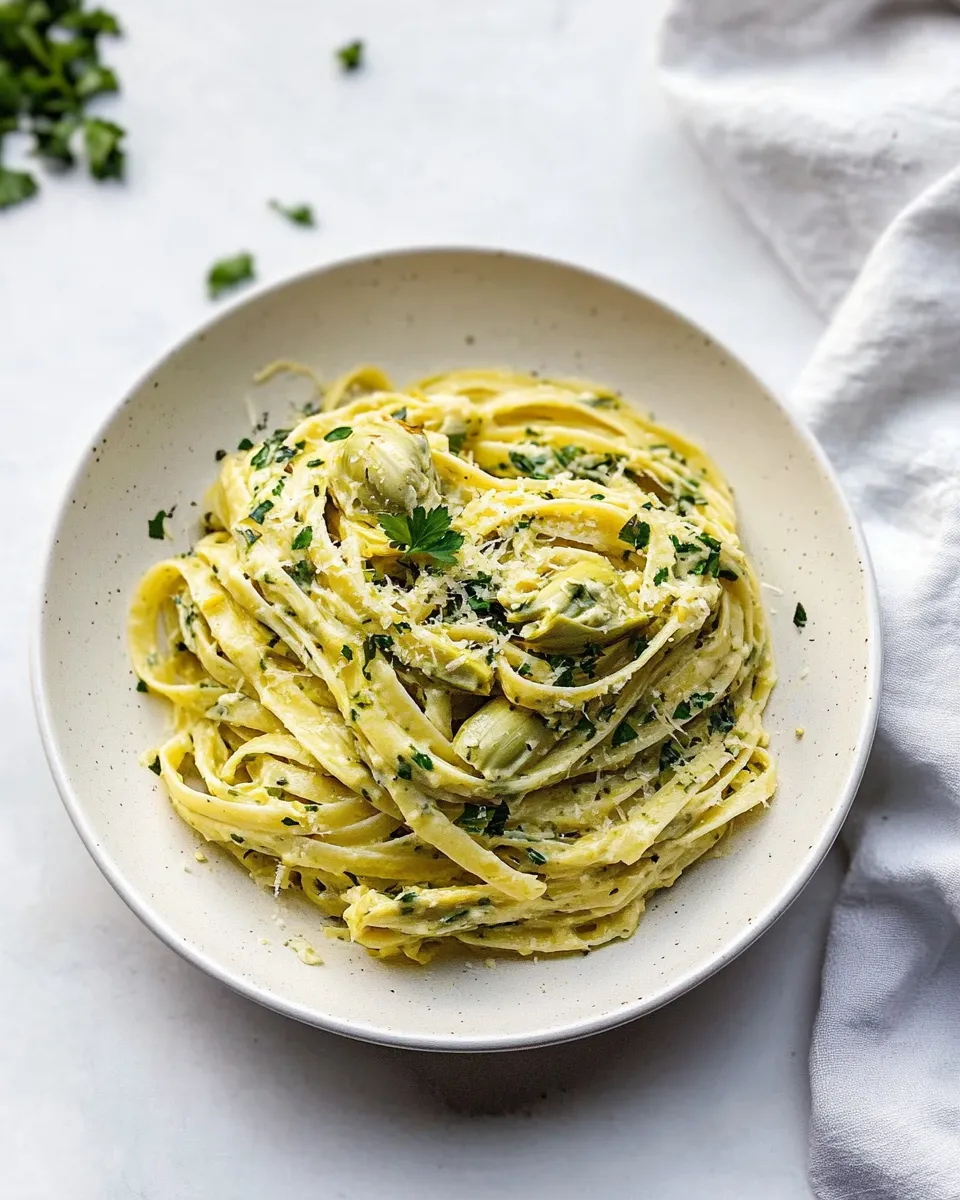
Weeknight Pasta with Artichoke Sauce.
This is the kind of weeknight dinner I reach for when I want something that feels thoughtful but doesn’t require babysitting. The artichoke sauce is bright, garlicky, and creamy without cream—so it comes together fast, and it keeps the kitchen light. If you have a can opener and a pot, you already have what you need.
The technique is simple: blend canned artichoke hearts with Parmesan, lemon, garlic, olive oil, and seasoning, then toss with hot pasta and a little reserved pasta water to make a silky, clingy sauce. The whole process lives between prep and toss—nothing fussy, everything forgiving.
It’s great for dinners when time is tight but taste matters. I’ll walk you through the exact steps, the ingredients, smart swaps, and small habits that make this dish sing every time.
Ingredient Checklist

- 1 (14 ounce) can artichoke hearts, drained — the sauce’s base; canned keeps it fast and flavorful.
- ½ cup freshly grated parmesan cheese, plus more for topping — adds salty, nutty creaminess and helps bind the sauce.
- 1 lemon, zest freshly grated and juiced — brings bright acidity to cut the richness.
- 4 garlic cloves, minced — for punch and aroma; mince fine so it blends evenly.
- 4 tablespoons olive oil — gives the sauce body and gloss; use good quality but not necessarily extra-virgin if it’s strong.
- ½ teaspoon salt — seasons the sauce; adjust after tasting, especially if your Parmesan is salty.
- ½ teaspoon pepper — a simple, warming seasoning to balance the lemon and cheese.
- 8 ounces spaghetti or bucatini, cooked — the pasta of choice; bucatini gives a satisfying chew and catches sauce well.
- ¼ cup reserved starchy pasta water — your emulsifier; it loosens and binds the sauce to the noodles.
- ¼ cup chopped fresh parsley, for topping — fresh herb finish for color and a reminder of brightness.
Method: Weeknight Pasta with Artichoke Sauce
- Bring a large pot of salted water to a boil.
- While the water heats, place the drained artichoke hearts, ½ cup freshly grated Parmesan, the lemon zest and juice (from the 1 lemon), the minced garlic, 4 tablespoons olive oil, ½ teaspoon salt, and ½ teaspoon pepper into a food processor. Blend until the mixture is combined and creamy but still slightly textured.
- Add the 8 ounces of spaghetti or bucatini to the boiling water and cook according to package directions until al dente. Before draining, reserve ¼ cup of the starchy pasta water, then drain the pasta and return it to the hot pot (off the heat).
- Immediately add the artichoke sauce to the hot pasta and begin tossing to combine so the heat warms the sauce and helps it coat the noodles.
- If the sauce is too thick or the pasta isn’t evenly coated, add some or all of the reserved ¼ cup pasta water to loosen the sauce until it reaches a pesto-like coating consistency.
- Continue tossing for a minute or two until the sauce evenly coats the pasta and is heated through.
- Divide the pasta among plates, sprinkle additional Parmesan over each serving, top with the ¼ cup chopped fresh parsley, and serve immediately.
Why This Recipe is a Keeper
It’s fast without feeling rushed. From start to finish this dish is built around a few strong flavors that play well together: artichoke, lemon, garlic, and Parmesan. Each bite is bright and savory; it’s comforting yet light. That balance is hard to overcook or ruin—unless you forget the pasta water.
It’s forgiving. The artichoke-parmesan mixture is a loose, textured sauce. If it’s thicker or thinner than you expect, a splash of pasta water fixes it. The ingredients are pantry-friendly too—most of them keep well, making this an ideal “I-don’t-want-to-grocery-shop” weeknight plan.
Smart Substitutions
Substitutions can make the recipe work with what you have. Keep amounts the same unless you want a different intensity.
- If you don’t have spaghetti or bucatini, use another long pasta like linguine or fettuccine—same cooking time strategy applies.
- If you prefer a sharper cheese, swap Parmesan for Pecorino Romano in the same quantity for a saltier, tangier profile.
- Out of canned artichokes? Marinated artichoke hearts work, but cut the added oil and any vinegar from the marinade first. If using frozen, thaw and drain thoroughly before measuring the same weight-equivalent to the can.
- No food processor? Finely chop the artichokes and thoroughly mash with a fork while whisking in the oil, lemon, garlic, and cheese; the texture will be chunkier but still delicious.
- Want creaminess without dairy? Omit the Parmesan and add a tablespoon or two of unsalted butter or a splash of olive oil while tossing; expect a different flavor profile but similar mouthfeel.
Prep & Cook Tools
- Large pot — for boiling pasta.
- Colander — to drain the pasta while keeping some water reserved.
- Food processor — to make the artichoke sauce smooth and quick.
- Microplane or fine grater — for zesting the lemon and grating fresh Parmesan.
- Wooden spoon or tongs — for tossing the pasta and sauce together.
- Measuring spoons and cups — to keep salt, oil, and water amounts consistent.
Easy-to-Miss Gotchas
Don’t skip reserving the pasta water. That ¼ cup is not optional. The starch in the water turns a loose puree into a glossy, clingy sauce. Without it the mixture can sit on top of the noodles instead of coating them.
Drain artichokes well. Excess liquid from canned or marinated artichokes dilutes the sauce and makes it runny. Pat them dry or give them a few extra seconds in the colander.
Salt the pasta water generously. It should taste like the sea. If the water is bland, the pasta won’t be seasoned enough. Also, taste before adding extra salt at the end—the Parmesan brings a lot of saltiness.
Don’t overblend the sauce. The directions say “creamy but still slightly textured.” If you blend until completely smooth, you lose a pleasant artichoke bite. Pulse and stop to check texture.
Spring to Winter: Ideas
Spring: Add a handful of peas or asparagus tips at the last minute for a fresh, green lift. Finish with extra lemon zest for brightness.
Summer: Stir in halved cherry tomatoes and a spoonful of chopped fresh basil for warmth and color. Serve with a light salad.
Autumn: Fold in sautéed mushrooms and a sprinkle of toasted walnuts for earthiness and crunch.
Winter: Add a small handful of baby spinach to the hot pasta along with a knob of butter for extra richness and color; it wilts in seconds.
If You’re Curious
Why does pasta water matter so much? The starch that releases while pasta cooks emulsifies with oil and cheese, helping the sauce cling to the noodles rather than slide off. It’s a simple chemistry trick that transforms texture.
Why blend rather than simmer? Blending keeps the sauce bright and fresh. Simmering could darken the lemon and mute the clean flavors. This recipe celebrates immediacy: the hot pasta finishes the dish.
Leftovers & Meal Prep
Store leftovers in an airtight container in the fridge for up to 3 days. The sauce will firm up as it cools; it’s normal. Reheat gently on the stove over low heat with a splash of water or olive oil to loosen it, or microwave in short bursts, stirring between intervals.
For meal prep, keep sauce and pasta separate if you can. Pack the sauce in a small container and the pasta in another. When it’s time to eat, warm the pasta and toss with the sauce and a bit of hot water to revive the texture.
Your Top Questions
- Can I make the sauce ahead? Yes. Make the artichoke sauce up to 2 days ahead and keep it refrigerated. Blend again briefly before tossing with hot pasta.
- Is canned artichoke hearts okay? Absolutely. They’re the time-saving backbone of this recipe. Choose good-quality jars or cans and drain them well.
- What if I don’t have a food processor? Finely chop and mash the ingredients by hand and whisk in the oil. It’s slightly more rustic but still excellent.
- How much lemon is too much? Start with the juice and zest of 1 lemon, as instructed. If you like more acidity, add a little more juice by the teaspoon and taste as you go.
Bring It to the Table
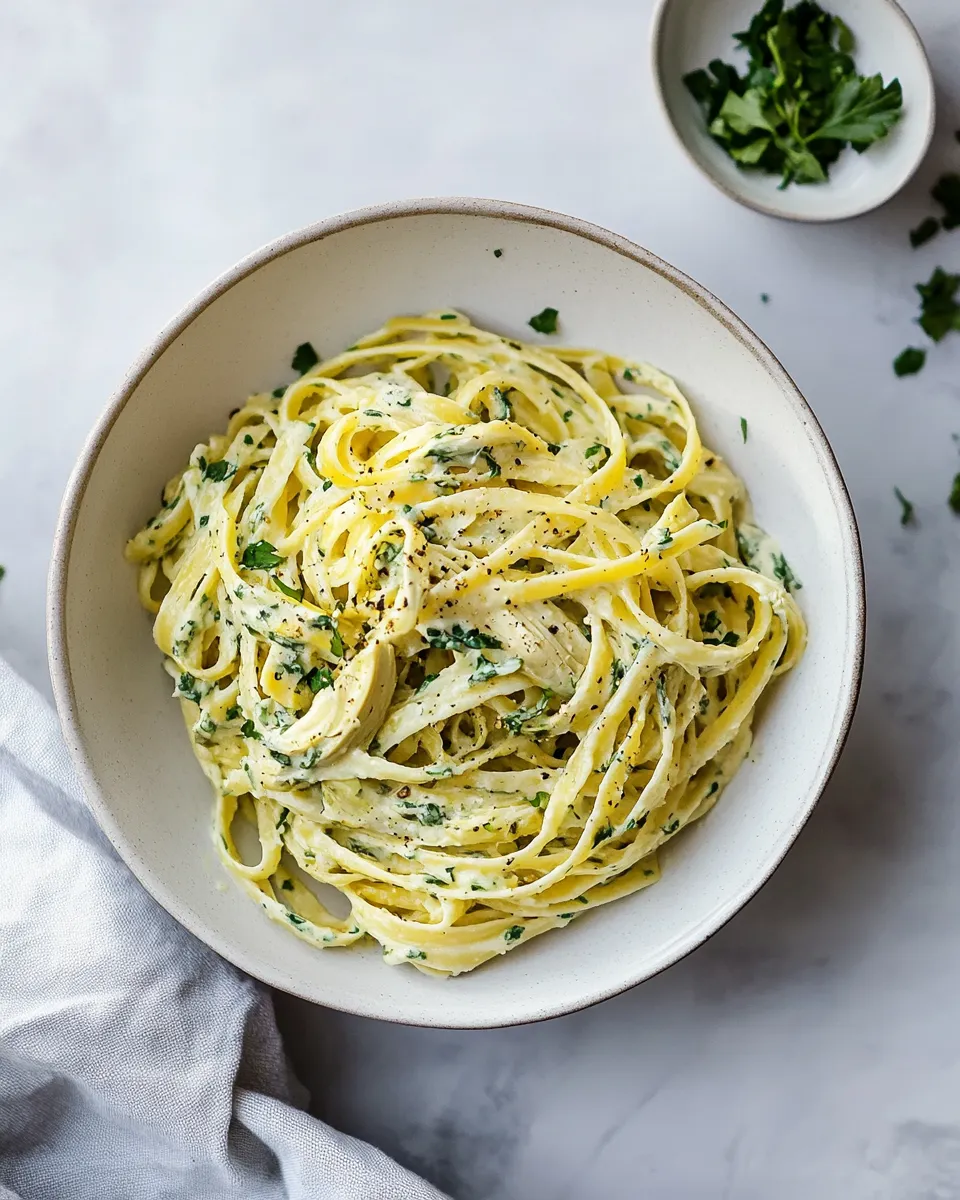
Serve the pasta hot, with a final grating of Parmesan and the chopped parsley on top. The parsley lifts the plate visually and adds a cool herb note against the warm sauce. A simple green salad or crusty bread pairs nicely—this sauce is great for mopping up.
If you want to stretch it into a dinner with protein, quick pan-seared shrimp or a few slices of lemony roasted chicken work well without competing with the artichoke flavor. For a glass, pick a crisp white like Pinot Grigio or a dry Vermentino; both echo the lemon and stand up to the Parmesan.
Weeknight meals don’t need to be plain. With a little planning—one bowl for blending, one pot for pasta—you can pull this together in the time it takes the water to boil and the pasta to cook. It’s a dinner that feels deliberate and generous, but it’s really just practical cooking done well.
Weeknight Pasta with Artichoke Sauce.
Ingredients
Ingredients
- 1 14 ouncecan artichoke hearts, drained
- 1/2 cupfreshly grated parmesan cheese plus more for topping
- 1 lemon zest freshly grated and juiced
- 4 garlic cloves minced
- 4 tablespoonsolive oil
- 1/2 teaspoonsalt
- 1/2 teaspoonpepper
- 8 ouncesspaghetti or bucatini cooked
- 1/4 cupreserved starchy pasta water.
- 1/4 cupchopped fresh parsley for topping
Instructions
Instructions
- Bring a large pot of salted water to a boil.
- While the water heats, place the drained artichoke hearts, ½ cup freshly grated Parmesan, the lemon zest and juice (from the 1 lemon), the minced garlic, 4 tablespoons olive oil, ½ teaspoon salt, and ½ teaspoon pepper into a food processor. Blend until the mixture is combined and creamy but still slightly textured.
- Add the 8 ounces of spaghetti or bucatini to the boiling water and cook according to package directions until al dente. Before draining, reserve ¼ cup of the starchy pasta water, then drain the pasta and return it to the hot pot (off the heat).
- Immediately add the artichoke sauce to the hot pasta and begin tossing to combine so the heat warms the sauce and helps it coat the noodles.
- If the sauce is too thick or the pasta isn’t evenly coated, add some or all of the reserved ¼ cup pasta water to loosen the sauce until it reaches a pesto-like coating consistency.
- Continue tossing for a minute or two until the sauce evenly coats the pasta and is heated through.
- Divide the pasta among plates, sprinkle additional Parmesan over each serving, top with the ¼ cup chopped fresh parsley, and serve immediately.
Equipment
- Large Pot
- Food Processor
- Colander
Notes
slightly adapted from
delicious mag