Vegetable Egg Roll Skillet
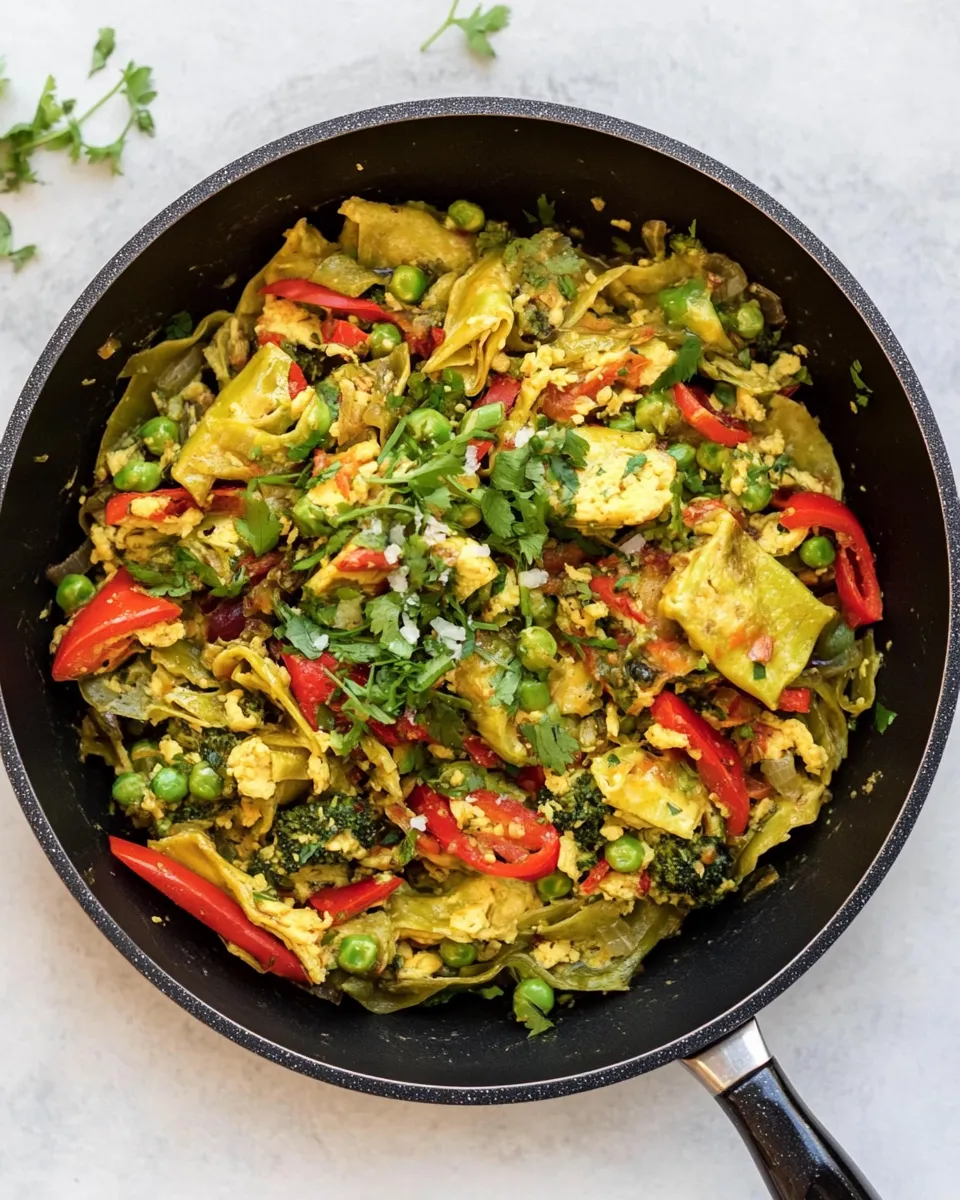
Quick, clean, and full of texture — that’s what I love about this Vegetable Egg Roll Skillet. It captures the bright crunch of a takeout egg roll filling without any wrappers, and it comes together in a single skillet. The vegetables stay lively, the seasoning is simple, and the sesame oil finish gives it that unmistakable egg-roll aroma.
This is a weeknight workhorse. Prep is minimal: a few quick chops and a hot pan. Because the recipe relies on timing and heat more than a long list of sauces, it’s forgiving and fast. You’ll have dinner on the table in under 15 minutes from the stove being hot.
Serve it as a light main with rice or noodles, or as a worthy side alongside grilled protein. Leftovers reheat well, and the flavors actually meld nicely overnight — if there are any leftovers at all.
Gather These Ingredients

- 3 cups shredded green cabbage — the crunchy base; shreds cook quickly and hold texture.
- 1/4 medium yellow onion — sliced thin — aromatic backbone; thin slices soften fast without becoming mushy.
- 1 cup broccoli florets — cut into bite-sized pieces — adds density and a tender bite; keep pieces small so they cook evenly.
- 1 red bell pepper — cut into strips — sweet, juicy color and crunch; slice thin so it softens alongside the rest.
- 1 cup sugar snap or snow peas — halved length-wise at a diagonal — bright snap and a pleasant, fresh sweetness; diagonal cuts look nicer and cook faster.
- 1/4 cup chopped green onions — mild oniony brightness; stir in early for cooking and reserve some for garnish if you like.
- 2 tablespoons coconut aminos — the salty-sweet seasoning for the skillet; measures the overall savory balance.
- 1 tablespoon rice vinegar — adds clean acidity to lift the vegetables and balance the aminos.
- 1 tablespoon toasted sesame oil — finishing oil; drizzle off-heat for aroma and richness.
Vegetable Egg Roll Skillet Made Stepwise
- Preheat a large non-stick skillet or wok over medium-high heat.
- Add 3 cups shredded green cabbage, 1/4 medium yellow onion (sliced thin), 1 cup broccoli florets (bite-sized), 1 red bell pepper (cut into strips), 1 cup sugar snap or snow peas (halved lengthwise at a diagonal), and 1/4 cup chopped green onions to the hot skillet.
- Pour in 2 tablespoons coconut aminos and 1 tablespoon rice vinegar over the vegetables.
- Stir-fry, stirring occasionally, for about 5–6 minutes until the vegetables are softened but still crisp.
- Remove the skillet from the heat, drizzle with 1 tablespoon toasted sesame oil, toss to coat, and serve immediately.
Why This Recipe is a Keeper
It ticks the boxes I look for in a reliable weeknight recipe: fast, flexible, and flavorful. The technique is straightforward — a hot pan, quick stir-fry, and a finish with sesame oil — so you get consistent results without fuss. The texture profile is the real win: crisp cabbage, tender broccoli, and crunchy peas all in one bite.
Flavor-wise, the combo of coconut aminos and rice vinegar gives a punch that feels layered rather than one-note. The aminos bring a depth without overpowering, and the rice vinegar brightens everything. The toasted sesame oil at the end is a small amount doing big work; it perfumes the dish and ties the flavors together.
Because the entire dish cooks quickly, it’s perfect for scaling up for meal prep or trimming down for a solo dinner. It’s also an easy base to customize if you want to add protein or more bold flavors later on.
Substitutions by Category
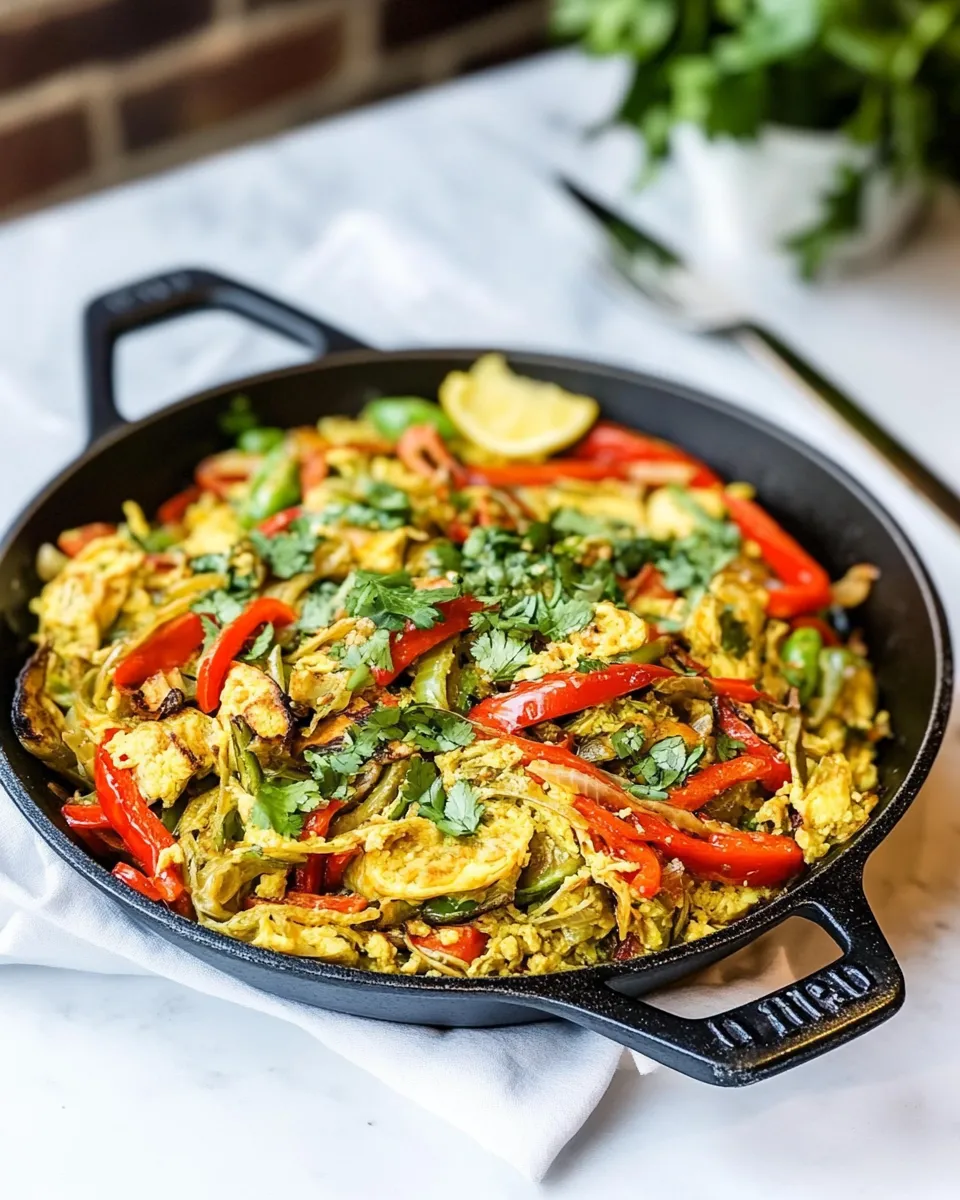
- Vegetable swaps — You can vary any of the vegetables in the package; keep pieces similar in size so they cook evenly. If you need more leafy volume, add more shredded cabbage. If you want firmer bites, increase broccoli slightly.
- Seasoning adjustments — The coconut aminos and rice vinegar create the sweet-salty-acid balance. If you prefer less sweetness, reduce the coconut aminos slightly and add a touch more rice vinegar to taste.
- Finished oil — Toasted sesame oil is used as a finishing flavor. Use less if you want a subtler sesame note; a little goes a long way.
- Allergy or sodium notes — Reduce the coconut aminos if you’re watching sodium, and taste as you go. You can also skip the finishing oil if toasted sesame is undesirable.
Toolbox for This Recipe
Essentials
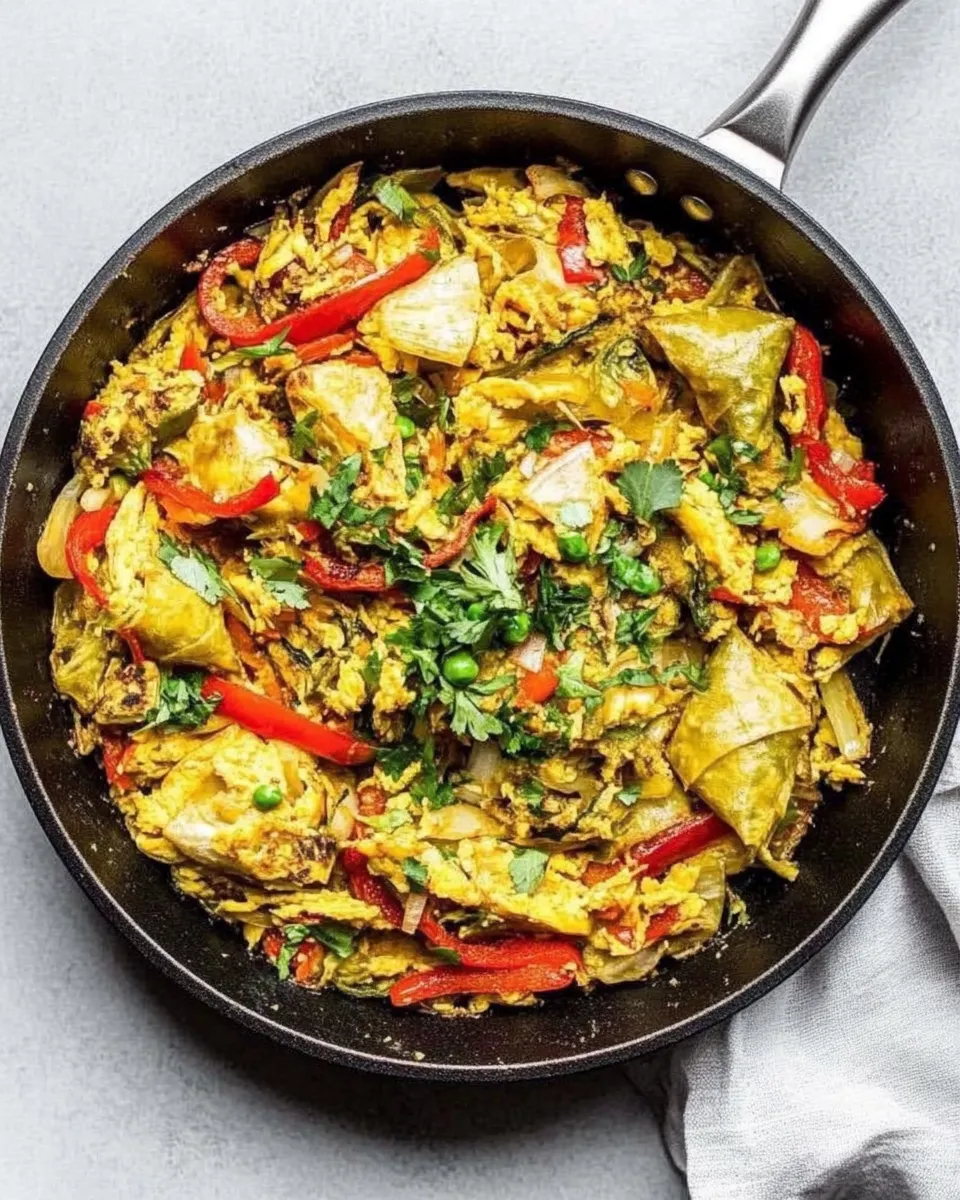
- Large non-stick skillet or wok — provides even heat and prevents sticking during the quick stir-fry.
- Sturdy spatula or wooden spoon — for frequent tossing and scraping.
- Sharp knife and cutting board — quick, even cuts keep cook times predictable.
Nice-to-have
- Tongs — helpful for quickly turning vegetables without bruising them.
- Measuring spoons and cups — for accurate seasoning.
Easy-to-Miss Gotchas
- Pan temperature — The pan needs to be hot before you add vegetables. Too cool and everything steams and turns soggy instead of developing a lightly caramelized edge.
- Cut sizes — Keep vegetable pieces similar in size. A mix of huge florets and tiny shreds cooks unevenly and forces you to either overcook or undercook components.
- Timing the sesame oil — Add the toasted sesame oil off the heat. If you toss it in while the pan is still aggressively hot, the delicate aroma can dissipate and become bitter.
- Stir frequency — Stir enough to prevent burning, but allow brief contact with the hot surface so the vegetables caramelize a little. That contrast between char and crisp is what makes the skillet lively.
- Don’t over-sauce — The listed amounts are designed to lightly coat and season the vegetables. Adding more will make them soggy and mask the natural flavors.
Better Choices & Swaps
Think in terms of texture and balance. Match the listed vegetables with others that will behave similarly in the pan — crunchy, not water-heavy. Keep seasonings measured; this recipe is tuned to a light, bright finish rather than a heavy sauce. If you’re aiming for a lower-sodium plate, reduce the coconut aminos and increase rice vinegar slightly for punch without salt. For a nuttier finish, a small drizzle of sesame oil does more than a tablespoon — so start small and add later.
Chef’s Rationale
I designed this skillet to mimic the essence of an egg roll filling without the wrapper work. The cabbage provides volume and classic egg-roll texture. Broccoli and bell pepper introduce varied textures and natural sweetness. Sugar snap or snow peas keep the dish lively with a short cook time that preserves color and snap.
Coconut aminos were chosen as the primary seasoning because they deliver a mellow, slightly sweet umami that doesn’t overwhelm the vegetables. Rice vinegar cuts through that sweetness and lifts the flavors. Toasted sesame oil is a finishing choice: it’s all aroma and richness, meant to be added off-heat so the nose registers it first and the palate follows.
Leftovers & Meal Prep
Store cooled leftovers in an airtight container in the refrigerator for up to 3 days. Reheat gently in a skillet over medium heat until warmed through; add a splash of water if the vegetables seem dry, and finish with a tiny extra drizzle of toasted sesame oil right at the end to revive aroma.
For meal prep, double the recipe and pack into individual containers with a portion of rice or noodles on the side. If you plan to eat it over several days, keep the rice separate and combine when you reheat to avoid sogginess.
Reader Questions
- Can I add protein? — Yes. Quick-cooking options like thinly sliced tofu or pre-cooked shrimp work well. If adding raw chicken or pork, cook it first, remove it, then cook the vegetables and add the protein back at the end.
- What if I don’t have coconut aminos? — The recipe is flexible; adjust to taste with a salty-sweet seasoning you prefer, but start conservatively so the vegetables don’t become overpoweringly seasoned.
- How can I make this spicier? — Add a small pinch of red pepper flakes while stir-frying, or offer a chili oil or hot sauce at the table for people to drizzle on their portion.
- Can I make this ahead? — Vegetables will hold for a day or two but are best eaten within 48–72 hours for texture and aroma. Finish with sesame oil only when serving for the best aroma.
- Why is the sesame oil added off the heat? — Toasted sesame oil is fragrant and delicate; heat can make it bitter and less aromatic. Adding it off the heat preserves fragrance and flavor impact.
Serve & Enjoy
Serve the Vegetable Egg Roll Skillet straight from the pan with a bowl of steamed rice or a nest of noodles. Garnish with extra chopped green onions, and if you like, a tiny extra drizzle of toasted sesame oil at the table. Eat it hot so the textures are crisp and the sesame aroma is fresh.
It’s a simple, honest dish that delivers bright flavors with minimal fuss. Keep the pantry items stocked, and this skillet becomes one of those go-to dinners you reach for when you want something quick and satisfying.
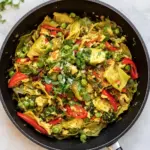
Vegetable Egg Roll Skillet
Ingredients
Ingredients
- 3 cupsshredded green cabbage
- 1/4 medium yellow onionsliced thin
- 1 cupbroccoli floretscut into bite-sized pieces
- 1 red bell peppercut into strips
- 1 cupsugar snap or snow peashalved lenth-wise at a diagonal
- 1/4 cupchopped green onions
- 2 tablespoonscoconut aminos
- 1 tablespoonrice vinegar
- 1 tablespoontoasted sesame oil
Instructions
Instructions
- Preheat a large non-stick skillet or wok over medium-high heat.
- Add 3 cups shredded green cabbage, 1/4 medium yellow onion (sliced thin), 1 cup broccoli florets (bite-sized), 1 red bell pepper (cut into strips), 1 cup sugar snap or snow peas (halved lengthwise at a diagonal), and 1/4 cup chopped green onions to the hot skillet.
- Pour in 2 tablespoons coconut aminos and 1 tablespoon rice vinegar over the vegetables.
- Stir-fry, stirring occasionally, for about 5–6 minutes until the vegetables are softened but still crisp.
- Remove the skillet from the heat, drizzle with 1 tablespoon toasted sesame oil, toss to coat, and serve immediately.
Equipment
- Large non-stick skillet or wok