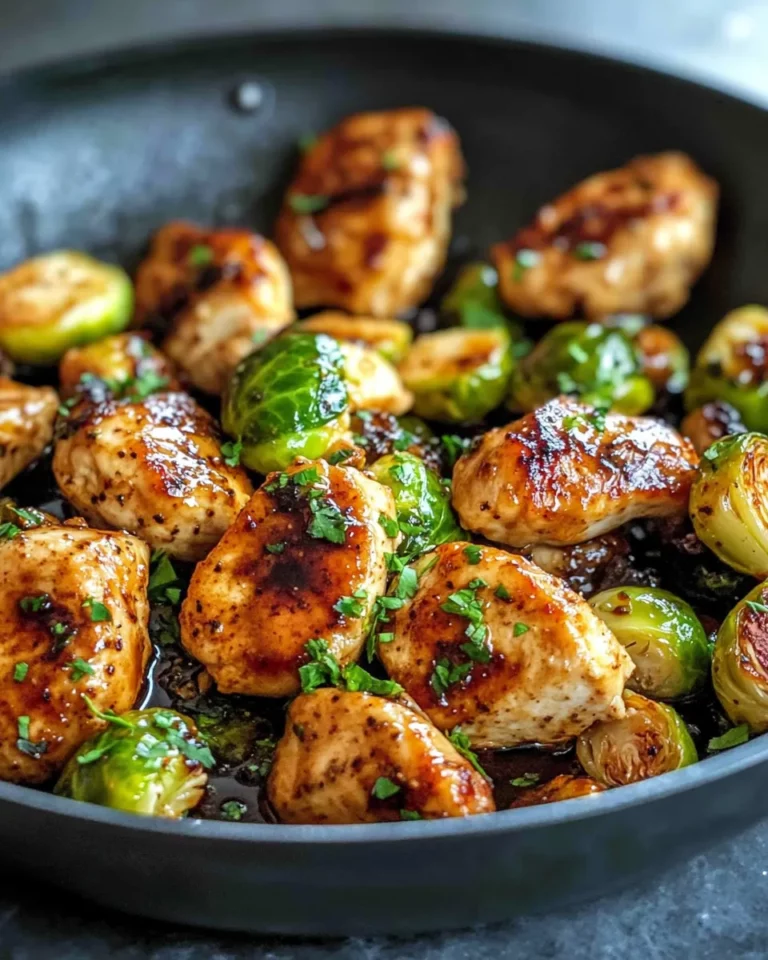
Texas Roadhouse Herb Crusted Chicken
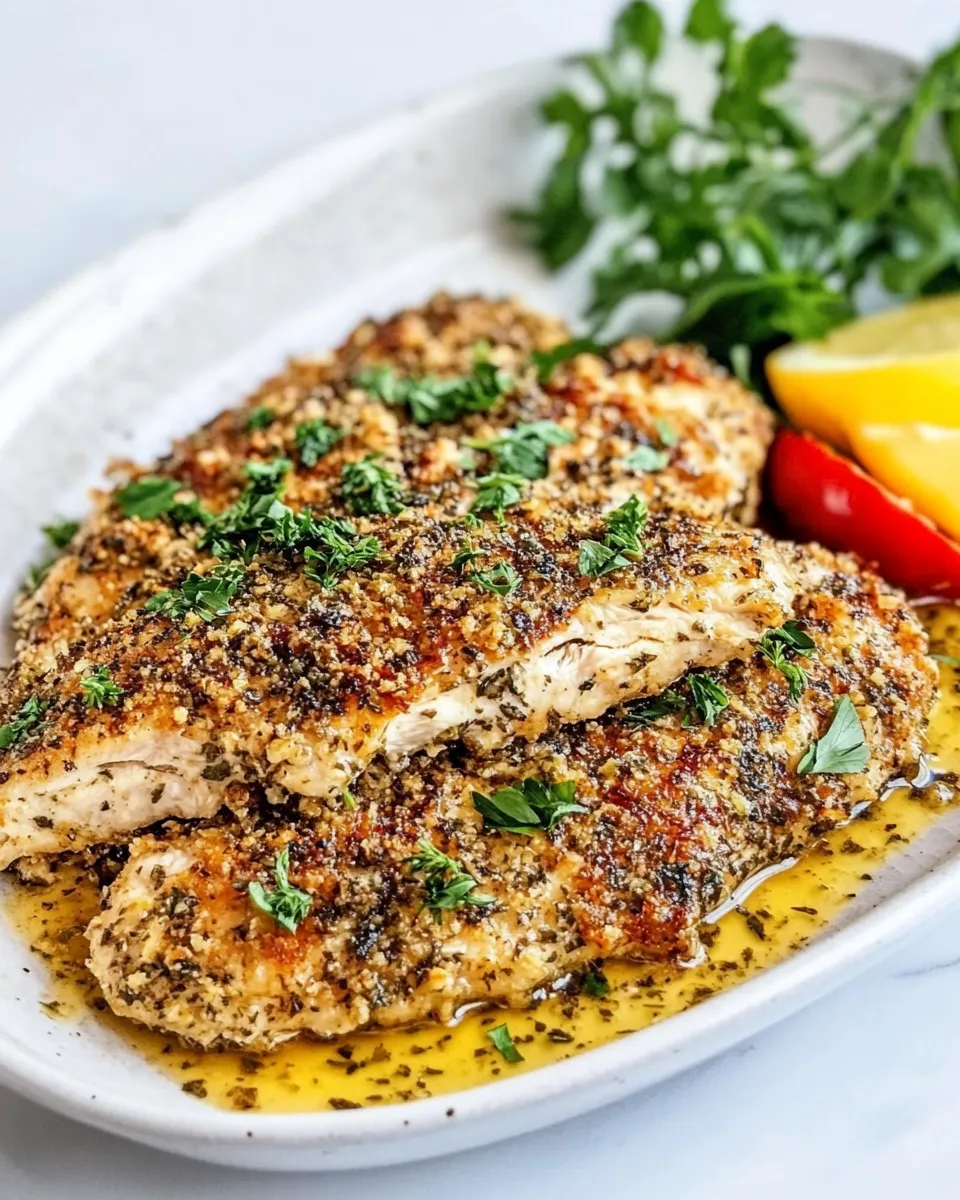
This recipe nails the fearless, herb-forward chicken you order at a steakhouse but makes it simple enough for a weeknight. It’s about technique more than fuss: butterfly and even the breasts, season deliberately, and finish with butter and charred lemon for the signature richness and brightness. The result is golden, slightly crisp on the outside and reliably juicy inside.
I keep this method in regular rotation because it’s predictable and forgiving. The seasoning mix is straightforward and pantry-friendly. You don’t need complicated steps or dozens of ingredients—just thoughtful handling and a hot skillet. If you follow the timing and let the chicken rest, the finish is exactly what you want.
Ingredient List

- 2 boneless skinless chicken breasts — split and pounded to even thickness so they cook uniformly.
- 2 tablespoons Italian seasoning — the herb backbone; use a blend you like for basil, oregano, thyme notes.
- 2 teaspoons garlic powder — concentrated garlic flavor that sticks to the meat without burning.
- 1 teaspoon salt — seasons through the breast; don’t skip, it brings out flavor.
- 1/2 teaspoon MSG (optional) — umami booster; optional but it deepens savoriness if you use it.
- 1/4 teaspoon ground black pepper — fresh-ground preferred for brightness and mild heat.
- 1/2 teaspoon paprika — color and a touch of sweet warmth; smoked paprika works too if you want smokiness.
- 1 tablespoon canola oil — neutral oil for high-heat searing without burning.
- 2 tablespoons butter melted — finishing butter adds richness and helps carry the charred lemon juice.
- 1 lemon halved — charred then squeezed over the finished chicken for acidity and caramelized citrus flavor.
- fresh parsley for garnish — bright, herbal finish and visual contrast.
Texas Roadhouse Herb Crusted Chicken: Step-by-Step Guide
- Place one chicken breast on a cutting board. Using a sharp knife, slice each chicken breast horizontally partway through so you can open it like a book (butterfly). Place each opened breast between two pieces of plastic wrap and pound to an even thickness. Pat the chicken dry with paper towels.
- In a small bowl, combine 2 tablespoons Italian seasoning, 2 teaspoons garlic powder, 1 teaspoon salt, 1/2 teaspoon MSG (optional), 1/4 teaspoon ground black pepper, and 1/2 teaspoon paprika.
- Sprinkle the seasoning mix evenly over both sides of the chicken breasts, pressing gently so the seasoning adheres.
- Let the seasoned chicken rest for 30 minutes at room temperature, or transfer to a covered container and refrigerate for up to overnight.
- When ready to cook, heat 1 tablespoon canola oil in a large cast-iron skillet over medium-high heat until hot.
- Add the chicken breasts to the skillet and cook about 5 minutes on the first side without moving them, then flip and cook about 5 minutes on the second side, until the exterior is browned and the internal temperature reaches 165°F.
- Transfer the cooked chicken to a plate and pour 2 tablespoons melted butter over the top.
- While the chicken is resting, place the lemon halves cut-side down in the hot skillet and cook about 3 minutes, until the cut surfaces are charred.
- Squeeze the charred lemon over the chicken, garnish with fresh parsley, and serve.
Why This Texas Roadhouse Herb Crusted Chicken Stands Out
This dish works because it combines three simple but powerful elements: focused seasoning, controlled heat, and a bright finishing touch. The herb mix is bold enough to flavor the whole breast but not so heavy it masks the chicken. Pounding the meat to an even thickness removes the usual uncertainty of cooking times.
Searing in a hot cast-iron skillet creates the brown crust that sets the texture apart from baked or poached chicken. The quick butter pour at the end and the charred lemon squeeze are small moves that change the profile from “good” to “restaurant-quality.” The butter brings silk and depth; the lemon cuts through and lifts the whole plate.
Texture-Safe Substitutions
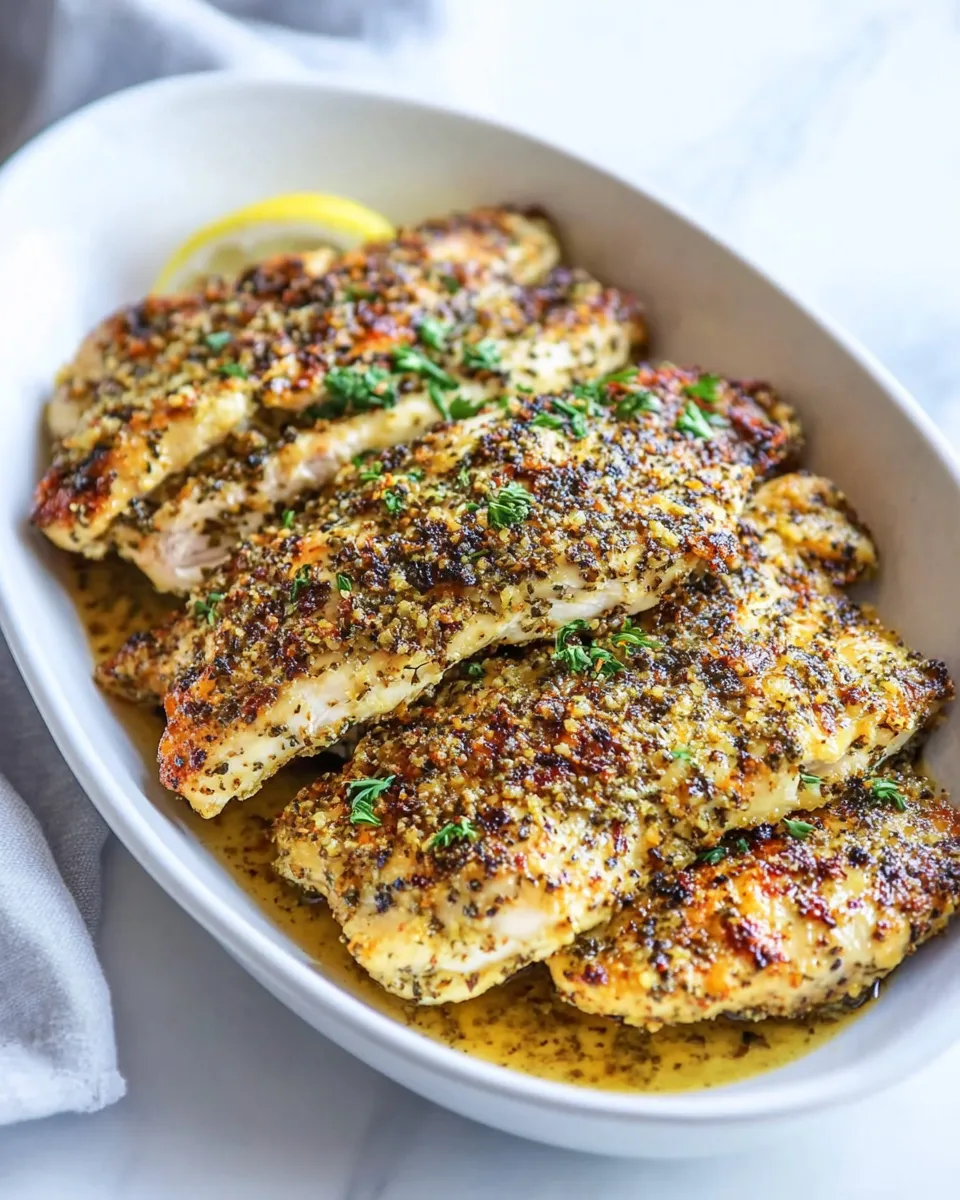
- Chicken breasts — if you prefer thighs, bone-in or boneless can work, but adjust cooking time and watch for internal temperature; thighs tolerate slightly longer cook times without drying.
- Canola oil — use grapeseed or light olive oil if you want a different smoke point, but avoid extra-virgin olive oil for searing; it smokes sooner and can impart bitterness.
- Melted butter — clarified butter or ghee works if you want higher heat tolerance and less milk solids burning, keeping the richness without risk.
- MSG — omit if you prefer; replacing it with a pinch of grated Parmesan (if not avoiding dairy) adds umami, but only if you already have it on hand.
Kitchen Gear Checklist
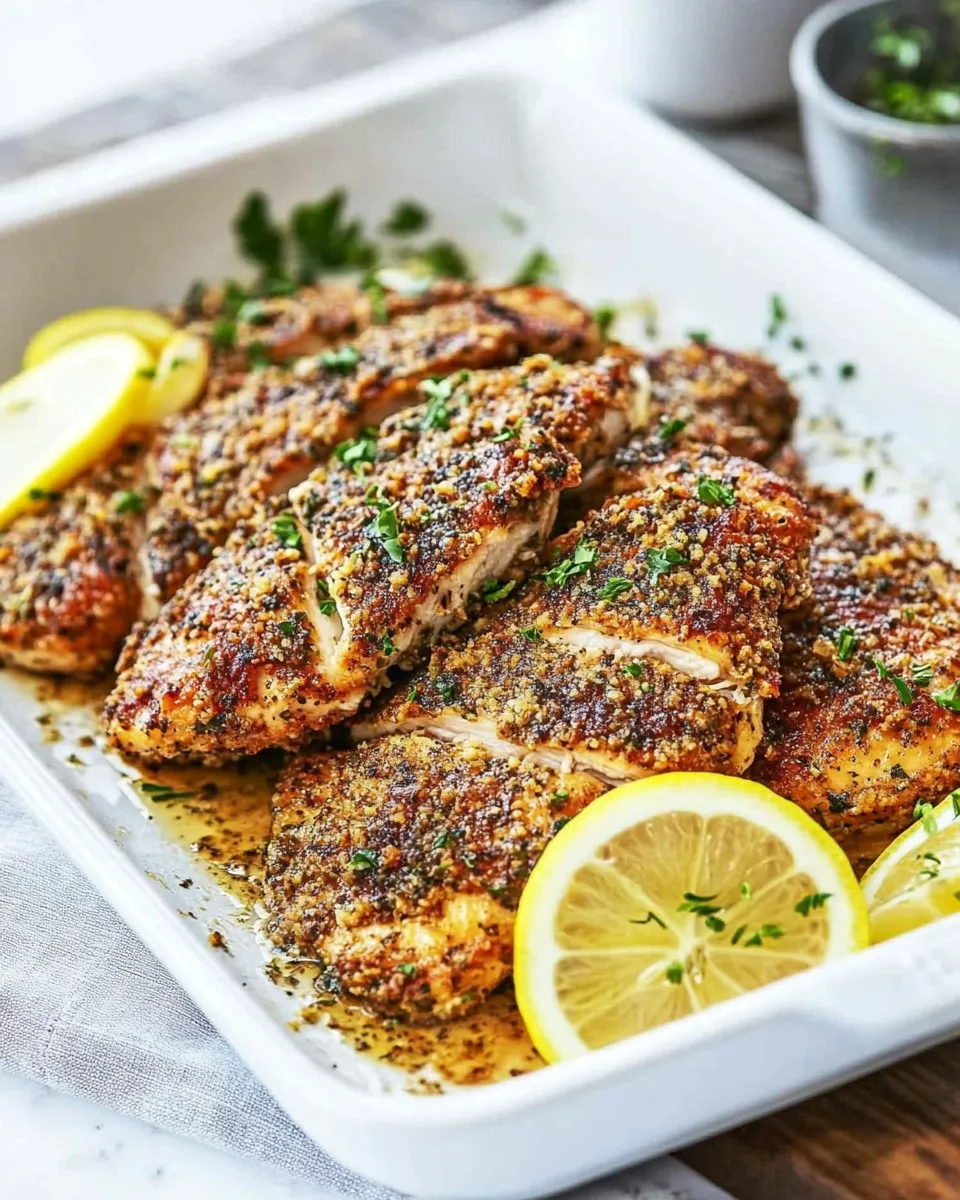
- Large cast-iron skillet — delivers the best sear and even heat retention; use a heavy stainless skillet if you don’t have one.
- Sharp chef’s knife — for butterflying safely and cleanly.
- Plastic wrap or parchment — to protect meat while pounding and keep the counter clean.
- Meat mallet or rolling pin — to pound breasts to even thickness.
- Instant-read thermometer — to check the chicken hits 165°F precisely; it removes guesswork.
- Tongs — for flipping chicken and handling hot lemon halves safely.
- Small bowl — to mix the seasoning blend.
Easy-to-Miss Gotchas
Don’t skip patting the chicken dry. Excess surface moisture prevents a proper sear and produces steam instead of crust. If you skip this, you’ll miss the browned exterior that makes the dish appealing.
Watch your pan temperature. Too hot and the garlic powder or paprika can char and turn bitter; too cool and the chicken will overcook before you get color. Aim for a skillet that’s hot but not smoking. When the oil shimmers, you’re ready.
Resting the chicken after searing matters. The butter poured over hot chicken melts into the surface and the juices redistribute while the meat rests. Cut too soon and juices run out onto the plate leaving dryer meat.
Seasonal Ingredient Swaps
In spring and summer, swap parsley garnish for a handful of thinly sliced basil or tarragon for a brighter, anise-like lift. In fall and winter, use a small sprinkle of crushed sage with the Italian seasoning to echo richer, roasted flavors.
If lemons aren’t in season, a splash of white wine vinegar mixed into the melted butter after you remove the chicken gives a similar acidity. For an herb twist, add a little lemon zest to the seasoning blend when lemons are mild.
Flavor Logic
The Italian seasoning provides a rounded herb foundation—basil, oregano, thyme—while garlic powder gives sustained savory notes rather than sharp fresh-garlic bursts that can burn at high heat. Paprika contributes color and a tiny sweet edge; black pepper adds background heat. Together these ingredients create a layered but balanced crust.
Canola oil handles the initial high-heat sear without overpowering the herbs. The final butter pour is about texture and mouthfeel; butter carries the aromatics and lemon juice into the meat, giving a glossy finish that feels indulgent. Charred lemon adds caramelized citrus complexity you can’t get from raw juice alone.
Freezer-Friendly Notes
Cooked chicken freezes well for meal prep. After step 7, let the chicken cool completely, then wrap tightly in plastic wrap and place in a freezer bag for up to 3 months. Label with the date and reheat gently in a 325°F oven until just warmed through to avoid drying.
If you plan to freeze raw, combine and apply the dry seasoning, then flash-freeze the breasts on a tray until firm. Transfer to airtight bags and freeze. Thaw overnight in the refrigerator before proceeding with the oil and searing step. Avoid refreezing after thawing.
Your Questions, Answered
Q: Can I grill instead of using a skillet? A: Yes. Grill over medium-high heat, oil the grates, and follow the same timing as a guide; watch for flare-ups and check internal temperature for doneness.
Q: How long does the seasoned chicken keep in the fridge before cooking? A: Up to overnight covered; the flavors will deepen. Don’t keep raw seasoned chicken beyond 24 hours to preserve texture and safety.
Q: What if the chicken is thicker than expected? A: If breasts are much thicker, increase cooking time and use an instant-read thermometer to ensure 165°F in the thickest part. Consider finishing in a low oven (350°F) if the exterior browns too quickly.
Next Steps
Make this your template. Once you’re comfortable with timing and heat, experiment with herb blends and finishes: swap in smoked paprika, add a pinch of cayenne for heat, or finish with a pat of garlic-herb butter for extra depth. Serve with a simple green salad, roasted potatoes, or buttery rice to balance the herb crust and charred lemon.
Cook once, note what you liked and what you’d tweak, and try small changes next time. That’s how a dependable, favorite recipe becomes truly yours.
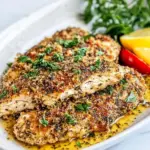
Texas Roadhouse Herb Crusted Chicken
Ingredients
Ingredients
- 2 boneless skinless chicken breasts
- 2 tablespoonsItalian seasoning
- 2 teaspoonsgarlic powder
- 1 teaspoonsalt
- 1/2 teaspoonMSGoptional
- 1/4 teaspoonground black pepper
- 1/2 teaspoonpaprika
- 1 tablespooncanola oil
- 2 tablespoonsbuttermelted
- 1 lemonhalved
- fresh parsleyfor garnish
Instructions
Instructions
- Place one chicken breast on a cutting board. Using a sharp knife, slice each chicken breast horizontally partway through so you can open it like a book (butterfly). Place each opened breast between two pieces of plastic wrap and pound to an even thickness. Pat the chicken dry with paper towels.
- In a small bowl, combine 2 tablespoons Italian seasoning, 2 teaspoons garlic powder, 1 teaspoon salt, 1/2 teaspoon MSG (optional), 1/4 teaspoon ground black pepper, and 1/2 teaspoon paprika.
- Sprinkle the seasoning mix evenly over both sides of the chicken breasts, pressing gently so the seasoning adheres.
- Let the seasoned chicken rest for 30 minutes at room temperature, or transfer to a covered container and refrigerate for up to overnight.
- When ready to cook, heat 1 tablespoon canola oil in a large cast-iron skillet over medium-high heat until hot.
- Add the chicken breasts to the skillet and cook about 5 minutes on the first side without moving them, then flip and cook about 5 minutes on the second side, until the exterior is browned and the internal temperature reaches 165°F.
- Transfer the cooked chicken to a plate and pour 2 tablespoons melted butter over the top.
- While the chicken is resting, place the lemon halves cut-side down in the hot skillet and cook about 3 minutes, until the cut surfaces are charred.
- Squeeze the charred lemon over the chicken, garnish with fresh parsley, and serve.