Teriyaki Vegetable Stir Fry with Rice
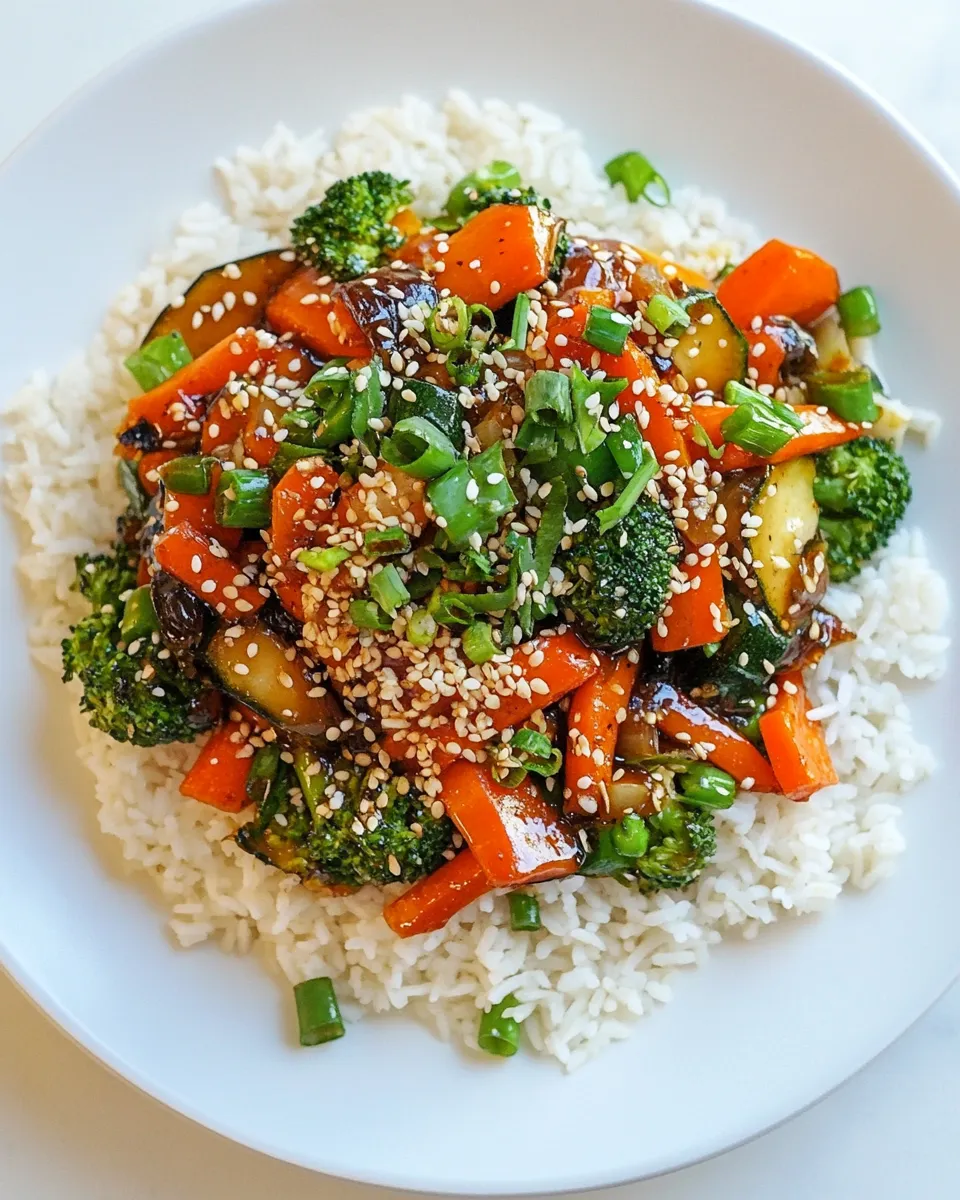
I love a weeknight recipe that moves fast, tastes like you spent twice as long on it, and cleans up without drama. This Teriyaki Vegetable Stir Fry with Rice fits that bill—bright vegetables, a simple savory-sweet coating, and fluffy brown rice to make it feel like a full, satisfying meal. It’s one of those dishes I turn to when I want something fresh, colorful, and reliably comforting.
There’s no complicated mise en place here. You cook the rice, warm the oil, soften the heartier vegetables first, then add the quicker ones and the sauce. The rhythm is short and predictable, which makes it easy to scale up or down and to adapt to whatever’s in your fridge. Read on for exact steps, solid tips, and ways to make it work for your kitchen and dietary needs.
The Essentials

This recipe centers on texture and timing: carrots and bell pepper start first because they take a touch longer, then zucchini and ginger go in to finish quickly. The vegetables finish with the rice and Paleo Teriyaki Sauce so each grain gets a glossy coating without turning mushy. Active stovetop time is short—most of the stir-fry takes about 7–10 minutes once the pan is hot—so planning the rice ahead makes the whole meal feel effortless.
Notes at a glance:
– The rice is the base and is cooked separately. One cup of dry brown rice yields about 3 cups cooked rice—enough to absorb the sauce and carry the vegetables. Keep it covered and warm until the stir-fry is ready.
– Heat management matters. Have your skillet or wok hot enough that the oil shimmers before you add vegetables; that gives good sear and prevents steaming.
– Work in order. Follow the sequence of vegetables and sauce so you get tender-crisp vegetables and rice that picks up flavor evenly.
Ingredients
- 1 cup dry brown rice — the base grain; yields about 3 cups cooked rice to combine with the vegetables.
- 2 Tbsp avocado oil — a high-smoke-point oil for quick, hot sautéing; helps vegetables brown without burning.
- 3 large carrots — peeled and chopped — add sweetness and firm texture; start them first so they soften evenly.
- 1 red bell pepper — cored and chopped — bright color and sweet flavor; pairs well with the teriyaki coating.
- 2 medium zucchini squash — chopped — cooks quickly; add after the heartier vegetables to avoid sogginess.
- 1 Tbsp minced ginger — a fresh aromatics boost; toss in with the quicker-cooking zucchini for a fresh bite.
- 3 Tbsp Paleo Teriyaki Sauce* — the sauce component; provides the sweet-savory glaze that brings everything together.
Cook Teriyaki Vegetable Stir Fry with Rice Like This
- Cook 1 cup dry brown rice according to the package instructions until it yields about 3 cups cooked rice; keep covered and warm.
- Heat 2 Tbsp avocado oil in a large skillet or wok over medium heat until the oil shimmers.
- Add the 3 large carrots (peeled and chopped) and 1 red bell pepper (cored and chopped). Cover and cook, stirring occasionally, until the carrots and pepper begin to soften, about 3 minutes.
- Add the 2 medium zucchini (chopped) and 1 Tbsp minced ginger. Cover and cook, stirring once or twice, until the zucchini begins to soften, about 2 to 3 minutes.
- Add the cooked brown rice and 3 Tbsp Paleo Teriyaki Sauce. Stir to combine, then cook uncovered, stirring occasionally, until the vegetables reach your desired tenderness and the sauce has thickened slightly and coated the rice, about 2 to 3 minutes.
- Remove from heat and serve immediately.
Why Teriyaki Vegetable Stir Fry with Rice is Worth Your Time
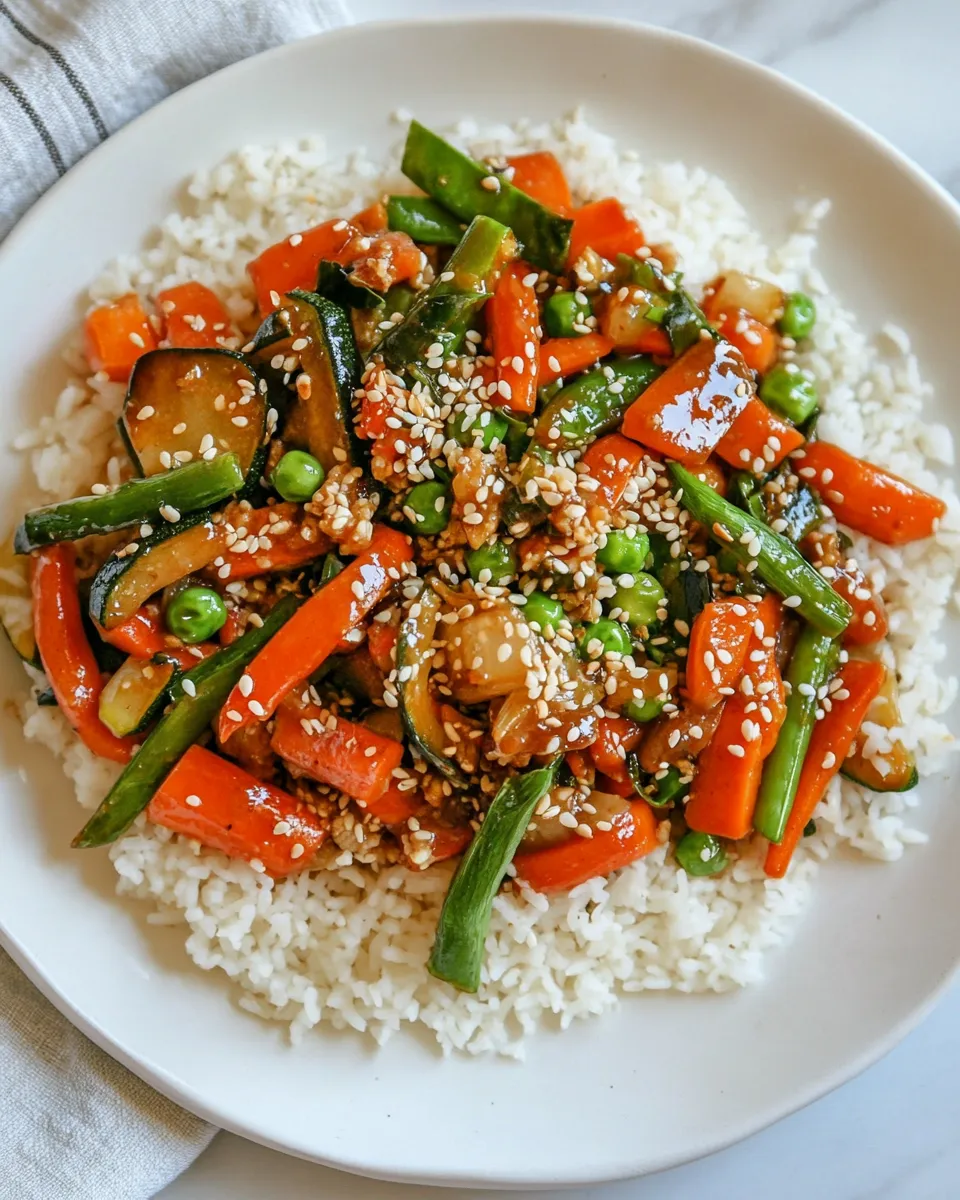
This dish hits a few important marks. First, it uses common pantry items and everyday produce but produces a layered, satisfying result. The teriyaki sauce gives a lot of flavor with minimal effort. Second, the timing keeps things lively—vegetables stay crisp-tender rather than turning into a soggy pile. Third, it’s genuinely flexible. Want more color? Add another pepper. Want more bulk? Stir in extra rice or an extra diced root vegetable. It’s efficient and forgiving.
It’s also a great template for teaching basic stovetop techniques: managing heat, timing different vegetables, and finishing a dish with a sauce so it glazes rather than drowns the components. Those small skills carry into many other quick meals.
Healthier Substitutions
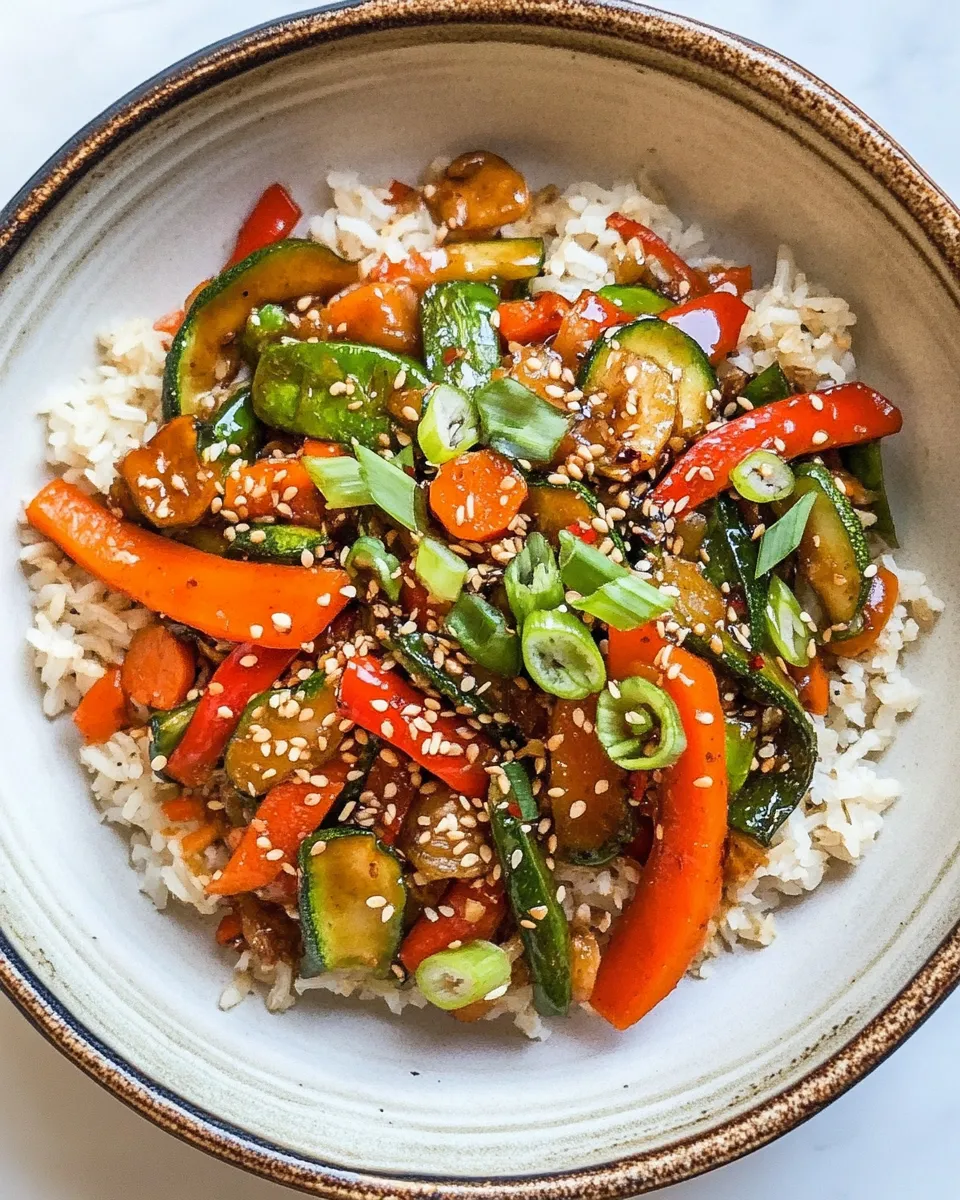
If you want to nudge this meal toward different nutrition goals without reinventing it, focus on small swaps:
– Use a different whole grain if you prefer—for example, a cooked whole grain you already like—while keeping the rice quantity consistent.
– Choose an oil with a neutral flavor and high smoke point if avocado oil isn’t on hand.
– Limit added sauce if you want less sodium or sugar; toss less in at first, taste, and add more gradually so you control the final balance.
These are simple adjustments that don’t require a full rework of the method. The structure—cook rice, heat oil, work vegetables in order, combine with sauce—stays the same.
Must-Have Equipment
- Large skillet or wok — a wide, heavy-bottomed pan gives you space to stir and sear without crowding.
- Spatula or wooden spoon — for steady stirring and scraping up any sauce glaze.
- Medium pot with lid — to cook and keep the brown rice warm while you finish the stir-fry.
- Sharp knife and cutting board — prep is fast when your vegetables are cut evenly.
Missteps & Fixes
Problem: Vegetables turn out soggy
Shorten the covered cooking periods and increase the heat slightly so water evaporates faster. Also, cut vegetables into larger pieces to keep texture, and avoid adding too many at once.
Problem: Rice becomes clumpy or sticky in the pan
Fluff the rice before adding it to the pan. If it’s sticky because it was overcooked, stir gently to separate grains and add the rice in batches so it reheats evenly without compressing.
Problem: Sauce doesn’t thicken or coat the rice
Cook uncovered for the final 2–3 minutes and stir occasionally so moisture reduces and the sauce concentrates. If the sauce still seems thin, remove from heat and let it sit for a minute—the residual heat often helps the glaze set.
Variations for Dietary Needs
This recipe adapts well across diets:
– Vegetarian: It’s naturally vegetarian as written; make sure your Teriyaki Sauce suits your preference.
– Gluten sensitivity: Use a gluten-free sauce if needed.
– Lower-carb: Reduce the rice and increase the vegetable volume or serve the stir-fry over leafy greens or cauliflower rice (prepare separately).
Keep the core approach—order of cooking and timing—consistent, and you can swap components to meet dietary needs without losing the character of the dish.
Testing Timeline
I test this recipe in a few focused runs:
– Run one: confirm vegetable order and short covered times give the best texture (carrots and pepper first, zucchini later).
– Run two: test sauce quantity against 3 cups of cooked rice to ensure the final coating is glossy but not drowned.
– Run three: time the full sequence with rice already kept warm to confirm stovetop active time sits around 7–10 minutes.
These checks make sure the method is reliable whether you’re cooking solo or for a crowd. If you want to scale up, do a quick trial with double quantities and a wide pan so everything heats evenly.
Shelf Life & Storage
Store cooled leftovers in an airtight container in the refrigerator for up to 3–4 days. Reheat gently in a skillet over medium heat so the rice loosens and the vegetables regain some texture; add a splash of water if it seems dry. Avoid freezing if you want the best texture—zucchini in particular loses structure after freezing and thawing—but if necessary, freeze in a sealed container and use within one month.
Popular Questions
Q: Can I make this ahead?
A: Yes. Cook the rice and cool it, and prepare the vegetables slightly underdone. Reheat together quickly in a hot skillet, add the sauce at the end, and serve immediately. Doing the reheating on the day you plan to eat keeps the vegetables from overcooking.
Q: How can I get more caramelization on the vegetables?
A: Work in a hot pan, avoid overcrowding, and pat vegetables dry if they release moisture. Sear until they show a bit of color before covering briefly to finish softening.
Q: Is 3 Tbsp of sauce enough?
A: The recipe uses 3 Tbsp to lightly coat about 3 cups of cooked rice plus vegetables. If you prefer a saucier result, start with 3 Tbsp and add more in small increments, tasting as you go.
Time to Try It
Clear a 30–40 minute window: start the rice first, prep vegetables while it cooks, heat the pan, and finish the stir-fry in under 10 minutes. Follow the sequence, keep a hot pan, and taste at the end. The result is a quick, balanced meal that feels thoughtfully made without taking over your evening. Give it a run on a busy weeknight—you’ll get a quick win and a simple, bright dinner that’s easy to repeat and tweak.
Teriyaki Vegetable Stir Fry with Rice
Ingredients
Ingredients
- 1 cupdry brown rice
- 2 Tbspavocado oil
- 3 large carrotspeeled and chopped
- 1 red bell peppercored and chopped
- 2 medium zucchini squashchopped
- 1 Tbspminced ginger
- 3 TbspPaleo Teriyaki Sauce*
Instructions
Instructions
- Cook 1 cup dry brown rice according to the package instructions until it yields about 3 cups cooked rice; keep covered and warm.
- Heat 2 Tbsp avocado oil in a large skillet or wok over medium heat until the oil shimmers.
- Add the 3 large carrots (peeled and chopped) and 1 red bell pepper (cored and chopped). Cover and cook, stirring occasionally, until the carrots and pepper begin to soften, about 3 minutes.
- Add the 2 medium zucchini (chopped) and 1 Tbsp minced ginger. Cover and cook, stirring once or twice, until the zucchini begins to soften, about 2 to 3 minutes.
- Add the cooked brown rice and 3 Tbsp Paleo Teriyaki Sauce. Stir to combine, then cook uncovered, stirring occasionally, until the vegetables reach your desired tenderness and the sauce has thickened slightly and coated the rice, about 2 to 3 minutes.
- Remove from heat and serve immediately.
Equipment
- pot or rice cooker
- Large Skillet or Wok
Notes
*Use homemade or store-bought paleo teriyaki sauce