Sugo Recipe
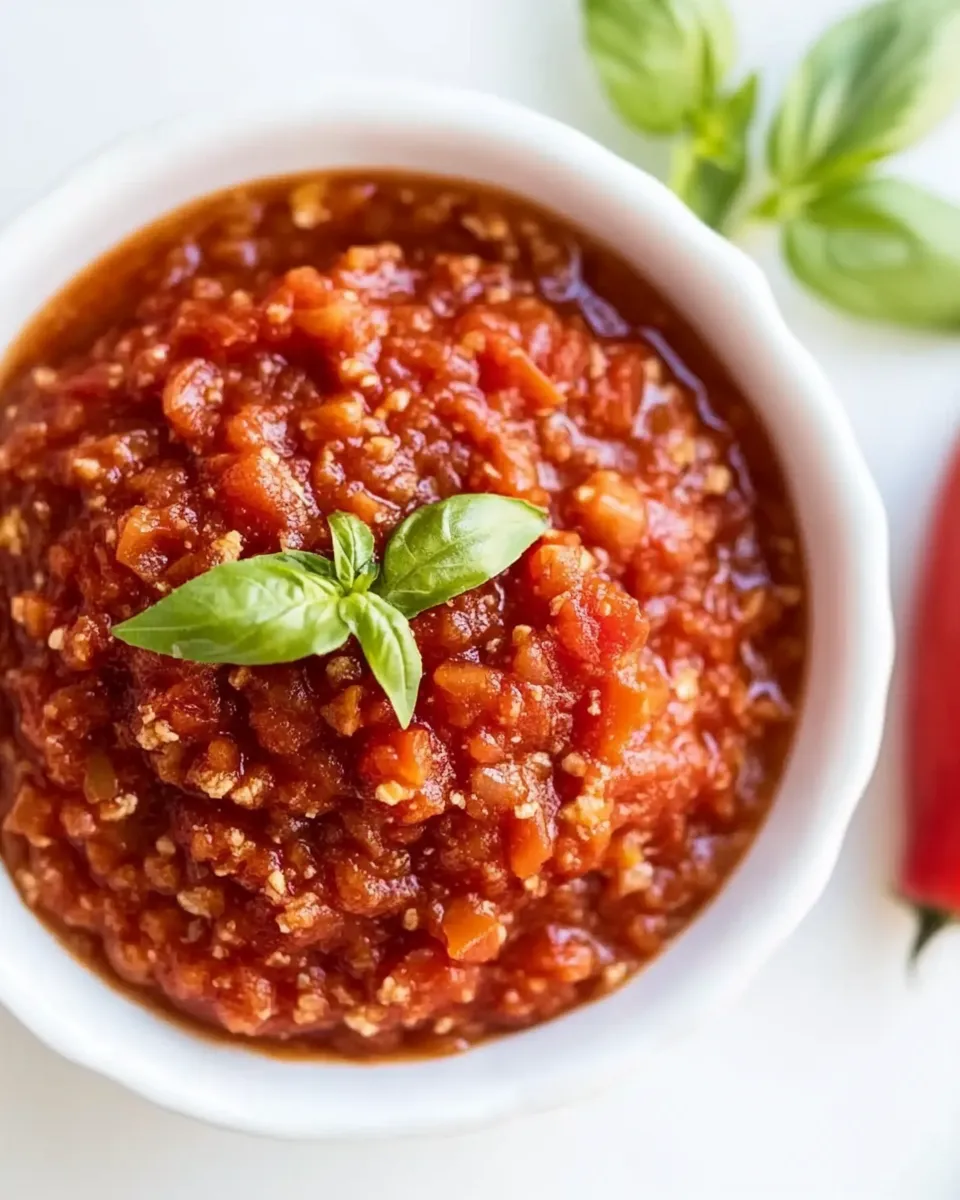
I learned to make this sugo the way my grandmother taught me: simply, steadily, and with attention. It’s the kind of sauce that smells like home while it simmers. No tricks. Just a few good ingredients and a little patience.
This recipe keeps the steps tight and the flavors bright. There’s a reason the list is short—each ingredient has a job. Follow the order, and the sauce will develop a deep tomato flavor without becoming heavy.
If you want a weeknight shortcut or a Sunday pot to ladle over pasta for company, this sugo handles both. Read on for the shopping notes, exact steps, common pitfalls, and practical tips to tweak it for your needs.
Shopping List

- 1 tablespoon olive oil — for gentle sautéing; use a good-tasting olive oil for aroma.
- 1 clove garlic, crushed — gives the base aroma; crush to release oils quickly.
- 1 small onion, sliced — softens into sweetness and forms the sauce’s backbone.
- 1 tablespoon tomato paste — concentrates tomato flavor and deepens color.
- 28 ounces canned tomatoes, chopped and peeled — the main body of the sauce; choose a quality brand.
- 1/2 teaspoon salt — seasons and brings out tomato flavor; adjust to taste.
- 1/2 teaspoon pepper — adds a mild heat and balance.
- 1 teaspoon sugar — tames tomato acidity and rounds the sauce.
- 1/2 cup basil, chopped — folded in at the end for freshness and perfume.
Sugo in Steps
- Heat 1 tablespoon olive oil in a large saucepan over medium heat until hot but not smoking.
- Add 1 clove crushed garlic and 1 small onion, sliced; cook 3–4 minutes, stirring occasionally, until the onion is softened.
- Add 1 tablespoon tomato paste and cook, stirring constantly, for about 1 minute.
- Add 28 ounces canned tomatoes (chopped and peeled) to the pan, stir to combine, reduce the heat to low–medium so the sauce gently simmers, and cook uncovered for 8–9 minutes, breaking up any large tomato pieces and stirring occasionally.
- Stir in 1/2 teaspoon salt, 1/2 teaspoon pepper, and 1 teaspoon sugar.
- Stir in 1/2 cup chopped basil, simmer about 1 minute more to combine, then remove from heat.
Why This Recipe Works
This sugo focuses on technique over time. The short, controlled cooking preserves a bright tomato character. Sautéing the onion until it softens releases natural sugars that deepen the sauce without browning it to heaviness. Adding tomato paste and cooking it briefly builds a caramelized, savory base that amplifies the canned tomatoes.
Keeping the simmer gentle and uncovered for just 8–9 minutes concentrates flavors without reducing the sauce to a syrup. The teaspoon of sugar balances acidity—just enough to make the tomatoes sing. Finally, the basil goes in late. That preserves its fresh, herbal scent and keeps the sauce lively instead of dull.
The result is a versatile, balanced tomato sauce you can spoon over pasta, use as a base for meatballs, or fold into soups. It’s a concentrated, bright sugo rather than a long-cooked ragù, and that’s exactly the point.
Texture-Safe Substitutions
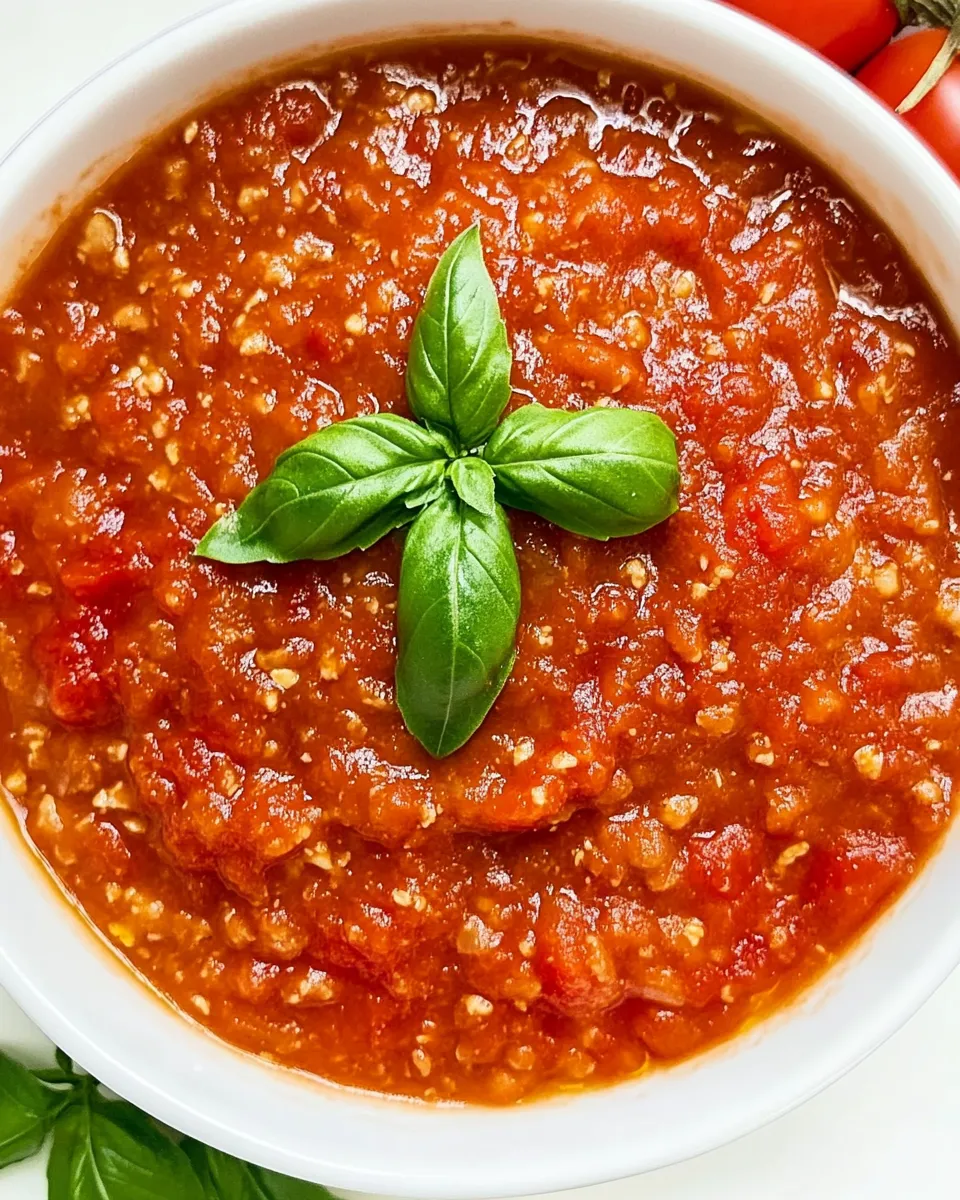
- If you prefer a smoother sugo: use canned tomato passata instead of chopped tomatoes, or briefly blitz the finished sauce with an immersion blender until it reaches the texture you like.
- If you like chunks: keep the tomatoes as-is and only break larger pieces with your spoon; or add a few hand-crushed fresh tomatoes if you have them.
- For a milder onion presence: swap sliced onion for finely minced onion so it integrates more fully into the sauce.
- If basil isn’t available: swap with fresh flat-leaf parsley or a pinch of dried Italian herbs, but add dried herbs earlier in cooking so they rehydrate.
Setup & Equipment
- Large saucepan — gives the sauce room to simmer and reduces splatter.
- Wooden spoon or heatproof spatula — for stirring and breaking up tomato pieces.
- Sharp knife and cutting board — for slicing onion and chopping basil.
- Measuring spoons — for consistent seasoning.
- Can opener and a lid nearby — you’ll simmer uncovered but may want the lid handy.
Optional tools
- Immersion blender — for a silky finish if you want to smooth the sauce.
- Small skillet — if you prefer to brown the tomato paste separately to deepen flavor before adding the tomatoes.
Errors to Dodge
- Too-hot oil: don’t let the oil smoke. It will scorch the garlic and make the base bitter. Heat until shimmering, then add aromatics.
- Burning the tomato paste: cook it just long enough to take the raw edge off—about a minute. Overcooking makes the paste bitter.
- High heat simmer: a rolling boil can break apart delicate flavors and evaporate too quickly. Keep the simmer gentle.
- Adding basil too early: basil loses its brightness when cooked too long. Stir it in at the end for the best aroma.
- Over-salting: canned tomatoes vary in salt. Start with the 1/2 teaspoon, taste, then adjust.
Make It Diet-Friendly
This sugo already leans light—no butter, cream, or heavy meat. For a leaner version: reduce the olive oil slightly or use a spray for the pan. To control sugar and sodium, choose low-sodium canned tomatoes and skip or cut the sugar in half; taste and add only if the sauce needs it.
Want more vegetables? Stir in finely grated carrots or diced bell pepper during the onion step to add fiber and volume without heavy calories. For a low-carb option, serve the sauce over spiralized vegetables or roasted cauliflower.
Little Things that Matter
- Quality canned tomatoes make a big difference. Choose whole or chopped tomatoes in juice rather than purée for texture and flavor.
- Reserve the basil’s stems for infusing flavor earlier if you’re adding herbs sooner; remove them before serving.
- Taste as you go. Tomatoes can be tart or sweet depending on the brand and season.
- Let the sauce rest a few minutes off the heat before serving. Flavors blend and mellow as it cools slightly.
- When breaking up tomatoes, use the back of your spoon and gentle pressure. This keeps some texture without shredding every piece.
Leftovers & Meal Prep
Sugo stores well. Cool to room temperature, transfer to airtight containers, and refrigerate for up to 4 days. For longer storage, freeze in portion-sized containers or freezer bags for up to 3 months. Thaw overnight in the fridge or warm gently on the stovetop.
For meal prep, double the recipe and freeze half in single-portion containers for quick dinners. The sauce reheats beautifully; warm it slowly so it doesn’t stick or separate. If the sauce thickens after refrigeration, loosen with a splash of water or pasta cooking water when reheating.
Your Questions, Answered
- Can I use fresh tomatoes? Yes. If using ripe fresh tomatoes, blanch, peel, and chop them. They’ll be brighter and may need less sugar.
- How smooth should the sauce be? That’s personal. This method yields a semi-chunky sugo. For silky texture, blend briefly with an immersion blender.
- Can I add meat? Yes. Brown ground meat separately, drain excess fat, and stir it into the sauce after adding the tomatoes so the meat finishes with the sauce flavors.
- Is it okay to double the recipe? Absolutely. Use a larger pan to keep the sauce from crowding and maintain the gentle simmer.
- How do I adjust acidity? Start with the 1 teaspoon sugar, then taste. If it still feels sharp, a tiny pinch more sugar or a splash of olive oil can round things out.
Make It Tonight
This sugo comes together quickly. Start to finish: about 20–25 minutes. While it simmers, cook your pasta, chop a simple salad, or heat a pan for pan-seared protein. Toss hot pasta directly into the saucepan with a splash of cooking water and a drizzle of olive oil for a glossy finish.
Serve it with grated cheese, torn basil leaves, or a scatter of red pepper flakes for warmth. It’s straightforward, comforting, and reliable—exactly what I want when I need a real meal without fuss. Go on—make this Sugo tonight and keep a jar in the fridge for the rest of the week.

Sugo Recipe
Ingredients
Ingredients
- 1 tablespoonolive oil
- 1 clovegarliccrushed
- 1 smallonionsliced
- 1 tablespoontomato paste
- 28 ouncescanned tomatoeschopped and peeled
- 1/2 teaspoonsalt
- 1/2 teaspoonpepper
- 1 teaspoonsugar
- 1/2 cupbasilchopped
Instructions
Instructions
- Heat 1 tablespoon olive oil in a large saucepan over medium heat until hot but not smoking.
- Add 1 clove crushed garlic and 1 small onion, sliced; cook 3–4 minutes, stirring occasionally, until the onion is softened.
- Add 1 tablespoon tomato paste and cook, stirring constantly, for about 1 minute.
- Add 28 ounces canned tomatoes (chopped and peeled) to the pan, stir to combine, reduce the heat to low–medium so the sauce gently simmers, and cook uncovered for 8–9 minutes, breaking up any large tomato pieces and stirring occasionally.
- Stir in 1/2 teaspoon salt, 1/2 teaspoon pepper, and 1 teaspoon sugar.
- Stir in 1/2 cup chopped basil, simmer about 1 minute more to combine, then remove from heat.
Equipment
- Large Saucepan
Notes
TO STORE.
Place in an airtight container and store in the fridge for up to three days.
TO REHEAT.
Pop in the microwave or heat in a pot on the stove for a few minutes until it bubbles. You can also toss it through pasta and heat it all together.
TO FREEZE.
Portion into an airtight container and freeze for up to 6 months.