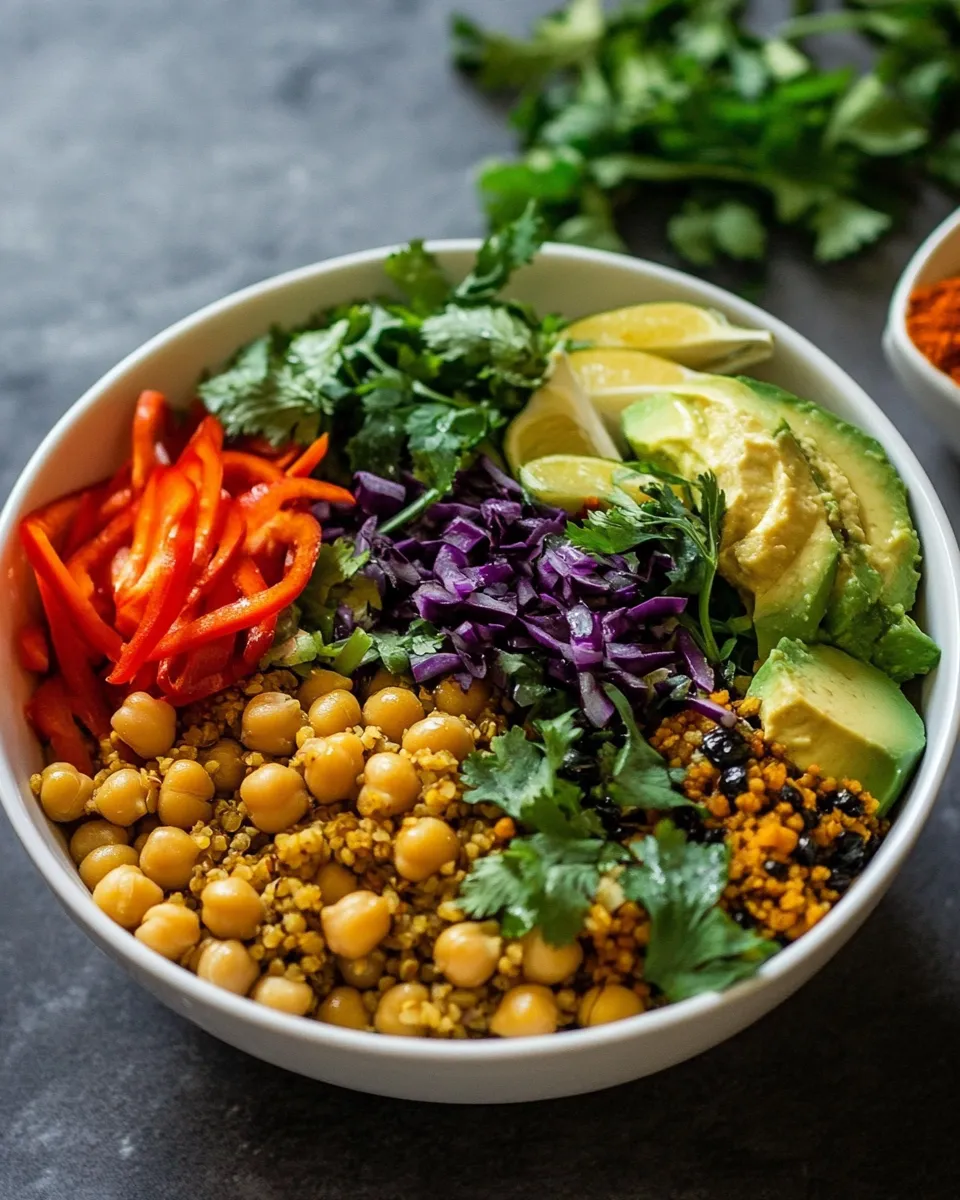
Spicy Chickpea Freekeh Buddha Bowl
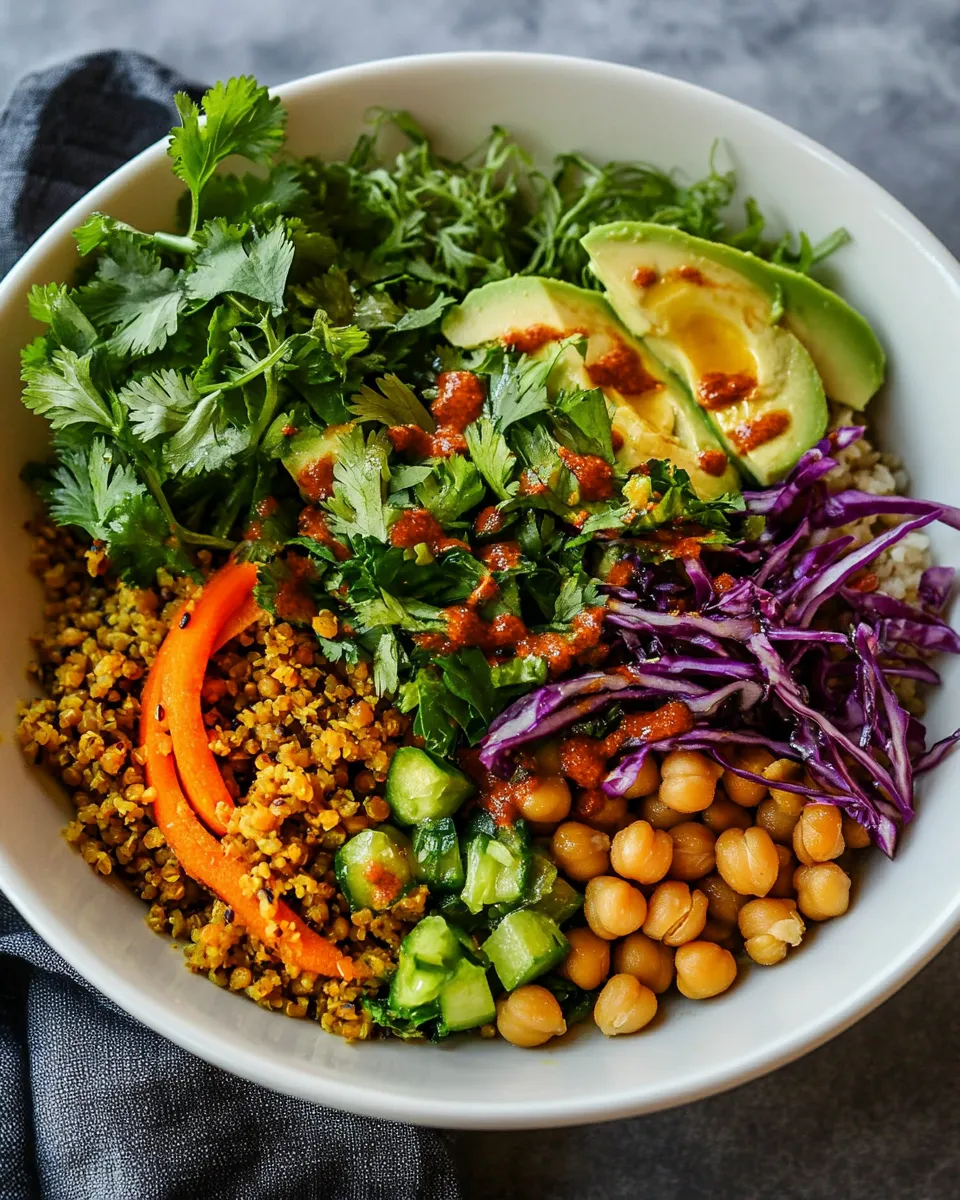
This bowl is one of those weekday heroes: simple to build, bold in flavor, and forgiving when life interrupts dinner plans. Roasted harissa-spiced chickpeas add crunch and spice; cracked freekeh brings a nutty chew that stands up to the vegetables. A quick assembly gives you contrast in texture and taste without fuss.
I test bowls like this until the balance feels right — bright lime, herbal cilantro, toasted coconut for a whisper of sweet — and then I write down what actually worked. No fanciful techniques, just practical notes you can use tonight. If you follow the steps here you’ll get consistent, tasty results whether you’re feeding one or two.
This post walks through the ingredients, the exact cooking steps, swaps for dietary needs, common mistakes, and practical tips for leftovers and meal prep. Read the short ingredient rundown, follow the step-by-step instructions, and you’ll have two satisfying bowls in under an hour with minimal cleanup.
Ingredient Rundown

Ingredients
- 1can chickpeas,well drained — the bowl’s protein and crunchy element once roasted; draining well prevents steaming instead of crisping.
- 1tablespoonharissa powder — packs the spicy, smoky seasoning for the chickpeas; adjust for heat tolerance.
- 1tablespoonextra-virgin olive oil — helps the harissa adhere and promotes browning in the oven.
- 125gcracked freekeh — chewy, nutty ancient grain; it holds flavor and provides substance to the bowl.
- 1carrot,peeled and cut into matchsticks — adds crunch and a touch of sweetness.
- 1wedge purple cabbage,finely chopped — color, crunch, and a peppery bite; finely chopping makes it easy to eat with a fork.
- 1avocado,sliced — creaminess to balance the heat; slice just before serving to avoid browning.
- 1red bell pepper,finely sliced — freshness and sweet crunch.
- 100gfresh baby spinach leaves — tender green base that wilts slightly against warm freekeh.
- 1lime,cut in half, to serve — acidity to brighten the whole bowl; squeeze over just before eating.
- handful of fresh cilantro,to serve — herbaceous finish; add to taste.
- 2tablespoonof toasted coconut flakes,optional — adds a toasty, slightly sweet layer if you like contrast.
- sea salt and black pepper — essential seasoning to finish and balance flavors.
Cook Spicy Chickpea Freekeh Buddha Bowl Like This
- Preheat the oven to 200°C / 400°F.
- Prepare the chickpeas: pat the 1 can chickpeas (well drained) dry with a clean kitchen cloth. Put them in a bowl and add 1 tablespoon harissa powder, 1 tablespoon extra-virgin olive oil, and sea salt and black pepper to taste. Mix until the chickpeas are evenly coated, then spread them in a single layer on a baking tray.
- Bake the chickpeas for about 20 minutes, turning or shaking the tray once halfway through, until the chickpeas are nicely crispy. Remove from the oven and let cool slightly.
- Cook the freekeh: if you prefer, rinse the 125 g cracked freekeh briefly under cold water. Add the freekeh to 300 ml boiling salted water, return to a boil, then reduce heat, cover and simmer for 15 minutes or until tender. Drain any excess liquid if needed and fluff with a fork.
- Prepare the vegetables and garnish: peel and cut 1 carrot into matchsticks; finely chop the wedge of purple cabbage; finely slice 1 red bell pepper; slice 1 avocado just before assembling to prevent browning; measure out 100 g fresh baby spinach leaves, a handful of fresh cilantro, and set aside 2 tablespoons of toasted coconut flakes (optional). Cut 1 lime in half.
- Assemble two bowls: divide the cooked freekeh evenly between two bowls. Add the baby spinach to each bowl, then divide the roasted chickpeas and the prepared carrot, cabbage, red bell pepper and avocado slices evenly between the bowls.
- Finish and season: top each bowl with a handful of cilantro leaves, sprinkle with the toasted coconut flakes if using, and season with sea salt and black pepper to taste. Place half a lime in each bowl for squeezing over before eating.
- Serve immediately.
What Makes This Recipe Special
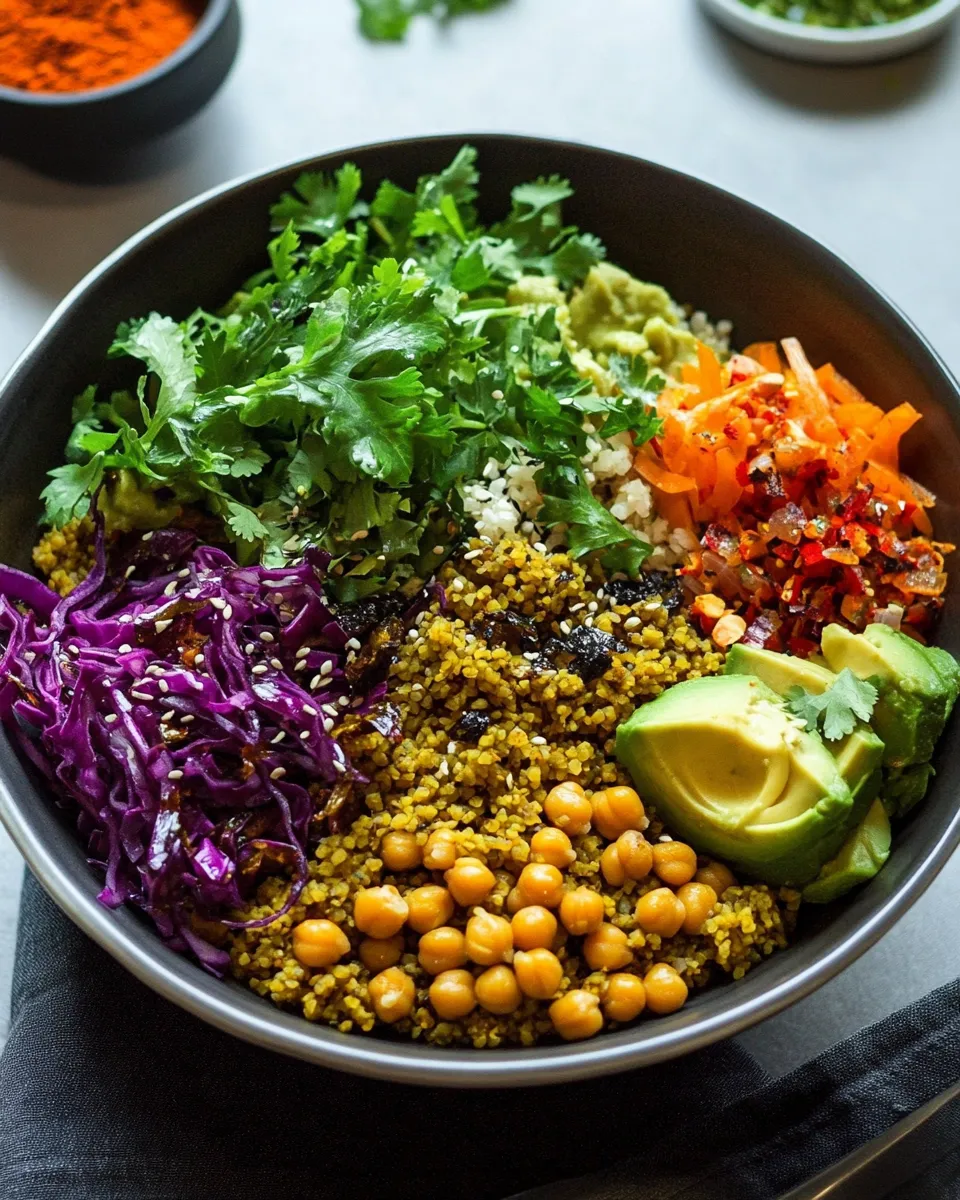
There are a few things that lift this bowl above a tossed salad. First, freekeh is chewy and smoky in a way that soaks up bold flavors without becoming mushy. It’s the structural grain that makes every forkful satisfying. Second, the harissa-coated chickpeas deliver both texture and a concentrated hit of flavor: crisp on the outside, soft inside.
Finally, the interplay of elements—acid from lime, cream from avocado, freshness from cilantro and bell pepper, crunch from cabbage and carrot—creates contrast. You get spicy, creamy, fresh, sweet, and crunchy in every mouthful. That balance is what keeps this bowl interesting, meal after meal.
Dairy-Free/Gluten-Free Swaps
By design this bowl is dairy-free. It’s naturally free of milk, cheese, or butter, so it suits dairy-free diners straight away. If you want to keep the same richness without dairy, add a dollop of tahini or a drizzle of extra-virgin olive oil at the end.
Freekeh is wheat-based and not gluten-free. For a gluten-free version, substitute an alternative whole grain such as quinoa or buckwheat groats (kasha) cooked with the same liquid ratio and timing adjusted to the grain’s package directions. Brown rice is another straightforward gluten-free swap, though it offers a softer texture than freekeh.
Appliances & Accessories
- Oven — for roasting the chickpeas at 200°C / 400°F.
- Baking tray — choose rimmed so nothing spills when you shake it halfway through roasting.
- Medium saucepan with lid — to simmer the freekeh.
- Colander or fine-mesh sieve — to rinse freekeh and drain chickpeas.
- Mixing bowl — for tossing chickpeas with oil and harissa.
- Kitchen cloth or paper towel — to pat chickpeas dry before seasoning.
- Knife and board — for slicing avocado, peppers and chopping cabbage.
- Tongs or spatula — to turn chickpeas and fluff the freekeh.
Easy-to-Miss Gotchas
Small details change the outcome here. Don’t skip patting the chickpeas dry. If they’re wet, they steam and won’t crisp properly. Also, spread the chickpeas in a single layer; crowding the tray traps steam and prevents browning.
When cooking freekeh, keep an eye on the water-to-grain ratio and the simmer time. Overcooking makes the grain mushy. If you rinse freekeh first, drain well or you’ll add extra surface moisture that lengthens cook time. Finally, slice the avocado right before assembling—air equals brown flesh and it detracts from the bowl visually and texturally.
Fresh Seasonal Changes
This bowl adapts well to what’s in season. In spring, swap the bell pepper for snap peas or thinly sliced radish for a peppery crunch. Summer invites cherry tomatoes and grilled corn; their sweetness pairs beautifully with harissa heat. In autumn and winter, roasted sweet potato cubes or shaved Brussels sprouts add heft and warmth.
Herbs are a quick seasonal switch: use mint in warm months for brightness, or flat-leaf parsley and a squeeze more lime in cooler months for a different herbal note. Toasted seeds—pumpkin or sunflower—make a good seasonal topping if coconut isn’t your thing.
Testing Timeline
Here’s a practical time breakdown so you can multitask confidently:
- 0:00 — Preheat the oven to 200°C / 400°F and pat/dry the chickpeas.
- 0:05 — Toss chickpeas with harissa and oil, spread on tray, put in the oven.
- 0:05–0:25 — Roast chickpeas for ~20 minutes, shaking once at ~10 minutes.
- 0:10 — Bring 300 ml salted water to a boil for the freekeh.
- 0:12 — Add freekeh, reduce to simmer, cover and cook for 15 minutes.
- 0:25 — Remove chickpeas from the oven and let cool slightly.
- 0:27 — Prepare vegetables and slice avocado just before assembly.
- 0:30–0:35 — Assemble bowls and serve immediately.
Overall plan: about 35 minutes from start to finish. Most of the clock time is hands-off roasting and simmering.
Leftovers & Meal Prep
You can make this for meal prep, but separate components for best texture. Store freekeh and roasted chickpeas in separate airtight containers in the fridge for 3–4 days. Keep sliced avocado and dressed greens out of the fridge containers; add them fresh to each bowl when you eat. If you must store avocado, toss slices with a little lime juice and cover tightly for up to 24 hours.
To reheat: warm freekeh in the microwave or on the stove with a splash of water. Re-crisp chickpeas on a baking sheet at 180°C / 350°F for 5–7 minutes. Assemble with fresh spinach and raw vegetables to keep crunch. If you prefer everything warm, briefly sauté the spinach so it just wilts before plating.
Reader Questions
Can I make this vegan?
Yes. The recipe is already vegan—no animal products are used. Add a tahini drizzle if you want more richness.
My chickpeas aren’t crispy. Why?
They likely retained moisture. Make sure to dry them thoroughly before seasoning and space them out on the tray. If your oven is crowded add an extra minute or two and rotate the tray halfway through roasting.
Is freekeh hard to find?
Some grocery stores carry it in the grain aisle or in health-food sections. You can substitute quinoa, buckwheat, or brown rice if freekeh isn’t available.
How spicy is this bowl?
That depends on your harissa powder. One tablespoon gives a noticeable heat and depth. Reduce to 1/2 tablespoon if you prefer milder flavors.
Bring It Home
This Spicy Chickpea Freekeh Buddha Bowl is reliable, full of texture, and built for weeknight repetition. The method is straightforward: roast for crunch, simmer for substance, and assemble for contrast. Make a double batch of freekeh or chickpeas when you have extra time and the bowls will assemble even faster during the week.
Try it as written once, then tweak the heat, herbs, or crunchy topping to make it yours. If you swapped the grain or added a roasted winter vegetable, come back and tell me what worked—you’ll help others refine the bowl, too. Enjoy, and squeeze that lime aggressively at the table.
Spicy Chickpea Freekeh Buddha Bowl
Ingredients
Ingredients
- 1 can chickpeas well drained
- 1 tablespoonharissa powder
- 1 tablespoonextra-virgin olive oil
- 125 gcracked freekeh
- 1 carrot peeled and cut into matchsticks
- 1 wedge purple cabbage finely chopped
- 1 avocado sliced
- 1 red bell pepper finely sliced
- 100 gfresh baby spinach leaves
- 1 lime cut in half, to serve
- handful of fresh cilantro to serve
- 2 tablespoonof toasted coconut flakes optional
- sea salt and black pepper
Instructions
Instructions
- Preheat the oven to 200°C / 400°F.
- Prepare the chickpeas: pat the 1 can chickpeas (well drained) dry with a clean kitchen cloth. Put them in a bowl and add 1 tablespoon harissa powder, 1 tablespoon extra-virgin olive oil, and sea salt and black pepper to taste. Mix until the chickpeas are evenly coated, then spread them in a single layer on a baking tray.
- Bake the chickpeas for about 20 minutes, turning or shaking the tray once halfway through, until the chickpeas are nicely crispy. Remove from the oven and let cool slightly.
- Cook the freekeh: if you prefer, rinse the 125 g cracked freekeh briefly under cold water. Add the freekeh to 300 ml boiling salted water, return to a boil, then reduce heat, cover and simmer for 15 minutes or until tender. Drain any excess liquid if needed and fluff with a fork.
- Prepare the vegetables and garnish: peel and cut 1 carrot into matchsticks; finely chop the wedge of purple cabbage; finely slice 1 red bell pepper; slice 1 avocado just before assembling to prevent browning; measure out 100 g fresh baby spinach leaves, a handful of fresh cilantro, and set aside 2 tablespoons of toasted coconut flakes (optional). Cut 1 lime in half.
- Assemble two bowls: divide the cooked freekeh evenly between two bowls. Add the baby spinach to each bowl, then divide the roasted chickpeas and the prepared carrot, cabbage, red bell pepper and avocado slices evenly between the bowls.
- Finish and season: top each bowl with a handful of cilantro leaves, sprinkle with the toasted coconut flakes if using, and season with sea salt and black pepper to taste. Place half a lime in each bowl for squeezing over before eating.
- Serve immediately.
Equipment
- Oven
- baking tray
- Mixing Bowl
- Saucepan
- Colander
- Knife
- Cutting Board
- Fork