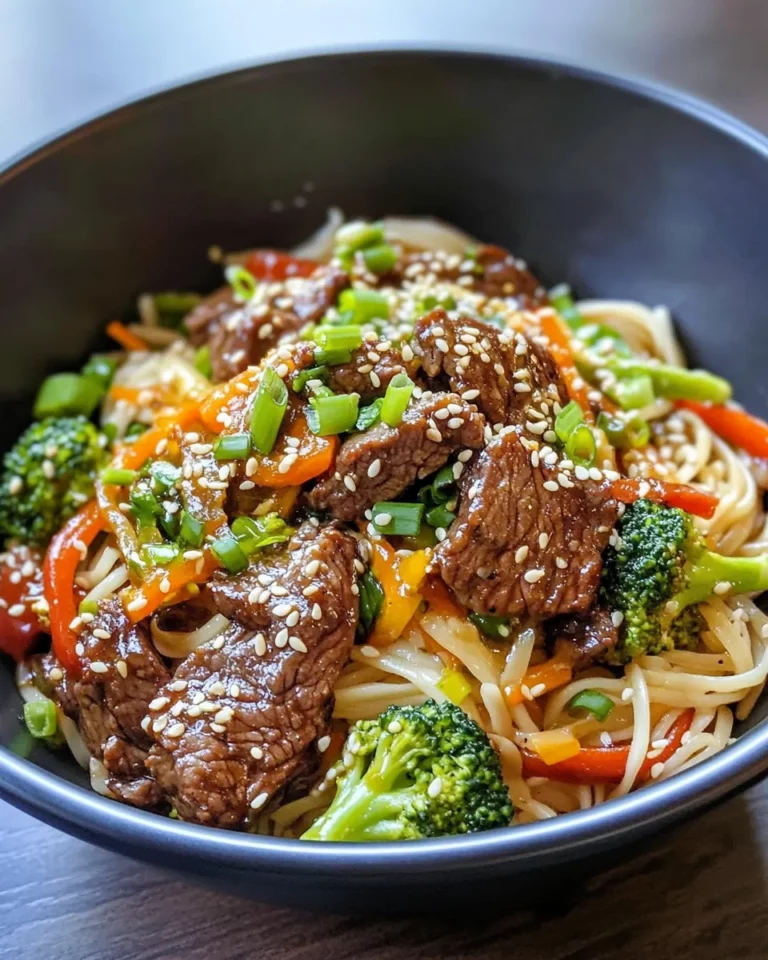
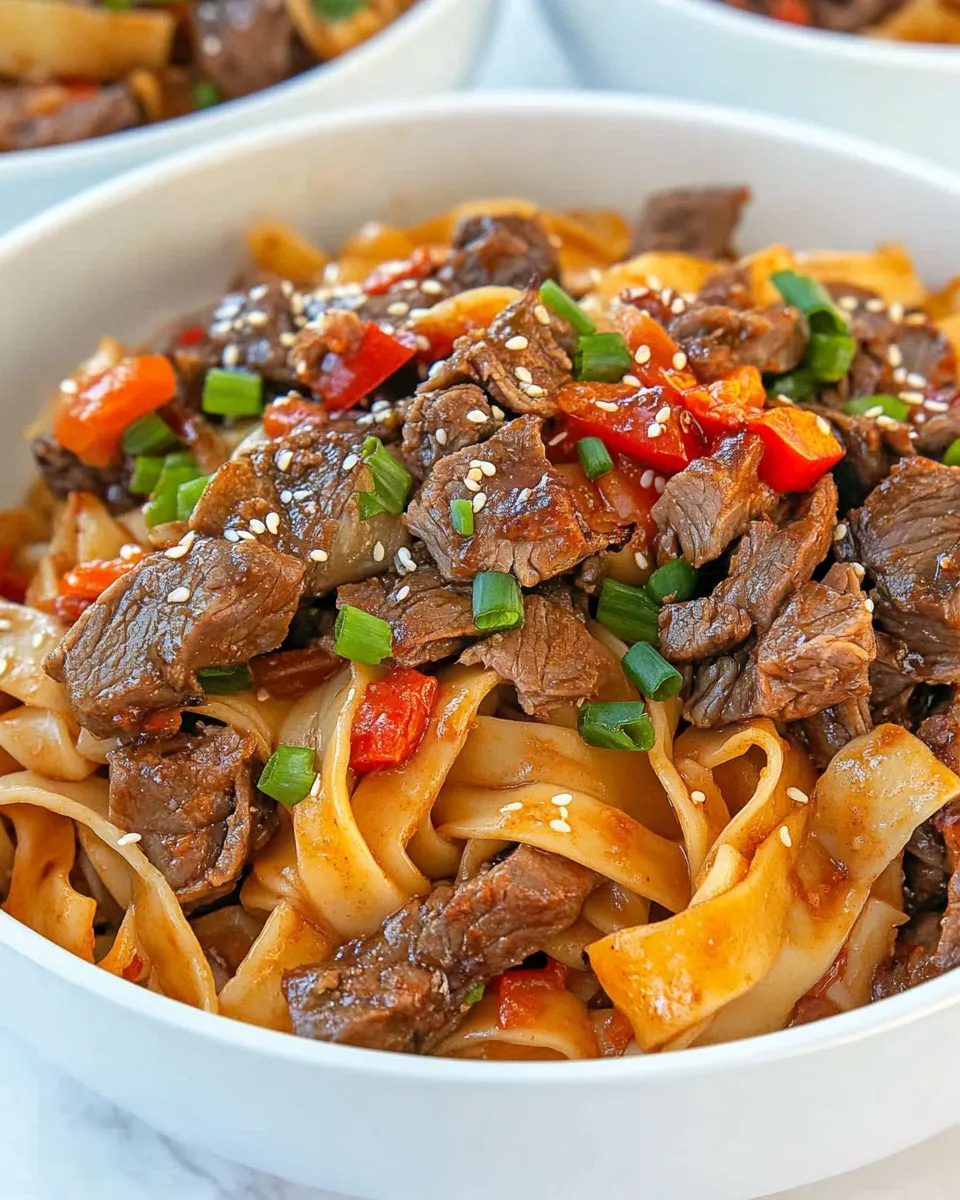
Spicy Beef Noodles
This is the kind of weeknight dinner that feels like a treat and comes together fast. It balances a quick marinate, a hot sear, crisp vegetables, and a savory-spicy sauce that clings to wide flat noodles. No long braises. No fuss. Just clear steps and a bold result.
I keep this recipe in rotation when I want something that hits savory, salty, and spicy with clean, defined textures: tender strips of beef, springy noodles, and bell peppers that still have a bite. The assembly is straightforward and forgiving, which makes it perfect for busy evenings or for feeding a small group without standing at the stove forever.
Follow the steps exactly for the best timing and texture. There are small choices you can make (how hot you like it, whether to use baking soda) and I’ll point those out as we go. Ready? Let’s get cooking.
What You’ll Need

Ingredients
- 1 pound top sirloin steak (or flank steak, thinly sliced) — the main protein; slice thin so it cooks quickly and stays tender.
- 1 tablespoon soy sauce (low sodium) — in the marinade to season the beef without overpowering saltiness.
- 1 tablespoon cornstarch — helps give the beef a silky texture and helps the sauce cling to the meat.
- 1 teaspoon sesame oil — adds a toasty, nutty layer to the marinade.
- 1 teaspoon baking soda (optional, for extra tender beef) — use only if you want the beef extra tender; it speeds up tenderizing.
- 1 tablespoon vegetable oil — for initial searing; a high smoke-point oil is best.
- 3 tablespoons soy sauce (low sodium) — base of the stir-fry sauce; provides savory depth.
- 2 tablespoons oyster sauce — adds umami and body to the sauce.
- 1 tablespoon hoisin sauce — brings a touch of sweetness and thickness.
- 1 tablespoon chili garlic sauce (adjust to heat preference) — the primary heat source; scale to your tolerance.
- 1 teaspoon dark soy sauce (optional, for color) — concentrates color and punch; use sparingly.
- 1 teaspoon sugar — balances the savory and spicy notes.
- 1 teaspoon sesame oil — added to the sauce for aroma; keep it measured to avoid overwhelming flavor.
- 12 ounces flat noodles (rice or wheat noodles) — the vehicle for the sauce; cook according to package for best texture.
- 3 tablespoons vegetable oil (divided) — the recipe uses oil in stages; save some for tossing the noodles and stir-frying.
- 3 cloves garlic (minced) — aromatic foundation; don’t skip or under-chop.
- 1 tablespoon ginger (minced) — gives brightness and spice to the aromatics.
- 1 red chili (thinly sliced) — fresh heat and color; slice thin so it integrates quickly.
- 2 medium bell peppers (cut into 1 inch pieces) — add crunch and sweetness; 1-inch pieces cook quickly while staying crisp.
- 3 green onions (sliced, plus extra for garnish) — use mostly in the stir-fry and save some for a fresh garnish.
- sesame seeds (for garnish (optional)) — optional finishing touch for texture and visual contrast.
Stepwise Method: Spicy Beef Noodles
- In a bowl, combine 1 tablespoon low-sodium soy sauce, 1 tablespoon cornstarch, 1 teaspoon sesame oil, and 1 teaspoon baking soda (if using). Add the 1 pound thinly sliced top sirloin (or flank) and toss to coat. Marinate for 15 minutes.
- While the beef marinates, cook 12 ounces flat noodles according to package instructions. Drain, rinse under cold water, and set aside.
- In a small bowl, whisk together the sauce: 3 tablespoons low-sodium soy sauce, 2 tablespoons oyster sauce, 1 tablespoon hoisin sauce, 1 tablespoon chili garlic sauce (adjust to taste), 1 teaspoon dark soy sauce (optional), 1 teaspoon sugar, and 1 teaspoon sesame oil. Set the sauce aside.
- Prepare aromatics and vegetables: mince 3 garlic cloves and 1 tablespoon ginger, thinly slice 1 red chili, cut 2 medium bell peppers into 1-inch pieces, and slice 3 green onions. Reserve a small amount of the sliced green onions for garnish.
- Heat 1 tablespoon vegetable oil in a large wok or skillet over high heat until hot but not smoking. Add the marinated beef in a single layer (work in batches if needed to avoid crowding). Sear 1–2 minutes per side until browned and just cooked through. Remove the beef to a plate and set aside.
- Add 1 tablespoon of the reserved vegetable oil to the same wok and heat over medium-high. Add the minced garlic, minced ginger, and sliced red chili; stir-fry about 20–30 seconds until fragrant.
- Add the bell peppers and most of the sliced green onions (keeping the reserved garnish aside). Stir-fry 2–3 minutes until the vegetables are tender-crisp.
- Push the vegetables to one side of the wok, add the remaining 2 tablespoons vegetable oil, then add the cooked noodles and pour the prepared sauce over everything. Toss or stir gently to coat the noodles and vegetables evenly with the sauce.
- Return the cooked beef to the wok and toss everything together. Stir-fry 1–2 minutes more until the dish is heated through and the sauce slightly thickens.
- Transfer to a serving dish, garnish with the reserved sliced green onions and sesame seeds if desired, and serve immediately.
Why You’ll Love This Recipe
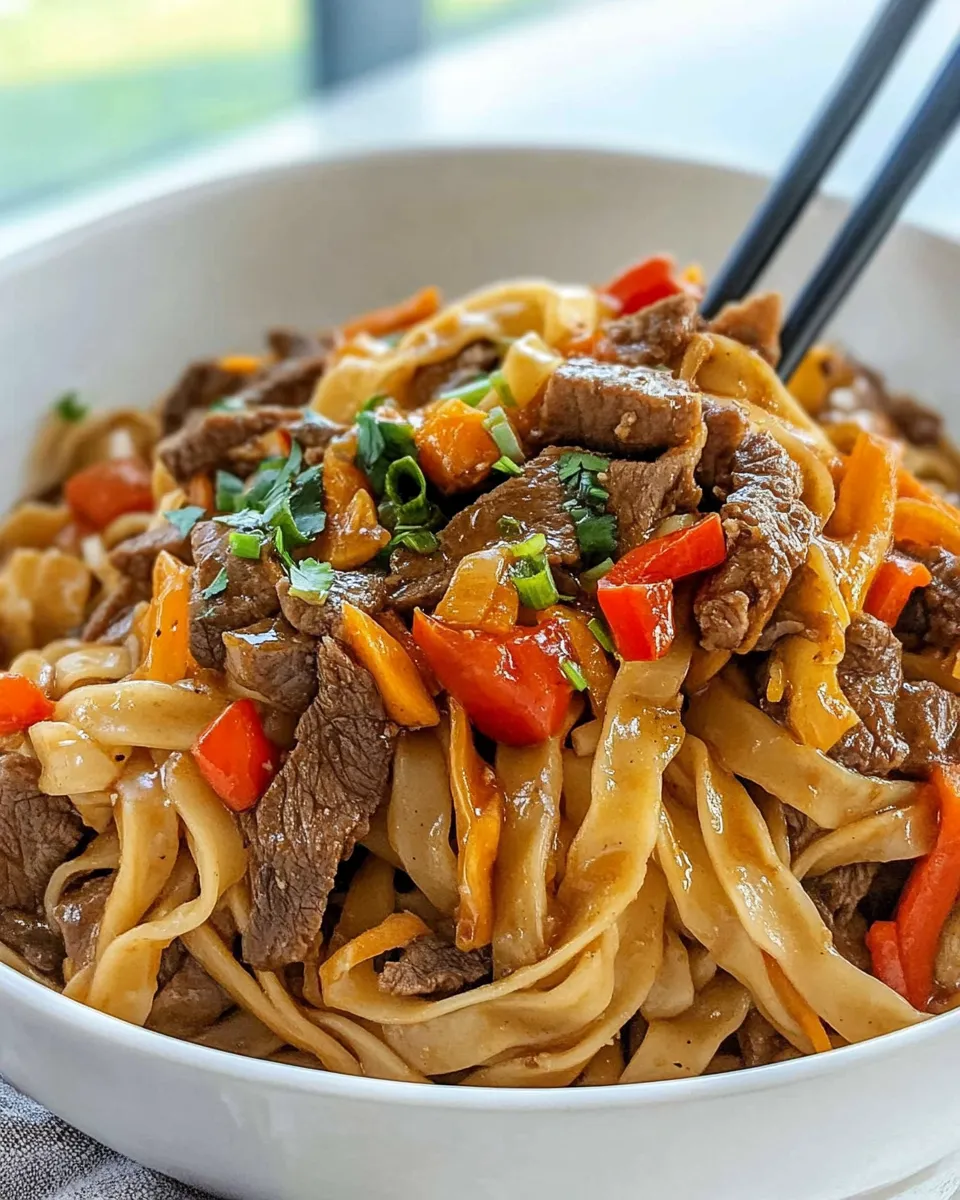
This dish moves fast. From marinate to plate you’re looking at a compact cooking window—perfect for nights when you want restaurant-level flavor without the marathon. The quick marinade and high-heat sear lock in juices so the beef stays tender, while the cornstarch helps the sauce cling to every noodle.
Beyond speed, the flavor profile is layered: salty soy, sweet hoisin, briny oyster sauce, and garlic-ginger aromatics. Chili garlic sauce cuts through the richness with heat and acidity. Texturally, the contrast between silky noodles, tender beef, and crisp bell peppers keeps every bite interesting.
What to Use Instead
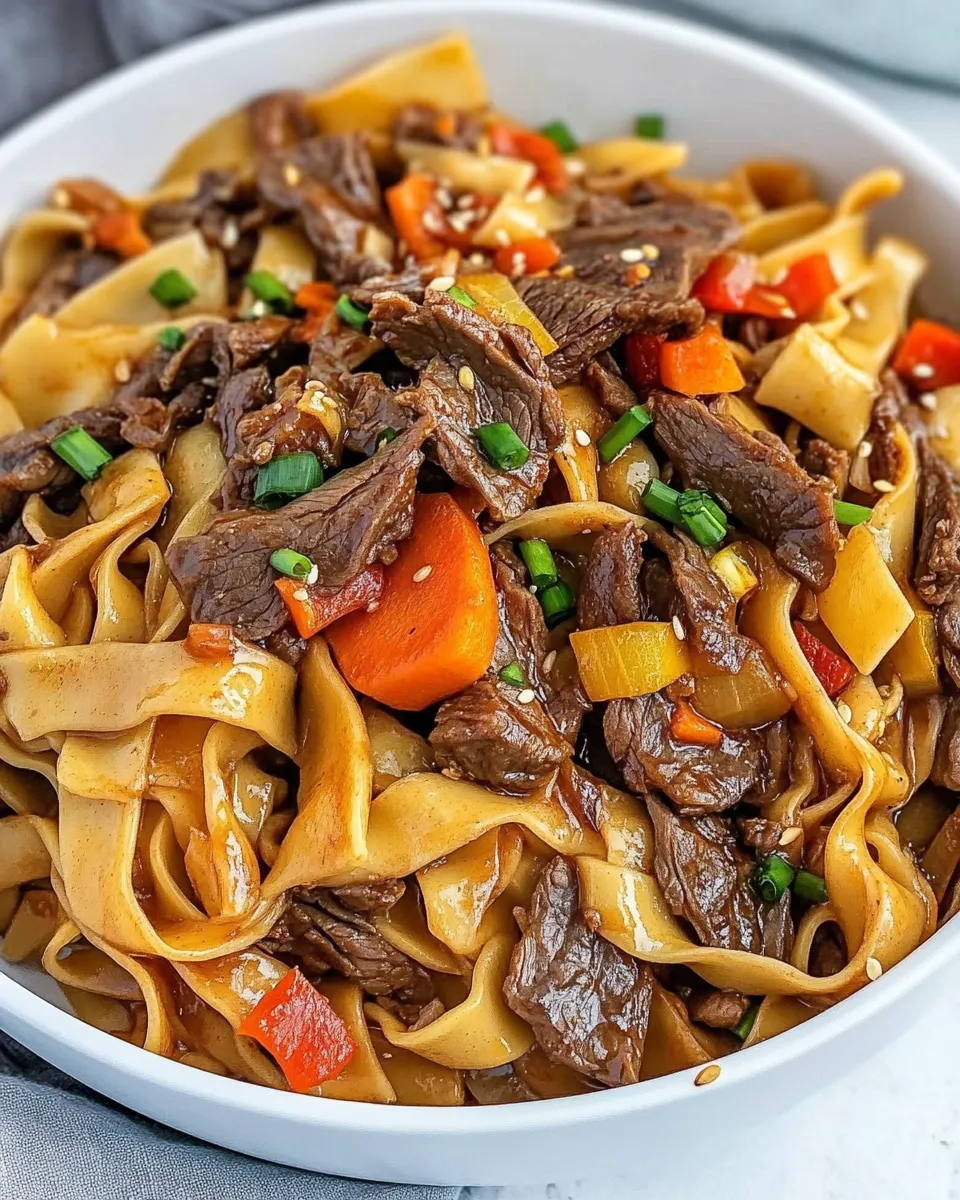
There are small, safe swaps you can make without changing technique. The original ingredient list already allows for a couple of options—use that flexibility.
- Protein: the recipe states top sirloin or flank steak; either works. If you prefer a more economical cut, use the thin-sliced flank as noted.
- Noodles: the recipe accepts rice or wheat flat noodles; choose whichever cooks to your preferred chewiness and matches the sauce.
- Color and depth: the dark soy sauce is optional—use it if you want a deeper color and slightly stronger soy note; omit if you prefer a lighter sauce.
- Baking soda: listed as optional for extra tender beef. Skip it if you’re wary of additives or if you prefer a more straightforward marinade.
What’s in the Gear List
- Large wok or large skillet — you need space to sear in a single layer and toss noodles without crowding.
- Mixing bowls — one for the marinade, one for the sauce.
- Sharp knife and cutting board — for thinly slicing the beef and chopping aromatics.
- Colander or strainer — to drain and rinse the cooked noodles.
- Tongs or chopsticks — to turn the beef and toss the noodles cleanly.
What Not to Do
Do not overcrowd the pan when searing the beef. Crowd the meat and it steams instead of browning. That loses flavor and ruins texture. Work in batches so each slice gets a quick, hot sear.
Don’t skip rinsing the noodles after cooking. A cold rinse halts cooking and removes excess starch so the noodles don’t clump when you add the sauce.
Avoid adding all your oil at once. The recipe divides oil on purpose: one portion for searing, the rest to stir-fry aromatics and coat the noodles. Dumping oil or crowding flavors in the wrong order flattens the final dish.
Spring–Summer–Fall–Winter Ideas
Spring: Keep it bright and light—use the full complement of green onions and bell peppers, and hold back any heavy garnishes. The dish serves well at slightly cooler room temperature if you’re dining al fresco.
Summer: Turn up the heat. Increase the chili garlic sauce if you want a spicier profile, and serve immediately with the reserved green onions for freshness.
Fall: Lean into the savory. Use the optional dark soy sauce and don’t be shy with oyster sauce to emphasize depth as the evenings cool.
Winter: Serve hot and straight from the wok. The texture contrast and spice work well when you want something warming. If you used baking soda for extra-tender beef, that softer texture pairs nicely with heartier winter appetites.
Notes from the Test Kitchen
Timing matters. In testing, the 15-minute marinade was enough to season and slightly tenderize the strips. Longer marinating with baking soda produced very tender meat but started to change the texture if left too long—stick to the timing in the recipe when using baking soda.
High heat for searing is essential. The beef develops better flavor when browned quickly. If your pan isn’t hot enough, the meat releases water and you lose that caramelized edge.
When tossing the noodles, be gentle. Flat noodles tear more easily than round ones. Use a wide turn-and-fold motion so the sauce coats without shredding the noodles.
Shelf Life & Storage
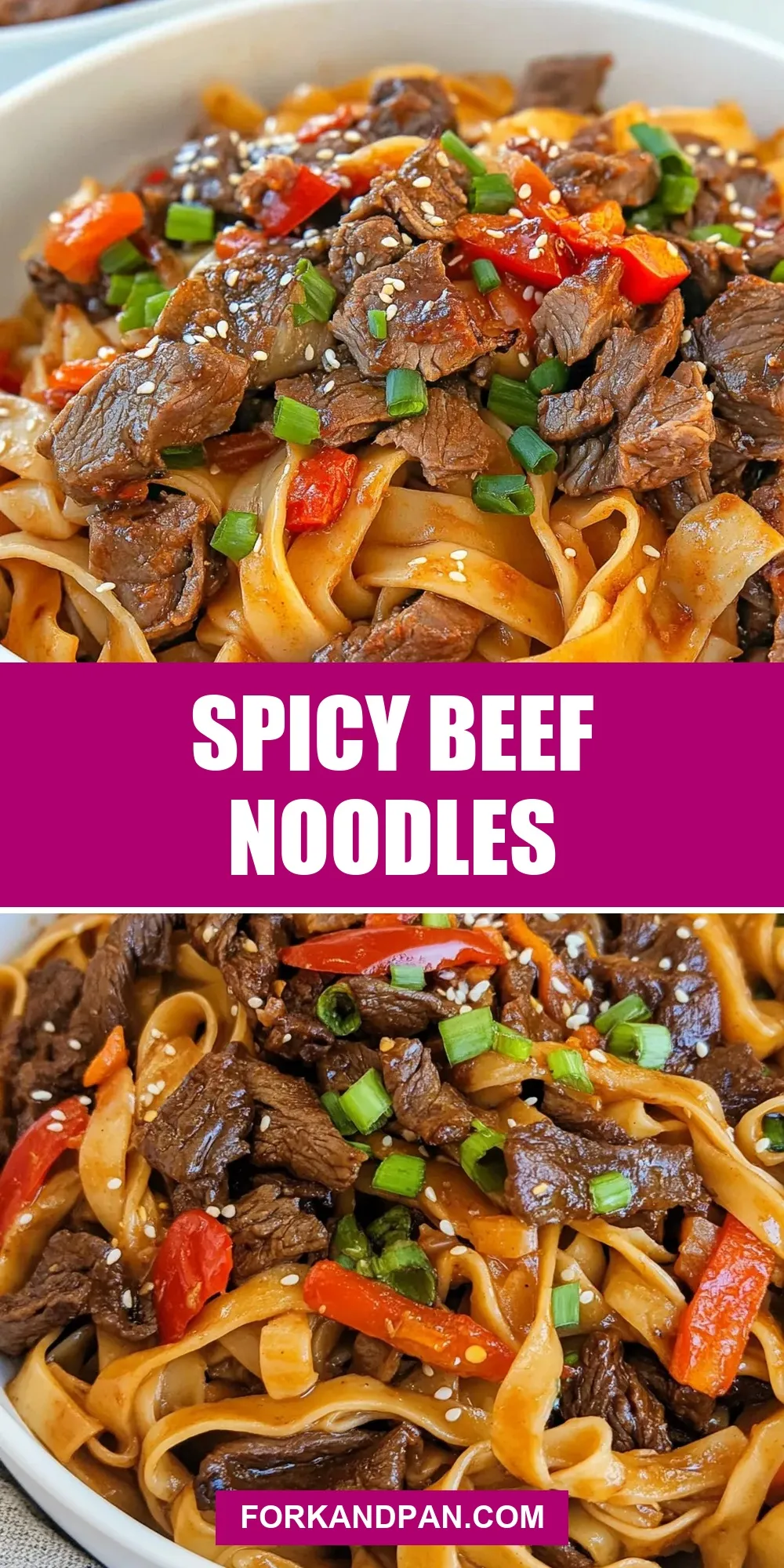
Store leftovers in an airtight container in the refrigerator for up to 2–3 days. The vegetables will soften over time and the sauce can tighten up; reheat gently in a skillet with a splash of water or a teaspoon of vegetable oil to loosen the sauce and revive the textures.
Do not freeze the full assembled dish. Freezing kills the bite of the bell peppers and changes the noodle texture. If you plan to freeze, freeze the cooked beef and sauce separately, and cook fresh noodles and vegetables when you reheat.
Top Questions & Answers
- Can I skip the baking soda? — Yes. It’s optional and only recommended if you want a faster, more pronounced tenderizing effect. The beef will still be tender with just the cornstarch and quick sear.
- How spicy is this? — The heat comes from the chili garlic sauce and fresh red chili. The listed amounts give a noticeable kick but you can reduce the chili garlic sauce to taste or use less of the fresh chili.
- Which noodles should I use? — Either rice or wheat flat noodles are specified. Use the one you prefer. Cook according to package instructions and rinse under cold water to stop cooking.
- Why cornstarch in the marinade? — Cornstarch gives the beef a thin protective coating that promotes a silky mouthfeel and helps the sauce cling.
- Can I make this ahead? — You can marinate the beef for up to an hour before cooking, but for best texture cook and assemble just before serving.
Save & Share
If this recipe becomes a weeknight staple for you, save it where you keep your go-to dinners. Share it with anyone who likes bold, quick stir-fries—especially folks who love clear, simple instructions and a reliable pan-to-table timeline. I find that a straightforward recipe like this converts skeptics fast: good technique plus quality ingredients equals a memorable meal.
Make it your own within the guardrails of the ingredient list—adjust the chili to your heat tolerance, choose the noodle you prefer, and don’t skip the quick sear. If you try it, come back and tell me how you adjusted the heat or which noodle you used. I read every note.
Spicy Beef Noodles
Ingredients
Ingredients
- 1 poundtop sirloin steak or flank steak, thinly sliced
- 1 tablespoonsoy sauce low sodium
- 1 tablespooncornstarch
- 1 teaspoonsesame oil
- 1 teaspoonbaking soda optional, for extra tender beef
- 1 tablespoonvegetable oil
- 3 tablespoonssoy sauce low sodium
- 2 tablespoonsoyster sauce
- 1 tablespoonhoisin sauce
- 1 tablespoonchili garlic sauce adjust to heat preference
- 1 teaspoondark soy sauce optional, for color
- 1 teaspoonsugar
- 1 teaspoonsesame oil
- 12 ouncesflat noodles rice or wheat noodles
- 3 tablespoonsvegetable oil divided
- 3 clovesgarlic minced
- 1 tablespoonginger minced
- 1 red chili thinly sliced
- 2 mediumbell peppers cut into 1 inch pieces
- 3 green onions sliced, plus extra for garnish
- sesame seeds for garnish (optional)
Instructions
Instructions
- In a bowl, combine 1 tablespoon low-sodium soy sauce, 1 tablespoon cornstarch, 1 teaspoon sesame oil, and 1 teaspoon baking soda (if using). Add the 1 pound thinly sliced top sirloin (or flank) and toss to coat. Marinate for 15 minutes.
- While the beef marinates, cook 12 ounces flat noodles according to package instructions. Drain, rinse under cold water, and set aside.
- In a small bowl, whisk together the sauce: 3 tablespoons low-sodium soy sauce, 2 tablespoons oyster sauce, 1 tablespoon hoisin sauce, 1 tablespoon chili garlic sauce (adjust to taste), 1 teaspoon dark soy sauce (optional), 1 teaspoon sugar, and 1 teaspoon sesame oil. Set the sauce aside.
- Prepare aromatics and vegetables: mince 3 garlic cloves and 1 tablespoon ginger, thinly slice 1 red chili, cut 2 medium bell peppers into 1-inch pieces, and slice 3 green onions. Reserve a small amount of the sliced green onions for garnish.
- Heat 1 tablespoon vegetable oil in a large wok or skillet over high heat until hot but not smoking. Add the marinated beef in a single layer (work in batches if needed to avoid crowding). Sear 1–2 minutes per side until browned and just cooked through. Remove the beef to a plate and set aside.
- Add 1 tablespoon of the reserved vegetable oil to the same wok and heat over medium-high. Add the minced garlic, minced ginger, and sliced red chili; stir-fry about 20–30 seconds until fragrant.
- Add the bell peppers and most of the sliced green onions (keeping the reserved garnish aside). Stir-fry 2–3 minutes until the vegetables are tender-crisp.
- Push the vegetables to one side of the wok, add the remaining 2 tablespoons vegetable oil, then add the cooked noodles and pour the prepared sauce over everything. Toss or stir gently to coat the noodles and vegetables evenly with the sauce.
- Return the cooked beef to the wok and toss everything together. Stir-fry 1–2 minutes more until the dish is heated through and the sauce slightly thickens.
- Transfer to a serving dish, garnish with the reserved sliced green onions and sesame seeds if desired, and serve immediately.
Equipment
- HexClad 10 Inch Hybrid Stainless Steel Wok Pan with Stay-Cool Handle
Notes
Noodles:Flat rice noodles are my go-to, but lo mein, egg noodles, or even ramen work just as well. If using dried noodles, cook them slightly under, they’ll finish in the sauce!
Adjusting Spice:Like it extra spicy? Add more chili garlic sauce, red pepper flakes, or a drizzle of chili oil before serving. Prefer mild? Cut the chili garlic sauce in half or leave it out altogether.
Sauce Consistency:If the noodles soak up too much sauce, add a splash of water or beef broth to loosen it up.Too salty?Balance it out with a pinch of sugar or an extra splash of water.
Storage & Reheating:Leftovers? Store in an airtight container in the fridge for up to3 days. Reheat in a pan over medium heat with a splash of water or broth to revive the sauce. Microwaving works, but stir halfway through to prevent clumping.
Freezing Tips:For best results, freeze the beef and sauce separately and cook fresh noodles when serving. If freezing the full dish, let it cool completely and store in an airtight container for up to2 months. Reheat by stir-frying from frozen with a splash of water to loosen up the noodles.