Spaghetti Squash Pad Thai
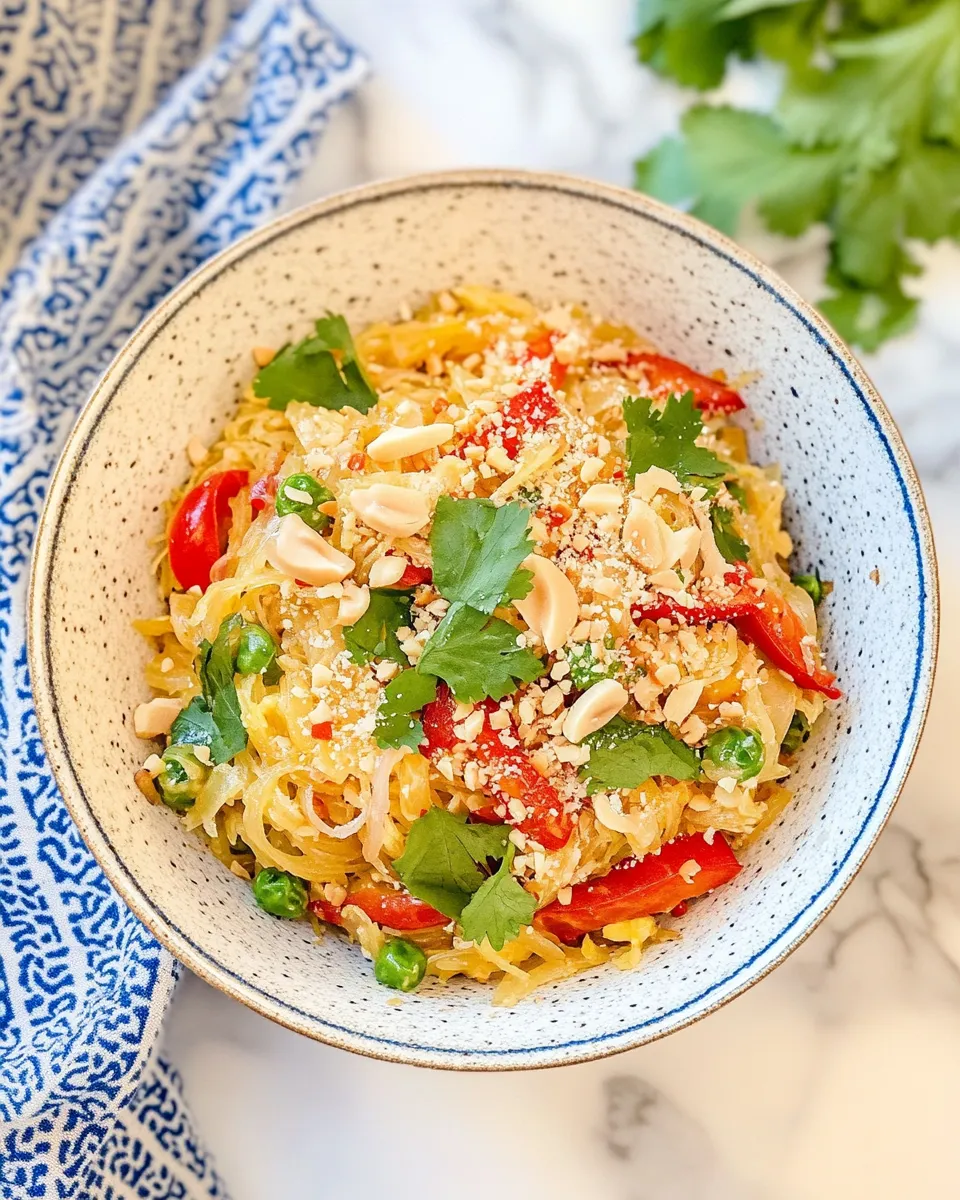
I’m happiest when a weeknight dinner tastes like something from a takeout box but cooks up in less time and with fewer regrets. Spaghetti Squash Pad Thai hits that sweet spot: bright, tangy sauce, a mix of textures, and the comfort of familiar flavors — all carried on strands of roasted squash instead of rice noodles. It’s lighter, gluten-free-friendly, and surprisingly filling.
This recipe combines both shrimp and diced chicken for a quick protein double-team, scrambled egg for richness, and a simple pantry sauce that ties everything together. I use the Instant Pot to steam the squash quickly and evenly; the rest finishes in a single skillet. No fuss, just intentional steps so you get a great result every time.
Below you’ll find the exact ingredients and the step-by-step method I follow—tested and refined. I’ll also walk through common pitfalls, substitutions, and storage tips so you can make this your own without losing what makes it work.
The Essentials

Flavor profile: Tangy and slightly sweet with a hint of heat from red pepper flakes, savory depth from the coconut aminos, and a pop of freshness from lime and scallions. Texture-wise, you have tender squash strands, crisp-tender vegetables, juicy shrimp, and bite-sized chicken.
Time and effort: Active hands-on time is mostly measuring and a quick skillet finish—plan for about 30–40 minutes total if your squash is 3–4 lbs and you’re comfortable with the Instant Pot. The Instant Pot handles most of the heavy lifting for the squash so you can prep the proteins and vegetables while it cooks.
Why it works: The squash soaks up the sauce just enough without turning mushy, and cooking proteins separately ensures they finish at the right time. Scrambling the eggs in the same skillet adds moisture and silkiness that helps the sauce cling to the strands.
Ingredients
- 1 medium-sized spaghetti squash — about 3-4 lbs; the base that shreds into noodle-like strands when cooked.
- 1 tablespoon avocado oil — for high-heat sautéing without a strong flavor.
- 1 lb. chicken breasts — about 2, diced; provides hearty protein and a neutral canvas for the sauce.
- 12 large shrimps — cleaned and deveined; cook quickly and add a briny sweetness.
- 2 cloves garlic — crushed; aromatic backbone for the skillet.
- 1 small red onion — diced; offers mild sweetness and color.
- 2 mushrooms — thinly sliced; add umami and texture.
- 1 carrot — diced; brings crunch and a touch of sweetness.
- 1/2 cup bean sprouts — add crisp freshness and a classic Pad Thai element.
- 4 scallions — thinly sliced; for brightness and garnish.
- 3 eggs — scrambled; add richness and help bind the dish.
- 2 tablespoons coconut aminos — the savory-salty base of the sauce.
- 3 tablespoons rice vinegar — provides the tang to balance sweetness.
- 2 tablespoons coconut sugar — optional, omit for Whole30 or keto; balances the vinegar.
- 1 teaspoon red pepper flakes — for heat; adjust to taste.
- 1/2 teaspoon garlic powder — layers in a rounded garlic flavor.
- chopped peanuts — for garnish; add crunch and peanutty depth.
- lime — for garnish and a bright squeeze of acid before serving.
Mastering Spaghetti Squash Pad Thai: How-To
- Cut the medium spaghetti squash lengthwise and scoop out the seeds. Add 1 cup water to the Instant Pot insert. Place the squash halves cut-side up in the Instant Pot (stack if needed). Close the lid, set the steam valve to SEALING, and set to Manual/High pressure for 10 minutes for a 3–3.5 lb squash or 12 minutes for a 3.5–4 lb squash.
- When the timer finishes, carefully turn the steam valve to VENTING to quick-release the pressure. When the float valve drops, open the lid and use two forks to scrape out and shred the cooked squash into spaghetti-like strands. Transfer shredded squash to a bowl and set aside.
- While the squash cooks, whisk together the sauce in a small bowl: 2 tablespoons coconut aminos, 3 tablespoons rice vinegar, 2 tablespoons coconut sugar (optional—omit for Whole30 or keto), 1 teaspoon red pepper flakes, and 1/2 teaspoon garlic powder. Set sauce aside.
- Heat a large skillet or wok over medium-high heat and add 1 tablespoon avocado oil.
- Add the diced chicken breasts (1 lb) in a single layer and cook, stirring occasionally, until no longer pink and cooked through (about 5–8 minutes). Transfer the cooked chicken to a plate and set aside.
- Add the 12 large cleaned, deveined shrimps to the same skillet and cook 1–2 minutes per side, until opaque and cooked through. Transfer shrimp to the plate with the chicken.
- In the same skillet, add the crushed 2 cloves garlic and the diced small red onion. Cook 1–2 minutes until fragrant and the onion begins to soften. Add the thinly sliced mushrooms and diced carrot and cook another 3–4 minutes until vegetables are tender.
- Push the vegetables to one side of the skillet. Pour the 3 eggs into the cleared space and scramble them until just set, then mix the scrambled eggs into the vegetables.
- Return the cooked chicken and shrimp to the skillet. Add the shredded spaghetti squash, 1/2 cup bean sprouts, and 4 thinly sliced scallions. Pour the prepared sauce over everything and toss gently to combine and heat through, about 2–3 minutes.
- Divide the Spaghetti Squash Pad Thai onto plates and garnish with chopped peanuts and lime wedges. Serve immediately.
Why It’s My Go-To
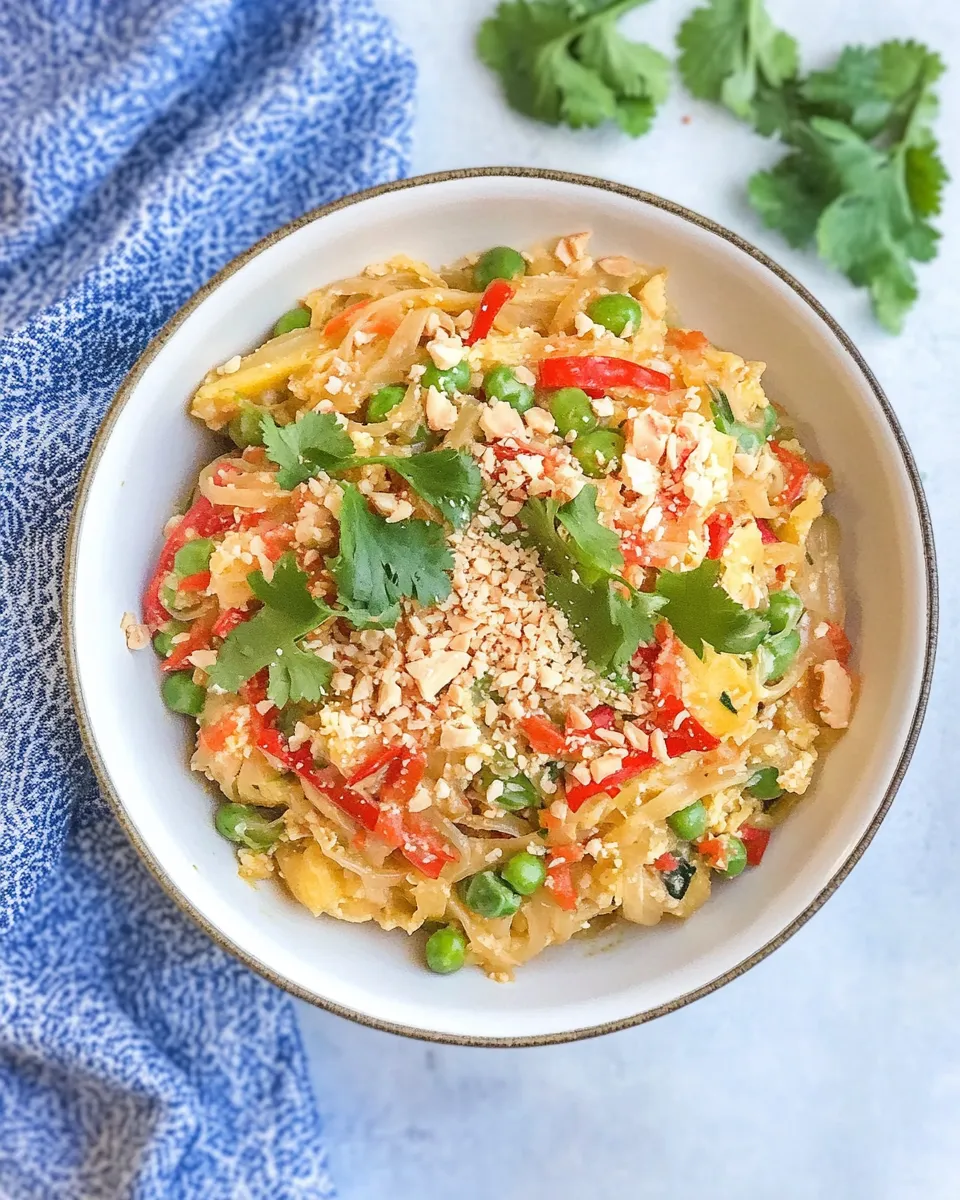
This dish scales for company or dinner-for-one and hits satisfying savory and bright notes without being heavy. Using spaghetti squash keeps it lower-carb and gives the plate more volume for fewer calories, which I appreciate when I want a comforting meal that doesn’t leave me sluggish.
It’s forgiving: the proteins cook separately and rejoin at the end, so slight timing slips don’t ruin the texture. The sauce is simple but balanced—acid, a touch of sweetness, and savory depth—so you don’t need to chase a dozen specialty ingredients to make it sing.
Substitutions by Category
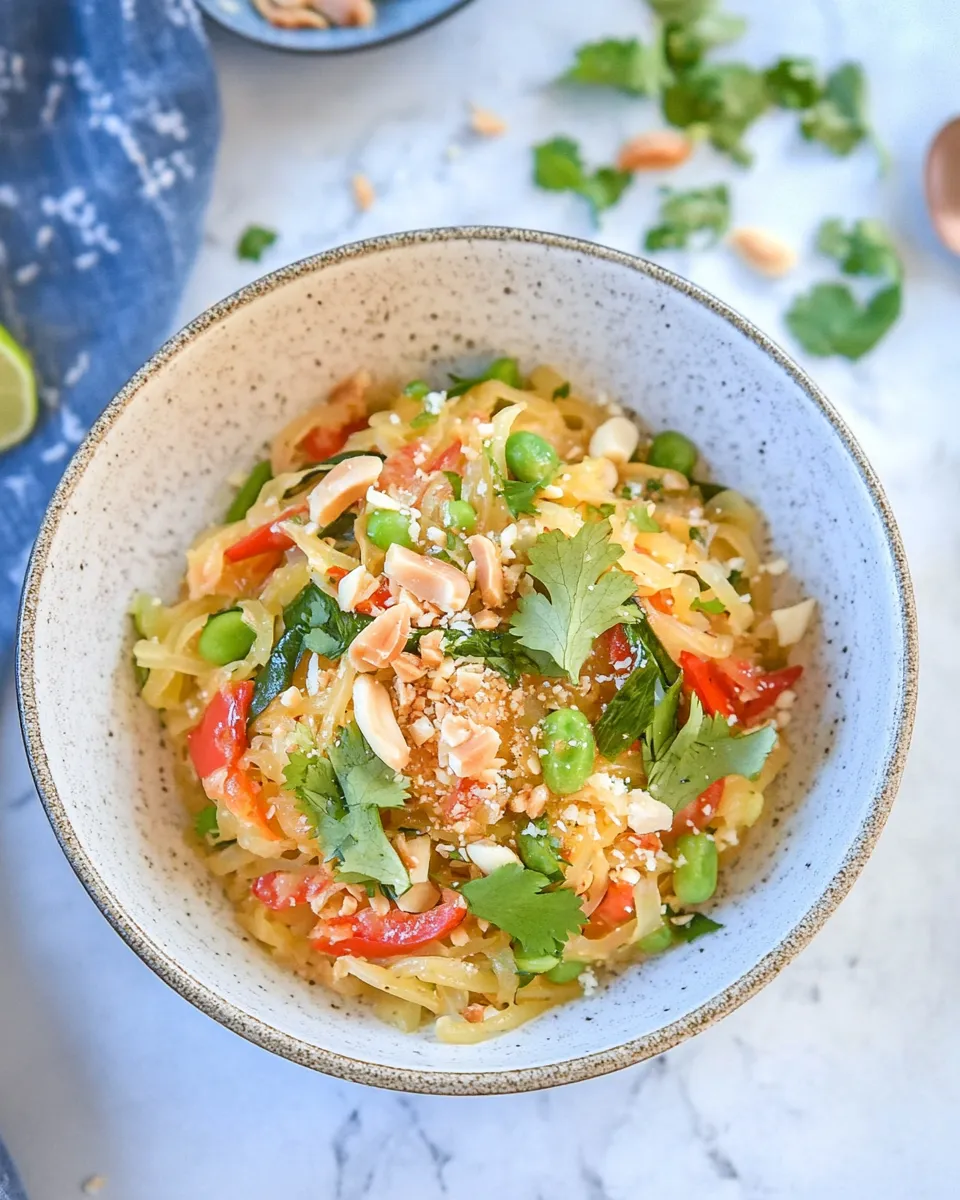
- Proteins: Swap diced chicken for turkey breast or extra shrimp, or use tofu for a vegetarian option (press and pan-sear first).
- Oils: Avocado oil works for high heat; use neutral oils like light olive oil or grapeseed if needed.
- Sweetener: Coconut sugar is optional; use maple syrup or omit entirely for Whole30/keto.
- Sauce base: Coconut aminos give a milder, slightly sweet soy note; regular soy sauce or tamari can be used if desired (watch salt levels).
- Veggies: Swap mushrooms or carrots for bell pepper, snap peas, or zucchini depending on season and preference.
Setup & Equipment
- Instant Pot (or pressure cooker): For steaming the spaghetti squash quickly and evenly.
- Large skillet or wok: Needed for sautéing proteins and vegetables and finishing the dish.
- Two forks: For scraping the spaghetti-like strands from the squash shell.
- Measuring spoons and small bowl: To mix the sauce ahead so it’s ready when you need it.
- Sharp knife and cutting board: For prepping proteins and vegetables; a sturdy peeler if you prefer to peel the carrot.
Things That Go Wrong
Squash turns watery: Overcooking the squash or letting it sit with sauce can make it soggy. Steam it the recommended time, shred, and add to the skillet just long enough to warm and coat.
Proteins overcook: Chicken and shrimp finish quickly. Cook chicken first, then shrimp briefly—shrimp especially needs only a couple of minutes per side. Remove both to a plate and reintroduce at the end to avoid rubbery texture.
Flavor is flat: Taste the sauce before adding; the balance should be tangy from rice vinegar and savory from coconut aminos. If it’s flat, add a squeeze of lime or a pinch more coconut sugar to bridge the gap.
Seasonal Adaptations
Spring: Add fresh bean sprouts, more scallions, and a handful of pea shoots. The dish feels brighter and fresher.
Summer: Swap in thinly sliced zucchini or heirloom cherry tomatoes added at the end for a quick toss-through to keep them fresh.
Fall/Winter: Use cremini or shiitake mushrooms and swap carrots for roasted sweet potato cubes for extra heartiness.
What I Learned Testing
1) Timing the squash: A 3–3.5 lb squash does well at 10 minutes in the Instant Pot; if yours feels denser, use 12 minutes. Use quick release to avoid overcooking the flesh.
2) Sauce simplicity wins: I tried more complex Pad Thai sauces and found the coconut aminos + rice vinegar combo keeps things clean and bright without overpowering the squash.
3) Texture layering matters: Adding eggs and keeping bean sprouts mostly intact preserves contrast. If you over-stir the sprouts they lose their snap.
Storage Pro Tips
- Refrigeration: Store leftovers in an airtight container for up to 3–4 days. Keep garnishes like peanuts and lime wedges separate to retain crunch and brightness.
- Freezing: I don’t recommend freezing the finished dish—the squash texture degrades. If you must, freeze proteins and sauce separately; defrost and reheat gently.
- Reheating: Reheat on the stovetop over medium heat with a splash of water or a little oil to loosen the strands; microwave on medium power in short increments if you prefer.
Troubleshooting Q&A
- Q: My squash is too firm after 10 minutes—what now?
A: Put the halves back in the Instant Pot with another 2–3 minutes at pressure, or finish in a 375°F oven cut-side down for 10–15 minutes until fork-tender. - Q: The sauce is too salty or too mild—how to fix?
A: If too salty, add a little more rice vinegar and a pinch of coconut sugar (or water) to balance. If too mild, add a splash more coconut aminos or a squeeze of lime for lift. - Q: Shrimp cooked but chicken is dry—tips?
A: Cut chicken into uniform pieces so it cooks evenly. Remove cooked chicken while you sear shrimp quickly; both reheat briefly in the final toss so they don’t overcook. - Q: Can I make this gluten-free?
A: Yes—this recipe as written is gluten-free if you use certified gluten-free coconut aminos and check labels on other packaged items. - Q: Any way to make it vegetarian or vegan?
A: Replace chicken and shrimp with firm tofu or tempeh. For vegan, omit eggs or use a scrambled tofu alternative and ensure any sugar used is vegan-friendly. - Q: Want more heat—recommendations?
A: Increase the red pepper flakes, add a drizzle of chili oil at the end, or use fresh sliced chilies when sautéing the onion.
Let’s Eat
Serve this Spaghetti Squash Pad Thai straight from the skillet with a wedge of lime and a scattering of chopped peanuts. The contrast between the warm, saucy strands and the bright lime makes the dish pop. Eat it the night you make it for the best texture—unless you’ve cleverly split components to reheat later.
Make a simple salad or steamed greens alongside if you want more vegetables on the plate. Otherwise, dig in as-is: it’s comforting, balanced, and a reliable weeknight favorite when you want something a little different from the usual pasta or rice routine.
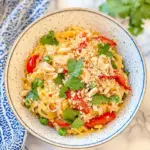
Spaghetti Squash Pad Thai
Ingredients
Ingredients
- 1 medium-sized spaghetti squashabout 3-4 lbs
- 1 tablespoonavocado oil
- 1 lb.chicken breastsabout 2 diced
- 12 large shrimpscleaned and deveined
- 2 clovesgarliccrushed
- 1 small red oniondiced
- 2 mushroomsthinly sliced
- 1 carrotdiced
- 1/2 cupbean sprouts
- 4 scallionsthinly sliced
- 3 eggsscrambled
- 2 tablespoonscoconut aminos
- 3 tablespoonsrice vinegar
- 2 tablespoonscoconut sugaroptional omit for Whole30 or keto
- 1 teaspoonred pepper flakes
- 1/2 teaspoongarlic powder
- chopped peanutsfor garnish
- limefor garnish
Instructions
Instructions
- Cut the medium spaghetti squash lengthwise and scoop out the seeds. Add 1 cup water to the Instant Pot insert. Place the squash halves cut-side up in the Instant Pot (stack if needed). Close the lid, set the steam valve to SEALING, and set to Manual/High pressure for 10 minutes for a 3–3.5 lb squash or 12 minutes for a 3.5–4 lb squash.
- When the timer finishes, carefully turn the steam valve to VENTING to quick-release the pressure. When the float valve drops, open the lid and use two forks to scrape out and shred the cooked squash into spaghetti-like strands. Transfer shredded squash to a bowl and set aside.
- While the squash cooks, whisk together the sauce in a small bowl: 2 tablespoons coconut aminos, 3 tablespoons rice vinegar, 2 tablespoons coconut sugar (optional—omit for Whole30 or keto), 1 teaspoon red pepper flakes, and 1/2 teaspoon garlic powder. Set sauce aside.
- Heat a large skillet or wok over medium-high heat and add 1 tablespoon avocado oil.
- Add the diced chicken breasts (1 lb) in a single layer and cook, stirring occasionally, until no longer pink and cooked through (about 5–8 minutes). Transfer the cooked chicken to a plate and set aside.
- Add the 12 large cleaned, deveined shrimps to the same skillet and cook 1–2 minutes per side, until opaque and cooked through. Transfer shrimp to the plate with the chicken.
- In the same skillet, add the crushed 2 cloves garlic and the diced small red onion. Cook 1–2 minutes until fragrant and the onion begins to soften. Add the thinly sliced mushrooms and diced carrot and cook another 3–4 minutes until vegetables are tender.
- Push the vegetables to one side of the skillet. Pour the 3 eggs into the cleared space and scramble them until just set, then mix the scrambled eggs into the vegetables.
- Return the cooked chicken and shrimp to the skillet. Add the shredded spaghetti squash, 1/2 cup bean sprouts, and 4 thinly sliced scallions. Pour the prepared sauce over everything and toss gently to combine and heat through, about 2–3 minutes.
- Divide the Spaghetti Squash Pad Thai onto plates and garnish with chopped peanuts and lime wedges. Serve immediately.
Equipment
- Instant Pot
- Large Skillet or Wok
- Forks
- Bowl
Notes
Recipe instructions updated March 2019 to make steps easier. Additional updates included the change from teriyaki or oyster sauce in place of the now instructed coconut sugar. The older recipe called for 2 tablespoons of teriyaki sauce.
You can also use fully cooked chicken with the recipe, as previous version suggested. Just place shredded or diced cooked chicken in step 5.