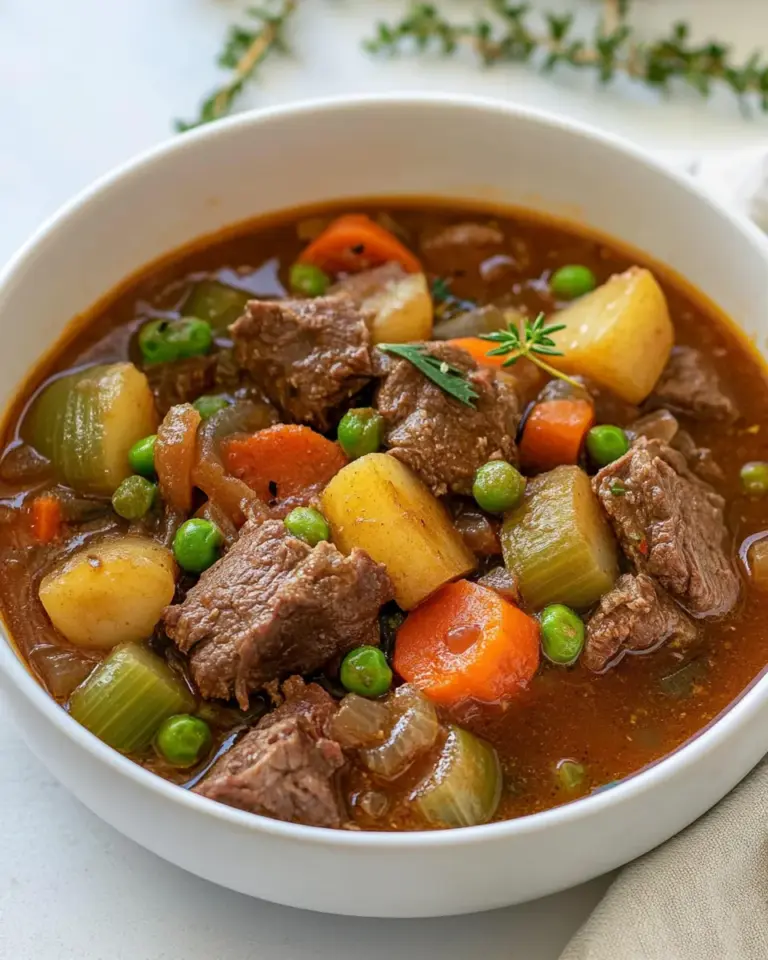
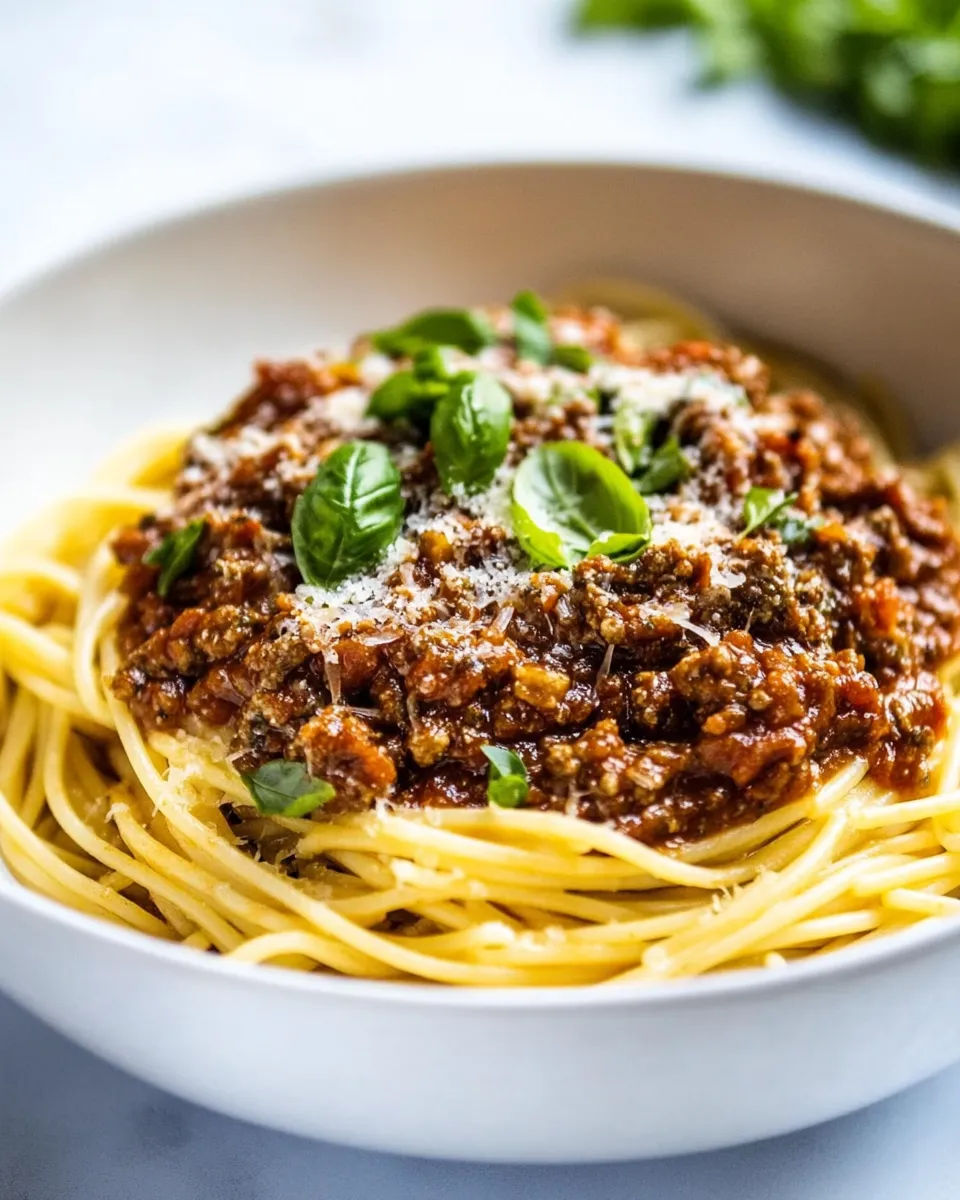
Spaghetti Sauce Recipe
This Spaghetti Sauce Recipe is a comforting, stovetop tomato sauce built on browned beef and sausage, bright aromatics, and just the right balance of savory and sweet. It’s approachable enough for a weeknight yet layered enough to impress guests. The method is straightforward: brown, deglaze, simmer, and finish. You’ll end up with a rich, meaty sauce that clings beautifully to pasta, polenta, or baked dishes.
Why you’ll love this Spaghetti Sauce Recipe

There’s something timeless about a pot of simmering tomato sauce. This Spaghetti Sauce Recipe uses a combination of ground beef and sausage for depth and body, canned crushed and diced tomatoes for texture and tang, and simple seasonings that let the main ingredients shine. The optional Worcestershire and a touch of sugar round out the flavor and reduce acidity without masking the tomato’s brightness. It’s versatile: spoon it over spaghetti, stuff it into lasagna, or serve it alongside garlic bread.
Ingredients
- ▢1 pound ground beef
- ▢1/2 pound sausage
- ▢1 medium onion, diced
- ▢1/2 teaspoon Italian Seasoning
- ▢1 teaspoon kosher salt
- ▢1/2 teaspoon ground black pepper
- ▢2 cloves garlic, minced or 1 teaspoon garlic powder or 1/2 teaspoon granulated garlic
- ▢1 (26 ounce can) crushed tomatoes
- ▢1 (14 ounce can) diced tomatoes
- ▢1 tablespoon Worcestershire sauce, or coconut aminos (optional)
- ▢1 tablespoon granulated sugar, or brown sugar or maple syrup (optional)
Make it your own
This Spaghetti Sauce Recipe is a flexible foundation. Want more heat? Add red pepper flakes when you add the Italian seasoning. Prefer a smoother sauce? Use an immersion blender after simmering briefly. If you’d like it herbier, stir in fresh basil or parsley at the end. The optional Worcestershire or coconut aminos adds an umami lift; the sweetener tames tomato acidity. Both are optional—this sauce works beautifully without them.
Equipment
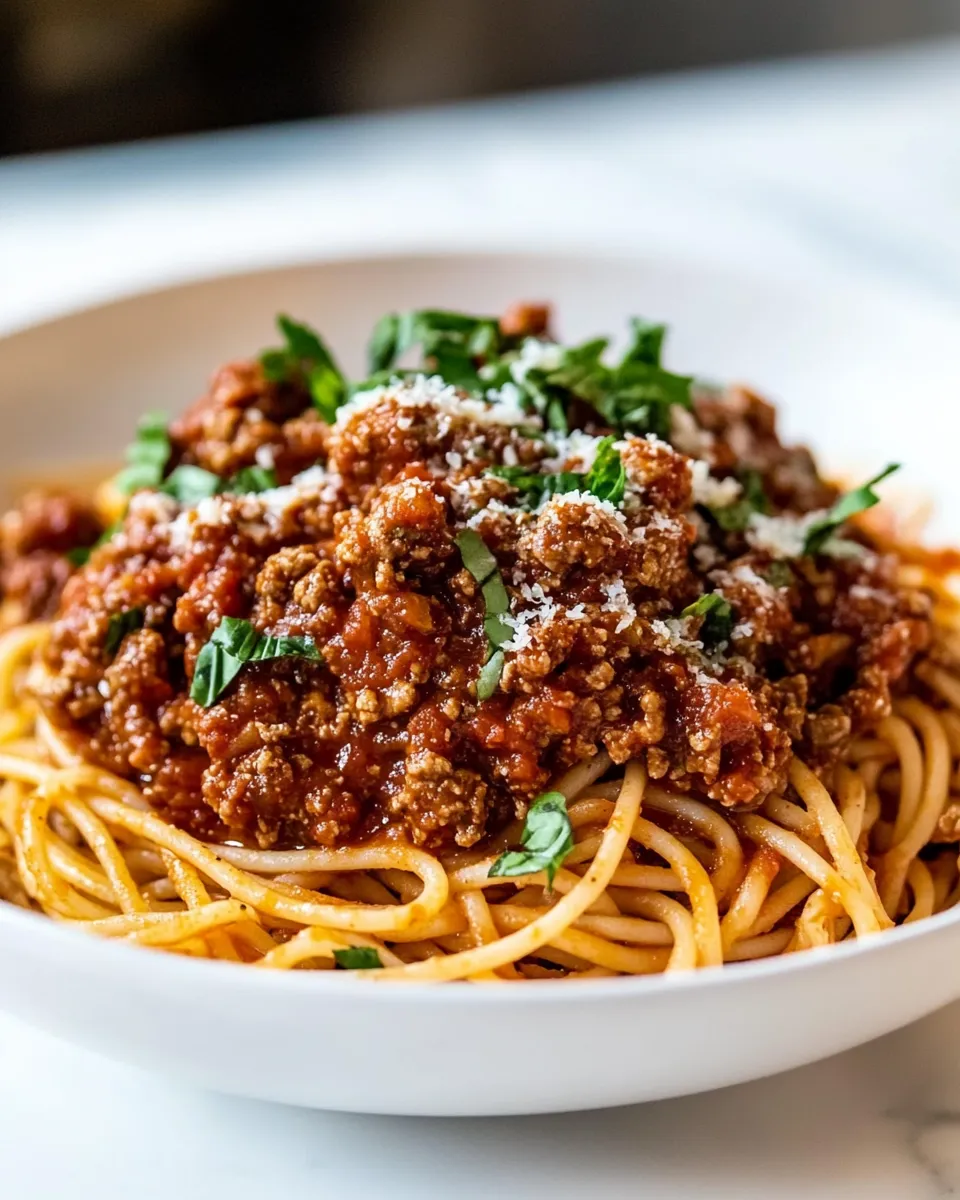
- Large, heavy-bottomed skillet or saucepan
- Spoon or spatula
- Knife and cutting board for the onion and garlic
- Measuring spoons and cups
- Lid for the pan (for gentle simmering)
Step-by-step instructions
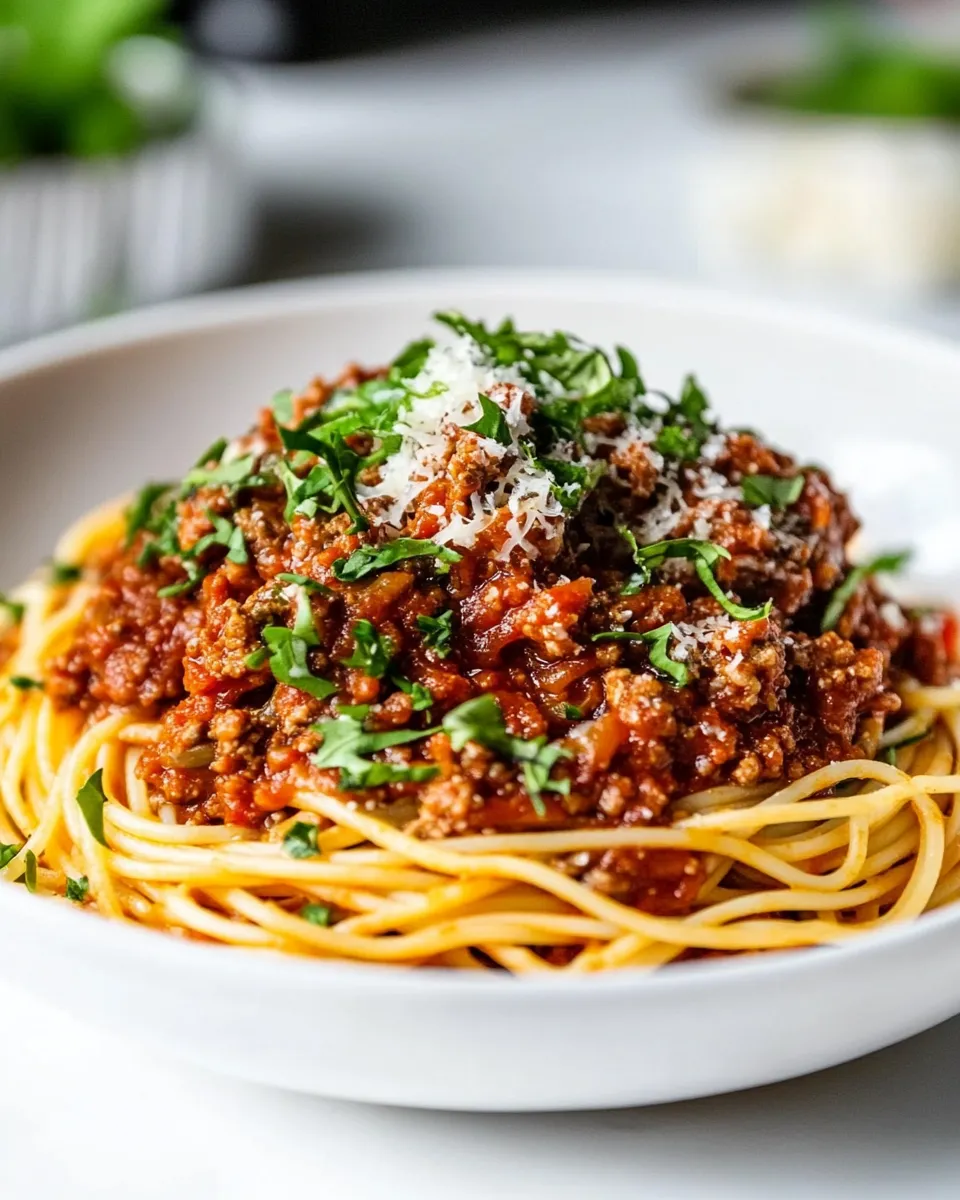
Follow these steps to make the sauce. The directions remain in the same order as the ingredient list, rewritten into clearer, numbered steps so you can cook confidently and without confusion.
- Prepare ingredients: Dice the 1 medium onion. Mince the 2 cloves garlic if you are using fresh garlic. Open the cans: the 26 ounce can crushed tomatoes and the 14 ounce can diced tomatoes.
- Heat the pan: Place a large skillet or saucepan over medium heat for a minute to warm. No additional oil is required if your sausage has some fat; otherwise, add a teaspoon of neutral oil.
- Brown the meats: Add the 1 pound ground beef and 1/2 pound sausage to the hot pan. Use a sturdy spoon or spatula to break up the meat into small pieces as it cooks. Continue stirring and breaking it apart until no pink remains and the meat is well-browned—about 6–8 minutes. Proper browning develops flavor, so give it time to caramelize in places.
- Cook the onion: Push the browned meat to one side of the pan or lift it slightly and add the diced onion directly into the rendered fat. Sauté the onion until it softens and becomes translucent, about 4–5 minutes. If you’re using garlic powder or granulated garlic instead of fresh, add it now with the dried seasonings (next step).
- Add seasonings: Stir the onion and meat together, then sprinkle in 1/2 teaspoon Italian Seasoning, 1 teaspoon kosher salt, and 1/2 teaspoon ground black pepper. If you are using garlic powder (1 teaspoon) or granulated garlic (1/2 teaspoon) instead of fresh, add it here so it can bloom in the heat.
- Add garlic (if using fresh): If you chose fresh minced garlic, stir it into the mixture now and cook for 30–60 seconds, just until fragrant. Be careful not to let the garlic burn; it should smell bright and aromatic.
- Combine the tomatoes: Pour in the 1 (26 ounce can) crushed tomatoes and the 1 (14 ounce can) diced tomatoes. Stir to combine everything, scraping up any browned bits from the bottom of the pan. Those bits are concentrated flavor.
- Optional umami and sweetness: If you like, stir in 1 tablespoon Worcestershire sauce, or coconut aminos and 1 tablespoon granulated sugar, or brown sugar or maple syrup. These ingredients are optional but help balance acidity and deepen flavor. Add them now so they can incorporate during simmering.
- Bring to a gentle simmer: Increase the heat briefly to bring the sauce up to a low simmer. Once small bubbles appear around the edges, reduce the heat so the sauce maintains a gentle, steady simmer. Cover partially with a lid to prevent excessive splatter while allowing some steam to escape.
- Simmer to develop flavor: Let the sauce simmer gently for 20–30 minutes, stirring occasionally. This gives the flavors time to meld, the tomatoes to soften further, and some liquid to evaporate so the sauce thickens slightly. Taste midway through and adjust seasoning if needed—add a pinch more salt or a grind of black pepper to taste.
- Finish and serve: After simmering, remove the pan from heat. If you’d like a smoother texture, carefully pulse with an immersion blender in the pan until you reach the desired consistency. Alternatively, leave the diced tomatoes intact for a chunkier sauce. Serve the sauce hot over cooked spaghetti or your preferred pasta. Garnish with fresh herbs or grated cheese if desired.
Troubleshooting & tips
- Too acidic? A small amount of the optional sweetener—granulated sugar, brown sugar, or maple syrup—added early in the simmer will balance acidity without making the sauce overtly sweet.
- Thin sauce? Simmer uncovered a little longer to reduce liquid, or mash a few diced tomato pieces against the side of the pan to release more body.
- Needs more depth? A splash of the optional Worcestershire or coconut aminos adds savory concentration. Cook it into the sauce for a few minutes before serving.
- Make-ahead: This sauce tastes even better the next day. Cool, refrigerate, and reheat gently on the stove. It freezes well for up to 3 months—cool completely, portion, and freeze in airtight containers.
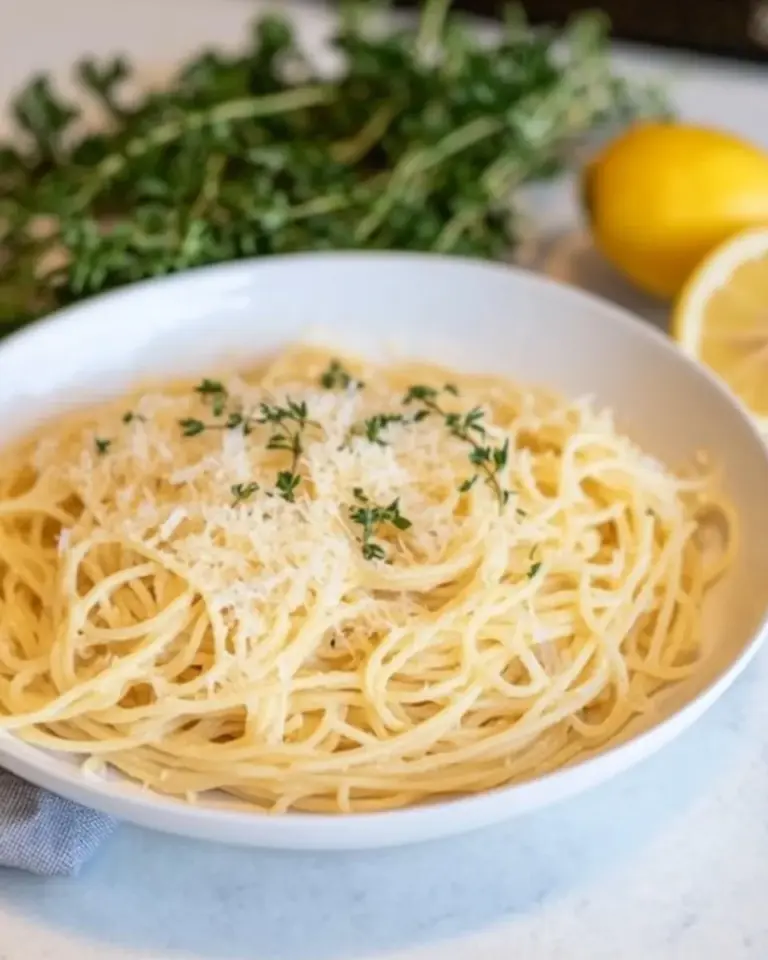
- Serving ideas: Toss this sauce with spaghetti, rigatoni, or pappardelle. Use it as the base for lasagna or baked ziti, or spoon it over polenta for a rustic meal.
Variations
- Vegetable-forward: Brown the meat as directed, then add finely chopped carrots and celery with the onion for a classic soffritto. Cook until softened before adding tomatoes.
- Mushroom boost: Sauté sliced mushrooms with the onion for extra umami and a meaty texture that complements the beef and sausage.
- Herb swap: Replace or supplement Italian seasoning with fresh chopped basil or oregano added at the end for a brighter finish.
- Spicy: Add 1/4–1/2 teaspoon red pepper flakes when you add the dried seasonings for a kicked-up version.
Nutrition and portioning
This recipe makes roughly 6–8 servings depending on portion size and how much you pair it with pasta or other sides. The meat-forward base means it’s fairly protein-rich, while the tomatoes provide vitamin C and lycopene. For lighter meals, thin with a splash of broth and serve over spiralized vegetables instead of pasta.
Storage
- Refrigerator: Store cooled sauce in an airtight container for up to 4 days.
- Freezer: Portion into freezer-safe containers or bags and freeze for up to 3 months. Thaw overnight in the refrigerator and reheat gently on the stovetop.
Final notes
This Spaghetti Sauce Recipe is designed to be reliable, flavorful, and easy to personalize. The combination of ground beef and sausage provides a well-rounded foundation while canned crushed and diced tomatoes keep the method simple without sacrificing texture. Little touches—browning the meat well, blooming the garlic and dried seasonings, and allowing a patient simmer—are what turn basic ingredients into a sauce you’ll reach for again and again.
Enjoy serving this sauce with your favorite pasta shape, a sprinkling of grated cheese, and a crisp side salad for a classic, satisfying meal.
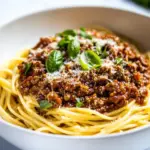
Spaghetti Sauce Recipe
Ingredients
- 1 pound ground beef
- 1/2 pound sausage
- 1 medium onion diced
- 1/2 teaspoon Italian seasoning
- 1 teaspoon kosher salt
- 1/2 teaspoon ground black pepper
- 2 cloves garlic minced (or 1 teaspoon garlic powder or 1/2 teaspoon granulated garlic)
- 26 ounce crushed tomatoes 1 can (26 ounce)
- 14 ounce diced tomatoes 1 can (14 ounce)
- 1 tablespoon Worcestershire sauce or coconut aminos (optional)
- 1 tablespoon granulated sugar or brown sugar or maple syrup (optional)
Instructions
- Heat a large skillet or saucepan over medium-high heat. Add the ground beef and sausage and cook, breaking up the meat, until browned and cooked through, about 6–8 minutes.
- Add the diced onion and minced garlic to the skillet with the meat and cook until the onion is softened, about 3–4 minutes. Drain excess fat if needed, then return the pan to the heat.
- Stir in the Italian seasoning, kosher salt, and ground black pepper until combined.
- Add the crushed tomatoes and diced tomatoes to the skillet and stir to combine. Mix in the Worcestershire sauce if using and the sugar or sweetener if desired. If you prefer a thinner sauce, add up to 1 cup water.
- Bring the sauce to a boil, then reduce the heat to low and simmer gently for 15 minutes to allow flavors to meld.
- Taste and adjust seasoning if needed, then remove from heat and serve over pasta or as desired.
Equipment
- Skillet
Notes
- See the recipe post for variations and suggested substitutions.
- To make ahead: cook the sauce, cool, and refrigerate in an airtight container for up to 4 days.
- To freeze: cool, place in freezer-safe containers, and freeze up to 3 months.
- Thaw overnight in the refrigerator before reheating.
- Reheat on the stove or in the microwave until heated through.