Soy Glazed Salmon
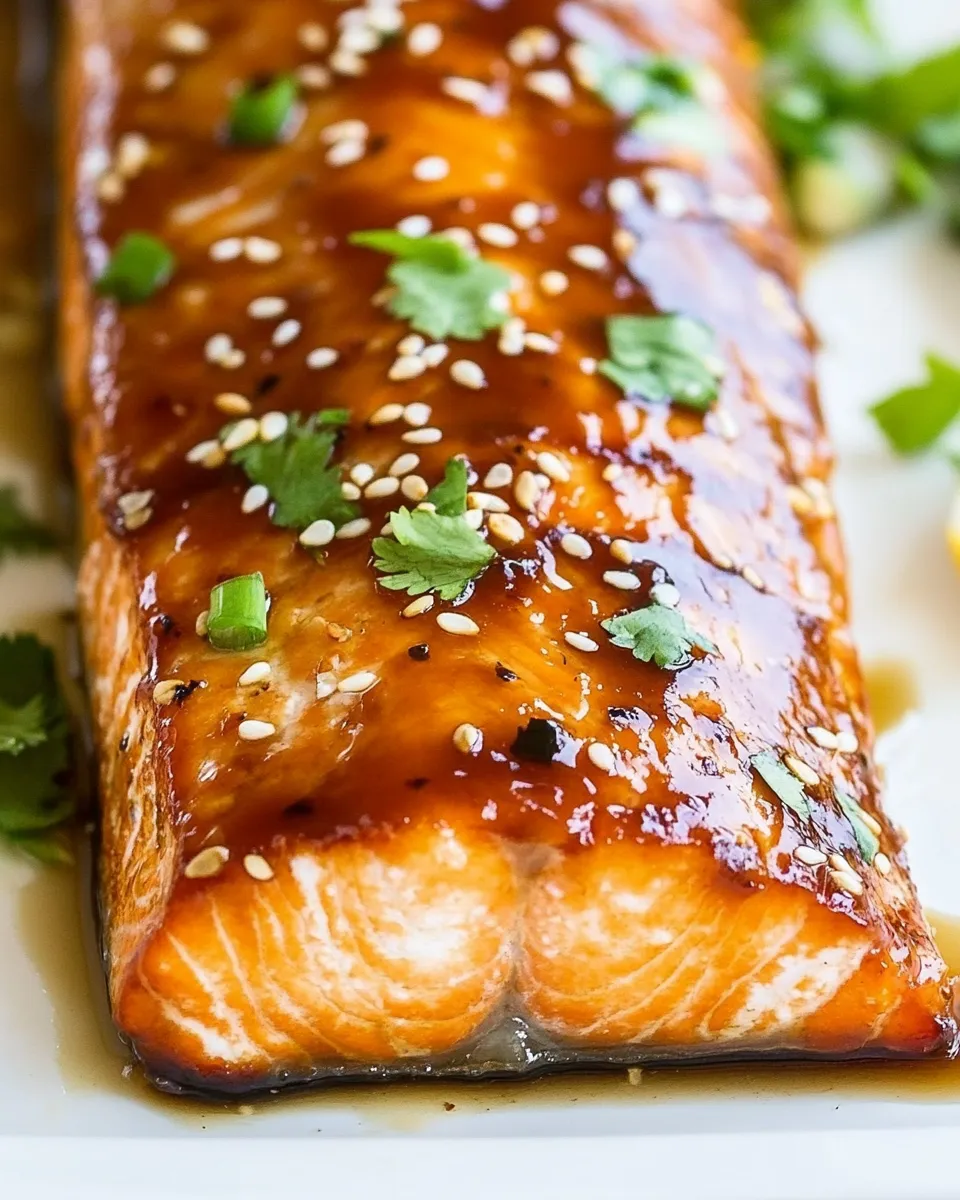
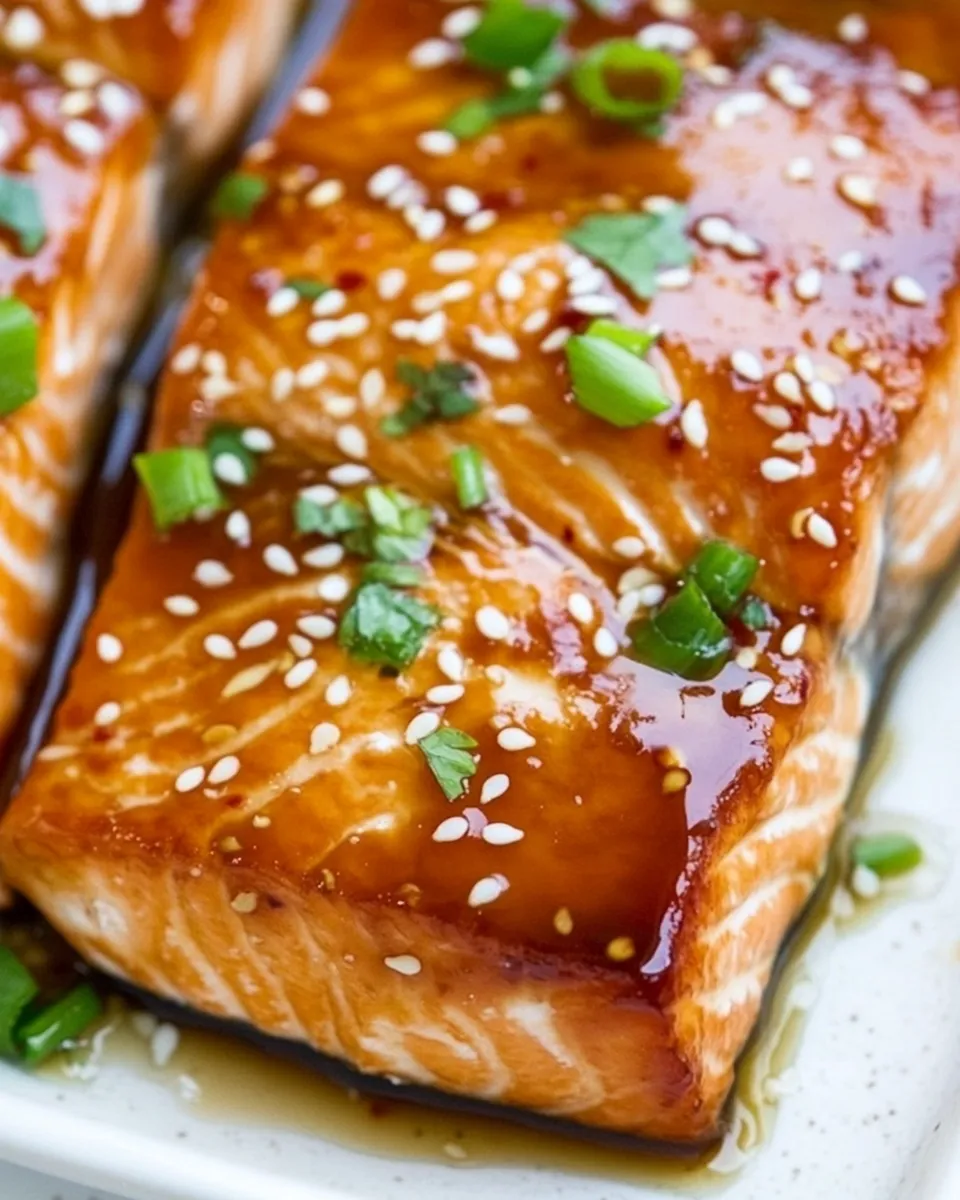
This soy glazed salmon is the kind of weeknight win that looks like you spent hours in the kitchen but really comes together fast. The glaze is salty, slightly sweet, with a whisper of sesame and heat from red pepper flakes. It caramelizes just enough in the oven to give the surface a glossy, tempting finish while keeping the flesh tender and flaky.
I like this recipe because it’s reliable. The steps are few, the ingredients list is short, and it adapts well to what you already have in the pantry. You can serve it over rice, with a simple salad, or alongside roasted vegetables for a balanced dinner that feels thoughtful without being fussy.
Below I walk through what you need, the exact steps, smart swaps, and common mistakes so your salmon comes out perfectly every time. No elaborate technique required—just attention to timing and a good brush of glaze.
What Goes Into Soy Glazed Salmon

Ingredients
- 1 1/2lbs. salmon fillet — The main ingredient; buy a single solid fillet for even cooking.
- 1 tablespoon soy sauce — Adds umami and salt to the glaze; use a regular or low-sodium version to control saltiness.
- 1 tablespoon oyster sauce — Gives depth and a rounded savory sweetness to the glaze.
- 1 tablespoon brown sugar — Helps the glaze caramelize and balances the soy and oyster sauce.
- 1 teaspoon sesame oil — Small but aromatic; adds that toasty sesame character.
- 1/4 teaspoon red pepper flakes — Brings a gentle heat; adjust to taste or omit for no spice.
- white sesame, for garnishing — Toasted or raw, they add crunch and a nutty note at the end.
- chopped parsley, for garnishing — Freshness and color; parsley brightens the finished dish.
Soy Glazed Salmon — Do This Next
- Preheat the oven to 375°F (190°C). Line a baking sheet with parchment paper or aluminum foil.
- Rinse the salmon under cold water and pat dry with paper towels. If the fillet is very large, cut it into two pieces. Place the salmon skin-side down on the prepared baking sheet.
- In a small bowl, combine 1 tablespoon soy sauce, 1 tablespoon oyster sauce, 1 tablespoon brown sugar, 1 teaspoon sesame oil, and 1/4 teaspoon red pepper flakes. Stir until the brown sugar is mostly dissolved and the mixture is well blended.
- Brush the sauce mixture evenly over the top of the salmon fillets.
- Bake in the preheated oven for 15–20 minutes, or until the salmon is cooked through and flakes easily with a fork (about 20 minutes for a 1.5 lb fillet; exact time depends on thickness).
- Remove the salmon from the oven, sprinkle with white sesame and chopped parsley, and serve immediately.
Why Soy Glazed Salmon is Worth Your Time
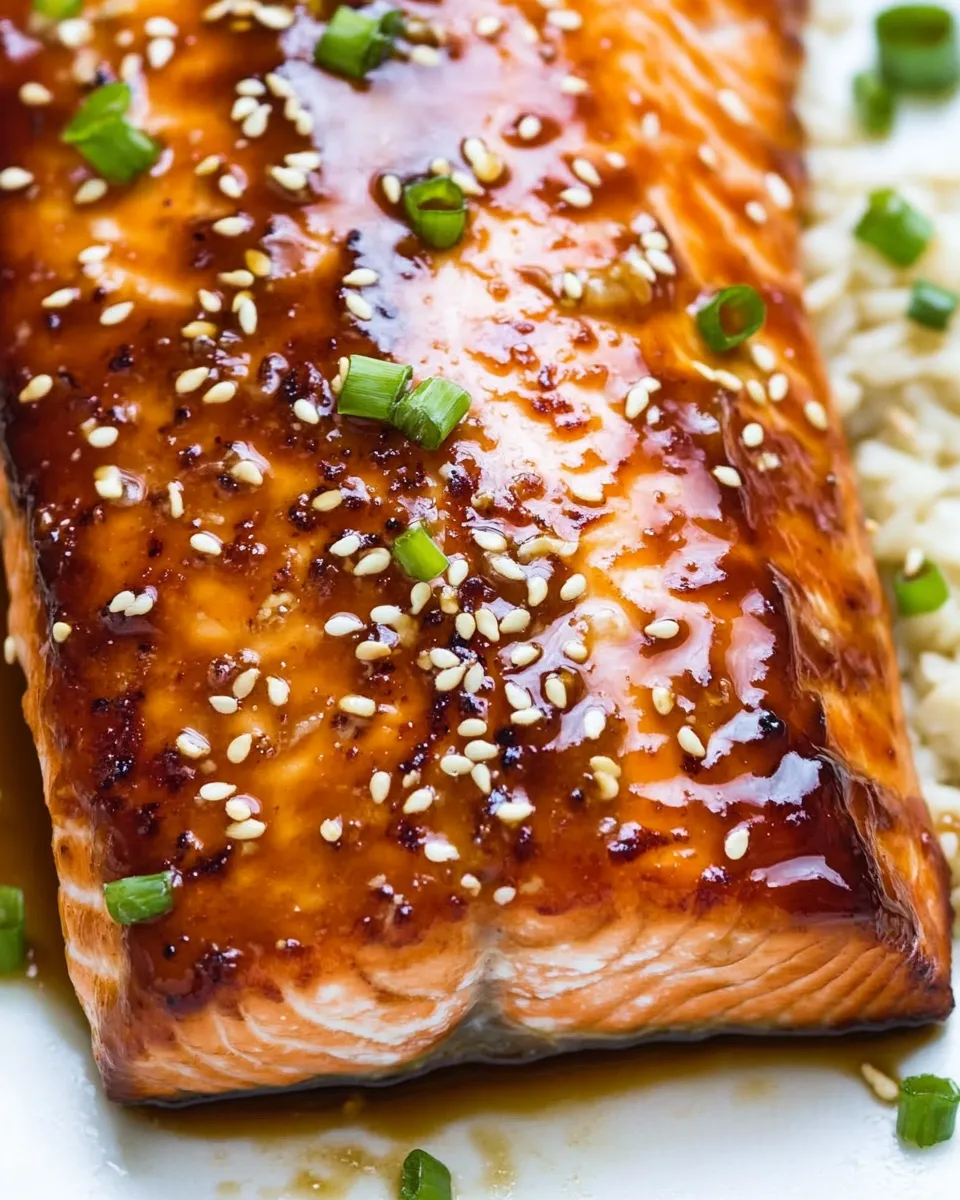
This recipe gives you a dinner that looks and tastes elevated with minimal effort. The glaze uses pantry staples but behaves like a restaurant-style sauce: it melts into the top layer of the fish, concentrates as it bakes, and leaves a glossy finish that reads as intentional.
Salmon itself is forgiving. It tolerates slightly higher heat and will stay moist when you remove it from the oven as soon as it flakes easily. That means less babysitting and more time at the table. The balance of sweet, salty and a touch of heat makes it broadly appealing, so it’s great for family dinners or when you want something impressively simple for guests.
Finally, the short ingredient list makes this approachable for anyone who cooks. You don’t need special tools or long prep—just a saucepan, a baking sheet, and a brush or spoon to glaze the fillet.
Swap Guide
- Soy sauce — Use low-sodium soy sauce if you’re watching salt. Tamari works as a gluten-free alternative; the flavor is slightly richer.
- Oyster sauce — If you don’t have oyster sauce, a teaspoon of hoisin can work in a pinch, though the flavor shifts sweeter. For a vegetarian option, use mushroom-based stir-fry sauce.
- Brown sugar — Replace with coconut sugar for a less processed option; honey or maple syrup will change the texture of the glaze slightly but still caramelize well.
- Sesame oil — Toasted sesame oil brings distinct flavor; if you only have plain oil, omit it and finish with a sprinkle of toasted sesame seeds for some of that nuttiness.
- Red pepper flakes — Swap with a pinch of cayenne or a few drops of hot sauce if you prefer liquid heat.
- Garnishes — Swap parsley for cilantro if you prefer its brightness; scallions are also a great finishing touch and add green color.
Toolbox for This Recipe
Must-have tools
- Baking sheet — Choose rimmed to catch juices; lining it makes cleanup easy.
- Parchment paper or aluminum foil — Prevents sticking and helps with cleanup.
- Small bowl and spoon — For mixing the glaze evenly.
- Pastry brush or spoon — To spread the glaze across the fillet.
- Paper towels — To pat the salmon dry before seasoning.
Nice-to-have extras
- Instant-read thermometer — Helpful if you prefer precise doneness (salmon is done at 125–135°F depending on desired doneness).
- Oven-safe wire rack — Elevates the fillet for air circulation, though not necessary for this recipe.
Mistakes That Ruin Soy Glazed Salmon
- Skipping the dry pat — Not drying the salmon before glazing prevents the glaze from adhering and can mean less caramelization.
- Overbaking — Leaving the salmon in too long is the most common error; it turns dry fast. Start checking at the lower end of the time range.
- Using too much glaze — A thick puddle of glaze can burn in the oven. Brush evenly and avoid pooling at the edges of the baking sheet.
- Not tasting sauces — Soy and oyster sauces vary in saltiness. If yours are particularly salty, reduce the amount of soy sauce slightly or use low-sodium soy.
- Skipping garnish — The final sesame and parsley aren’t just decorative; they add texture and brightness that balance the glaze.
Warm & Cool Weather Spins
In cooler months, serve the salmon alongside warm sides that hold up to the glaze: steamed rice, buttered orzo, or roasted root vegetables. A spoonful of the leftover glaze warmed and drizzled over roasted Brussels sprouts or carrots ties the meal together.
When it’s warm out, keep things light. Serve the salmon over a chilled cucumber and radish salad or on top of a bed of mixed greens with a touch of vinaigrette. The glaze still sings, but the contrast with cool, crisp vegetables makes the dish feel summery.
For outdoor gatherings, you can adapt the glaze and finish the salmon on the grill. Brush the sauce on in the final minutes of cooking and watch it caramelize over direct heat—just don’t let it sit in the marinade too long or the sugars will burn faster on a high flame.
Method to the Madness
There’s a simple method behind the glossy finish: salt and sugar work together. The soy and oyster sauce season and tenderize slightly, while the brown sugar caramelizes during baking creating that attractive sheen. Sesame oil is added last because a little goes a long way; it’s potent and aromatic, so measure carefully.
Timing matters more than technique with this recipe. The oven does most of the work. A 1.5 lb fillet typically finishes in about 20 minutes at 375°F, but the thickness of the fillet is the real timer—flaky texture and a fork test beat any clock. If you use an instant-read thermometer, aim for around 125°F if you like it medium-rare in the middle, or 135°F for fully cooked but still moist.
Brush on the glaze right before baking; this keeps the sugars exposed to heat and helps them concentrate on the top surface. If you like more glaze, reserve a small amount to brush on immediately after the salmon comes out of the oven so it glazes without burning.
Keep-It-Fresh Plan
Cooked salmon stores well for quick lunches or a second dinner. Cool the fillet to room temperature for no more than two hours, then transfer to an airtight container and refrigerate. It will keep for up to 3 days.
To reheat without drying it out, use a low oven (275–300°F) for 10–12 minutes or until warmed through. You can also reheat gently in a skillet over low heat with a splash of water or broth and a lid on to create steam. Microwaving works in a pinch—cover the fish and heat in short bursts—but it can change the texture.
If you want to prep ahead, make the glaze and store it in a small container in the fridge for up to 3 days. Brush it on at the last minute before baking for the freshest flavor and best texture.
Reader Questions
Q: Can I use individual portions instead of a whole fillet? A: Yes. If you split the fillet into portions, check them closer to 12–15 minutes of oven time. Thin pieces cook faster, so use the fork test.
Q: Can this be made gluten-free? A: Yes—swap regular soy sauce for tamari and check that the oyster sauce is gluten-free (some are not). There are gluten-free mushroom-based stir-fry sauces that work if oyster sauce is a concern.
Q: What if I don’t like oyster sauce? A: You can omit it; the glaze will be less complex but still tasty. Consider adding a touch of fish sauce if you want a similar depth, but use sparingly—fish sauce is very salty.
Q: Is the recipe safe for meal prep? A: Absolutely. Portion the cooked salmon over rice or salads. Keep dressings separate until serving to prevent sogginess.
See You at the Table
This soy glazed salmon is one of those dependable recipes you return to when you want something that feels special without the effort. It rewards simple technique with bold flavor, and it’s forgiving—perfect for weeknights and simple entertaining alike.
Try it once exactly as written to learn how long your oven takes with your fillet thickness, then adapt the heat and garnish to your taste. I hope it becomes a staple in your rotation; serve it with a side you love and enjoy the compliments.
Soy Glazed Salmon
Ingredients
Ingredients
- 1 1/2 lbs.salmon fillet
- 1 tablespoonsoy sauce
- 1 tablespoonoyster sauce
- 1 tablespoonbrown sugar
- 1 teaspoonsesame oil
- 1/4 teaspoonred pepper flakes
- white sesame for garnishing
- chopped parsley for garnishing
Instructions
Instructions
- Preheat the oven to 375°F (190°C). Line a baking sheet with parchment paper or aluminum foil.
- Rinse the salmon under cold water and pat dry with paper towels. If the fillet is very large, cut it into two pieces. Place the salmon skin-side down on the prepared baking sheet.
- In a small bowl, combine 1 tablespoon soy sauce, 1 tablespoon oyster sauce, 1 tablespoon brown sugar, 1 teaspoon sesame oil, and 1/4 teaspoon red pepper flakes. Stir until the brown sugar is mostly dissolved and the mixture is well blended.
- Brush the sauce mixture evenly over the top of the salmon fillets.
- Bake in the preheated oven for 15–20 minutes, or until the salmon is cooked through and flakes easily with a fork (about 20 minutes for a 1.5 lb fillet; exact time depends on thickness).
- Remove the salmon from the oven, sprinkle with white sesame and chopped parsley, and serve immediately.
Equipment
- Oven
- Baking Sheet
- Parchment paper or aluminum foil
- Small Bowl
Notes
I don’t cover the salmon while baking because the glaze needs time to thicken and caramelize. Covering it would prevent that from happening in just 20 minutes.
I’m careful not to overcook the salmon—it should be tender and flaky, not dry. I take it out of the oven when the internal temperature is close to 145°F.
Another way I check for doneness is by gently flaking the salmon with a fork. If it flakes easily, it’s ready to come out of the oven.