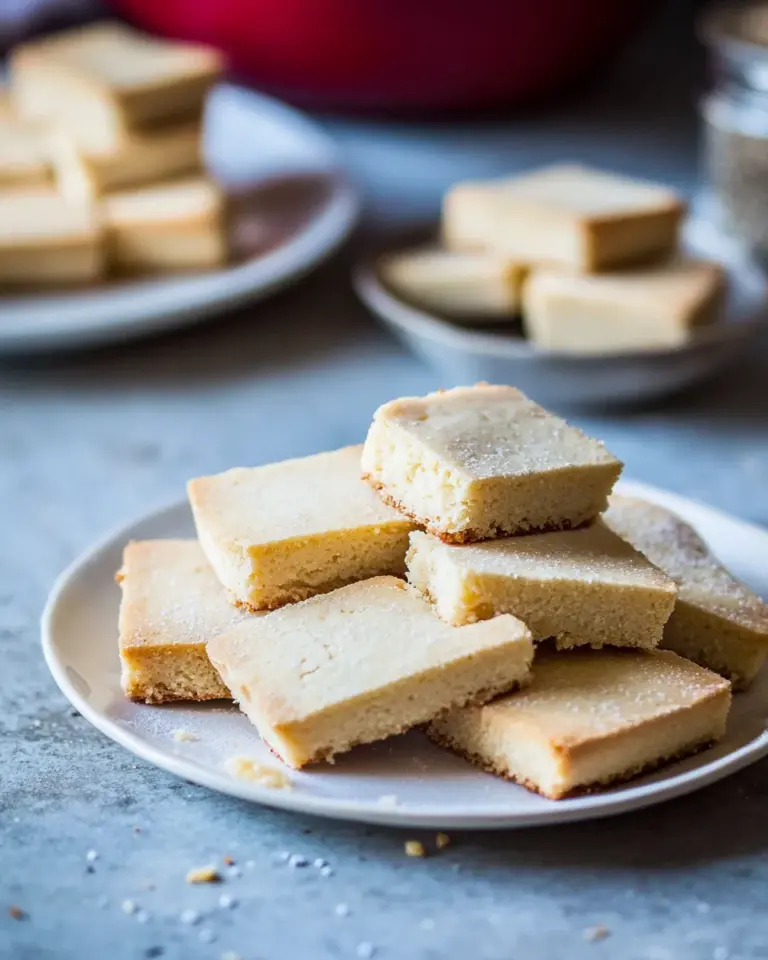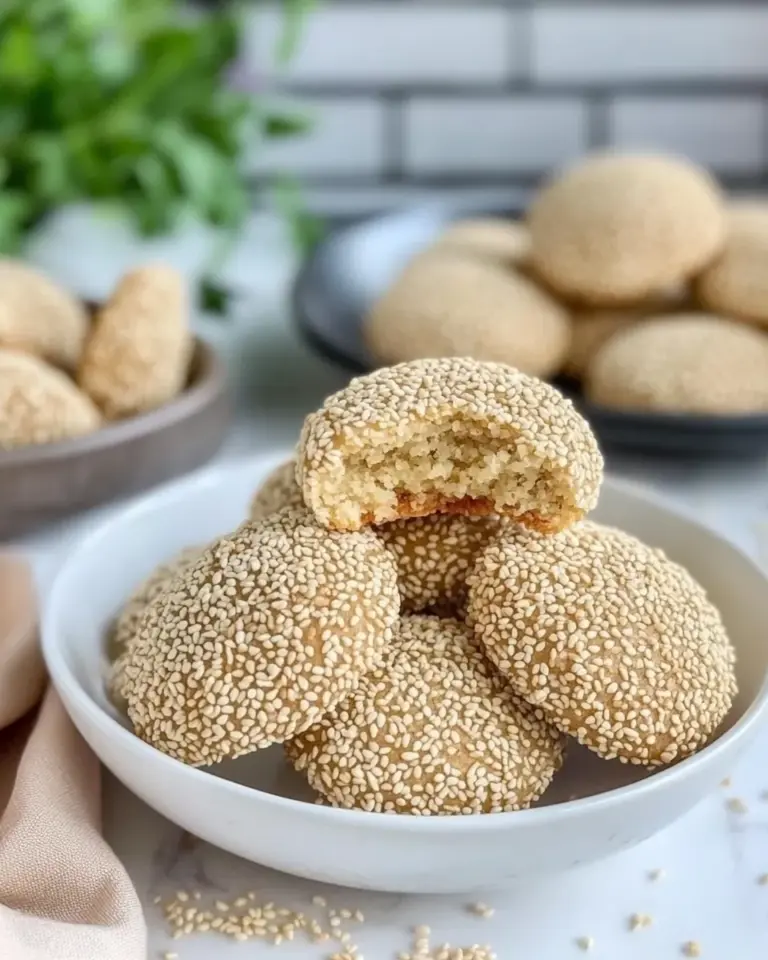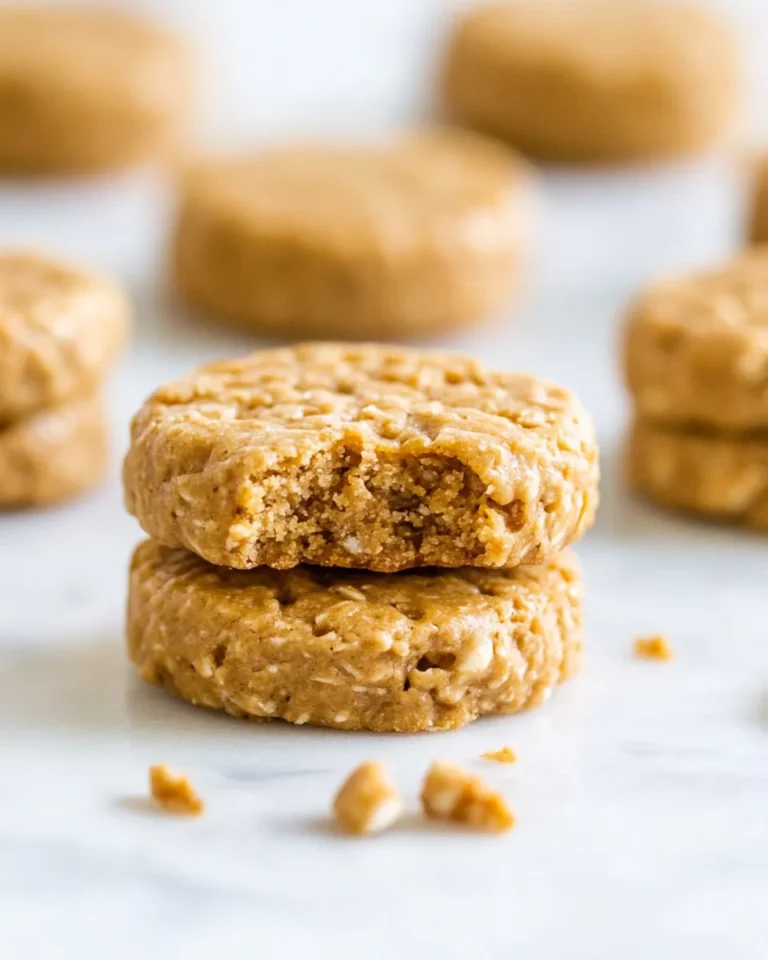
Single Serve Jumbo Chocolate Chip Cookie (Low Carb)
This is the single-serve, jumbo chocolate chip cookie I turn to when I want something warm, satisfying, and low carb without the loaf-maker fuss. It comes together in a few minutes, bakes in under 20, and gives you a soft, slightly crisp-edged cookie with melty sugar-free chips. It’s genuinely the easiest way to quiet a sweet craving without derailing the day.
I tested the proportions to keep the texture balanced with almond flour and a tiny amount of egg—measuring the whisked egg by teaspoons keeps the cookie from getting too eggy or too dry. The recipe uses simple pantry staples and a single small baking surface, so cleanup is minimal. If you eat low carb or just want a smaller treat that still feels indulgent, this is for you.
Below I walk you through the essentials, the exact step-by-step bake, smart swaps that are allowed by the source ingredients, troubleshooting tips, and storage notes so your single cookie can taste as good later as it does straight from the oven.
The Essentials

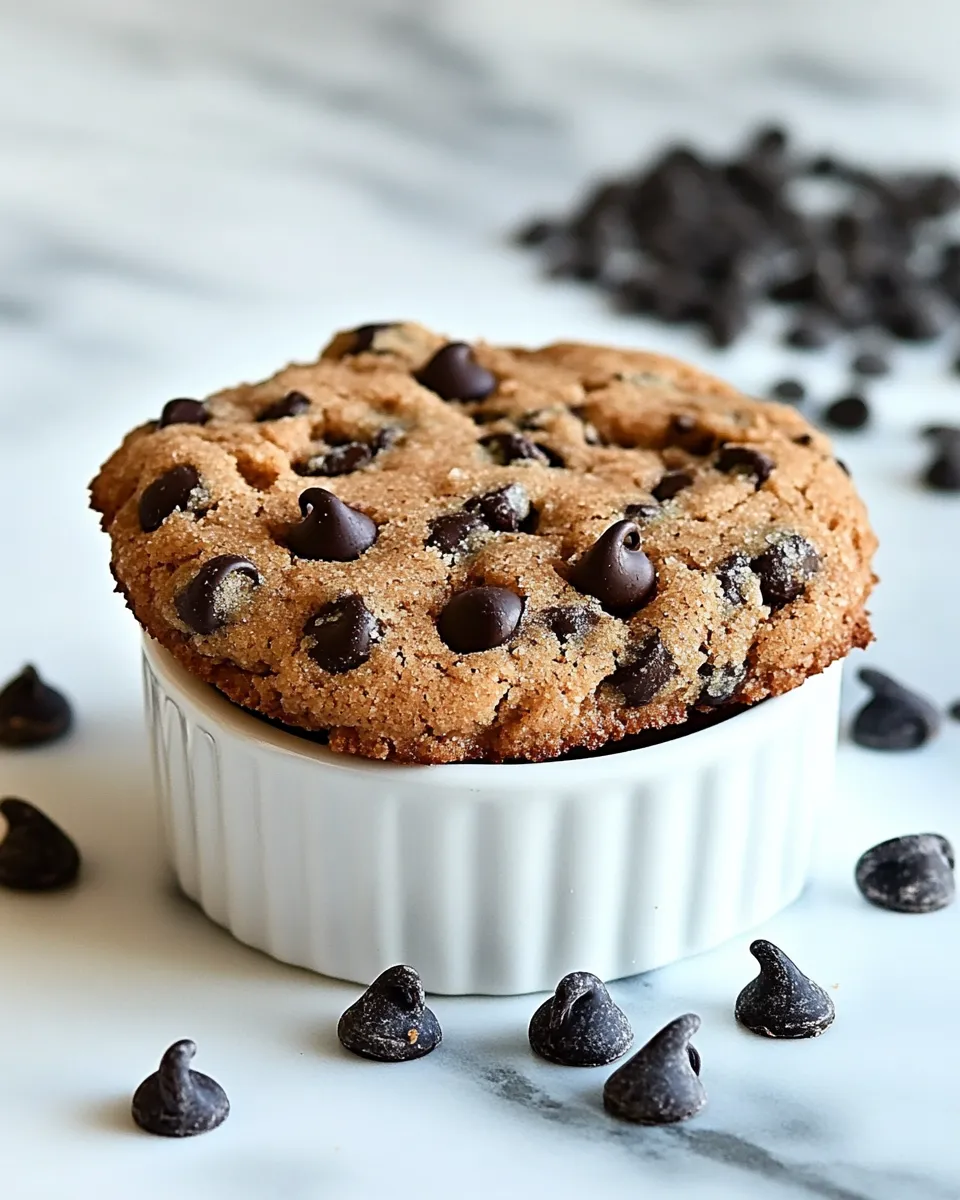
What this is: A single, jumbo-sized chocolate chip cookie made low carb by using almond flour and a granulated sweetener. It’s designed for one portion and bakes in a small baking dish or on a small sheet. The texture should be creamy and tender in the center with lightly golden edges.
Yield and timing: This recipe makes one cookie. Preheat and bake times are given in the steps—plan roughly 20–30 minutes from start to finish including prep and preheating. The oven temperature is 176°C (350°F), which the instructions specify.
Who it’s for: Someone wanting a quick, portion-controlled dessert that’s friendly for low-carb eating when you use the recommended sweetener and sugar-free chips. If you’re not low carb, the ingredient notes include a swap to use white sugar.
Ingredients
- 1 tablespoon butter, melted — provides fat for richness and helps create tender edges.
- 2 teaspoons of 1 lightly whisked egg* See Notes — acts as the binder; measure precisely for the right texture.
- 2 teaspoons granulated sweetener — sweetens without carbs; or sub with white sugar for non-low carb.
- 1 teaspoon coconut sugar — adds a touch of caramel flavor; brown sugar is an acceptable substitute.
- 1/4 teaspoon pure vanilla extract — flavor booster; don’t skip if you can help it.
- 1/3 cup almond flour — the structural base; if substituting with plain or all-purpose flour, add an extra pinch of baking powder (see Notes).
- 2 tablespoons sugar-free chocolate chips — the melty chocolate pockets; fold in evenly.
- 1 pinch sea salt flakes to sprinkle — optional finish that brightens flavor.
From Start to Finish: Single Serve Jumbo Chocolate Chip Cookie (Low Carb)
- Preheat the oven to 176°C (350°F). Prepare a small baking surface: line a small baking sheet with parchment or lightly grease a small ovenproof dish.
- Crack 1 egg into a small bowl and lightly whisk just until combined.
- Measure 2 teaspoons of the lightly whisked egg and put that measured egg into a separate mixing bowl (discard or reserve the remaining egg for another use).
- Add 1 tablespoon melted butter, 2 teaspoons granulated sweetener, 1 teaspoon coconut (or brown) sugar, and 1/4 teaspoon pure vanilla extract to the measured 2 teaspoons of egg. Whisk until the mixture is smooth and combined.
- Add 1/3 cup almond flour to the wet mixture. Stir or fold gently until the flour is fully incorporated and the batter is creamy.
- Fold in 2 tablespoons sugar-free chocolate chips until evenly distributed.
- Spoon the batter onto the prepared baking sheet or into the ovenproof dish as one single, round cookie mound.
- Bake in the preheated oven 15–20 minutes, until the edges are golden brown and the center is set.
- Remove from oven and allow the cookie to cool until it reaches your preferred eating temperature. Sprinkle with a pinch of sea salt flakes, if using.
Why I Love This Recipe
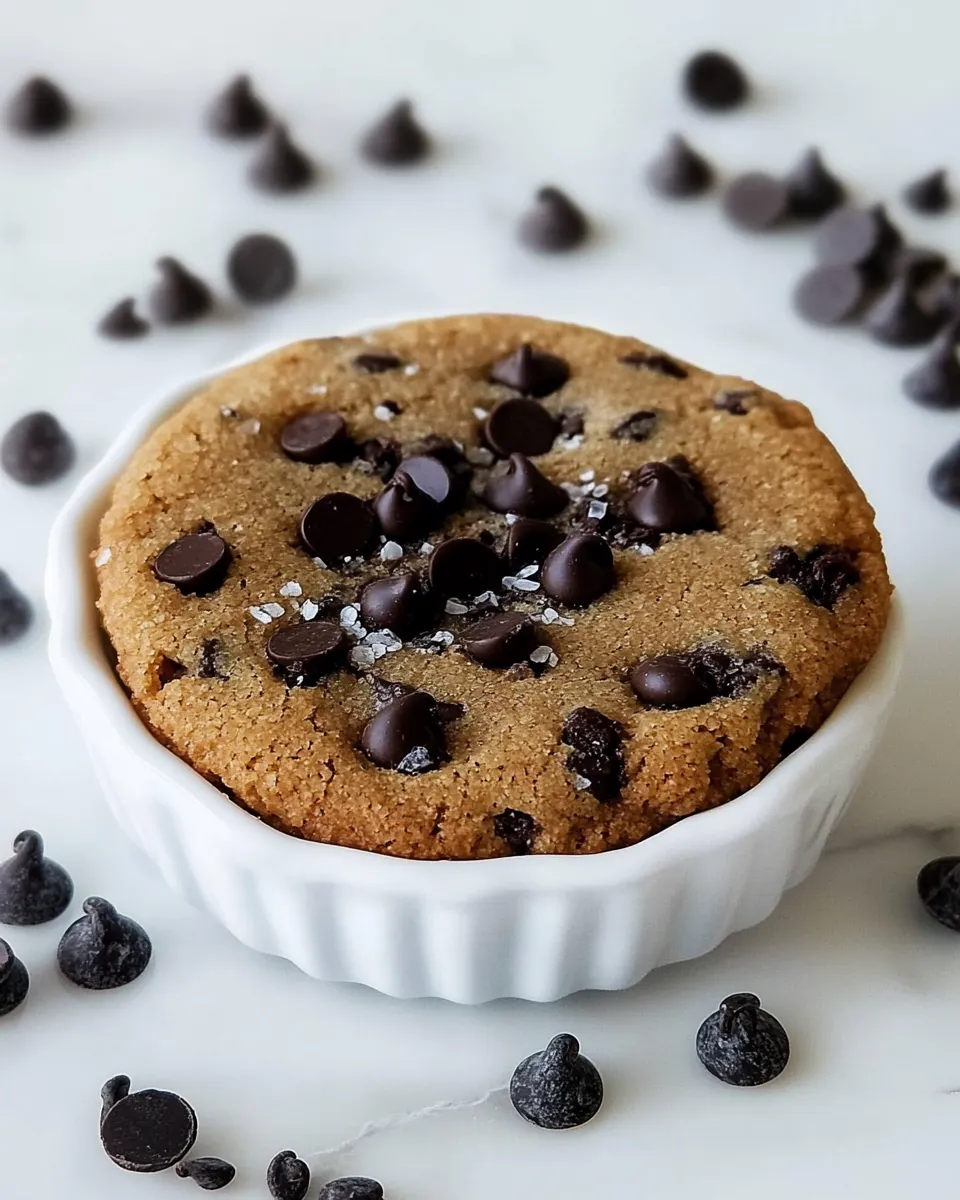
I love this cookie because it’s honest and deliberate—no bulky batches, no guessing on egg volume, and no complicated ingredient lists. You get a true single-serve dessert that feels homemade. It’s also adaptable in small, safe ways spelled out in the ingredients: the sugar options and the almond flour swap give you flexibility without guessing at proportions.
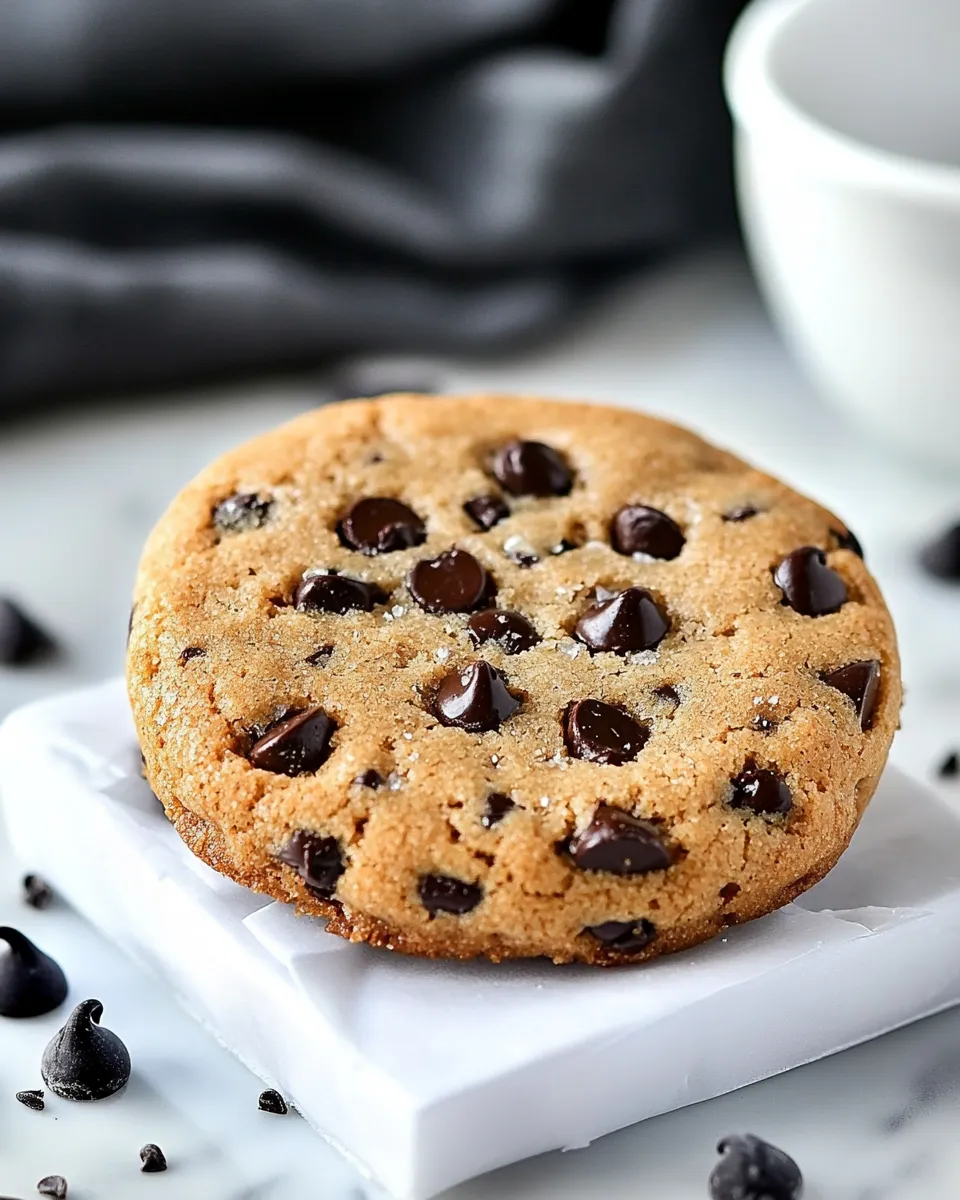
Texture-wise, it hits the comforting balance: soft and slightly chewy center, golden outer edge. The use of a measured portion of a whisked egg is the subtle trick here—too much egg and the cookie becomes cakey; too little and it’s crumbly. The recipe’s tiny details prioritize that ideal outcome.
If You’re Out Of…
If you don’t have exactly what’s listed, you can use the swaps explicitly mentioned in the ingredients:
- If you don’t have granulated sweetener, sub with white sugar for a non-low-carb version.
- If you prefer a deeper, more toffee-like flavor, use brown sugar in place of the coconut sugar (that swap is already noted in the ingredient list).
- If you don’t have almond flour, you can substitute plain or all-purpose flour — add a pinch of baking powder to help the texture (this substitution is called out in the ingredient note).
- If you’re out of sea salt flakes, skip the sprinkle—your cookie will still be fine, just a bit less bright on the finish.
Gear Up: What to Grab
- Small mixing bowl for whisking the egg.
- Separate small bowl for measuring the 2 teaspoons of whisked egg.
- Spoon or small spatula for folding and transferring batter.
- Small baking sheet or small ovenproof dish (lined or greased).
- Measuring spoons and a 1/3 cup measure for almond flour.
Watch Outs & How to Fix
Underbaking vs. overbaking: The window is 15–20 minutes. At 15 minutes the center may still be very soft but set; at 20 minutes it will be firmer and more golden. If you want a softer center, err on the lower end, remembering the cookie will continue to set slightly as it cools.
Egg measurement: The recipe hinges on measuring 2 teaspoons of a lightly whisked egg. If you eyeball too much egg into the batter, the cookie can become overly wet or eggy. If you suspect you added too much, add a teaspoon or so more almond flour, stir, and adjust only if the batter feels too loose.
Dry, crumbly cookie: That usually means not enough fat or egg. Ensure your butter is fully melted and measured, and that you used the 2 teaspoons of whisked egg as specified. If the batter looks dry before you fold in chips, add a tiny drop of melted butter or a quick splash of liquid (water or dairy) and stir to reach a creamy consistency.
Flat, greasy cookie: If the butter was too hot when added, it can thin the batter. Let melted butter cool slightly before whisking into the egg and sweeteners. Also, almond flour absorbs differently—if you packed your cup when measuring, you might need a hair less; if it seems too greasy, add a touch more almond flour.
Holiday & Seasonal Touches
Fall: Use the coconut/brown sugar option for a warmer, caramel note that feels autumnal. A small pinch of cinnamon mixed into the almond flour (a light touch) will call to pumpkin-spice season without overwhelming the chocolate.
Winter: Swap the vanilla for a drop of almond extract (if you have it) alongside the vanilla for a cozy, nutty aroma—though the ingredient list calls only for vanilla, keeping additions minimal preserves the single-serve simplicity.
Summer: Serve the cookie slightly warm with a scoop of low-carb-friendly cream or a spoonful of plain Greek yogurt if you’re not strictly low carb. You can also fold more chocolate chips for extra melty pockets.
Pro Tips & Notes
Egg note: The recipe explicitly asks you to crack one egg and lightly whisk, then measure out exactly 2 teaspoons from that whisked egg. Save the remaining egg portion for another small use like an omelet or a batch of mini muffins. This measured approach keeps the cookie from becoming too egg-dense.
Almond flour handling: Almond flour can vary in coarseness. Spoon it gently into your measuring cup rather than packing it down. If your batter seems stiff, a drop more melted butter or a tiny splash of milk will loosen it; if it’s too loose, add a pinch more almond flour.
Chocolate chips: Sugar-free chocolate chips are called for in the source. If you use regular chips (and the white sugar swap), the bake time remains the same, but the flavor and carb profile will differ.
Cooling: Letting the cookie cool a little improves texture and prevents the center from collapsing. If you like a molten center, eat sooner; if you want more structure, allow 10–15 minutes cooling.
Storage Pro Tips
Room temperature: If you expect to eat the single cookie within a day, wrap it loosely in parchment or place it in an airtight container at room temperature for several hours. It’s best eaten within the first day for peak texture.
Refrigeration: For up to 3 days, refrigerate in an airtight container. The cookie will firm up; warm gently in the microwave for 8–12 seconds to soften before eating.
Freezing: You can freeze the cooled cookie in a sealed bag or container for up to a month. Thaw at room temperature or microwave for 15–20 seconds to return it to a freshly-baked feel.
Quick Q&A
Q: Can I double the recipe to make two cookies?
A: Yes, you can double the ingredients, but treat each cookie as its own mound and bake on a larger sheet or separate dishes so they don’t spread into each other. Keep an eye on bake time—two cookies in the oven usually finish around the same time, but spacing and dish size can affect timing.
Q: Can I skip the chocolate chips?
A: Yes. The batter will still bake into a pleasant, mildly sweet cookie. Consider a sprinkle of cinnamon or just the pinch of sea salt to finish it so it doesn’t taste flat.
Q: I only have whole eggs—do I need to separate and whisk a special way?
A: No special method—just lightly whisk a whole egg in a small bowl and measure 2 teaspoons from the whisked egg into your mixing bowl as the recipe states.
Hungry for More?
If you liked this single-serve approach, try adapting other baked treats into portioned sizes with the same tactic: measure a small portion of egg when needed, prefer nut flours for low-carb texture, and fold in sugar-free chips for melty pockets. Keep a few small baking dishes on hand; they’ll open up a world of one-off desserts that feel indulgent and manageable.
Thanks for stopping by—this cookie is one I make on busy nights. It’s fast, forgiving when you follow the key measurements, and just large enough to feel like a treat without encouraging second helpings. Enjoy.

Single Serve Jumbo Chocolate Chip Cookie (Low Carb)
Ingredients
Ingredients
- 1 tablespoonbuttermelted
- 2 teaspoonsof 1 lightly whisked egg*See Notes
- 2 teaspoonsgranulated sweeteneror sub with white sugar for non-low carb
- 1 teaspooncoconut sugaror brown sugar
- 1/4 teaspoonpure vanilla extract
- 1/3 cupalmond flouror substitute with plain or all purpose flour plus extra pinch baking powder
- 2 tablespoonssugar free chocolate chips
- 1 pinchsea salt flakes to sprinkleoptional
Instructions
Instructions
- Preheat the oven to 176°C (350°F). Prepare a small baking surface: line a small baking sheet with parchment or lightly grease a small ovenproof dish.
- Crack 1 egg into a small bowl and lightly whisk just until combined.
- Measure 2 teaspoons of the lightly whisked egg and put that measured egg into a separate mixing bowl (discard or reserve the remaining egg for another use).
- Add 1 tablespoon melted butter, 2 teaspoons granulated sweetener, 1 teaspoon coconut (or brown) sugar, and 1/4 teaspoon pure vanilla extract to the measured 2 teaspoons of egg. Whisk until the mixture is smooth and combined.
- Add 1/3 cup almond flour to the wet mixture. Stir or fold gently until the flour is fully incorporated and the batter is creamy.
- Fold in 2 tablespoons sugar-free chocolate chips until evenly distributed.
- Spoon the batter onto the prepared baking sheet or into the ovenproof dish as one single, round cookie mound.
- Bake in the preheated oven 15–20 minutes, until the edges are golden brown and the center is set.
- Remove from oven and allow the cookie to cool until it reaches your preferred eating temperature. Sprinkle with a pinch of sea salt flakes, if using.
Equipment
- Oven
- small baking sheet
- Parchment Paper
- small ovenproof dish
- Small Bowl
- Mixing Bowl
- Measuring Spoons
Notes
*When recipe testing, I found the best outcome was to use 2 teaspoons of 1 whisked egg. You can try to use egg whites, however the fat content in the yolk helped crisp the edges. Reserve the rest of the whisked eggs for scrambled eggs or an omelette!