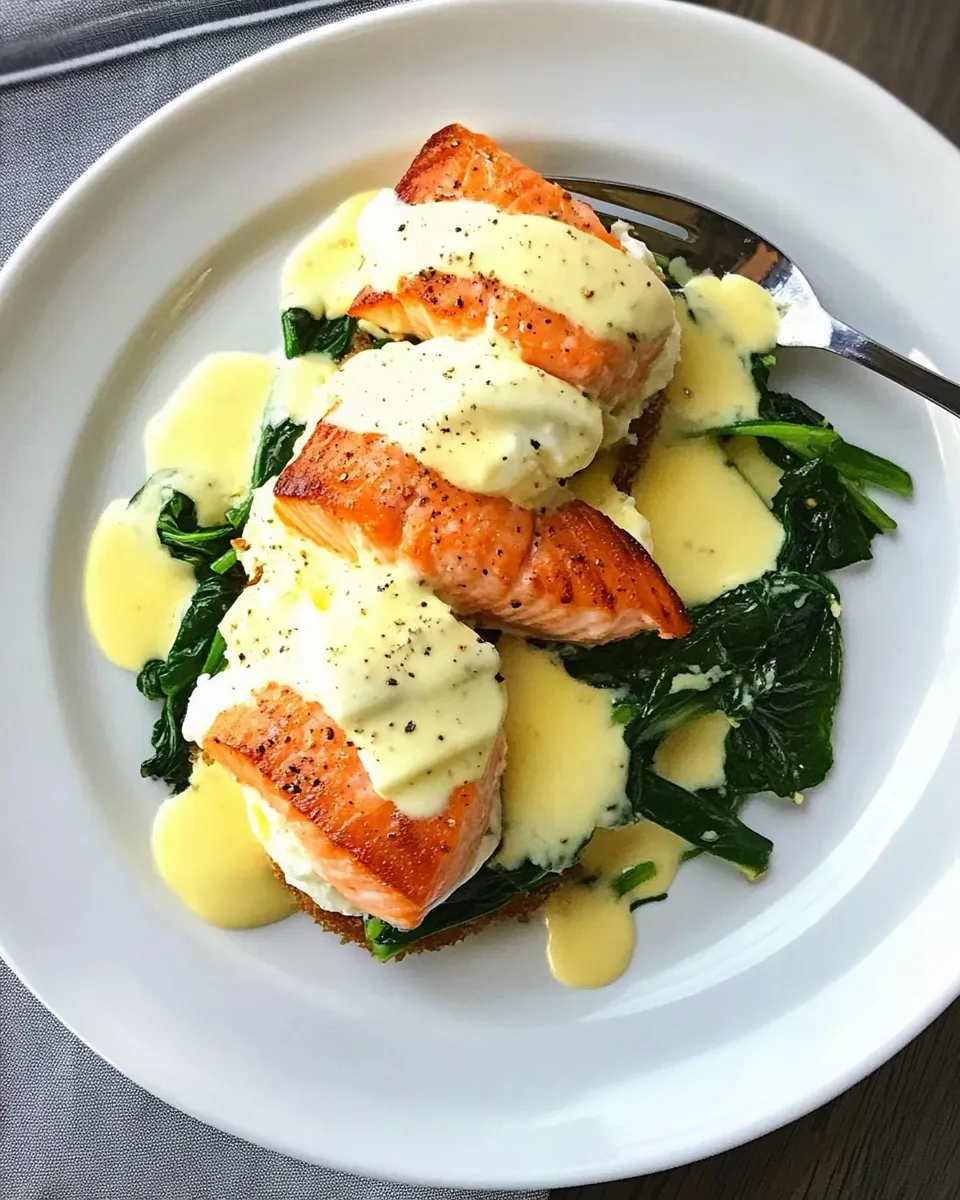
Salmon Eggs Benedict
This is my go-to brunch when I want something that looks indulgent but comes together with clear steps. It’s built on a few straightforward components: steamed spinach to anchor the plate, broiled salmon for richness, gently poached eggs for silk, and hollandaise to tie it all together. No complicated sauce-making tricks are required if you keep things organized.
I like recipes that respect real life: you can prep parts ahead, keep things warm, and assemble quickly so guests get eggs that are runny and plates that aren’t soggy. I’ll walk you through every part you actually need to think about, and point out what to do if something threatens to go off the rails.
If you love a classic Eggs Benedict but want that smoky, savory salmon profile instead of Canadian bacon, this is the dish for you. The steps below stick strictly to the ingredients and directions you already have, with practical notes to simplify the process and help you plate like a pro.
Ingredients

- 8–9 ounces spinach, steamed — drain thoroughly to prevent watery plates; the spinach forms the base and keeps runny yolks from spreading everywhere.
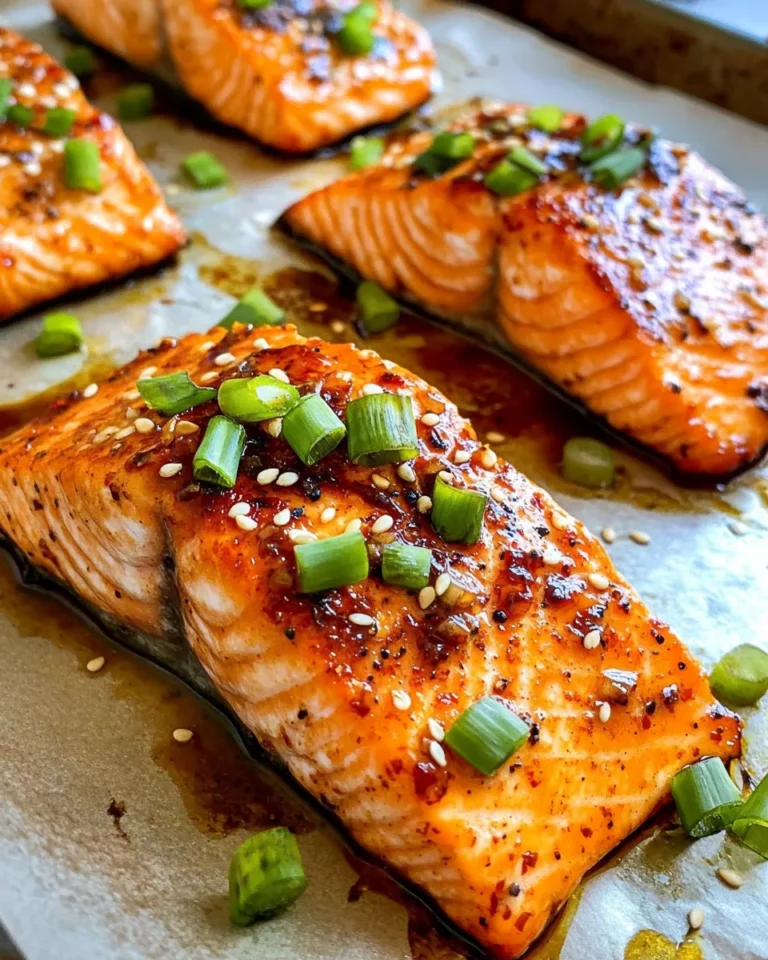
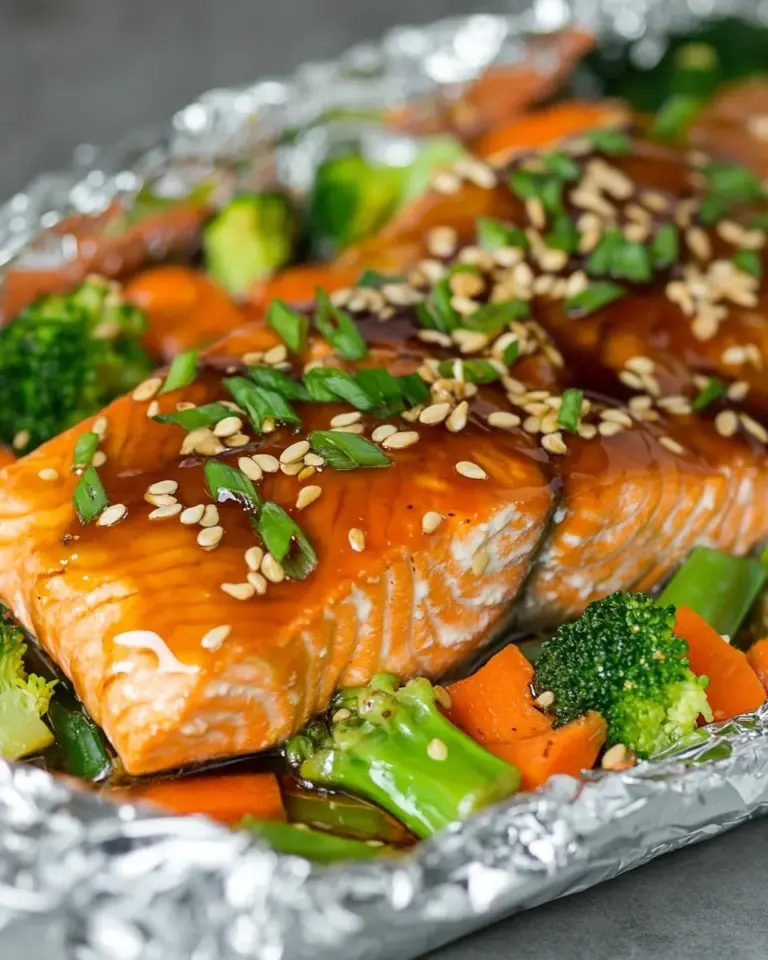
- salmon steaks, broiled — flake or break into portions after broiling; they provide the main savory protein and texture contrast.
- 4 eggs, poached — cook to your preferred doneness (about 3–4 minutes gives a runny yolk); they crown each portion.
- hollandaise sauce — spoon over the eggs for richness and a classic finish; warm, silky hollandaise complements both salmon and egg.
- salt and pepper — to taste; simple seasoning at the end brightens the whole plate.
The Essentials
At its heart this dish is about balance: a tender bed of spinach, a firm-but-flaky salmon layer, and a delicate poached egg wrapped in glossy hollandaise. Each component is short on ingredients and big on technique. Treat the spinach and salmon as the hearty base, and time the poaching and saucing so everything reaches the plate hot.
Don’t overcomplicate equipment. A wide, shallow pan for poaching, a sieve or towel for squeezing the spinach, and a slotted spoon are the real must-haves. If you keep those close and work in a steady sequence, assembly is fast and the result feels polished.
Serving suggestion: plan for one salmon portion and one egg per person; the given instructions break the salmon and spinach into four equal portions. Salt and pepper at the end—just enough to lift flavors without masking the hollandaise.
Salmon Eggs Benedict in Steps
- Drain the steamed spinach (8–9 ounces) thoroughly: place in a fine-mesh sieve or on several layers of paper towels and press or squeeze out as much excess water as possible. Transfer the drained spinach to a bowl.
- Break or flake the broiled salmon steaks into pieces and divide the salmon evenly into four portions. Keep warm or set aside.
- Poach the 4 eggs: bring a wide, shallow pan of water to a gentle simmer, slip each egg into the water (one at a time), and cook until the whites are set and yolks reach your desired doneness (about 3–4 minutes for runny yolks). Remove eggs with a slotted spoon and drain briefly on paper towels.
- Divide the drained spinach into four equal portions and place one portion on each serving plate, forming a nest or flat layer.
- Top each spinach portion with one portion of the broiled salmon, then place one poached egg on top of each salmon portion.
- Spoon hollandaise sauce over each egg and season with salt and pepper to taste. Serve immediately.
Why Cooks Rave About It
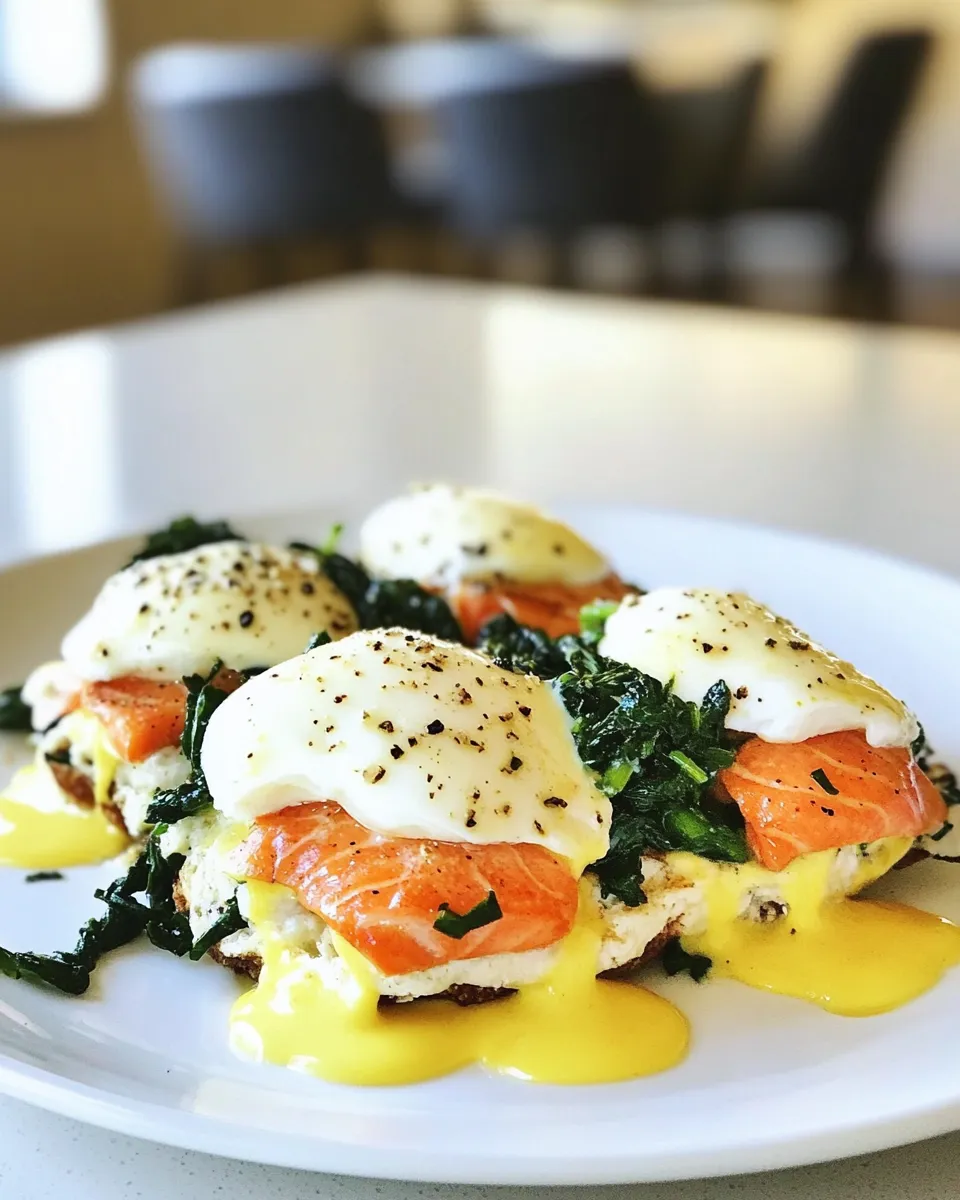
This version of Eggs Benedict keeps the classic’s best parts and swaps a thin, salty swipe for a richer, meatier element: salmon. The fish adds substance without heaviness; when broiled and flaked, it sits nicely under a poached egg and doesn’t compete with the hollandaise.
Texturally it’s spot on. The steamed spinach adds a mild, leafy cushion and soaks up some sauce; the salmon offers flaky bites; the poached egg provides creaminess that spills into the bed below. And hollandaise, when properly warmed, delivers fat and acidity that pulls everything together.
It’s also forgiving. You can prepare spinach and salmon in advance and finish the eggs last-minute. That makes this dish practical for a relaxed brunch where you still want impressive plates.
Quick Replacement Ideas

Need a swap? Here are straightforward options that preserve the spirit of the dish without changing the assembly method.
- Spinach: use other wilted greens if you prefer—just make sure they’re well-drained to avoid sogginess.
- Salmon: if broiled salmon isn’t available, a pan-seared fillet or leftover roasted salmon can work; divide into portions as directed.
- Hollandaise: for a shortcut, use a high-quality store-bought hollandaise warmed gently; the texture matters more than whether it’s homemade.
- Eggs: poach to personal taste—shorter cook gives a runny yolk, longer gives more set yolks, but keep the cooked whites intact.
Kitchen Gear Checklist
- Wide, shallow pan — for gentle poaching and an even simmer.
- Fine-mesh sieve or several layers of paper towels — to drain and press the steamed spinach.
- Slotted spoon — essential for lifting poached eggs without excess water.
- Mixing bowl — to hold drained spinach and portion it easily.
- Serving plates — warm if possible, to help keep everything hot while assembling.
Problems & Prevention
Here are the common hiccups and how to avoid them.
Watery Plates
Problem: Spinach releases water and makes the plate soggy. Prevention: squeeze the spinach thoroughly in a sieve or between towels. Even a small bit of excess moisture will travel to the yolk and hollandaise, so be diligent.
Overcooked Eggs
Problem: Poached eggs become rubbery. Prevention: keep the water at a gentle simmer, not a rolling boil. Slide the egg in carefully and set a timer—about 3–4 minutes for a tender white and runny yolk. Remove promptly and drain briefly.
Cold Components
Problem: The dish cools before serving. Prevention: plate warm spinach and salmon or keep portions warm in a low oven while you poach eggs. Assemble quickly and spoon hollandaise right before serving.
Allergy-Friendly Swaps
If anyone at your table has dietary restrictions, you can adapt while keeping the method intact.
- If someone is allergic to fish: replace salmon with a grilled vegetable stack or a plant-based protein, keeping the portioning step the same.
- If eggs are an issue: consider a vegan hollandaise and a soft tofu or avocado slice in place of the poached egg, accepting the change in texture and richness.
- If dairy is a concern: choose a dairy-free hollandaise or sauce alternative; warm it gently and spoon over as you would the classic sauce.
Cook’s Notes
A few practical tips from the kitchen.
Troubleshooting Poaching
Fresh eggs poach more cleanly because their whites hold together better. If your eggs spread, the water may be too active or the egg too old. Lower heat and crack eggs into a small bowl before slipping them into the water.
Keeping Things Warm
Use a low oven (around 200°F/90°C if you track temps) to keep salmon portions warm on a sheet while you poach eggs. Don’t let them sit too long—salmon is best tender and just heated through.
Assembly Flow
Work left to right: spinach first, salmon second, egg third, hollandaise last. That keeps you organized and minimizes handling.
Storage Pro Tips
Store components separately for best quality.
- Spinach: once cooled, refrigerate in an airtight container for up to 2 days; reheat gently and drain again if it releases liquid.
- Salmon: store broiled salmon in an airtight container for up to 2 days. Reheat briefly in a low oven or microwave on low power, just until warm.
- Hollandaise: if homemade, it’s best consumed the day it’s made. If you must store, keep it chilled and rewarm slowly over a double boiler while whisking—though it may separate.
- Eggs: poached eggs don’t store well. For best texture, poach to order.
Questions People Ask
Q: Can I use smoked salmon instead of broiled? A: Yes—smoked salmon works fine and removes the need to broil, but because it’s saltier, taste before adding final salt.
Q: How do I know when the eggs are done? A: For runny yolks, about 3–4 minutes in gently simmering water. Whites should be set but tender.
Q: Can hollandaise be made ahead? A: You can make it ahead and keep it warm briefly, but it’s best fresh. If storing, cool and refrigerate, then rewarm gently while whisking to re-emulsify as needed.
Q: Why press the spinach? A: Excess water from the spinach thins the hollandaise and makes plates soggy—pressing removes that surplus moisture.
Time to Try It
Salmon Eggs Benedict is an elegant plate that’s easier than it looks when you follow the right order. Steam and drain the spinach, broil and portion the salmon, poach the eggs to your preferred doneness, and finish with warm hollandaise. Keep components warm, assemble quickly, and serve right away.
Give it a run on a weekend morning. Work through the steps one at a time, and you’ll be rewarded with a restaurant-worthy brunch that feels special but is entirely manageable at home. If you try it, let me know how you timed your poaches and whether you went for runny or just-set yolks—I love those small adjustments that make a recipe your own.

Salmon Eggs Benedict
Ingredients
Ingredients
- 8 – 9 ouncesspinach steamed
- salmon steaks broiled
- 4 eggs poached
- hollandaise sauce
- salt and pepper
Instructions
Instructions
- Drain the steamed spinach (8–9 ounces) thoroughly: place in a fine-mesh sieve or on several layers of paper towels and press or squeeze out as much excess water as possible. Transfer the drained spinach to a bowl.
- Break or flake the broiled salmon steaks into pieces and divide the salmon evenly into four portions. Keep warm or set aside.
- Poach the 4 eggs: bring a wide, shallow pan of water to a gentle simmer, slip each egg into the water (one at a time), and cook until the whites are set and yolks reach your desired doneness (about 3–4 minutes for runny yolks). Remove eggs with a slotted spoon and drain briefly on paper towels.
- Divide the drained spinach into four equal portions and place one portion on each serving plate, forming a nest or flat layer.
- Top each spinach portion with one portion of the broiled salmon, then place one poached egg on top of each salmon portion.
- Spoon hollandaise sauce over each egg and season with salt and pepper to taste. Serve immediately.
Equipment
- Fine Mesh Sieve
- Paper Towels
- wide shallow pan
- Slotted Spoon