Rajasthani Laal Maas Recipe
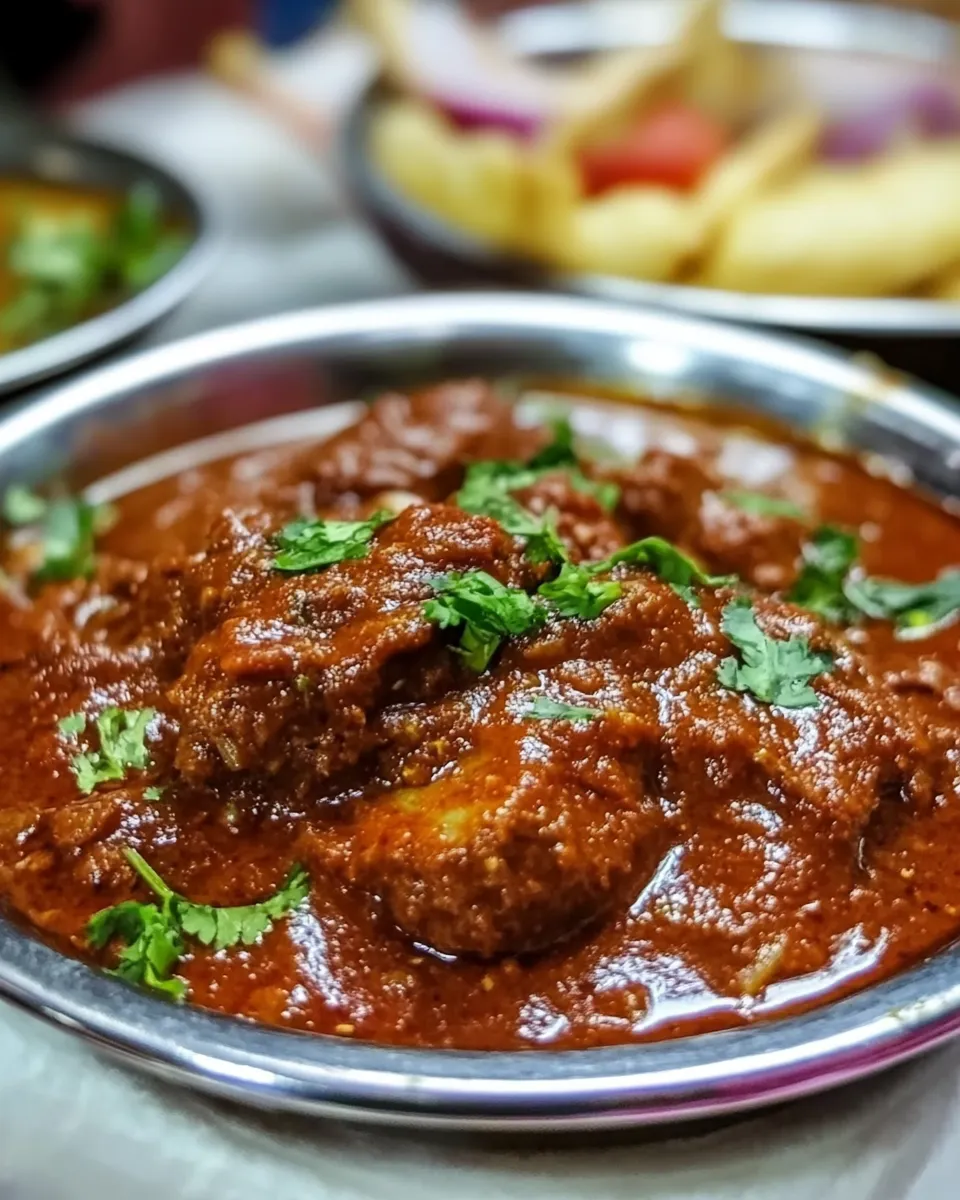
Laal Maas is the kind of dish that announces itself the moment it hits the pot: a deep red, aromatic mutton curry from Rajasthan, traditionally bold and unapologetic in spice and flavor. This version is practical for a regular kitchen while staying true to the heart of the recipe—ghee, whole spices, curds, Kashmiri red chili for color and warmth, and slow-cooked mutton that becomes tender and silky. I’ve written this for home cooks who want an authentic result without an army of ingredients or complicated steps.
You don’t need a tandoor or a restaurant stove to make Laal Maas that tastes like it came from a Rajasthani kitchen. The method below uses a pressure cooker to get the meat perfectly tender while keeping the flavors concentrated. I’ll walk you through the ingredients, the exact build, small traps to avoid, substitutions for diet needs, and how to serve it so it shines on the table.
Read through the whole recipe once before you start. There are quick cues—when to brown, when to lower the heat, how to balance heat and acidity at the end—that make a big difference to the final dish. Follow the steps in order, and you’ll be rewarded with rich, fragrant Laal Maas that clings to rotis or drips deliciously over steamed rice.
Ingredients

- 250 g mutton — washed and cleaned; the backbone of the dish, bone-in pieces give the best flavor.
- 2 tbsp ghee or clarified butter — for authentic smoky richness and to carry the whole spices.
- 1 bay leaf — background aromatics that lift the gravy.
- 2 cloves — warm, slightly sweet spice; use whole as directed.
- 1 cinnamon stick — adds a woody, warm base note.
- 3 peppercorns — for a subtle heat and earthy bite.
- 3 cardamom — green pods; crush lightly to release aroma.
- 2 medium red onion — finely sliced; the foundation of the masala when browned.
- 1 tbsp garlic — finely chopped; adds depth and savory punch.
- 1 tbsp ginger — finely chopped; brightens and balances the garlic.
- 1/2 cup curds — adds tang, body, and helps tenderize the mutton.
- 1 tbsp Kashmiri red chili powder — for color and mild heat; the signature red of Laal Maas.
- 1/2 tsp turmeric powder — for color and a gentle earthy note.
- 1 tsp coriander powder — warm, citrusy spice to round the flavors.
- 1/2 tsp cumin powder — nutty, smoky base spice.
- salt — to taste; essential for balancing and enhancing flavors.
- 1/2 cup water — to build the cooking liquid; the pressure cooker will concentrate flavors.
- 1/2 tsp garam masala powder — added at the end for warmth and complexity.
- 1 tsp lemon juice — brightens the final gravy and balances richness.
- chopped coriander leaves — for garnish and a fresh finish.
What Goes Into Rajasthani Laal Maas Recipe
This is a short recap of the key players and why they matter. Mutton is the primary ingredient—the dish is built around its robust flavor. Ghee acts as both the cooking medium and a flavor carrier for the whole spices: bay leaf, cloves, cinnamon, peppercorns and cardamom. Onions caramelize into a deep-sweet base, while garlic and ginger add depth.
Curds are important here: they provide tang, help the spices stick to the meat, and assist with tenderizing during pressure cooking. Kashmiri red chili powder gives Laal Maas its characteristic crimson hue without excessive bite when used correctly. A small splash of lemon juice and garam masala at the end brightens the dish and adds aroma.
Build Rajasthani Laal Maas Recipe Step by Step
- Heat 2 tbsp ghee in a pressure cooker over medium heat. When hot, add 1 bay leaf, 2 cloves, 1 cinnamon stick, 3 peppercorns and 3 cardamom pods; sauté about 30 seconds until fragrant.
- Add 2 medium red onions, finely sliced, and sauté, stirring occasionally, until they are golden brown (about 8–10 minutes).
- Add 1 tbsp garlic (finely chopped) and 1 tbsp ginger (finely chopped); cook 1–2 minutes until the raw smell subsides.
- Add 250 g mutton (washed and cleaned). Increase heat to medium-high and brown the meat, stirring, for 4–5 minutes so it is coated with the onion–ginger–garlic mixture.
- Reduce heat to medium-low and add 1/2 cup curds, 1 tbsp Kashmiri red chili powder, 1/2 tsp turmeric powder, 1 tsp coriander powder, 1/2 tsp cumin powder and salt to taste. Stir well to combine and cook 2–3 minutes so the spices and curds coat the meat.
- Add 1/2 cup water, stir, cover the pressure cooker and cook on low heat for 6–7 whistles (until the mutton is tender and falls off the bone).
- Allow the cooker to release pressure naturally. Open the cooker, add 1/2 tsp garam masala powder and 1 tsp lemon juice; stir gently to combine.
- Garnish with chopped coriander leaves and serve hot with phulkas or rotis.
Why This Recipe Is Reliable
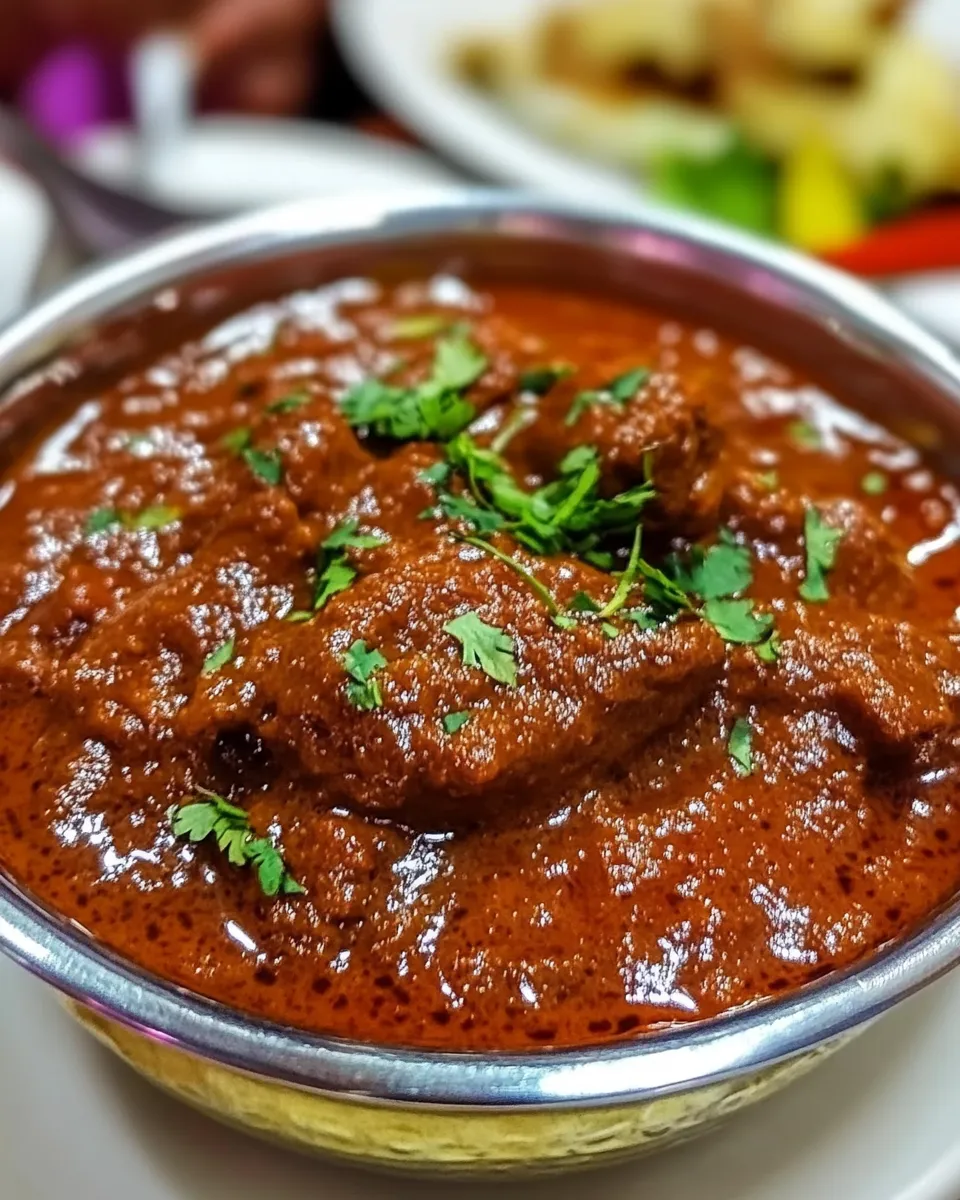
This method is intentionally straightforward: a classic tempering, properly caramelized onions, and pressure-cooking to tenderize the meat. The sequence matters—browning whole spices in ghee first releases essential oils; slow browning of onions builds sweetness and depth; adding curds with the powdered spices ensures an even coating and prevents raw spice flavors.
Using measured but modest amounts of water and cooking for 6–7 whistles concentrates flavors without drying out the meat. Finishing with lemon and garam masala keeps the heavy dish lively. There are no unusual techniques or hard-to-find tools, which makes this version reproducible across kitchens.
If You’re Out Of…
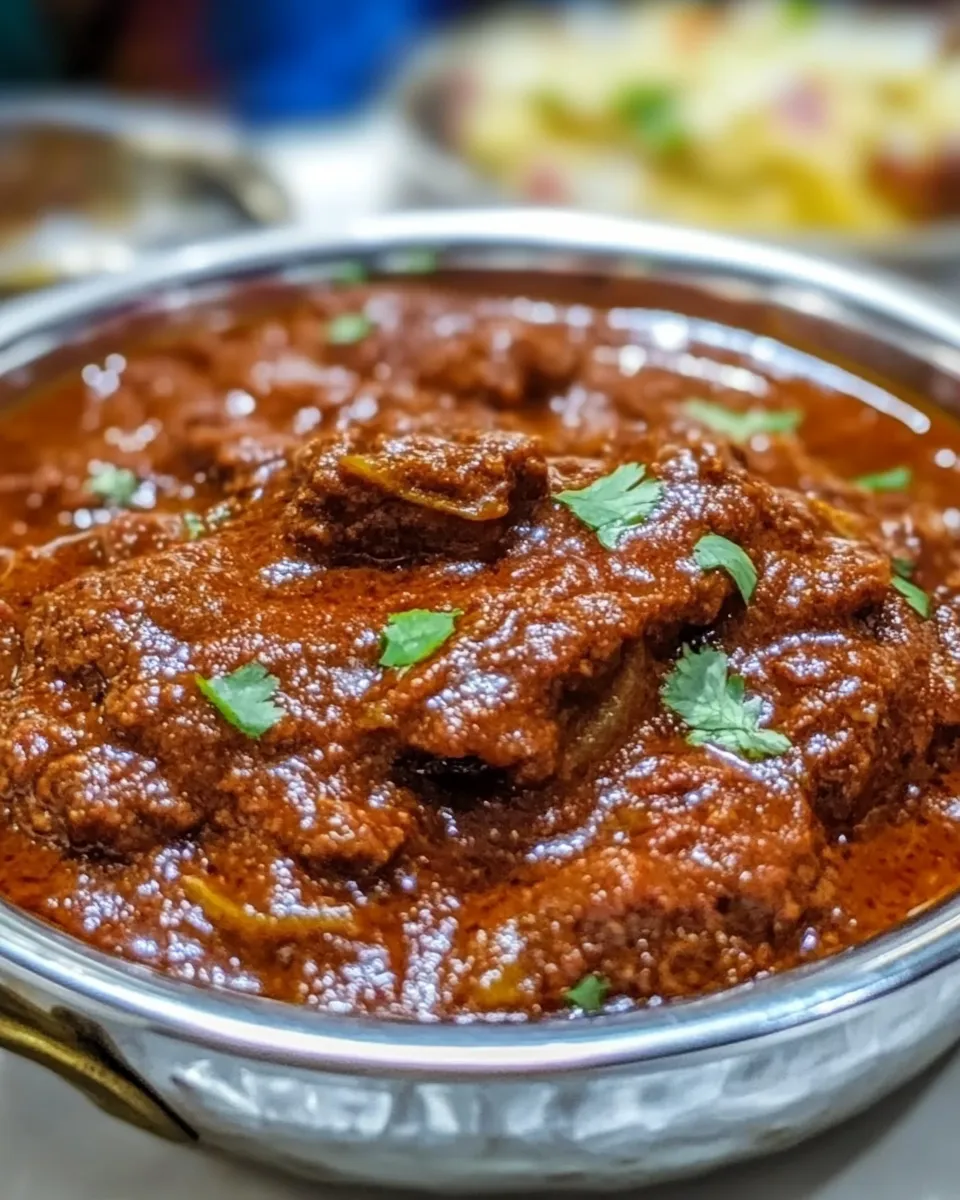
Short on something? Here are practical swaps that won’t derail the dish:
- Ghee — use a neutral oil (mustard oil gives a north-Indian touch) if needed, but ghee adds authentic richness.
- Kashmiri red chili powder — a blend of paprika and a mild chili powder can approximate the color; adjust heat to taste.
- Curds — thin yogurt with a little lemon juice can work; avoid overly watery yogurt, and whisk well before adding.
- Garam masala — omit if unavailable; the dish will still be good, though slightly less aromatic at the finish.
Equipment & Tools
Keep it simple. You need:
- A pressure cooker large enough for the mutton pieces to sit comfortably without crowding.
- A sturdy spoon or spatula for stirring and browning the onions and meat.
- A sharp knife and cutting board for slicing onions and chopping ginger/garlic.
- Measuring spoons/cups for consistency in spice amounts.
Easy-to-Miss Gotchas
These are the little details that change a good curry into a great one:
- Do not rush browning the onions. The color and sweetness that develop in 8–10 minutes are crucial to the base flavor.
- When you add garlic and ginger, cook just until the raw smell subsides—burnt garlic turns bitter fast.
- Browning the mutton on medium-high heat seals the exterior and gives depth. Don’t crowd the pot; stir so all pieces get contact with the hot surface.
- Use Kashmiri red chili powder for color; other chilies may make the dish too fiery. Taste and adjust salt before pressure cooking because you can’t fix under-salting later.
- Let the pressure release naturally. Quick-release can leave the meat less tender and the gravy underdeveloped.
Substitutions by Diet
Laal Maas is traditionally a mutton dish; here are alternatives for different needs without changing the spirit of the recipe:
- Beef or lamb — you can use similar-cuts of lamb if mutton isn’t available; cooking times will be similar. Beef will need longer cooking; adjust pressure cycles accordingly.
- For a lighter version — use less ghee or substitute with a mild vegetable oil, but expect a change in flavor depth.
- For lower dairy — if curds are a concern, use a thicker plant-based yogurt, but the tang and tenderizing effect may be milder.
- Vegetarian option — this is a meat-forward curry and will lose its character if swapped to vegetables, but firm mushrooms or jackfruit can be used as a last resort with adjusted cooking times.
Chef’s Notes
A few practical notes from the stovetop: warm your bowl of curds to room temperature before adding; cold curds can curdle when they hit hot oil and spices. If you like a more pronounced gravy, increase water slightly after pressure cooking and simmer uncovered to reduce. If the gravy is too thin after opening the cooker, simmer on medium heat until it thickens to your liking.
Also, don’t skip the lemon juice at the end. That small hit of acid lifts the dish and balances the fat. Lastly, fresh chopped coriander at the end is a must; it gives a fresh herbal contrast to the rich, spicy sauce.
Storing Tips & Timelines
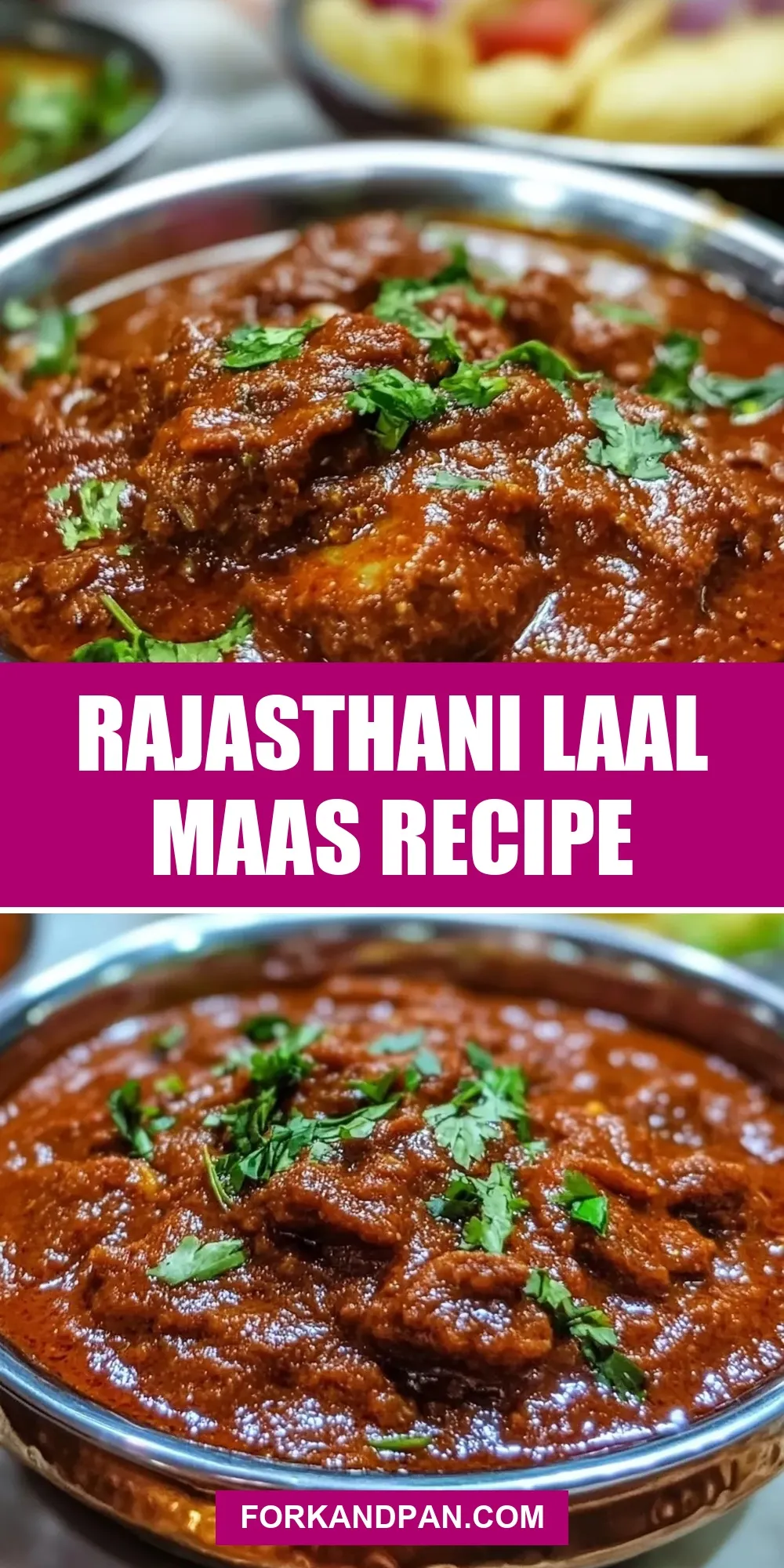
Laal Maas stores and reheats well because the flavors often deepen overnight.
- Refrigerate in an airtight container for up to 2–3 days. Reheat gently on low heat, adding a splash of water if the gravy has thickened too much.
- Freeze for up to 2 months in a freezer-safe container. Thaw overnight in the fridge and reheat thoroughly before serving.
- If leftovers dry out, add a small amount of hot water or broth while reheating and simmer gently to restore texture and moisture.
Troubleshooting Q&A
My curry is too spicy. What can I do?
To reduce perceived heat, add a spoonful of curd or a small pat of butter while reheating, and a splash of water to dilute. A little sugar or a squeeze of lemon can balance heat too.
The meat is still tough after pressure cooking—help.
Pressure-cooking times vary with meat cut and age. If it’s not tender after 6–7 whistles, return to the cooker with a little extra water and cook for additional whistles until tender. Older or larger cuts require more time.
The gravy is thin or watery.
Uncover and simmer on medium heat to reduce to desired consistency. Alternatively, mash a small amount of cooked onion into the gravy to thicken naturally.
The flavors taste flat.
Check salt first. A squeeze of lemon juice and a touch more garam masala at the end usually brightens the dish. Fresh coriander also adds lift.
Bring It to the Table
Serve Laal Maas hot, straight from the cooker, garnished with chopped coriander. Traditionally it pairs with phulkas or rotis; it also works beautifully with steamed rice or bajra rotis for a more authentic Rajasthani touch. Keep a small bowl of sliced onions and lemon wedges on the side for contrast.
This recipe is bold but tactical: follow the order of steps, pay attention to how the onions and spices change, and you’ll have a Laal Maas that’s rich, fragrant, and full of character. Make it when you want something substantial—this is food that comforts and commands attention at the same time.

Rajasthani Laal Maas Recipe
Ingredients
Ingredients
- 250 gmuttonwashed and cleaned
- 2 tbspghee or clarified butter
- 1 bay leaf
- 2 cloves
- 1 cinnamon stick
- 3 peppercorns
- 3 cardamom
- 2 medium red onionfinely sliced
- 1 tbspgarlic finely chopped
- 1 tbspginger finely chopped
- 1/2 cupcurds
- 1 tbspkashmiri red chili powder
- 1/2 tspturmeric powder
- 1 tspcoriander powder
- 1/2 tspcumin powder
- saltto taste
- 1/2 cupwater
- 1/2 tspgaram masala powder
- 1 tsplemon juice
- chopped coriander leavesfor garnish
Instructions
Instructions
- Heat 2 tbsp ghee in a pressure cooker over medium heat. When hot, add 1 bay leaf, 2 cloves, 1 cinnamon stick, 3 peppercorns and 3 cardamom pods; sauté about 30 seconds until fragrant.
- Add 2 medium red onions, finely sliced, and sauté, stirring occasionally, until they are golden brown (about 8–10 minutes).
- Add 1 tbsp garlic (finely chopped) and 1 tbsp ginger (finely chopped); cook 1–2 minutes until the raw smell subsides.
- Add 250 g mutton (washed and cleaned). Increase heat to medium-high and brown the meat, stirring, for 4–5 minutes so it is coated with the onion–ginger–garlic mixture.
- Reduce heat to medium-low and add 1/2 cup curds, 1 tbsp Kashmiri red chili powder, 1/2 tsp turmeric powder, 1 tsp coriander powder, 1/2 tsp cumin powder and salt to taste. Stir well to combine and cook 2–3 minutes so the spices and curds coat the meat.
- Add 1/2 cup water, stir, cover the pressure cooker and cook on low heat for 6–7 whistles (until the mutton is tender and falls off the bone).
- Allow the cooker to release pressure naturally. Open the cooker, add 1/2 tsp garam masala powder and 1 tsp lemon juice; stir gently to combine.
- Garnish with chopped coriander leaves and serve hot with phulkas or rotis.
Equipment
- Pressure Cooker