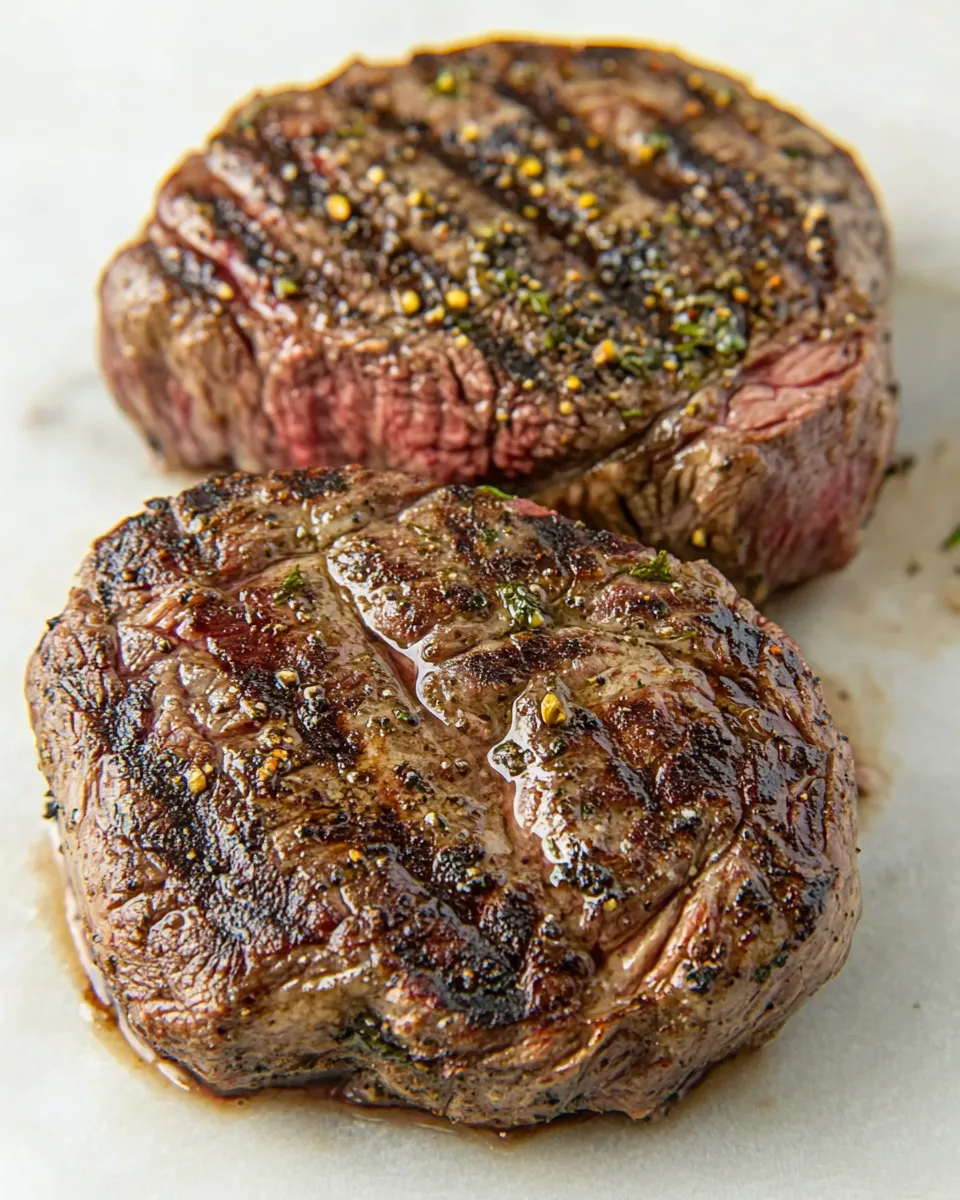
Perfect Grilled Steak
I love a simple, confident steak night. The kind where the grill is hot, the seasoning is straightforward, and the rest period makes the difference between good and memorable. This recipe strips back the noise and focuses on three things: heat, salt, and timing. With a couple of pantry staples and a fresh sprig of rosemary, you can get a steak that has a clean char, a buttery finish, and a tender interior.
What I value most about this method is how reliably it works. I use it on weeknights and for guests, on gas grills and charcoal. It’s forgiving because you follow temperature targets and rest properly. The technique is portable, too—if you have a hot pan, many of the same cues apply.
Below you’ll find a precise shopping list, the ingredient notes, step-by-step grilling directions, common mistakes, smart swaps, and a storage guide. I keep the tone practical—no fluff, just the actionable steps that get you to a perfect grilled steak every time.
Shopping List

Keep this short and intentional. You don’t need a laundry list of aromatics and sauces to get a great steak—just pick quality meat and a couple of supporting players.
- High-quality, thick-cut steaks (see Ingredients for recommended cuts).
- Olive oil or vegetable oil.
- Coarse salt and freshly ground black pepper.
- Fresh rosemary.
- Unsalted butter.
Ingredients
- 2 thick cut steaks, 1½ to 2 inches thick — use Ribeye, T bone, NY strip, Sirloin steak; thickness is crucial for the timing in this recipe.
- 1 tablespoon olive oil or vegetable oil — I used olive oil; it helps the seasonings adhere and promotes even browning.
- 1 teaspoon salt — use a coarse salt if you have it; it seasons the surface and aids in crust development.
- ½ teaspoon ground black pepper — freshly ground if possible for flavor impact.
- 2 sprigs fresh rosemary, chopped — adds a focused herb note without overpowering the beef.
- 2 tablespoons butter — divided into two pats to finish each steak and add richness while resting.
Cook Perfect Grilled Steak Like This
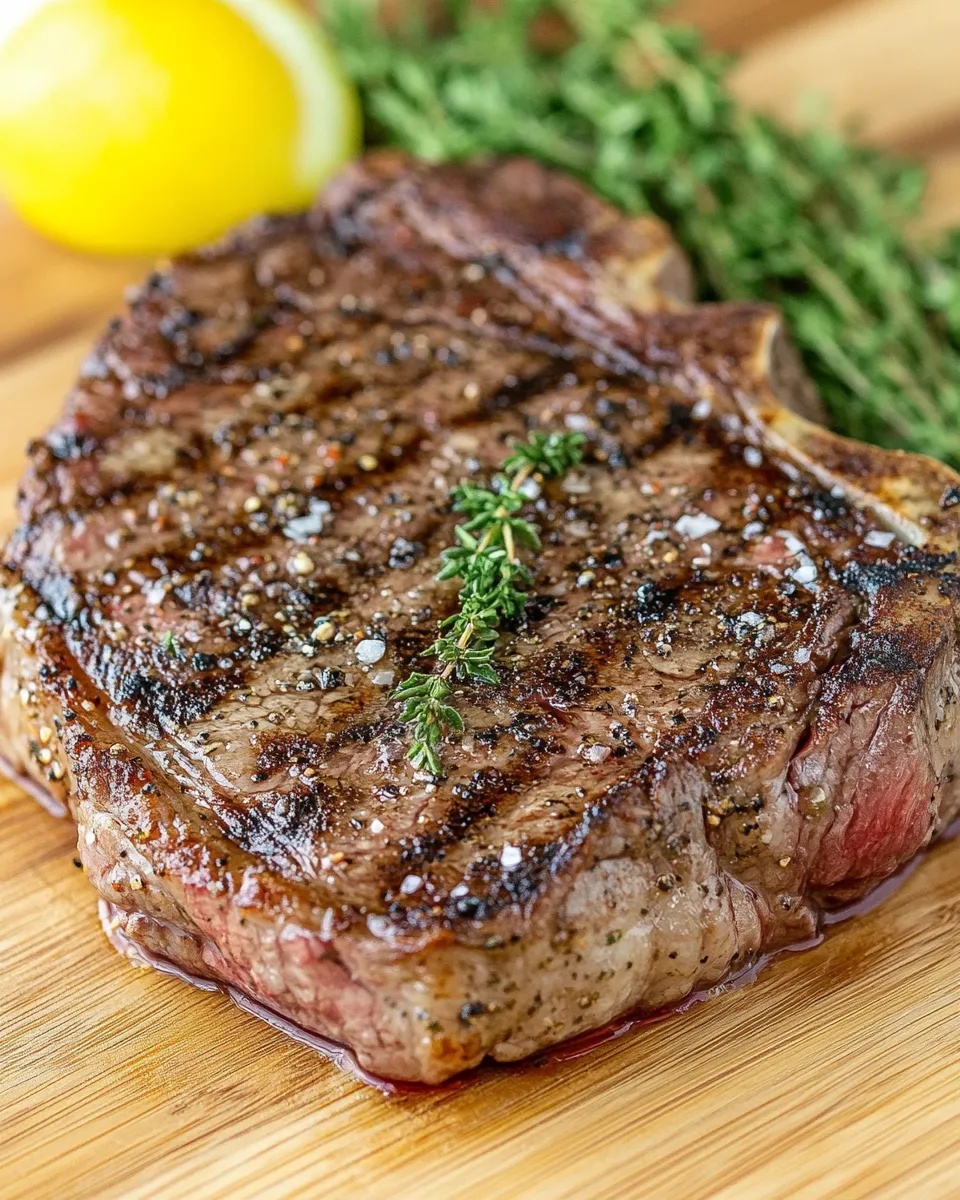
- Preheat your grill to medium-high heat (gas or charcoal) and clean the grate.
- Pat the 2 steaks dry with paper towels. Chop the 2 sprigs of fresh rosemary.
- Brush both sides of the steaks with the 1 tablespoon olive (or vegetable) oil.
- Evenly sprinkle the 1 teaspoon salt, ½ teaspoon ground black pepper, and the chopped rosemary over both sides of the steaks; press the seasonings lightly into the meat with your hands.
- Place the steaks on the grill and immediately reduce the heat to medium. For clear char marks, set each steak at a 45° angle to the grill bars.
- Grill the steaks about 4 minutes per side for medium-rare (target internal temperature 130°F / 55°C). Flip only once; use an instant-read thermometer in the thickest part to check doneness.
- Transfer the steaks to a plate. Divide the 2 tablespoons butter into two pats (1 tablespoon each) and place one on top of each steak.
- Loosely tent the plate with foil and let the steaks rest 5–10 minutes while the butter melts, then serve.
Top Reasons to Make Perfect Grilled Steak
There are a few practical reasons this approach is worth repeating:
- Reliable results: The timing and the thermometer target take the guesswork out of doneness.
- Minimal prep: A quick dry, oil, and salt routine gets you to a flavorful crust without complex marinades.
- Quick cook time: From grill to plate in under 30 minutes, including rest—perfect for weeknight dinners.
- Flexible and scalable: The method works for different steak cuts and can be multiplied for larger groups.
Budget & Availability Swaps
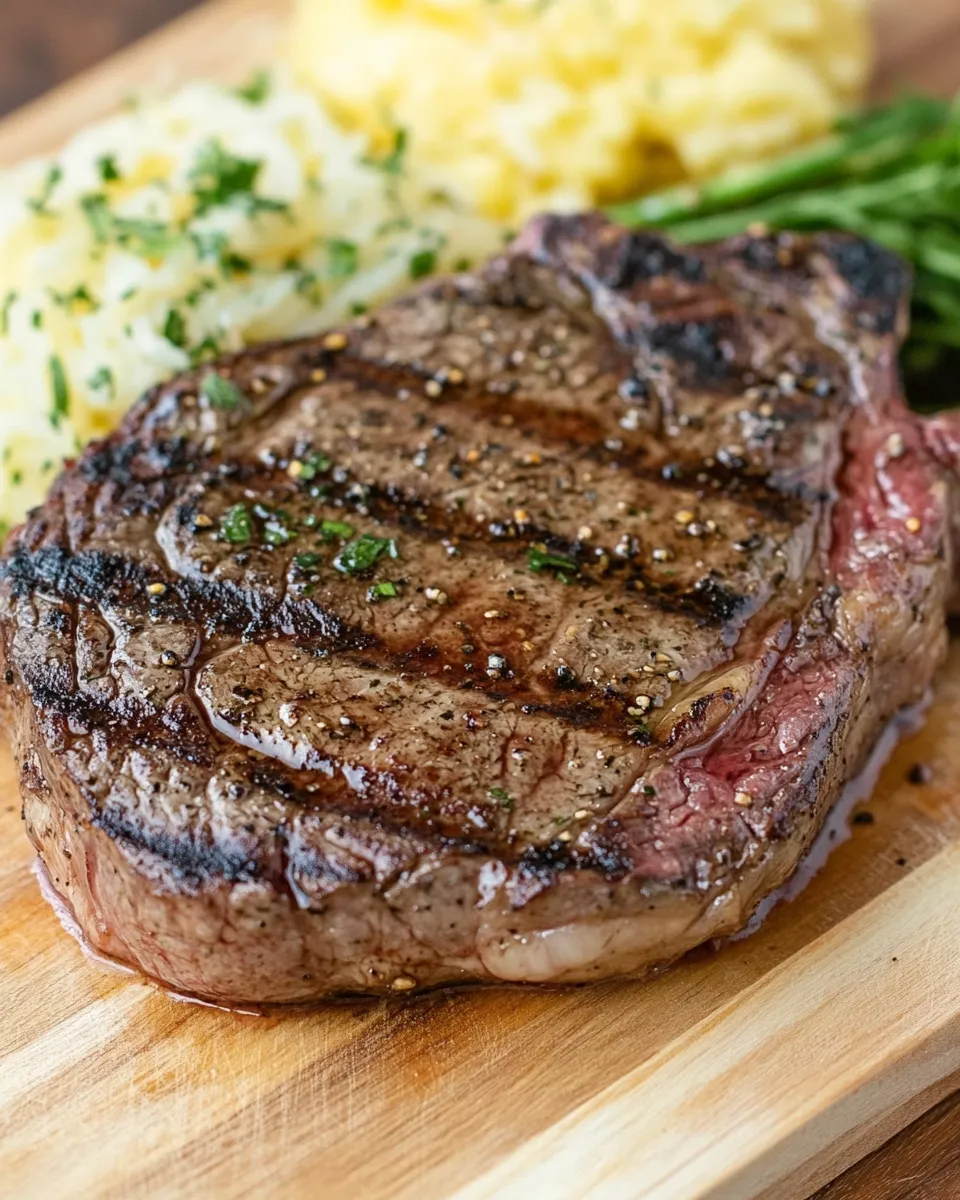
If you can’t find the exact cut or want to adjust for cost, these swaps keep the spirit of the recipe intact without inventing new measurements:
- Choose a less expensive cut (Sirloin) instead of Ribeye or T-bone—keep the thickness so the cook time stays close to the guideline.
- If fresh rosemary isn’t available, omit it rather than substituting an unfamiliar herb; the steak will still benefit from fat, salt, and heat.
- Use vegetable oil in place of olive oil if that’s what’s on hand—the recipe already allows for this interchange.
- If you need to stretch servings, serve thinner slices on a warm platter rather than making thinner steaks; presentation and rest still matter.
Appliances & Accessories
These tools make the process smoother and help you hit the temperature and timing targets:
- Instant-read thermometer — non-negotiable for consistent doneness, especially with thick steaks.
- Sturdy tongs — for safe flipping without piercing the meat.
- Grill brush — clean grates produce better sear marks and reduce sticking.
- Heavy-duty foil — for loosely tenting steaks while they rest and retain juices.
- A good pair of heat-resistant gloves or mitts — helpful when managing a hot grill or moving plates.
Mistakes That Ruin Perfect Grilled Steak
These are the most common missteps and how to avoid them:
- Grilling straight from the fridge. Cold meat will cook unevenly. Let thick steaks sit at room temperature for 20–30 minutes before grilling if you can.
- Skipping the dry step. Excess surface moisture prevents a proper sear. Pat steaks dry with paper towels as directed.
- Using too low a heat. You need medium-high to develop a crust; lowering the heat before placing the steak (instead of immediately after) can cause under-searing.
- Flipping multiple times. Turn once for even char and to preserve juices; flipping repeatedly breaks the crust formation.
- Not using a thermometer. Relying solely on time can vary with grill hot spots and steak shape—measure internal temperature in the thickest part.
- Cutting into the steak too soon. Resting allows juices to redistribute. Tent loosely for 5–10 minutes with the butter on top as directed.
Variations for Dietary Needs
Steak is a naturally protein-rich, low-carb centerpiece. Here are practical adjustments without changing the core ingredients list or amounts:
- Dairy-free: Omit the butter pats at the end. You can tent the steaks to lock in juices; they’ll still be flavorful from the oil and rosemary.
- Lower-sodium: Reduce the salt slightly or divide the existing amount across both sides carefully, then taste with a small cut at rest. The crust benefits from salt, so adjust conservatively.
- For smaller appetites: Use the same timing guideline but choose slightly thinner steaks and watch the internal temperature closely to avoid overcooking.
- Allergy-conscious: The recipe avoids common allergens beyond dairy optionality; follow the dairy-free note above if needed.
Cook’s Notes
Little details matter. These notes are practical and based on repeated use of this recipe.
- Steak selection: Thicker is better here—1½ to 2 inches gives you room to develop a seared exterior while keeping a juicy interior. A thin steak cooks through before a good crust forms.
- Rosemary: Chop it finely so it distributes evenly. Pressing the herb into the meat as you season helps it adhere during grilling.
- Placement and angle: Laying the steak at a 45° angle creates those attractive crosshatch grill marks. Rotate for the second half of each side if you want a decorative pattern.
- Butter on top: The butter melts into the resting steak and deepens flavor; dividing it into two pats keeps portions consistent.
- Resting window: 5–10 minutes is the sweet spot. Thicker cuts benefit from the longer end of that window.
Keep It Fresh: Storage Guide
If you have leftovers, store them properly to keep texture and flavor as best as possible.
- Refrigerate within two hours. Wrap the cooled steak loosely in foil or place in an airtight container for up to 3–4 days.
- Reheat gently. Slice thin and warm in a skillet over low heat with a splash of broth or a small pat of butter to avoid drying. Alternatively, use a 250°F oven until warmed through, then quickly sear if you want to refresh the crust.
- Freezing: If you must freeze, wrap tightly and use within 2–3 months. Thaw overnight in the refrigerator before reheating using gentle methods.
Popular Questions
How do I know when the steak is done?
Use an instant-read thermometer. For medium-rare, aim for 130°F / 55°C in the thickest part. Remember the steak will rise a few degrees while resting.
Can I use a cast-iron pan instead of a grill?
Yes. Heat the pan until very hot, follow the oil and seasoning steps, and sear 3–4 minutes per side for similar results. Watch for smoke and use good ventilation.
What if my grill is uneven?
Move steaks around to find the hottest spot for searing. If you have a gas grill, you can create a two-zone setup—hot for searing, medium for finishing.
Should I trim fat off the steak?
Trim excessive, hanging fat, but leave a moderate fat cap. Fat adds flavor and helps develop a crust; you can crisp the edge by holding the steak on its side over the heat for a minute if desired.
Ready, Set, Cook
Grab your steaks, a clean grate, and a thermometer. Follow the seasoning and timing exactly, rest with a butter pat, and you’ll have a reliable, delicious steak. Keep it simple, pay attention to heat and temperature, and resist the urge to over-handle the meat. Serve slices against the grain with any simple sides you love—roasted vegetables, a green salad, or buttery potatoes—and enjoy the payoff from a straightforward method that works every time.
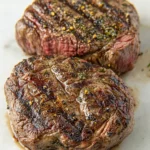
Perfect Grilled Steak
Ingredients
Ingredients
- ?2 thick cut steaks1 1/2 to 2 inches thick – use Ribeye, T bone, NY strip, Sirloin steak
- ?1 tablespoonolive oil or vegetable oilI used olive oil
- ?1 teaspoonsalt
- ?1/2 teaspoonground black pepper
- ?2 sprigsfresh rosemarychopped
- ?2 tablespoonsbutter
Instructions
Instructions
- Preheat your grill to medium-high heat (gas or charcoal) and clean the grate.
- Pat the 2 steaks dry with paper towels. Chop the 2 sprigs of fresh rosemary.
- Brush both sides of the steaks with the 1 tablespoon olive (or vegetable) oil.
- Evenly sprinkle the 1 teaspoon salt, ½ teaspoon ground black pepper, and the chopped rosemary over both sides of the steaks; press the seasonings lightly into the meat with your hands.
- Place the steaks on the grill and immediately reduce the heat to medium. For clear char marks, set each steak at a 45° angle to the grill bars.
- Grill the steaks about 4 minutes per side for medium-rare (target internal temperature 130°F / 55°C). Flip only once; use an instant-read thermometer in the thickest part to check doneness.
- Transfer the steaks to a plate. Divide the 2 tablespoons butter into two pats (1 tablespoon each) and place one on top of each steak.
- Loosely tent the plate with foil and let the steaks rest 5–10 minutes while the butter melts, then serve.
Equipment
- Grill
- Tongs
- Instant-read thermometer
- Foil
- Paper Towels
- Basting Brush
Notes
Bring steaks to room temperature.This may sound dangerous, but it helps the steaks cook faster in the center! When you’re prepping dinner, take out your steaks and let them sit on the counter for about half an hour.
Add more flavor.This is a super simple steak recipe that is perfectly juicy and flavorful every time. However, if you want more flavor, use amarinadeor more garlic and herbs! I’ve also used compound butter for even more buttery flavor, too.
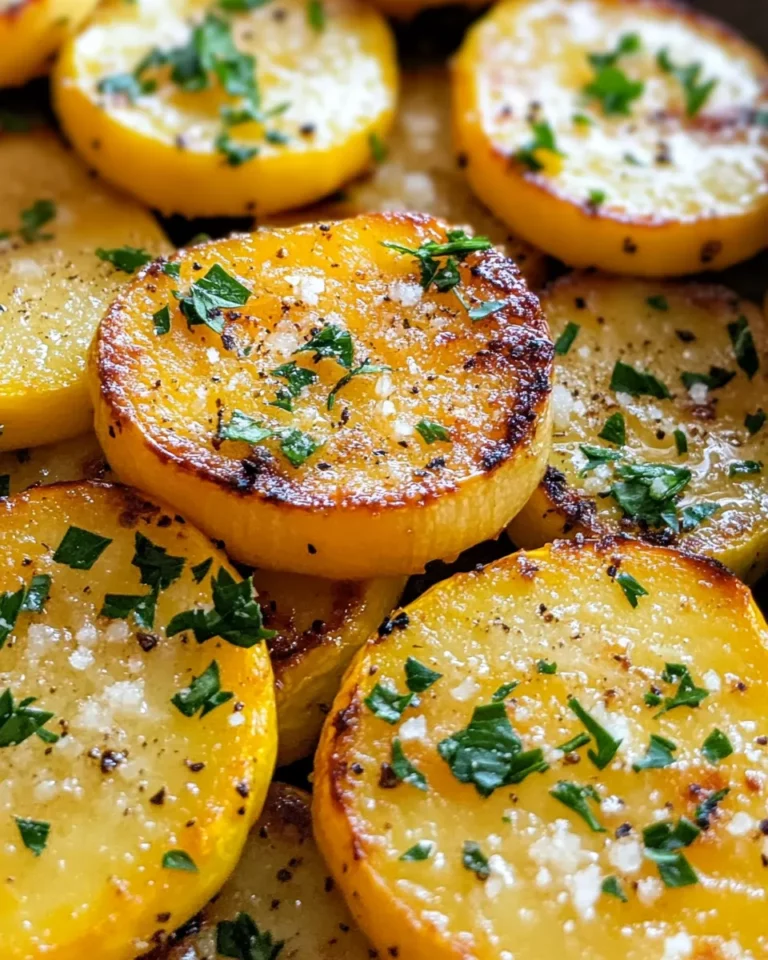
Grill the whole meal.I strive to keep the oven and stove off during the summer. Luckily, there’s tons of amazing sides you can make on the grill, too! Add some asparagus, zucchini,mushrooms, bell peppers, corn on the cob, or evenbaked potatoesto the grates this summer.
Best Steak for Grilling.I choose a thick steak that’s 1.5 to 2 inches thick. This lets me get a great char on the outside and still have a beautiful pink inside.When you’re picking the best steak to grill, look for ribeyes, strip steaks, filets, porterhouse, t-bone steaks, or top sirloin steaks. If you’re using a bone-in steak, be sure to check the temperature of both sides.