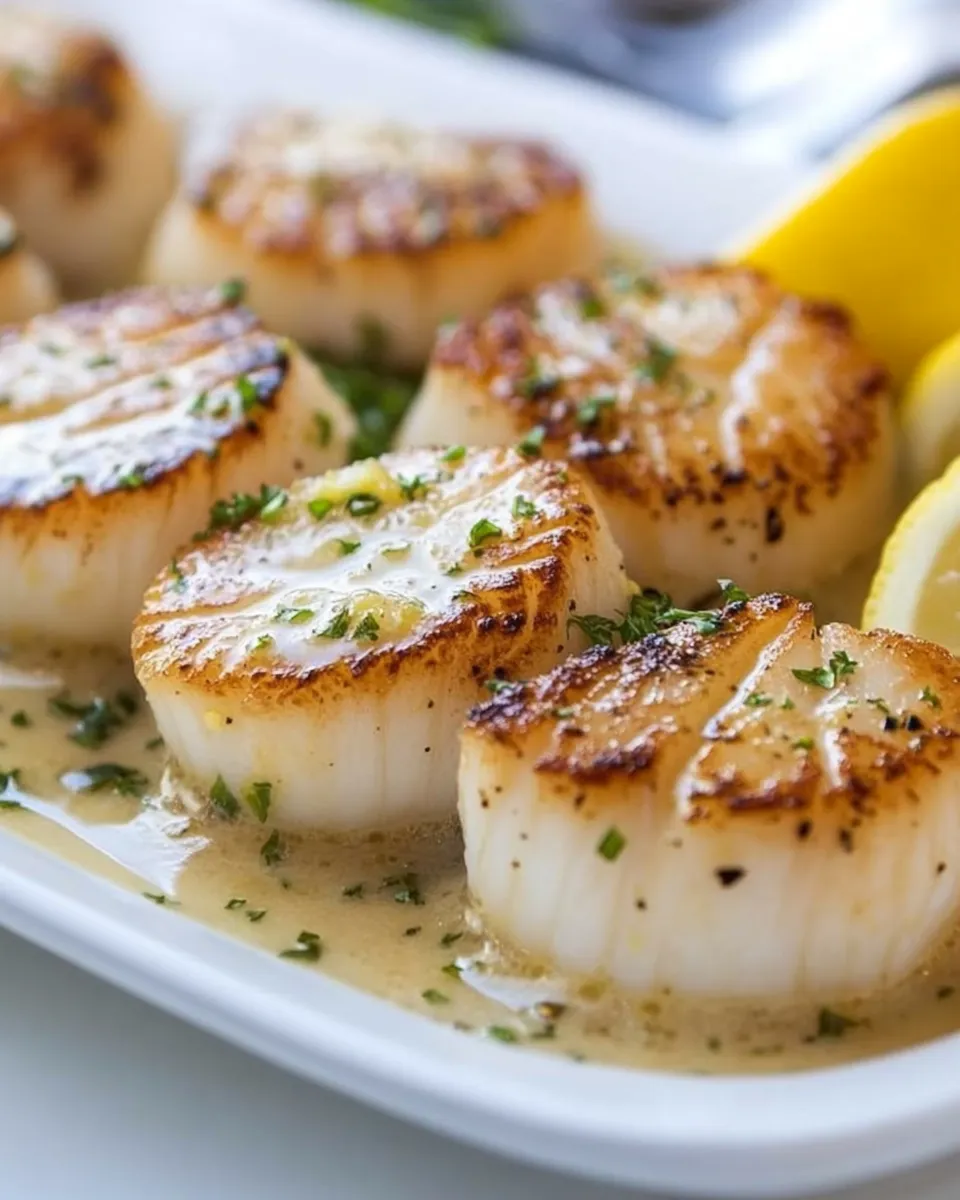
Pan-Seared Scallops with Lemon Butter
Scallops are one of those foods that feel special but are deceptively simple. A hot pan, dry scallops, a little oil and butter, and a quick sauce turn them into a restaurant-quality dish you can make on a weeknight. This recipe is about technique more than tricks: remove excess moisture, get a proper sear, and finish with a bright lemon-butter sauce to lift the sweetness of the scallops.
I write recipes I want to cook myself, and this one lives in my regular rotation. The timing is short, the payoff immediate, and the cleanup is reasonable. If you can manage a hot skillet and a kitchen timer, you can get scallops that are caramelized outside and tender inside.
Below I’ll walk you through what to buy, exactly how to cook them using the step-by-step source directions, and how to adjust for what’s in your kitchen. I include common pitfalls and how to avoid them so you’ll get consistent results every time.
Your Shopping Guide

Buy dry scallops if you can. “Dry” scallops haven’t been soaked in phosphates that increase weight but also prevent a proper sear. Look for shells of uniform size in the 10–20 per pound range if you want even cooking. If scallops are sold on ice, ask your fishmonger whether they’re “dry” or treated; dry is what we want for a golden crust.
Keep the rest of the ingredient list simple: oil for a high-heat sear, butter for flavor and basting, a shallot for gentle aromatics, fresh herbs and lemon for brightness. Fresh thyme and parsley are small investments that punch above their weight in the final sauce.
Ingredients
- 1 1/2 pounds sea scallops — 10 to 20 per pound, preferably dry; pat them thoroughly dry to ensure a good sear.
- Salt and freshly ground black pepper — Season simply and evenly; salt brings out sweetness, pepper adds bite.
- 2 tablespoons vegetable oil — Neutral oil with a high smoke point to get a hot sear without burning.
- 2 tablespoons butter — For flipping and basting; adds richness and helps form a glossy crust.
- 4 tablespoons butter (½ stick), cut into 4 pieces — Used for the browned lemon butter sauce; cutting helps it melt evenly.
- 1 small shallot, minced (1–2 tablespoons) — Adds a subtle, sweet onion flavor to the sauce without overpowering the scallops.
- 1 tablespoon minced fresh parsley — Freshness and color; fold it into the sauce off the heat.
- 1/2 teaspoon minced fresh thyme — Earthy, savory note that pairs beautifully with browned butter.
- 2 teaspoons lemon juice — Brightens and balances the browned butter; add to taste.
- Salt and freshly ground black pepper — Listed again for seasoning the finished sauce to taste.
Cooking (Pan-Seared Scallops with Lemon Butter): The Process
- Preheat the oven to 200°F and prepare a rimmed baking sheet or plate lined with a clean kitchen towel.
- If present, remove the side muscle from each scallop by pinching and pulling it away. Pat scallops dry: arrange them in a single layer on the towel-lined sheet, cover with a second towel, press gently to blot moisture, and let sit about 10 minutes until towels absorb most liquid.
- Season both sides of the scallops with salt and freshly ground black pepper.
- Divide the scallops into two even batches. Set a large skillet over high heat.
- Add 1 tablespoon vegetable oil to the skillet and heat until just smoking. Add half the scallops in a single layer, flat-side down, without overcrowding.
- Cook the scallops without moving them until well browned on the bottom, about 1 1/2 to 2 minutes.
- Add 1 tablespoon butter to the skillet. Tilt the skillet so the butter pools, use tongs to flip each scallop, and baste with the melted butter using a large spoon. Continue cooking until the sides are firm and centers are opaque, about 30 to 90 seconds longer. Remove scallops as they finish and transfer to the towel-lined baking sheet or plate; tent loosely with foil and place in the preheated oven to keep warm.
- Wipe out the skillet with paper towels. Repeat steps 5–7 with the remaining 1 tablespoon vegetable oil, the remaining 1 tablespoon butter, and the second batch of scallops. Transfer those scallops to the oven to keep warm.
- While the scallops rest in the oven, make the lemon butter sauce: place the 4 tablespoons (½ stick) butter, cut into 4 pieces, in a small heavy-bottom saucepan over medium heat. Melt and cook, swirling the pan, until the butter turns dark golden brown and smells nutty, about 4 to 5 minutes.
- Add the minced shallot to the browned butter and cook until fragrant, about 30 seconds.
- Remove the pan from the heat. Stir in the minced parsley, minced thyme, and the lemon juice.
- Taste and season the sauce with salt and freshly ground black pepper as desired.
- Serve the scallops immediately, spooning the lemon butter sauce over them.
Why I Love This Recipe
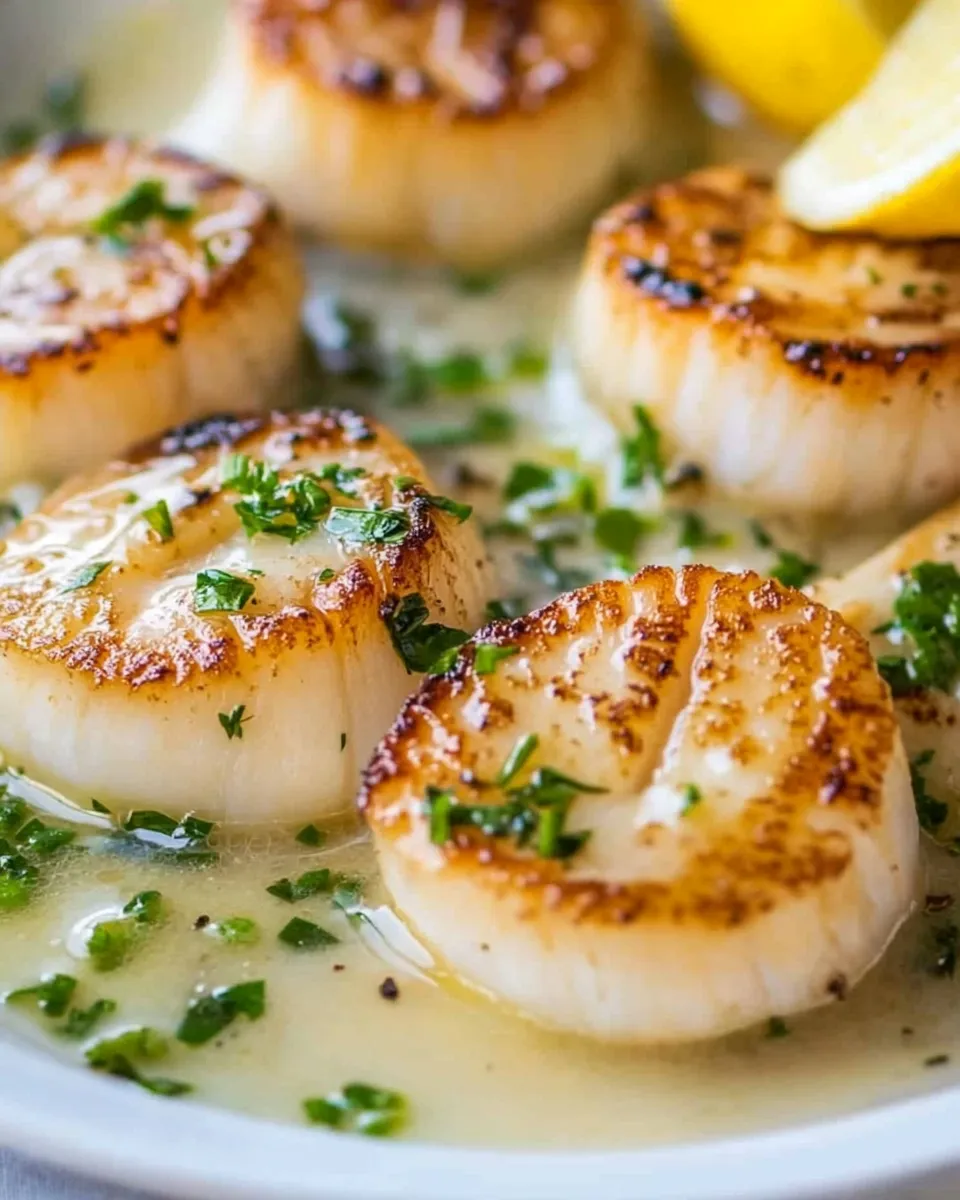
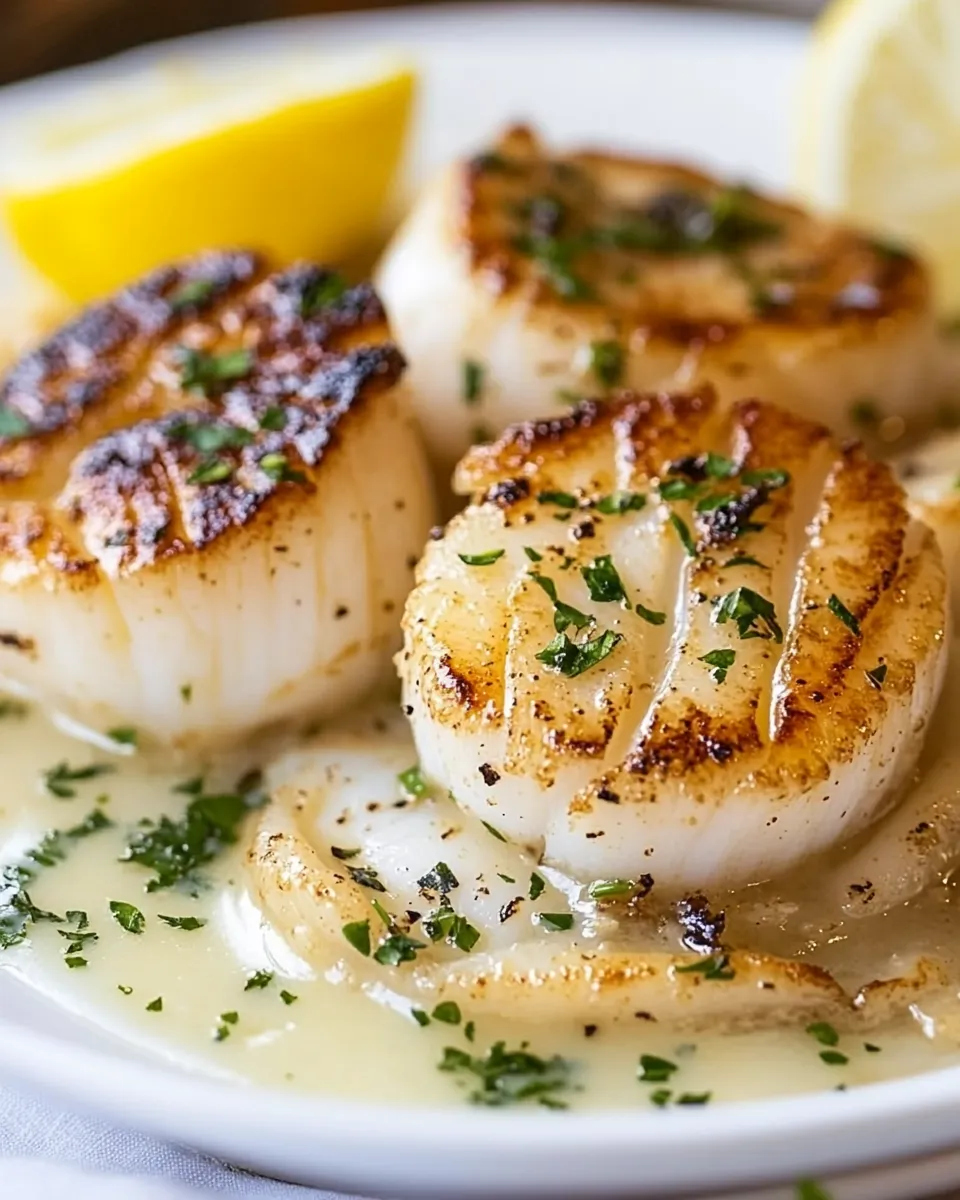
This method rewards attention to detail. The drying step is small but powerful: less surface moisture equals a better Maillard reaction and a textbook golden crust. I also like how the recipe staggers the cooking in two batches so you don’t crowd the pan—crowding is the most common reason scallops steam instead of sear.
The browned butter sauce is terse but transformative. Browning butter adds nutty depth that pairs with lemon to highlight the scallops’ natural sweetness. The texture contrast—crisped exterior and tender interior—is what keeps me making this again and again.
Ingredient Flex Options
If you don’t have fresh thyme or parsley, use 1/2 teaspoon dried thyme (add earlier to bloom) and 1 teaspoon dried parsley, but fresh is preferable for color and brightness. If you’re short on shallot, substitute 1 teaspoon finely minced red onion; cook a bit less so it doesn’t overpower.
Swap vegetable oil for another neutral, high-smoke-point oil like grapeseed or light olive oil. Do not use extra-virgin olive oil for the sear; it smokes too quickly. For a citrus twist, replace half the lemon juice with orange for a softer, sweeter finish.
Equipment Breakdown
Use a large, heavy-bottom skillet—cast iron or stainless steel work best because they hold and distribute heat evenly. A light, thin pan won’t keep a steady sear. A pair of tongs is essential for flipping scallops gently; a fork can tear the delicate flesh.
A small heavy-bottom saucepan makes browning butter safer and easier to control. Also have paper towels and a towel-lined rimmed baking sheet ready to absorb moisture and keep cooked scallops warm without continuing to cook them aggressively.
Pitfalls & How to Prevent Them
Pitfall: Wet scallops that steam instead of sear. Prevent it by patting dry and letting towels absorb moisture for about 10 minutes. Do this right before seasoning.
Pitfall: Overcrowding the pan. Cook in batches. You want scallops spaced so hot air and pan surface contact create a sear. If you see steam rising quickly or the scallops are pale, you likely added too many at once.
Pitfall: Undercooked or overcooked centers. Use timing as a guide: 1½–2 minutes on the first side then 30–90 seconds after flipping. Watch the sides: they should firm up and the center should turn opaque but still springy.
Pitfall: Burnt butter for the sauce. Brown the butter on medium and remove from direct heat as soon as it turns dark golden and smells nutty; butter can go from browned to burnt quickly.
Seasonal Spins
Spring: Add a spoonful of chopped fresh chives to the lemon butter for mild oniony brightness. A light salad of pea shoots or a herby green on the side pairs nicely.
Summer: Serve scallops over a bed of grilled corn succotash or a chilled tomato-cucumber salad. Add a splash of fresh basil to the sauce for a summery twist.
Autumn/Winter: Substitute thyme with a touch of sage for a deeper, earthier flavor. Serve with roasted root vegetables and a drizzle of the lemon-butter sauce to bring brightness to richer sides.
Testing Timeline
First test: follow the recipe as written and cook a small number of scallops to get your timing with your stovetop and pan. Note how long it takes to get a good brown in your pan at high heat—1½ to 2 minutes should be your target for the first side.
Second test: run two batches back-to-back as the recipe intends so you can judge how long scallops hold in your warming oven without losing texture. If they dry out, reduce oven temperature slightly or shorten hold time.
Third test: tweak sauce acidity. Start with 2 teaspoons lemon juice and adjust. Scallops are delicate; the sauce should brighten, not dominate.
Keep It Fresh: Storage Guide
Cooked scallops are best eaten the day they’re made. If you have leftovers, cool them quickly and refrigerate in an airtight container for up to 2 days. Reheating gently is key: warm them briefly in a skillet over low heat with a small knob of butter just to take the chill off—do not overcook.
Raw scallops should be used within a day of purchase. Keep them on ice in the coldest part of your fridge if not cooking immediately. If you must freeze, do so as soon as possible in a tightly sealed bag with as much air removed as possible; thaw in the refrigerator before cooking, but expect a slightly different texture—dry scallops sear best, so freezing can affect the outcome.
Troubleshooting Q&A
Q: My scallops didn’t brown—what went wrong?
A: Most likely they were too wet, the pan wasn’t hot enough, or the scallops were overcrowded. Dry them thoroughly, heat the pan until oil just starts to smoke, and give each scallop space.
Q: The centers were raw or too firm—how can I fix this?
A: Adjust timing. Cook the first side fully (1½–2 minutes) and flip for 30–90 seconds more. If you see any translucence in the center, give it the shorter end of the second interval; for larger scallops, towards the longer end.
Q: My browned butter turned dark too fast.
A: Lower the heat a touch and watch closely. Use a heavy-bottom saucepan and remove from heat as soon as the butter turns a golden brown and gives off a nutty aroma.
Q: Can I make the sauce ahead?
A: You can brown the butter and add shallots ahead, then warm gently and stir in herbs and lemon right before serving. However, the sauce is best made fresh for maximum aroma and texture.
Let’s Eat
Serve these scallops right away with a spoonful of the lemon-butter sauce over them. They pair beautifully with simple sides: buttered new potatoes, a light herb or pea purée, grilled asparagus, or a crisp green salad. A small glass of chilled white wine—think Sauvignon Blanc or unoaked Chardonnay—complements the dish without competing with the butter and lemon.
Keep the pace steady: hot pan, brief sear, tidy sauce, and immediate plating. The technique is straightforward and forgiving if you follow the core steps. Enjoy the payoff: sweet, caramelized scallops with a bright, nutty sauce that makes a meal feel special without ceremony.
Pan-Seared Scallops with Lemon Butter
Ingredients
Ingredients
- 1 1/2 poundssea scallops10 to 20 per pound preferably dry (see note 1)
- Salt and freshly ground black pepper
- 2 tablespoonsvegetable oil
- 2 tablespoonsbutter
- 4 tablespoonsbutter 1/2 stick, cut into 4 pieces
- 1 smallshallotminced 1-2 tablespoons
- 1 tablespoonminced fresh parsley
- 1/2 teaspoonminced fresh thyme
- 2 teaspoonslemon juice
- Salt and freshly ground black pepper
Instructions
Instructions
- Preheat the oven to 200°F and prepare a rimmed baking sheet or plate lined with a clean kitchen towel.
- If present, remove the side muscle from each scallop by pinching and pulling it away. Pat scallops dry: arrange them in a single layer on the towel-lined sheet, cover with a second towel, press gently to blot moisture, and let sit about 10 minutes until towels absorb most liquid.
- Season both sides of the scallops with salt and freshly ground black pepper.
- Divide the scallops into two even batches. Set a large skillet over high heat.
- Add 1 tablespoon vegetable oil to the skillet and heat until just smoking. Add half the scallops in a single layer, flat-side down, without overcrowding.
- Cook the scallops without moving them until well browned on the bottom, about 1 1/2 to 2 minutes.
- Add 1 tablespoon butter to the skillet. Tilt the skillet so the butter pools, use tongs to flip each scallop, and baste with the melted butter using a large spoon. Continue cooking until the sides are firm and centers are opaque, about 30 to 90 seconds longer. Remove scallops as they finish and transfer to the towel-lined baking sheet or plate; tent loosely with foil and place in the preheated oven to keep warm.
- Wipe out the skillet with paper towels. Repeat steps 5–7 with the remaining 1 tablespoon vegetable oil, the remaining 1 tablespoon butter, and the second batch of scallops. Transfer those scallops to the oven to keep warm.
- While the scallops rest in the oven, make the lemon butter sauce: place the 4 tablespoons (½ stick) butter, cut into 4 pieces, in a small heavy-bottom saucepan over medium heat. Melt and cook, swirling the pan, until the butter turns dark golden brown and smells nutty, about 4 to 5 minutes.
- Add the minced shallot to the browned butter and cook until fragrant, about 30 seconds.
- Remove the pan from the heat. Stir in the minced parsley, minced thyme, and the lemon juice.
- Taste and season the sauce with salt and freshly ground black pepper as desired.
- Serve the scallops immediately, spooning the lemon butter sauce over them.
Equipment
- Oven
- rimmed baking sheet or plate
- clean kitchen towels
- Large Skillet
- Tongs
- Large spoon
- Paper Towels
- Foil
- small heavy-bottom saucepan
Notes
Yield:This recipe makes 4 servings (the number of scallops depends on the size you purchased, but probably 3 to 5 scallops per serving if you purchased 10-20 per pound).
Storage:Store leftovers covered in the refrigerator for up to 2 days.
Reheat in the oven:Bring the scallops to room temperature for at least 20 minutes. Place in an oven-safe dish, sprinkle with water if dry, and cover with foil. Heat for 10 to 15 minutes or until the scallops reach an internal temperature of165 degrees.
Reheat on the stove:Bring the scallops to room temperature for at least 20 minutes. Over medium-low heat, melt 1-2 teaspoons butter. Add scallops and heat for 10 to 15 minutes, flipping occasionally, or until the scallops reach an internal temperature of165 degrees.
Wet vs. Dry packed:Wet scallops are pure white and heavy from being treated with sodium tripolyphosphate (STP). Blot wet scallops with a kitchen towel to ensure they get a good sear in the pan. Dry scallops are cream-colored, untreated, more difficult to find, and easier to sear (no excess moisture).