Oven Baked Sesame Chicken
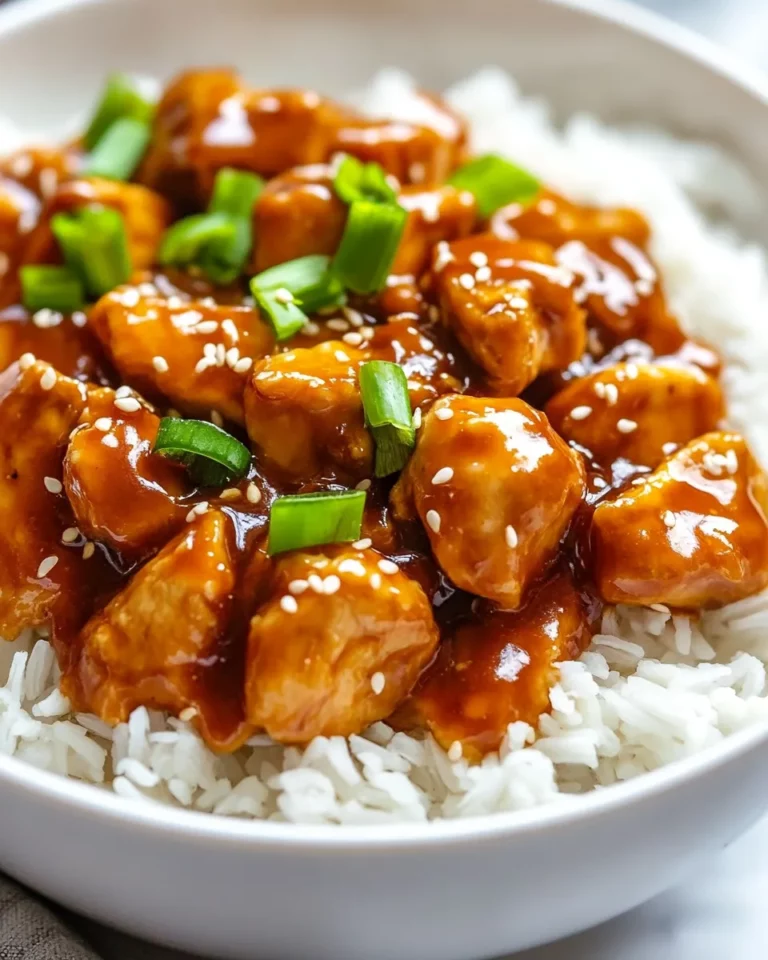
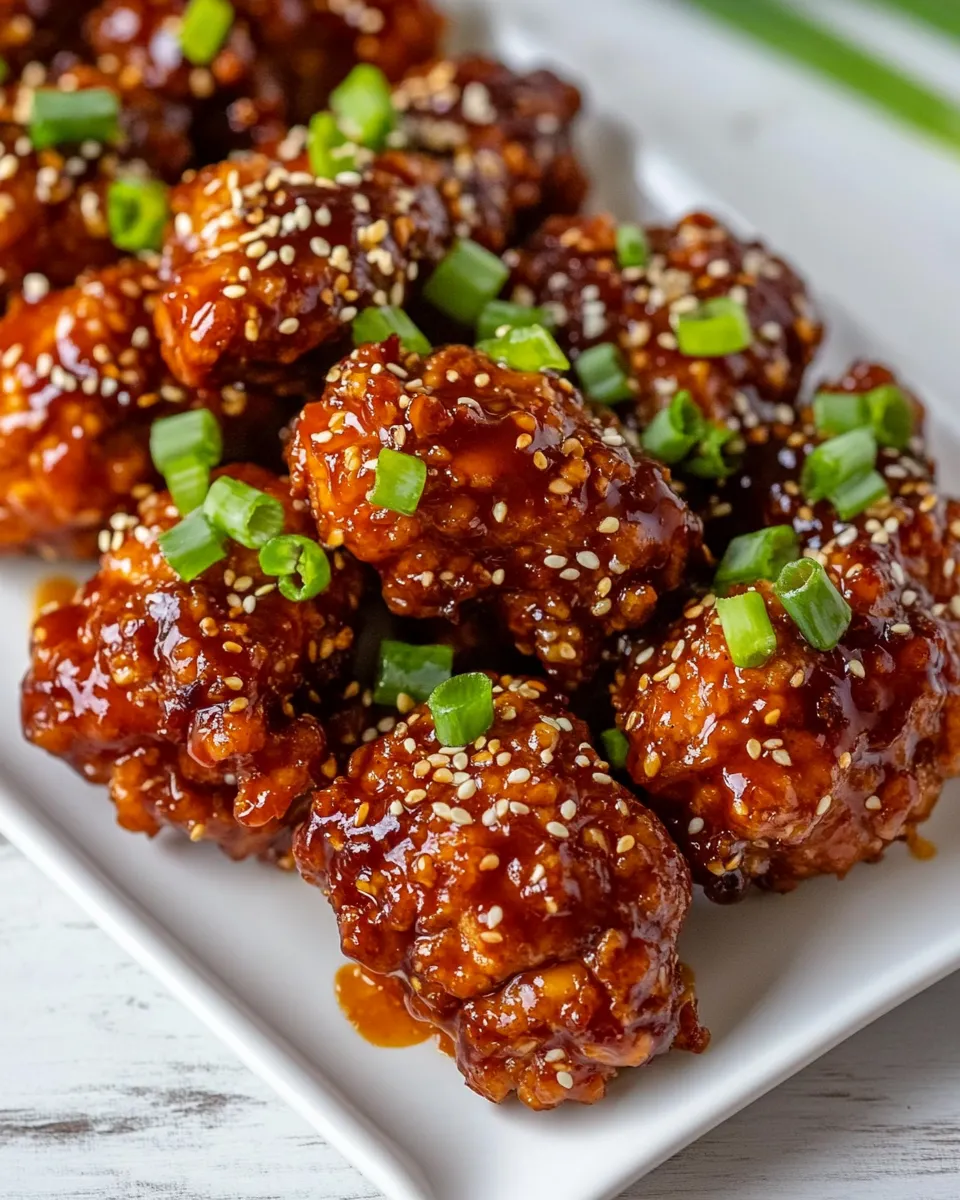
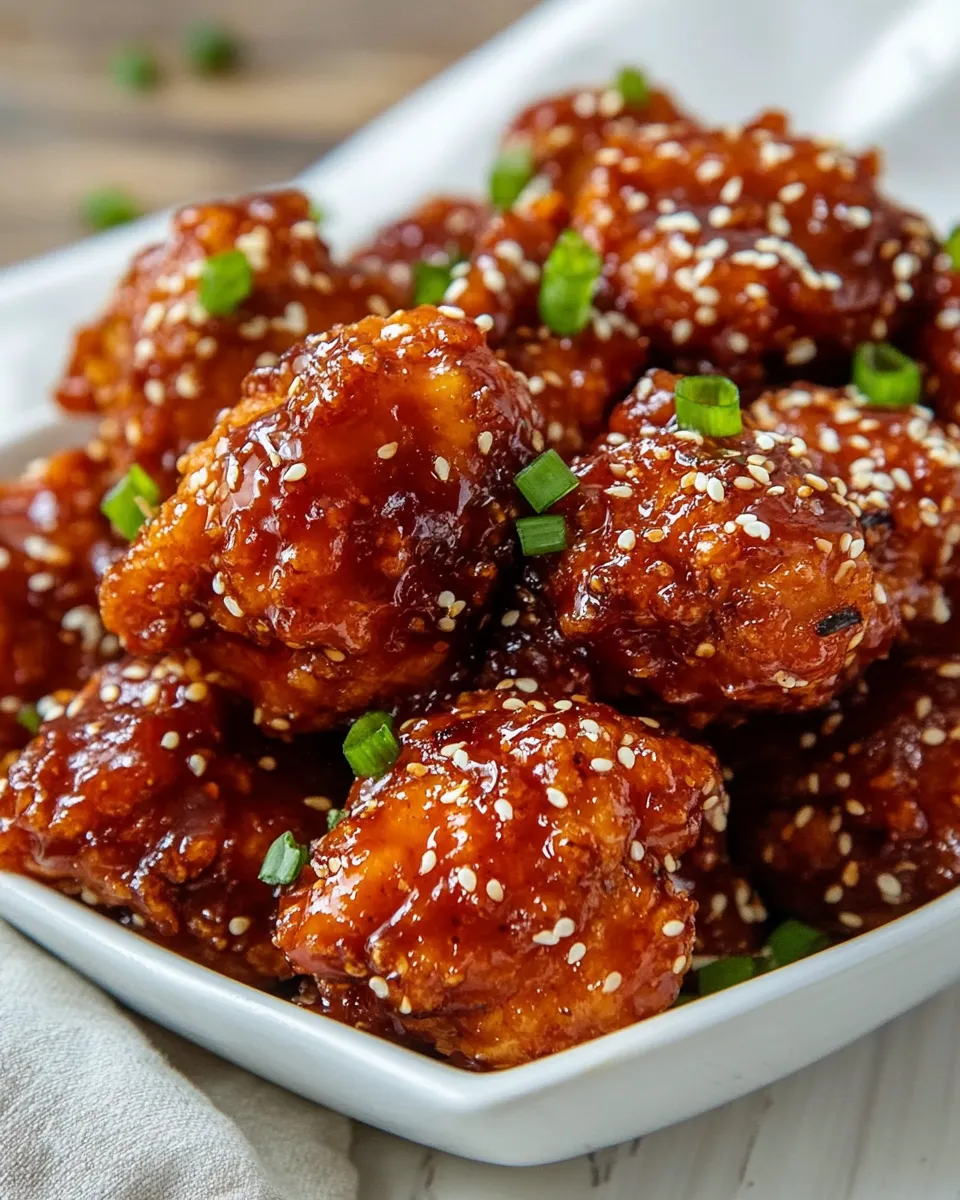
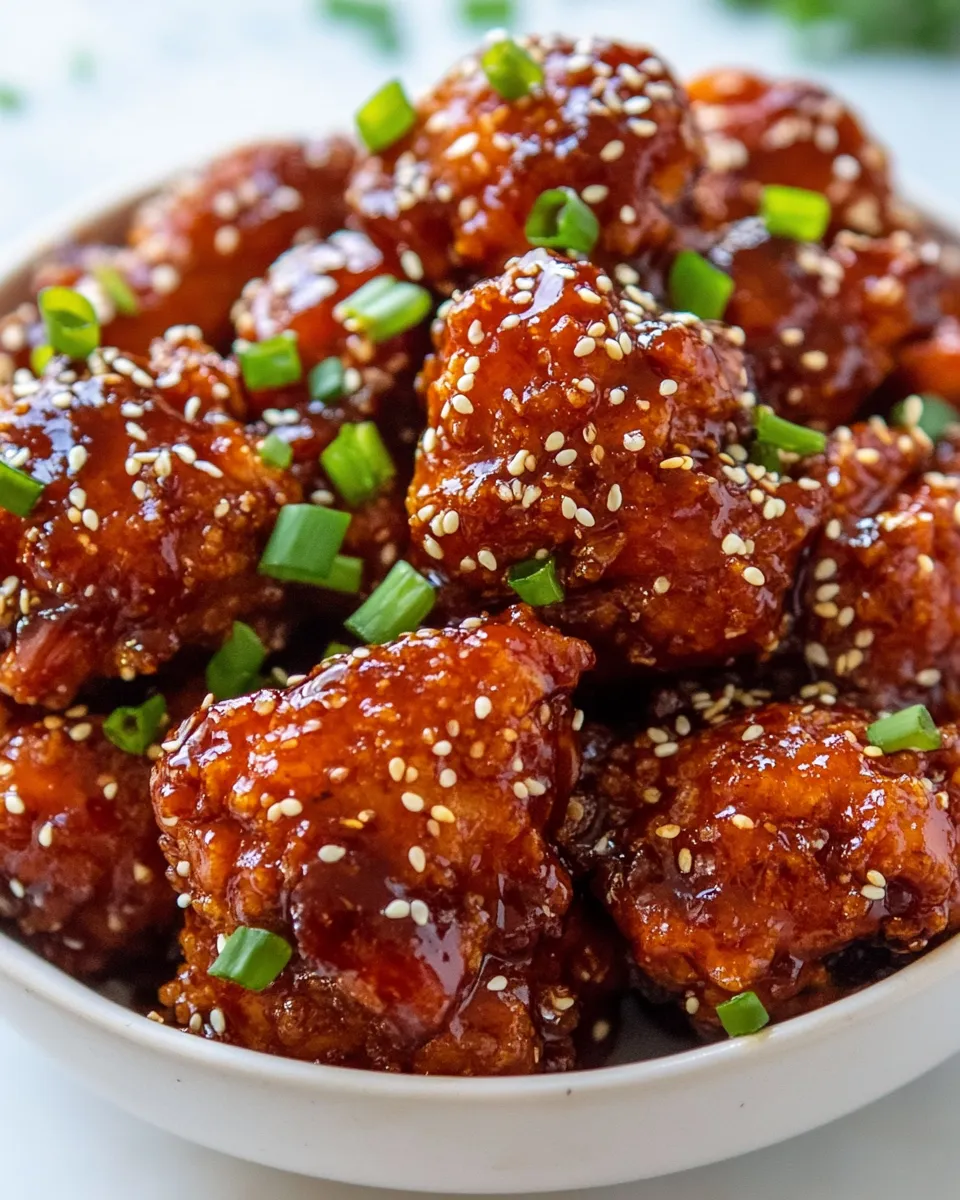
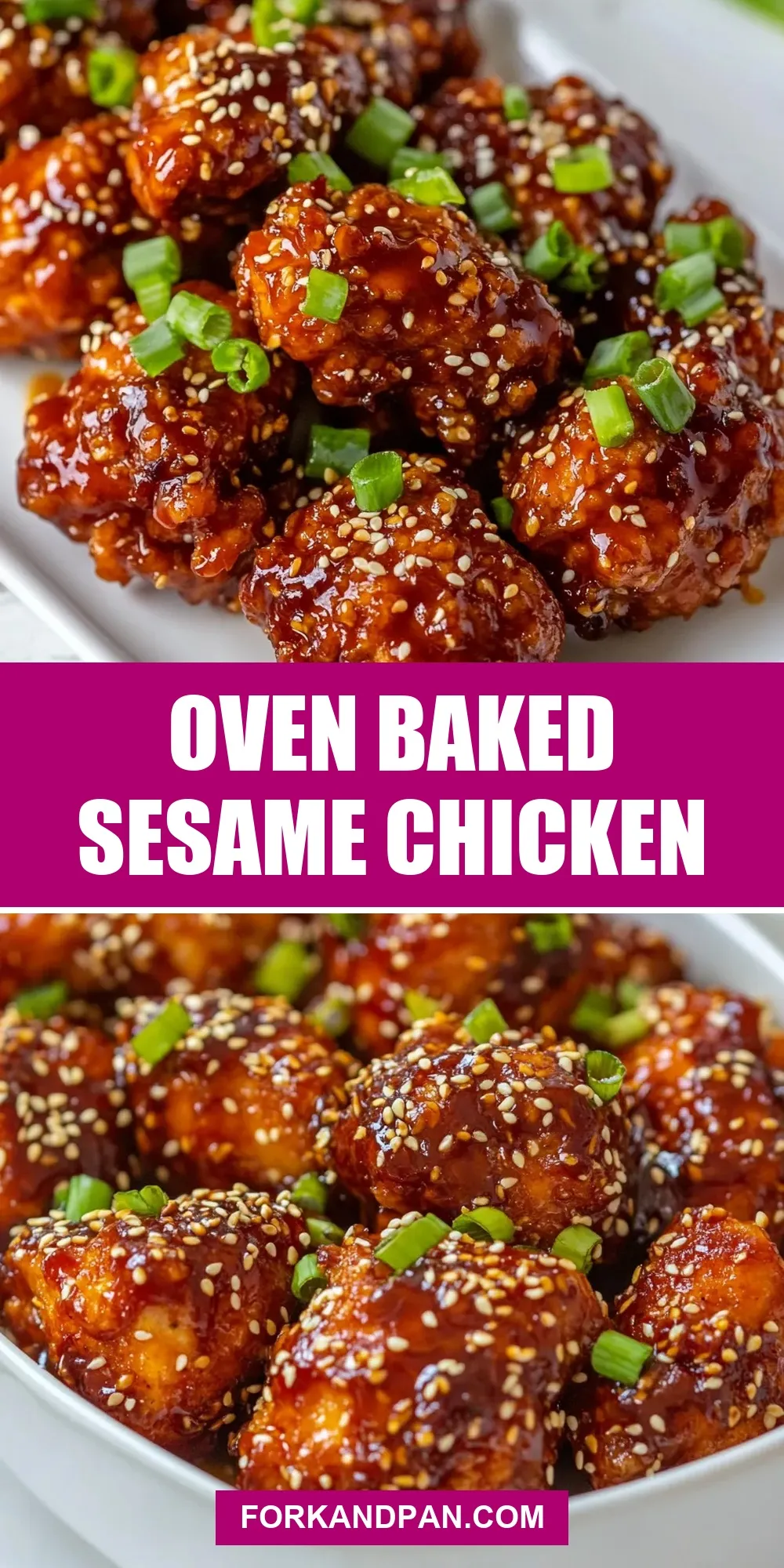
This is the weeknight recipe I reach for when I want takeout flavor without the fuss (or the oil). It delivers crispy, golden chicken coated in a glossy, nutty-sweet sesame sauce — all from the oven. The method keeps things tidy and hands-off, and the timeline is honest: prep, bake, toss, serve.
I’ll walk you through exactly what to do and why each step matters. There are no exotic tricks here, just smart swaps and careful timing so the chicken stays juicy and the panko stays crunchy. If you like a little snap to your coating and a sticky, sesame-forward sauce, this one will stick in your dinner rotation fast.
Follow the steps as written for reliable results, and lean on the tips later in the post for making it ahead, troubleshooting, or adjusting to what you have on hand.
Ingredient Breakdown

- 1 and a 1/2 pounds boneless skinless chicken breasts, cut into 1-inch cubes (don’t worry if they’re not exact; just do your best) — bite-sized pieces cook evenly and finish quickly.
- 2 large eggs, beaten — acts as the wet binder so the panko sticks to the chicken.
- 1/3 cup all-purpose flour (you may also use whole wheat flour) — light dusting helps the egg adhere and gives extra crispness.
- 1 and 1/2 cups panko (Japanese) bread crumbs — main source of crunch; panko stays crisp in the oven better than regular crumbs.
- 1/2 teaspoon kosher salt — seasons the panko so the crust isn’t bland.
- 1/4 teaspoon garlic powder — background savory note in the coating.
- 1/4 teaspoon onion powder — rounds out the umami in the crust.
- 4 tablespoons low-sodium soy sauce — base of the sauce; low-sodium gives control over overall saltiness.
- 2 and 1/2 tablespoons water — used to make the cornstarch slurry that thickens the sauce.
- 2 tablespoons sesame oil — concentrated sesame flavor; a little goes a long way.
- 3 tablespoons light brown sugar, packed — provides sweetness and helps the sauce caramelize slightly.
- 1/4 cup rice vinegar — bright acidity to balance the soy and sugar.
- 1 tablespoon fresh ginger, grated — fresh ginger cuts through the sweetness with warmth and spice.
- 3 cloves garlic, minced — sharp savory note in the sauce.
- 1 and 1/2 tablespoons cornstarch — thickener; gives the sauce a glossy cling to the chicken.
- 1/4 cup sesame seeds — toasty crunch and visual pop; stirred into the sauce so they stick to the chicken.
- 1/4 cup scallions, chopped — finishing garnish for color, mild onion flavor, and freshness.
Step-by-Step: Oven Baked Sesame Chicken
- Preheat oven to 400°F. Place an oven-safe wire rack on a large baking sheet; set aside.
- Pat 1½ pounds boneless skinless chicken breasts dry and cut into roughly 1-inch cubes; set aside.
- Set up three shallow stations: (a) in a shallow bowl beat 2 large eggs until combined, (b) spread 1/3 cup all-purpose flour on a plate, (c) in a medium bowl combine 1½ cups panko, 1/2 teaspoon kosher salt, 1/4 teaspoon garlic powder, and 1/4 teaspoon onion powder; whisk to combine.
- Working with one piece at a time, lightly coat each chicken cube in the flour, shaking off excess; dip into the beaten eggs and allow excess to drip off; then press and roll the piece in the panko mixture until fully coated. Place coated pieces in a single layer on the prepared wire rack (do not overcrowd).
- Bake on the middle oven rack for 20 minutes, or until the chicken is golden and cooked through (internal temperature 165°F if using an instant-read thermometer).
- While the chicken bakes, make the sauce: in a small saucepan over medium-low heat combine 4 tablespoons low-sodium soy sauce, 2 tablespoons sesame oil, 3 tablespoons packed light brown sugar, 1/4 cup rice vinegar, 1 tablespoon grated fresh ginger, and 3 cloves minced garlic. Bring the mixture to a light simmer.
- In a small bowl whisk 1½ tablespoons cornstarch with the 2½ tablespoons water from the ingredient list until smooth. Stir this slurry into the simmering sauce and cook, stirring, until the sauce just thickens, about 30–60 seconds. Stir in 1/4 cup sesame seeds.
- When the chicken is done, transfer the pieces to a large mixing bowl. Pour the hot sauce over the chicken and toss gently to coat evenly.
- Sprinkle 1/4 cup chopped scallions over the coated chicken and serve immediately.
Why This Recipe is a Keeper
This recipe balances texture and flavor in a reliable, low-fuss way. The panko coating gives you the satisfying crunch you expect from fried sesame chicken, but baking keeps things lighter and neater. Baking on a wire rack lets hot air circulate around each piece so the crust crisps rather than steaming on the pan.
The sauce is straightforward but layered: soy gives umami, brown sugar brings caramel sweetness, rice vinegar cuts through with brightness, and sesame oil delivers the signature nutty aroma. Thickening with cornstarch creates a glossy finish that clings to the chicken, so every bite is saucy without being soggy.
It’s also forgiving. The chicken pieces don’t have to be perfectly uniform; just try to cut them reasonably close so everything finishes at the same time. The technique scales well, too—double the sauce for more sauciness, or halve it if you want less glaze.
Budget & Availability Swaps
If you need to economize or adjust for what’s in your pantry, here are conservative swaps that keep the recipe intact:
- Flour: the recipe itself notes you may also use whole wheat flour if that’s what you have on hand.
- Soy sauce: low-sodium is recommended for control, but a standard soy sauce can be used if that’s all you have—taste before serving and adjust if needed.
- Panko: when panko is unavailable, plain dry breadcrumbs will work; expect a slightly denser crust.
Recommended Tools
- Oven-safe wire rack and large baking sheet — essential for even, all-around crisping.
- Instant-read thermometer — quick check for 165°F internal temperature ensures safety without overcooking.
- Mixing bowls and three shallow stations — keep breading efficient and mess minimal.
- Small saucepan and whisk — for making the sauce and cornstarch slurry smoothly.
- Tongs or a large mixing bowl — for gentle tossing when you coat the chicken in sauce.
Steer Clear of These
Little mistakes make a big difference here. Avoid these common pitfalls:
- Overcrowding the rack — if pieces touch, steam builds and the crust sogs. Give them space in a single layer.
- Skipping the thermometer — undercooked poultry is risky; aim for 165°F. A couple of overcooked minutes will dry less on cubes, so err on the side of accuracy rather than guessing by color.
- Dumping the cornstarch slurry in cold — it needs to be mixed into simmering liquid to thicken properly. Also, add the slurry slowly and stir to avoid lumps.
Warm & Cool Weather Spins
This recipe adapts well to seasons. In cooler months, serve it hot and saucy over a steaming bed of whatever starch you prefer; the warm sauce is comforting and lively. In warmer months, let the chicken cool slightly and fold it into salads, bowls, or wraps for a lighter meal. The sesame seeds and scallions add brightness either way.
For picnic-style meals, pack the sauce separately and toss right before serving to preserve crunch if the chicken will sit for a while.
Pro Perspective
Timing and Texture
Baking time is forgiving because the chicken is cut into small cubes. Still, aim to cut pieces roughly the same size so they cook evenly. The rack is the unsung hero; it prevents the underside from steaming and gives you uniform color and a crisp crust all around.
Sauce Finishing Notes
Watch the sauce closely when you add the slurry. It usually thickens within a minute — overcooking after it thickens can cause the sauce to become gummy. Once it reaches a glossy sheen and coats the back of a spoon, it’s ready.
Make Ahead Like a Pro
Prep work can save dinner time on busy nights. Here’s a simple plan:
- Cut and dry the chicken up to 24 hours ahead and store covered in the refrigerator.
- Set up the breading stations and bread the chicken pieces, then place them on the wire rack loosely covered with plastic wrap in the fridge for up to a few hours. If refrigerated too long before baking, the coating can absorb moisture; bake within the same day for best crunch.
- Make the sauce ahead and refrigerate. Reheat gently over low heat, whisk in the cornstarch slurry again if it has separated, bring to a simmer, and then toss with the freshly baked chicken.
FAQ
Q: Can I use chicken thighs instead of breasts?
A: Dark meat is juicier and will work, but you may need to adjust cutting size and watch for slightly different cooking times. The recipe as written uses breasts cut into 1-inch cubes for even, quick cooking.
Q: My panko got a little gray. Is it okay to use?
A: If panko looks gray from being old or rancid, toss it. Fresh panko should be pale and crisp; stale crumbs won’t crisp properly and can impart off flavors.
Q: How do I re-crisp leftovers?
A: Reheat in a 350°F oven on a wire rack for 8–10 minutes, checking for crispness. Avoid the microwave; it will make the coating soggy.
Q: Can I make this gluten-free?
A: To keep the recipe reliable, swap the all-purpose flour with a gluten-free flour blend and use gluten-free panko or crushed gluten-free crackers, and ensure your soy sauce is gluten-free (tamari is a common substitute). Note: texture will vary slightly.
In Closing
If you want a weeknight showstopper that’s approachable, this Oven Baked Sesame Chicken is a keeper. It delivers the crunch and sticky-sesame flavor you want without a fryer, and it scales cleanly for guests. Follow the steps, mind the little checks — like spacing on the rack and a quick thermometer read — and you’ll have a dependable, delicious result every time.
Make it tonight, and the next time someone asks for takeout, you can smile and say, “I’ve got this.”
Oven Baked Sesame Chicken
Ingredients
Ingredients
- 1 and a 1/2 pounds boneless skinless chicken breasts cut into 1-inch cubes (don't worry if they're not exact; just do your best)
- 2 large eggs beaten
- 1/3 cupall-purpose flour you may also use whole wheat flour
- 1 and 1/2 cups panko Japanese bread crumbs
- 1/2 teaspoonkosher salt
- 1/4 teaspoongarlic powder
- 1/4 teaspoononion powder
- 4 tablespoonslow-sodium soy sauce
- 2 and 1/2 tablespoons water
- 2 tablespoonssesame oil
- 3 tablespoonslight brown sugar packed
- 1/4 cuprice vinegar
- 1 tablespoonfresh ginger grated
- 3 clovesgarlic minced
- 1 and 1/2 tablespoons cornstarch
- 1/4 cupsesame seeds
- 1/4 cupscallions chopped
Instructions
Instructions
- Preheat oven to 400°F. Place an oven-safe wire rack on a large baking sheet; set aside.
- Pat 1½ pounds boneless skinless chicken breasts dry and cut into roughly 1-inch cubes; set aside.
- Set up three shallow stations: (a) in a shallow bowl beat 2 large eggs until combined, (b) spread 1/3 cup all-purpose flour on a plate, (c) in a medium bowl combine 1½ cups panko, 1/2 teaspoon kosher salt, 1/4 teaspoon garlic powder, and 1/4 teaspoon onion powder; whisk to combine.
- Working with one piece at a time, lightly coat each chicken cube in the flour, shaking off excess; dip into the beaten eggs and allow excess to drip off; then press and roll the piece in the panko mixture until fully coated. Place coated pieces in a single layer on the prepared wire rack (do not overcrowd).
- Bake on the middle oven rack for 20 minutes, or until the chicken is golden and cooked through (internal temperature 165°F if using an instant-read thermometer).
- While the chicken bakes, make the sauce: in a small saucepan over medium-low heat combine 4 tablespoons low-sodium soy sauce, 2 tablespoons sesame oil, 3 tablespoons packed light brown sugar, 1/4 cup rice vinegar, 1 tablespoon grated fresh ginger, and 3 cloves minced garlic. Bring the mixture to a light simmer.
- In a small bowl whisk 1½ tablespoons cornstarch with the 2½ tablespoons water from the ingredient list until smooth. Stir this slurry into the simmering sauce and cook, stirring, until the sauce just thickens, about 30–60 seconds. Stir in 1/4 cup sesame seeds.
- When the chicken is done, transfer the pieces to a large mixing bowl. Pour the hot sauce over the chicken and toss gently to coat evenly.
- Sprinkle 1/4 cup chopped scallions over the coated chicken and serve immediately.
Equipment
- oven-safe wire rack
- Large baking sheet
- Shallow Bowl
- Plate
- Medium Bowl
- Small Saucepan
- Small Bowl
- Large Mixing Bowl
- instant-read thermometer (optional)