One-Pot Coconut Curry Shrimp
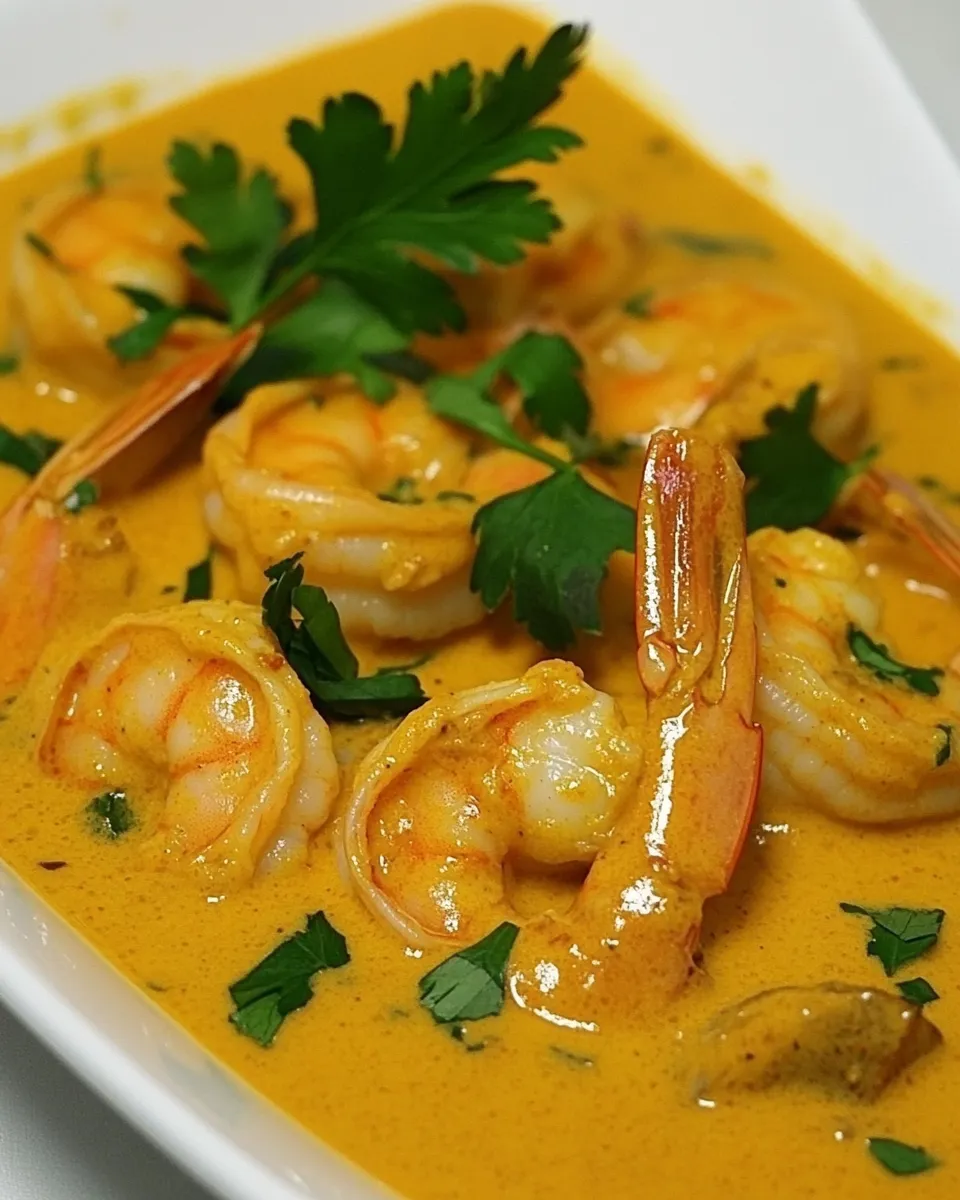
This is the kind of dinner I reach for on a weeknight when I want something fast, comforting, and a little exotic without fuss. Sweet coconut, warm curry, bright lime and cilantro come together in a glossy sauce that clings to tender shrimp. It takes about the time it does to cook rice, and most of that is hands-off while the sauce simmers and thickens.
There’s a simple trick in this recipe: a small butter-and-flour paste that thickens the coconut milk without any heavy cream or long reductions. It gives body to the sauce quickly, so you get silky texture with minimal effort. The shrimp cook fast and should be returned to the skillet only at the end for a few seconds—overcooking is the main danger here.
I’ll walk you through exactly what to have on the counter, each step from start to finish, and the small fixes that save the dish if something goes off. Keep your mise en place simple, have a bowl for resting shrimp, and a spoon ready to taste. This is one-pot cooking done right: fast, flavorful, and forgiving.
What’s in the Bowl

Ingredients
- 1 pound shrimp, raw, cleaned and deveined — the main protein; cooks very quickly, so cook in one layer and don’t overcrowd.
- 2 tablespoons pure butter, room temperature, divided — fat for searing and richness in the sauce; divided so you get both browning and silkiness.
- 1/2 cup onion, chopped — builds the sweet aromatic base; cook until tender but not browned.
- 1 garlic clove, minced — adds pungent warmth; add after the onion to avoid burning.
- 1 tablespoon ginger, fresh, grated — bright, peppery note that lifts the coconut and curry.
- 1/2 teaspoon sea salt — seasons the whole dish; taste before serving and adjust if needed.
- 1/2 teaspoon black pepper — a bit of bite to balance the sweetness.
- 1 tablespoon plus 1 teaspoon curry powder — use yellow curry for a mild taste or red for bold; this is the primary spice profile.
- 1 tablespoon flour — combined with butter into a paste to thicken the coconut sauce quickly.
- 13 1/2 ounces coconut milk, can, unsweetened — creamy base; unsweetened keeps the balance savory with a touch of sugar added separately.
- 1 teaspoon coconut palm sugar — just a touch to round the flavors and tame any bitter notes from spices.
- 1 tablespoon lime juice, about half a lime — brightens and balances the richness at the very end.
- 1/2 cup cilantro, freshly chopped — folded in last for freshness and herbaceous lift.
From Start to Finish: One-Pot Coconut Curry Shrimp
- Heat a medium skillet over medium heat. Add 1 tablespoon butter and let it melt. Add the shrimp in a single layer and cook until pink and opaque, about 2 minutes per side. Transfer the shrimp to a plate and cover with a paper towel to keep warm.
- In the same skillet over medium heat, add the 1/2 cup chopped onion. Cook, stirring occasionally, until the onion is tender, about 4 minutes.
- Add the minced garlic and cook 1 minute. Add the grated ginger, 1/2 teaspoon sea salt, 1/2 teaspoon black pepper, and 1 tablespoon plus 1 teaspoon curry powder; stir to combine and cook about 30 seconds until fragrant.
- In a small bowl, combine the remaining 1 tablespoon room-temperature butter with 1 tablespoon flour to form a smooth paste.
- Pour in the 13 1/2 ounces coconut milk and add 1 teaspoon coconut palm sugar, stirring to combine. Bring the mixture to a boil, then reduce the heat to low.
- Stir the butter-flour paste into the simmering coconut mixture and cook, stirring frequently, until the sauce starts to thicken, about 5 minutes.
- Add the cooked shrimp back to the skillet and cook just until heated through, about 15 seconds.
- Remove the skillet from the heat. Stir in 1 tablespoon lime juice and 1/2 cup chopped fresh cilantro.
- Serve immediately (optionally over brown rice).
What Makes This Recipe Special
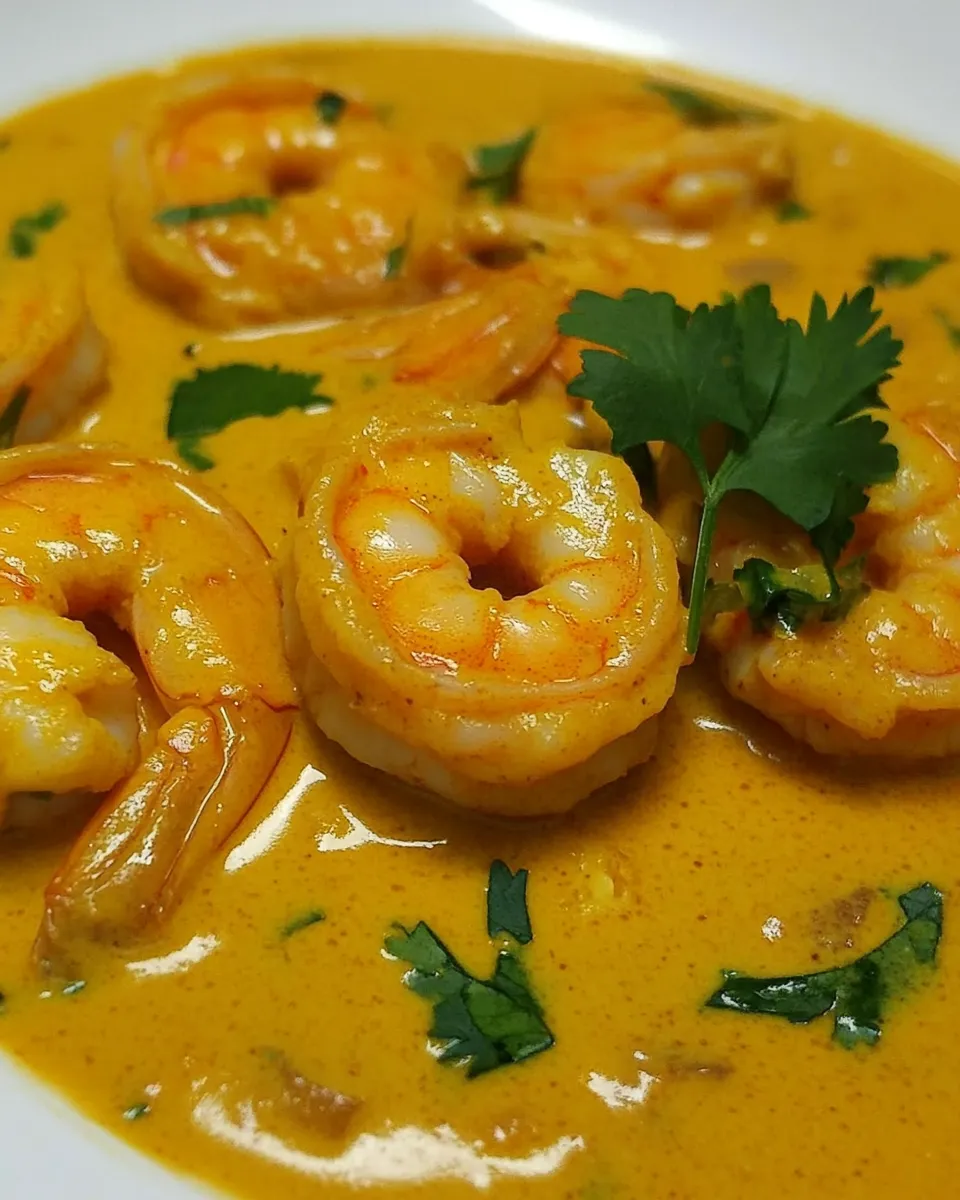
It’s the speed and the texture. Shrimp need minutes to cook; the sauce thickens in about five. That keeps the shrimp tender and the sauce rich without long simmering or extra heavy dairy. The butter-and-flour paste is a small, old-school trick that gives the coconut milk body fast. You get a creamy mouthfeel without cream or a long reduction.
The flavor is layered: sautéed onion, bright ginger and garlic, and curry powder toasted briefly to release its oils. Coconut palm sugar and lime juice round and balance each other—one softens, the other brightens. Finish with cilantro to add freshness and a herbal pop that keeps the dish lively.
Healthier Substitutions
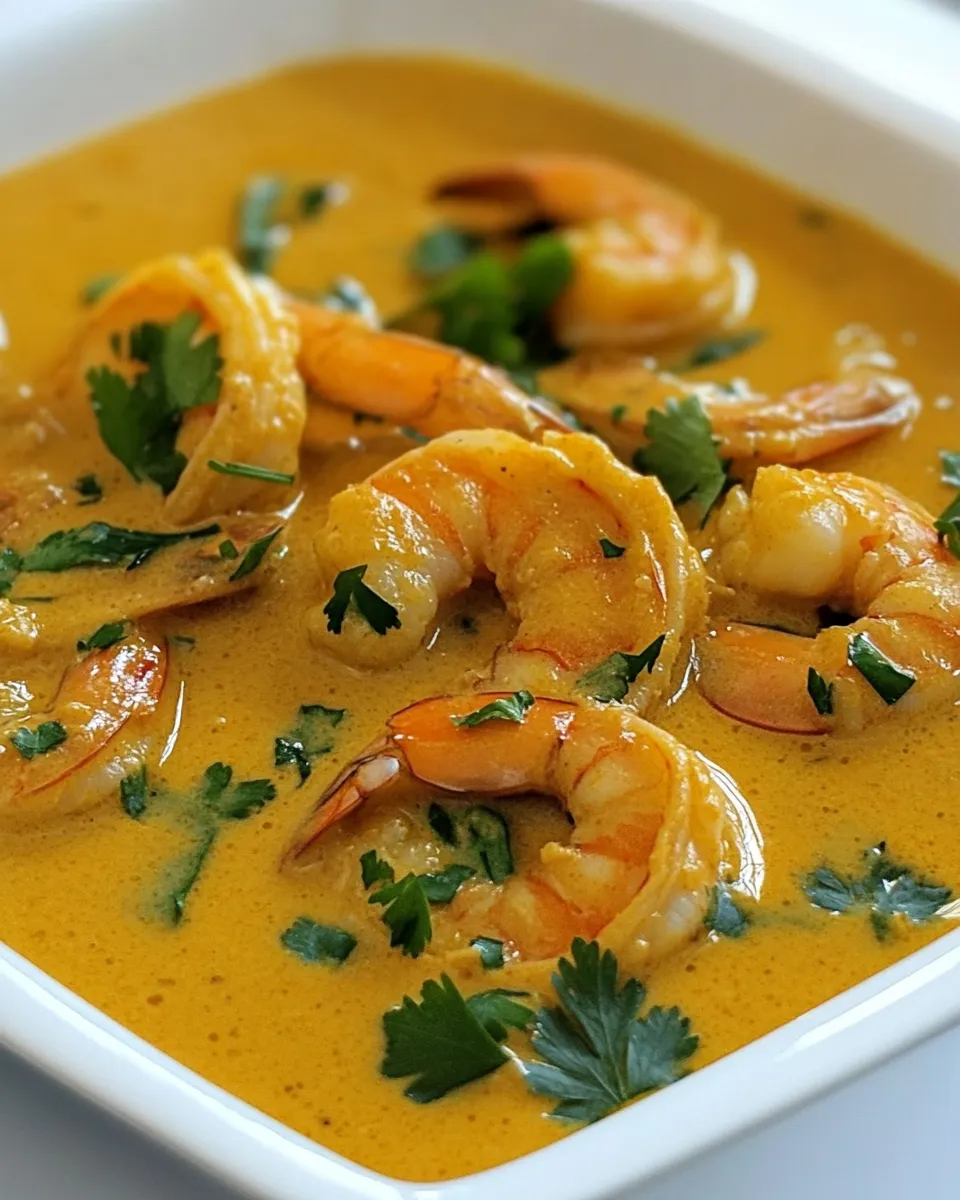
Small swaps keep the profile while trimming richness or calories. Use less of the butter in the sear if you want to cut fat—the recipe leaves some butter in the sauce for silkiness, but you can reduce the initial sear amount. If you prefer a lighter dish, choose a lower-fat coconut milk from the store, but expect a thinner sauce; the flour paste will still give some thickness.
If you’re watching sodium, hold back on the full 1/2 teaspoon sea salt and taste at the end before adding more. You’ll often find the lime and cilantro make the dish seem saltier than it is, so adjust carefully.
Equipment Breakdown
- Medium skillet — wide and shallow is ideal so the shrimp can be seared in a single layer.
- Small bowl — to mix the butter and flour into a smooth paste.
- Spoon or spatula — for stirring the sauce and folding in cilantro.
- Plate and paper towel — for resting cooked shrimp so they stay warm and don’t continue to cook in the skillet.
- Measuring spoons and cups — accurate measurements help here, especially with curry powder and coconut milk.
Watch Outs & How to Fix
Shrimp overcooking: this is the most common error. Shrimp go from tender to rubbery quickly. Fix: remove them as soon as they’re opaque and pink, and only return them to the hot sauce for the final 15 seconds. If they’re already overcooked, chop them and fold them into the sauce to distribute texture more evenly.
Sauce too thin: if your coconut milk or choice of milk produced a very thin sauce, keep the heat low and stir the butter-flour paste in a little longer; give it a few extra minutes to thicken. If the paste isn’t enough, you can make a second slurry of 1 teaspoon flour plus a little water and whisk it in off heat, then gently reheat until thickened. (Be cautious—too much flour changes the mouthfeel.)
Sauce grainy or pasty: that happens if the flour wasn’t smoothed into a paste first. Fix by whisking the paste vigorously in a small cup with a splash of coconut milk until smooth, then stir slowly into the simmering liquid and cook to hydrate the starch fully.
In-Season Flavor Ideas
Work with what’s already in this recipe to match seasonal produce or pantry finds. In spring or summer, increase the cilantro at the end for a brighter finish. For fall or winter, use the redder, bolder curry if you want warming depth; the ingredient note already calls this out. If you have ripe limes in season, use a little extra lime juice to lift the richness—acid makes the flavors pop without adding anything new to the ingredient list.
When serving, pair with warm brown rice (mentioned as optional) if it’s on hand. Rice cooks separately but staples like rice, quinoa or grain blends are great for soaking up the coconut-curry sauce.
What Could Go Wrong
Underseasoning. Coconut milk is mellow. If you skip the salt and sugar, the dish will taste flat. Season in stages: add the salt with the spices, taste once the sauce has thickened, then adjust the lime and salt at the end.
Bitter or raw curry flavor. If curry powder isn’t briefly cooked with the aromatics, it can taste raw or bitter. The recipe calls for stirring the curry with the onions, garlic and ginger for about 30 seconds—don’t skip that step.
Clumped paste. If the butter and flour aren’t combined smoothly before hitting the simmer, you’ll get lumps. Mix until smooth and add gradually while stirring the coconut milk. If lumps form, strain them or whisk vigorously to smooth the sauce.
Make-Ahead & Storage
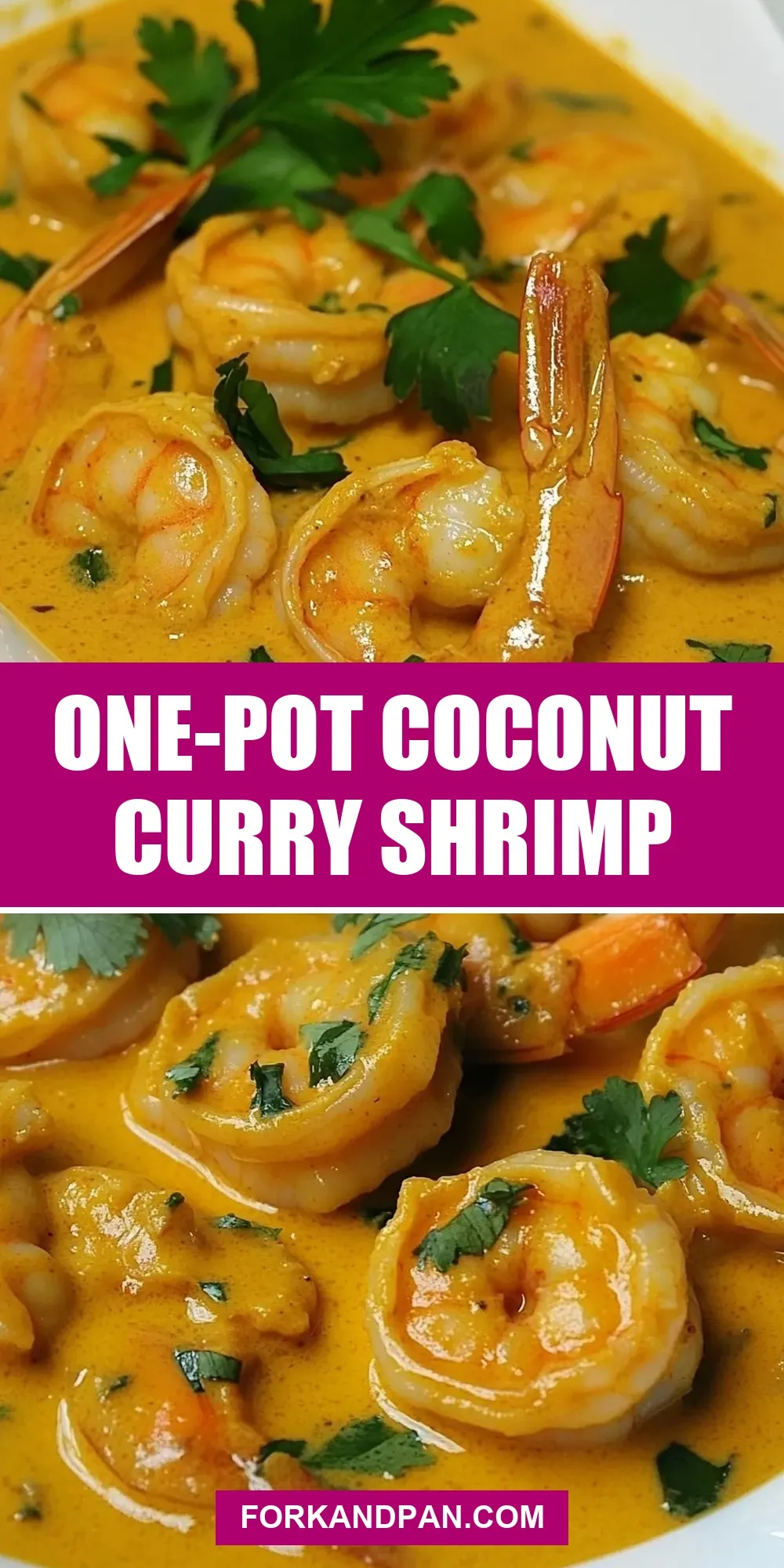
This keeps well for weekday lunches. Store leftovers in an airtight container in the refrigerator for up to 3 days. The sauce will set as it chills; gently reheat over low heat and stir to bring it back to silky. Reheating too quickly will overcook shrimp—use low heat and brief warming to avoid toughness.
Freezing is possible for the sauce, but shrimp texture will degrade when frozen and thawed. If you want to freeze, consider freezing just the sauce and adding freshly cooked shrimp when you reheat. Or freeze a complete meal if texture loss is acceptable for convenience.
Popular Questions
How spicy is this?
The recipe’s heat level is mild if you use yellow curry powder. Switching to a red curry powder will increase the warmth and depth. You can also control perceived heat with the amount of black pepper: the recipe calls for 1/2 teaspoon.
Can I use frozen shrimp?
Yes. Thaw thoroughly, pat dry, and proceed as written. Make sure shrimp are as dry as possible before searing so they brown instead of steaming.
How can I thicken the sauce more without flour?
The butter-flour paste is the quickest route. If you prefer not to use flour, reduce the coconut milk longer over medium-low heat until it concentrates, or toss in a small spoonful of a preferred thickener that you already use. Keep in mind reductions take time and will concentrate the coconut flavor.
Can I make this vegetarian?
This exact recipe centers on shrimp, but the sauce itself pairs well with firm tofu or hearty vegetables. If swapping protein, adapt cook times and treat tofu or vegetables according to their needs rather than the shrimp timing.
Save & Share
If this recipe becomes your quick weeknight go-to, pin it or save it to the folder you use for fast dinners. It travels well into lunches and scales easily if you’re feeding more people—just keep the shrimp cook time the same and finish them in the sauce at the end.
When you make it, take note of what you change—more lime next time, less butter this time—and fold those tweaks into your version. That’s how a dependable family recipe is born.

One-Pot Coconut Curry Shrimp
Ingredients
Ingredients
- 1 poundshrimpraw cleaned and deveined
- 2 tablespoonspure butterroom temperature divided
- 1/2 cuponionschopped
- 1 garlic cloveminced
- 1 tablespoongingerfresh grated
- 1/2 teaspoonsea salt
- 1/2 teaspoonblack pepper
- 1 tablespoonplus 1 teaspoon curry powderuse yellow curry for a mild taste or red for bold
- 1 tablespoonflour
- 13 1/2 ouncescoconut milkcan unsweetened
- 1 teaspooncoconut palm sugar
- 1 tablespoonlime juiceabout half a lime
- 1/2 cupcilantrofreshly chopped
Instructions
Instructions
- Heat a medium skillet over medium heat. Add 1 tablespoon butter and let it melt. Add the shrimp in a single layer and cook until pink and opaque, about 2 minutes per side. Transfer the shrimp to a plate and cover with a paper towel to keep warm.
- In the same skillet over medium heat, add the 1/2 cup chopped onion. Cook, stirring occasionally, until the onion is tender, about 4 minutes.
- Add the minced garlic and cook 1 minute. Add the grated ginger, 1/2 teaspoon sea salt, 1/2 teaspoon black pepper, and 1 tablespoon plus 1 teaspoon curry powder; stir to combine and cook about 30 seconds until fragrant.
- In a small bowl, combine the remaining 1 tablespoon room-temperature butter with 1 tablespoon flour to form a smooth paste.
- Pour in the 13 1/2 ounces coconut milk and add 1 teaspoon coconut palm sugar, stirring to combine. Bring the mixture to a boil, then reduce the heat to low.
- Stir the butter-flour paste into the simmering coconut mixture and cook, stirring frequently, until the sauce starts to thicken, about 5 minutes.
- Add the cooked shrimp back to the skillet and cook just until heated through, about 15 seconds.
- Remove the skillet from the heat. Stir in 1 tablespoon lime juice and 1/2 cup chopped fresh cilantro.
- Serve immediately (optionally over brown rice).
Equipment
- Medium Skillet
- Small Bowl
- Plate
- Paper Towel